ADVERTISEMENT
The Art of the Dark Bedroom: Designing for Deep Sleep
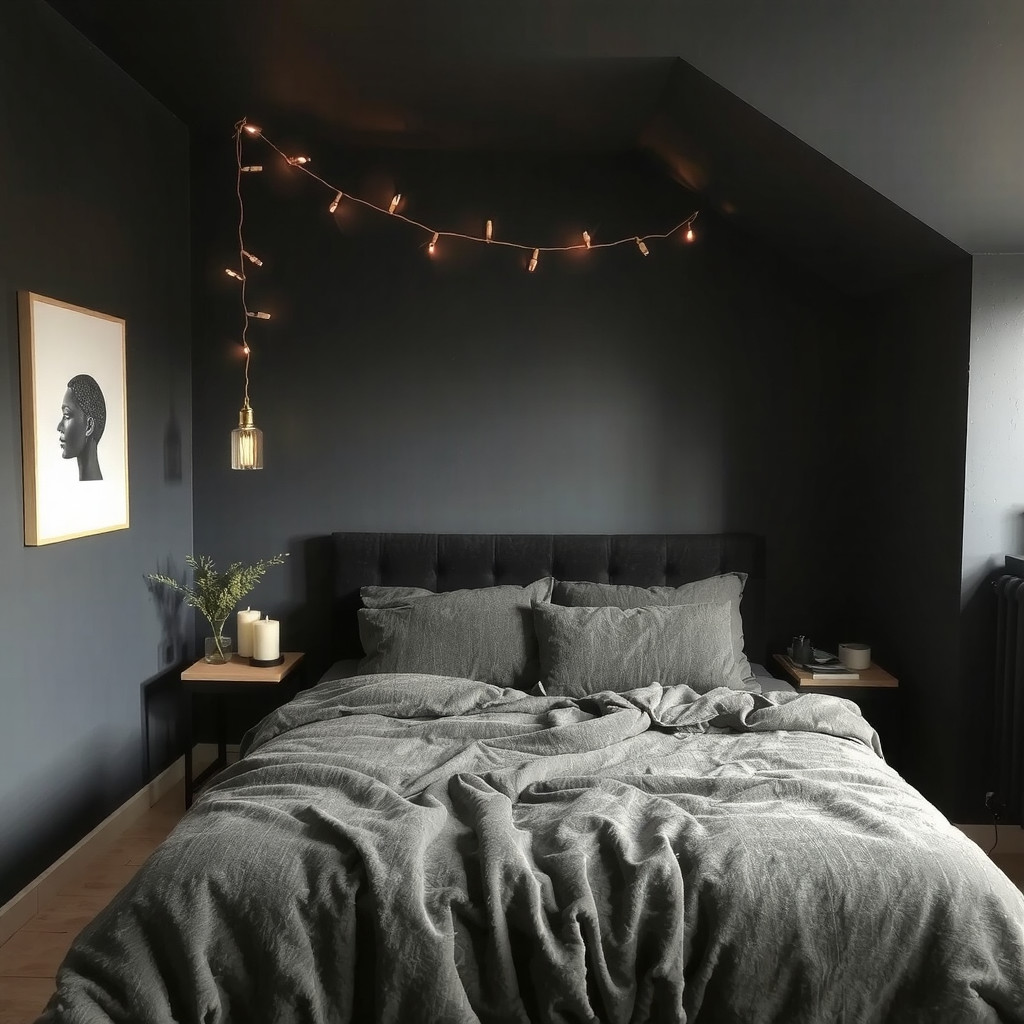
There is a profound stillness found in the shadows. While light and airy interiors have long dominated the pages of design magazines, a shift toward darker, moodier aesthetics is redefining how we approach rest. A bedroom wrapped in deep hues—charcoal, midnight blue, forest green, or even soft black—acts as a cocoon, signaling to your brain that it is time to disconnect and recharge.
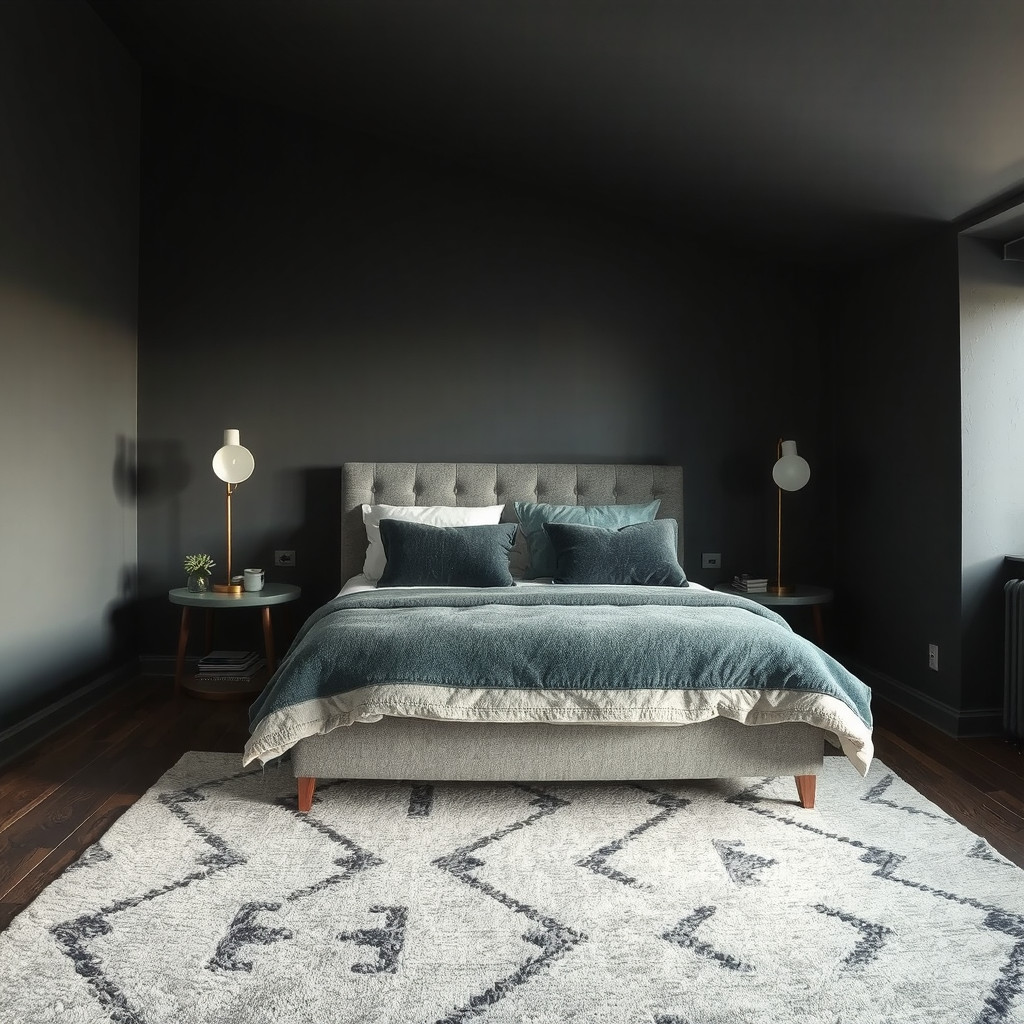
Embracing the dark side of decor is not about creating a gloomy cave; it is about curating an environment of intimacy and sophistication. By manipulating shadow and depth, you create a space that feels grounded and infinitely cozy, providing the perfect backdrop for a restorative night’s sleep.
Layout and Positioning
When working with darker palettes, the spatial arrangement becomes critical to prevent the room from feeling oppressive. Your bed should command the space, anchored centrally to allow breathing room on either side. In a dark room, the boundaries of the walls often recede visually, making the space feel larger and more boundless than it actually is.
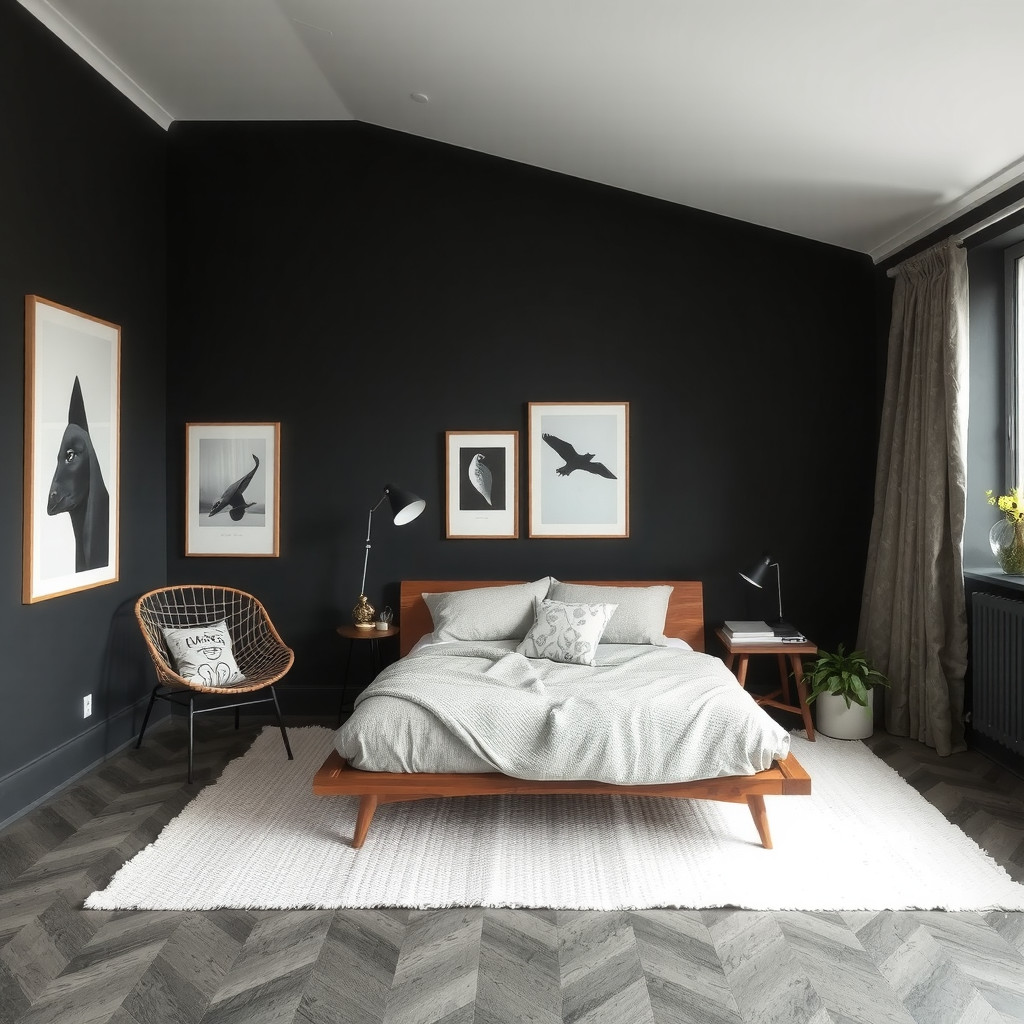
Consider creating distinct zones within the gloom. A reading nook positioned near a window or a dedicated corner for meditation can benefit from the enveloping darkness. Keep pathways clear; shadows can hide obstacles, so a minimalist approach to floor space ensures that the flow remains effortless and safe, even in low light.
Materials and Textiles
Texture is the secret ingredient that prevents dark rooms from feeling flat or cold. Without light bouncing around to highlight architectural details, your tactile experience becomes paramount. Layering rich, light-absorbing materials adds depth and warmth that paint alone cannot achieve.

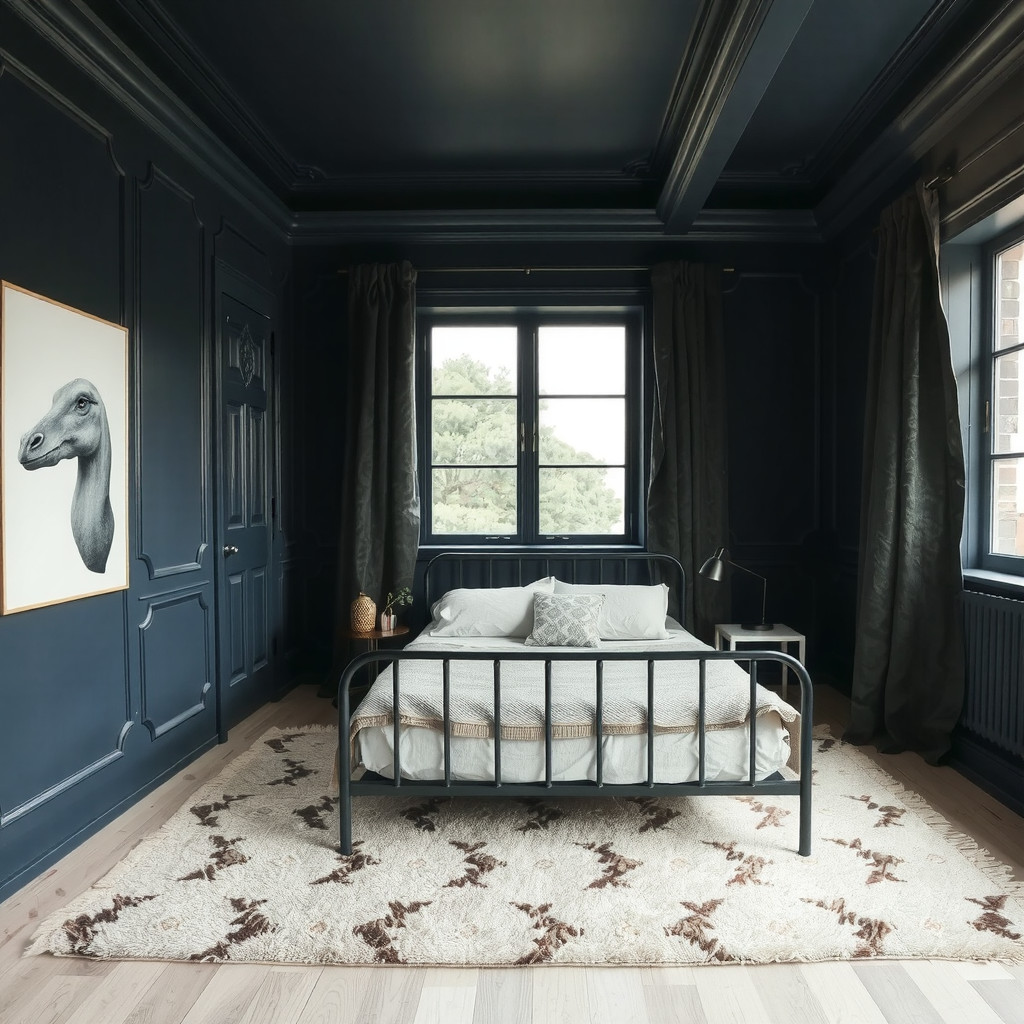
Think of plush velvet headboards in deep emerald or navy, heavy linen curtains that pool on the floor, and faux fur throws that invite touch. Matte finishes on furniture—such as stained walnut or matte black metal—absorb light rather than reflecting it, enhancing the moody atmosphere. Contrast these heavier fabrics with crisp, high-thread-count sheets to provide a sensory break when you slide into bed.
Focal Points
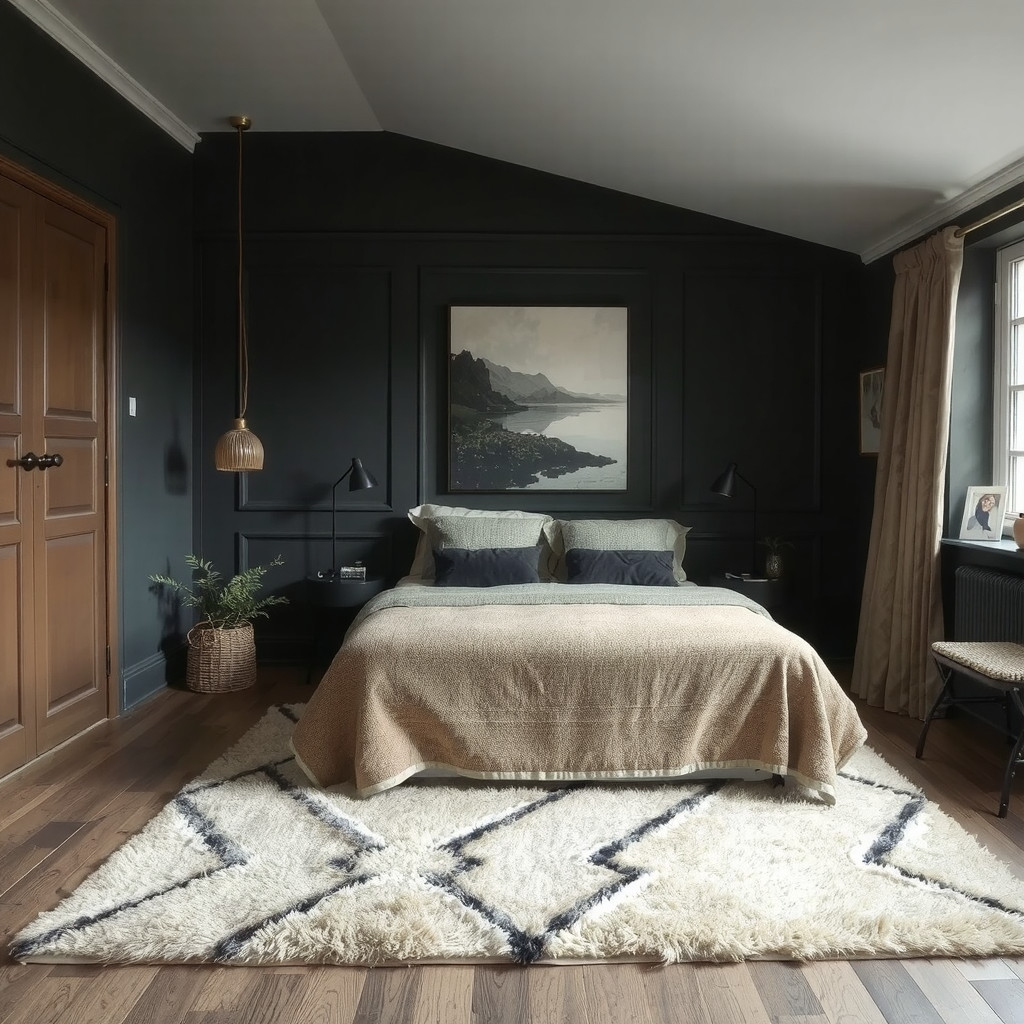
In a room where the walls recede, you need a strong anchor. A dramatic focal point grounds the design and gives the eye a place to rest. This could be an architectural feature like wainscoting painted in the same monochrome hue as the walls, or an oversized piece of art that emerges from the shadows.
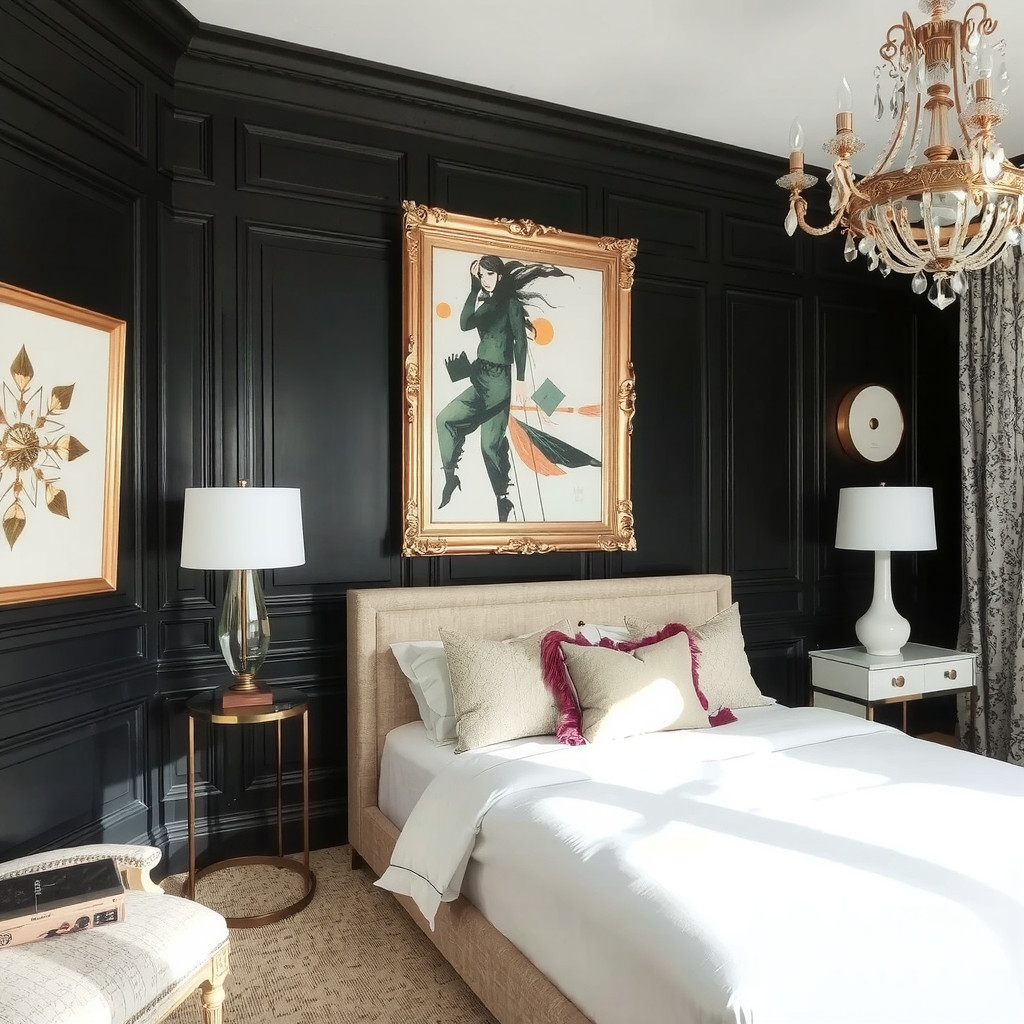
Consider a statement headboard that stretches wide or tall, acting as a visual shield. If you prefer a more subtle approach, a gallery wall with matching dark frames and moody prints can add interest without breaking the color drenching effect. The goal is sophistication; let the darkness frame your treasured pieces like a museum exhibit.
Lighting
Lighting in a dark bedroom is less about illumination and more about ambiance. Harsh overhead lighting destroys the mood instantly. Instead, focus on warm, low-level lighting that glows rather than shines. The contrast between deep walls and a soft pool of gold light is magic.
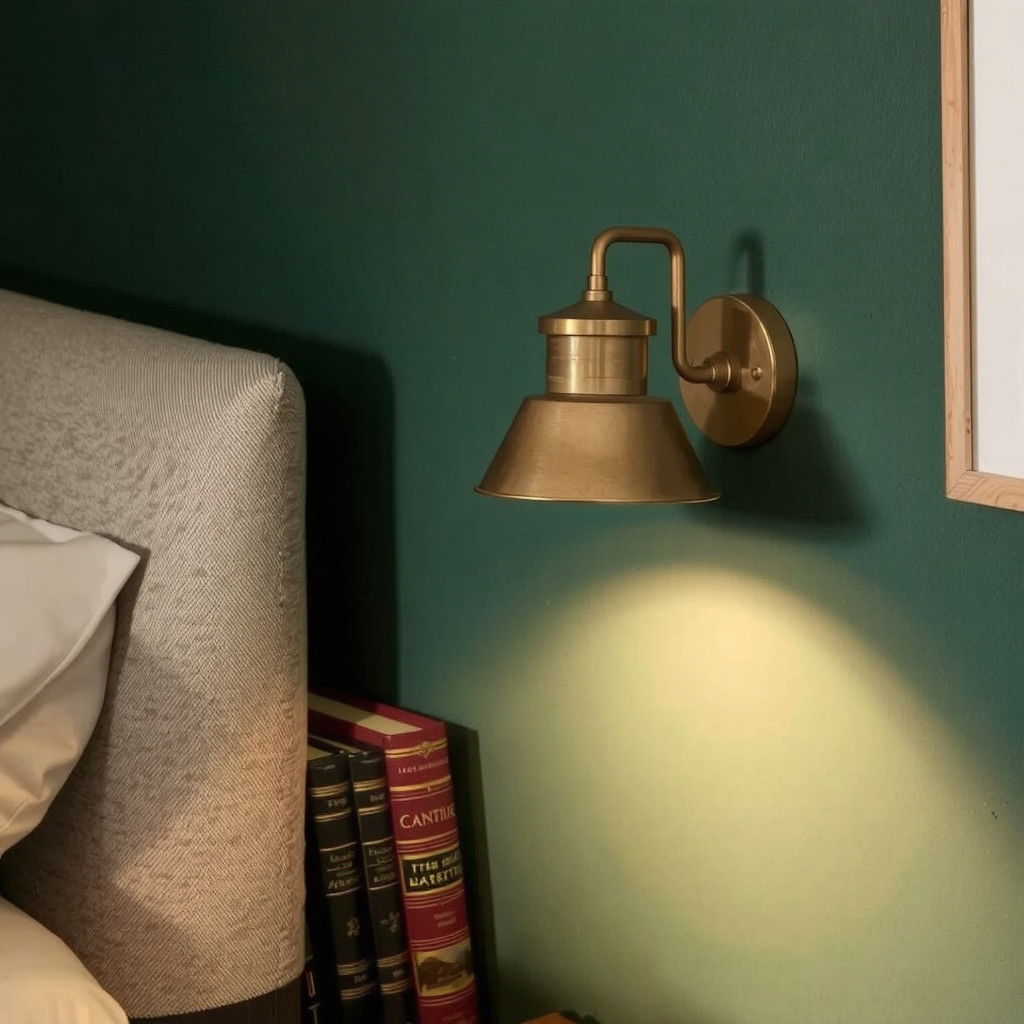
Utilize wall sconces with dimmers, bedside table lamps with fabric shades that diffuse light, or hidden LED strips under the bed frame for a floating effect. Brass, copper, or gold fixtures pop beautifully against dark backgrounds, adding a touch of luxe jewelry to the room.
Greenery
Nature pairs exceptionally well with moody interiors. The vibrancy of living green leaves cuts through the darkness, adding life and oxygen to the space. Plants prevent the room from feeling sterile and bridge the gap between the indoors and the natural world outside.
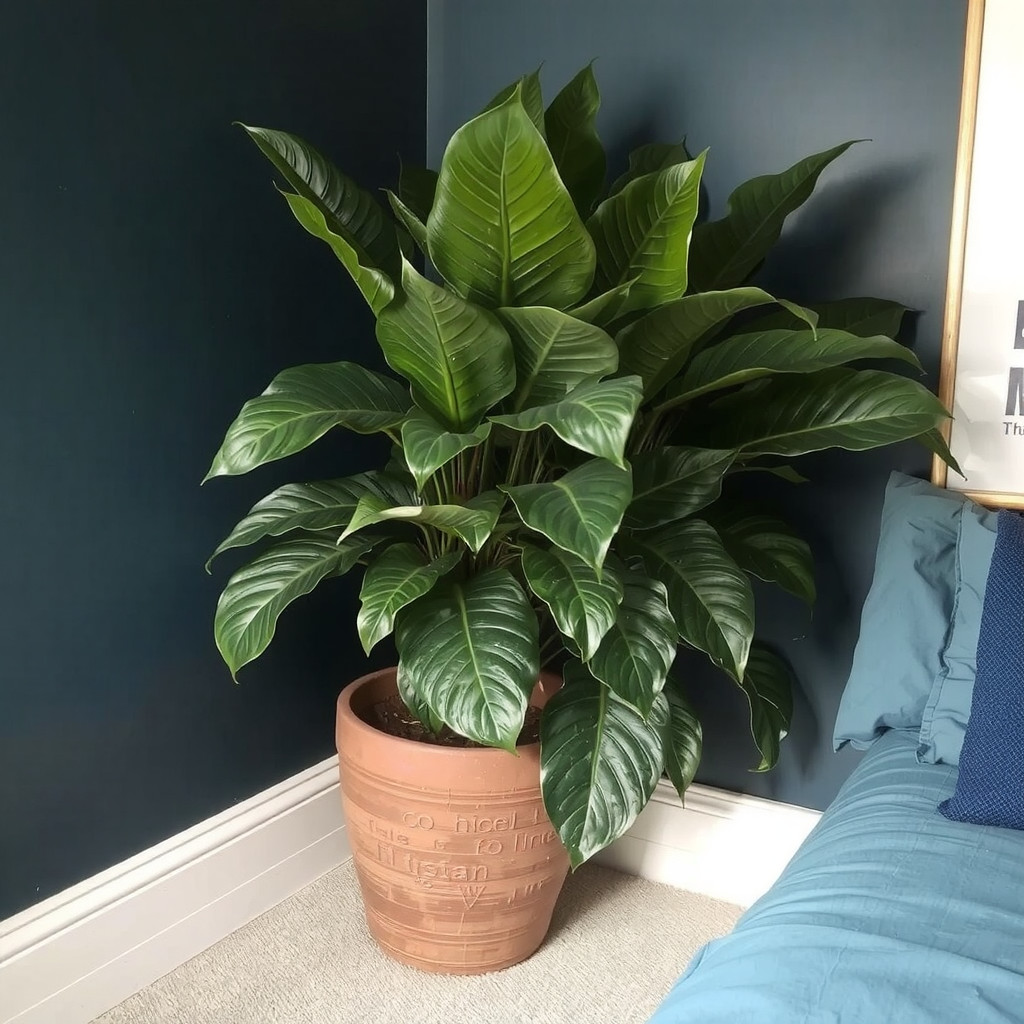
Select plants with structural leaves, such as a Rubber Plant or a Monstera, which hold their own against bold wall colors. Place them in terracotta or metallic pots to add another layer of texture. The lush green tones harmonize perfectly with navy, black, or slate gray, enhancing the organic, sanctuary-like feel.
Tips for Mastering the Mood
- Commit to the Ceiling: Paint the ceiling the same dark color as the walls to create a seamless, box-like cocoon effect.
- Reflective Accents: Use mirrors or metallic decor sparingly to catch the low light and sparkle against the matte surroundings.
- Rug Selection: Anchor the bed with a lighter or patterned rug to separate the dark floor from the dark bed frame, adding necessary contrast.
- Warmth is Key: Ensure your light bulbs are warm white (2700K-3000K); cool white light can make dark walls look clinical and gray.
- Test Your Paint: Dark colors change drastically throughout the day. Test swatches on different walls to ensure the undertones remain pleasing at night.
ADVERTISEMENT