ADVERTISEMENT
Introduction
Transforming your sleeping quarters into a restorative retreat begins with selecting the right living elements. You want greenery that thrives on neglect, purifying your air while you sleep without demanding constant attention. This approach creates a visual calm that anchors the room, ensuring your sanctuary remains a place of rest rather than obligation. By choosing hardy botanical companions, you invite nature indoors to soothe your senses and enhance your well-being.
Layout and Positioning
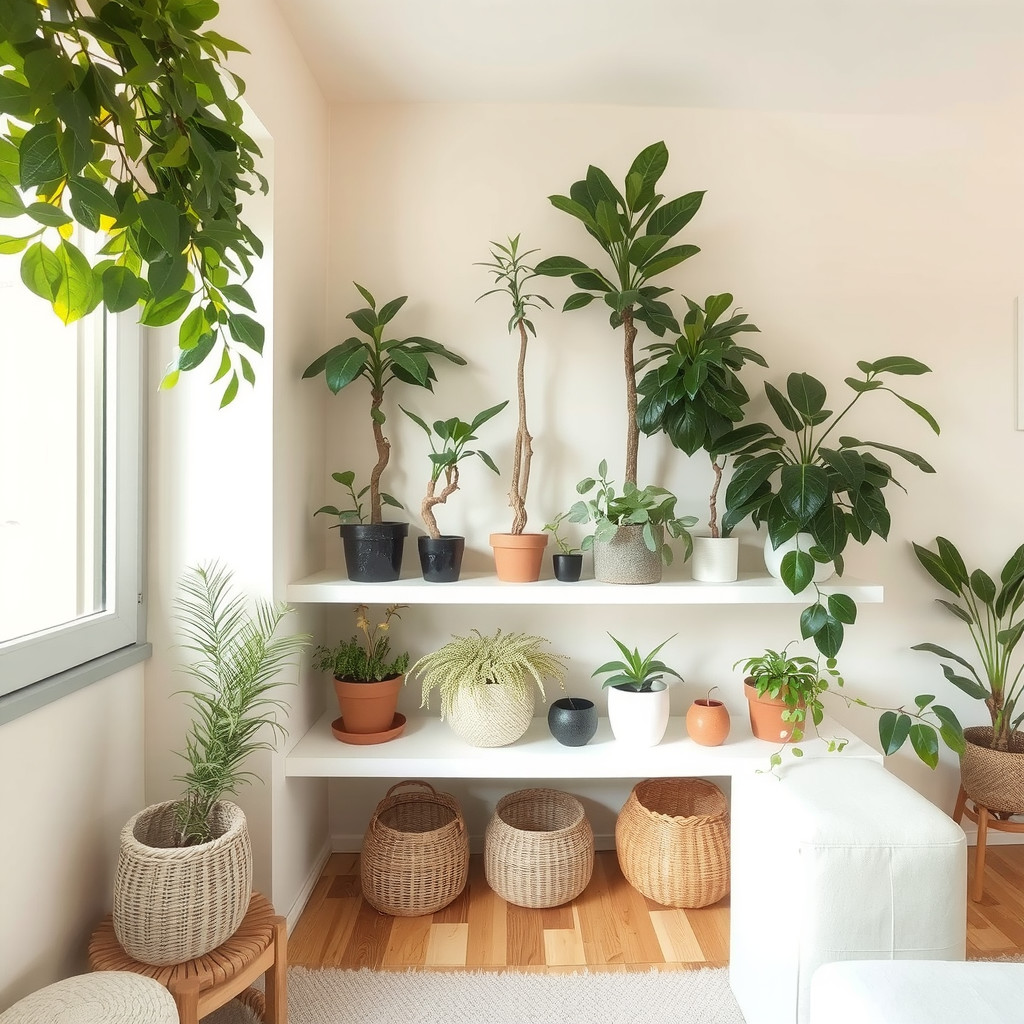
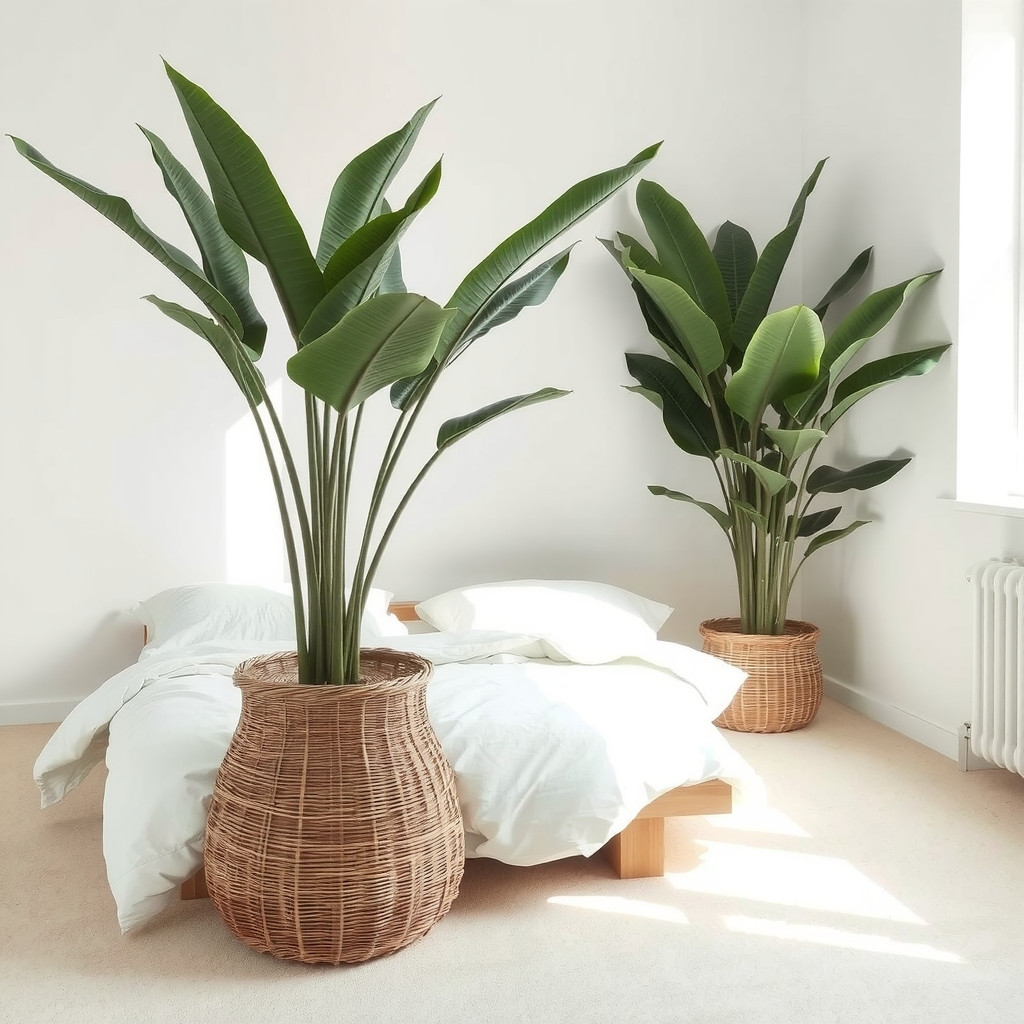
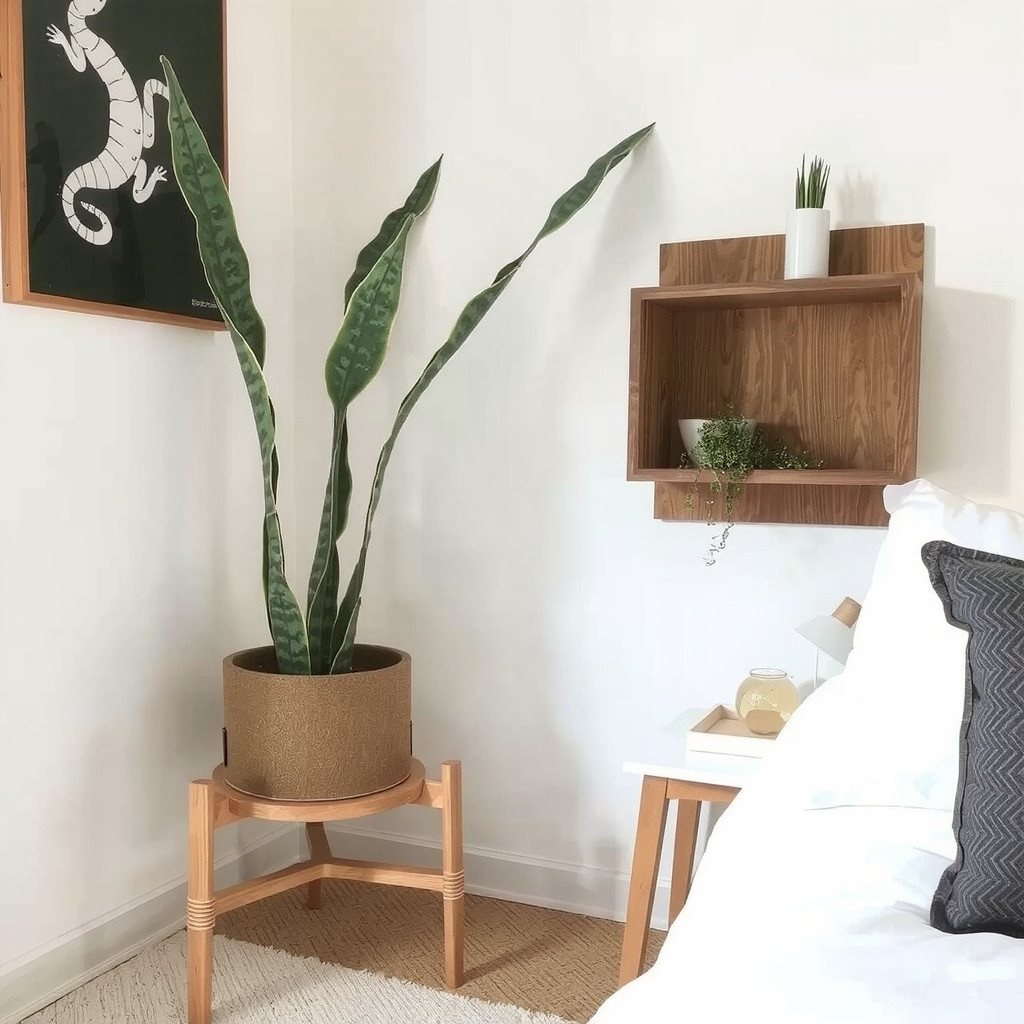
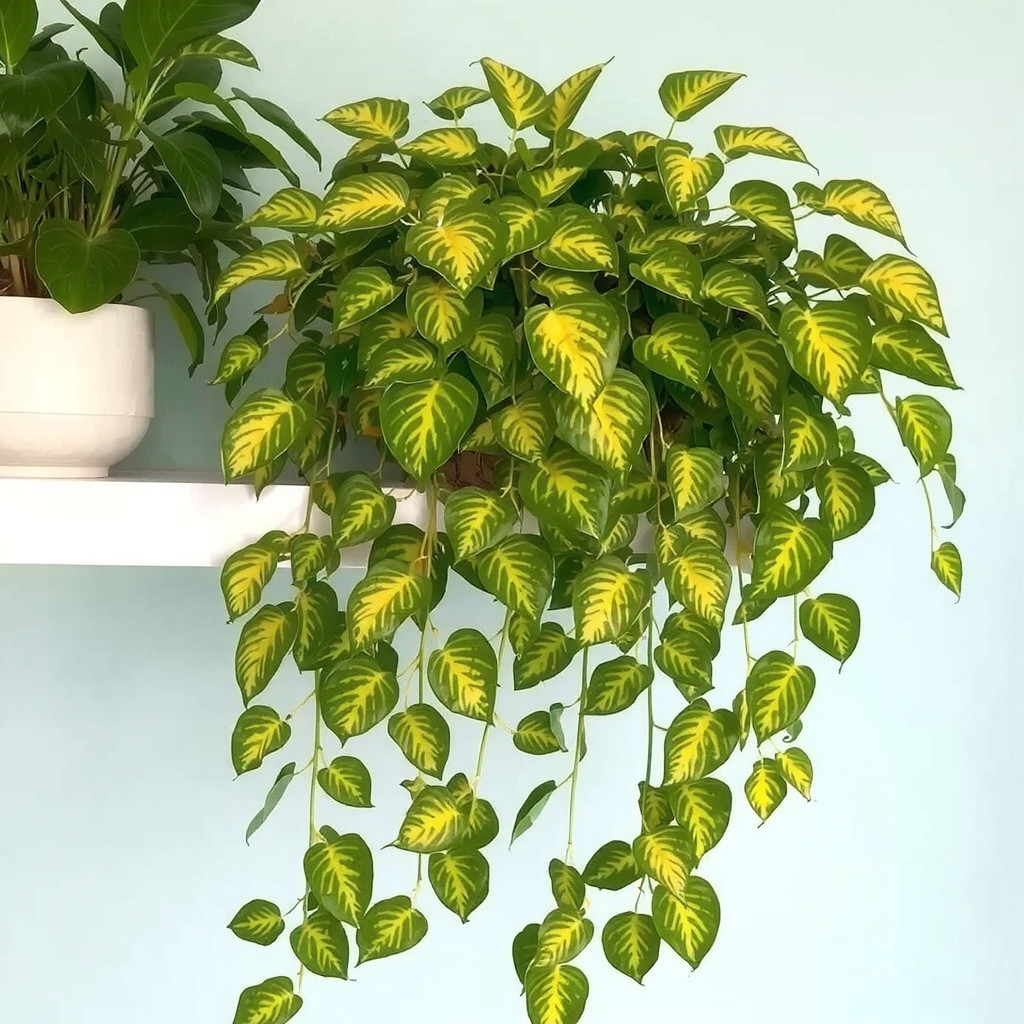
Consider the flow of movement around your bed to ensure a seamless integration of nature. You should place larger, structural plants in stagnant corners to soften harsh architectural lines without obstructing pathways or creating clutter. Use verticality to your advantage by placing trailing varieties on high shelves or hanging planters, drawing the eye upward and making the room feel more spacious and airy.
Materials and Textiles
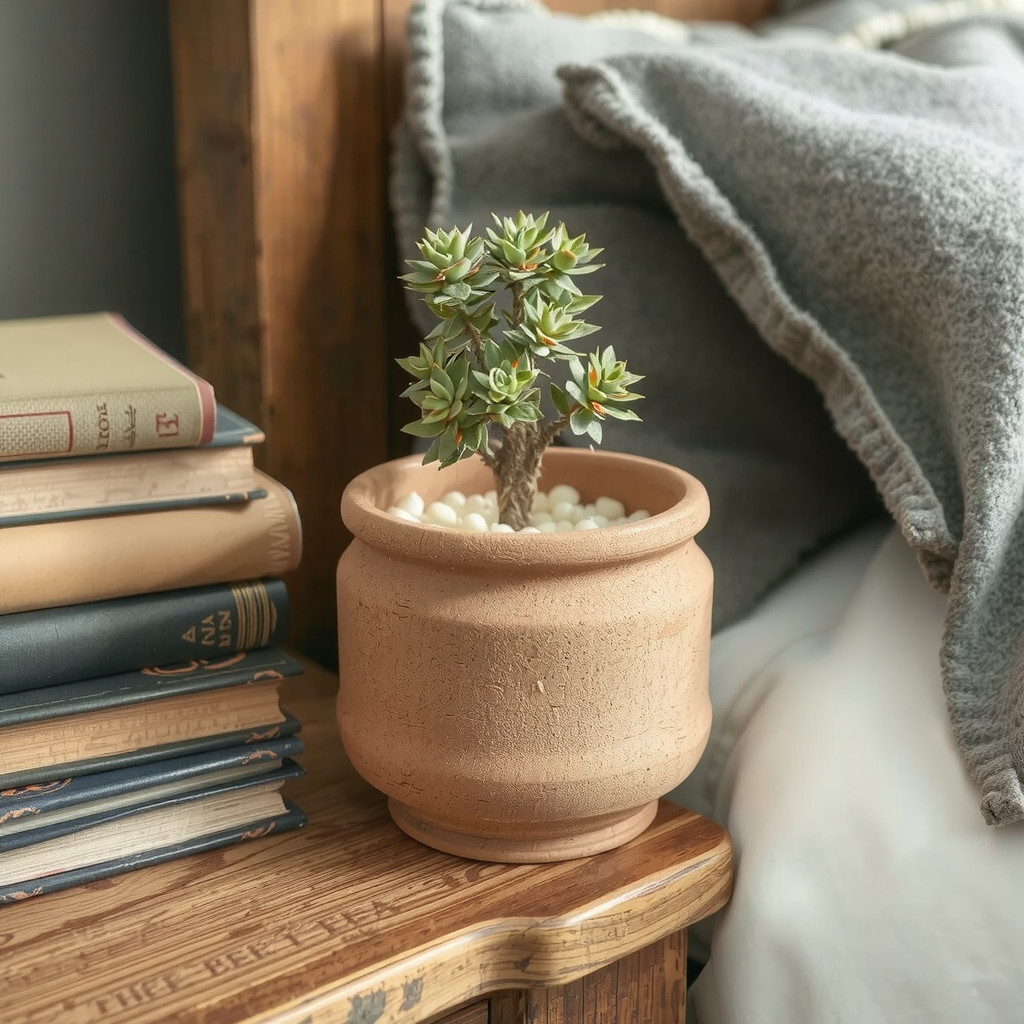
The vessels you choose are just as important as the plants themselves for establishing a cohesive aesthetic. Opt for porous materials like unglazed terracotta, stone, or matte ceramics which allow the soil to breathe, mimicking a natural environment. Pair these earthy textures with soft bedroom textiles—chunky knit throws, washed linen duvet covers, and wool rugs—to create a tactile contrast that feels grounded, warm, and inviting.
Focal Points
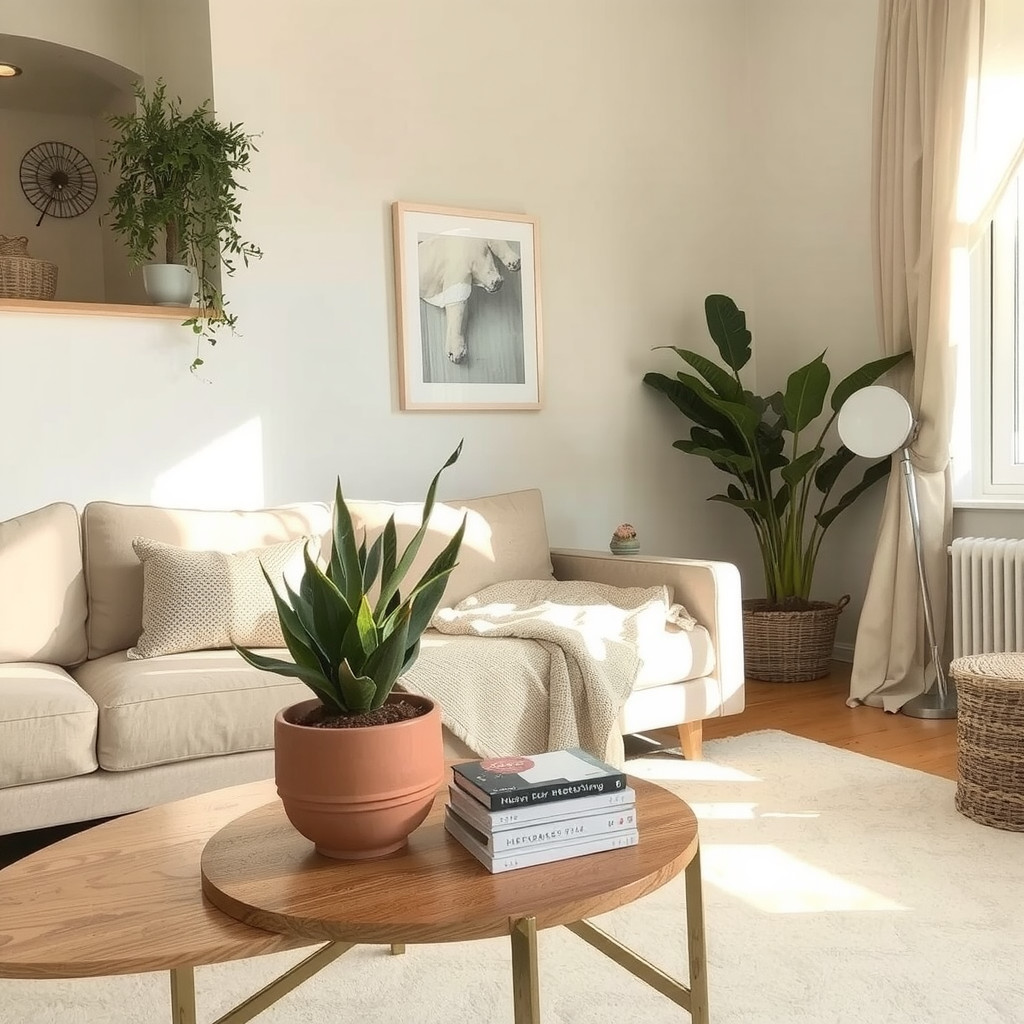
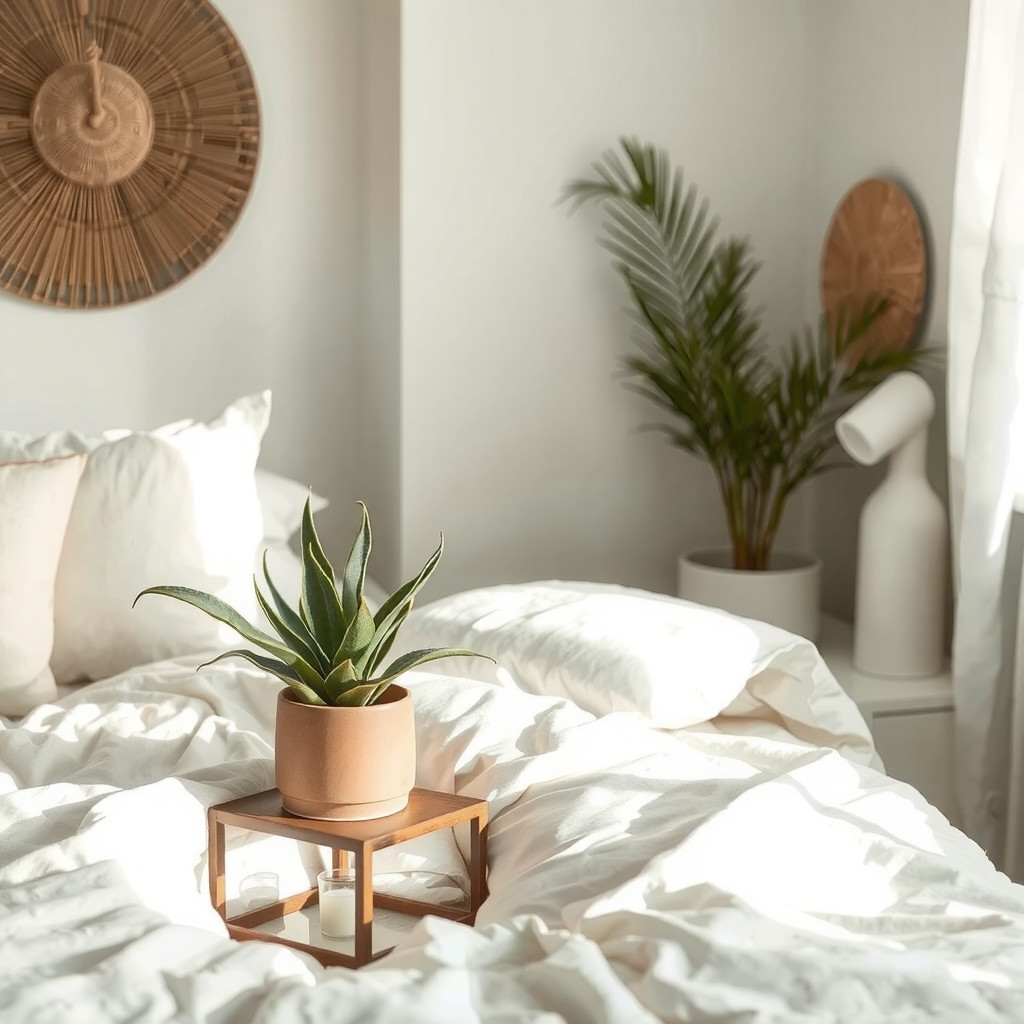
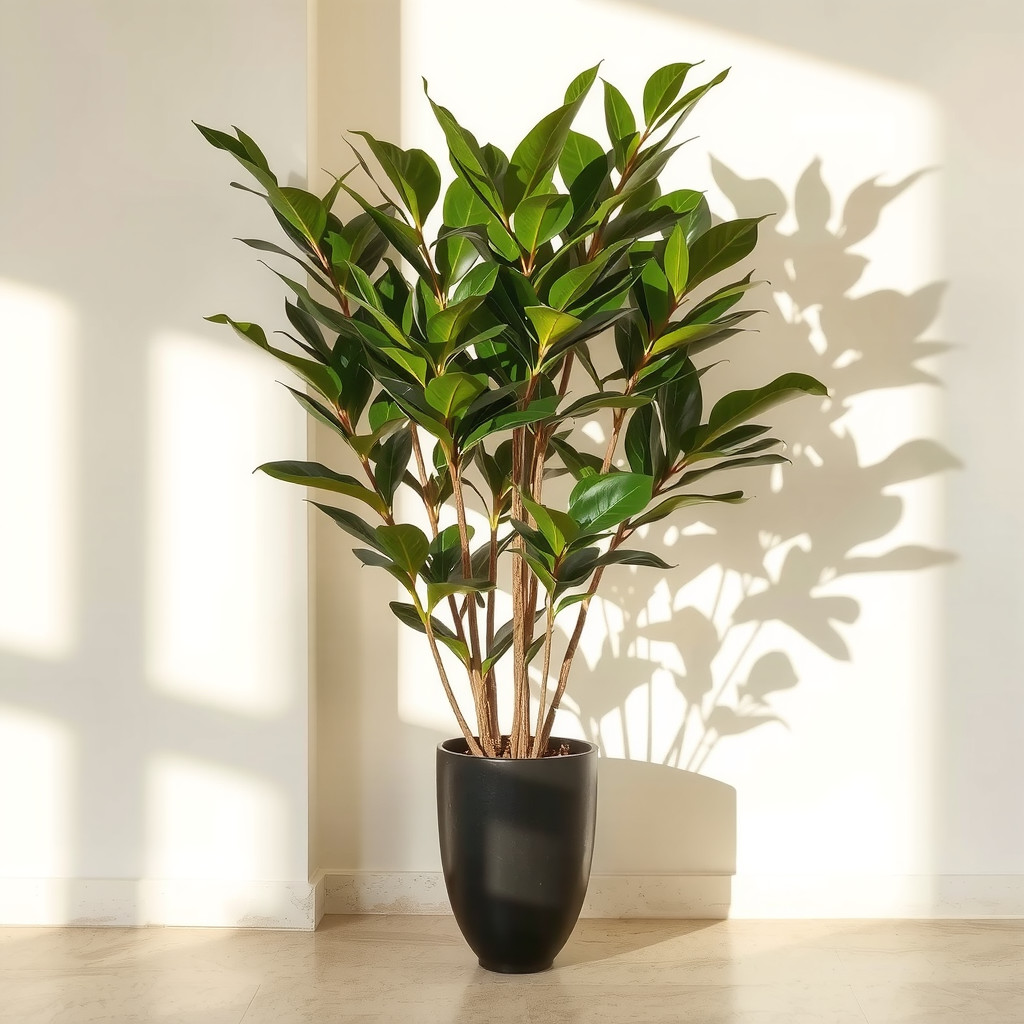
Instead of cluttering surfaces with many small items, select one statement botanical piece to serve as a living sculpture. A tall Snake Plant (Sansevieria) or a glossy ZZ plant offers architectural height and dramatic silhouettes that define the space. Positioning a single substantial plant against a blank wall creates a deliberate visual anchor that commands attention without overwhelming the senses or disrupting the room’s harmony.
Lighting
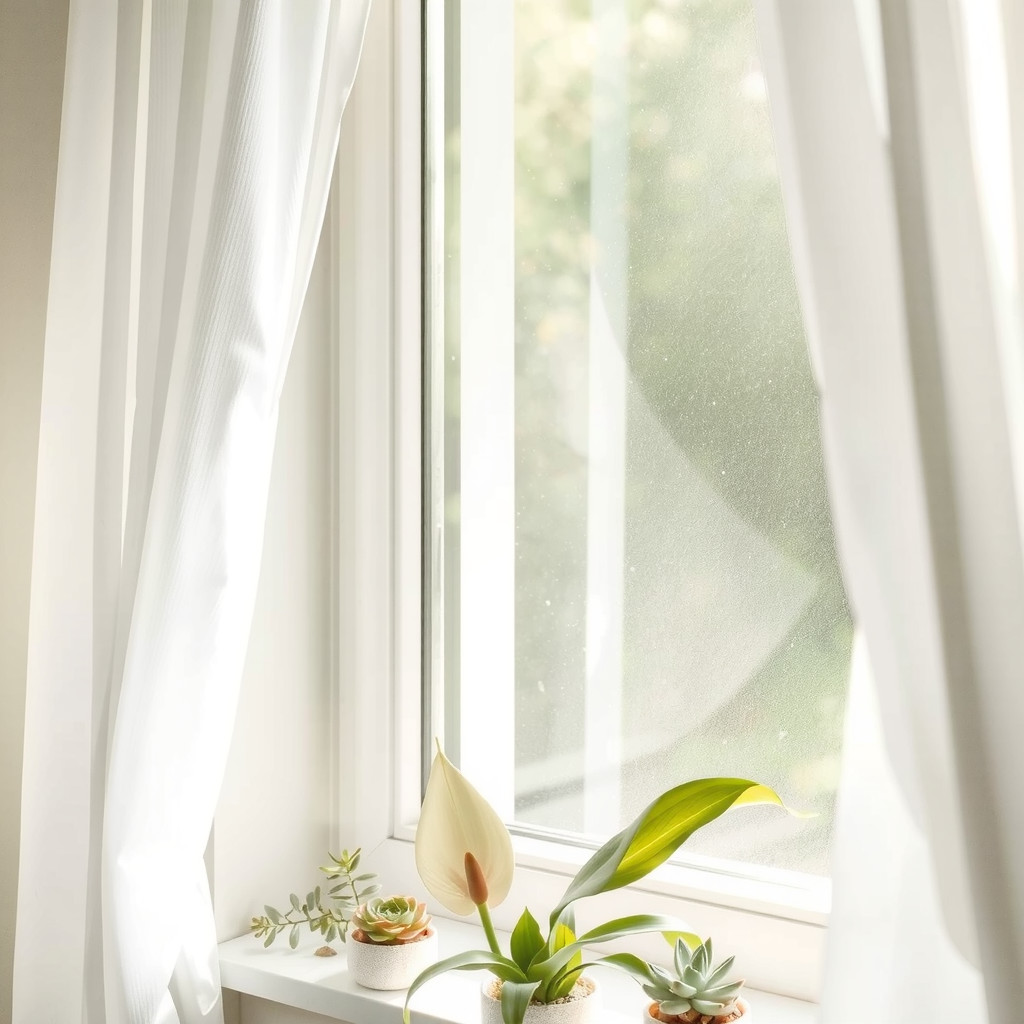
Most low-maintenance varieties prefer indirect illumination, which aligns perfectly with the restful ambiance of a bedroom. Position your greenery near windows filtered by sheer curtains to prevent leaf scorch while maximizing photosynthesis without harsh glare. If your room is darker, utilize mirrors to reflect available light onto your plants, enhancing the brightness of the space naturally and expanding the visual depth of the room.
Greenery
Select species known for their resilience and specific air-purifying qualities to maximize benefits. The Pothos offers cascading vines that soften hard shelf edges, while the Peace Lily provides lush, dark foliage and subtle white blooms even in low light conditions. These hardy companions work silently to improve air quality, releasing oxygen at night to ensure a deeper, more refreshing slumber.
Tips
- Check soil moisture by touch before watering; overwatering is the enemy of low-maintenance plants.
- Dust leaves gently with a microfiber cloth every few weeks to keep pores open for optimal air purification.
- Rotate your pots a quarter turn monthly to ensure even growth on all sides toward the light source.
- Group plants together to create a microclimate that maintains humidity levels naturally.
ADVERTISEMENT