ADVERTISEMENT
Introduction
You crave the serenity of nature within your home, but your busy schedule or limited square footage often dictates otherwise. Creating a botanical sanctuary in an apartment does not require a green thumb or hours of maintenance; it simply requires selecting the right resilient companions. By integrating hardy greenery, you invite a sense of calm and organic beauty that softens the hard lines of modern architecture.
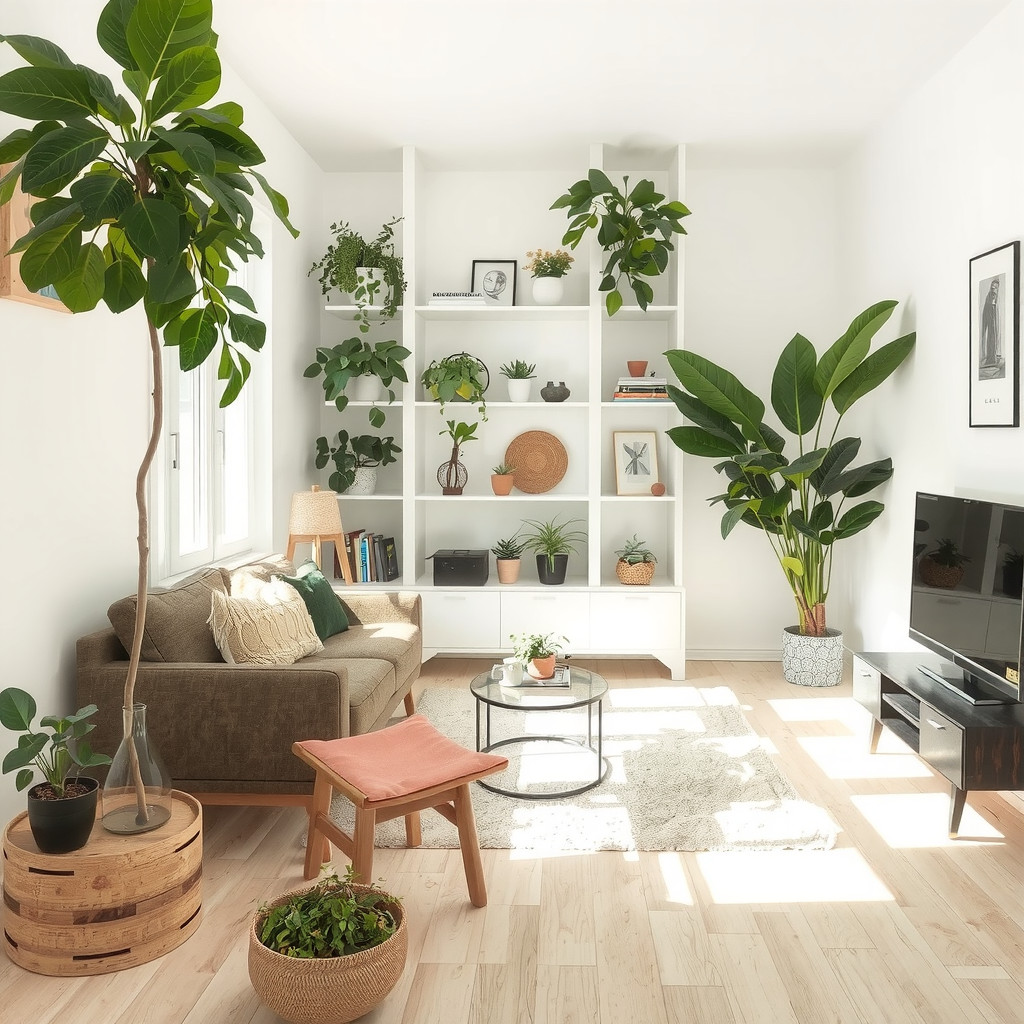
Imagine walking into a space that breathes. The air feels fresher, and the visual noise of the city fades against a backdrop of verdant leaves. This guide helps you curate an effortless indoor jungle that thrives on neglect, focusing on style, placement, and the simple joy of living with nature.
Layout and Positioning
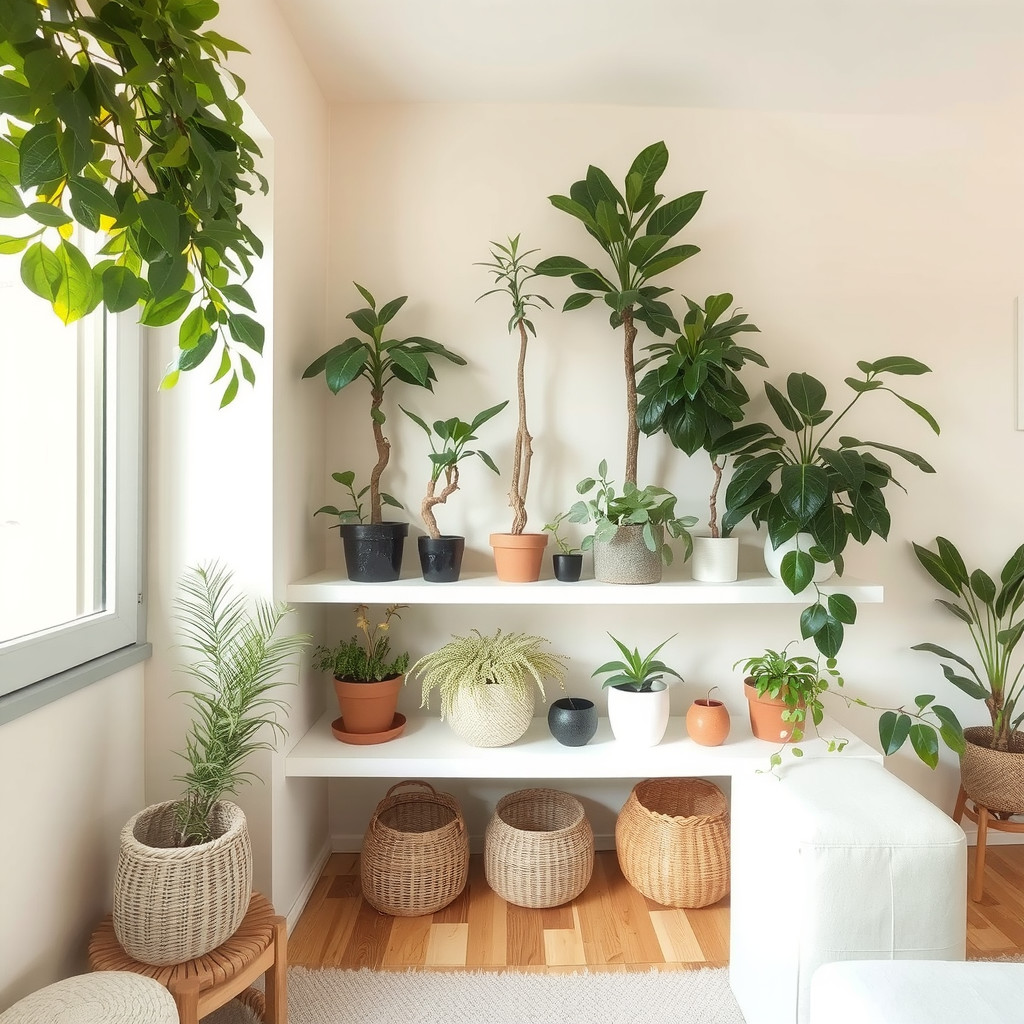
In an apartment setting, floor space is often at a premium, so you must think vertically to maximize your green potential without cluttering walkways. Utilizing floating shelves, top surfaces of bookcases, or macramé hangers draws the eye upward and creates a cocooning effect. Positioning trailing plants high up allows their vines to cascade dramatically, adding dynamic movement to static walls.
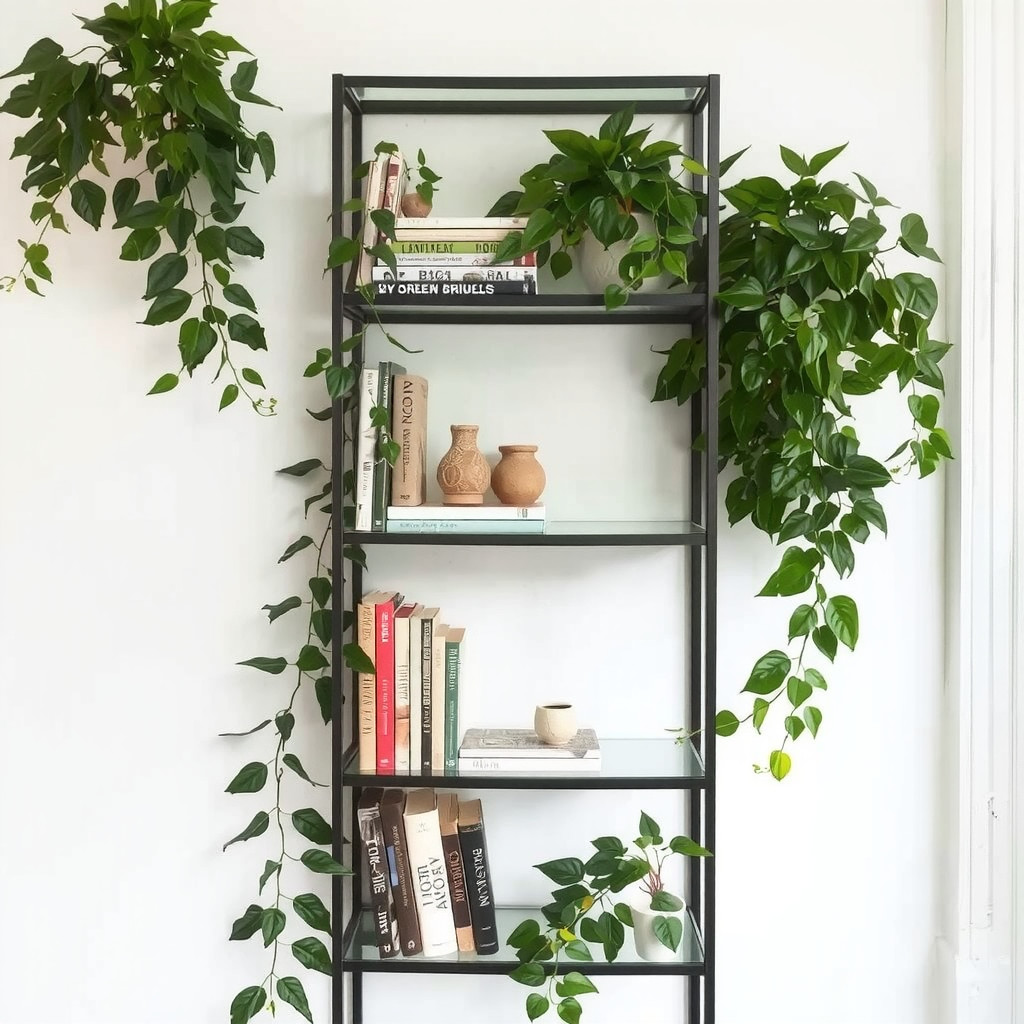
Consider the flow of your room. Place compact, bushy plants on side tables or desks to create intimate vignettes, while reserving corners for taller, structural specimens. This layering technique adds depth and dimension, making even a small studio feel lush and expansive.
Materials and Textiles
The vessel is just as important as the plant it holds. To elevate low-maintenance varieties, choose pots and planters that introduce texture and warmth to your decor. Terracotta offers an earthy, rustic appeal that breathes well, while glazed ceramics can introduce pops of color or sleek modernity. Woven seagrass or rattan baskets add a layer of softness that contrasts beautifully with the waxy, structural leaves of hardy plants.
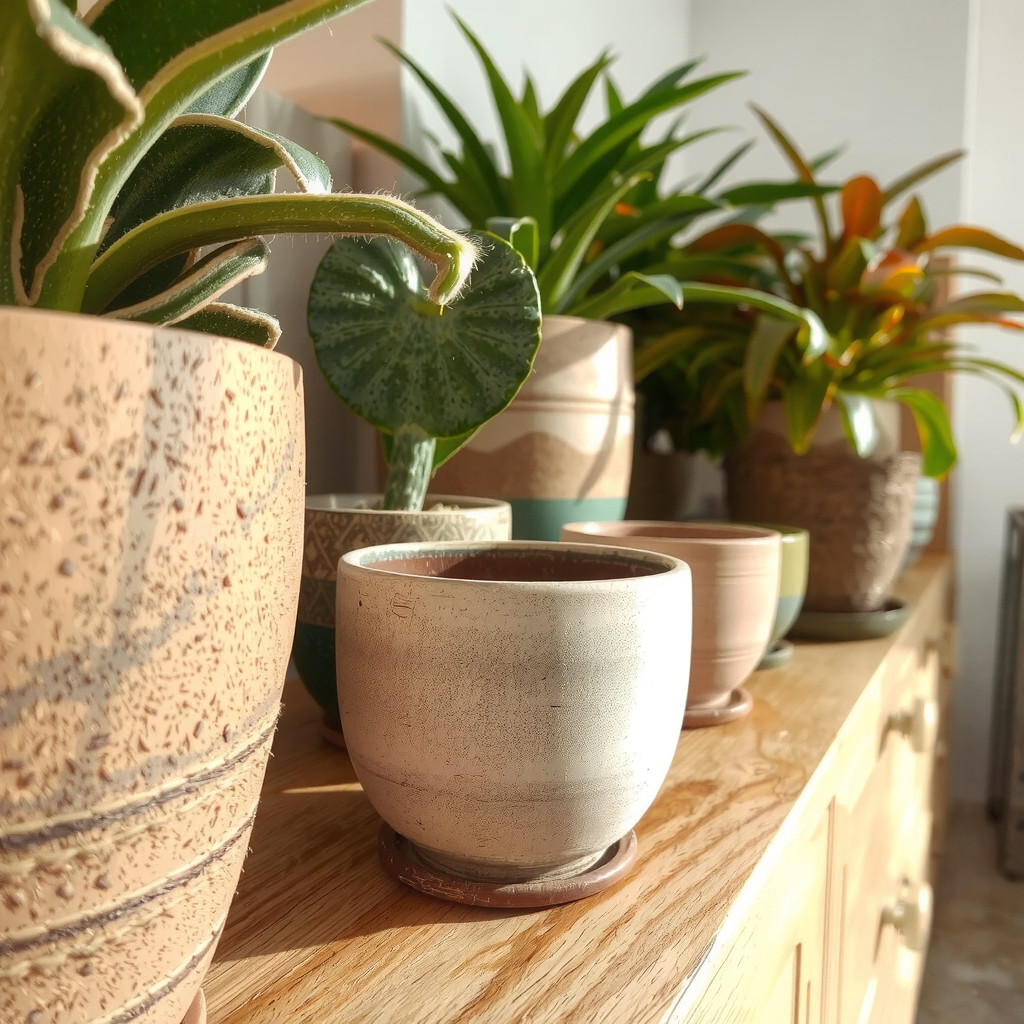
Pair these organic containers with soft home textiles. A velvet armchair next to a rough concrete planter creates a tactile dialogue that enriches the sensory experience of the room. The interplay between the living green foliage and the static materials of your decor creates a balanced, curated aesthetic.
Focal Points
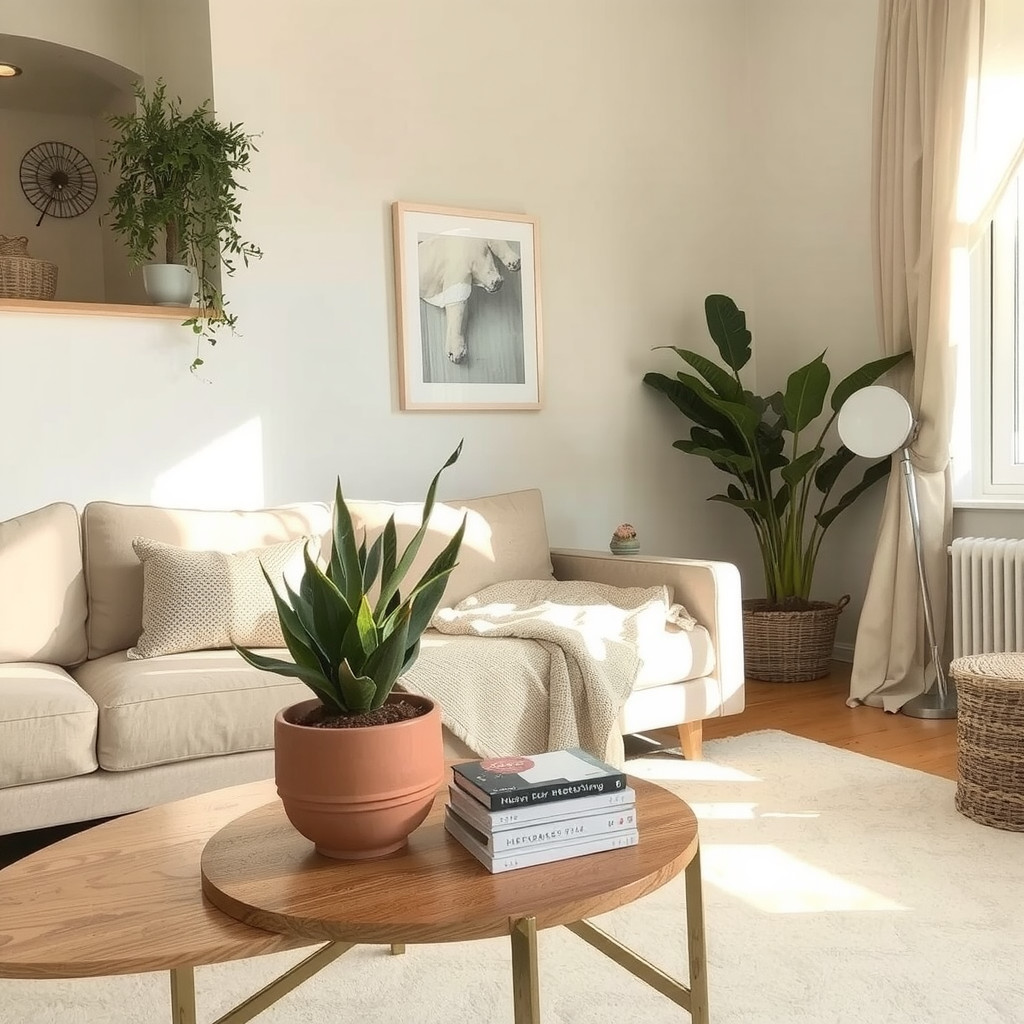
Every room needs an anchor, and a substantial, architectural plant serves this purpose perfectly. Instead of cluttering a space with many tiny pots, choose one bold statement piece to command attention. A tall Snake Plant with its upright, sword-like leaves acts as a living sculpture, perfect for filling empty vertical voids.
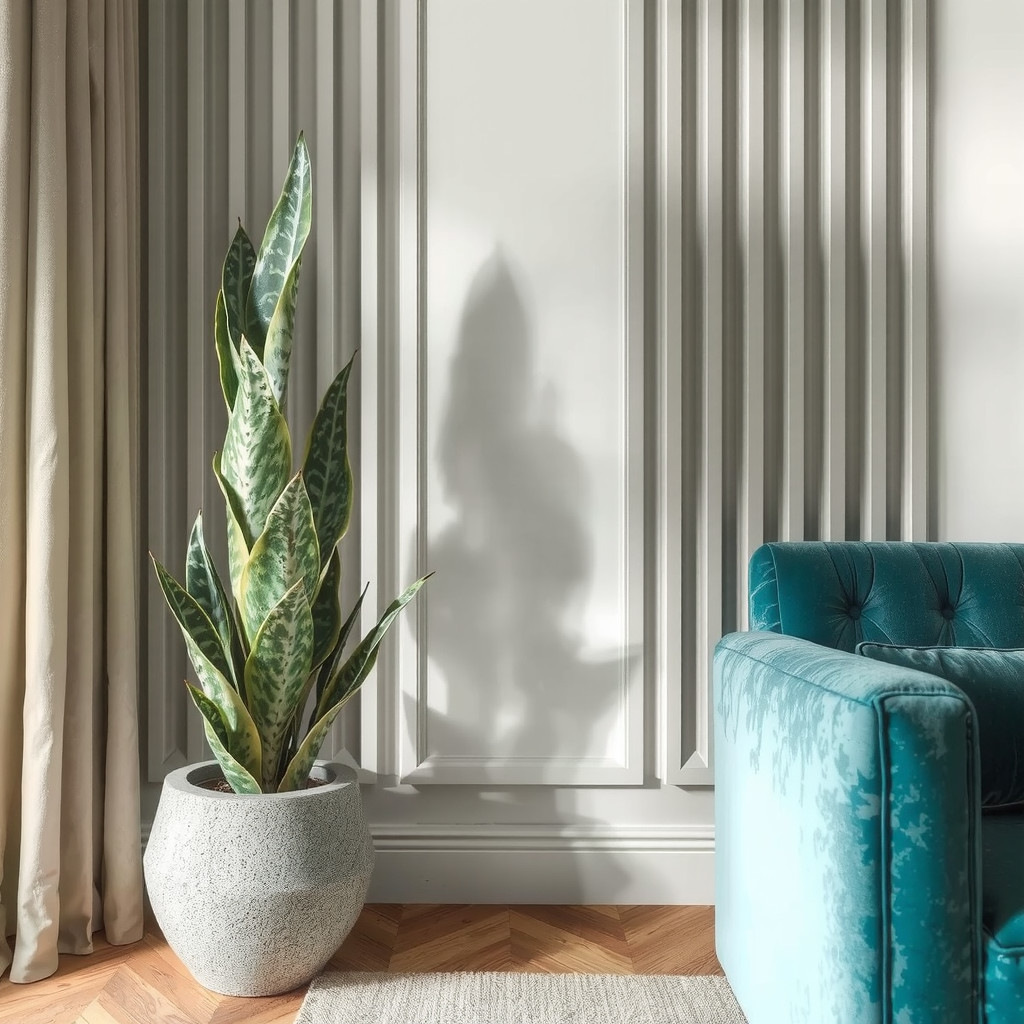
Position this focal point where it bridges zones, such as between the living and dining areas, or place it beside a statement chair to create a reading nook. This singular, powerful burst of green grounds the space and provides a resting place for the eye.
Lighting
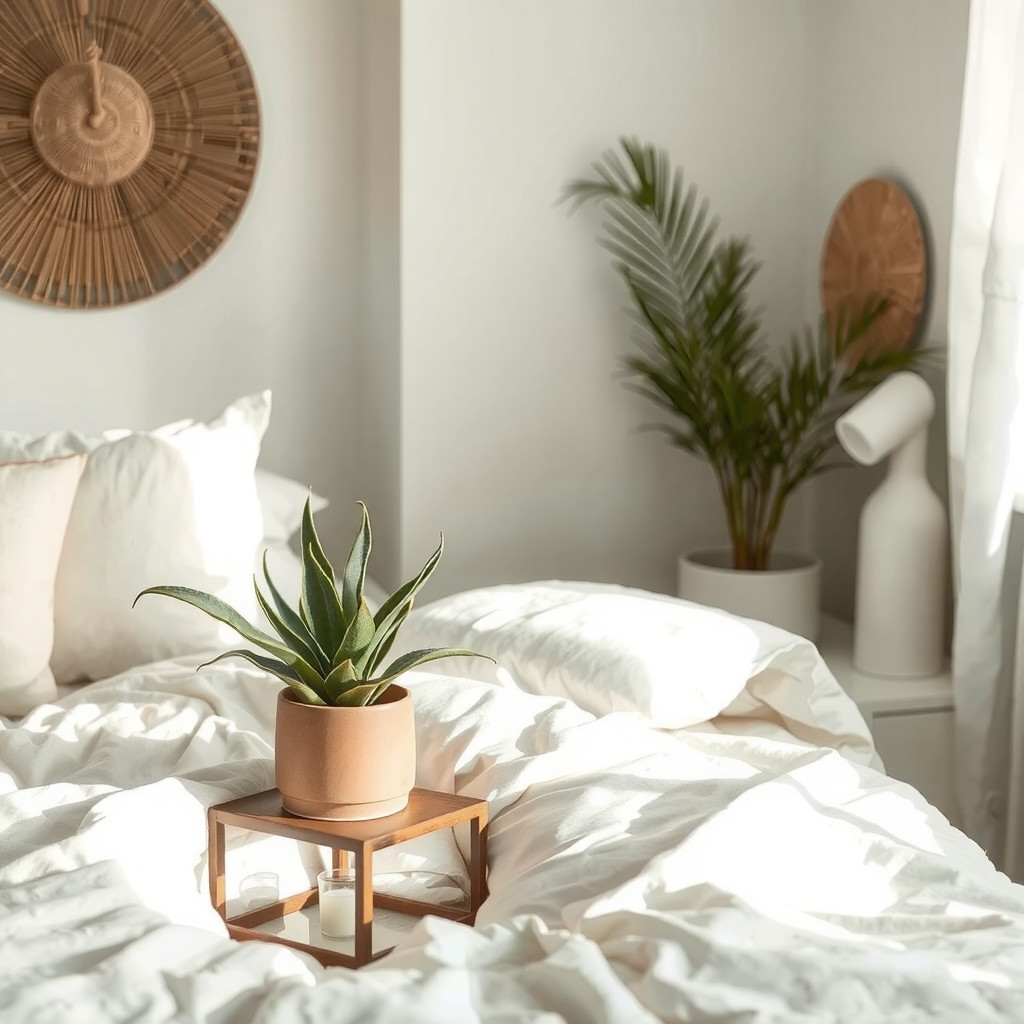
Understanding your light is the key to effortless plant parenting. Most low-maintenance stars prefer bright, indirect light, but many are surprisingly tolerant of shadow. Observe how the sun moves across your walls throughout the day. East-facing windows offer gentle morning sun, while south-facing spots provide intensity that might need filtering with sheer curtains.
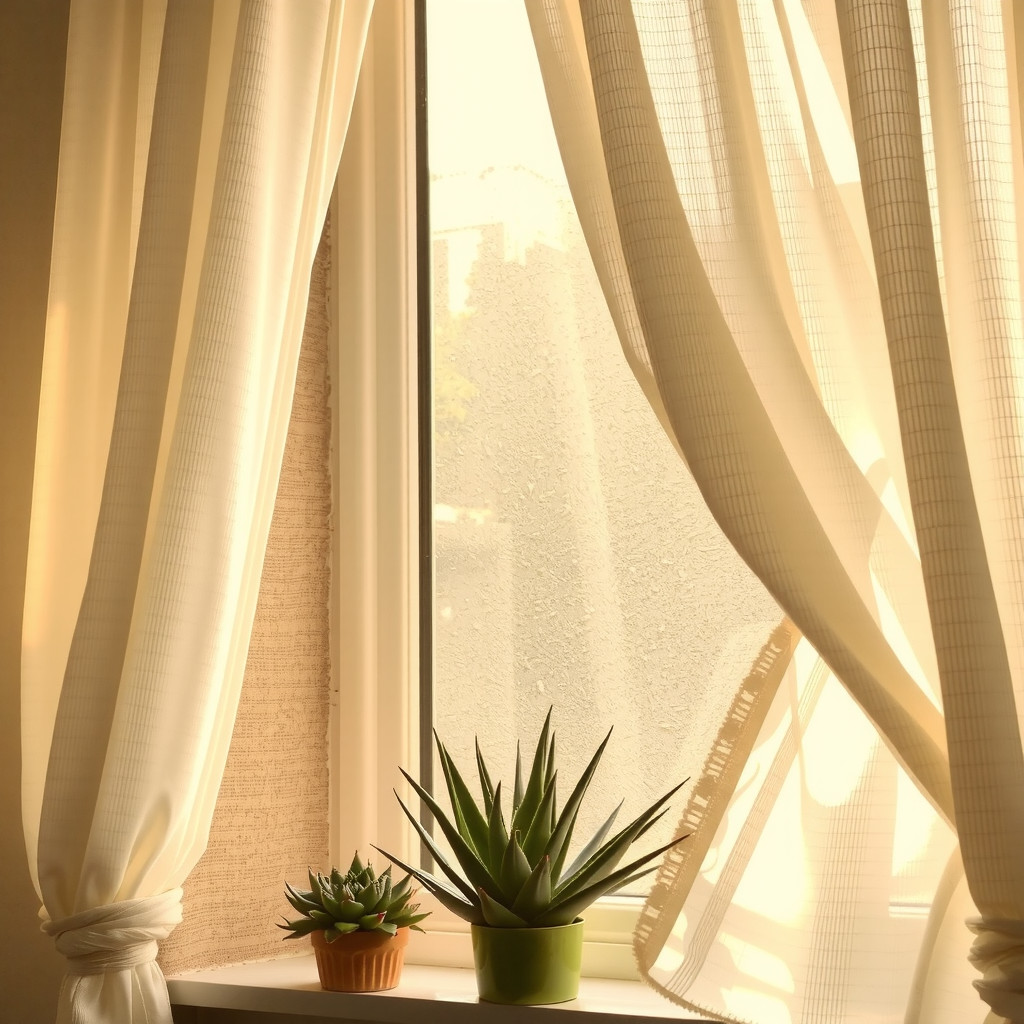
For those darker corners far from a window, rely on shade-tolerant varieties. Lighting isn’t just about survival; it’s about display. Backlighting a plant can highlight the delicate veining of its leaves, turning it into a translucent art piece as the sun sets.
Greenery
Selecting the right species is the foundation of a low-maintenance indoor garden. The ZZ Plant is nearly indestructible, thriving in low light and requiring infrequent watering, making it the ultimate apartment dweller. Pothos varieties offer rapid growth and trailing vines that communicate abundance with minimal effort.
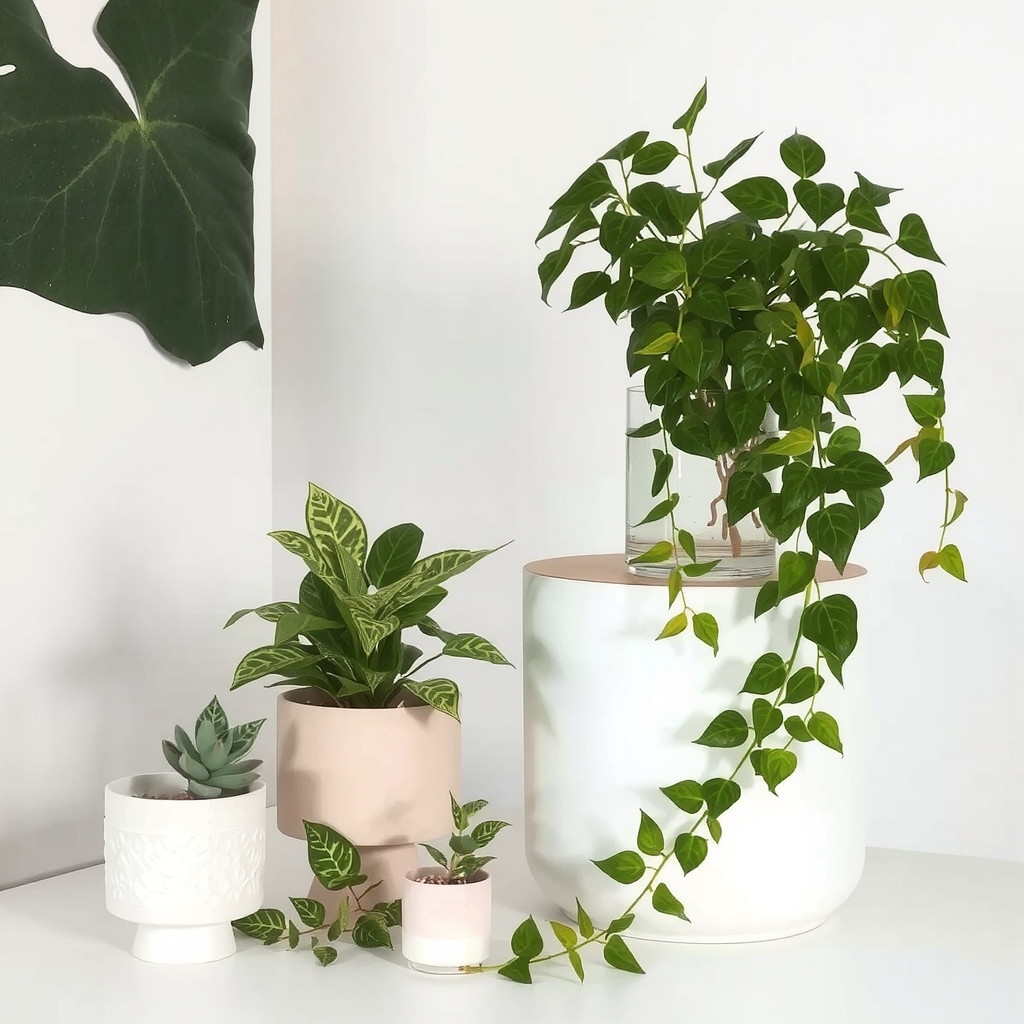
Rubber plants bring a moody, glossy texture with their dark leaves, while the Cast Iron Plant lives up to its name with robust resilience. By choosing these forgiving varieties, you ensure your home remains green and vibrant even when life gets busy.
Tips
- Water Sparingly: Overwatering is the number one killer. Always check that the top inch of soil is dry before adding water.
- Dust Regularly: Wipe leaves with a damp cloth to keep pores open and ensure efficient photosynthesis, keeping them glossy.
- Rotate Often: Turn your pots a quarter turn every week to ensure even growth and prevent leaning toward the light source.
- Group for Humidity: distinct plants grouped together create a microclimate that helps them thrive in dry apartment air.
ADVERTISEMENT