ADVERTISEMENT
Urban Oasis: Styling Your Apartment with Resilient Greenery
Bringing nature indoors is one of the most transformative design moves you can make, instantly breathing life into a sterile apartment. However, the fear of becoming a “plant serial killer” often holds people back. The secret lies not in having a green thumb, but in selecting the right botanical companions that thrive on neglect and integrating them intentionally into your decor. You don’t need a sprawling garden to enjoy the calming influence of foliage; you just need a strategic approach to selecting and styling resilient greenery that complements your lifestyle.
Layout and Positioning
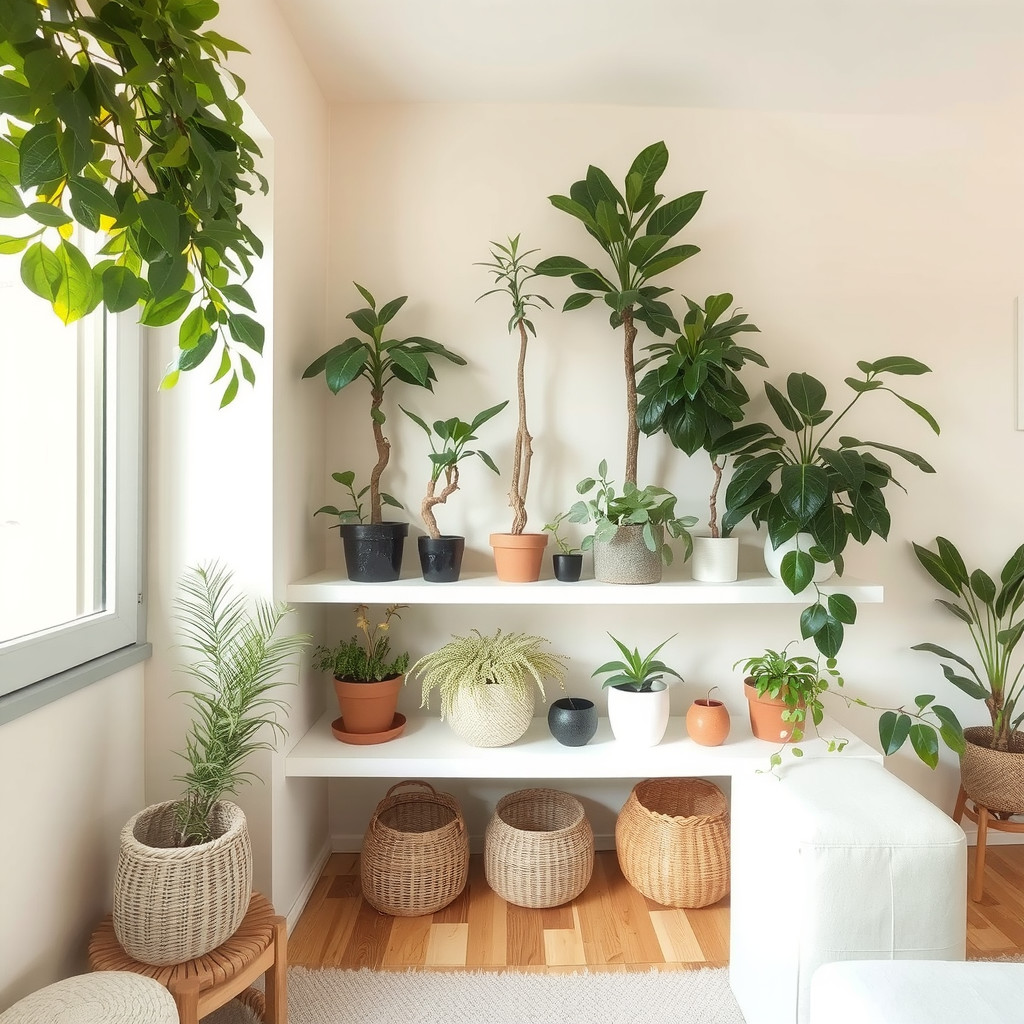
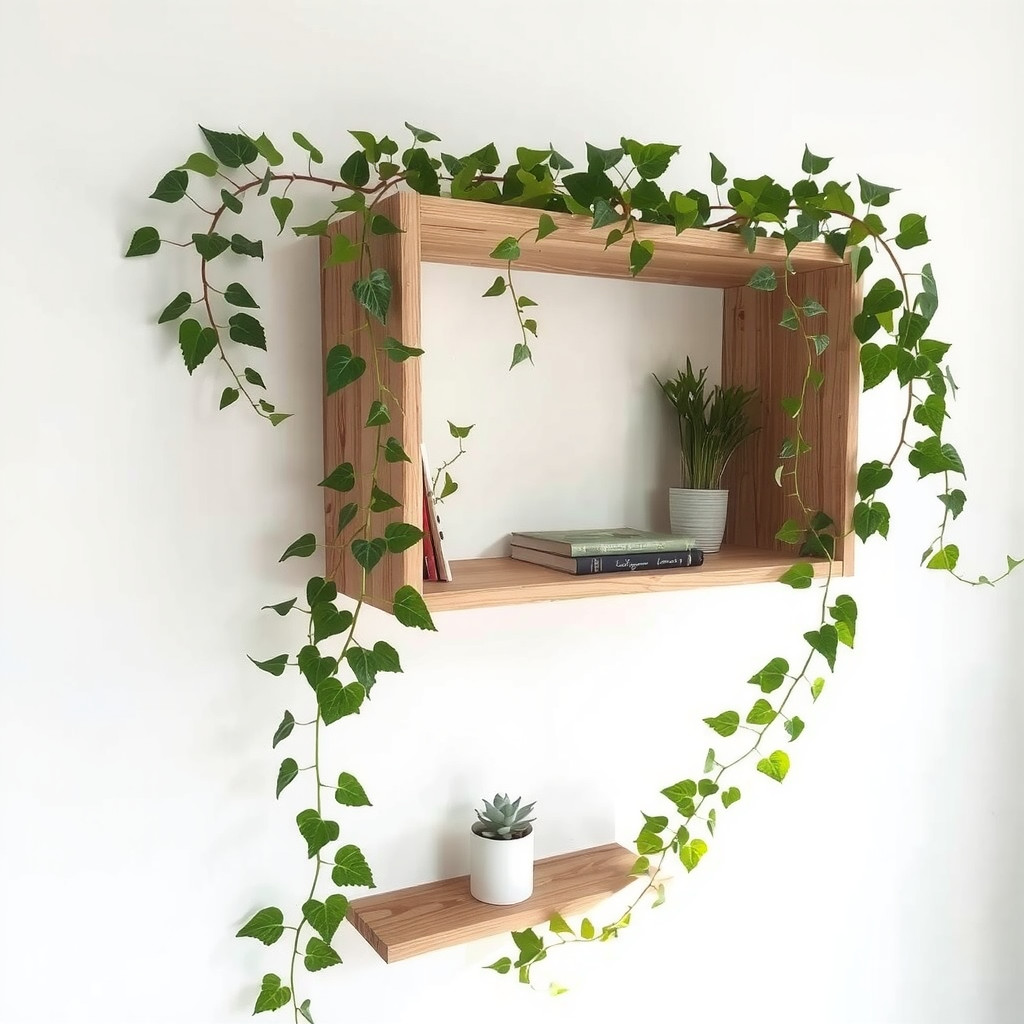
In an apartment setting, floor space is a luxury. To maximize your greenery without cluttering your walking paths, you must think vertically. Utilize empty vertical space by installing floating shelves or utilizing tall bookcases to house trailing plants like Pothos or Philodendrons. These varieties draw the eye upward, making ceilings appear higher and the room more spacious.
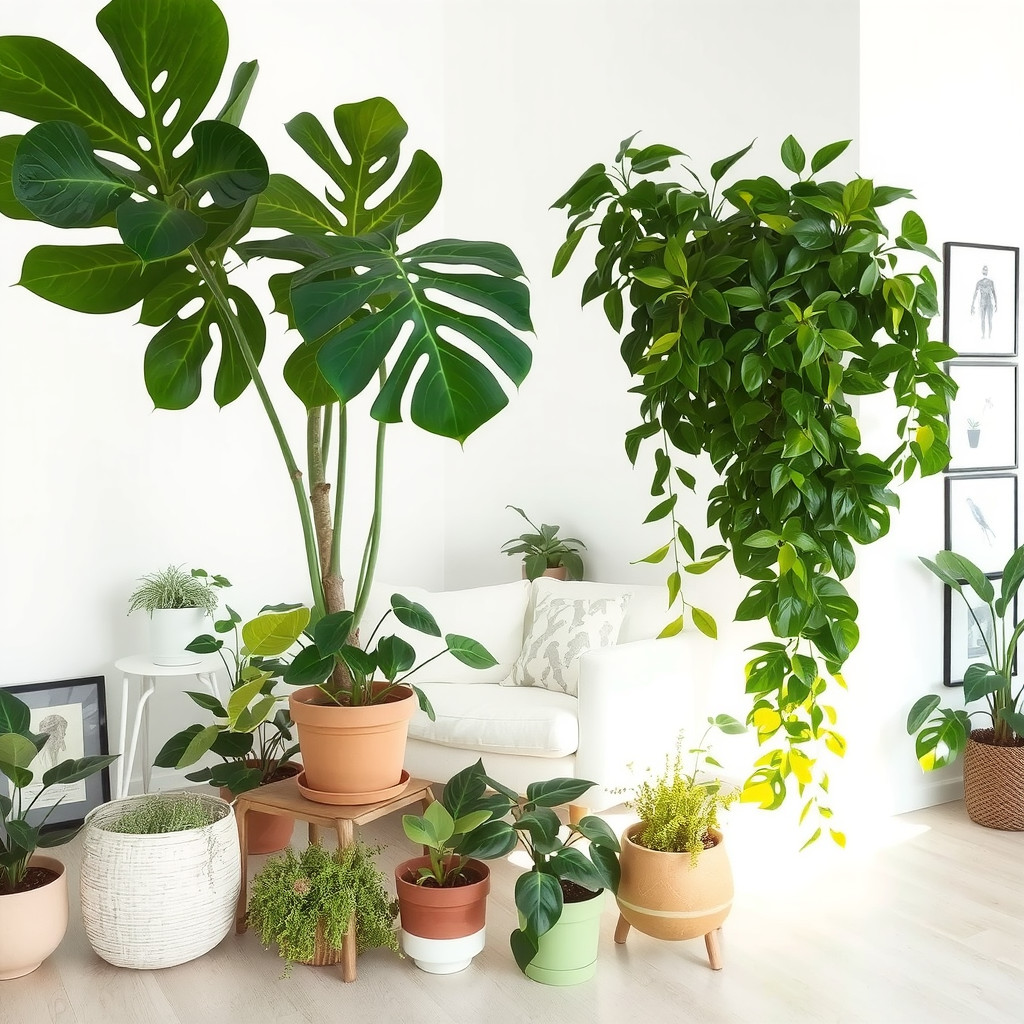
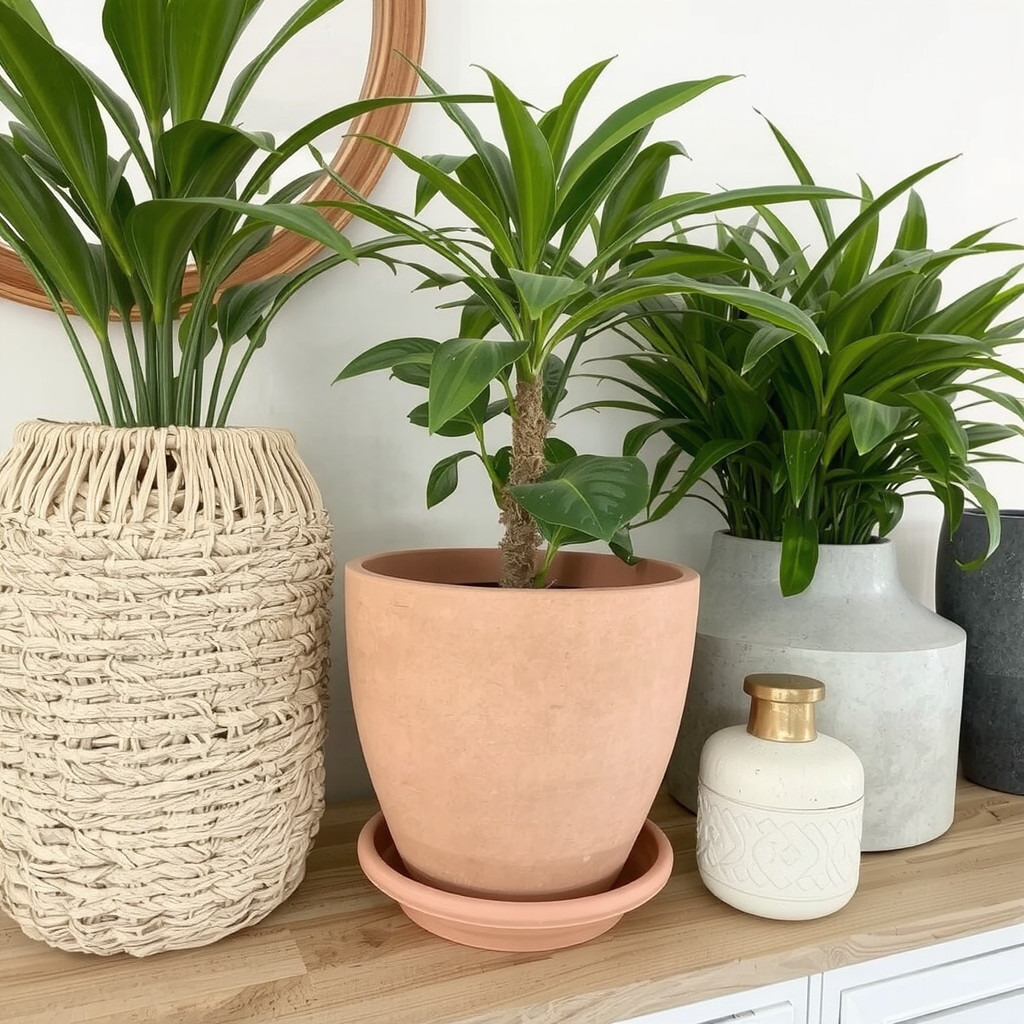
Consider the “rule of three” when grouping plants on side tables or consoles. varying heights and leaf textures creates a dynamic, curated vignette rather than a haphazard collection. Place a mid-sized plant on a stool or plant stand to add dimension to an empty corner without dominating the footprint.
Materials and Textiles
The vessel is just as important as the plant itself. For a low-maintenance aesthetic that feels organic and grounded, lean into natural materials. Terracotta pots offer a timeless, earthy warmth and are excellent for plant health as they allow soil to breathe. However, if your style leans more modern, consider matte ceramic planters in monochrome black, white, or sage green.
To add softness to the hard edges of ceramic or concrete, place nursery pots inside woven seagrass or jute baskets. This adds a layer of texture that bridges the gap between the raw nature of the plant and the cozy textiles of your apartment, like your rugs and throw pillows.
Focal Points
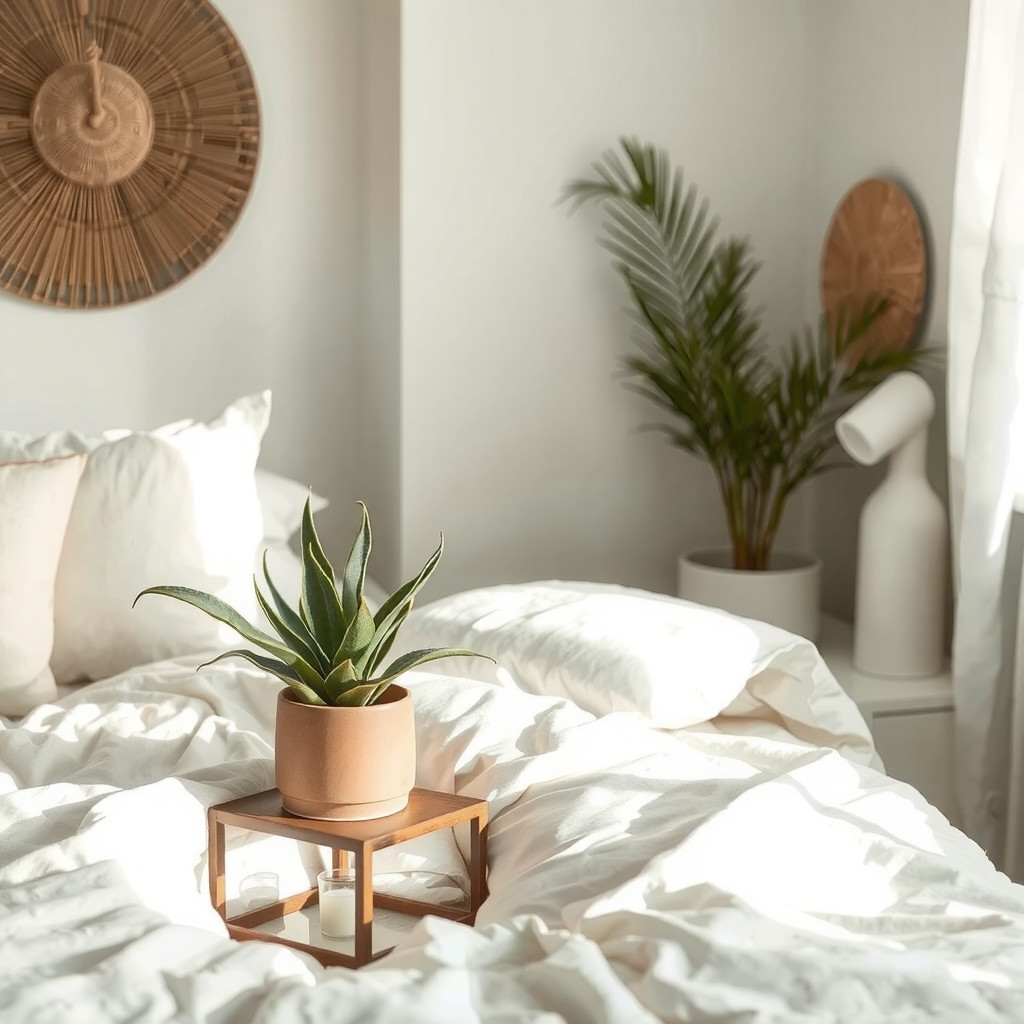
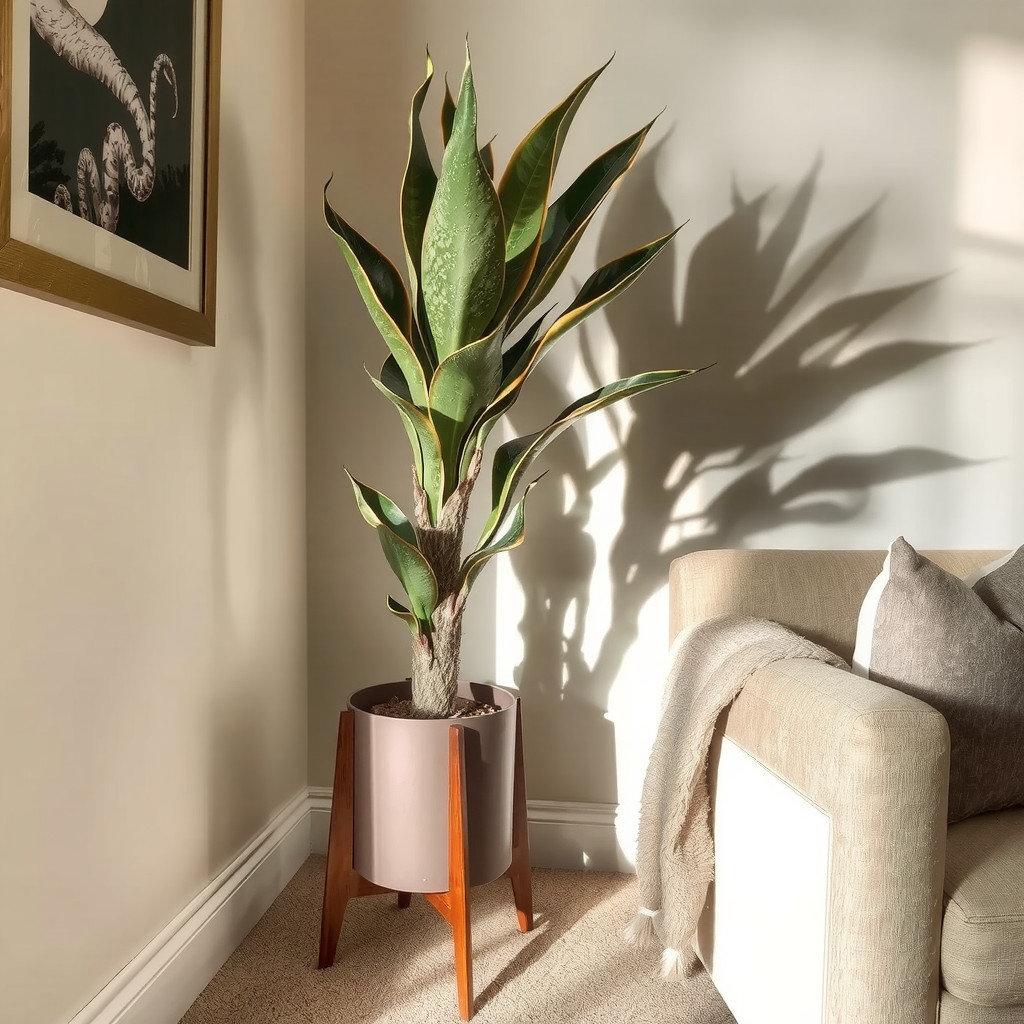
Every room needs a hero, and a structural plant can serve as a stunning architectural focal point. For a low-maintenance statement, the Snake Plant (Sansevieria) is unbeatable. Its upright, sword-like leaves add vertical lines that complement modern furniture perfectly.
Alternatively, the ZZ plant offers a sculptural, glossy look that thrives in almost any condition. Position these larger specimens beside a sofa, an armchair, or in a hallway transition zone. They anchor the space and provide a visual resting point, replacing the need for expensive sculpture or large furniture pieces.
Lighting
Understanding your light is the single most critical factor in plant styling. Most low-maintenance varieties prefer indirect light—the kind of soft illumination that bounces off a wall or filters through curtains. Avoid placing these resilient species in direct, scorching mid-day sun which can scorch their leaves.
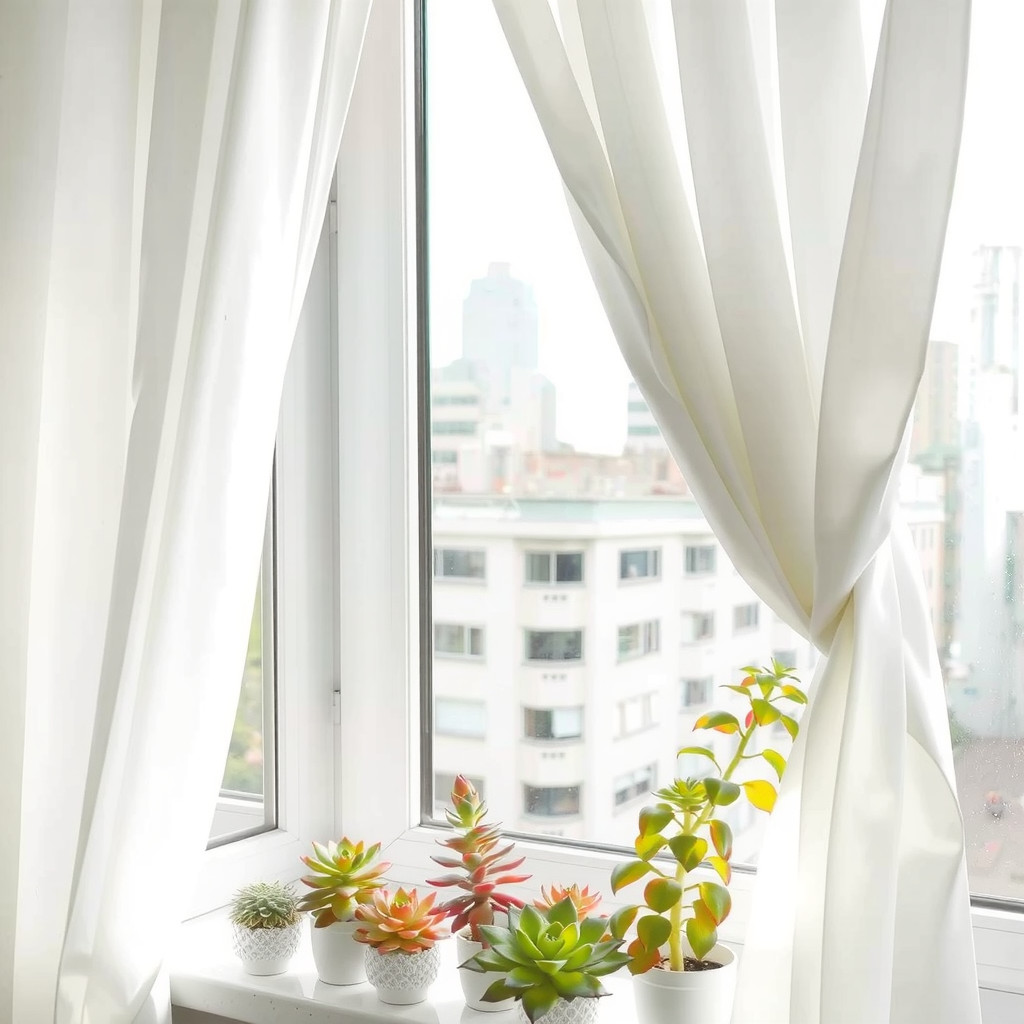
If your apartment lacks natural light, don’t despair. Plants like the Cast Iron Plant or the aforementioned ZZ plant can tolerate low-light corners surprisingly well. Use sheer curtains to diffuse harsh light for window-dwelling plants, creating a glowing, ethereal atmosphere that enhances the mood of the entire room.
Greenery
When selecting your actual plants, focus on texture and leaf shape to create visual interest. Combine the waxy, thick leaves of a Rubber Tree with the delicate, feathery fronds of a Boston Fern (if you have the humidity) or the architectural rigidity of an Aloe Vera.
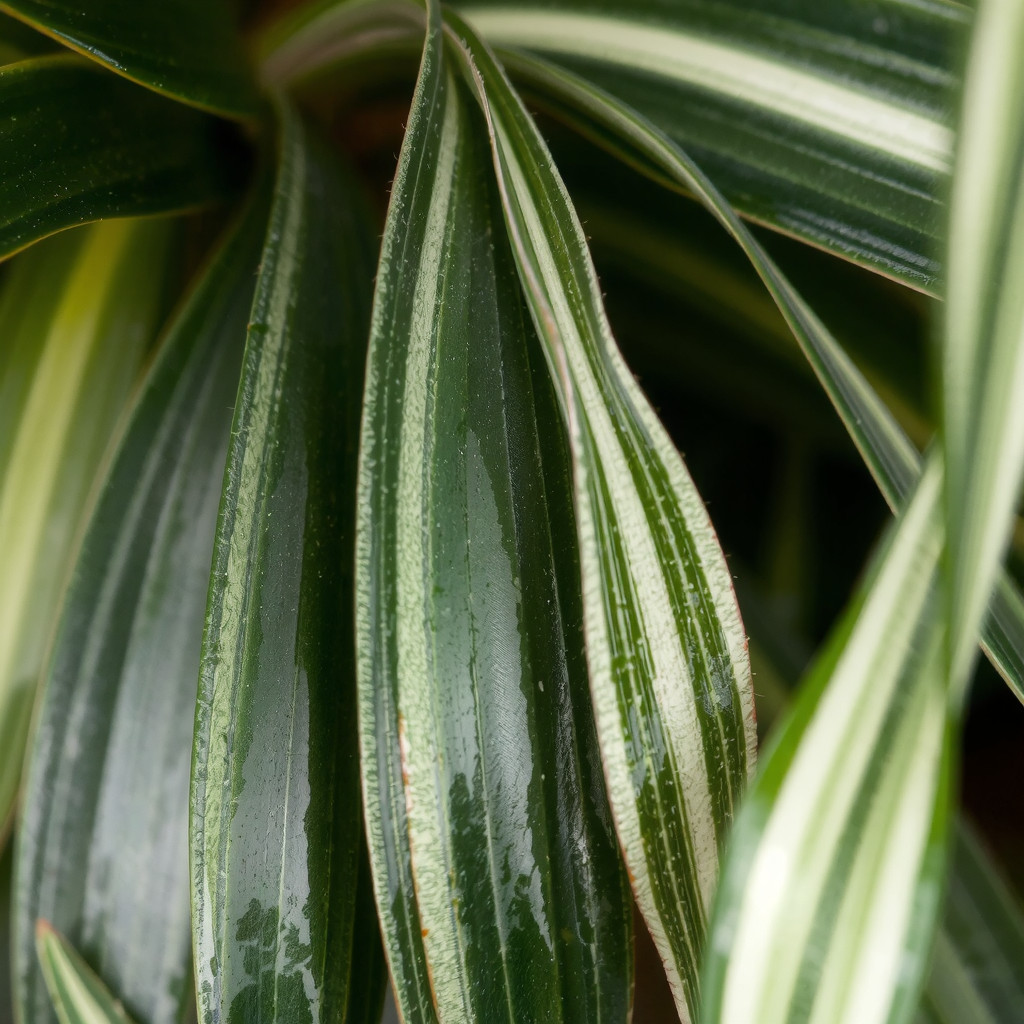
Contrast is key. Pair dark, forest-green foliage with variegated leaves that feature splashes of cream or yellow. This diversity mimics a natural landscape and prevents your indoor garden from looking like a uniform block of green. The goal is to curate a “living library” of textures that invites touch and observation.
Tips
- Check the Soil: Before watering, stick your finger about an inch into the soil. If it’s dry, water it; if it’s damp, wait. Overwatering is the number one killer of indoor plants.
- Dust the Leaves: Layers of dust can block sunlight and hinder photosynthesis. Wipe leaves gently with a damp cloth every few weeks to keep them shiny and healthy.
- Rotate Regularly: Plants naturally grow toward the light source. Rotate your pots a quarter turn every time you water to ensure even, symmetrical growth.
- Drainage is Non-Negotiable: Ensure every pot has drainage holes or use a nursery pot inside a decorative cachepot to prevent root rot.
ADVERTISEMENT