ADVERTISEMENT
Introduction
Your bedroom should be more than just a place to sleep; it needs to be a sanctuary where the stresses of the day dissolve the moment you cross the threshold. Integrating nature into your personal space is one of the most effective ways to lower cortisol levels and boost mood. While a list of fifty plants might seem daunting, the secret lies not in the quantity but in the curation and styling of your botanical companions. By bringing the outdoors in, you create a living, breathing environment that actively contributes to your rest and recovery.
Layout and Positioning
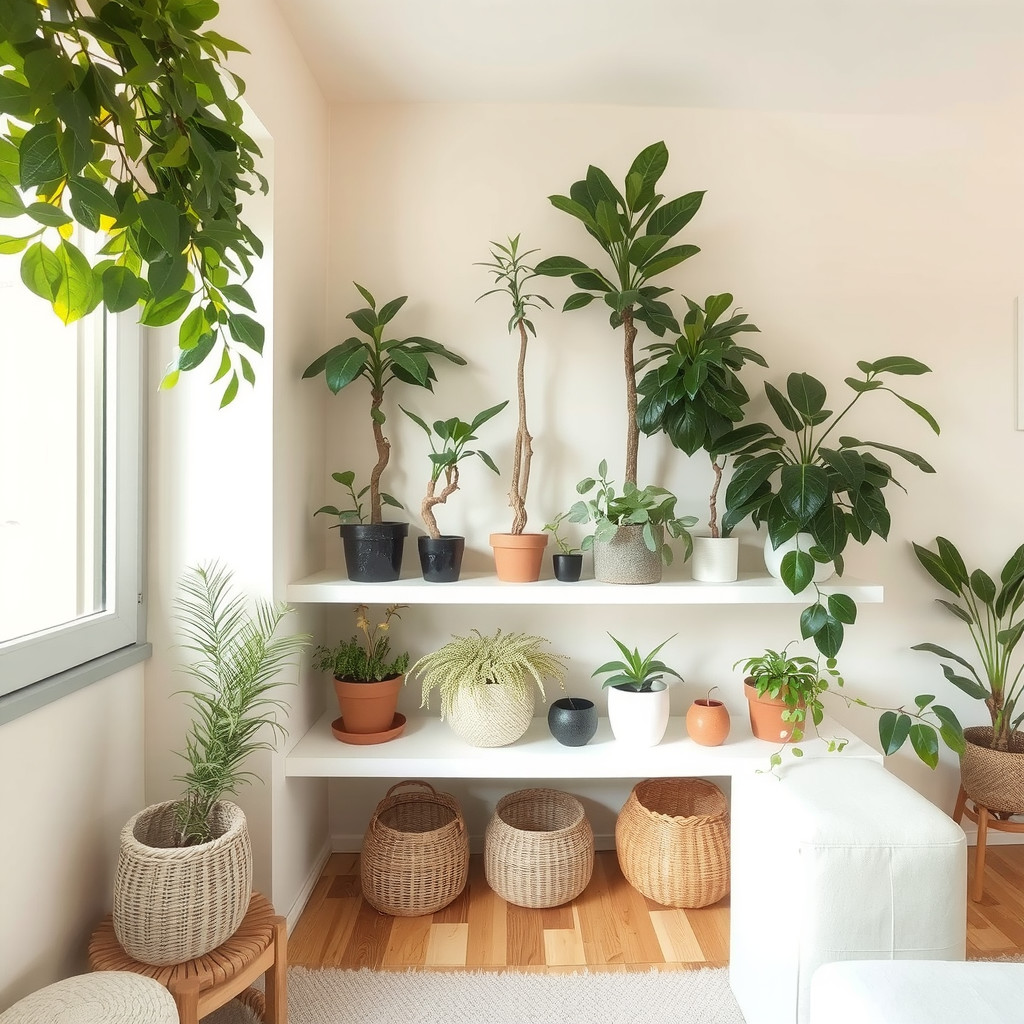
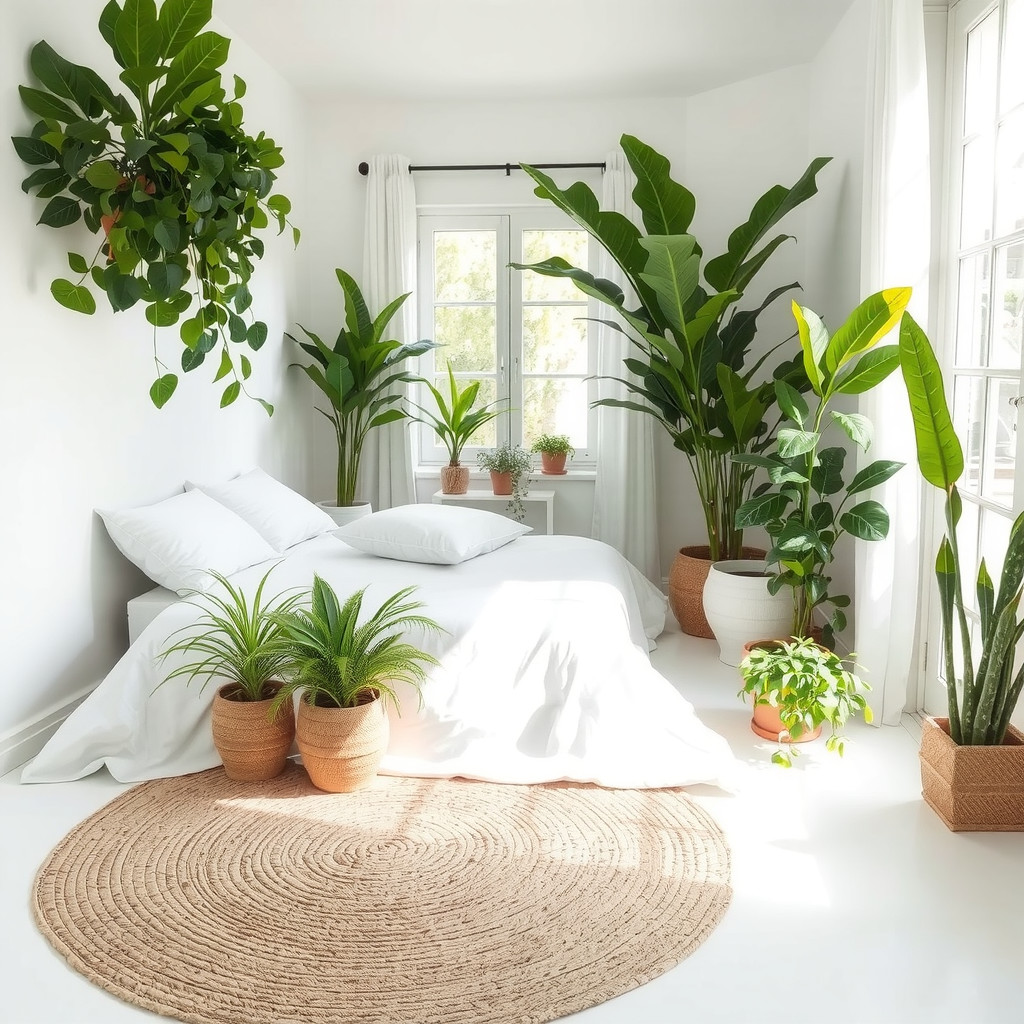
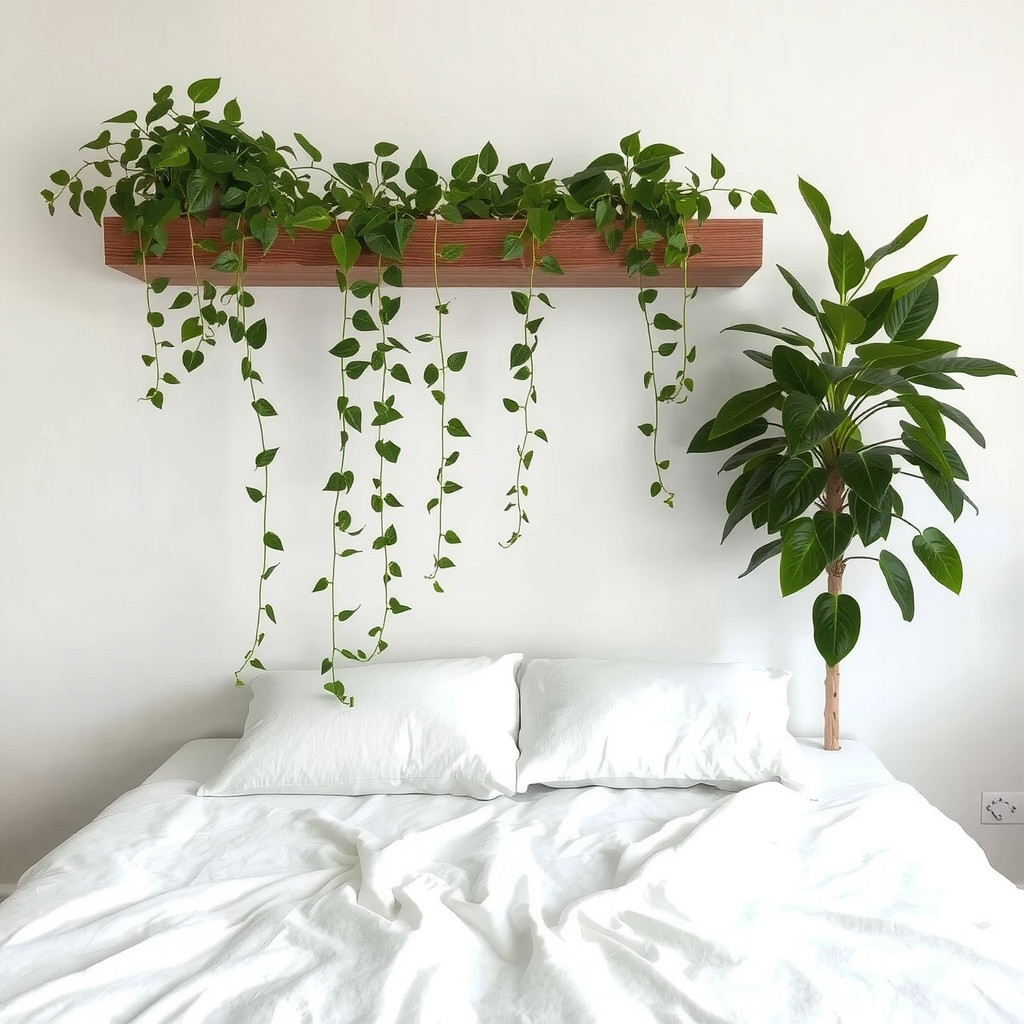
The placement of your greenery is just as crucial as the species you select. You want to avoid a cluttered “greenhouse” look that feels chaotic rather than calming. Start by assessing your floor space and vertical opportunities. If your room is compact, utilize the often-forgotten vertical real estate. Installing floating shelves above the headboard for trailing vines draws the eye upward, making the ceilings feel higher and the room airier.
For larger rooms, anchoring the corners with substantial floor plants creates a sense of enclosure and safety, often referred to as “refuge” in biophilic design principles. Ensure that you leave clear pathways around the bed; you never want to be brushing against leaves in the dark. Position plants near windows not just for their health, but to create a beautiful transition between the indoors and the outside world.
Materials and Textiles
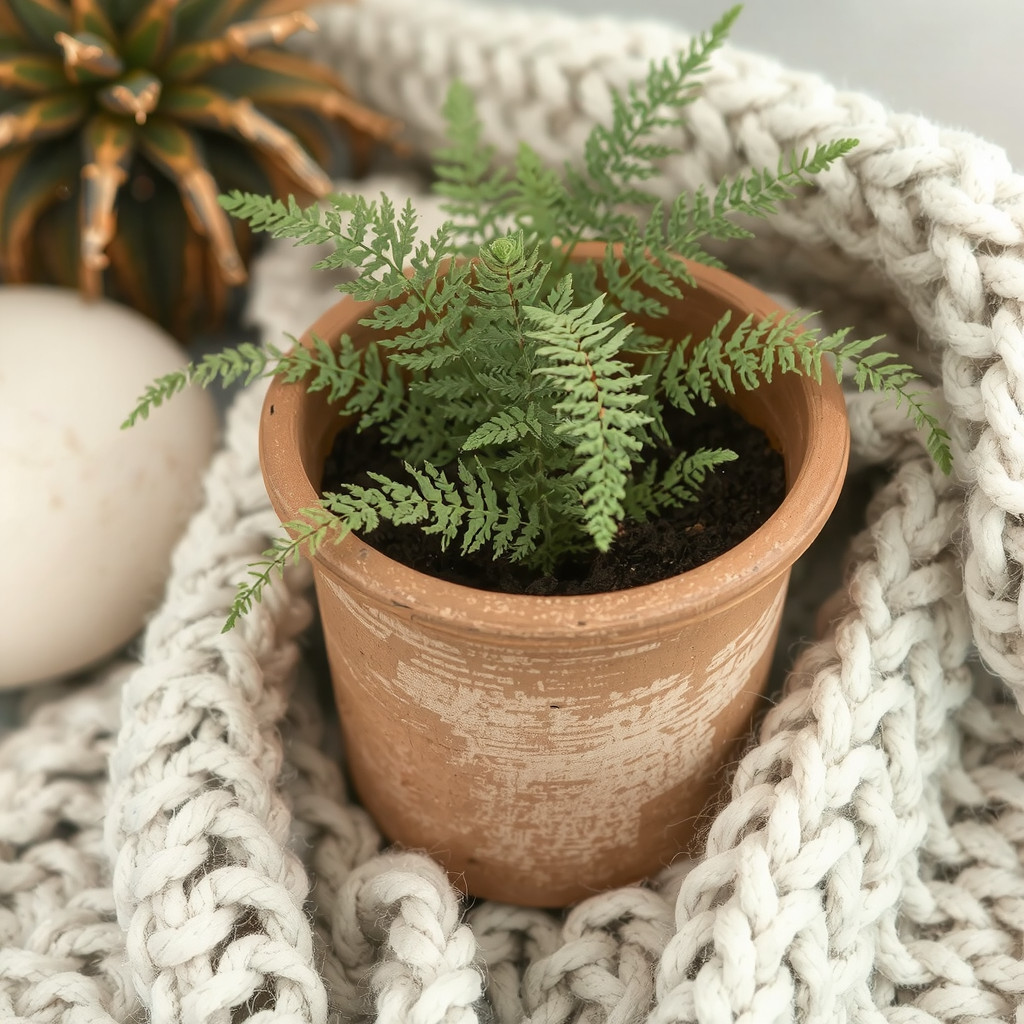
Plants add a specific texture—glossy, waxy, or feathery—that needs to be balanced with the inanimate materials in your room. To maintain a serene ambiance, opt for planters made from natural, grounding materials like unglazed terracotta, woven seagrass, or matte ceramic. These earthy vessels ground the visual lightness of the foliage.
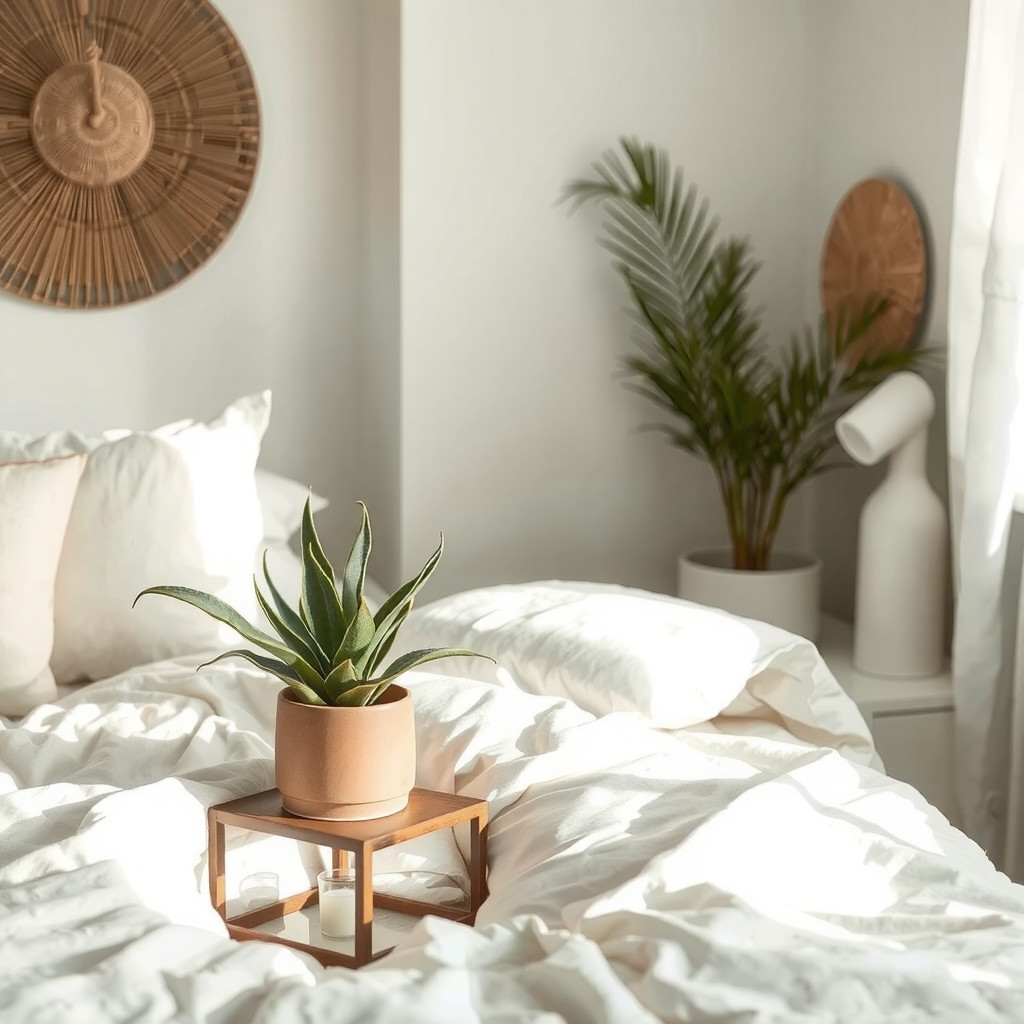
Consider the interplay between your linens and your leaves. A rough, architectural succulent looks stunning against the softness of washed linen bedding or a chunky wool throw. Conversely, plants with delicate, lace-like fronds, such as ferns, pair beautifully with smoother textures like silk or velvet. This tactile contrast enriches the sensory experience of the room without overwhelming the color palette.
Focal Points
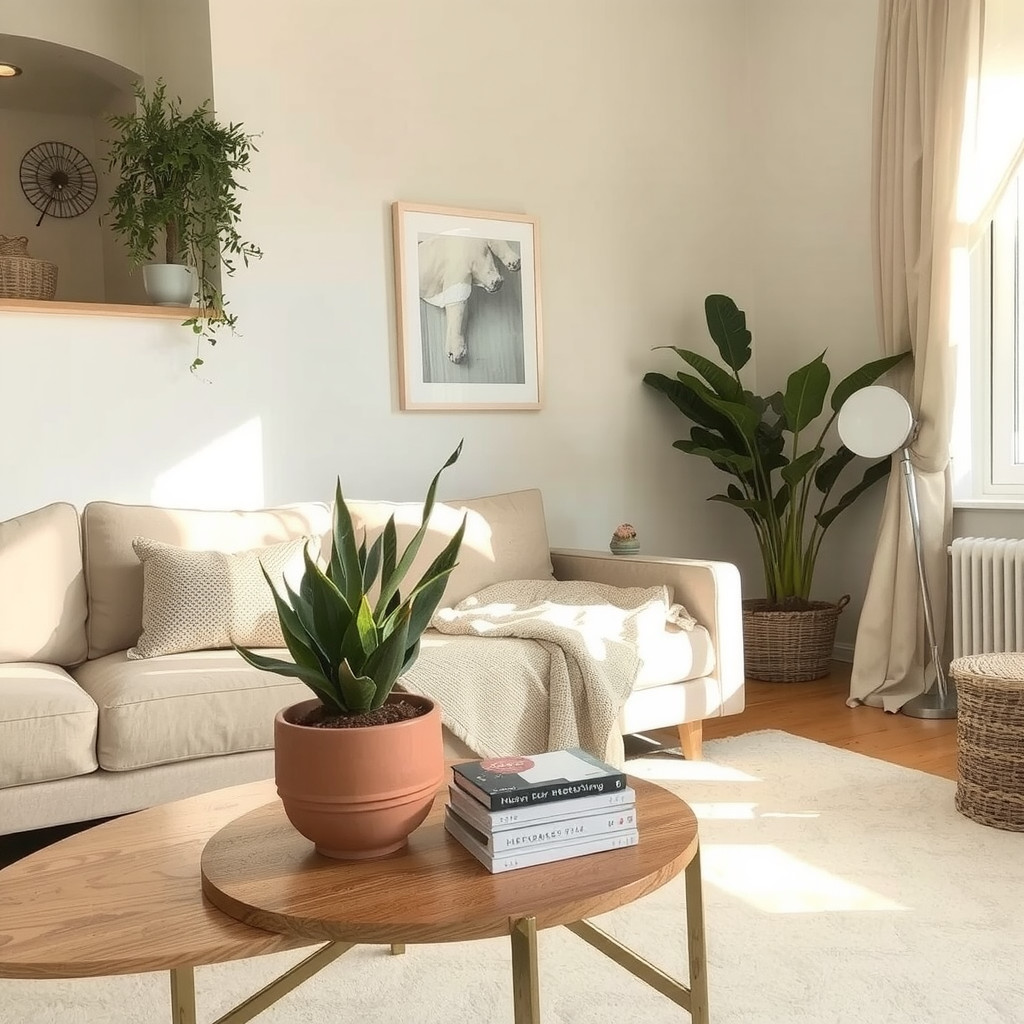
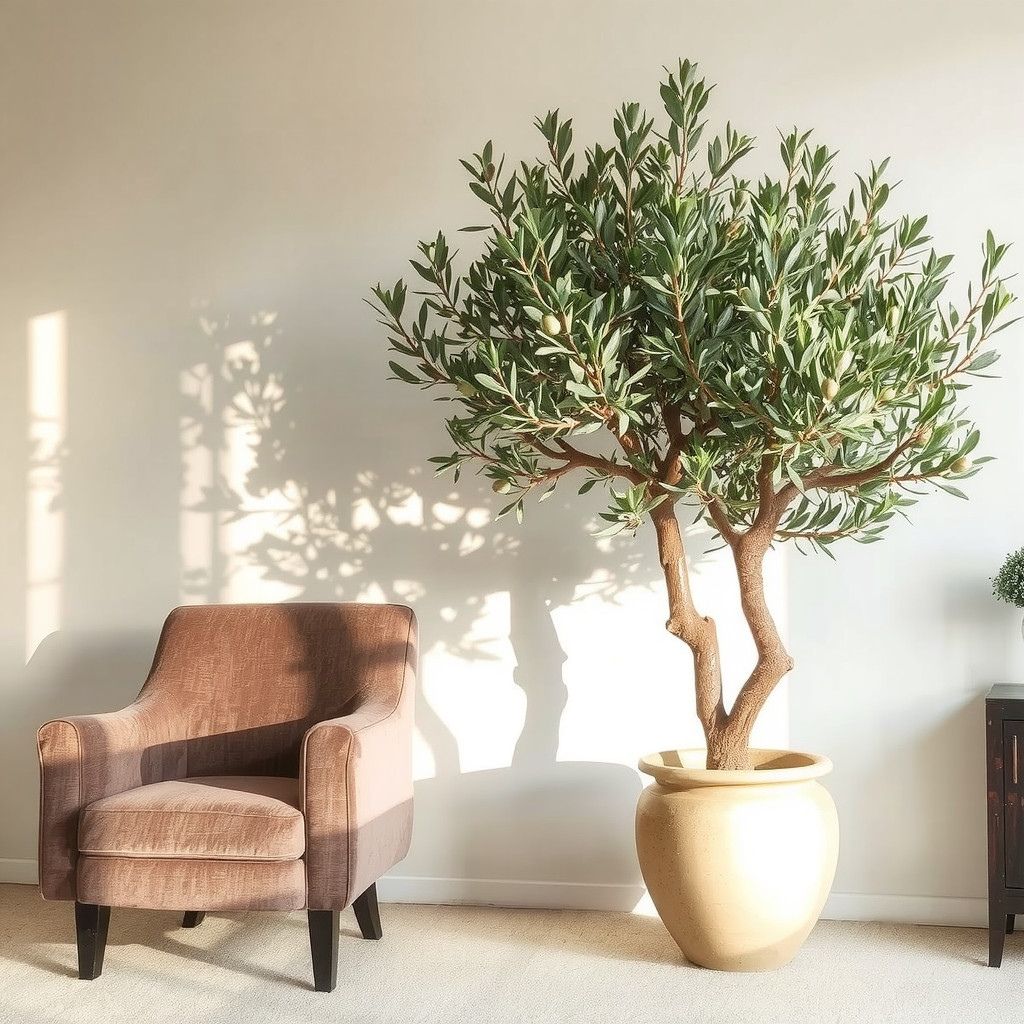
Rather than scattering small pots aimlessly, establish a singular, powerful focal point to anchor the room’s energy. A large, sculptural tree, such as a Ficus Audrey or a tall Dracaena, can serve as a piece of living art. Place this statement piece in a corner that receives adequate light or beside a reading chair to create a cozy vignette.
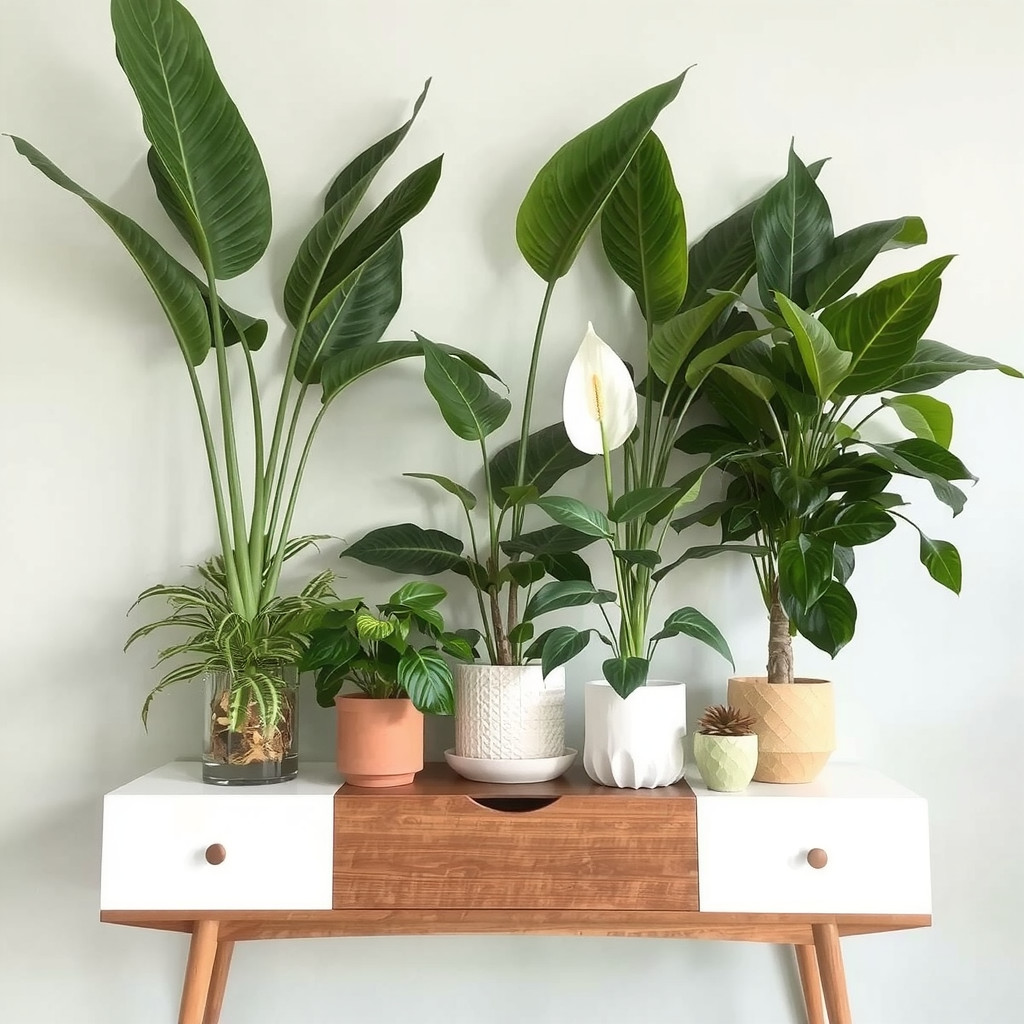
This approach simplifies the visual noise, which is essential for a restful mind. If you prefer smaller plants, group them together on a bench or a low console table. The rule of three works wonders here: combine a tall plant, a bushy plant, and a trailing plant to create a cohesive, tiered arrangement that acts as a single visual unit.
Lighting
Lighting in a bedroom serves a dual purpose: keeping your plants alive and setting the mood for sleep. Observe how natural light travels across your room throughout the day. East-facing windows offer gentle morning sun perfect for most tropicals, while south-facing spots suit sun-lovers.
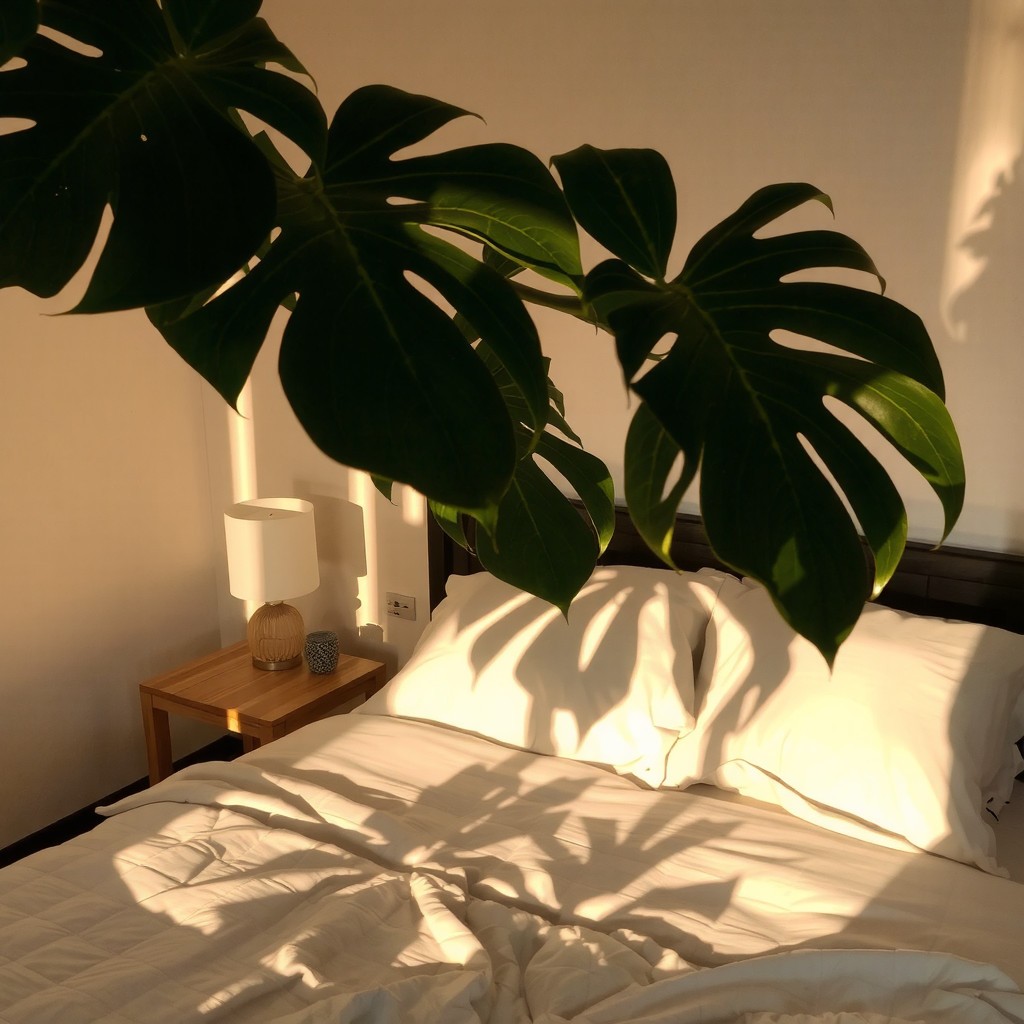
In the evening, the way you illuminate your plants can transform the atmosphere. Instead of harsh overhead lighting, use warm floor lamps or uplighting to cast soft shadows through the foliage. This technique creates a dynamic, dappled pattern on your walls, mimicking the relaxing effect of moonlight filtering through trees. It adds drama and depth, turning your greenery into a mood-enhancing installation.
Greenery
Selecting the right varieties is the final step in your design process. For a bedroom, prioritize plants that are known for their air-purifying qualities and low-maintenance nature. The Snake Plant (Sansevieria) is a top choice, as it releases oxygen at night, unlike most plants that do so during the day.
For a softer look, the Peace Lily offers lush, dark green leaves and elegant white blooms, though it requires a bit more water. If you crave trailing greenery, the Golden Pothos is incredibly forgiving and adds a vibrant splash of chartreuse. These plants not only clean the air but also bring a visual softness that hard furniture cannot replicate.
Tips
- Dust Regularly: Leaves collect dust, which blocks light and hinders photosynthesis. Wipe them down with a damp cloth bi-weekly to keep them glossy and healthy.
- Water with Care: Bedrooms often have different humidity levels than kitchens or bathrooms. Check the soil moisture with your finger before watering to prevent root rot.
- Rotate Your Pots: Plants grow toward the light. Rotate them a quarter turn every time you water to ensure even, symmetrical growth.
- Mind the AC: Avoid placing sensitive tropical plants directly in the path of air conditioning vents or drafty windows.
ADVERTISEMENT