ADVERTISEMENT
Introduction
Your bedroom should be more than just a place to sleep; it needs to be a sanctuary of restoration and calm. Integrating greenery into this intimate space does more than beautify the room; it actively contributes to better rest by purifying the air and creating a serene, nature-infused atmosphere. The presence of living foliage lowers stress levels and improves humidity, creating the ideal physiological conditions for deep slumber. By choosing resilient, low-maintenance varieties, you ensure that your botanical companions remain a source of peace rather than a chore.
Layout and Positioning
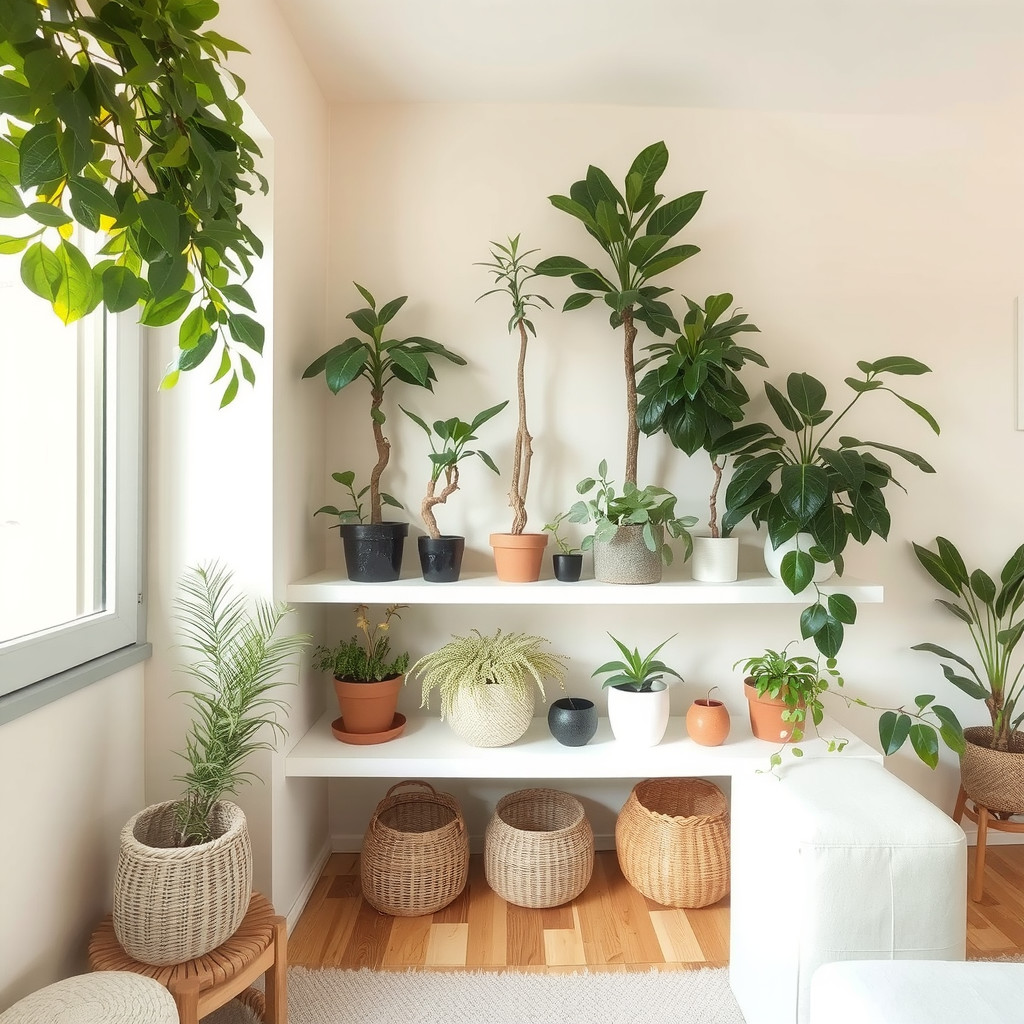
Placement is key when introducing organic elements into your sleeping quarters. You want to avoid cluttering your nightstand, which can lead to visual chaos right before you close your eyes. Instead, utilize vertical space or underused corners to keep surfaces clear. A floating shelf above the headboard offers a dramatic stage for trailing vines without encroaching on your functional space.
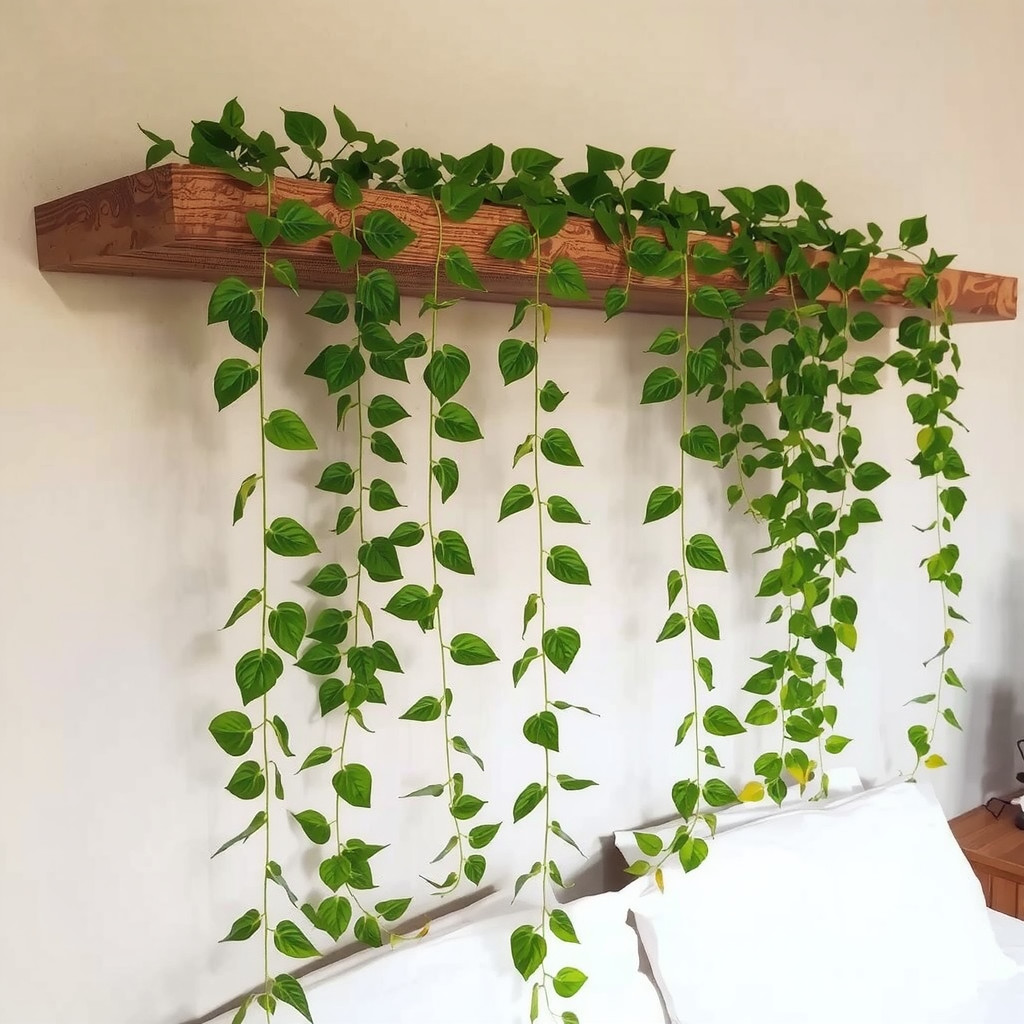
Consider the “rule of three” when arranging pots on dressers or window sills, mixing heights to create a dynamic but balanced vignette. Ensure that larger floor plants are positioned away from high-traffic walkways so you don’t stumble during the night.
Materials and Textiles
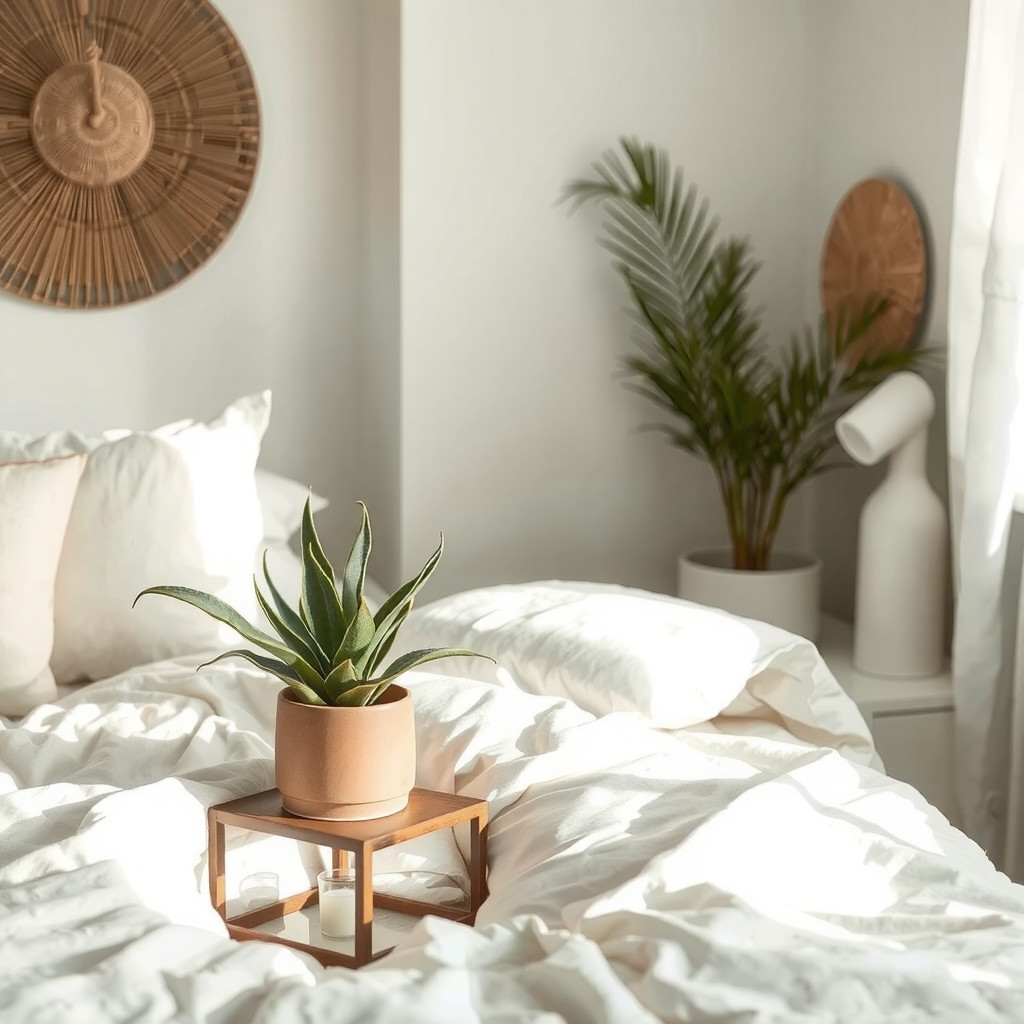
The vessels housing your plants are just as important as the flora itself. To maintain a soothing bedroom aesthetic, opt for planters made from natural, breathable materials that complement your bedding and furniture. Unglazed terracotta, matte ceramics, and woven baskets introduce warmth and texture that pairs beautifully with cotton sheets and wool throws.
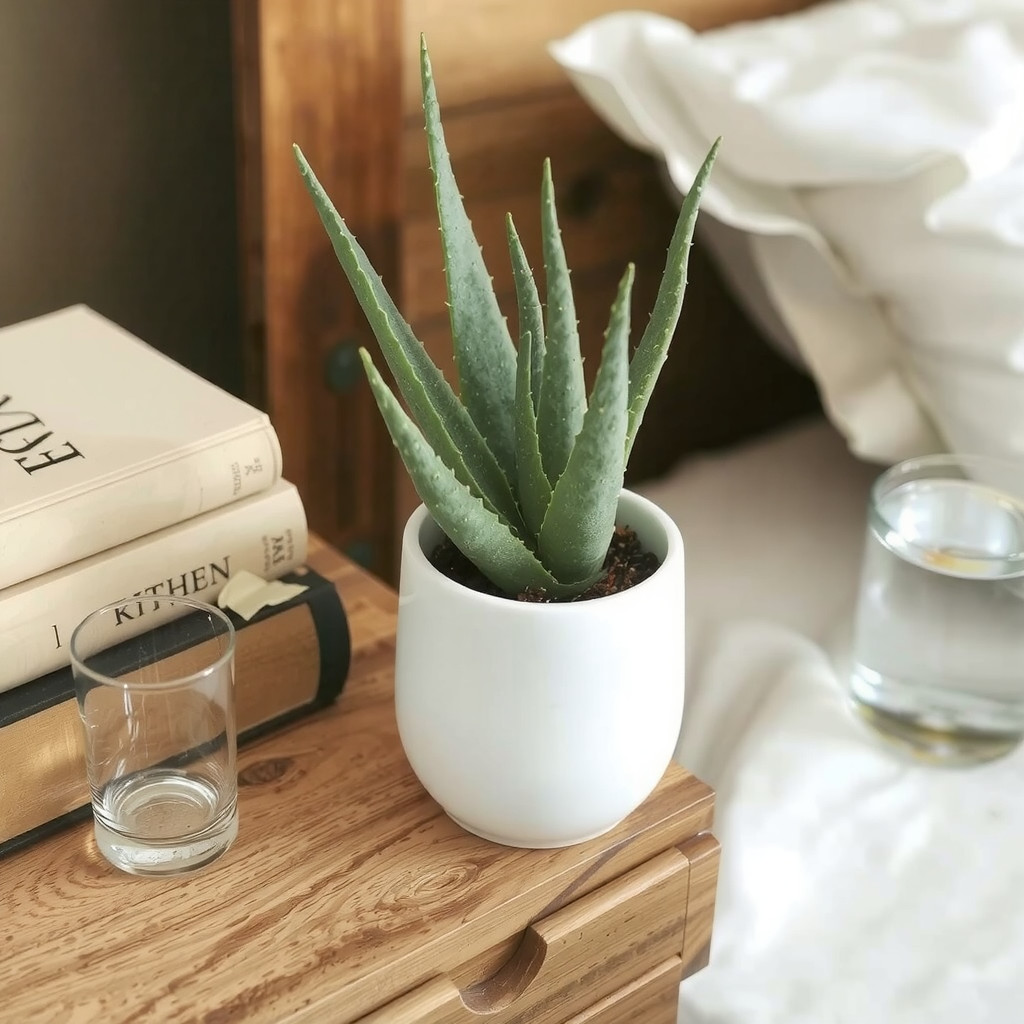
Avoid high-gloss plastics or jarring bright colors that might disrupt the visual quietude of the room. Instead, look for pots in muted earth tones—sandy beiges, soft terracottas, and sage greens—that anchor the greenery and harmonize with the soft textiles of your bedscape.
Focal Points
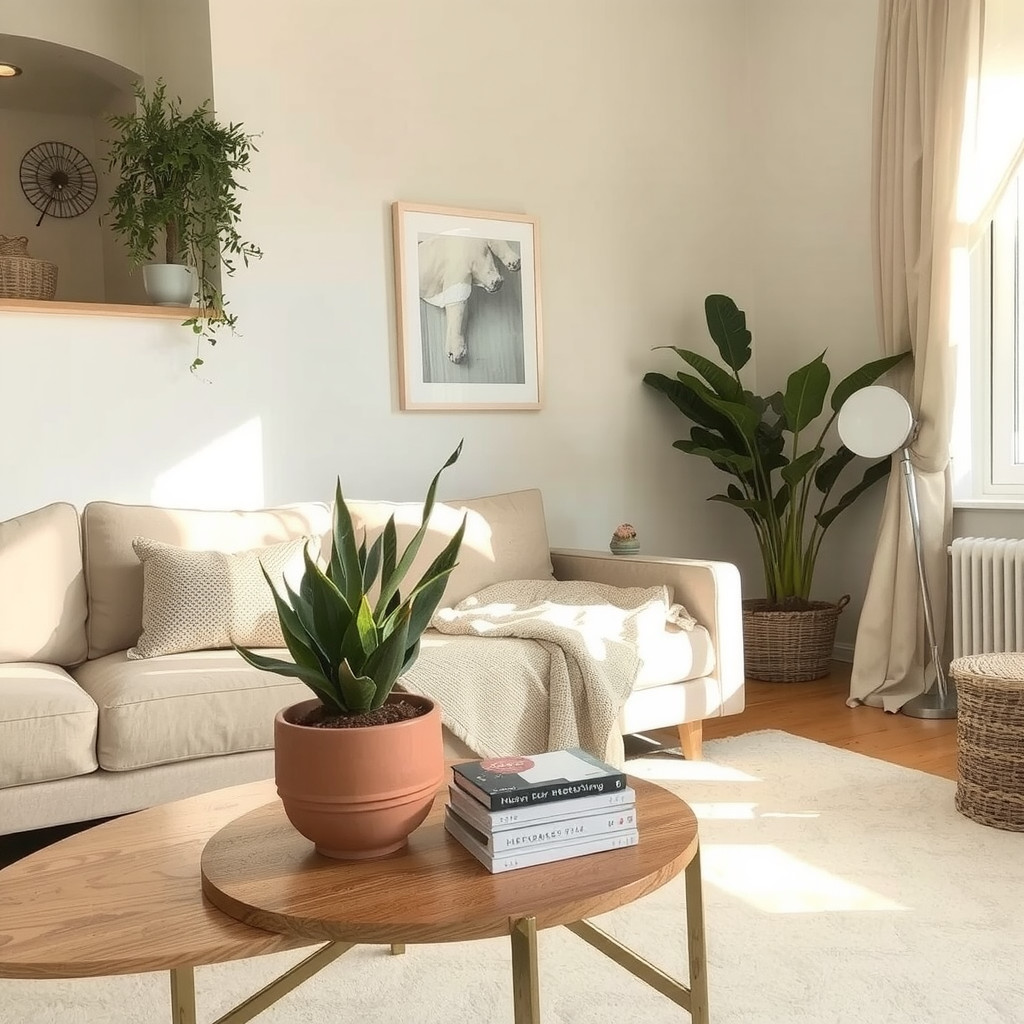
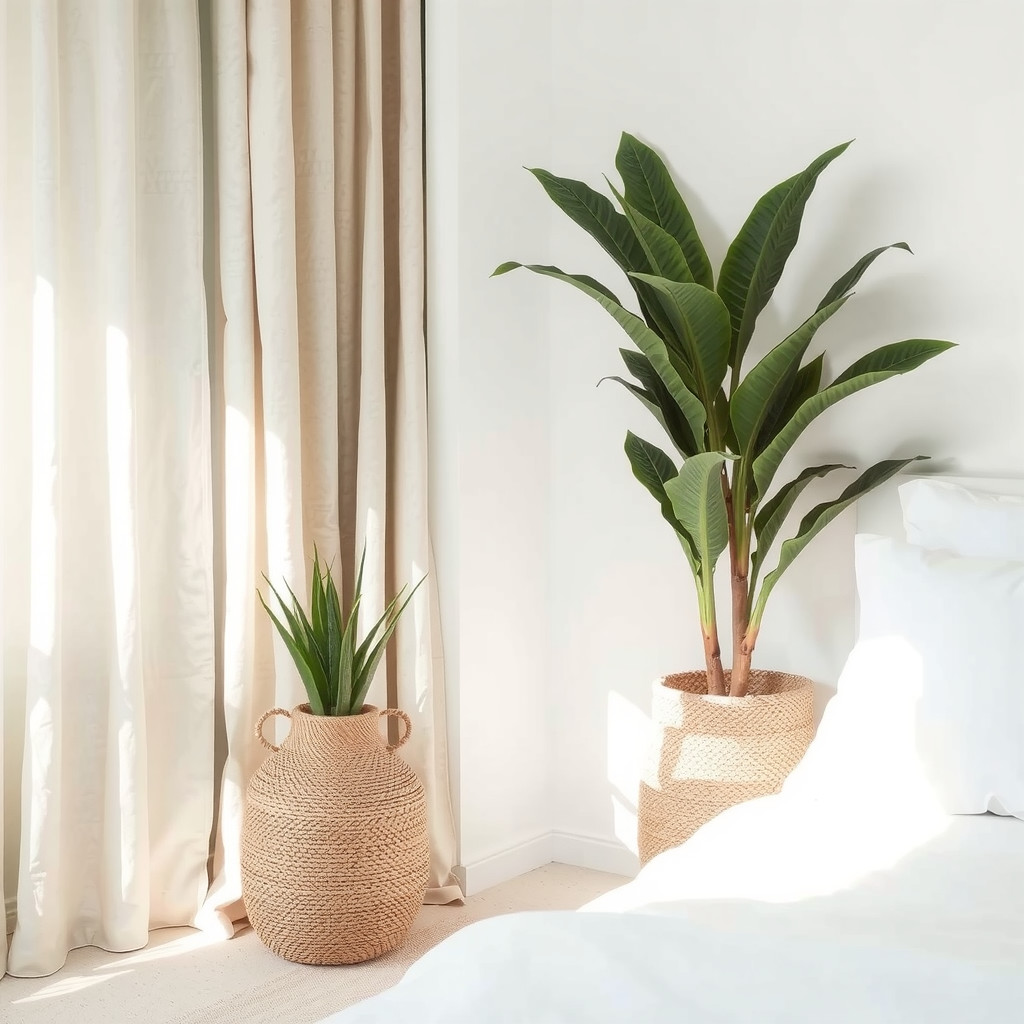
While a jungle vibe can be lush, a single, sculptural statement plant often serves a bedroom better by providing a clear focal point that grounds the energy of the room. A tall, architectural species like a Snake Plant (Sansevieria) or a Peace Lily placed in an empty corner draws the eye upward and adds vertical interest without overwhelming the senses.
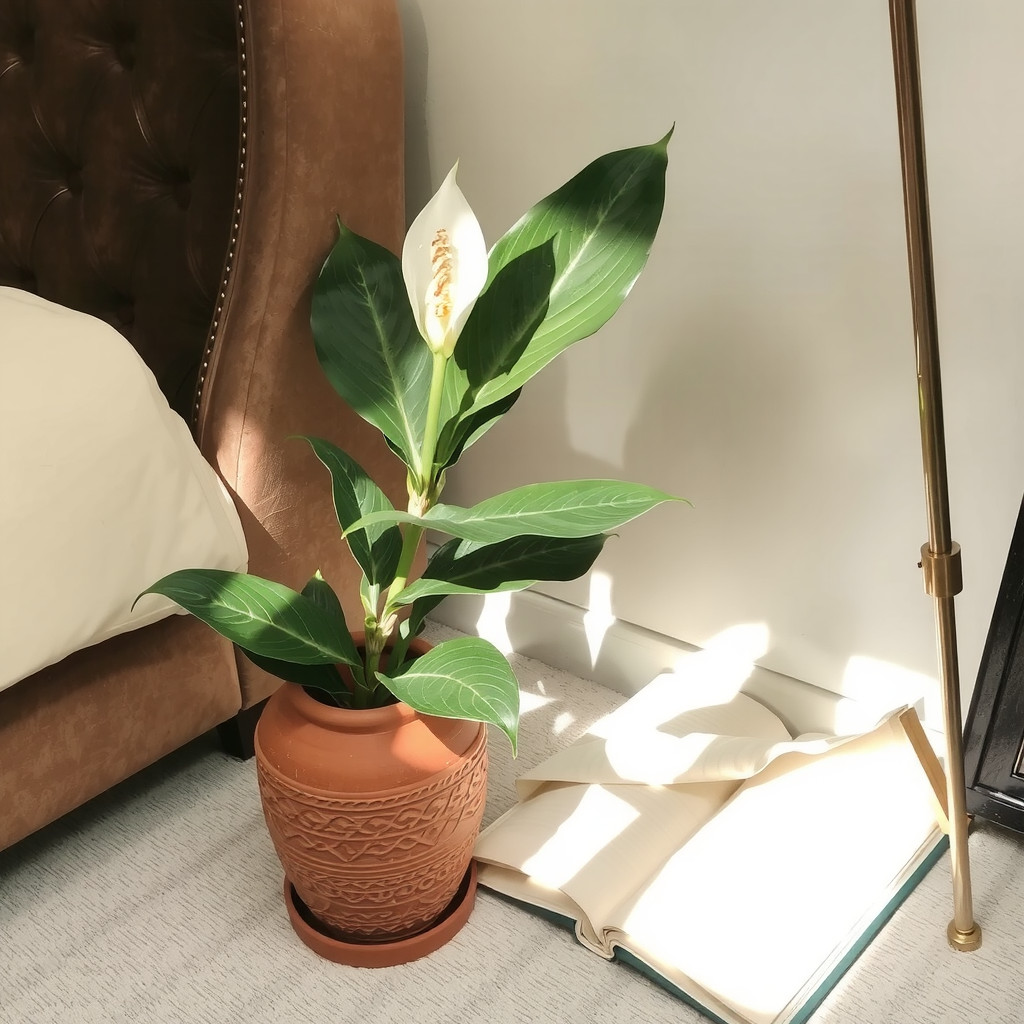
This approach creates a sense of stability and permanence. The goal is to curate a view that is restful to gaze upon as you unwind, rather than a chaotic collection of small pots that demand attention.
Lighting
Bedrooms often have lower light levels than the rest of the home, especially if you use blackout curtains to aid sleep. Fortunately, the best plants for sleep—like Pothos and Snake Plants—thrive in indirect or low-light conditions. Observe how natural light enters your room throughout the day; a plant that loves morning sun might be perfect for an east-facing window sill.
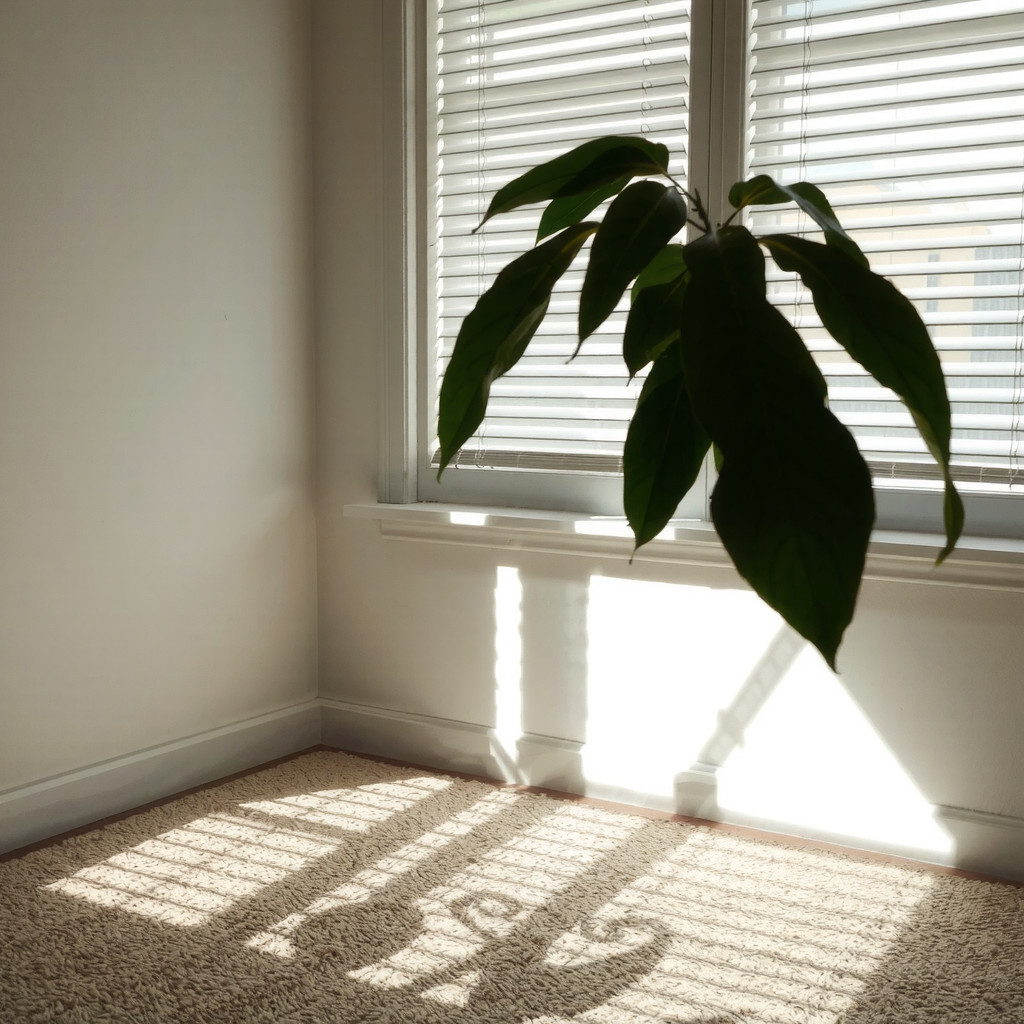
Avoid placing plants directly in the path of harsh artificial lighting or air conditioning vents. Soft, filtered light highlights the varying shades of green and casts gentle, calming shadows that enhance the room’s evening ambiance.
Greenery
Selecting the right species is crucial for a low-maintenance sleep sanctuary. The Snake Plant is a top contender; unlike most plants, it releases oxygen at night and filters toxins, making it a true bedroom workhorse. Aloe Vera is another nocturnal oxygenator that requires minimal watering. For a touch of aromatherapy, Lavender can be grown indoors with enough light, its scent famously known for reducing heart rate and blood pressure.
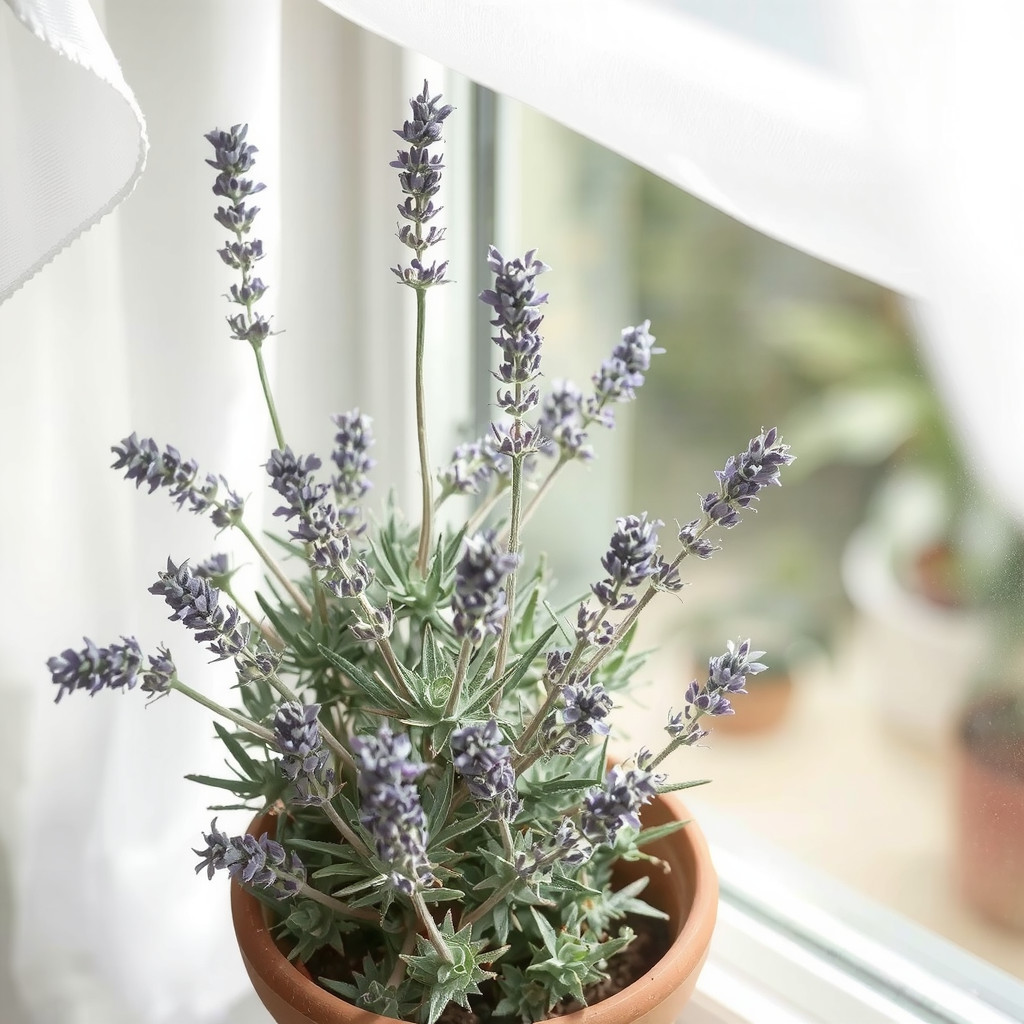
Golden Pothos is virtually indestructible and acts as a living air purifier, removing common household toxins like formaldehyde. These plants ask for very little but give back immensely in air quality and aesthetic tranquility.
Tips
- Dust Regularly: Wipe leaves with a damp cloth weekly to ensure they can breathe and filter air efficiently; dust-free leaves also look lusher.
- Water Sparingly: Most bedroom plants prefer to dry out between waterings. Overwatering is the most common issue, so check the soil moisture before adding water.
- Rotate Pots: Turn your plants a quarter turn every few weeks to ensure even growth, preventing them from leaning too heavily toward the light source.
- Monitor Humidity: If your bedroom air is dry from AC or heating, mist moisture-loving plants like Peace Lilies occasionally to keep them happy.
ADVERTISEMENT