ADVERTISEMENT
Introduction
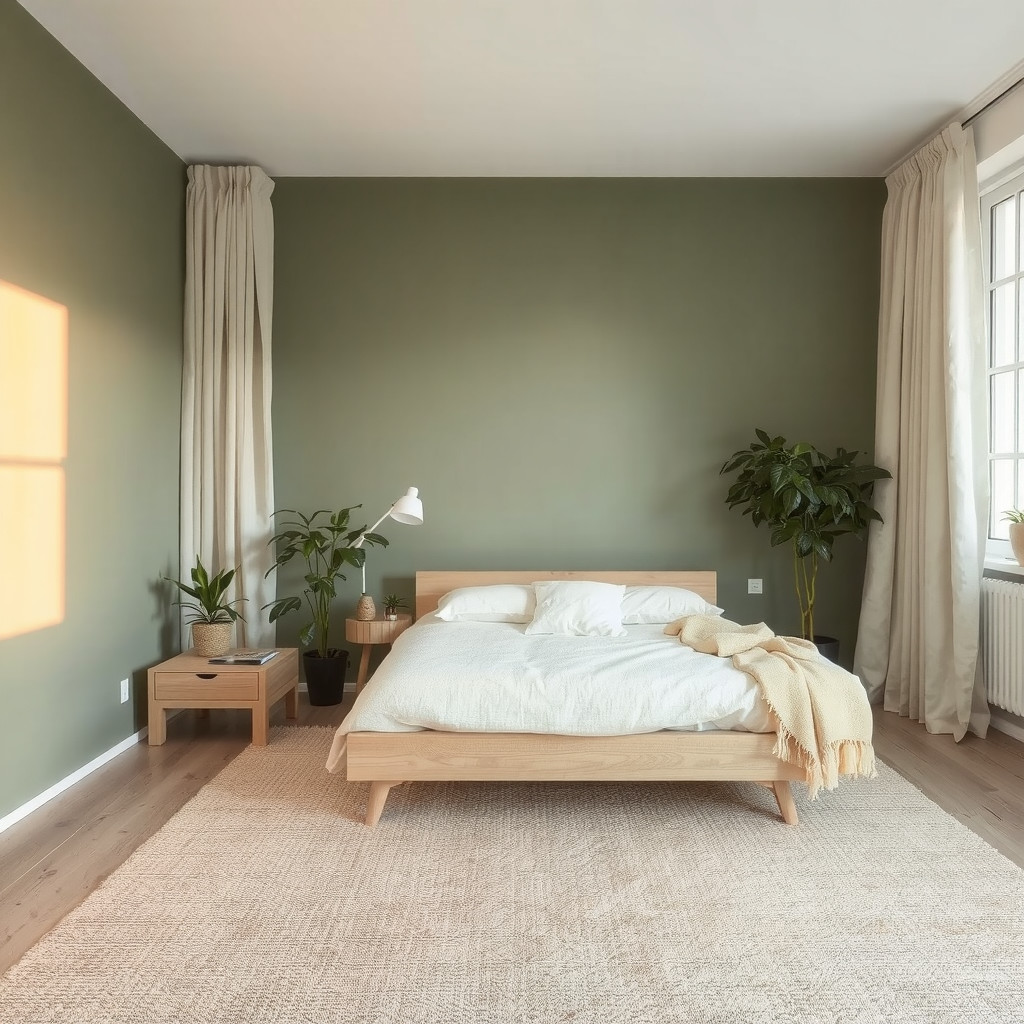
You want your bedroom to feel like a soft exhale at the end of the day, and low-maintenance indoor plants make that feeling beautifully tangible. Their quiet greenery softens hard lines, filters the air, and anchors your mind in the present. Picture a calm, uncluttered room where foliage frames your bed and the air feels just a little fresher.
Layout and Positioning
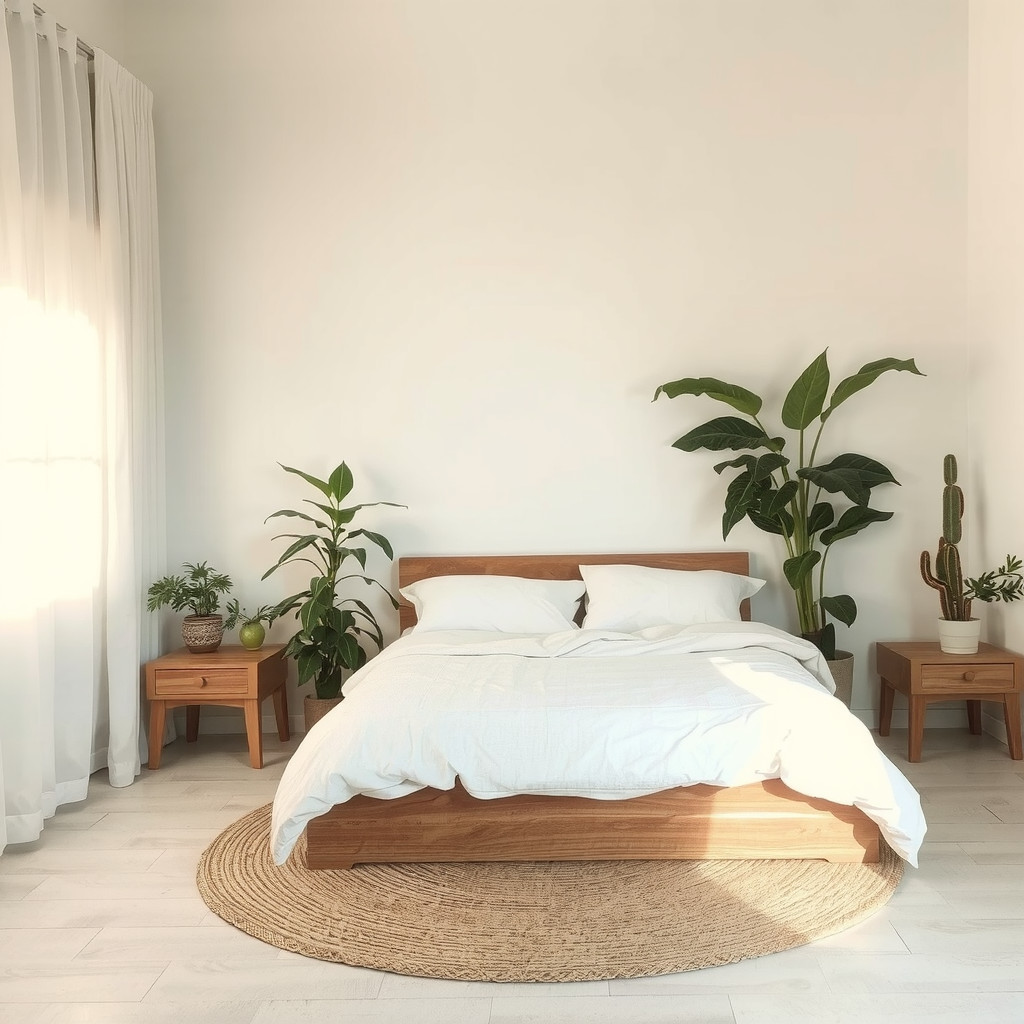
Begin by deciding how you move through the room. Keep the area around your bed clear, then layer greenery at the edges of your path. Place a tall snake plant or ZZ plant beside a dresser or in an unused corner so it visually balances the headboard.
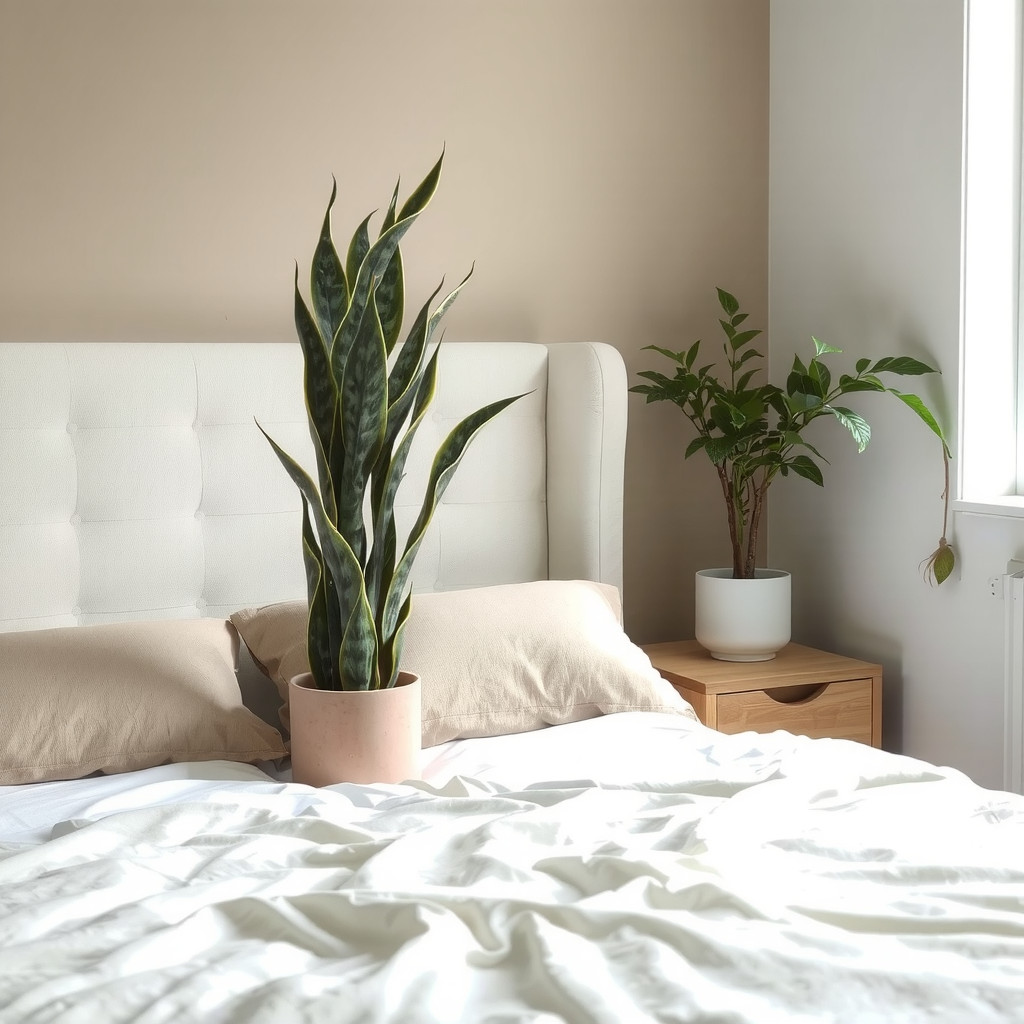 Keep anything leafy away from direct drafts from windows or vents, and avoid crowding nightstands. One compact plant per bedside is enough to feel lush without cluttering; think a pothos trailing gently off the edge or a peace lily tucked beside your reading lamp.
Materials and Textiles
Your plants feel most at home against soft, natural textures. Choose bedding in washed cotton or linen so the bed looks relaxed, never stiff. Layer a light quilt with a breathable duvet, then add a nubby throw for depth.
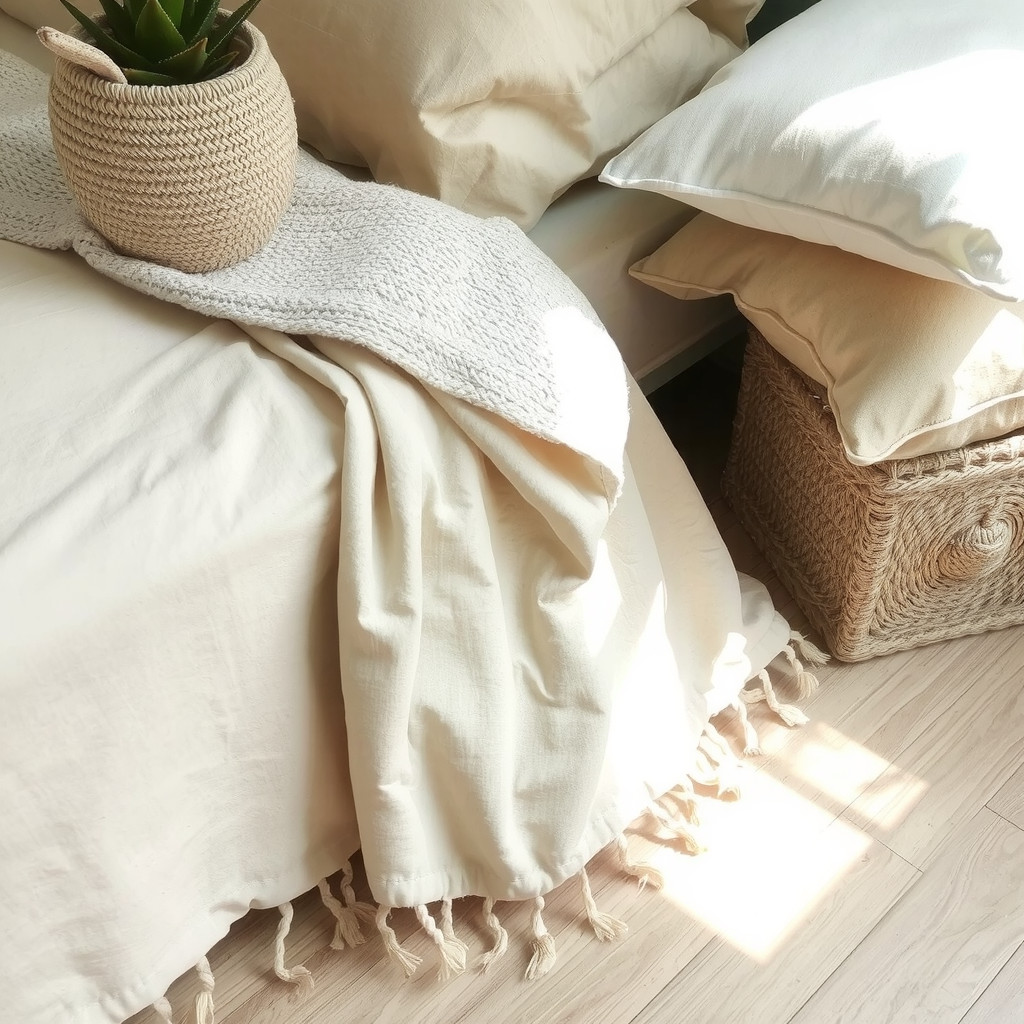 For containers, lean into materials that echo bedroom softness: matte ceramic, warm terracotta, or woven seagrass baskets for nursery pots. A jute or wool rug grounds the room underfoot, making the contrast between crisp leaves and tactile fibers inviting and calm.
Focal Points
Instead of scattering plants randomly, create one or two intentional focal moments. Above the headboard, keep artwork simple, then frame the bed with two similar plants on each side to form a quiet, symmetrical backdrop.
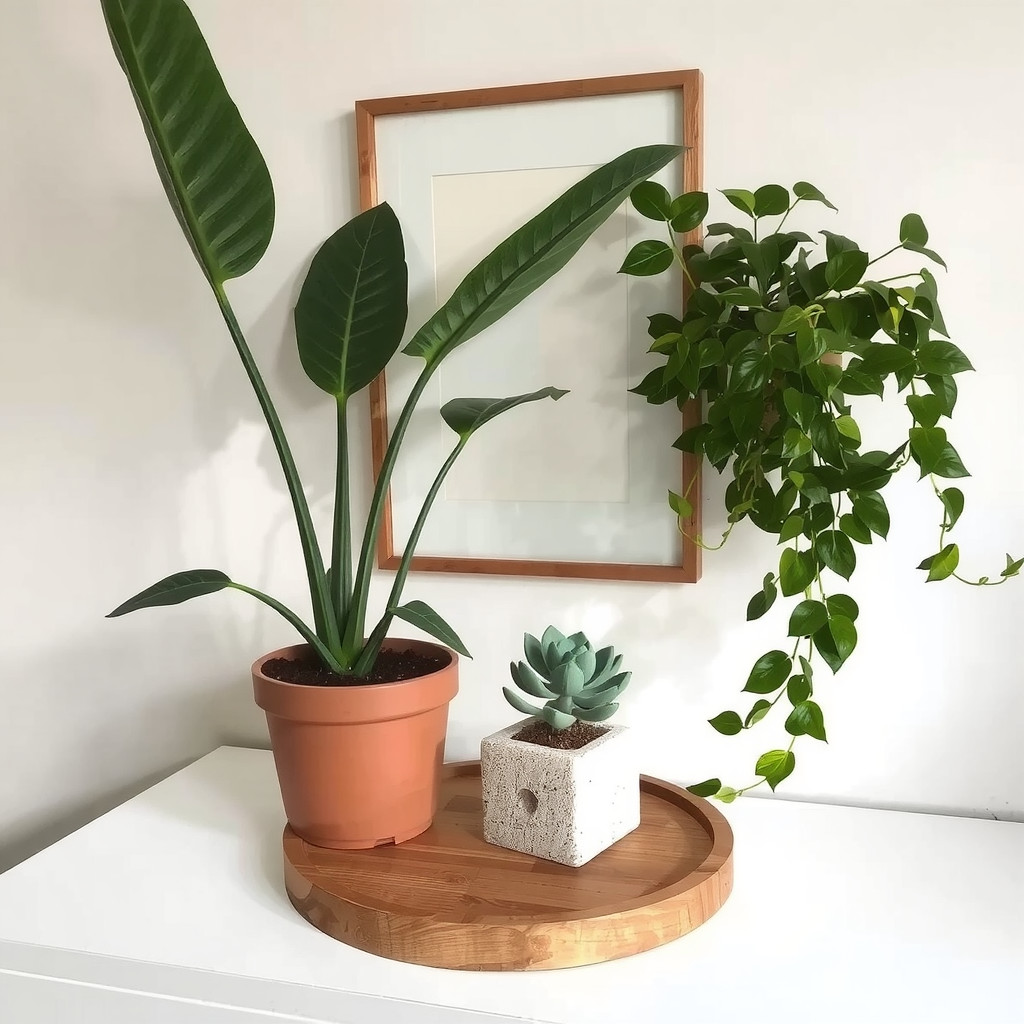 On a dresser, gather three plants of varying heights on a tray: perhaps a rubber plant, a low jade succulent, and a trailing philodendron. Grouping them this way reads as one curated vignette rather than visual noise, and your eye naturally rests there when you enter.
Lighting
Low-maintenance bedroom plants thrive on gentle, indirect light, which also flatters every surface in the room. Filter strong daylight with gauzy curtains so leaves do not scorch and your space glows softly.
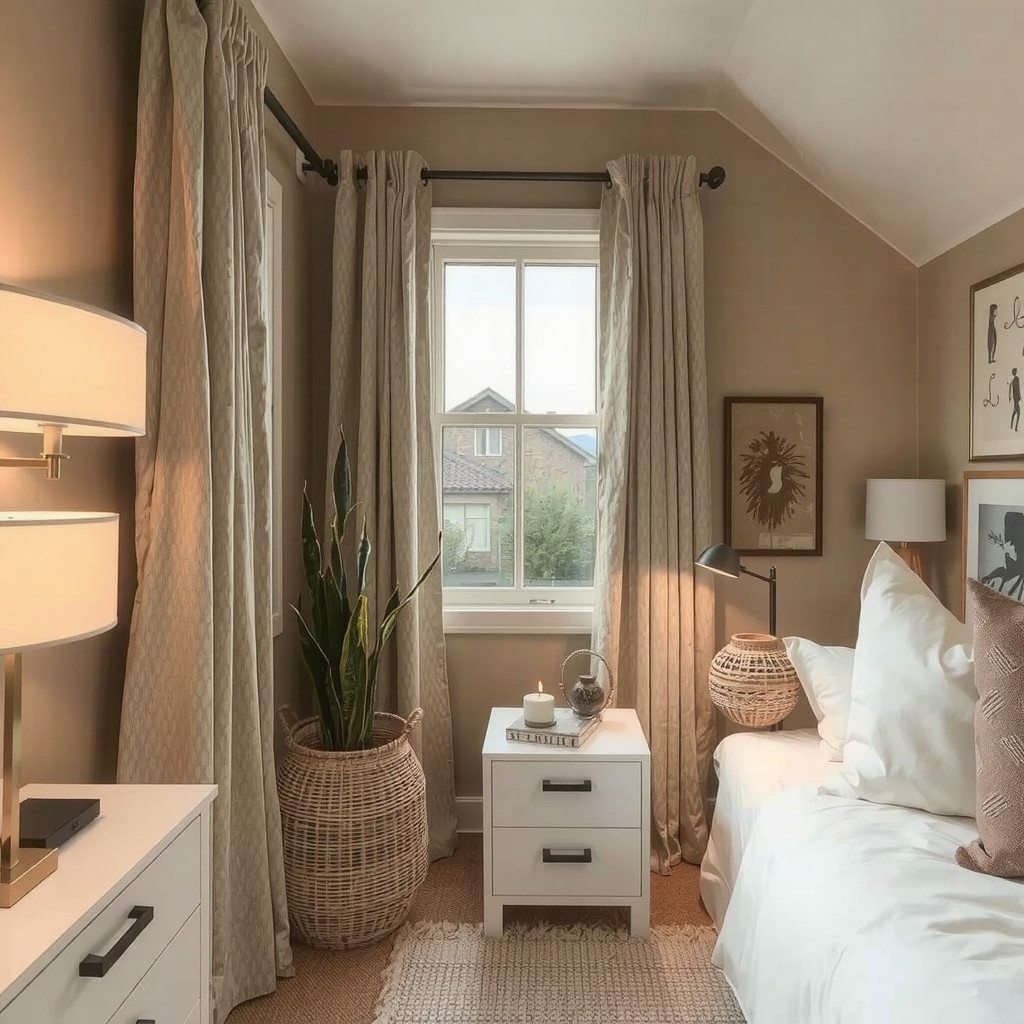 At night, let lighting fall in layers: a warm bedside lamp for reading, a subtle wall sconce by your tallest plant, maybe a small, dimmable table lamp on the dresser. This halo of warmth around foliage feels deeply restful and prepares your body for sleep.
Greenery
Choose species that forgive busy routines and low light. Snake plants, pothos, ZZ plants, and peace lilies all suit bedrooms beautifully. Mix upright, architectural forms with draping varieties so the room feels both structured and relaxed.
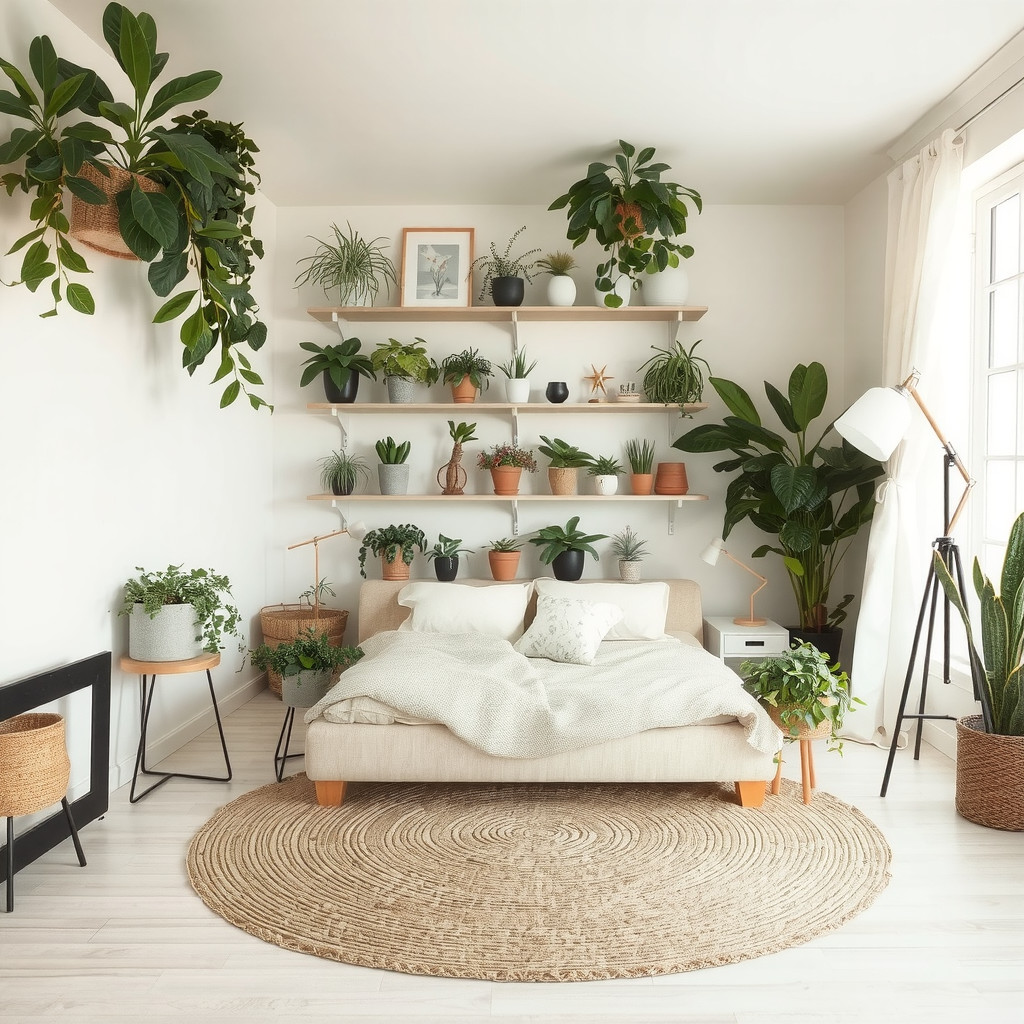
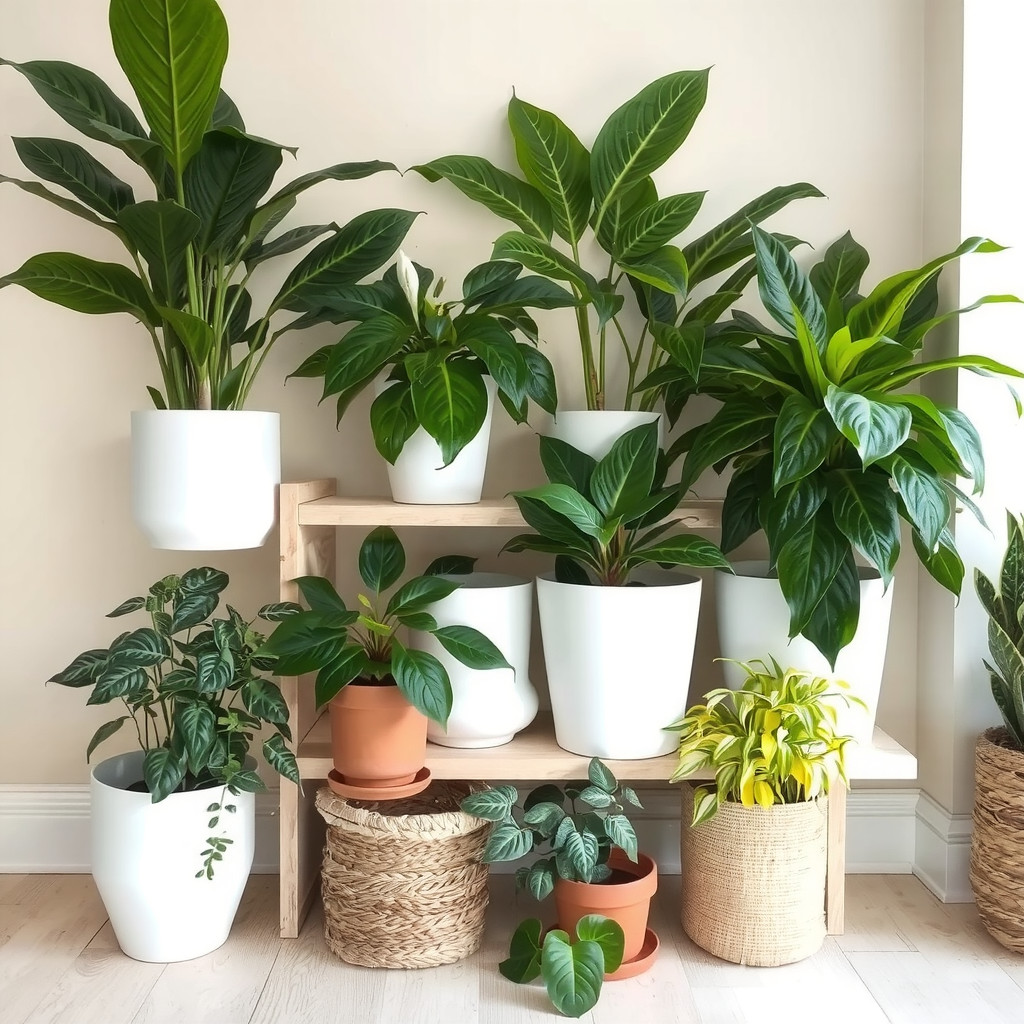 Suspend one trailing plant from the ceiling near a window, then let another spill from a high shelf. When you wake, your first view is layered greens instead of clutter, instantly softening the transition into the day.
Tips
- Start with three to five plants and only add more once these thrive.
- Use pots with drainage and simple saucers to prevent overwatering and protect surfaces.
- Rotate plants every few weeks so each side receives similar light.
- Dust leaves gently with a soft cloth to keep them glossy and breathing well.
- Avoid heavily scented blooms near your pillow if you are sensitive while sleeping.
- Group plants with similar light and water needs so care stays effortless.
- Keep a small watering can stored in the bedroom to make maintenance part of your wind-down ritual.
ADVERTISEMENT