ADVERTISEMENT
A Serene Low-Maintenance Plant-Filled Bedroom Retreat
Introduction
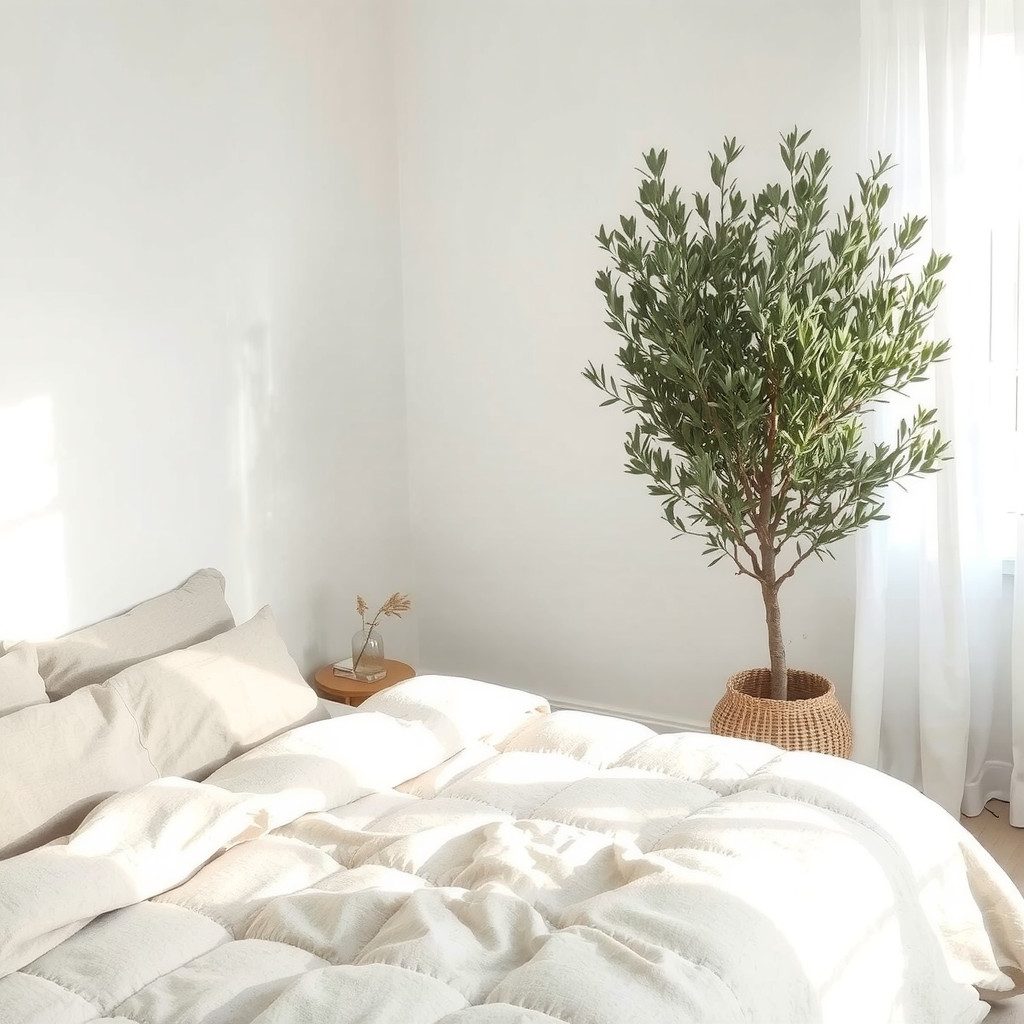
You can turn your bedroom into a calming sleep sanctuary with just a few thoughtful choices. Low maintenance indoor plants quietly soften hard edges, filter the air, and signal your brain that this is a place to unwind. Imagine stepping into a soft, hushed space where greenery, textiles, and light all work together. 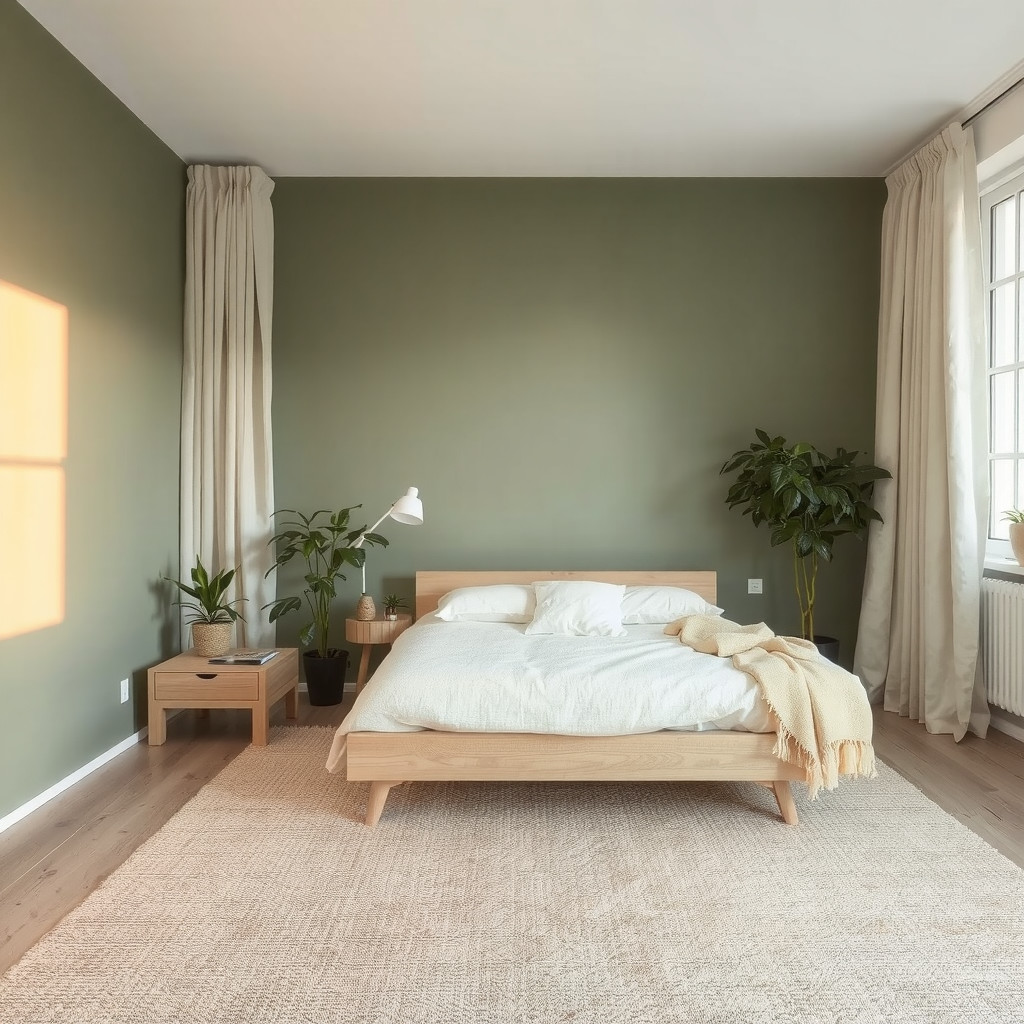 You don’t need a green thumb or hours of care; you only need smart placement and the right easy bedroom plants.
Layout and Positioning
Start by planning the layout so your room feels open and breathable. Keep the bed as the anchor, ideally facing the doorway but not pressed against it, to create a sense of security and calm. 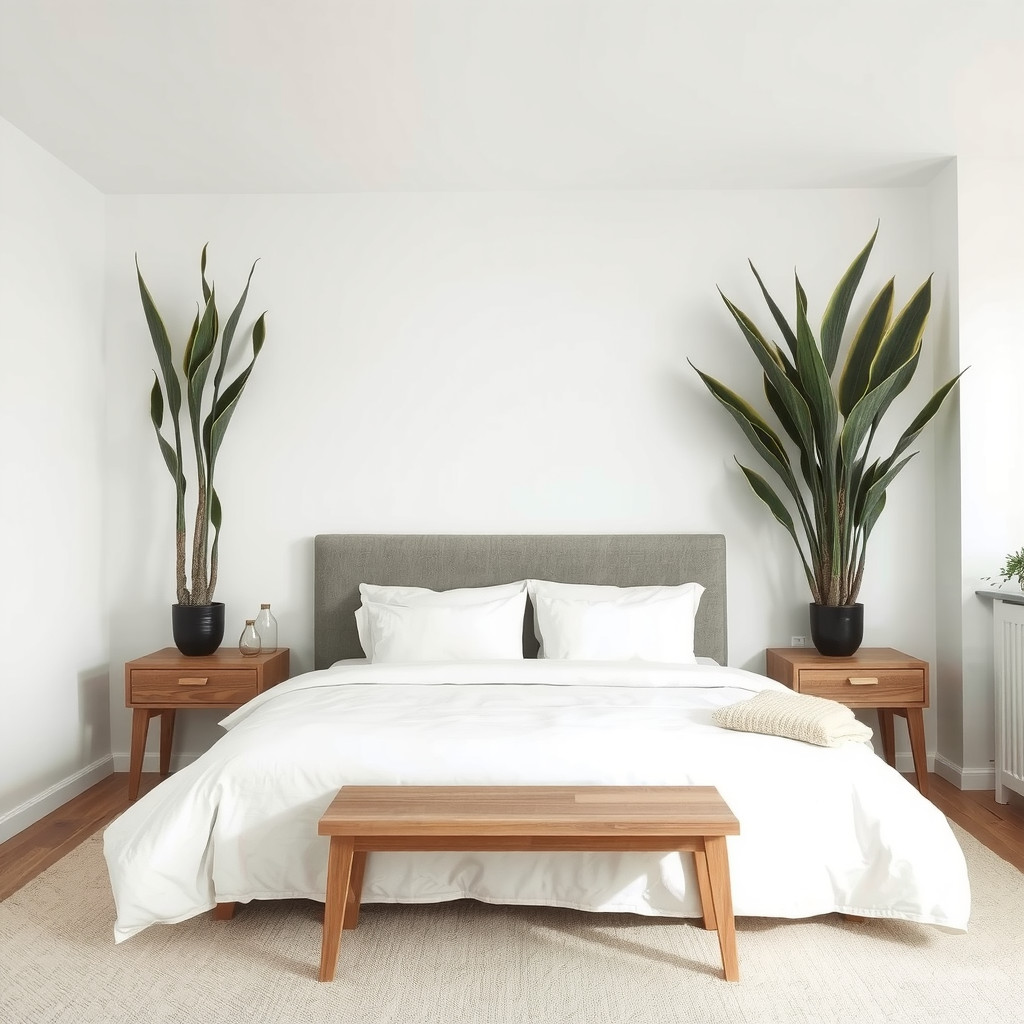 Place taller plants, like a snake plant or rubber tree, at the corners of the bed wall to frame the headboard softly. Keep pathways clear by tucking low light plants on slim stands or narrow benches instead of the floor. A small reading nook beside the window can hold a compact armchair and one statement plant, giving you a retreat within your retreat.
Materials and Textiles
To support the gentle presence of greenery, surround it with tactile, natural materials. Choose breathable cotton or linen bedding in muted tones like soft white, clay, or eucalyptus green that echo leaf shades. 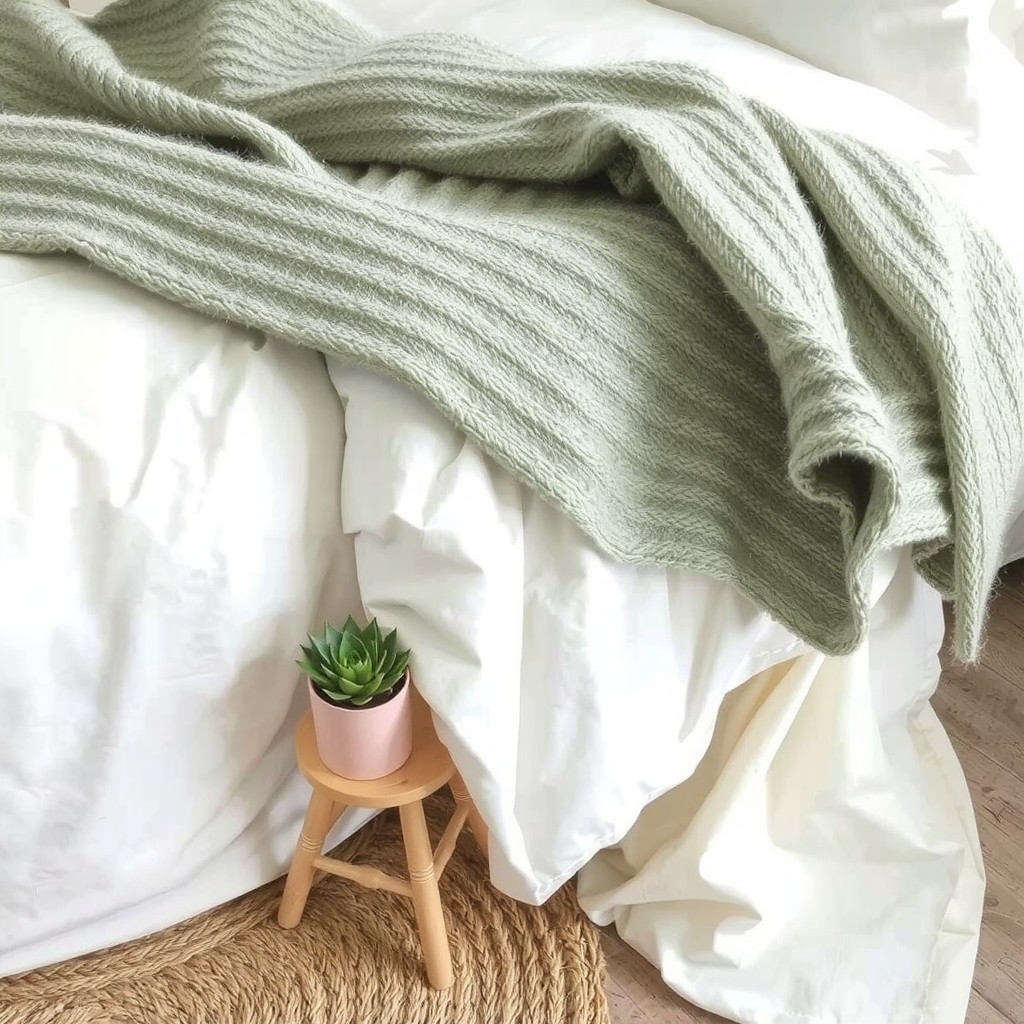 Add a plush wool or jute rug underfoot and a knit throw at the end of the bed to deepen the cozy feel. Woven baskets make attractive cachepots for nursery grow pots, hiding plastic while adding texture. Keep patterns subtle—fine stripes, small checks, or tone-on-tone motifs—so the plants remain the most dynamic visual element.
Focal Points
Every restful bedroom benefits from one or two intentional focal points rather than many competing accents. Let your main focal point be the bed wall, styled with a simple headboard and a gentle arrangement of greenery. 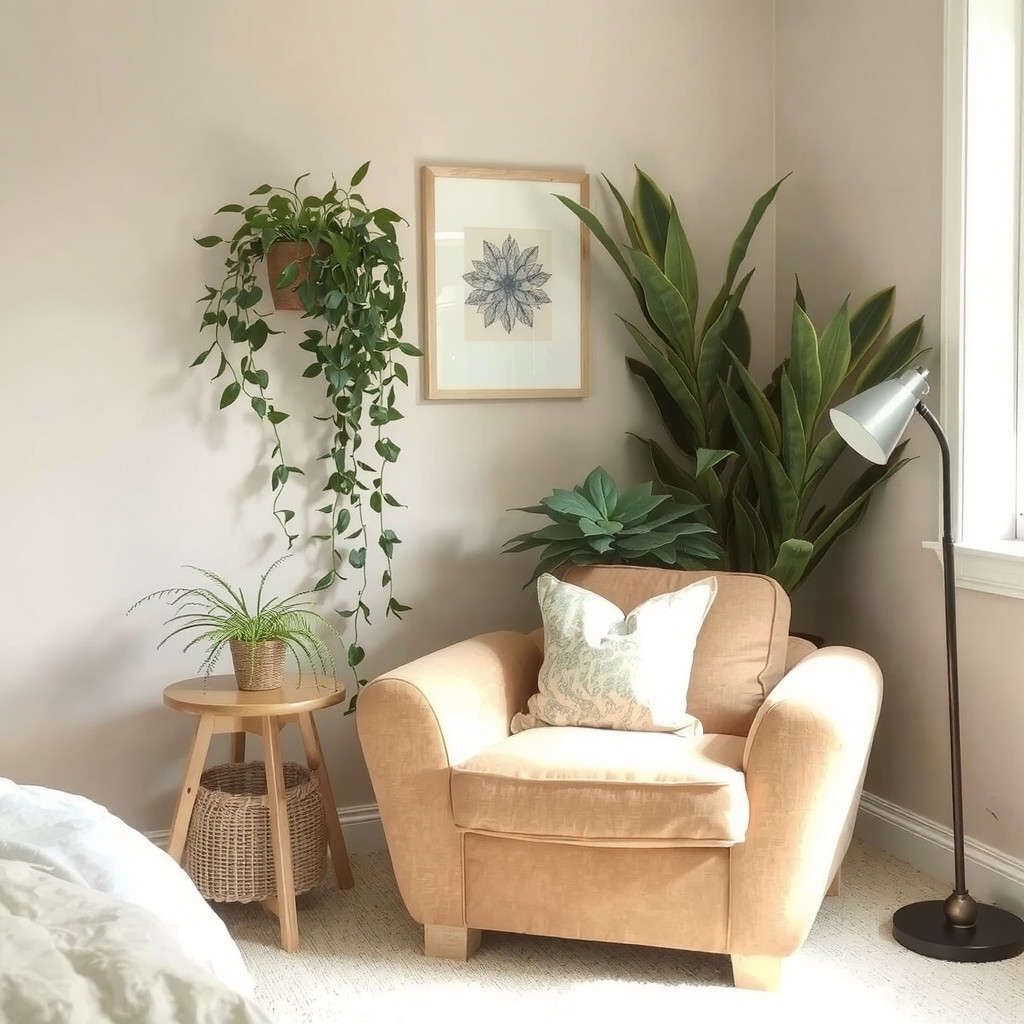 You might cluster three plants of different heights beside a chair: a trailing pothos on a side table, a medium-height ZZ plant, and a taller dracaena on the floor. The layered silhouettes naturally draw the eye and add interest without feeling busy. Keep artwork minimal—perhaps a single landscape or abstract print—so your easy bedroom plants remain the soft star of the scene.
Lighting
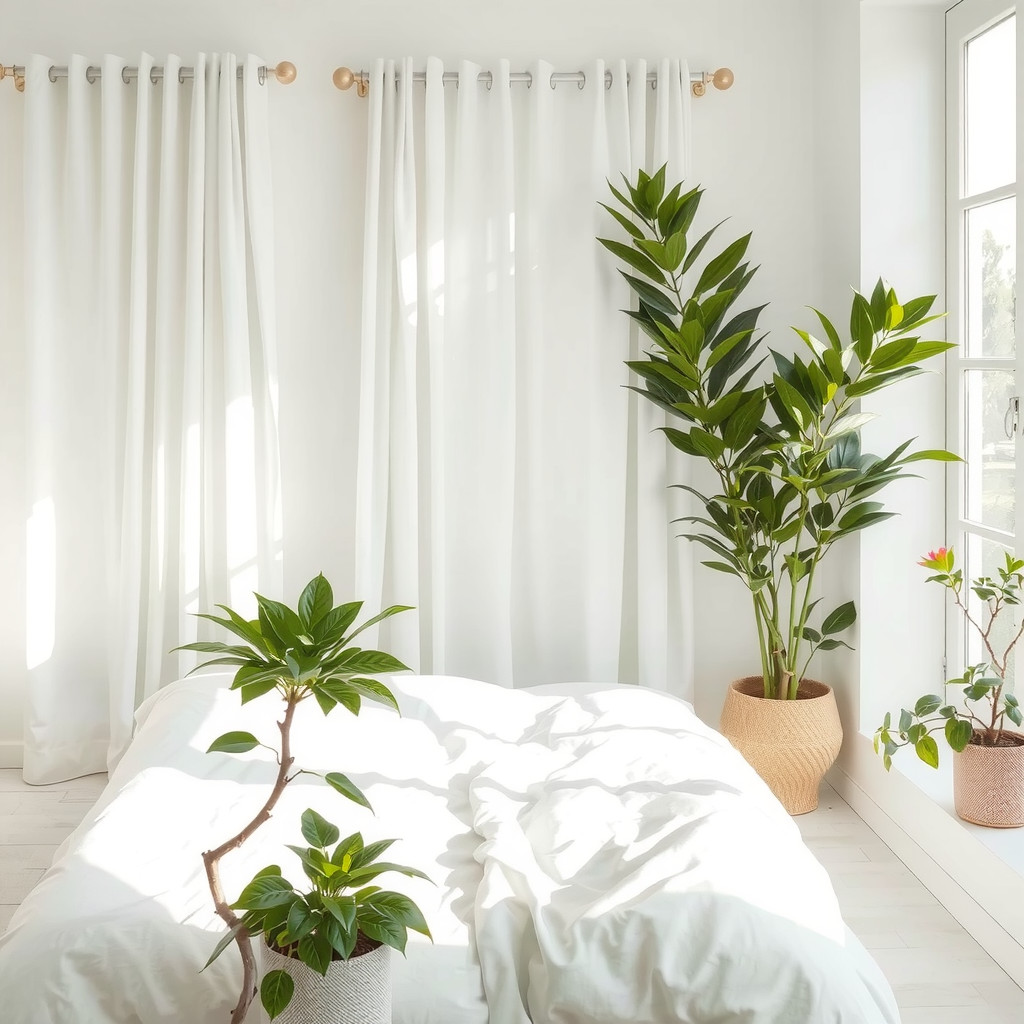
The right lighting makes low light plants and your decor glow after sunset. Aim for three layers: ambient, task, and accent. 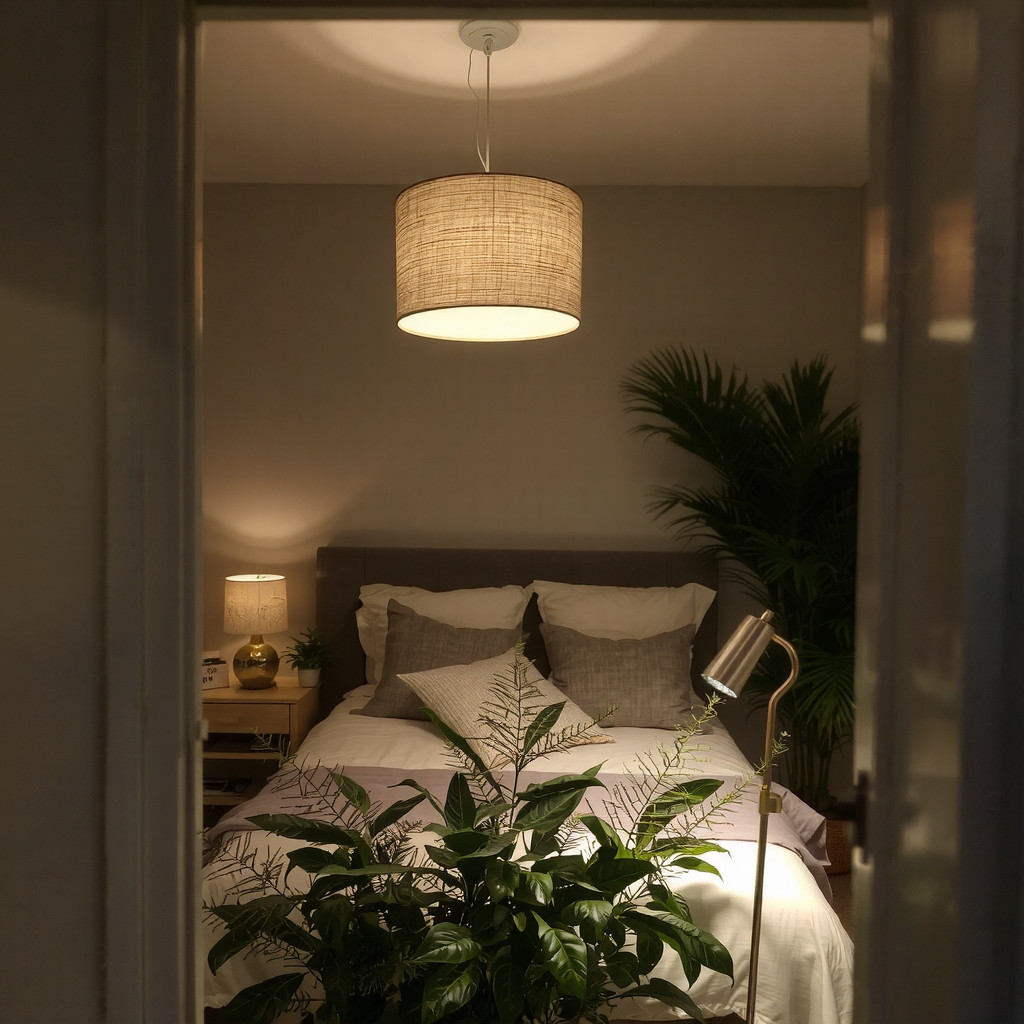 A warm, dimmable ceiling fixture sets an overall mood; bedside lamps with fabric shades create pools of gentle light for reading. Add a slender floor lamp in the plant corner to highlight leaves with a soft, upward wash. Choose warm white bulbs to keep the atmosphere restful. During the day, sheer curtains filter harsh sun, protecting foliage while letting in enough brightness for most low-maintenance plants to thrive.
Greenery
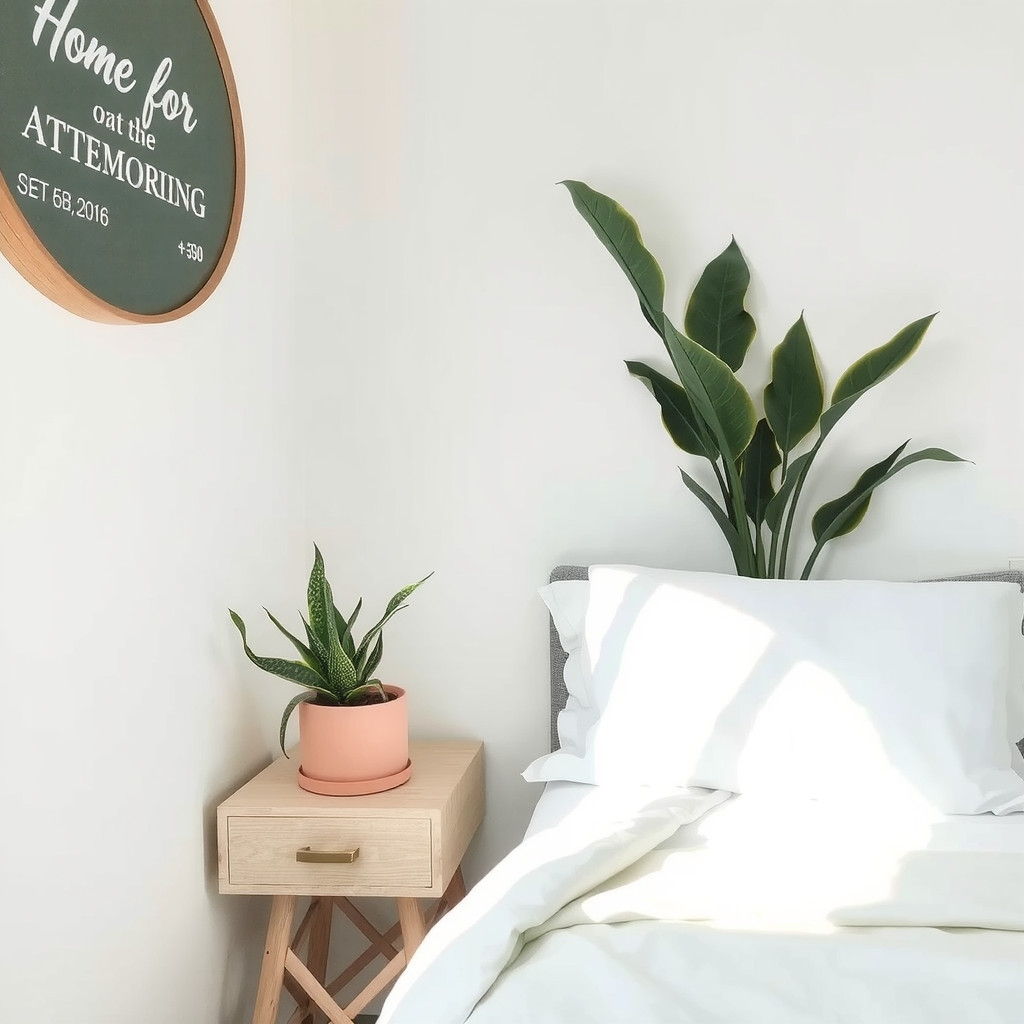
Selecting the right greenery makes upkeep effortless. Focus on forgiving, low light plants such as snake plant, pothos, ZZ plant, and peace lily. 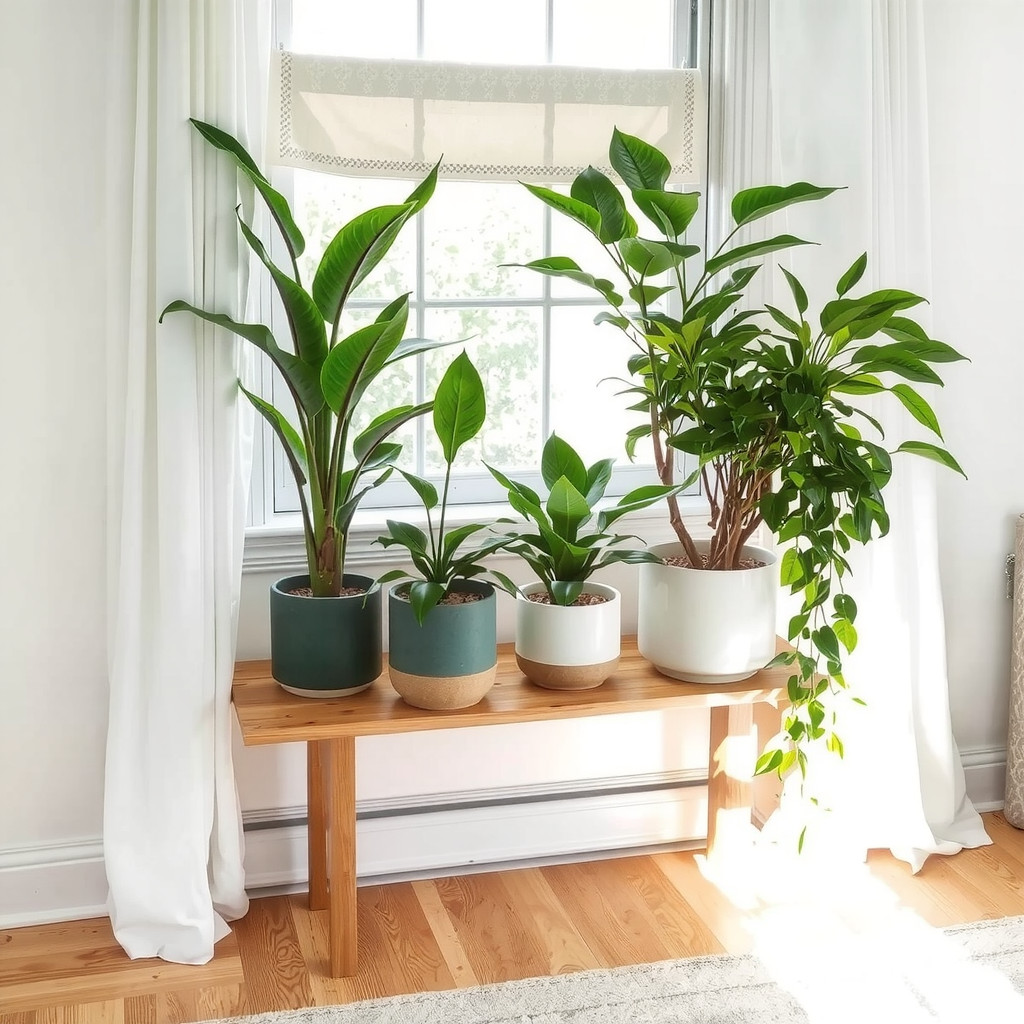 These tolerate irregular watering and typical bedroom light conditions. Group them in threes on a bench or floating shelf, mixing glossy, upright leaves with trailing vines for contrast. A narrow wall shelf above the nightstand can host small succulents or air plants in ceramic pots, keeping surfaces clear.
 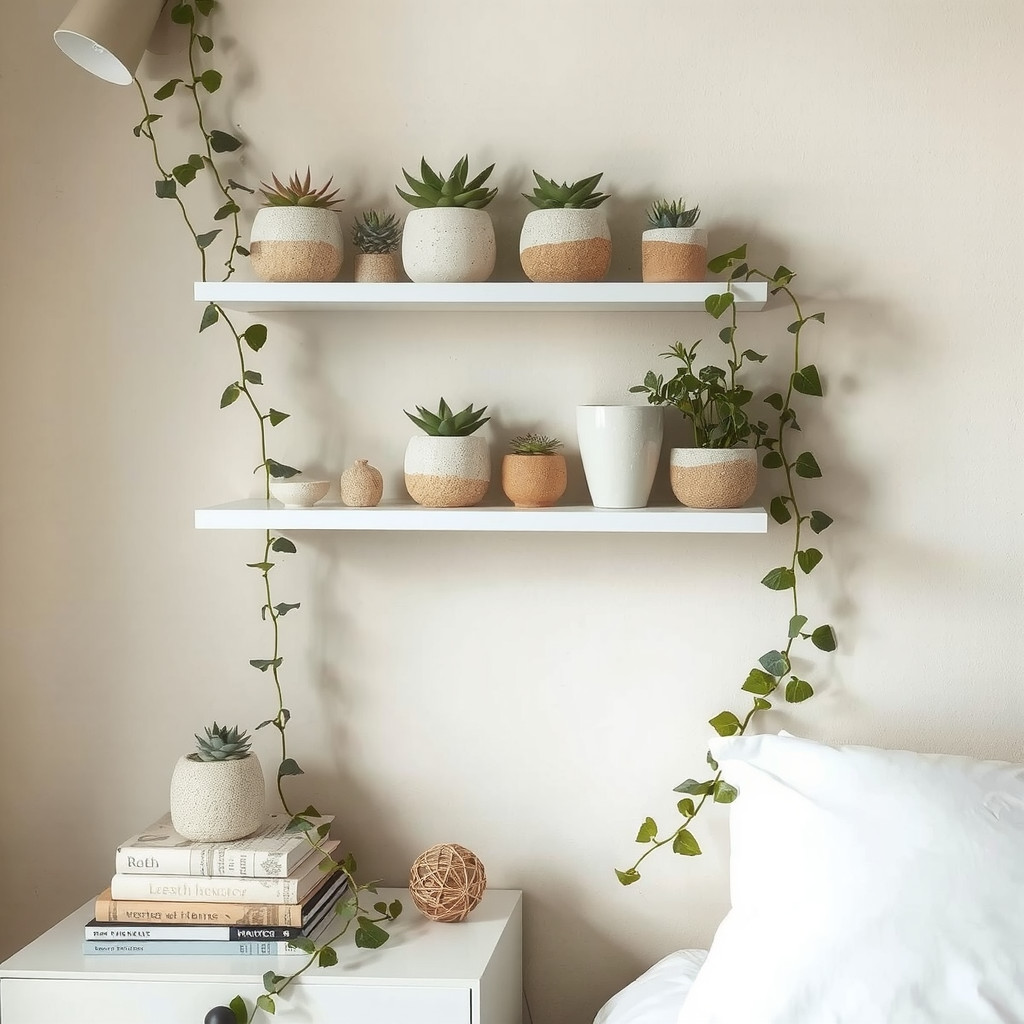 Use similar pot tones—matte white, warm sand, or charcoal—to keep the composition calm while the foliage provides the color.
Tips
- Choose plants labeled “low light” or “easy care” to suit real-life routines.
- Start with three to five plants, then add gradually instead of crowding the room.
- Use saucers and waterproof liners to protect wood nightstands and floors.
- Rotate plants every few weeks so all sides receive light and grow evenly.
- Water deeply but less often; check soil with your finger before each watering.
- Wipe dusty leaves with a soft, damp cloth to keep them lush and vibrant.
- Keep scented candles or essential oils subtle so they don’t overwhelm the bedroom’s natural freshness.
ADVERTISEMENT