ADVERTISEMENT
Embracing Earthy Interiors: Grounding Your Sanctuary
Creating a home that feels like a retreat from the fast-paced world starts with returning to the basics. Earthy decor is more than just a trend; it is a design philosophy rooted in nature, warmth, and organic simplicity. By incorporating elements that mirror the outdoors, you can foster a sense of calm and stability within your walls. This approach invites you to slow down and appreciate the raw beauty of natural imperfections.
Layout and Positioning
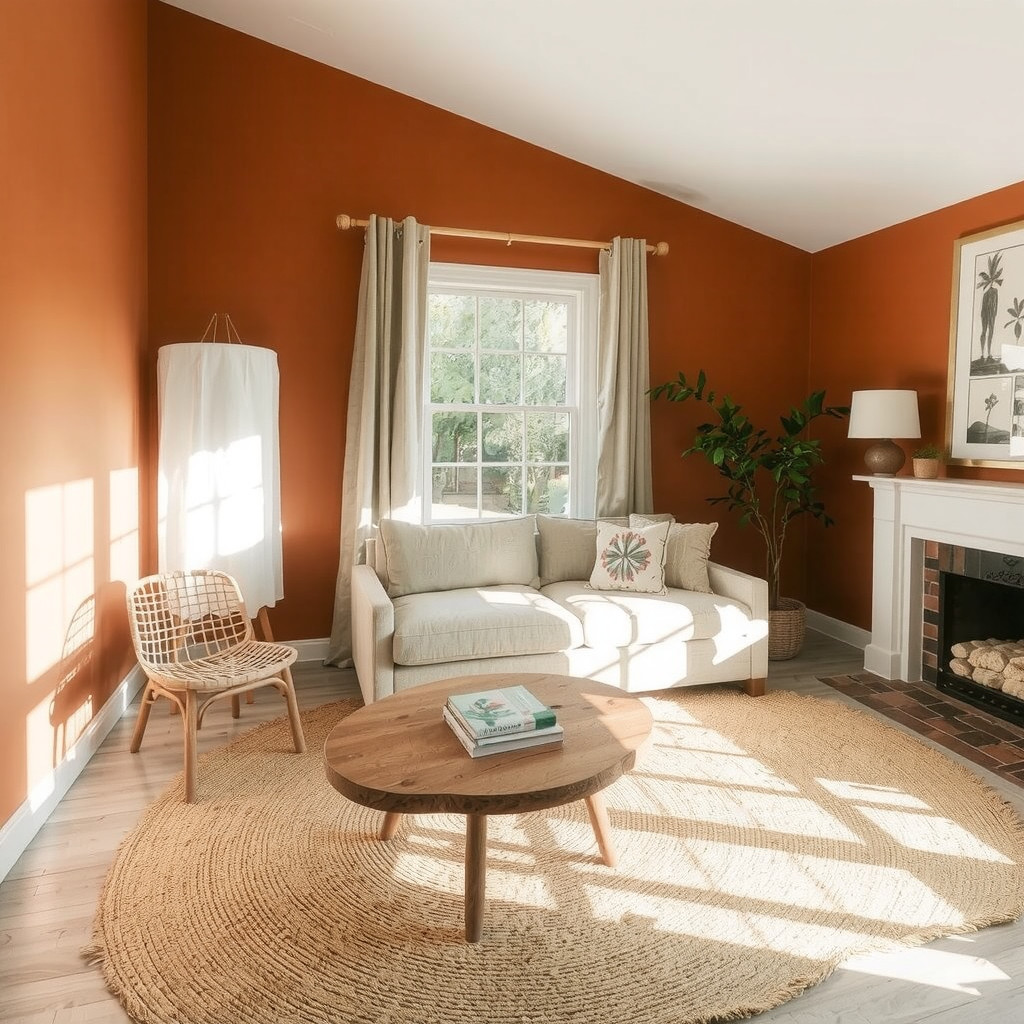
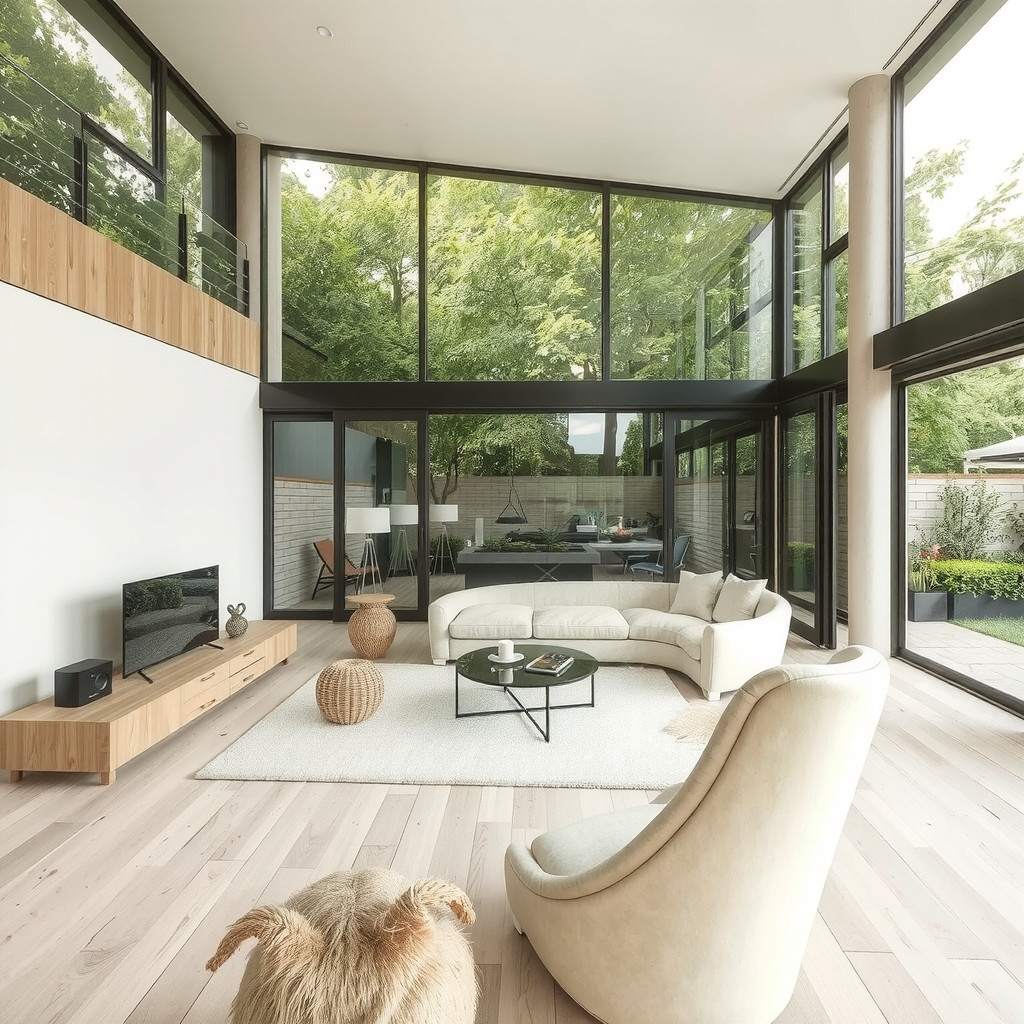
When designing an earthy space, you must consider the flow of energy and light. Arrange your furniture to cultivate a sense of openness and breathability, mimicking the vastness of the outdoors. Avoid rigid, boxy layouts; instead, position your main seating areas to face windows or architectural features that offer a view of the sky or garden.
Allow for negative space around your key pieces. This visual silence lets the organic shapes of your furniture breathe. Think of your floor plan as a landscape where movement should feel intuitive and unobstructed. By orienting your room to maximize natural light intake, you ensure that your earthy tones change dynamically throughout the day, warming up as the sun sets.
Materials and Textiles
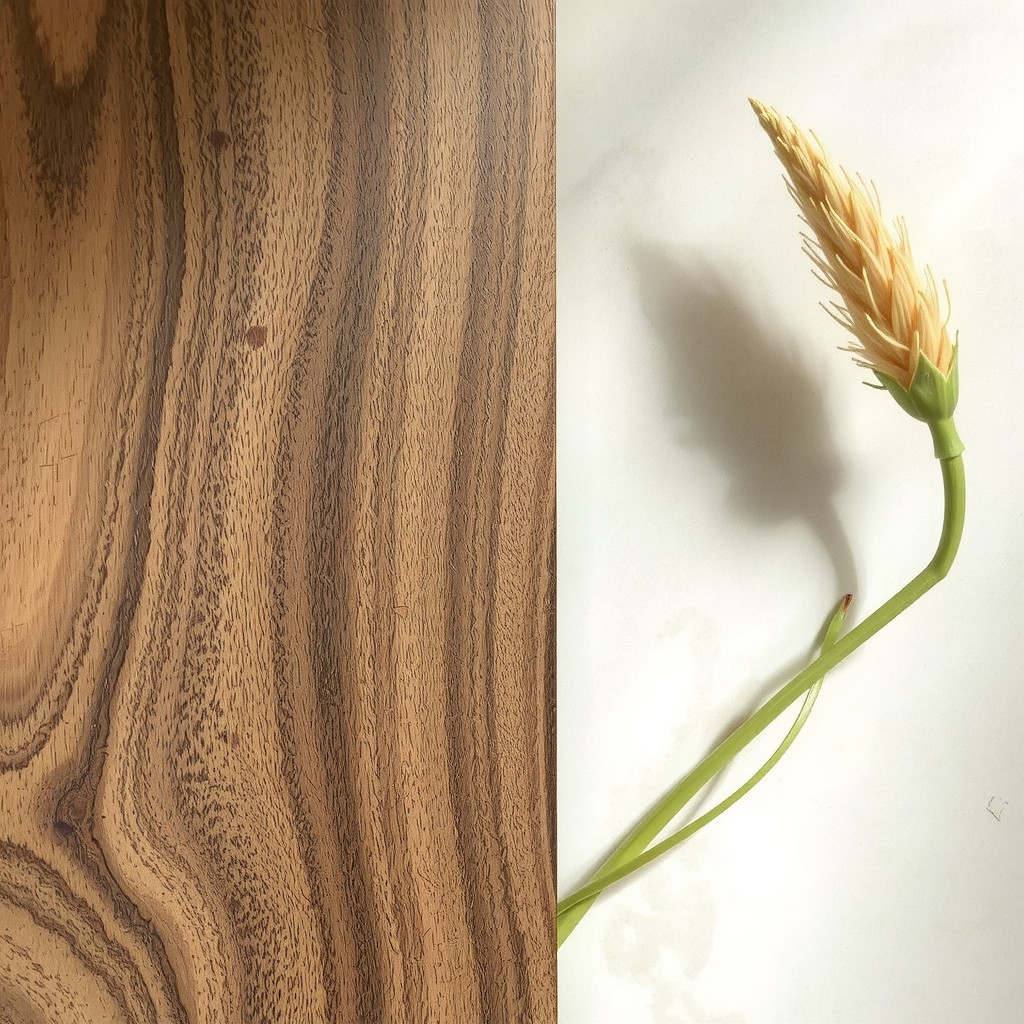
The soul of an earthy home lies in its tactile quality. You want to prioritize materials that feel good to the touch and age gracefully. Swap out synthetic glossy finishes for raw, unrefined surfaces. Think solid oak, walnut, or reclaimed timber that shows its grain and history. Stone elements, such as travertine tables or slate coasters, add a grounding weight to the room.
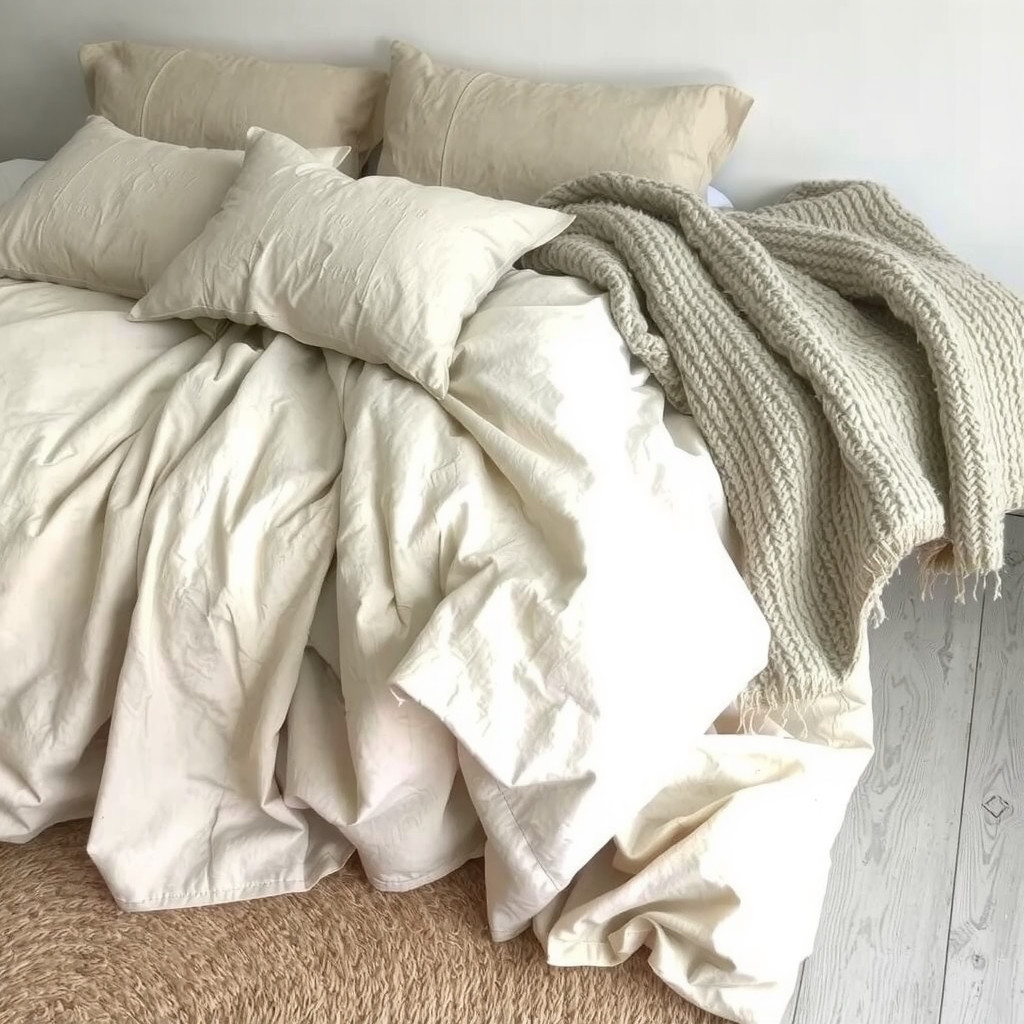
Layering textiles is crucial for softening these harder elements. Introduce washed linen curtains that filter light softly, and drape chunky wool throws over your sofas. Rugs made from jute, sisal, or hemp provide a textural foundation that connects your feet to the ground. Mixing these fabrics creates a rich, sensory experience that feels curated yet effortless.
Focal Points
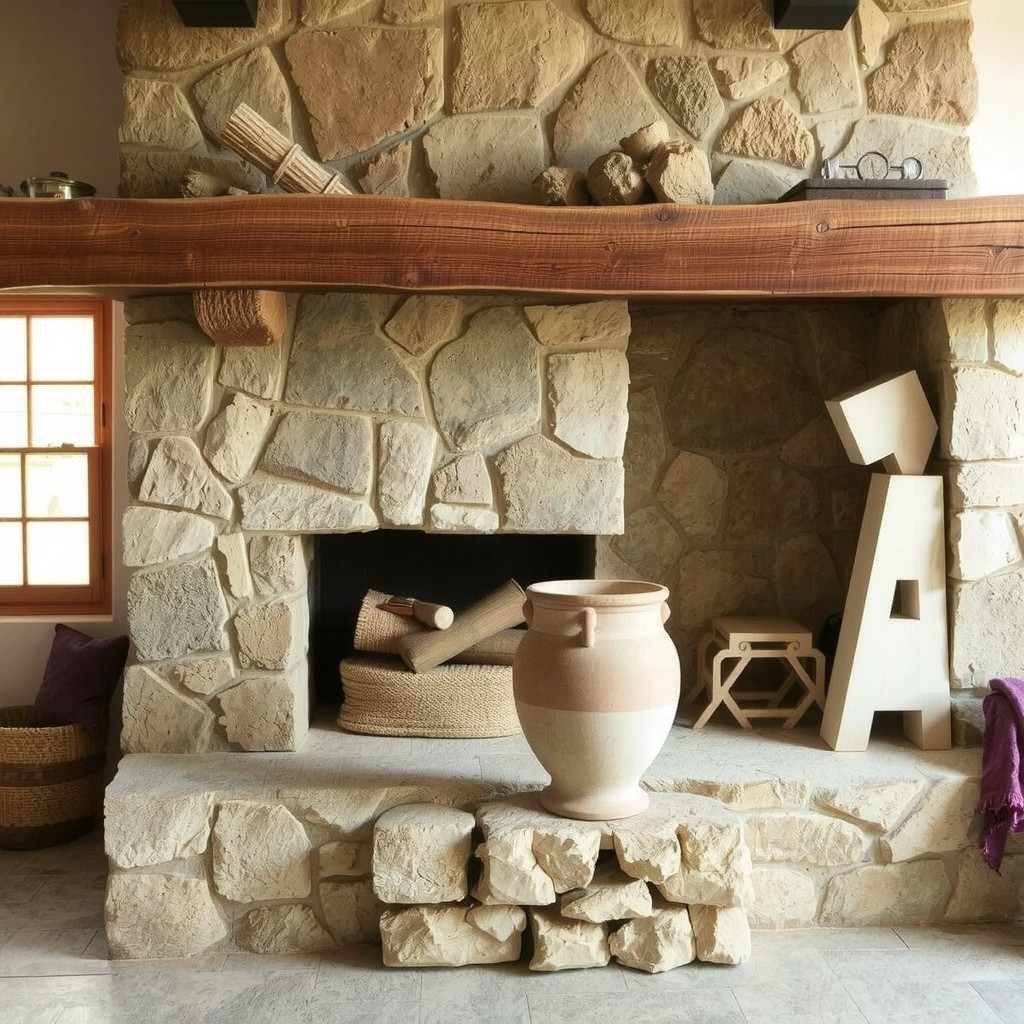
Every room needs an anchor, a center of gravity that draws the eye and settles the spirit. In an earthy interior, your focal point should celebrate craftsmanship or natural form. A large, handcrafted ceramic vessel placed on a pedestal can serve as a stunning piece of sculptural art. Alternatively, an accent wall painted in deep clay, ochre, or olive green tones can instantly warm the space.
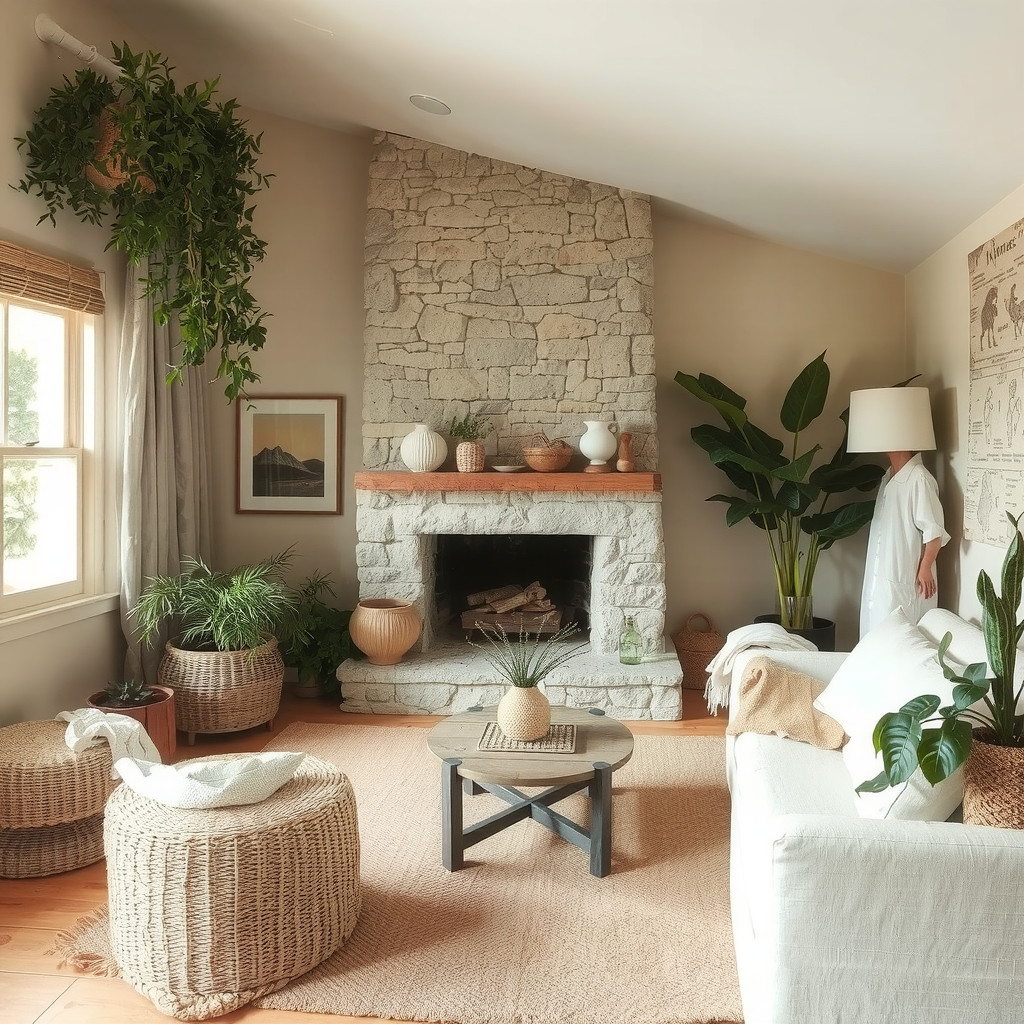
Consider a statement piece of furniture, like a live-edge wooden dining table or a fireplace clad in rough-hewn stone. These elements act as the “mountain” of your landscape, providing stability and a strong visual reference point around which the rest of the decor orbits.
Lighting
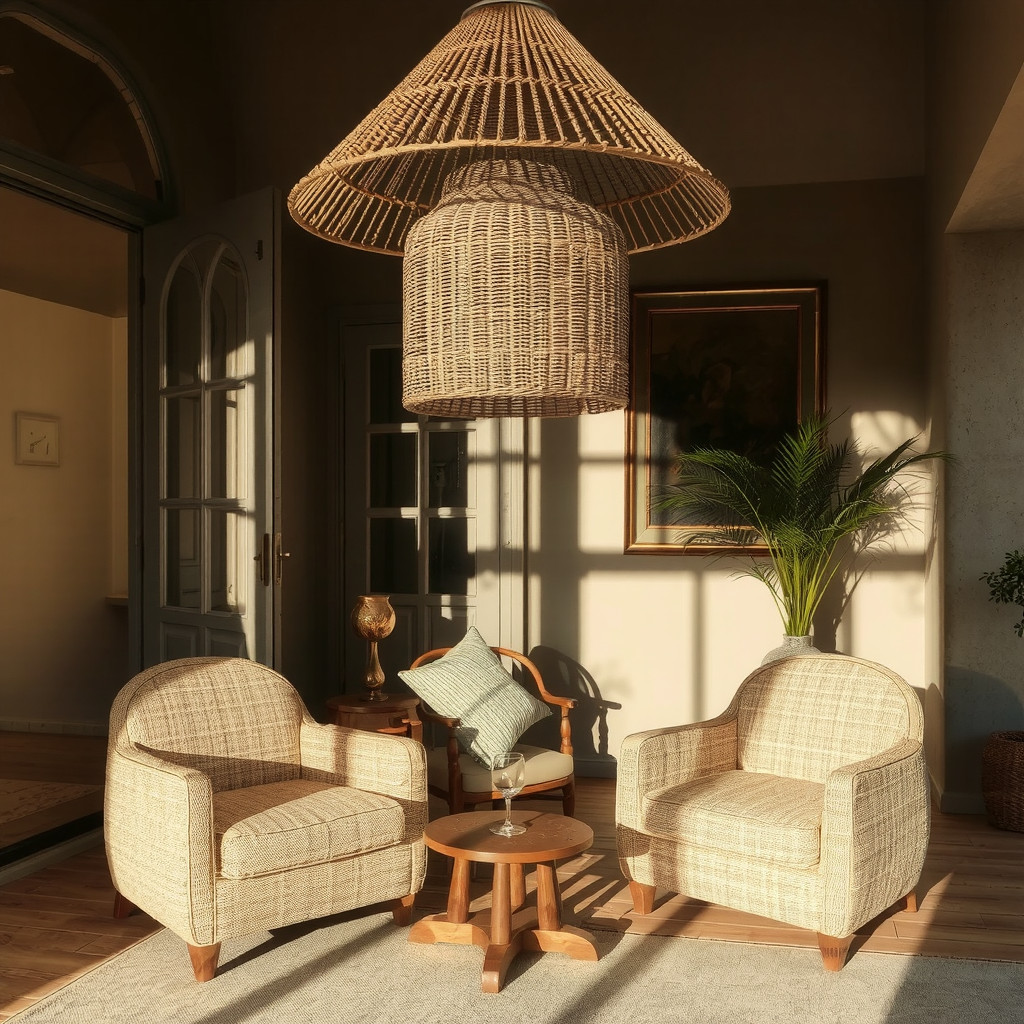
Lighting in an earthy home should never be harsh or clinical. Your goal is to replicate the warmth of firelight or the softness of the golden hour. Choose fixtures made from natural materials like rattan, bamboo, or paper, which diffuse light gently and cast intricate shadows.
Avoid cool white bulbs; instead, opt for warm color temperatures that enhance the reds and browns of your decor. Floor lamps with fabric shades placed in corners can create cozy vignettes, inviting you to curl up with a book. The right lighting transforms the textures in your room, highlighting the weave of a rug or the grain of a wood table.
Greenery
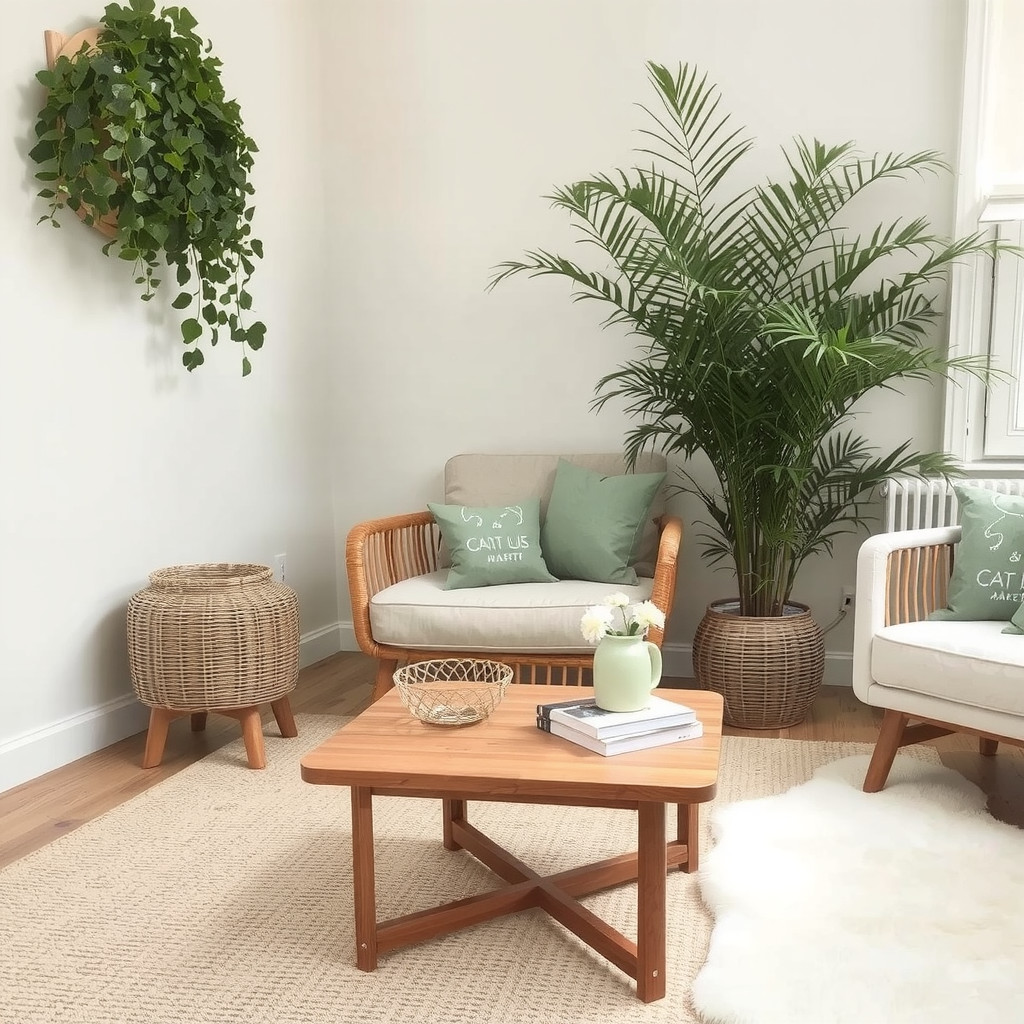
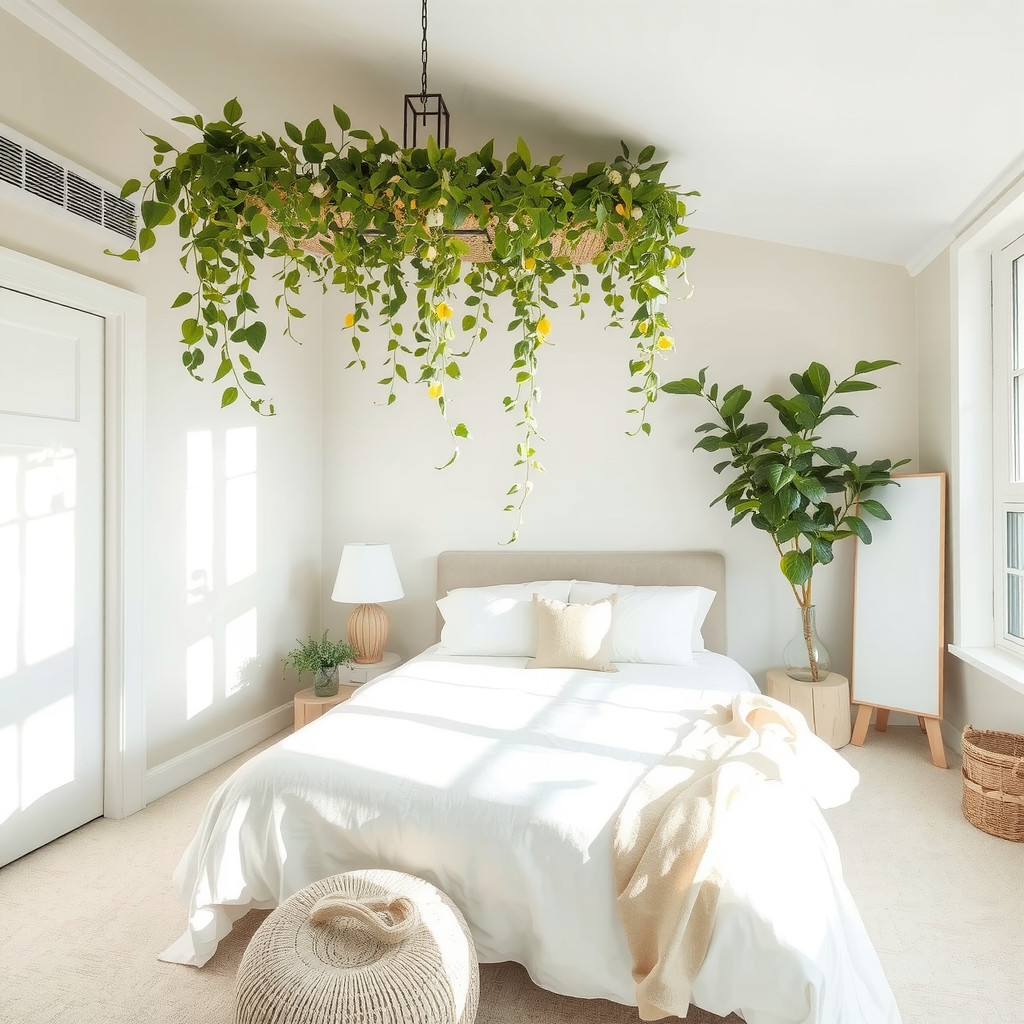
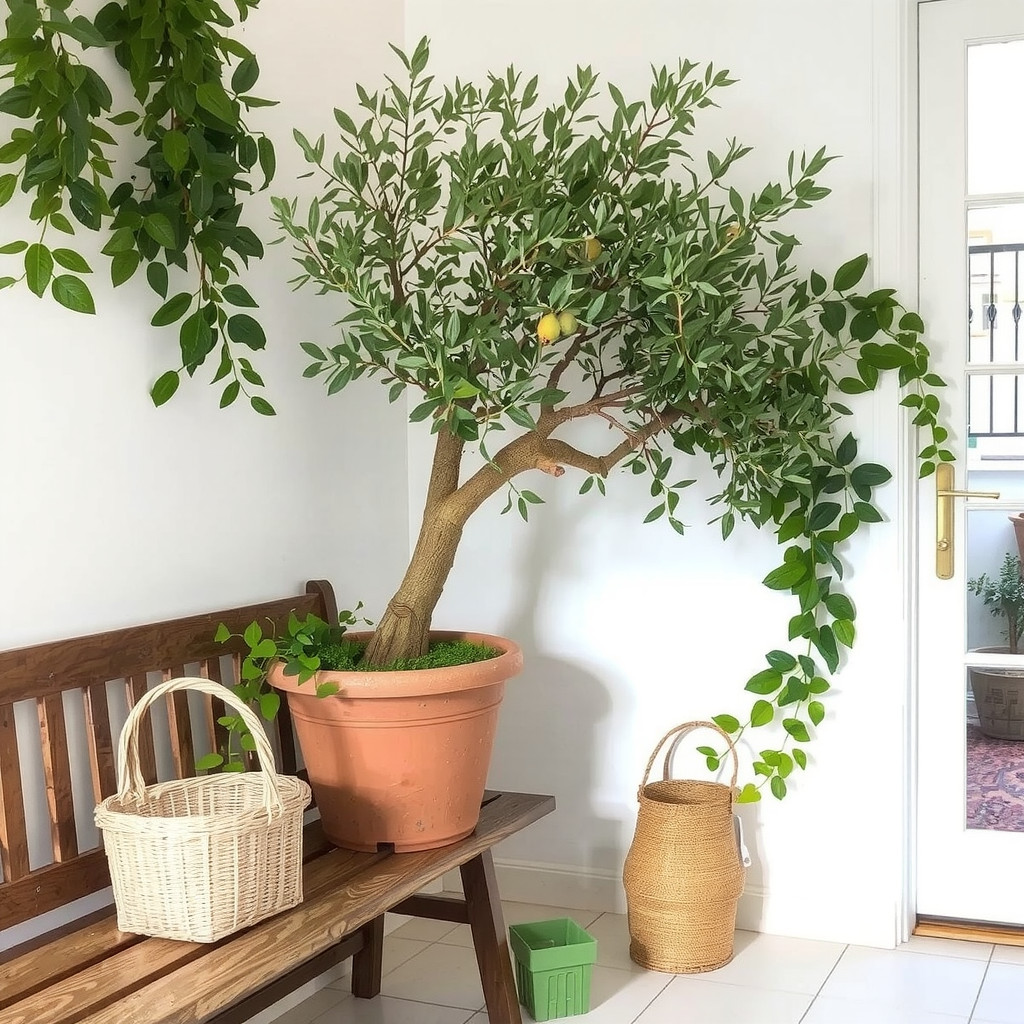
No earthy home is complete without the literal presence of nature. Plants are not just accessories; they are living sculptures that breathe life into your design. Large-leaf varieties like Monstera or Ficus create a canopy effect, while trailing pothos can soften the edges of bookshelves and high ledges.
Use planters made from terracotta, concrete, or woven seagrass to maintain the organic theme. If you lack a green thumb, incorporate dried elements like pampas grass, eucalyptus branches, or sculptural driftwood. These botanical touches bridge the gap between your interior and the natural world outside.
Tips
- Stick to a Warm Palette: Focus on hues found in nature—terracotta, sage, sand, ochre, and warm greys.
- Engage the Senses: Use essential oils like cedarwood, sandalwood, or patchouli to make the home smell as earthy as it looks.
- Curate with Ceramics: Display handmade pottery or stoneware on open shelving to add artisanal charm.
- Limit Technology: Try to conceal cords and screens to maintain the primitive, unplugged vibe of the sanctuary.
- Mix Vintage and New: Incorporate aged pieces with patina to add depth and a sense of timeline to your space.
ADVERTISEMENT