ADVERTISEMENT
Embracing Shadows: A Guide to Dark Aesthetic Bedrooms
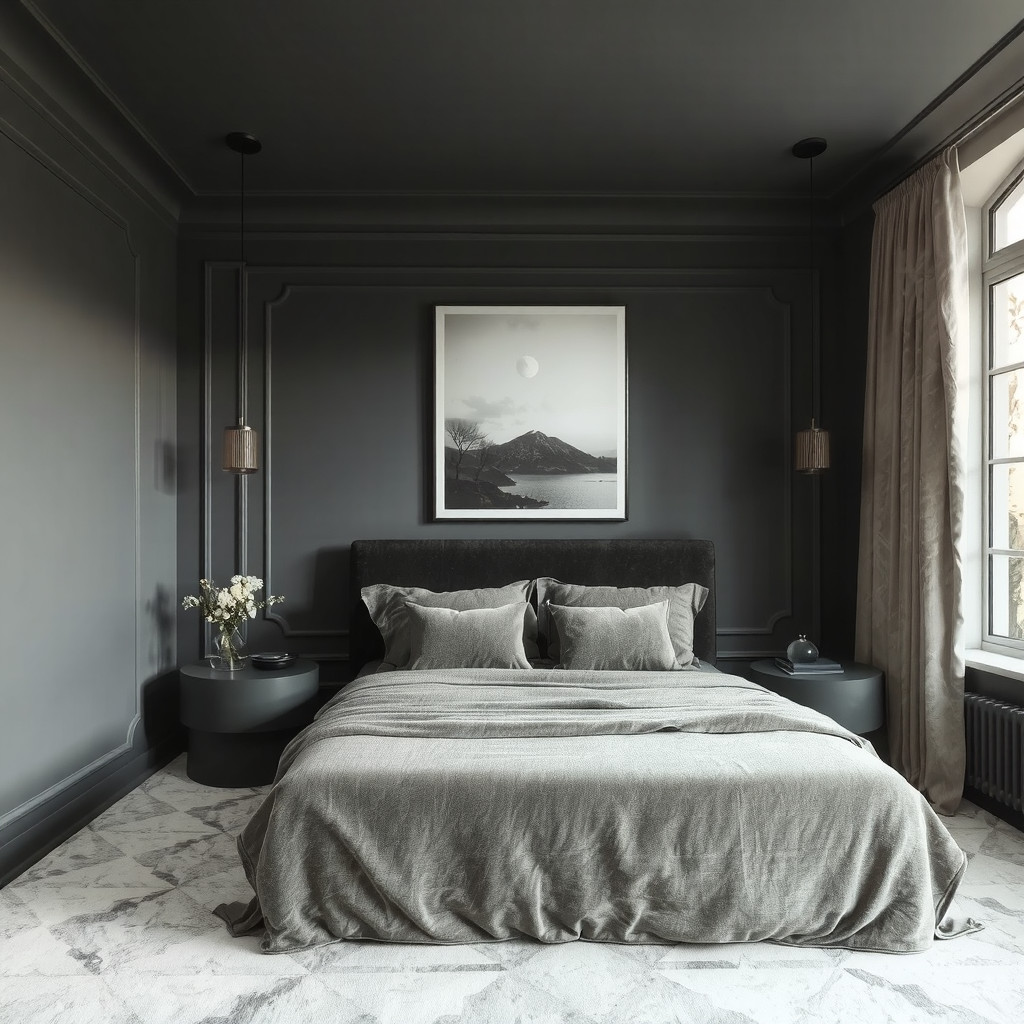
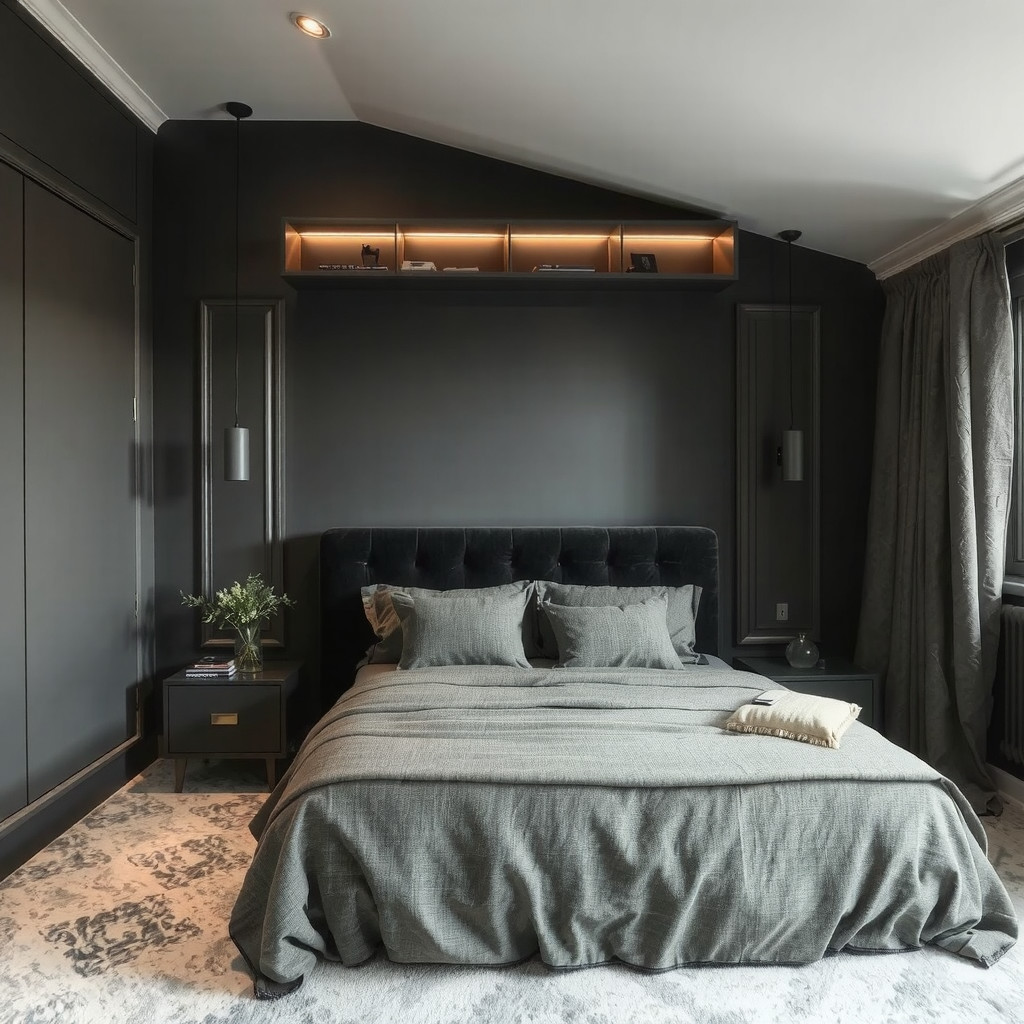
Stepping into a dark-themed bedroom should feel like a warm embrace, not a descent into gloom. By shifting away from traditional whites and beiges, you create a space that prioritizes deep relaxation and sophistication. This design philosophy is less about eliminating light and more about managing shadows to craft a cocoon of comfort.
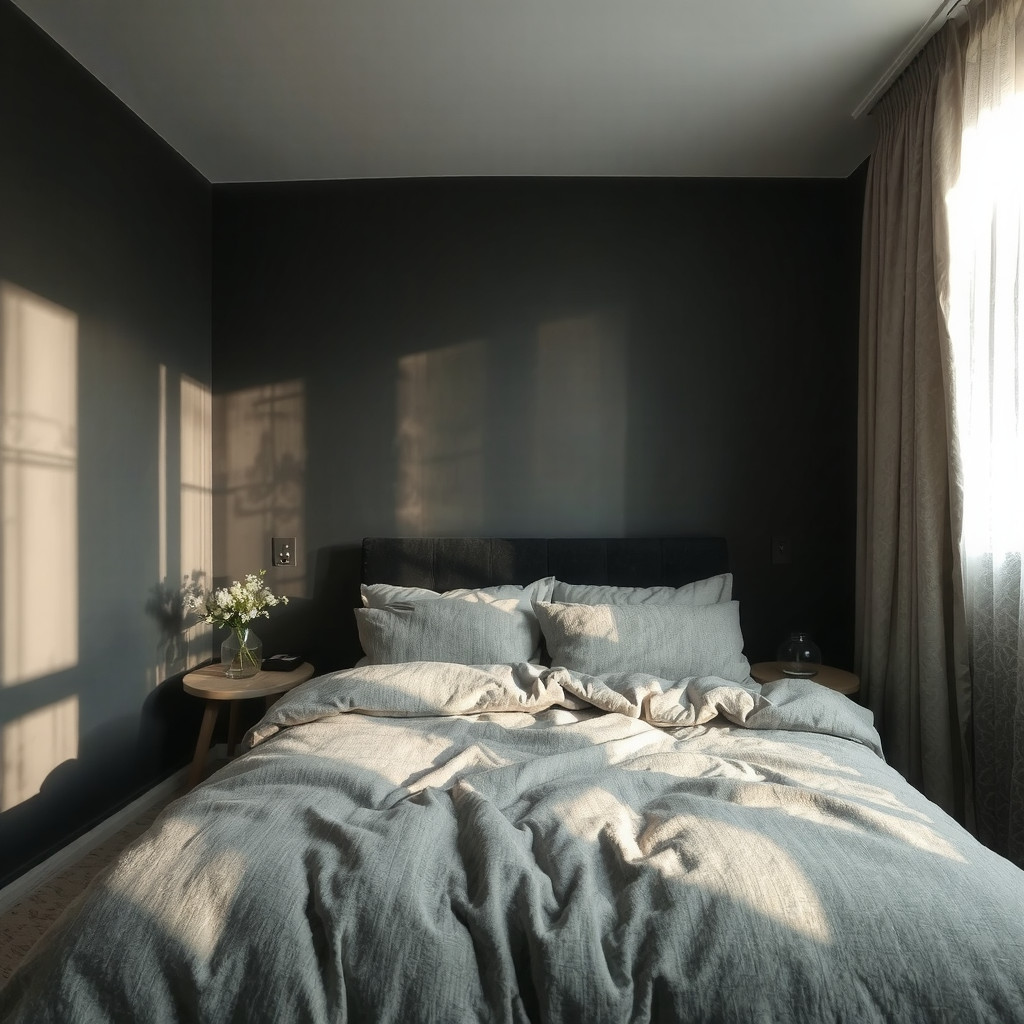
When executed correctly, dark hues blur the boundaries of the room, making walls recede and creating an illusion of infinite space. It is a bold choice that requires confidence, but the payoff is a sleep environment that feels intensely private and luxuriously grounded.
Layout and Positioning
The arrangement of furniture in a dark room dictates how light travels and where shadows fall. You want to position your primary pieces to allow for open pathways, ensuring the heaviness of the color palette doesn’t translate to physical clutter. Center the bed on the longest wall to establish stability, leaving ample space on either side for nightstands that don’t crowd the sleeping area.
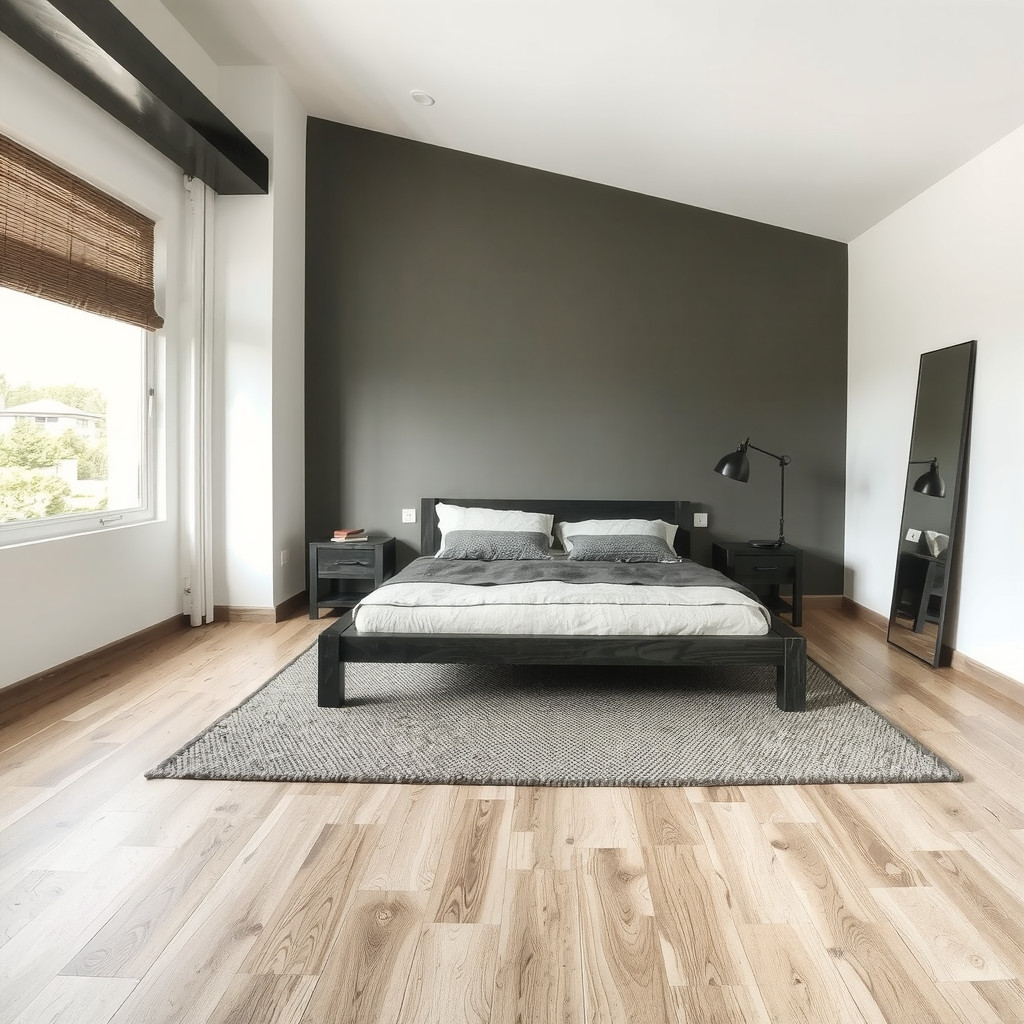
Consider the sightlines from the doorway; you want the room to unfold gradually rather than revealing everything at once. Keeping low-profile furniture helps maintain an airy feel, preventing the dark walls from feeling oppressive or closing in on you.
Materials and Textiles
To prevent the room from feeling flat or cave-like, you must rely heavily on tactile variety. A monochrome dark palette demands a rich interplay of surfaces to create depth and visual interest. Mix light-absorbing materials like matte wall paint and heavy wool rugs with light-reflecting elements like silk pillowcases or velvet upholstery.

Dark woods, such as walnut or mahogany, add natural warmth that balances the coolness of black or navy paints. Layering is your best friend here; throw blankets with chunky knits and curtains with a subtle sheen introduce complexity that makes the darkness feel deliberate and expensive.
Focal Points
Every dark bedroom needs an anchor to prevent the eye from wandering aimlessly in the shadows. This is usually the bed itself, which acts as the centerpiece of the sanctuary. A dramatic headboard, perhaps in a deep emerald tufted velvet or a sharp leather finish, establishes immediate authority in the space.
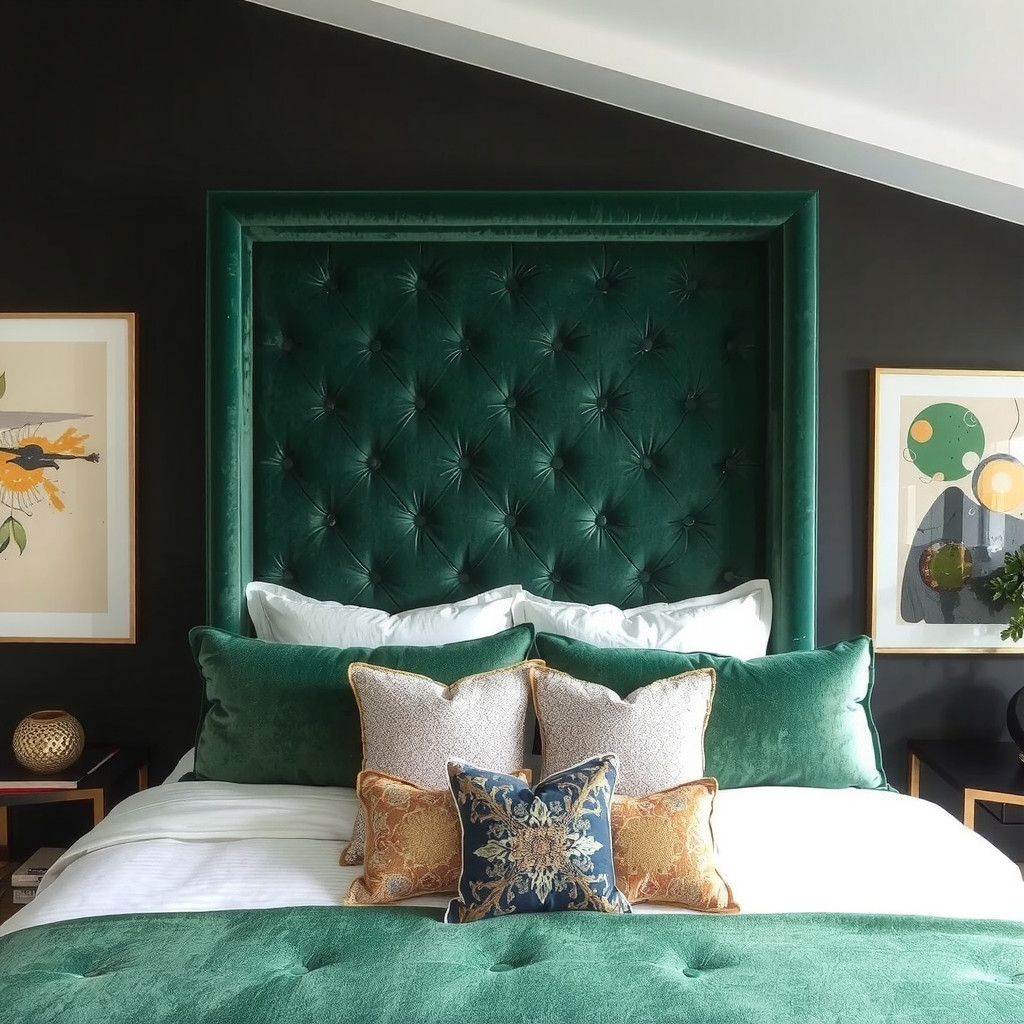
Alternatively, you can create a focal point using art. A large-scale piece with lighter tones or metallic gold framing will pop explosively against a dark backdrop, drawing attention and adding a necessary spark of brightness to the composition.
Lighting
Lighting is the heartbeat of a dark aesthetic room; without it, the design falls flat and becomes lifeless. You must avoid harsh, cool-toned overhead fixtures which can make dark walls look muddy or industrial. Instead, focus on creating layers of warm, ambient illumination that highlights specific zones.
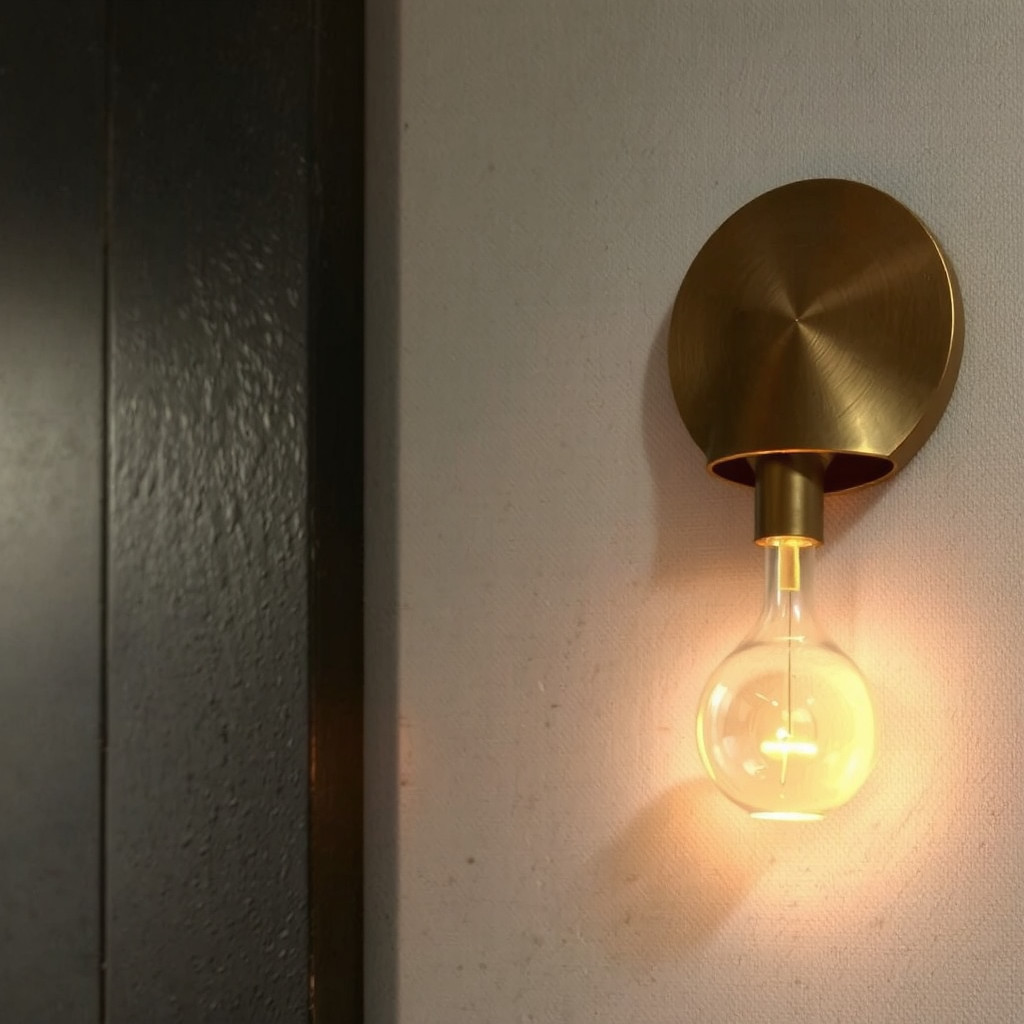
Install wall sconces with dimmers to control the mood, and use floor lamps to cast upward glows that wash over the dark walls, revealing texture and nuance. The goal is to create pools of light that invite you in, rather than lighting the entire room evenly.
Greenery
Nature provides the perfect counterpoint to moody interiors, breathing life into the stillness of a dark room. The organic shapes of plants break up the rigid lines of architecture and furniture, adding a sense of freshness that prevents the space from feeling sterile.

Choose plants with deep, glossy leaves that can hold their own against the heavy backdrop. A Rubber Tree, Monstera, or a Snake Plant in a terra cotta or metallic pot provides a striking color contrast and an essential burst of vitality.
Tips
- Commit to the Ceiling: Paint your ceiling the same dark hue as the walls to eliminate jarring lines and create a seamless, enveloping canopy.
- Use Mirrors: Strategically place large mirrors to reflect natural light and bounce it into darker corners, effectively doubling your light sources.
- Add Metallic Accents: Incorporate brass, gold, or copper hardware on drawers and light fixtures to add warmth and a touch of luxury that shines against the dark.
- Mind the Undertones: Ensure all your dark shades share the same undertone (warm or cool) to keep the palette cohesive and harmonious.
ADVERTISEMENT