ADVERTISEMENT
Introduction
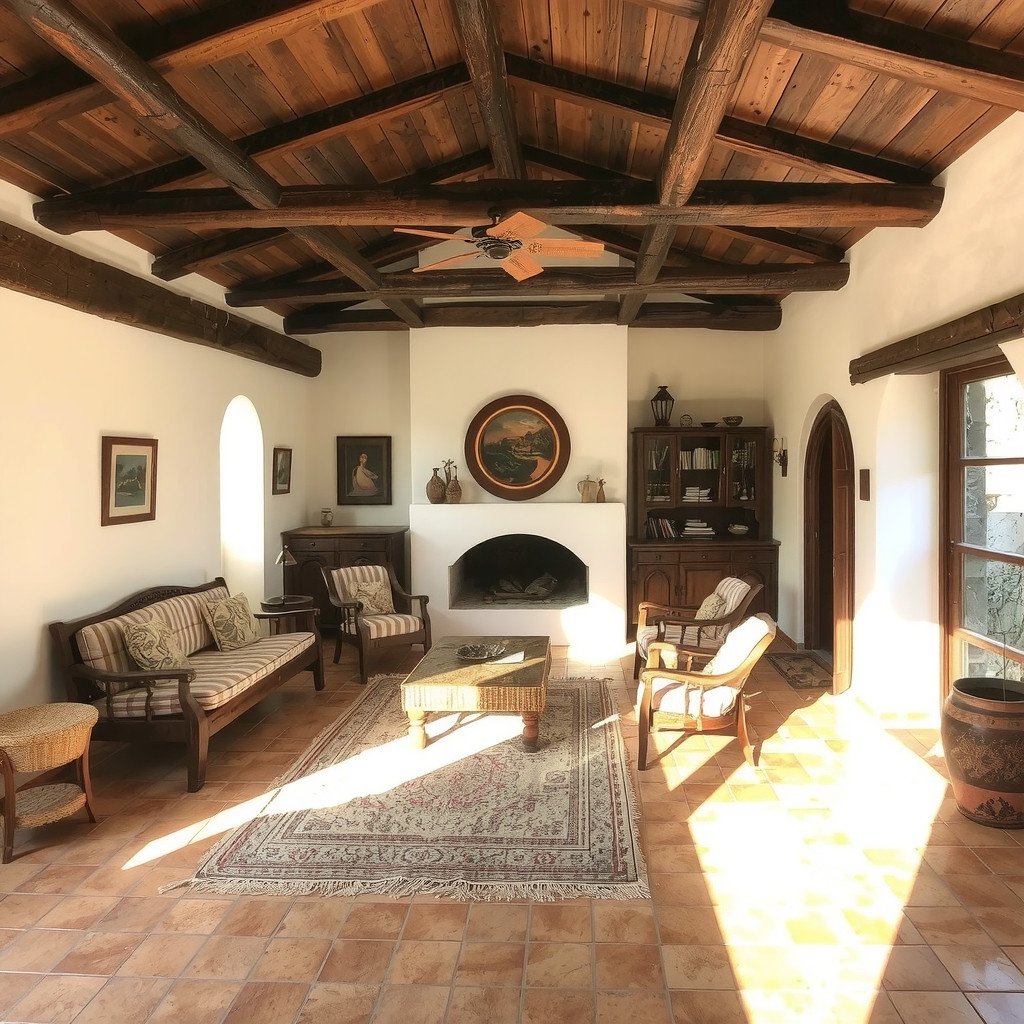
Imagine stepping into a home where the warmth of the sun seems to linger in the walls long after sunset. This is the essence of rustic Mexican decor—a style that marries the rugged beauty of the desert with the vibrant soul of traditional haciendas. It is not just about aesthetics; it is about creating an atmosphere that feels grounded, historical, and deeply inviting. By blending raw, natural elements with artisanal craftsmanship, you can transform your space into a sanctuary that feels both timeless and lived-in.
Layout and Positioning
To achieve the authentic flow of a Mexican rustic home, you must prioritize social connection and open airiness. Traditional haciendas are built around courtyards, encouraging a seamless transition between indoor and outdoor living. In your own home, arrange furniture to facilitate conversation rather than orienting everything toward a television. Group seating in intimate circles using heavy wooden pieces mixed with lighter, movable chairs.
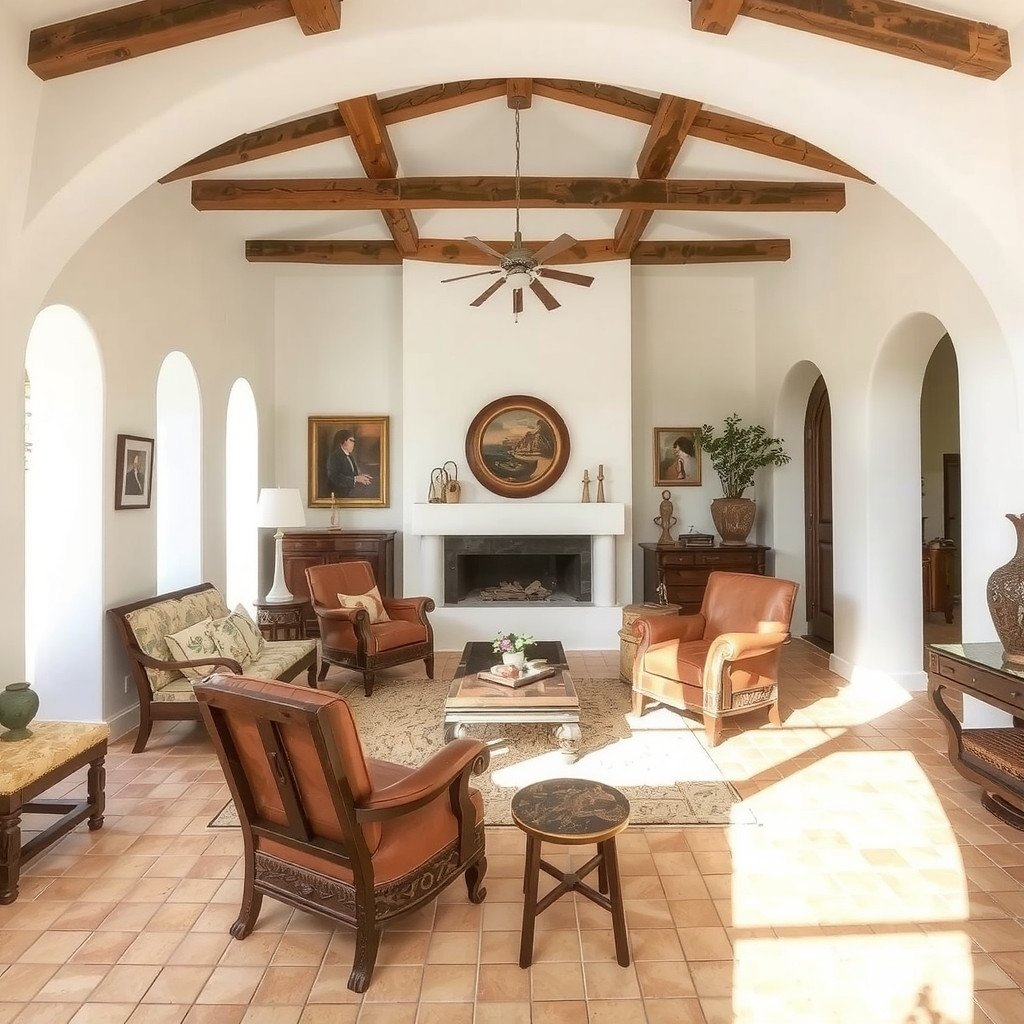
Create visual pathways that mimic the breezeways of old estates. If you have the structural freedom, incorporate arches or wide doorways to let light cascade from one room to another. Even in smaller apartments, you can mimic this openness by keeping sightlines clear and using low-profile furniture that doesn’t block the visual flow.
Materials and Textiles
The heartbeat of this style lies in its materials. You want to focus on elements that feel untouched by industrial machinery. Start from the ground up: terracotta or Saltillo tiles are iconic, providing a warm, earthy foundation that ages beautifully. If replacing floors isn’t an option, layer large jute or sisal rugs to cover cool synthetics.
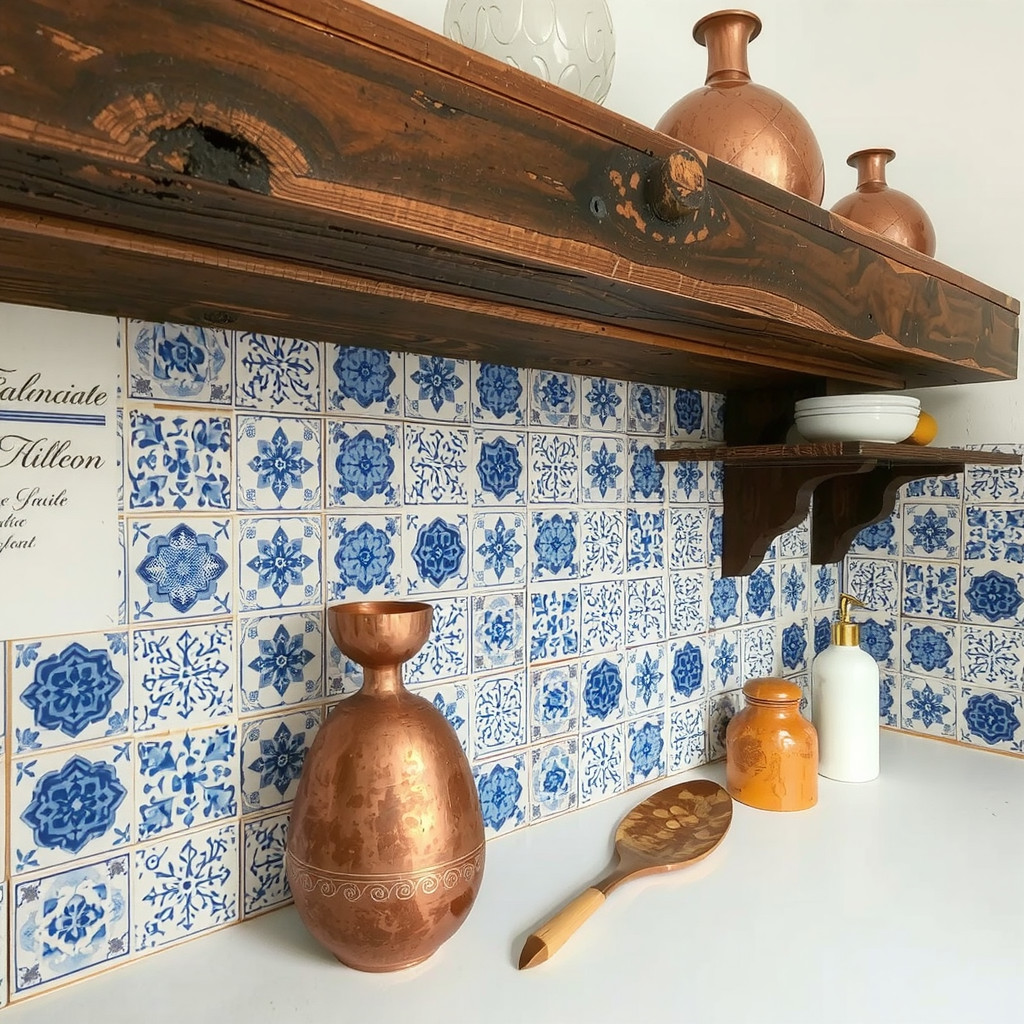
Walls should have texture. Smooth, perfect drywall often feels too sterile for this look. Consider a lime wash or plaster finish in warm whites, creams, or soft ochres to mimic the look of adobe. Against these neutral backdrops, introduce the vibrant storytelling of textiles.
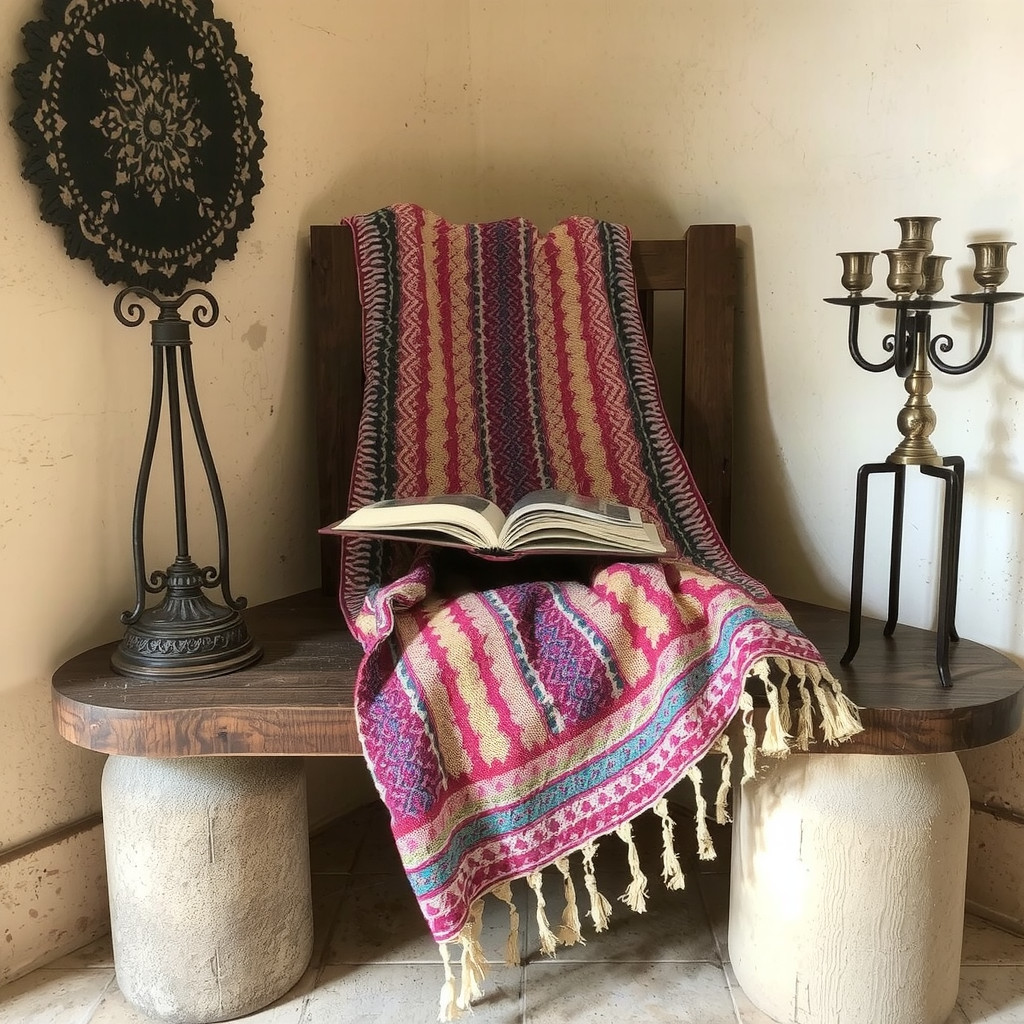
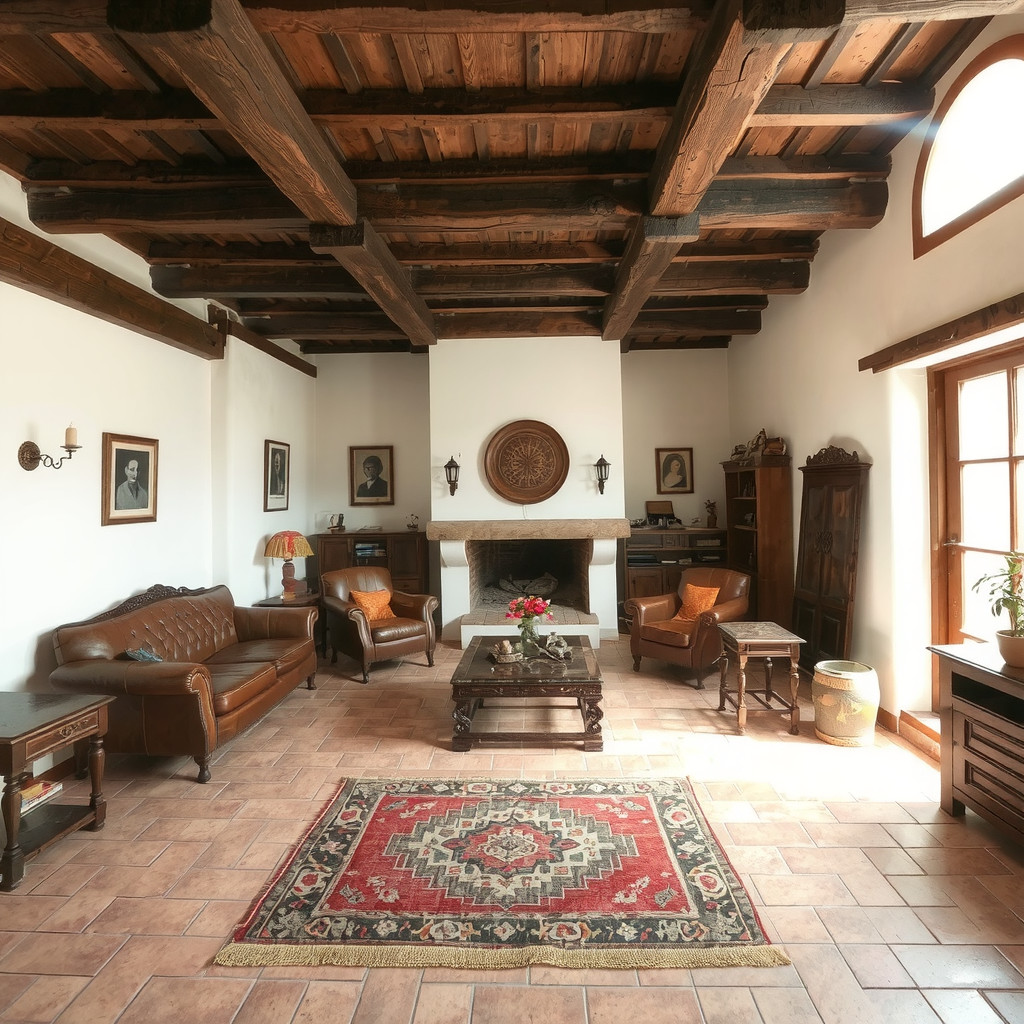
Incorporate heavy wood furniture—mesquite or pine—that shows the marks of the maker. Soften these hard surfaces with colorful woven serapes, embroidered otomi fabrics, and leather accents. The juxtaposition of rough wood, cool tile, and soft wool creates a sensory experience that is rich and varied.
Focal Points
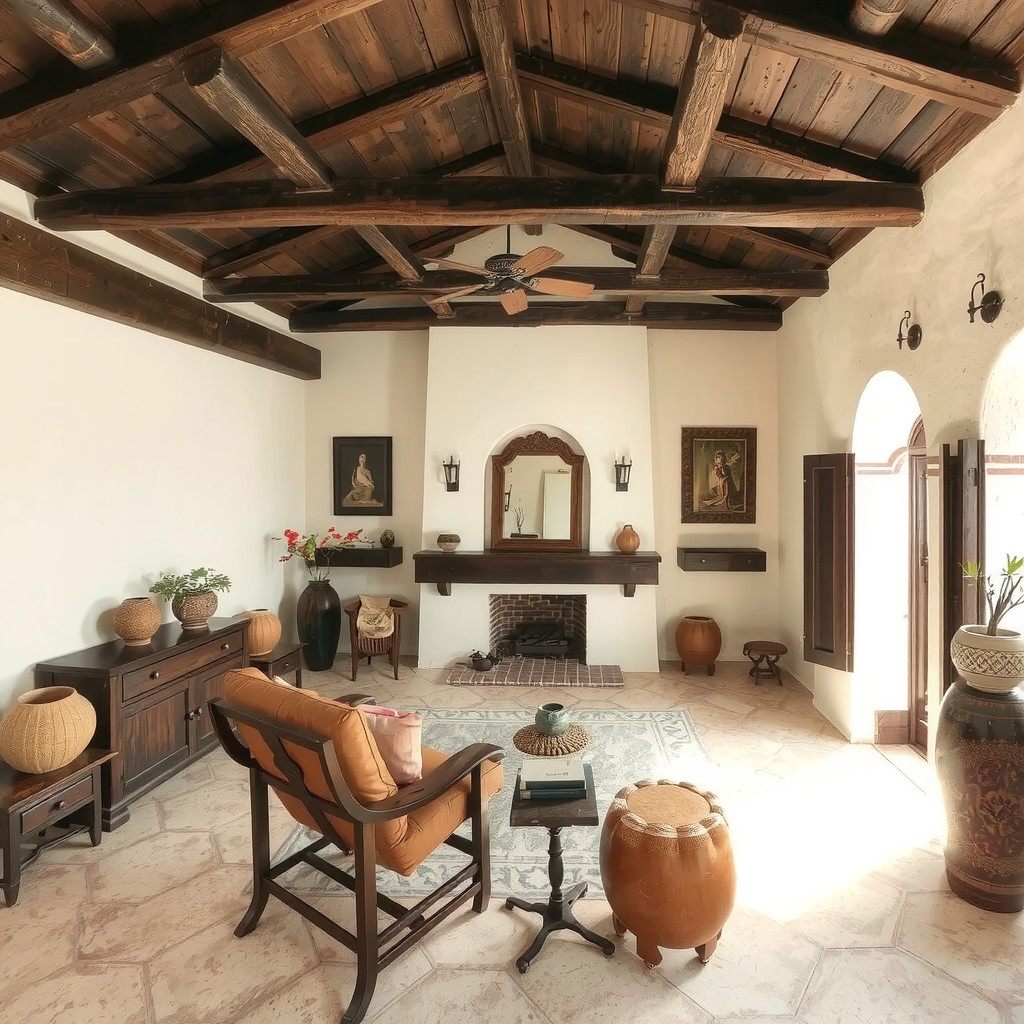
Every room needs an anchor, a piece that draws the eye and grounds the space in history. In a rustic Mexican living room, this is often a fireplace. If you have one, style the mantel with hand-painted pottery or religious folk art to create a shrine-like reverence for the hearth.
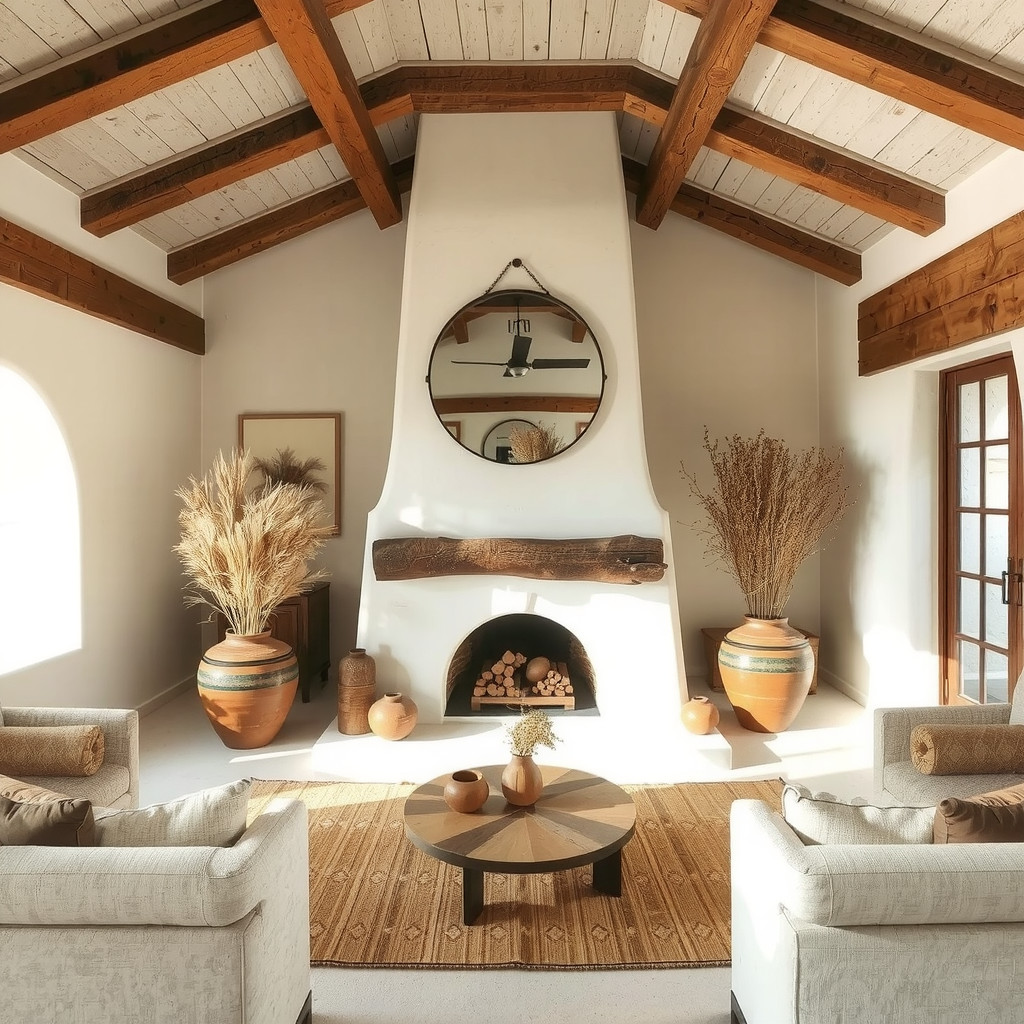
If a fireplace is absent, create a focal point using a large, carved wooden armoire or a niche in the wall filled with candles and artisanal objects. The goal is to establish a sense of permanence and weight, giving the room a center of gravity that feels established and secure.
Lighting
Lighting in this design philosophy is never harsh or purely functional; it is atmospheric. Avoid bright, white overhead LEDs. Instead, opt for warm, amber-hued bulbs that mimic candlelight. Wrought iron chandeliers are a staple, adding a touch of gothic elegance to high ceilings.
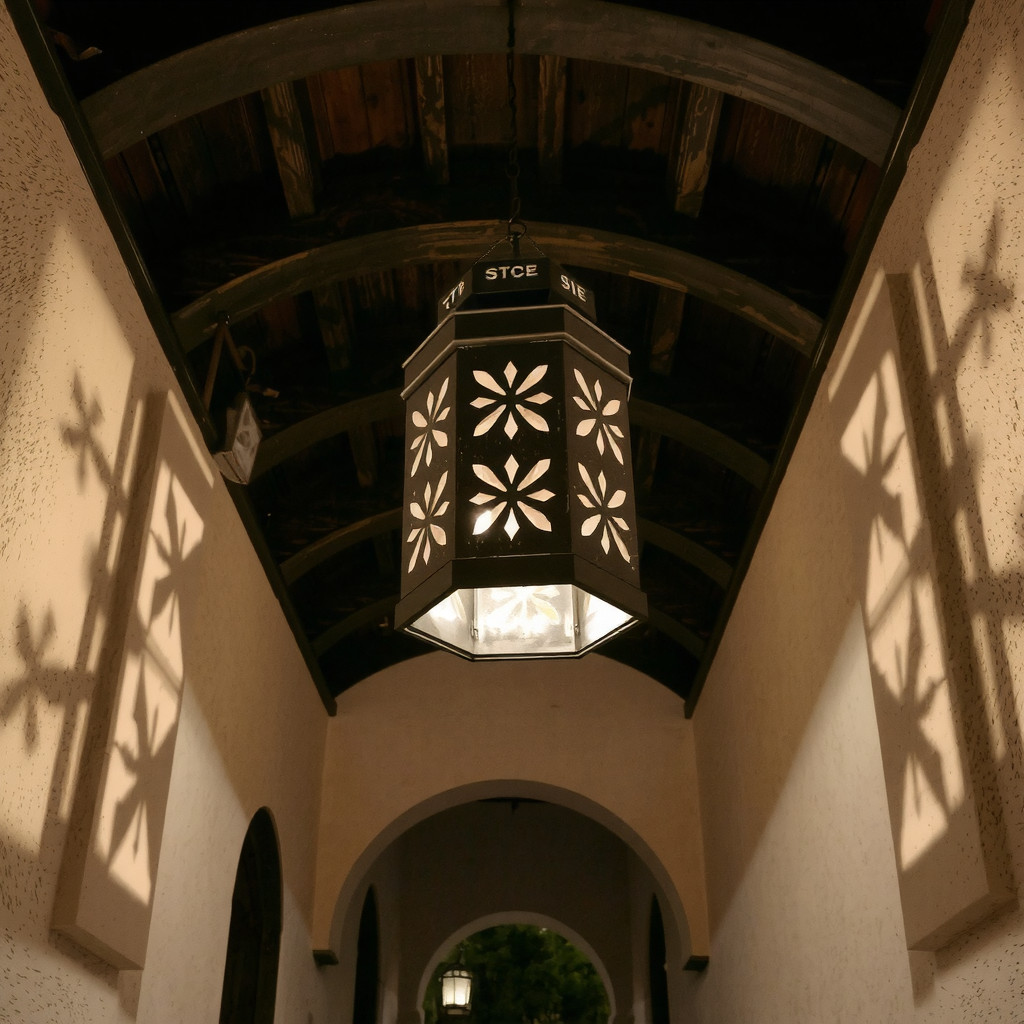
For a magical touch, incorporate punched tin (hojalata) fixtures or star lanterns. When illuminated, these pieces cast intricate, lace-like shadows across your walls, turning the light itself into a decorative element. This interplay of light and shadow is crucial for creating the cozy, cavernous feel of a traditional adobe home at night.
Greenery
No hacienda style is complete without bringing the desert flora indoors. Plants are not just accessories here; they are vital living sculptures that bridge the gap between your interior and the natural world outside.
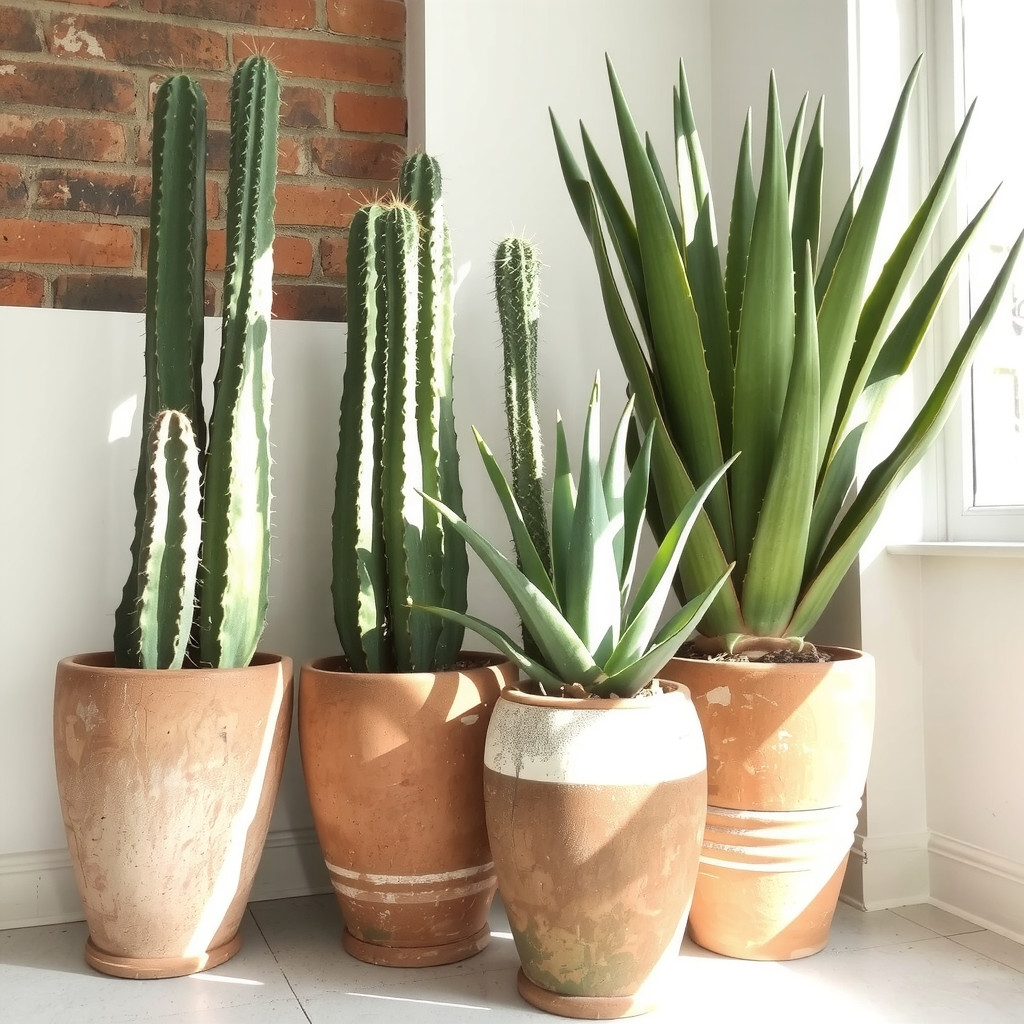
Focus on architectural plants like cacti, agave, and snake plants. Their structural forms complement the heavy furniture and geometric tile patterns. House them in weathered clay pots or colorful glazed talavera planters to add that final layer of authenticity.
Tips
- Embrace Imperfection: Allow your wooden furniture to show scratches and your copper pots to patina; these signs of use add soul.
- Color with Caution: While Mexican decor is known for color, rustic styles rely on a warm, earthy base (terracotta, beige, chocolate) with pops of cobalt blue or mustard yellow, rather than a chaotic rainbow.
- Mix Metals: Don’t be afraid to mix wrought iron hardware with hammered copper sinks or tin mirrors.
- Artisanal Over Mass-Produced: Whenever possible, choose one handmade item over ten factory-made accessories.
- Sensory Details: scent your home with copal incense or beeswax candles to complete the immersive experience.
ADVERTISEMENT