ADVERTISEMENT
Curating a Statement Wall Behind Your Sofa
Introduction
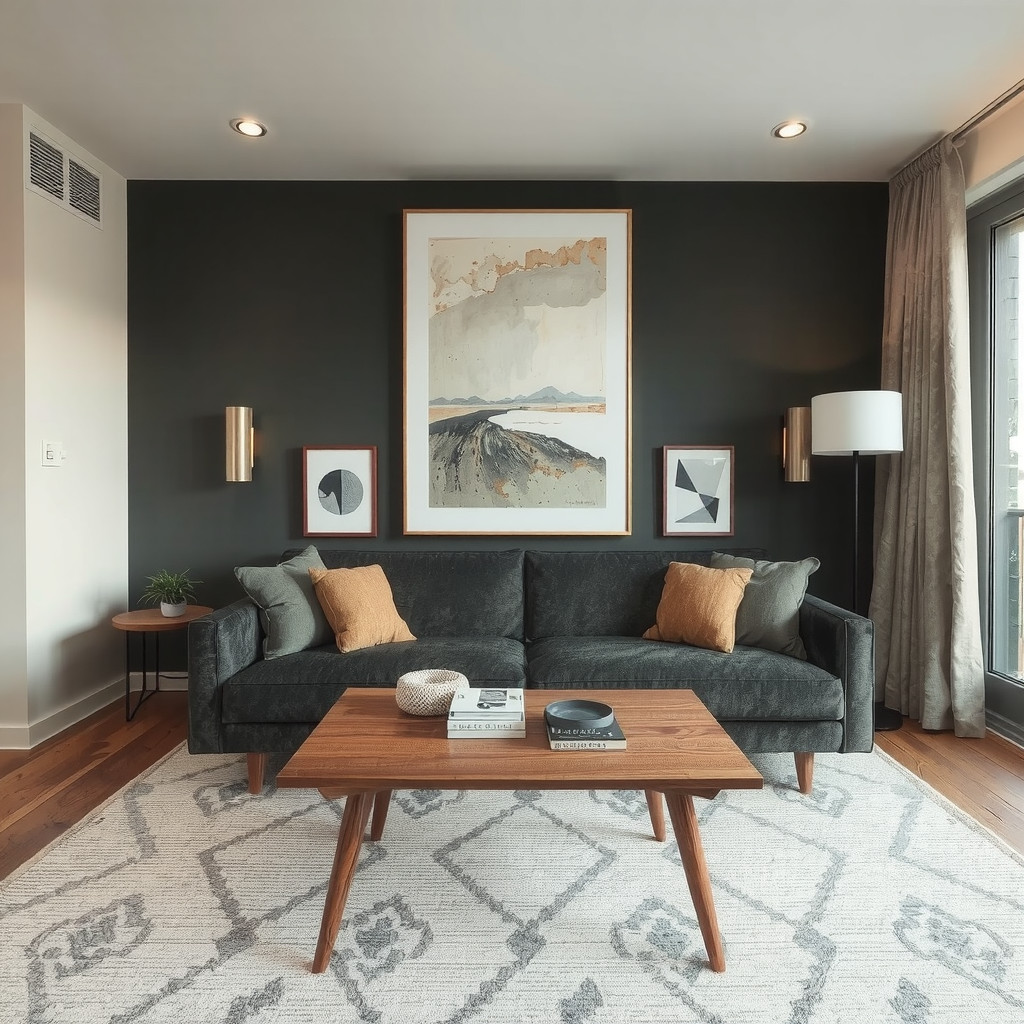
As you enter your living room, your eyes naturally fall on the wall behind the sofa. This surface deserves more than a single lonely frame; it can define the entire mood of your space. You can transform it into an artful statement that feels intentional, modern, and deeply personal. 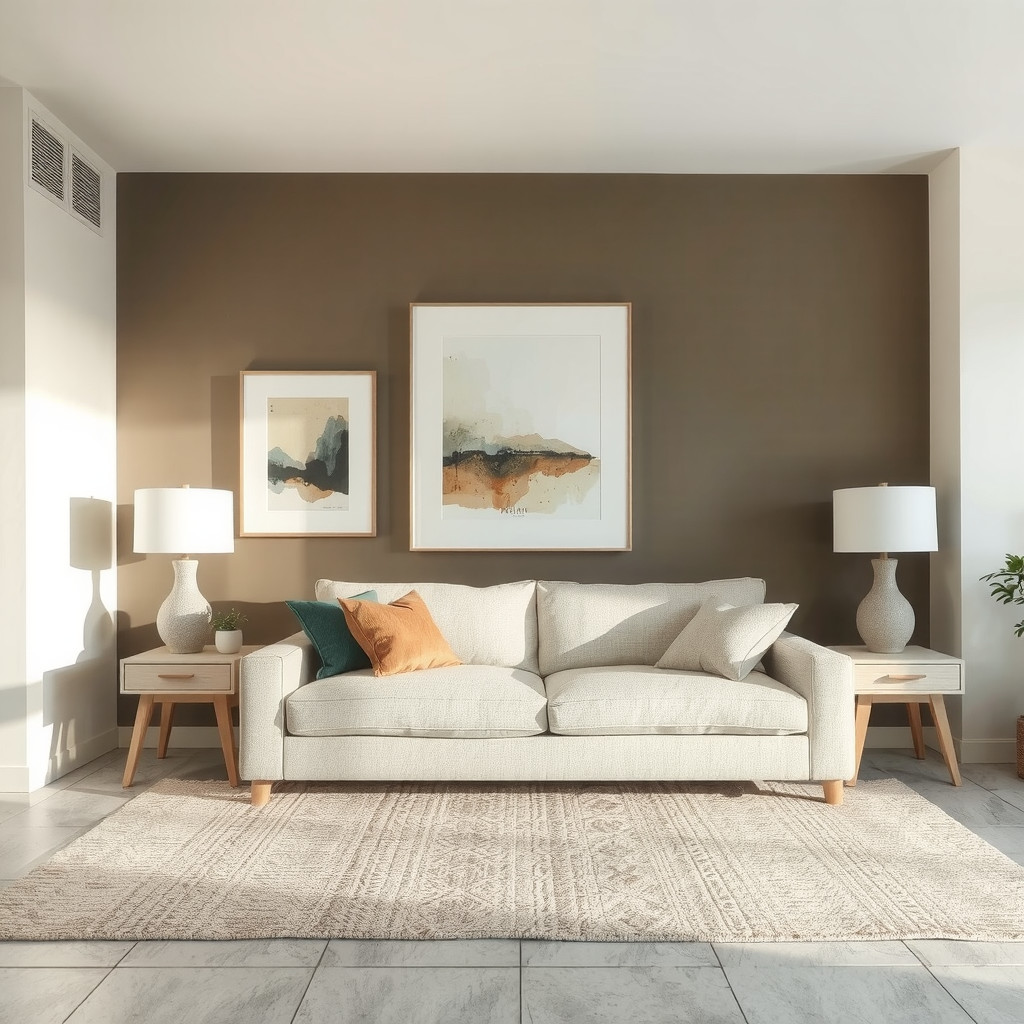 By balancing scale, texture, and color, you turn a blank expanse into a quiet showstopper that anchors the room.
Layout and Positioning
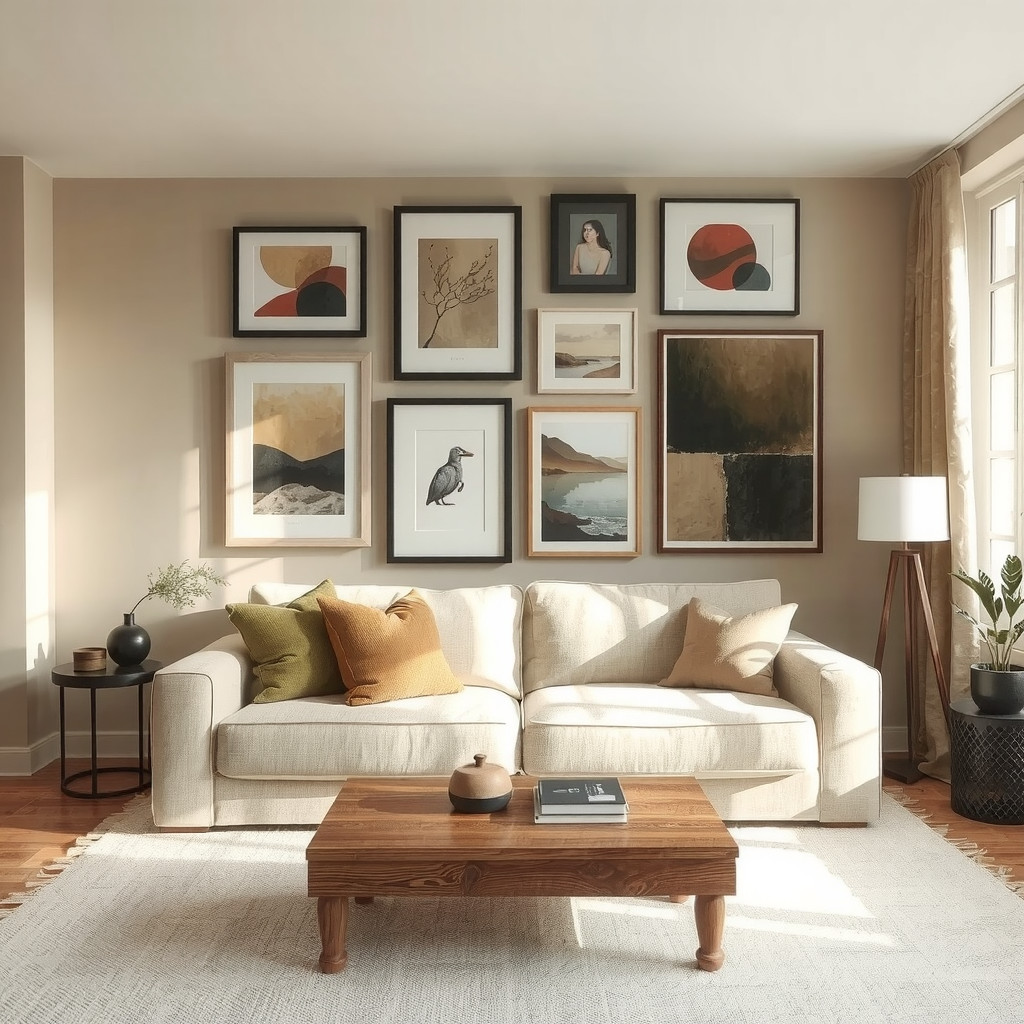
Begin by understanding the proportions between your sofa and the wall. The artwork or arrangement should generally span two‑thirds the sofa length, so the composition feels grounded rather than floating. 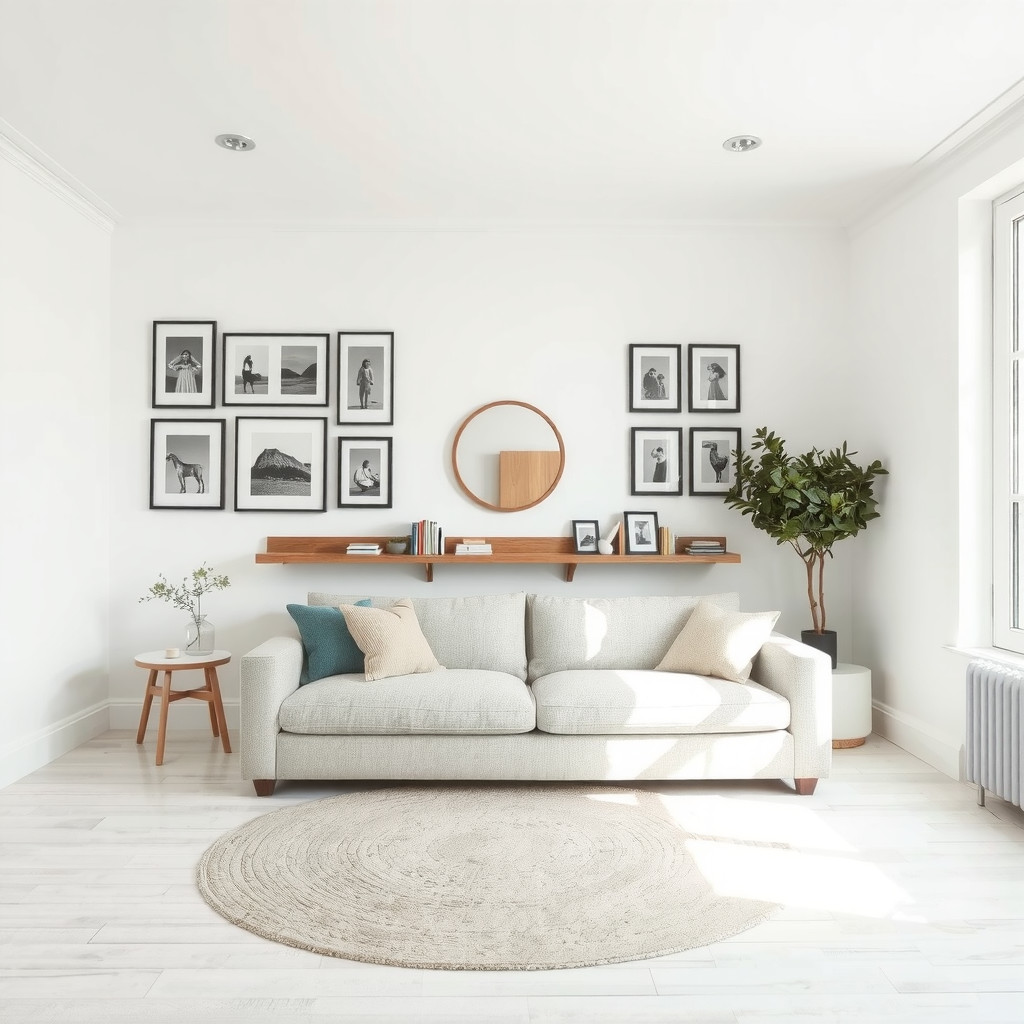 Center the main piece or grouping at eye level when you sit, not when you stand, to keep the focus cozy and intimate. Measure from the top of the sofa to leave 6–10 inches of breathing room, preventing the display from feeling disconnected. If you love a gallery wall, keep the visual weight concentrated toward the center, then feather smaller pieces outward for a soft, modern edge.
Materials and Textiles
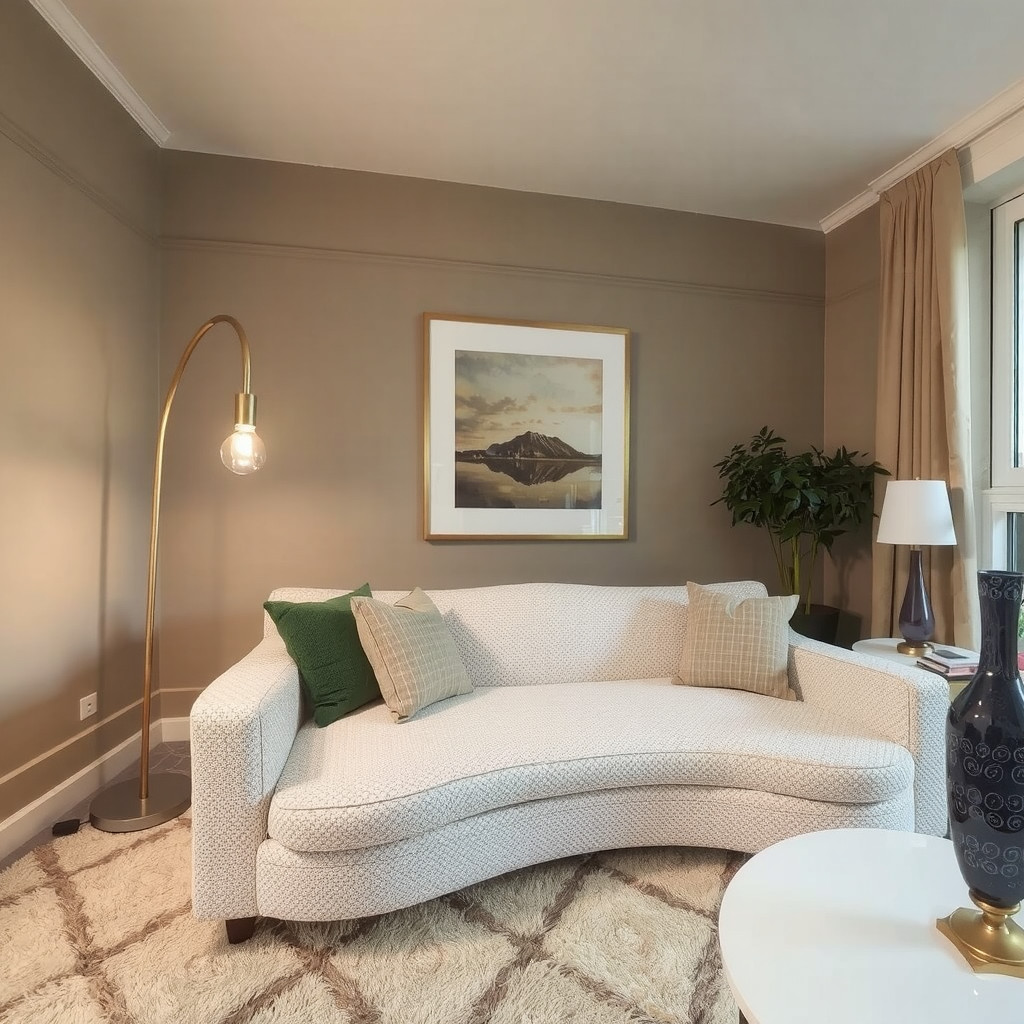
Think beyond framed prints and canvas to give the wall depth. A slim wood picture ledge lets you layer art, ceramics, and books for a relaxed, changeable look. 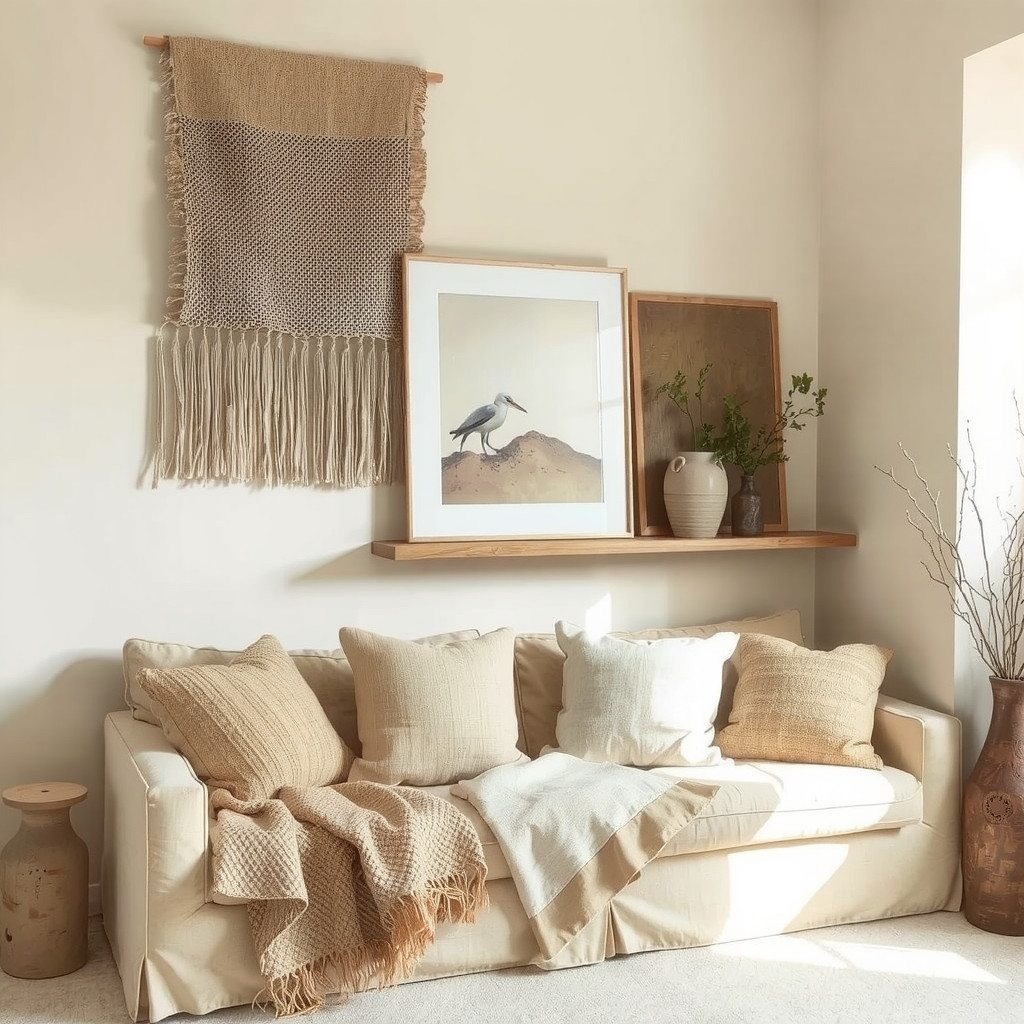 You might add a large woven textile, a tufted wall hanging, or a framed rug for softness and movement. Metal accents, like slender brass frames or sculptural wall hooks, introduce a hint of gleam against matte paint. Complement the wall textures with textiles on the sofa itself: linen cushions, wool throws, and nubbly bouclé echo what hangs above. This layering of tactile materials keeps a modern room from feeling cold or flat.
Focal Points
Decide on one clear hero to lead the entire arrangement. It could be an oversized abstract painting, a serene landscape, or a sculptural wall piece that plays with shadow. 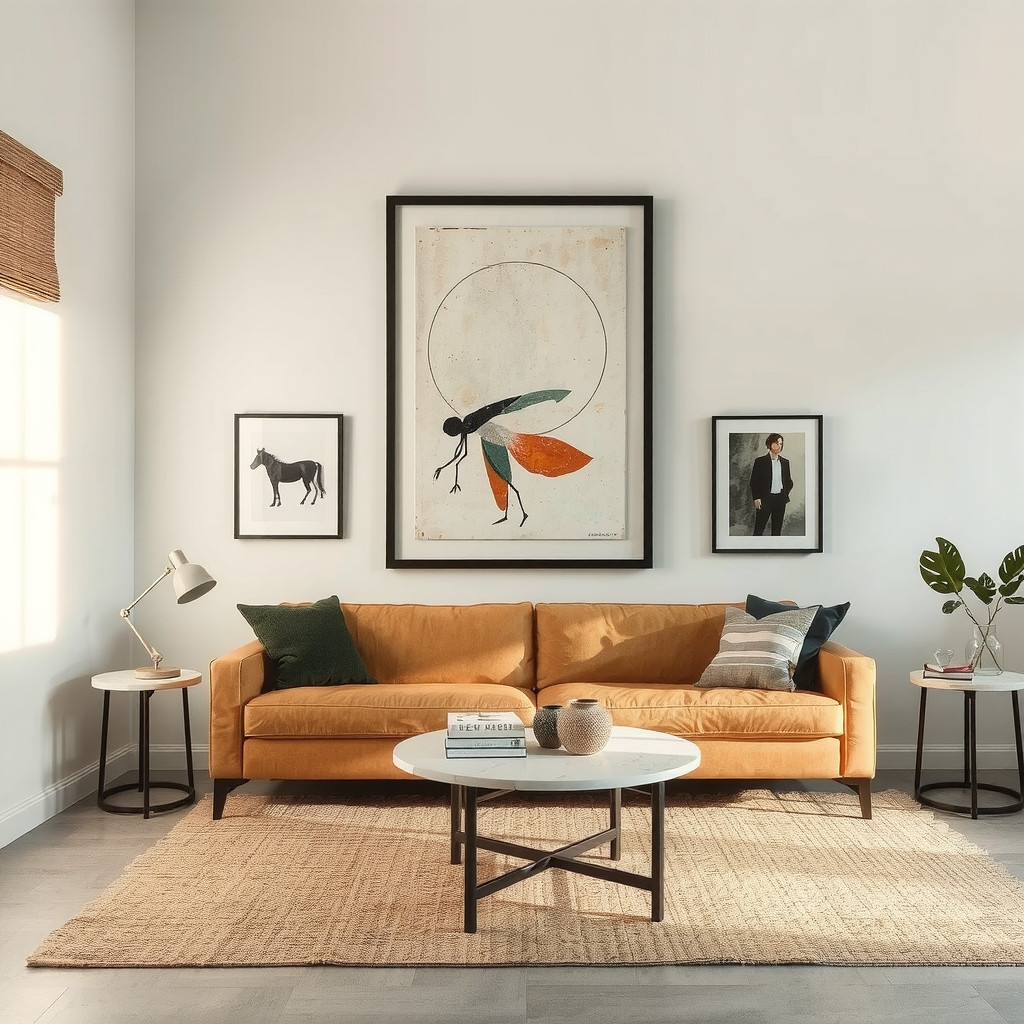 Build supporting elements around this anchor, keeping the strongest colors or boldest shapes closest to it. If you opt for a grid of frames, maintain consistent spacing and frame styles so the grid itself becomes the focal object. For a gallery wall, repeat at least one element—such as black frames, cream mats, or circular forms—to create continuity. Step back often and check that the visual center aligns roughly with the center of the sofa, not the television or window.
Lighting
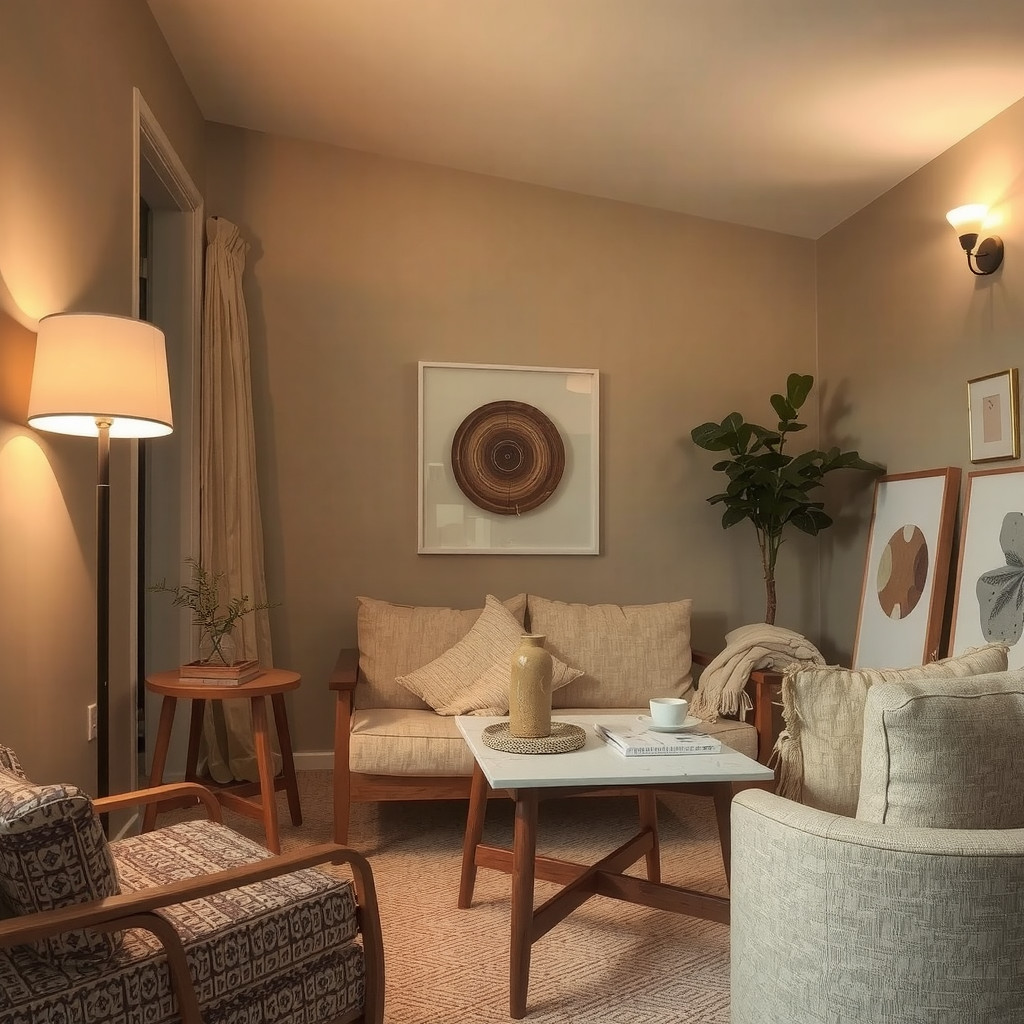
The most beautiful wall will fall flat without thoughtful light. Combine ambient, task, and accent lighting to give your arrangement dimension. Slim picture lights or adjustable wall sconces can wash the art with a gentle glow and highlight textures. 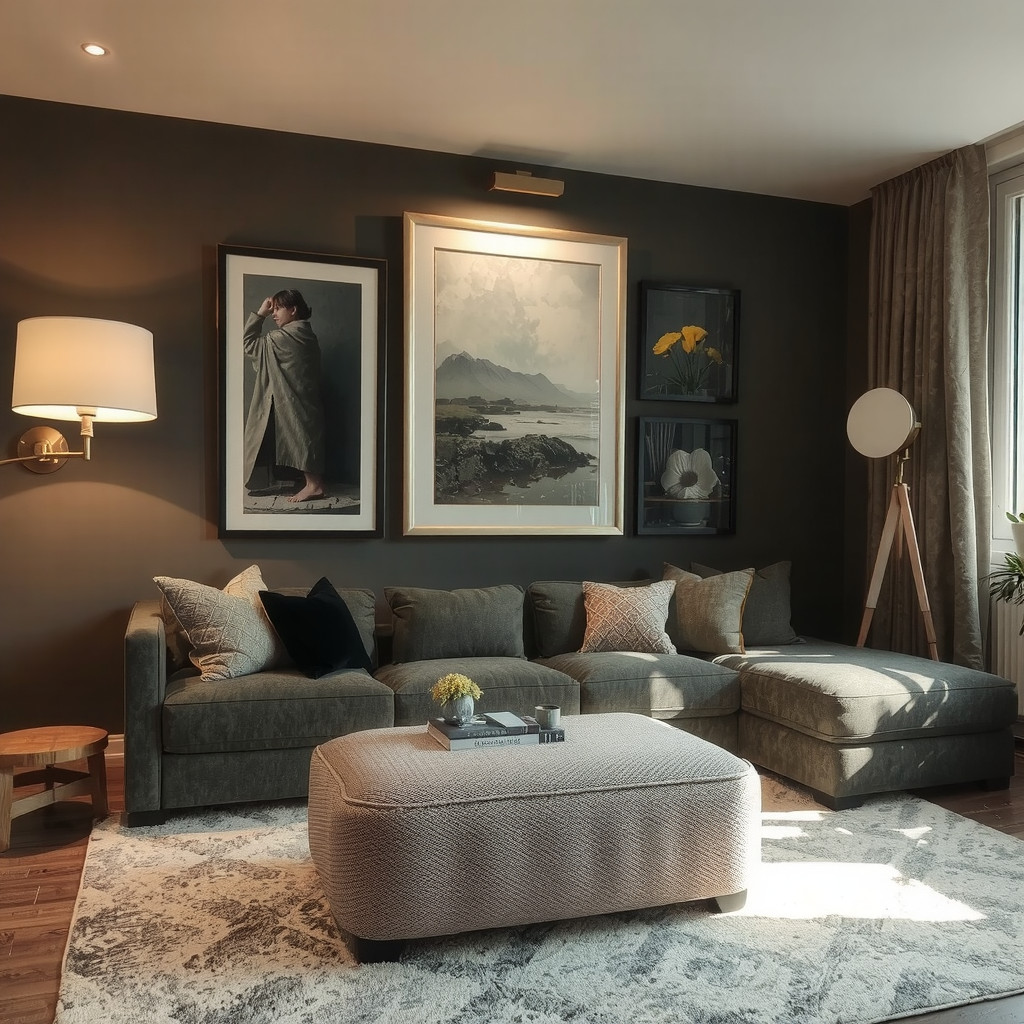 Position floor lamps with fabric shades near the sofa corners to soften shadows and draw attention upward. Warm white bulbs around 2700–3000K keep colors rich and inviting rather than clinical. If your statement wall faces a window, notice how daylight shifts across the surface; use that natural drama, then support it with dimmable fixtures for evenings and movie nights.
Greenery
Living elements bring your wall to life and break up hard lines. Consider a tall plant beside the sofa, its leaves grazing the edge of the gallery and framing the composition. 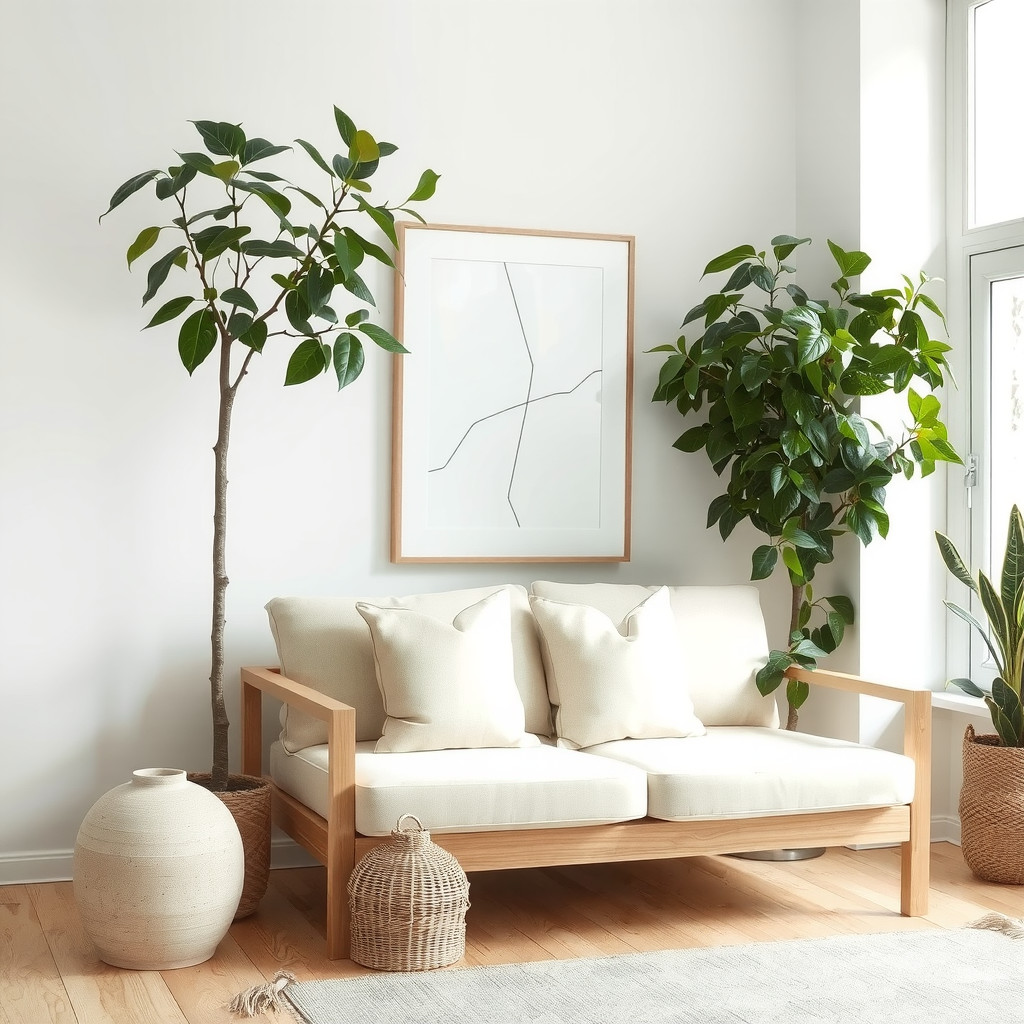 On a picture ledge, mix trailing plants with smaller sculptural pots to soften edges and fill negative space. Choose foliage that suits your light: hardy snake plants, pothos, or ZZ plants thrive in many modern living rooms. Echo the tones of your artwork with the pots you choose—matte terracotta for earthy palettes, speckled stoneware for neutral, minimalist schemes.
Tips
- Map out your wall on the floor first, then photograph the arrangement before committing to nails.
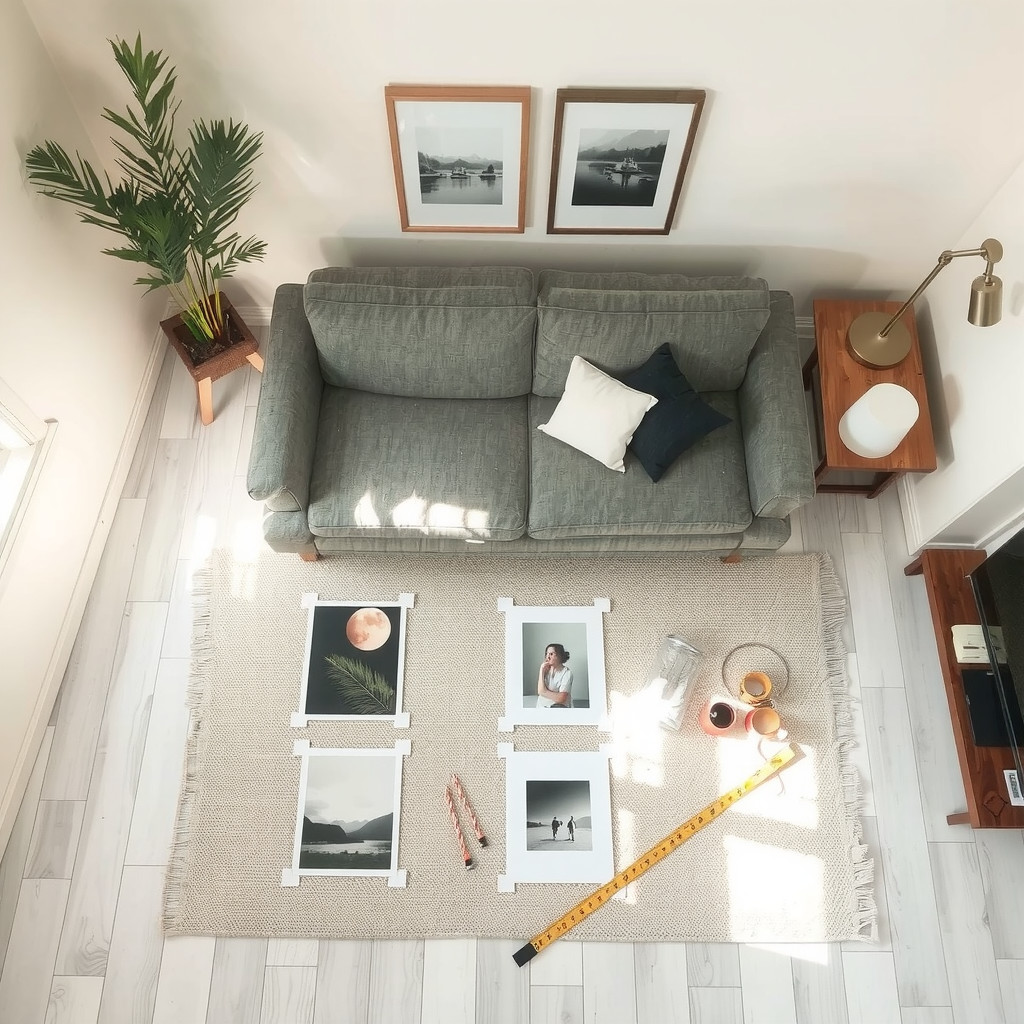
- Use painter’s tape to mark frame outlines on the wall, adjusting spacing until it feels balanced.
- Limit your palette to three or four dominant colors to keep the statement bold but cohesive.
- Mix two or three frame finishes at most, repeating each at least twice for harmony.
- Refresh the wall seasonally by swapping a few pieces, keeping the core layout consistent.
ADVERTISEMENT