ADVERTISEMENT
Illuminating Your Sanctuary: A Guide to Layered Home Lighting
Lighting is the silent conductor of your home’s atmosphere. It possesses the power to manipulate space, alter colors, and shift your mood the moment you step through the door. While paint and furniture define the physical structure, light defines the emotional experience. Moving away from the harsh utility of a single overhead fixture allows you to sculpt your environment, creating pockets of warmth and intimacy that welcome you home.
Layout and Positioning
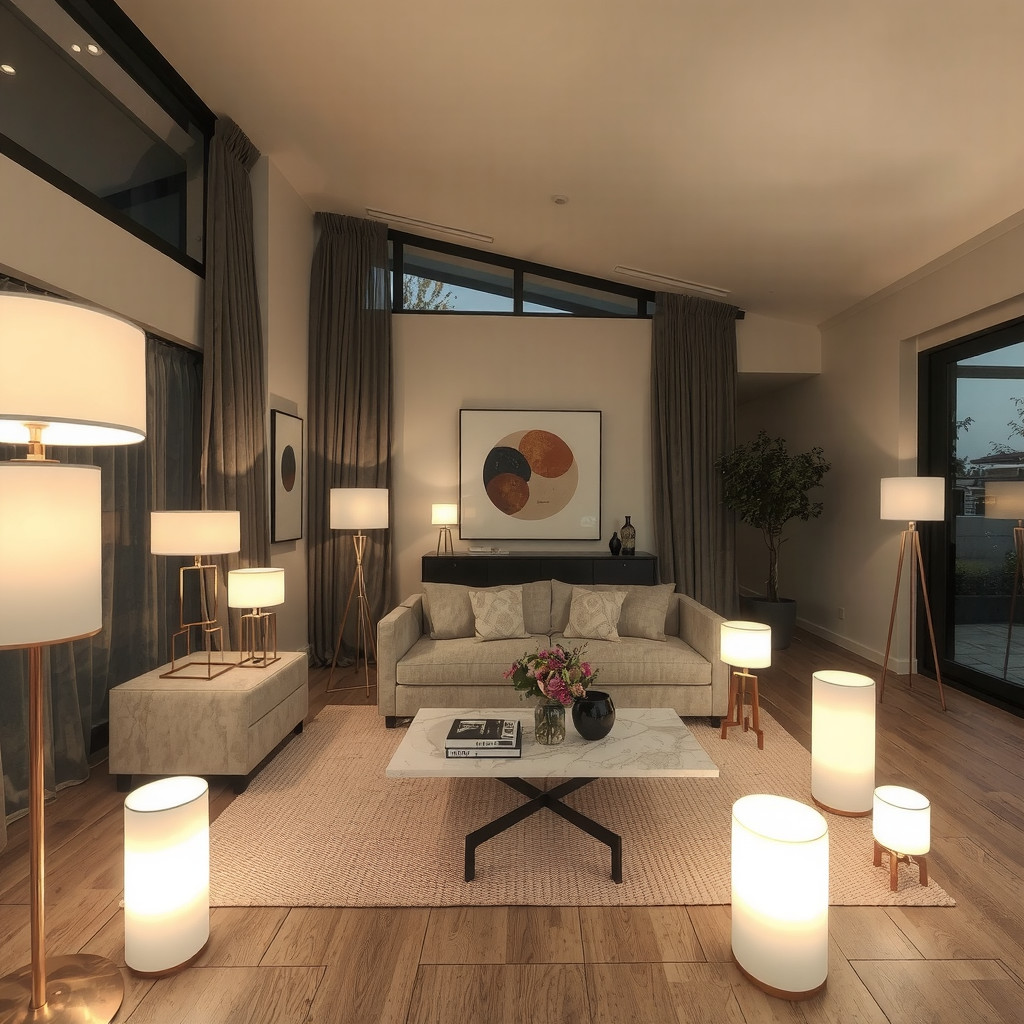
The secret to a professionally designed look lies in avoiding the “interrogation room” effect caused by relying solely on ceiling downlights. Instead, you should aim to create a “triangle of light” in your main living areas. By positioning three light sources at varying heights—low, medium, and high—you wash the room in a balanced glow that eliminates harsh shadows.
Start by mapping your room’s functions. Place a floor lamp behind your favorite reading chair to cast light downwards without glare. On the opposite side of the room, balance this with a table lamp on a console or side table. This layout draws the eye across the space, expanding the perceived size of the room while keeping the ambiance grounded and cozy.
Materials and Textiles
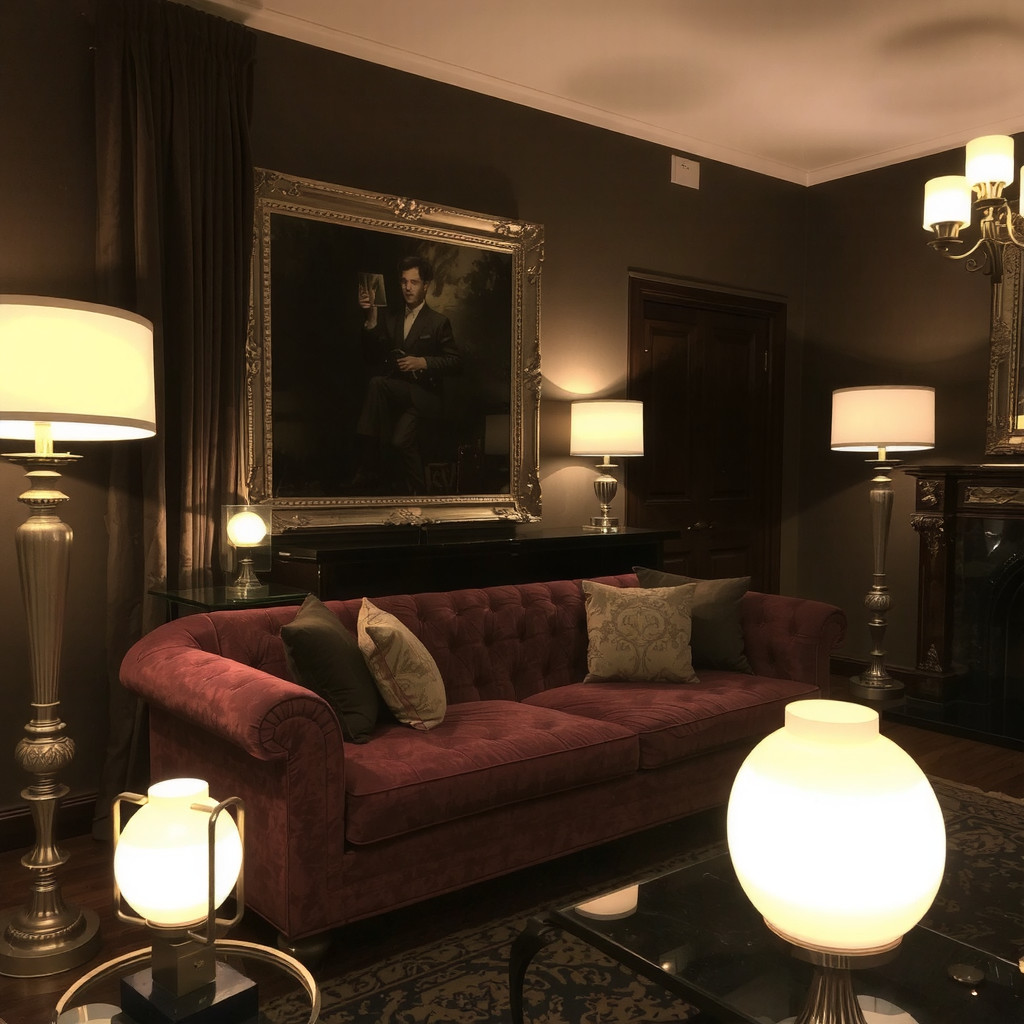
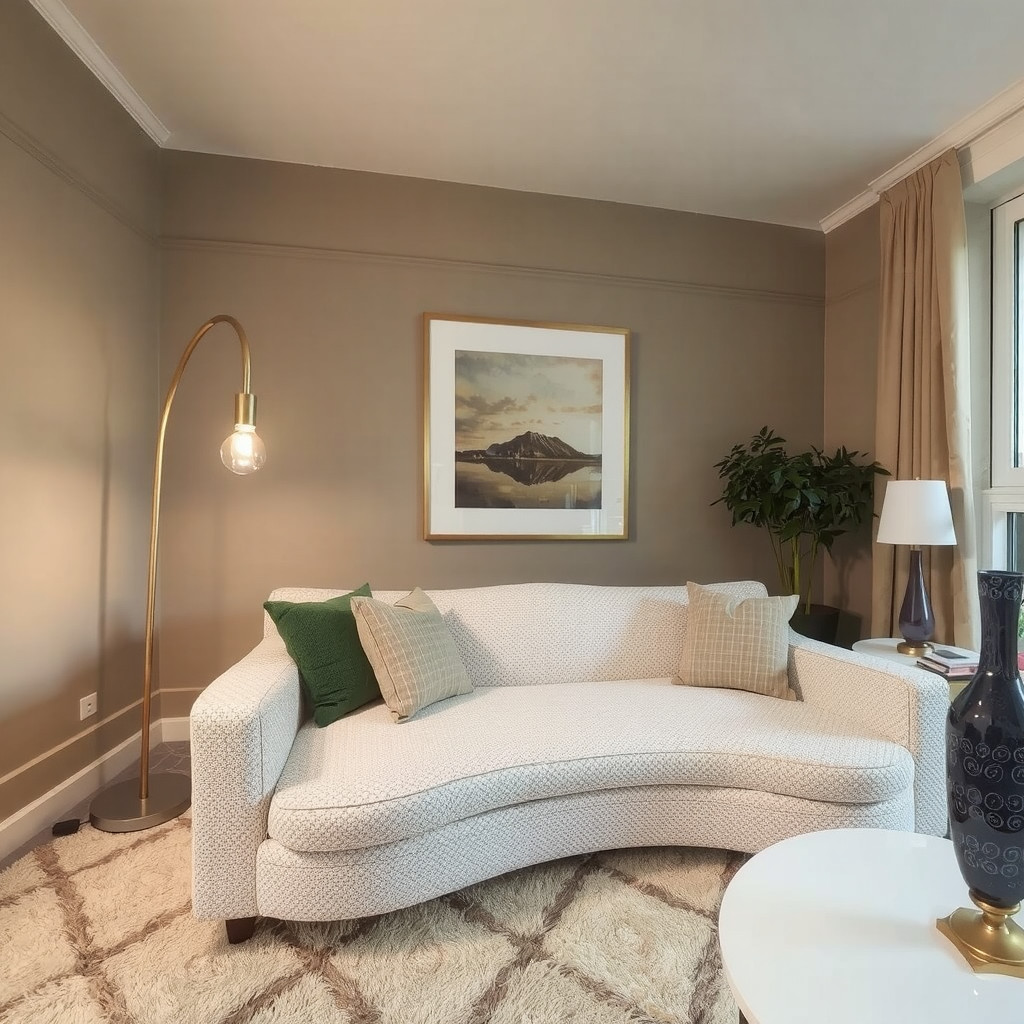
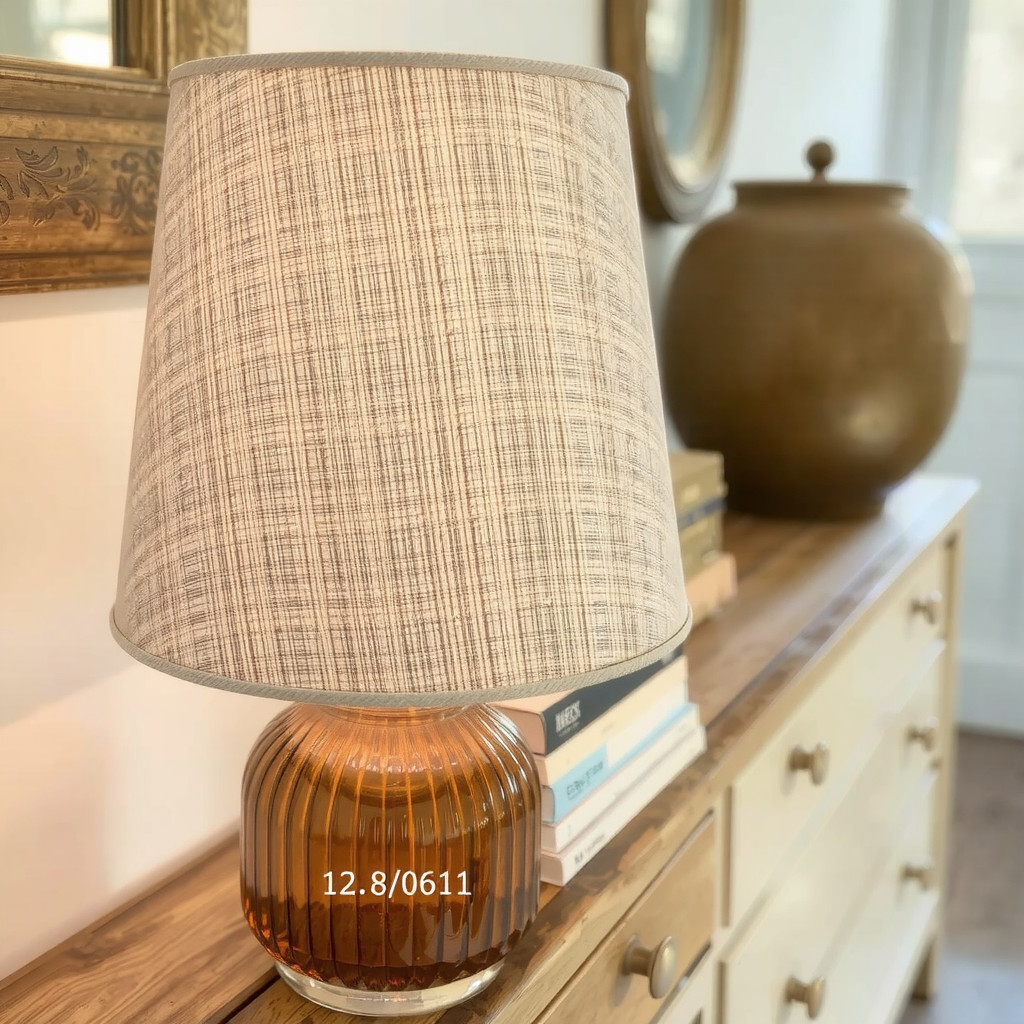
The fixtures you choose are as important as the light they emit. The interaction between light and material dictates the softness of the glow. When selecting shades, consider how you want the light to behave. A crisp white linen shade will diffuse a bright, clean light perfect for general visibility, while a dark opaque shade with a gold interior directs light strictly up and down, creating moody pools of drama.
Pay attention to the base materials as well. A hammered brass or polished glass base will catch and reflect light even when the bulb is off, adding a sparkle to your decor. In contrast, matte ceramics or wood absorb light, contributing to a more subdued, earthy aesthetic. Mixing these textures adds depth and visual interest to your lighting scheme.
Focal Points
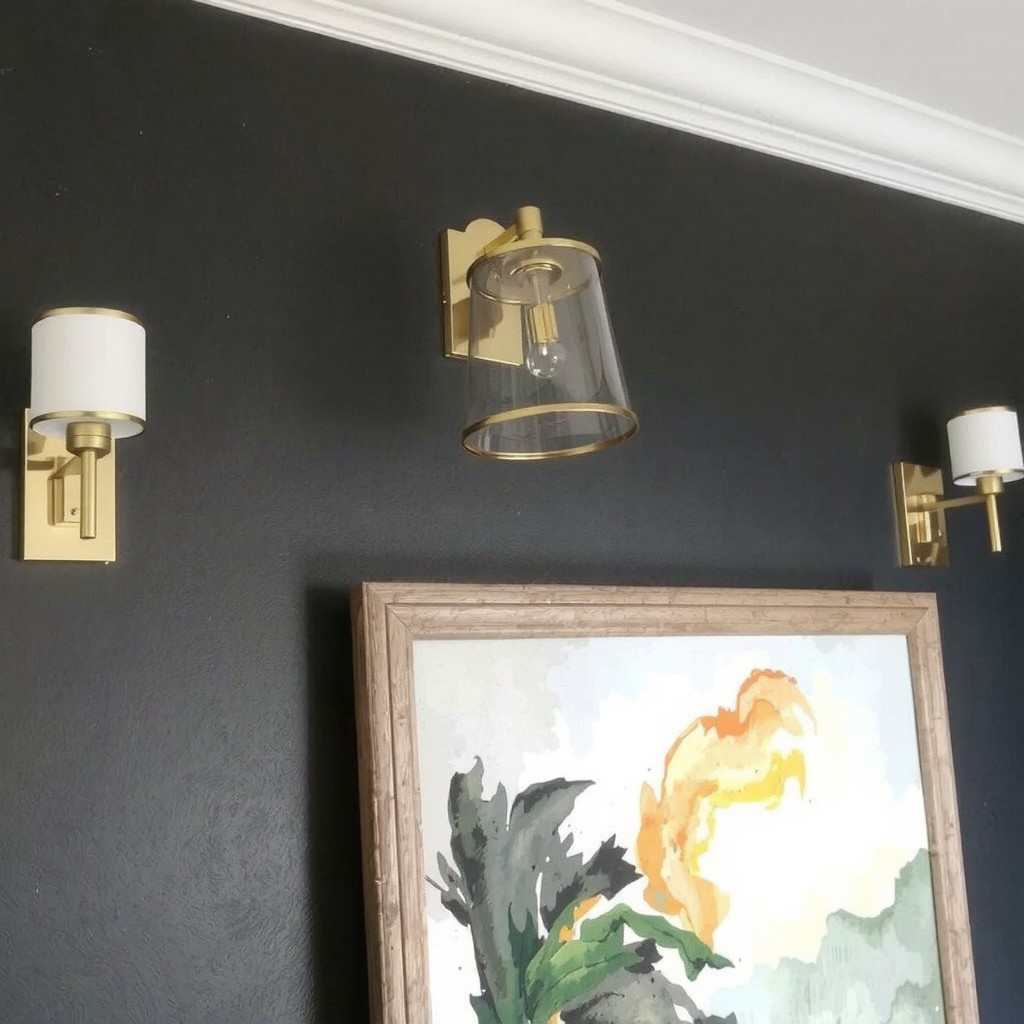
Lighting is your most effective tool for directing attention. Use it to celebrate the architectural features or art pieces that make your home unique. If you have a texture-rich stone fireplace or a gallery wall, wash it with light to bring out the details. A sleek picture light mounted above a canvas elevates the artwork, making it feel intentional and museum-worthy.
Sconces are particularly effective for framing focal points. placing a pair of wall lights on either side of a large mirror or a piece of statement furniture anchors the item and adds symmetry. This technique not only highlights your decor but also adds a layer of sophistication to vertical spaces that often go unnoticed.
Lighting
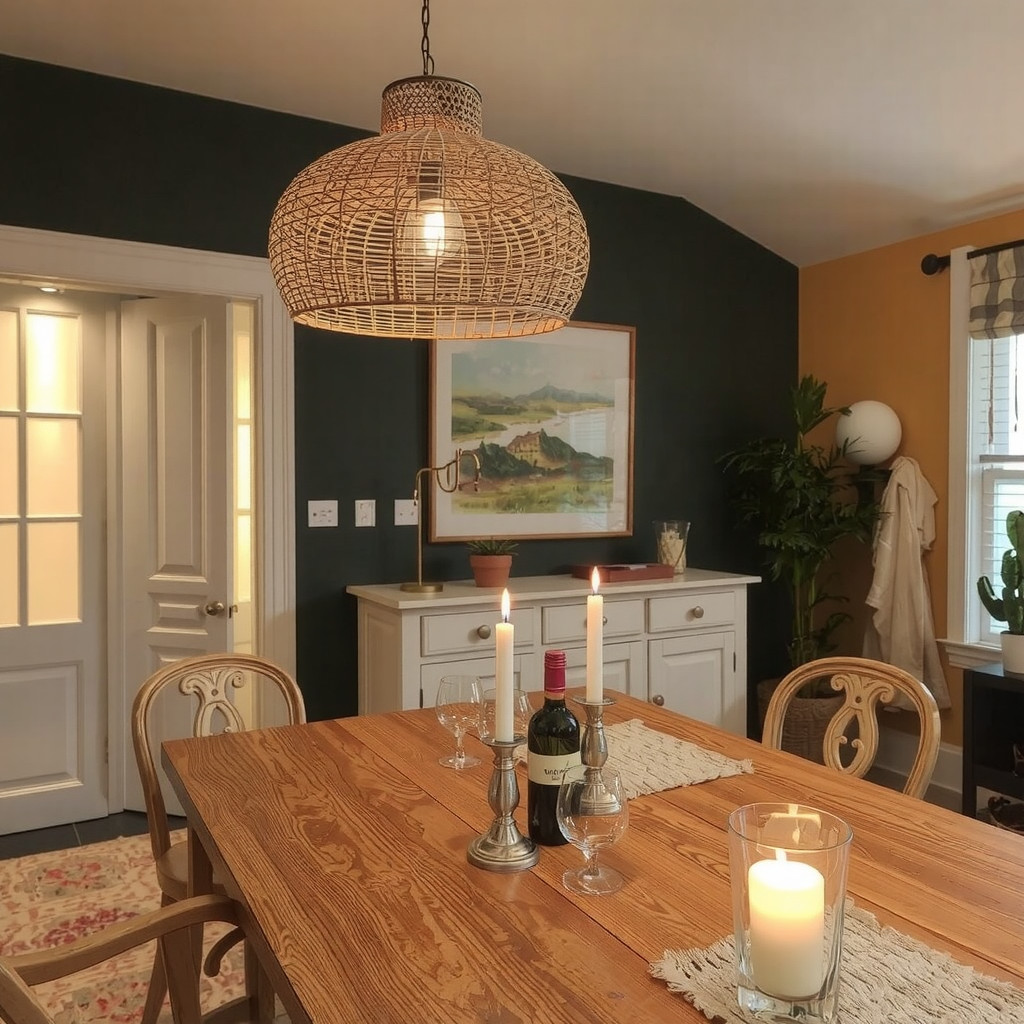
Understanding the quality of light is crucial. This section isn’t about the fixture, but the beam itself. You should strictly adhere to the rule of color temperature. For living spaces and bedrooms, warm white bulbs (2700K to 3000K) are non-negotiable; they mimic the soothing quality of candlelight and sunset. Cool, blue-tinted light should be reserved strictly for garages or clinical task areas.
Layering is also key here. Ensure you have a mix of ambient light (general glow), task light (focused for reading or cooking), and accent light (decorative). Installing dimmer switches gives you total control, allowing you to transition your home from a bright workspace during the day to a soft, relaxing haven in the evening.
Greenery
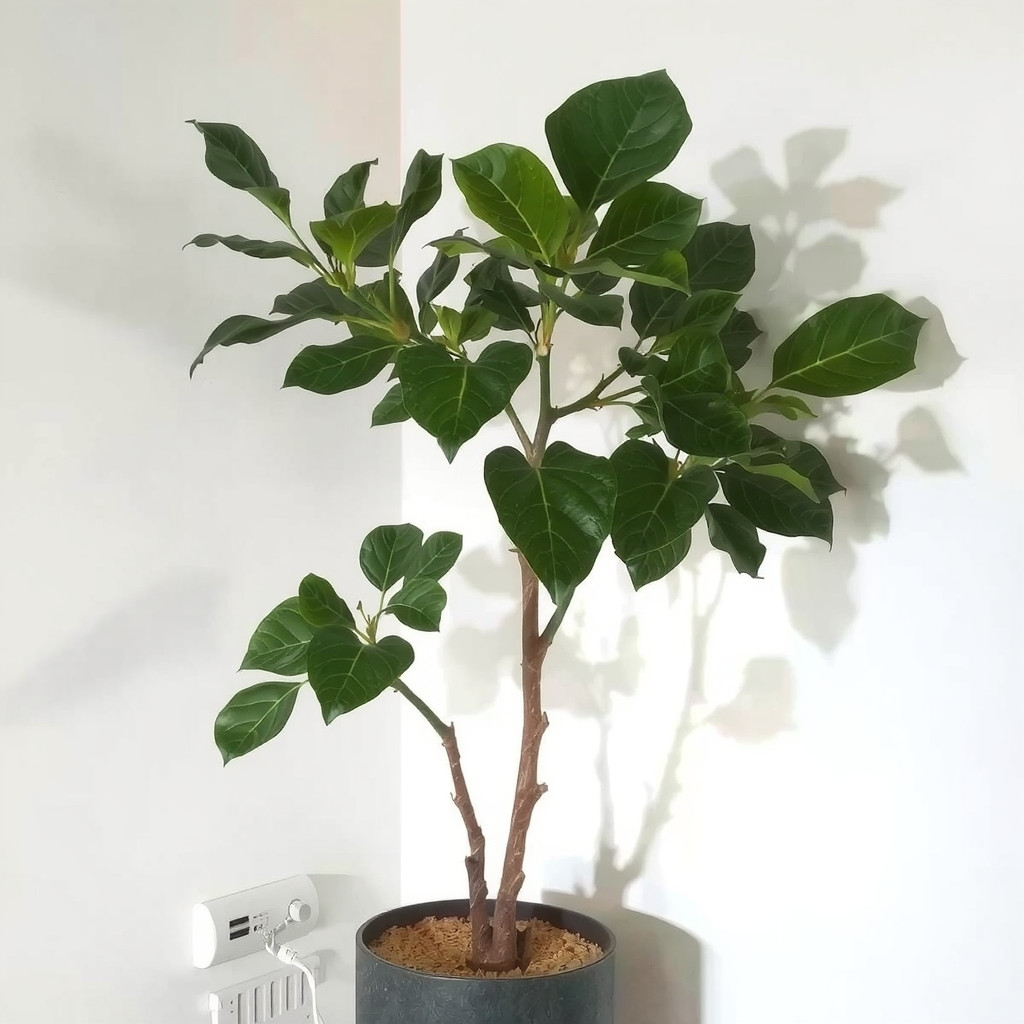
Plants bring life to a room, but lighting brings drama to plants. Illuminating your indoor garden creates a dynamic interplay of organic shapes and shadows. An uplight positioned at the base of a large potted tree, such as a Fiddle Leaf Fig or a Monstera, projects majestic shadows onto the wall and ceiling, turning a simple plant into a living sculpture.
For smaller trailing plants on shelves, consider small puck lights or nearby table lamps that cast a gentle glow on the leaves. The green foliage filters the light, adding a vibrant, natural texture to the room’s palette that feels fresh and airy.
Tips
- Avoid the Glare: Always ensure your light bulbs are concealed by shades or diffusers; looking directly into a bulb is uncomfortable and ruins the mood.
- Scale Matters: Choose lamps that fit the scale of your furniture. A tiny lamp on a large sofa looks lost, while a massive lamp on a delicate table feels precarious.
- Reflective Surfaces: Place lamps near mirrors to double the light output and make small rooms feel larger and brighter.
- Cord Management: unsightly cords can ruin a perfect setup. Use velcro ties or run cords down furniture legs to keep the look clean.
- Smart Bulbs: Consider smart lighting systems that allow you to adjust warmth and brightness from your phone, adapting to the time of day automatically.
ADVERTISEMENT