ADVERTISEMENT
Mastering Minimalism in Small Footprints
Introduction
Minimalism is often misunderstood as a sterile, empty box, but in the context of a small house, it is a tool for liberation. It is not about deprivation; it is about strict curation. You strip away the unnecessary to reveal the essential beauty of your architecture and your daily rituals. In a compact living environment, every object must justify its existence, either through undeniable function or profound beauty. By embracing a minimalist mindset, you transform a cramped area into a breathing room, creating a sanctuary that feels expansive regardless of the square footage.
Layout and Positioning
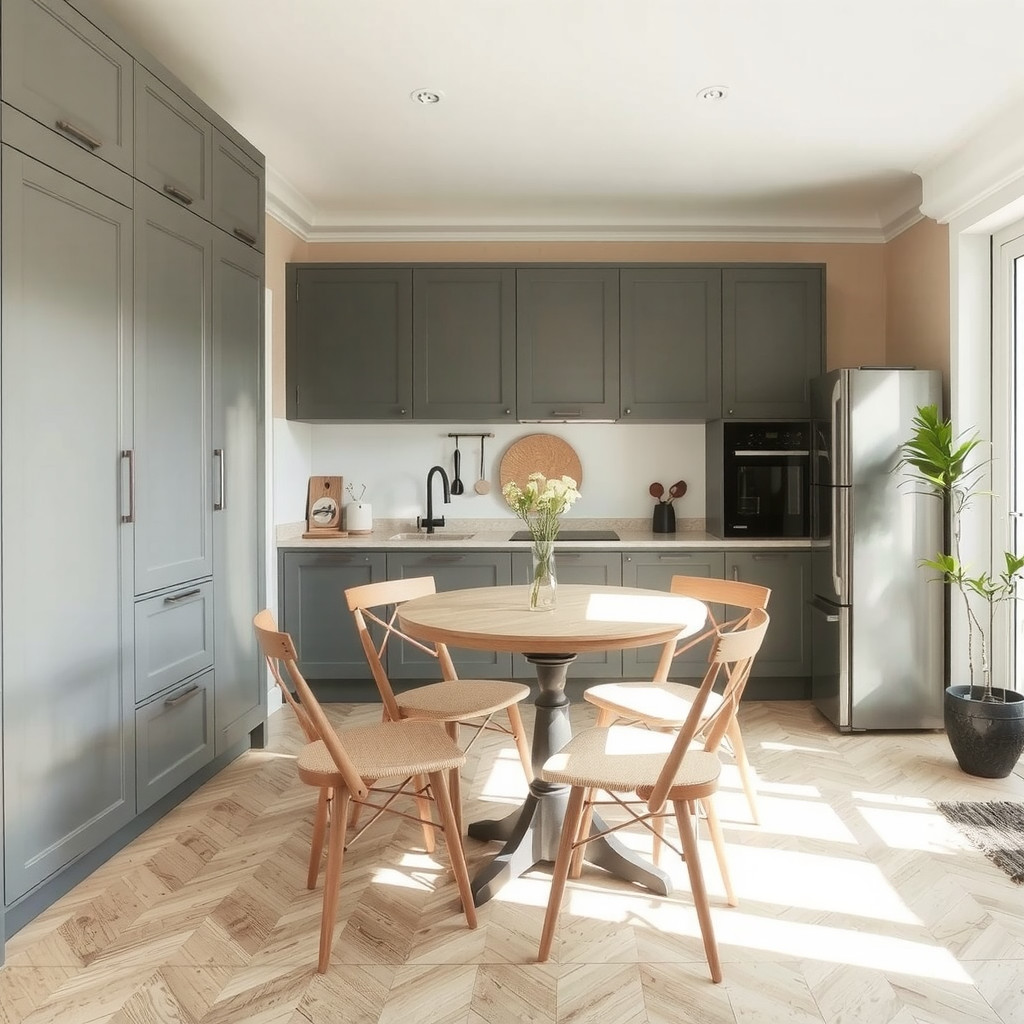
Flow is the invisible architecture of your home. In a compact footprint, how you move through the space is just as important as what is in it. Your instinct might be to push all furniture against the walls to maximize central floor space, but this often creates a “waiting room” effect that highlights the room’s limits.
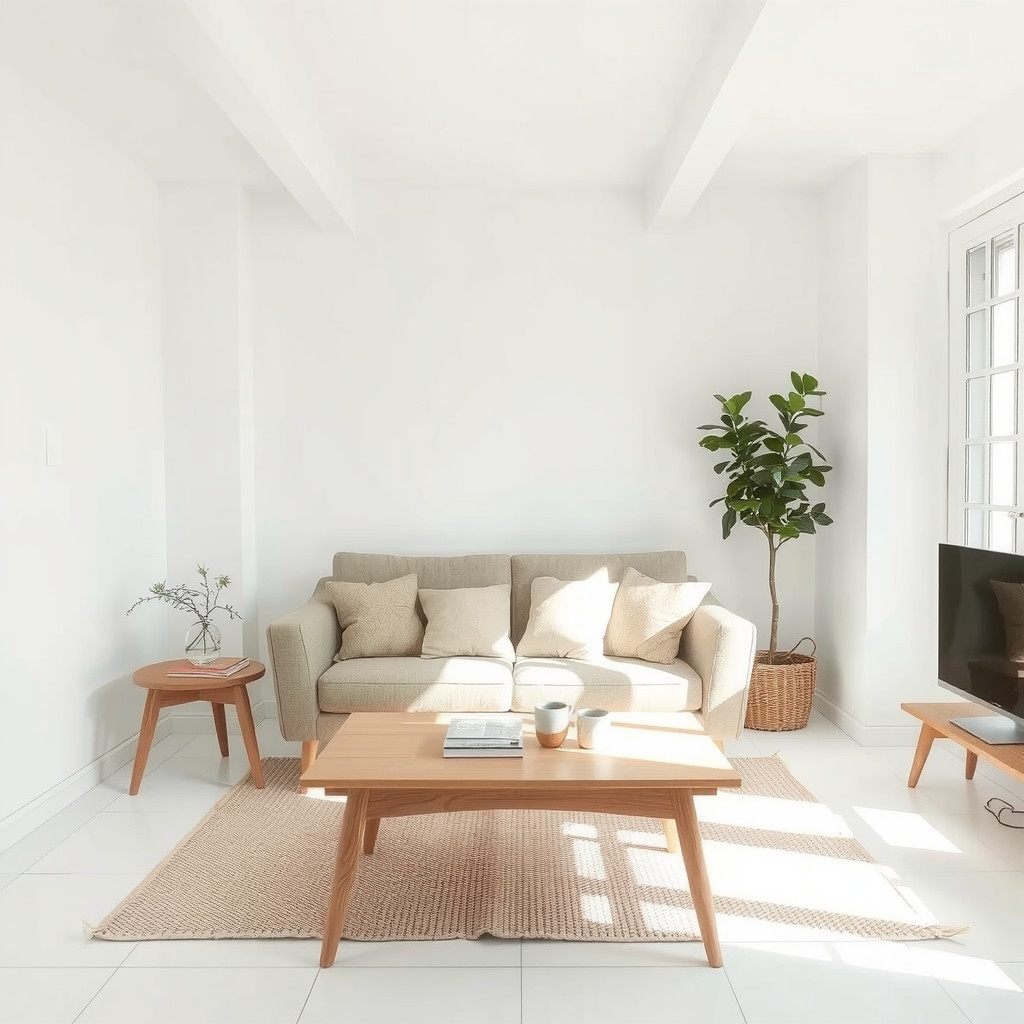
Instead, float key pieces like your sofa or armchair. This creates designated zones and circulation paths that trick the eye into perceiving more depth. Choose furniture with exposed legs; seeing the floor continue underneath a sofa or cabinet maintains the visual continuity of the room. Multi-functional pieces are your allies here—think ottomans with storage or nesting tables that can be expanded only when needed.
Materials and Textiles
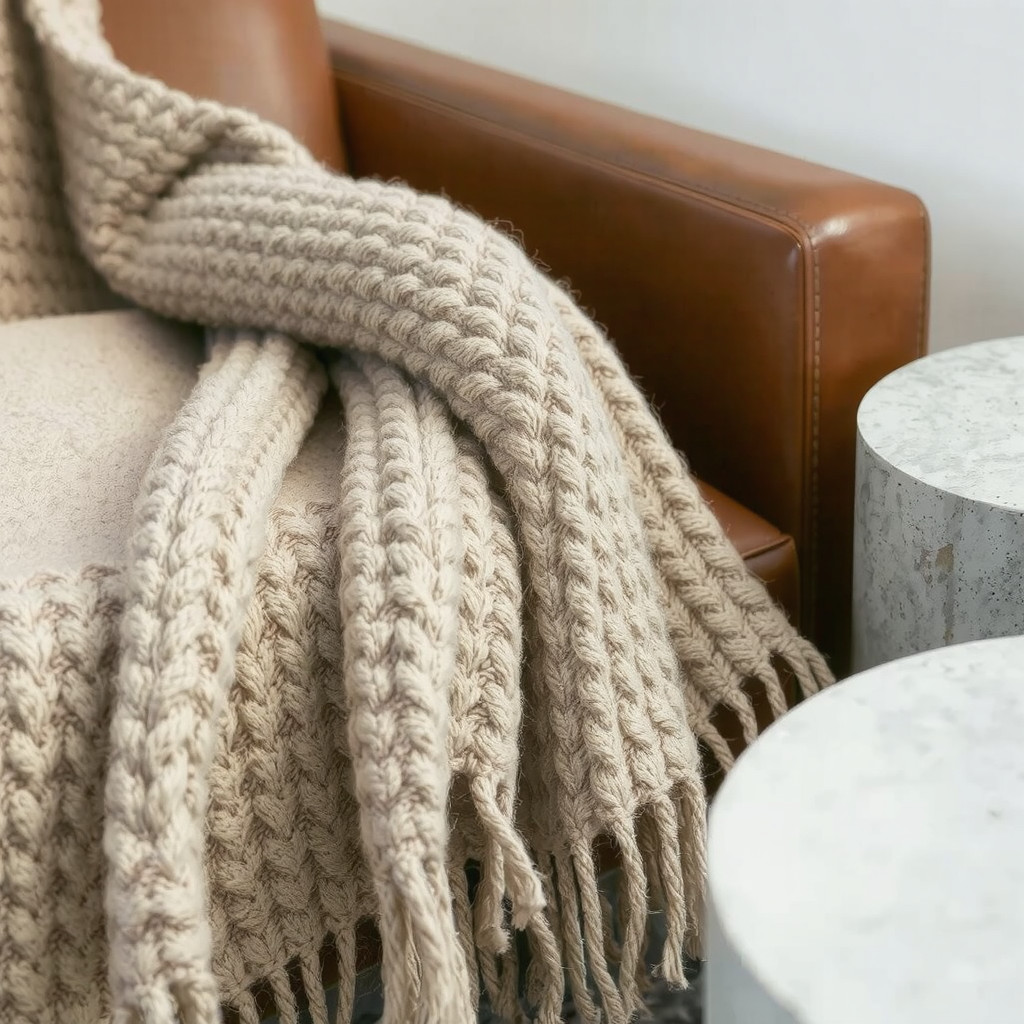
When you reduce the quantity of items in a room, the quality of the remaining materials becomes paramount. A minimalist small house relies on texture to provide warmth and interest, preventing the space from feeling clinical. Since you cannot rely on ornate decor to distract the eye, the surfaces themselves must tell a story.
Layer natural materials to create depth without visual clutter. Pair the roughness of a jute rug with the smoothness of a leather chair, or the matte finish of ceramic vases against the grain of light oak shelving. Stick to a cohesive palette—warm whites, soft greys, and earthy beiges allow the eye to glide across the room uninterrupted, making the space feel unified and larger.
Focal Points
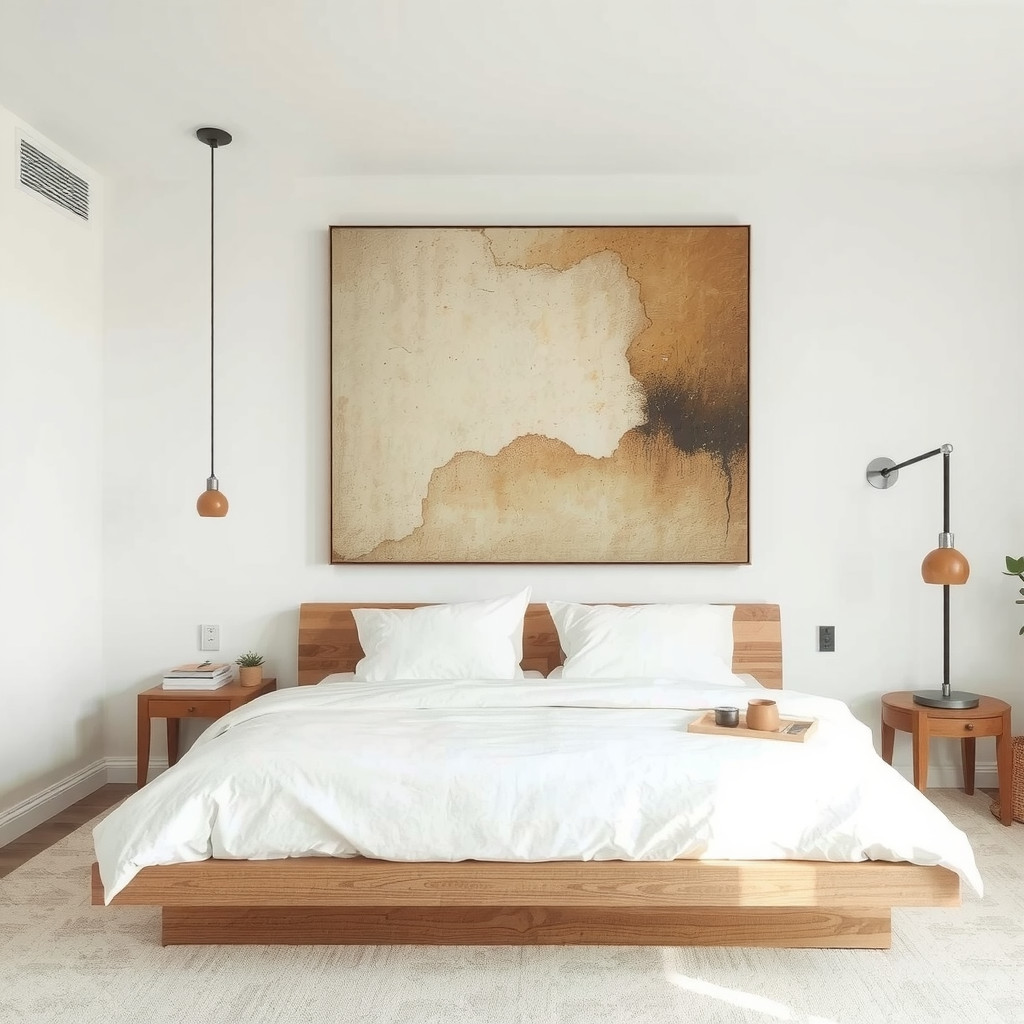
Small spaces suffer quickly from visual fragmentation. If you fill a small room with many small decorations, it feels chaotic and shrinking. The minimalist approach dictates a single, strong focal point that anchors the room and gives the eye a place to rest.
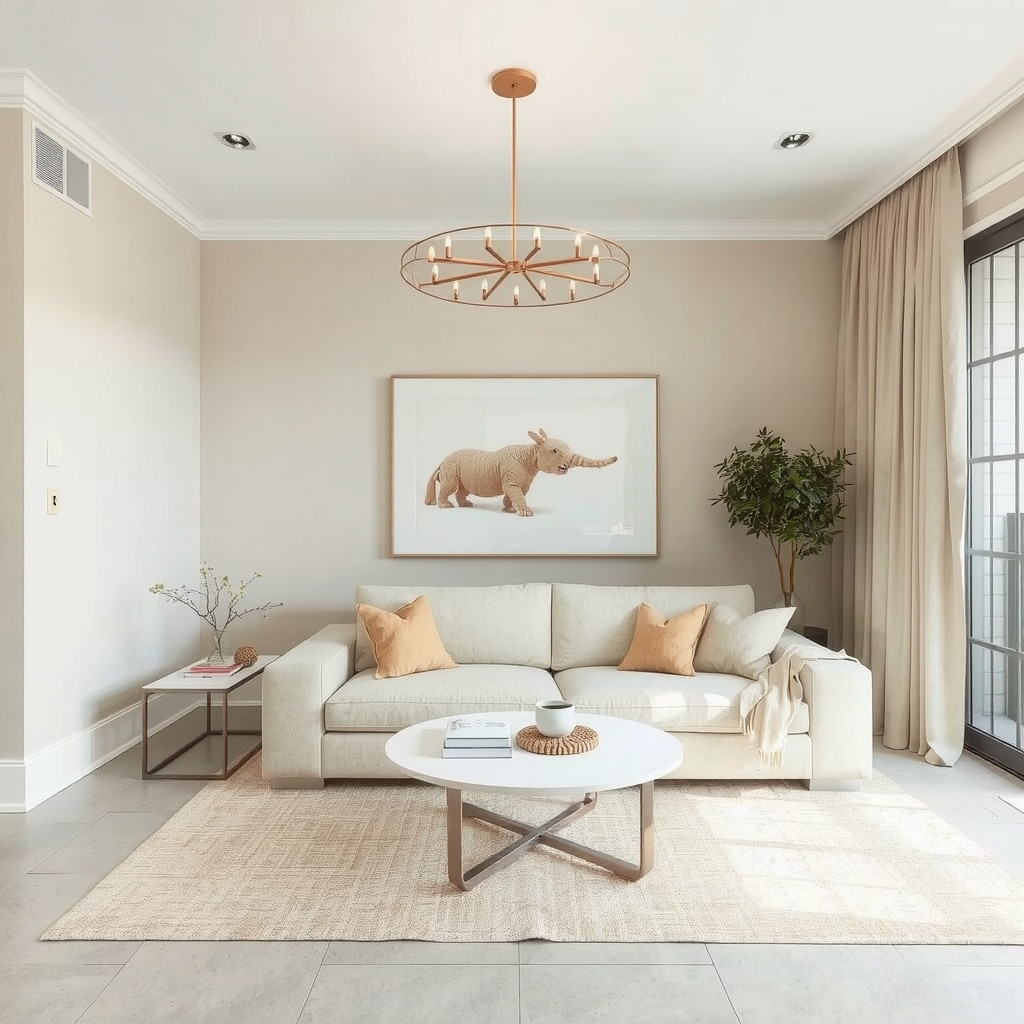
Commit to one large-scale gesture. This could be an oversized piece of abstract art, a sculptural pendant light, or a statement armchair in a bold silhouette. By scaling up one element, you paradoxically make the room feel grander. It signals confidence in the design and distracts from the boundaries of the walls.
Lighting
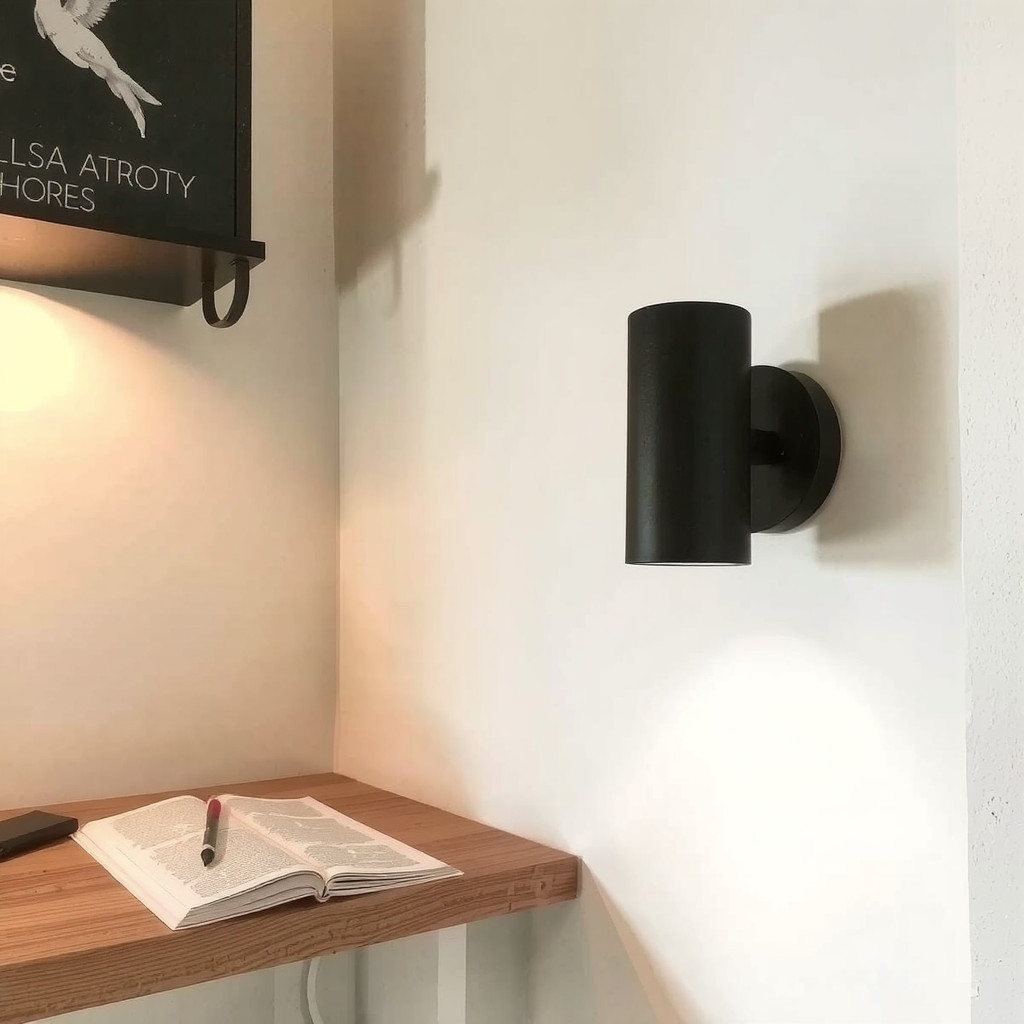
Light is the most powerful tool for expanding a small interior. In a minimalist home, lighting fixtures should be sleek and unobtrusive, often acting as architectural elements themselves. Avoid relying solely on a single overhead fixture, which casts harsh shadows and shrinks the room corners.
Instead, wash the walls with light. Wall sconces are particularly effective in small houses as they free up precious floor and table space while directing light upwards or downwards to accentuate ceiling height. Aim for warm color temperatures (2700K-3000K) to maintain a cozy, inviting atmosphere that softens the clean lines of your furniture.
Greenery
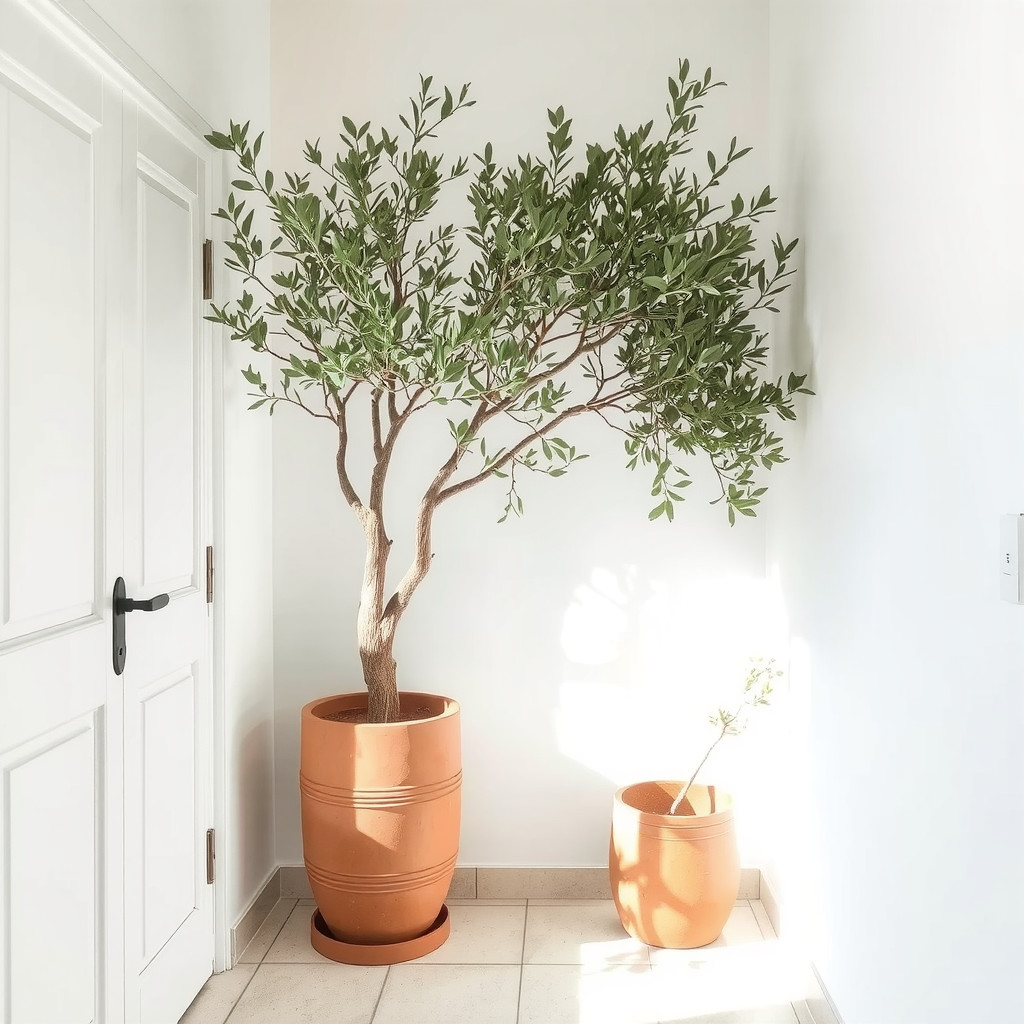
Plants are the ultimate minimalist accessory. They introduce organic chaos to straight lines and breathe life into neutral palettes without counting as “clutter.” In a small house, floor space is premium, so think vertically or choose one substantial plant over many small pots.
A tall interior tree, like a Ficus or Olive tree, draws the eye upward, emphasizing vertical volume. Alternatively, a hanging planter near a window can frame a view without obstructing movement. The vibrant green acts as a natural neutral, complementing wood and stone effortlessly.
Tips
- Edit Ruthlessly: Periodically review your surfaces. If an item hasn’t been used or admired in a month, store it or donate it.
- Mirrors as Windows: Place a large mirror opposite a window to bounce natural light and double the perceived visual depth.
- Hidden Storage: Invest in joinery that blends into the walls. Push-to-open cabinets without handles maintain clean lines.
- Consistent Flooring: Use the same flooring material throughout the entire level to eliminate visual thresholds that chop up the space.
ADVERTISEMENT