ADVERTISEMENT
Mastering the Modern Organic Aesthetic for a Serene Sanctuary
In a world that often feels chaotic and overstimulated, your home should be the ultimate exhale. The modern organic design style has surged in popularity because it harmonizes the clean, architectural lines of modernism with the warmth and imperfection of nature. This approach does not merely decorate a room; it cultivates an atmosphere of profound calm and grounded luxury.
Introduction
Creating a modern organic home is about stripping away the unnecessary while amplifying tactile comfort. You are looking to balance raw natural elements with sophisticated silhouettes. Imagine walking into a space that feels curated yet lived-in, where every object tells a story of earth and craftsmanship. It is less about perfection and more about authenticity, inviting you to touch surfaces and relax into furniture that embraces you.
Layout and Positioning
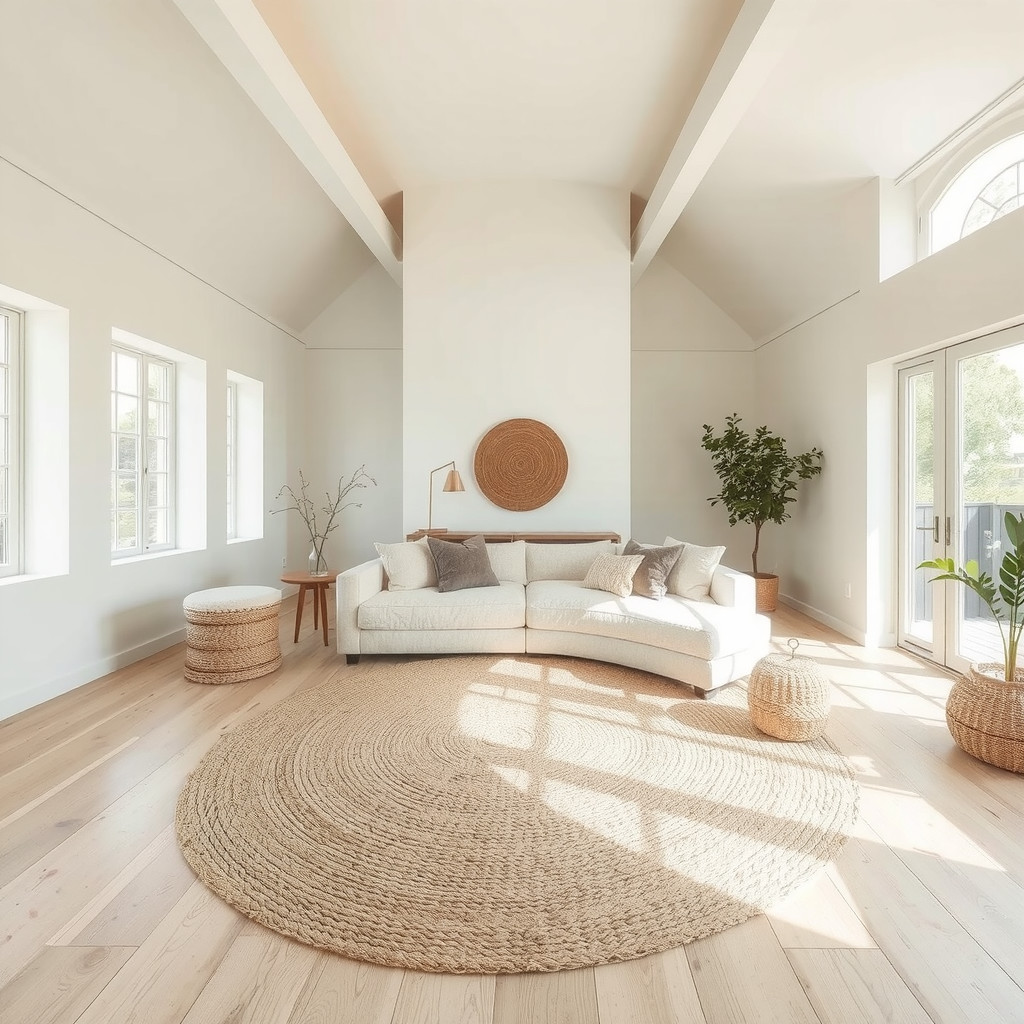
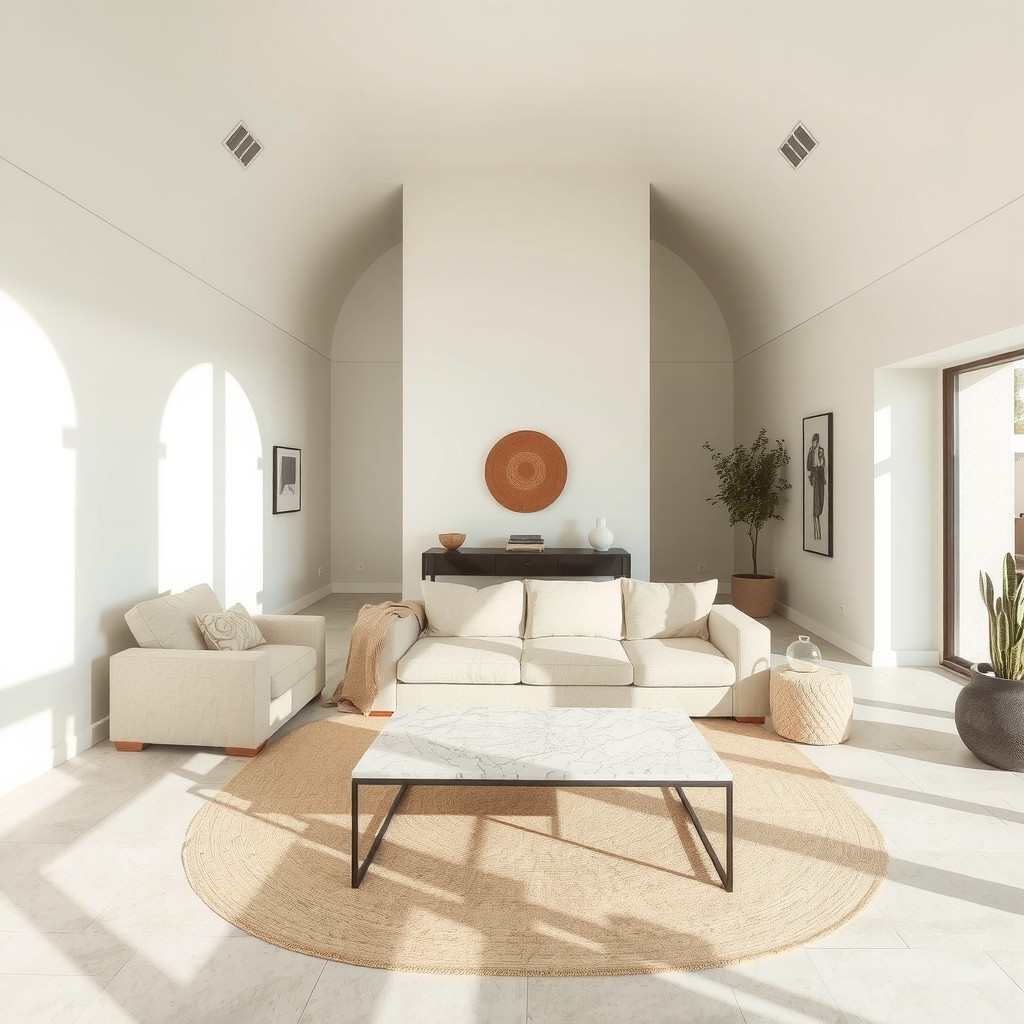
The flow of your room dictates its energy. In modern organic design, you want to prioritize “breathability” in your floor plan. Resist the urge to push all furniture against the walls. Instead, float your sofa or armchairs to create intimate islands of conversation.
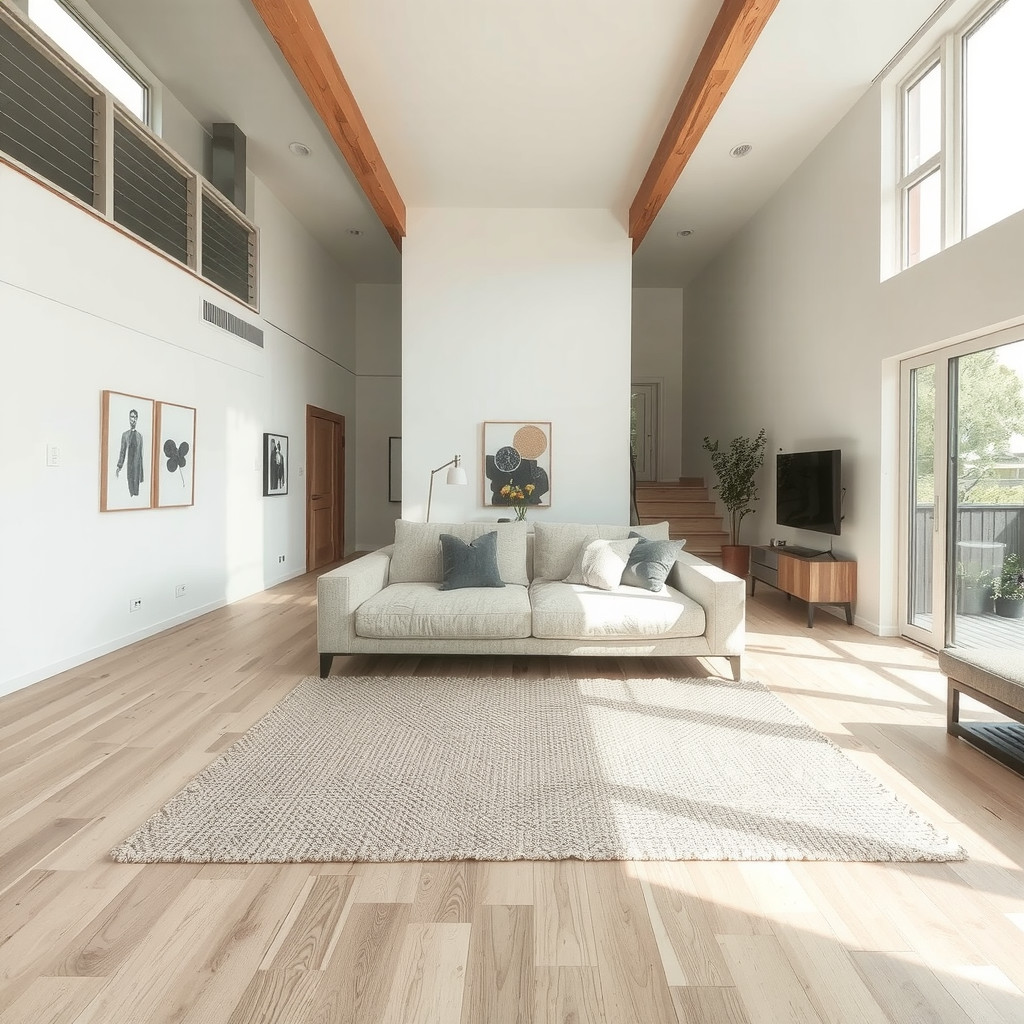
Allow for negative space—those empty areas that let the eye rest. When you arrange your pieces, think about the sightlines. Can you see a window from your favorite chair? Does the path from the door to the seating area feel unobstructed? Your layout should guide movement naturally, like water flowing around stones in a river, ensuring that the transition between zones feels effortless and intuitive.
Materials and Textiles
Texture is the secret language of this aesthetic. Since the color palette is often restrained to warm neutrals, the richness comes from the materials you choose. You want to layer contrasting textures to build visual interest without relying on bright colors.
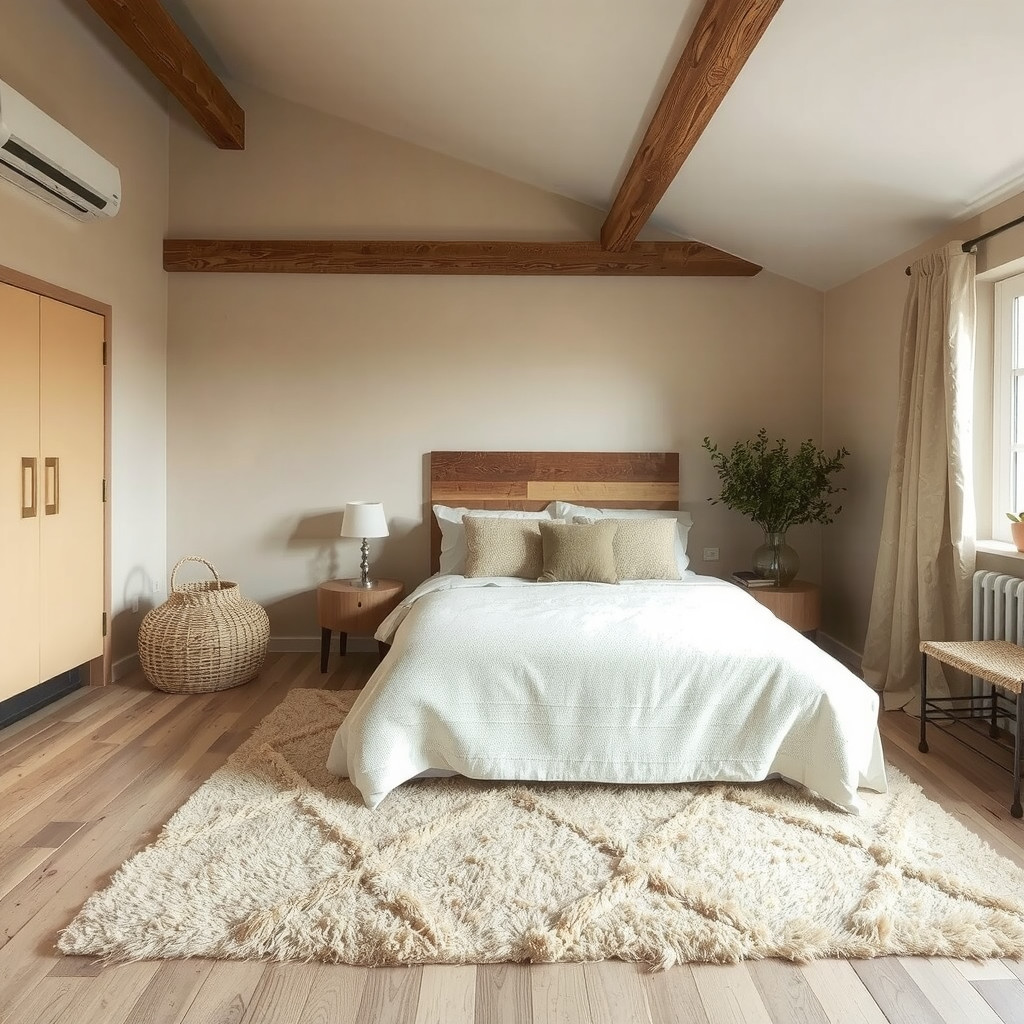
Think of raw, unfinished woods paired with smooth travertine or marble. Introduce soft, nubby boucle fabrics alongside cool, crisp linens. A jute rug creates a rough, grounding foundation, while a velvet throw adds a touch of softness.
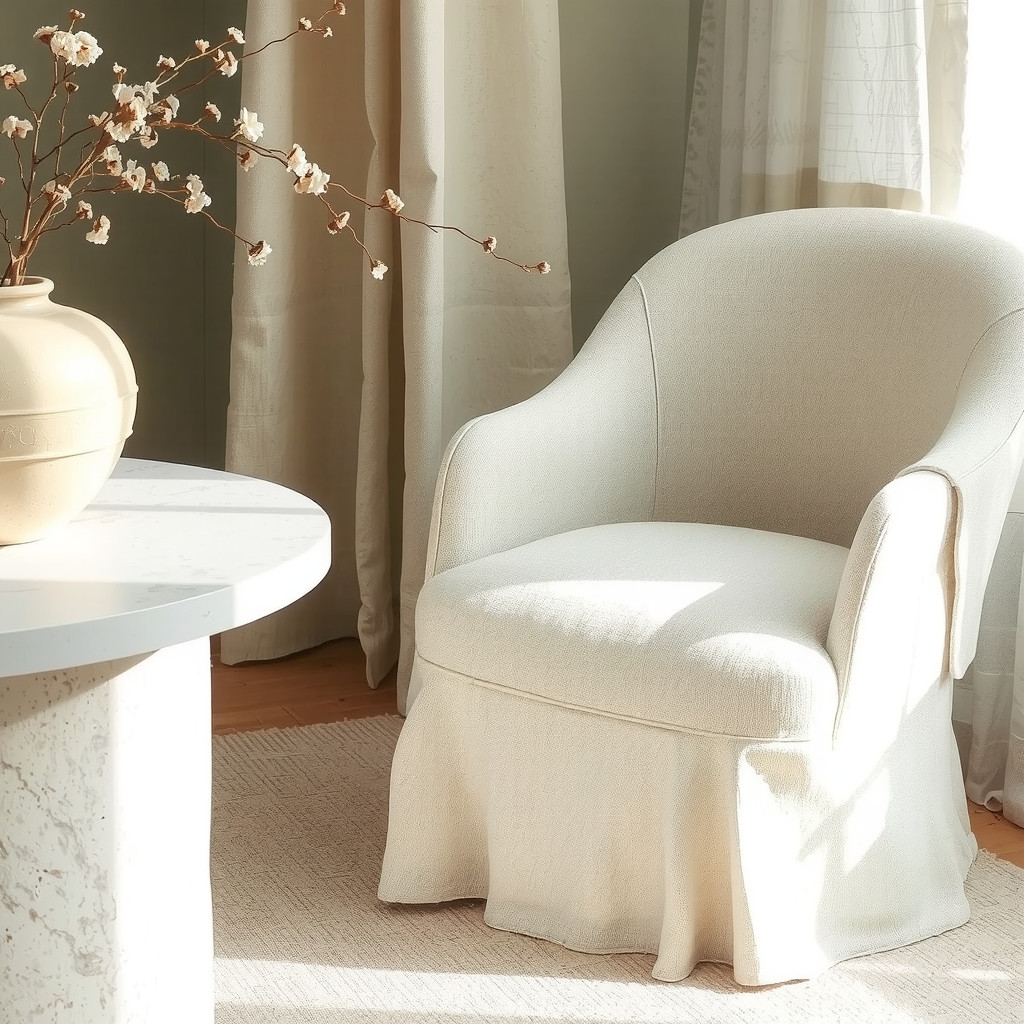
When selecting textiles, always reach for natural fibers. Wool, cotton, linen, and silk reflect light beautifully and age with grace. These materials connect the interior to the outdoors, reinforcing the organic theme through touch as well as sight.
Focal Points
Every room needs an anchor, but in a modern organic space, the focal point should feel sculptural and elemental. Avoid cluttering the room with many small items; instead, choose one or two substantial pieces that command attention.
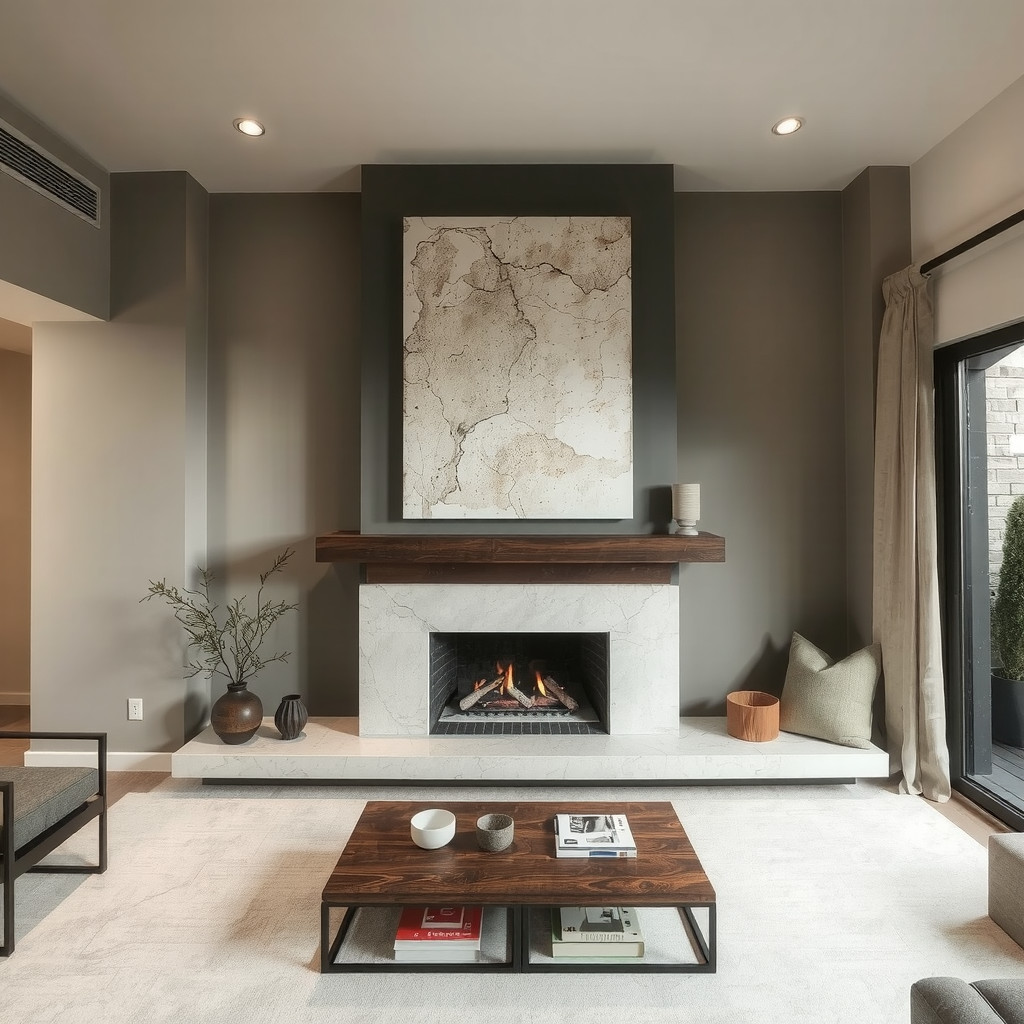
A floor-to-ceiling stone fireplace serves as a magnificent centerpiece, grounding the room with its weight and history. Alternatively, a large-scale piece of abstract art in earthy tones or a massive live-edge dining table can serve this purpose. The goal is to draw the eye to a feature that celebrates natural form, anchoring the airy lightness of the surrounding decor.
Lighting
Lighting transforms the mood from sterile to sanctuary. Move away from harsh overhead fixtures and embrace layered, ambient lighting. You want to mimic the softness of natural light at golden hour.
Use lamps with paper or fabric shades to diffuse light into a warm glow. Sconces made of alabaster or ceramic add an artisan touch while washing the walls with light.
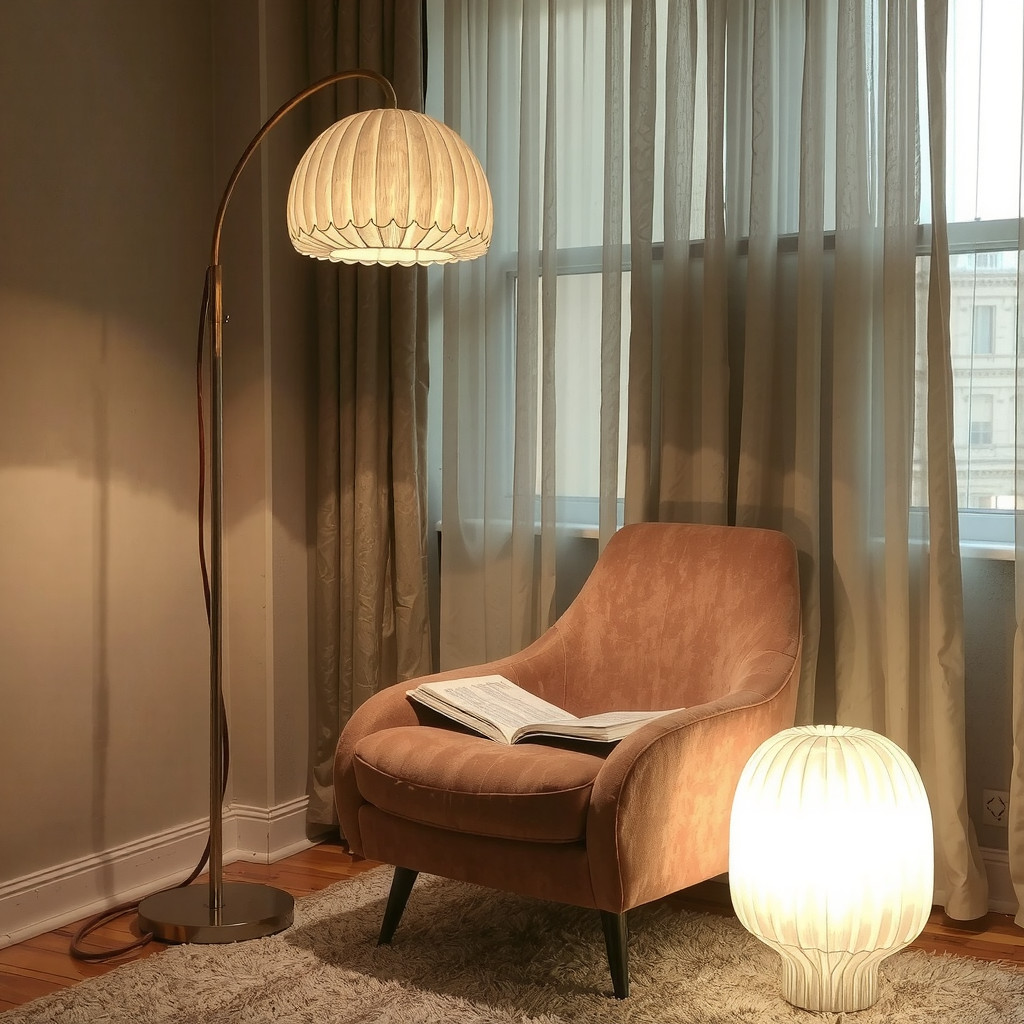
Position lighting at different heights—floor lamps for low-level mood, table lamps for task areas, and pendants for general illumination. This layering creates depth and shadows that highlight the textures of your walls and furniture.
Greenery
No organic home is complete without life. However, rather than scattering small pots everywhere, opt for statement greenery. A single, large tree can act as living sculpture, bridging the gap between indoors and out.
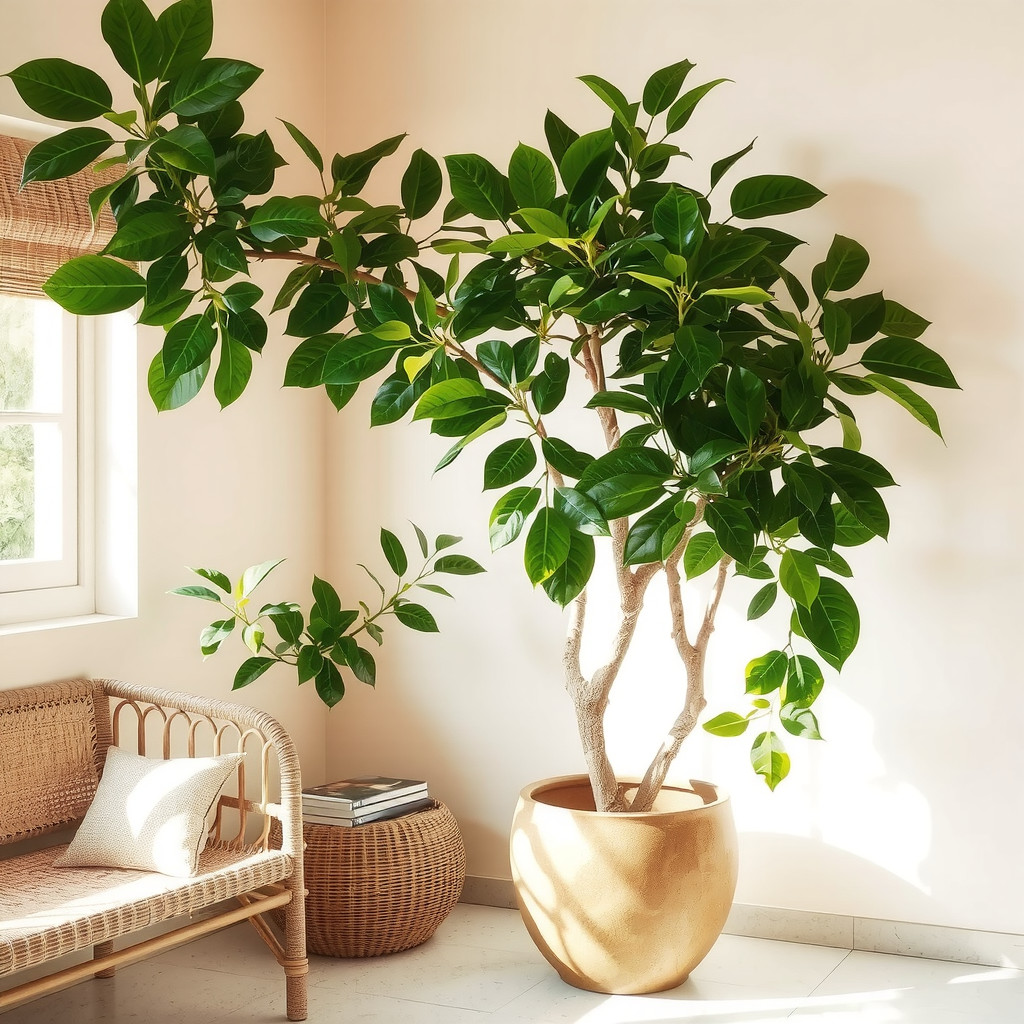
Place a tall olive tree or a ficus in a corner where it receives ample light. The irregular shapes of branches and leaves break up the straight lines of modern furniture, adding softness and vitality. Choose planters made of clay, terracotta, or woven seagrass to keep the vessel as earthy as the plant itself.
Tips
- Stick to an Earthy Palette: Focus on warm whites, beiges, taupes, browns, and muted greens to maintain cohesion.
- Hide the Tech: conceal televisions and cords to keep the focus on nature and conversation.
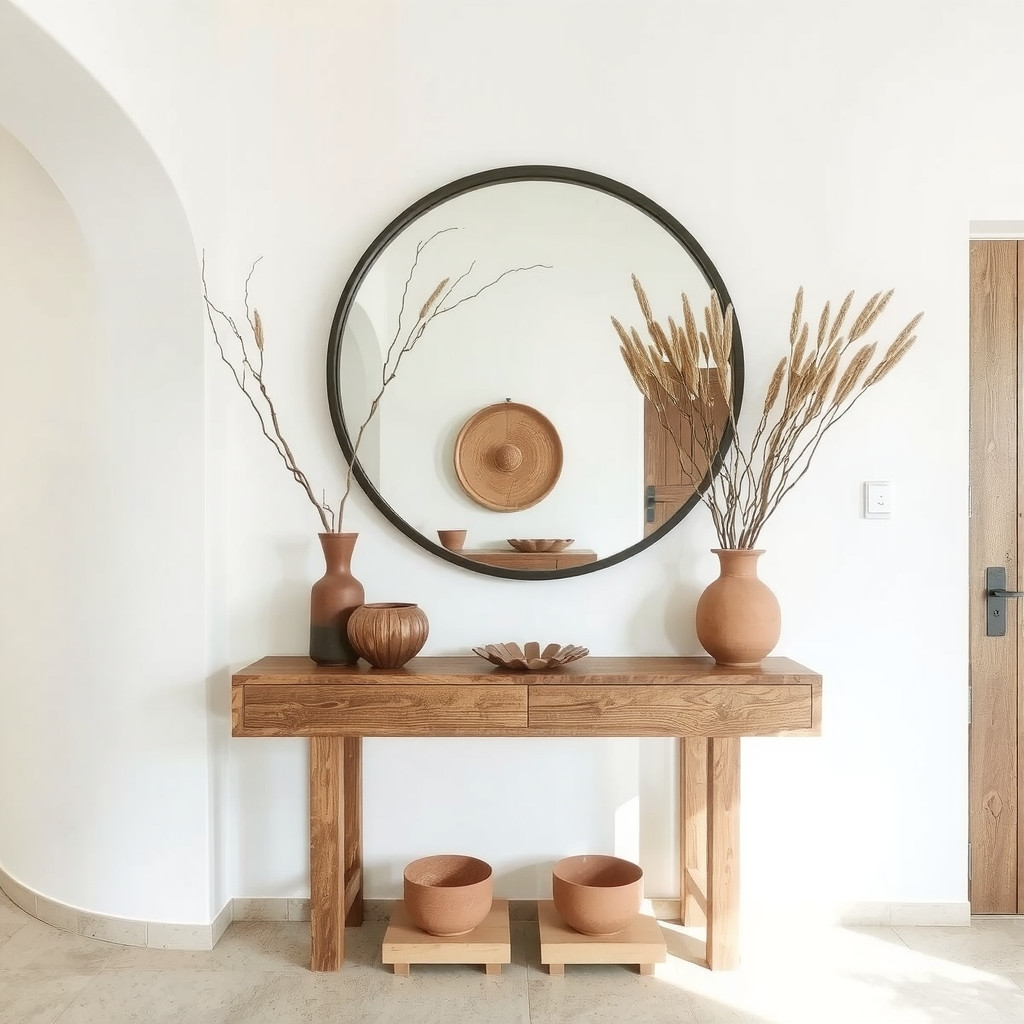
- Embrace Imperfection: Wabi-sabi elements, like a chipped ceramic vase or worn wood, add soul.
- Curate Scents: Use essential oils like sandalwood, cedar, or bergamot to engage the sense of smell.
- Mix Vintage and New: A vintage wooden stool adds character next to a sleek, modern sofa.
ADVERTISEMENT