ADVERTISEMENT
Curating a Modern Organic Sanctuary
Your home possesses the unique potential to be a restorative retreat, a place where the noise of the outside world dissolves into silence. By embracing a modern organic aesthetic, you bridge the gap between clean contemporary lines and the raw, imperfect beauty of nature. This design philosophy is not just about visual appeal; it is about cultivating a sensory experience that grounds you the moment you step through the door.
Layout and Positioning
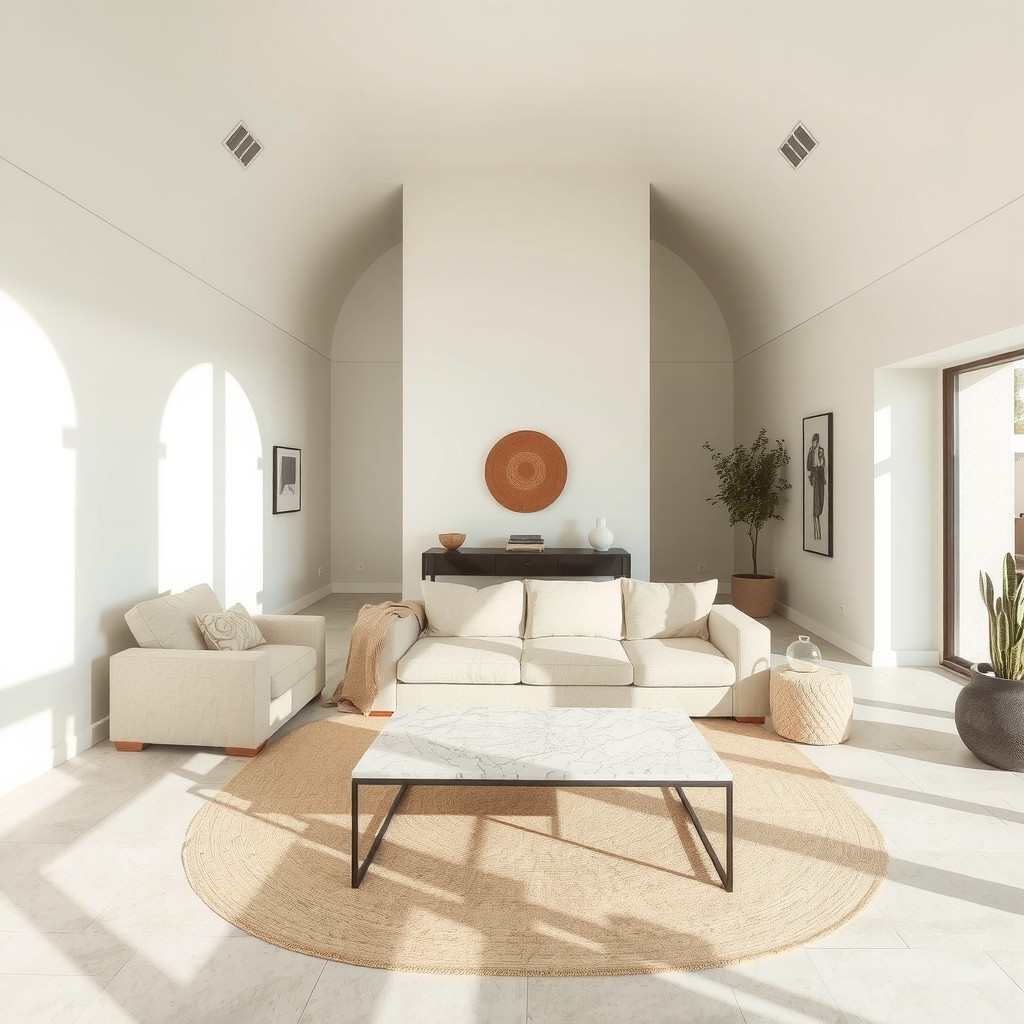
The foundation of a sanctuary lies in its flow. Instead of pushing furniture against the walls, consider pulling pieces inward to create intimate islands of connection. You want to encourage movement that feels unhindered and fluid, much like water navigating a riverbed.
Start by assessing the “negative space” in your room. Breathing room is essential. Allow for generous pathways between furniture to prevent the space from feeling constricted. Orient your primary seating towards a view—be it a window framing the sky or a curated interior scene—rather than just a television screen. This shift in positioning subtly directs your attention toward calming elements, fostering a sense of spaciousness and ease.
Materials and Textiles
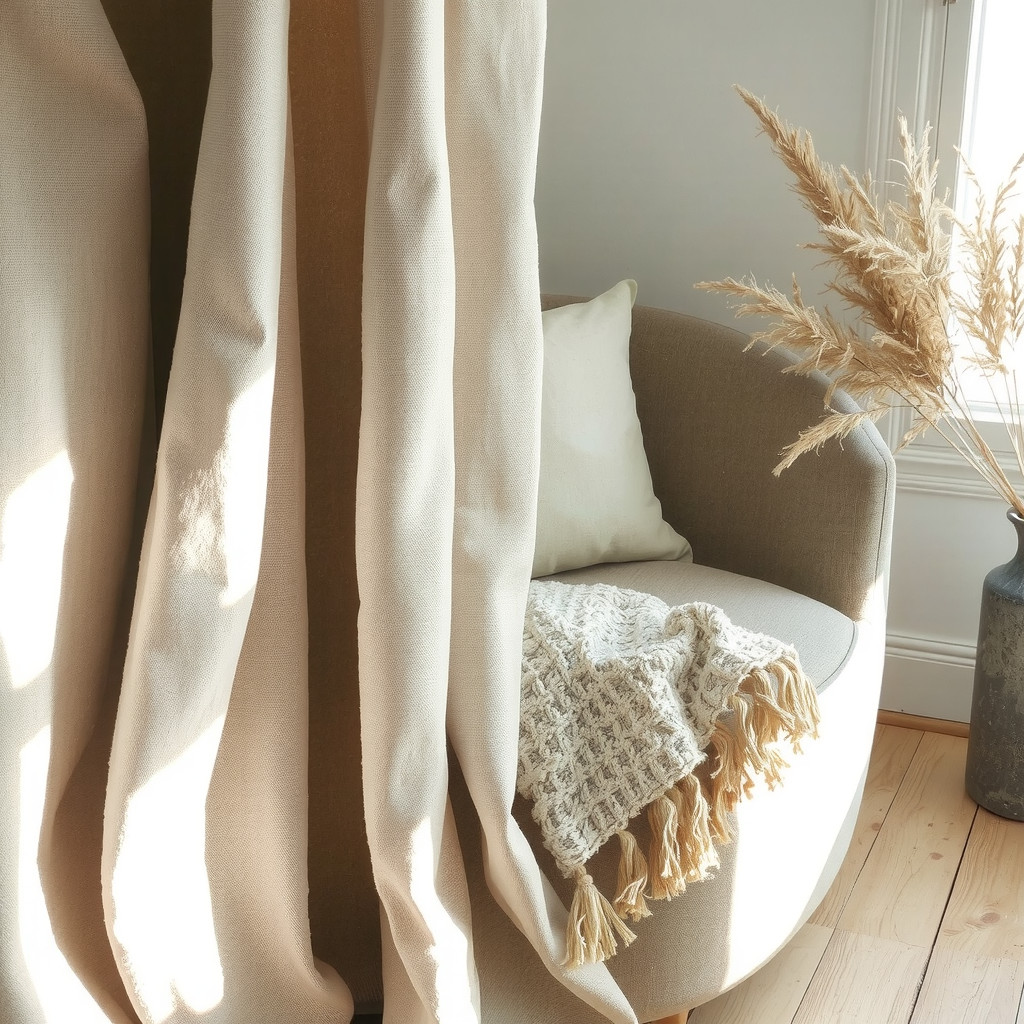
In a modern organic home, texture is the language of comfort. You should gravitate towards materials that beg to be touched, layering them to add depth without clutter. The goal is to move away from sterile synthetics and embrace the warmth of the authentic.
Think of raw, unfinished woods that show their grain, paired with cool, smooth stone like limestone or travertine. Introduce textiles that have weight and history: nubby wool rugs, heavy linen drapery that pools on the floor, and boucle upholstery. These elements absorb sound and soften the architectural edges of a room. The interplay between a rough-hewn wooden bench and a soft velvet cushion creates a tactile dialogue that enriches your daily experience of the space.
Focal Points
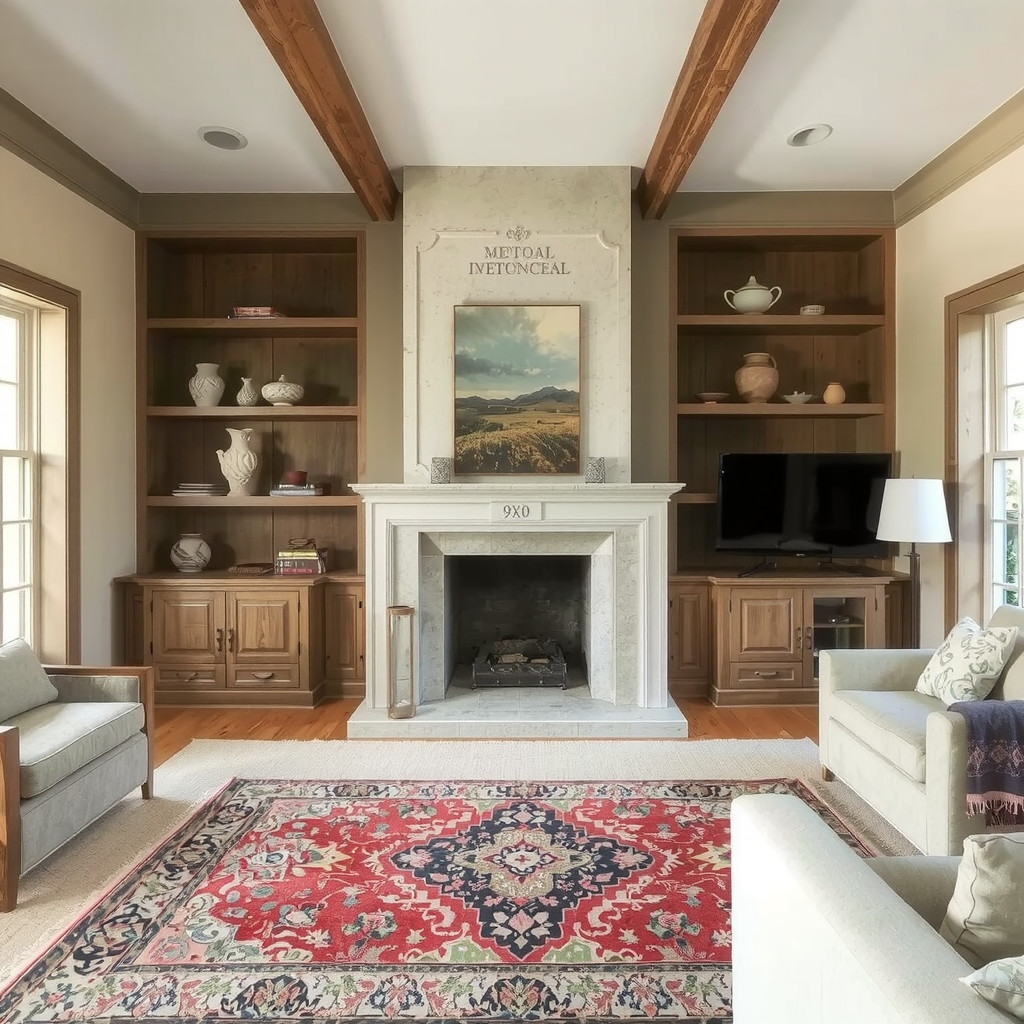
Every room needs an anchor, a place for the eye to rest. Without a clear focal point, vision scatters, creating a subconscious sense of unease. In a sanctuary-style space, your focal point should be commanding yet quiet.
Consider a floor-to-ceiling fireplace treated with lime wash or roman clay to create a suede-like finish. If structural changes aren’t possible, a large-scale piece of abstract art in earthy tones can serve the same purpose. The key is scale; one significant gesture is far more powerful than a collection of small, unrelated items. Let this focal point dictate the arrangement of the rest of the room, grounding the energy and providing a sense of stability.
Lighting
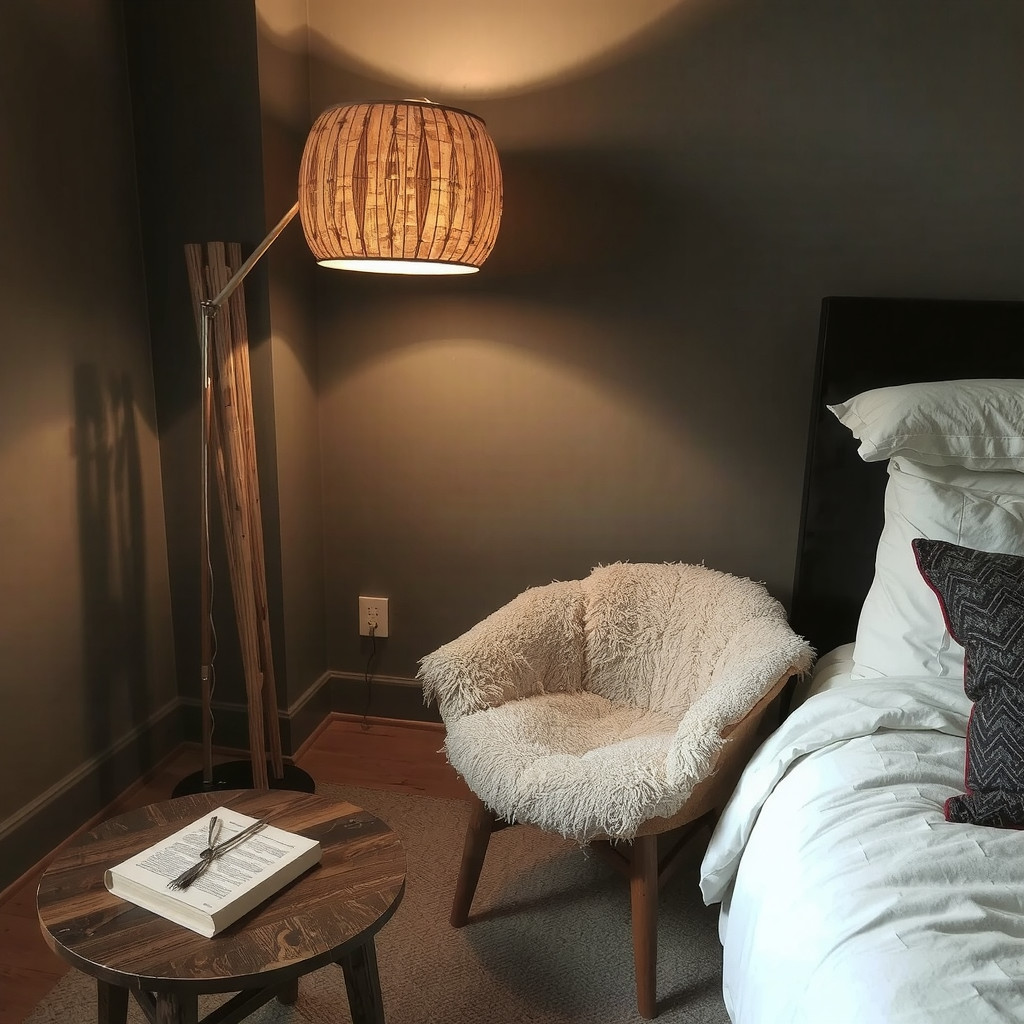
Lighting transforms architecture. To create a true sanctuary, you must banish harsh overhead glare in favor of layered, ambient illumination. Think of lighting not as a utility, but as a way to paint the room with shadows and glow.
Utilize floor lamps with paper or fabric shades to diffuse light into a soft, moon-like radiance. Sconces placed at eye level can wash walls with warmth, highlighting the texture of your paint or plaster. Ensure your bulbs are warm (2700K-3000K) to mimic the soothing quality of firelight. By controlling the intensity and direction of light, you can change the mood of your home from an energetic workspace to a restful cocoon instantly.
Greenery
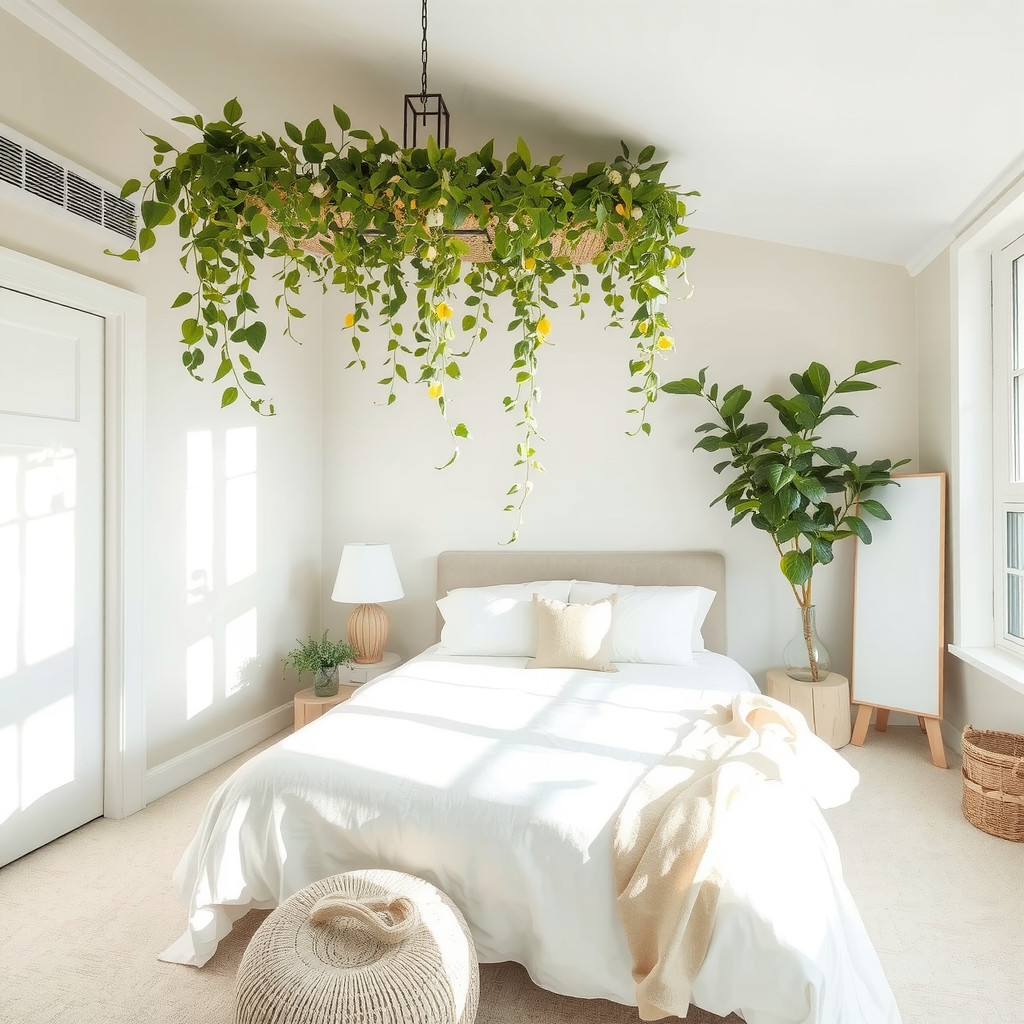
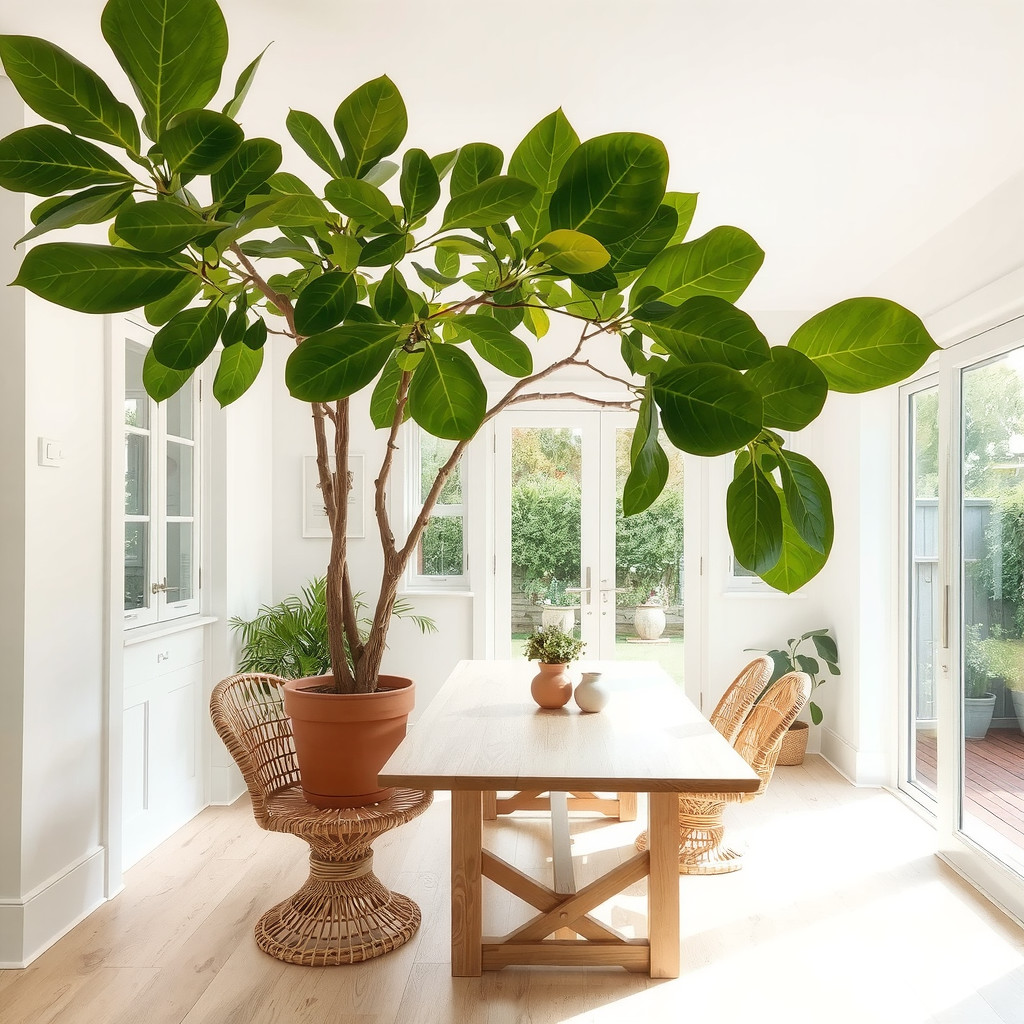
No organic design is complete without life. Plants are the most literal connection to nature, but their placement should be sculptural and intentional. Avoid a cluttered collection of small pots; instead, opt for a few magnificent specimens that command attention.
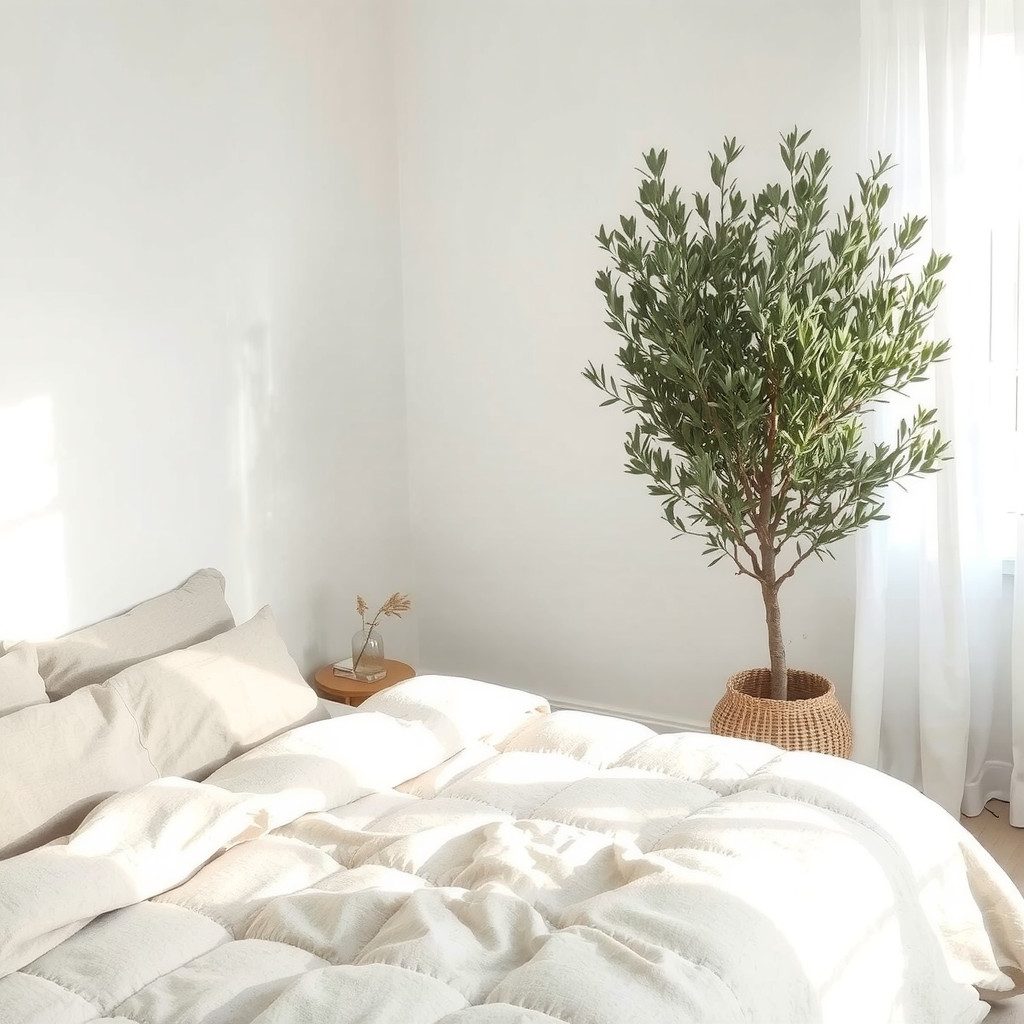
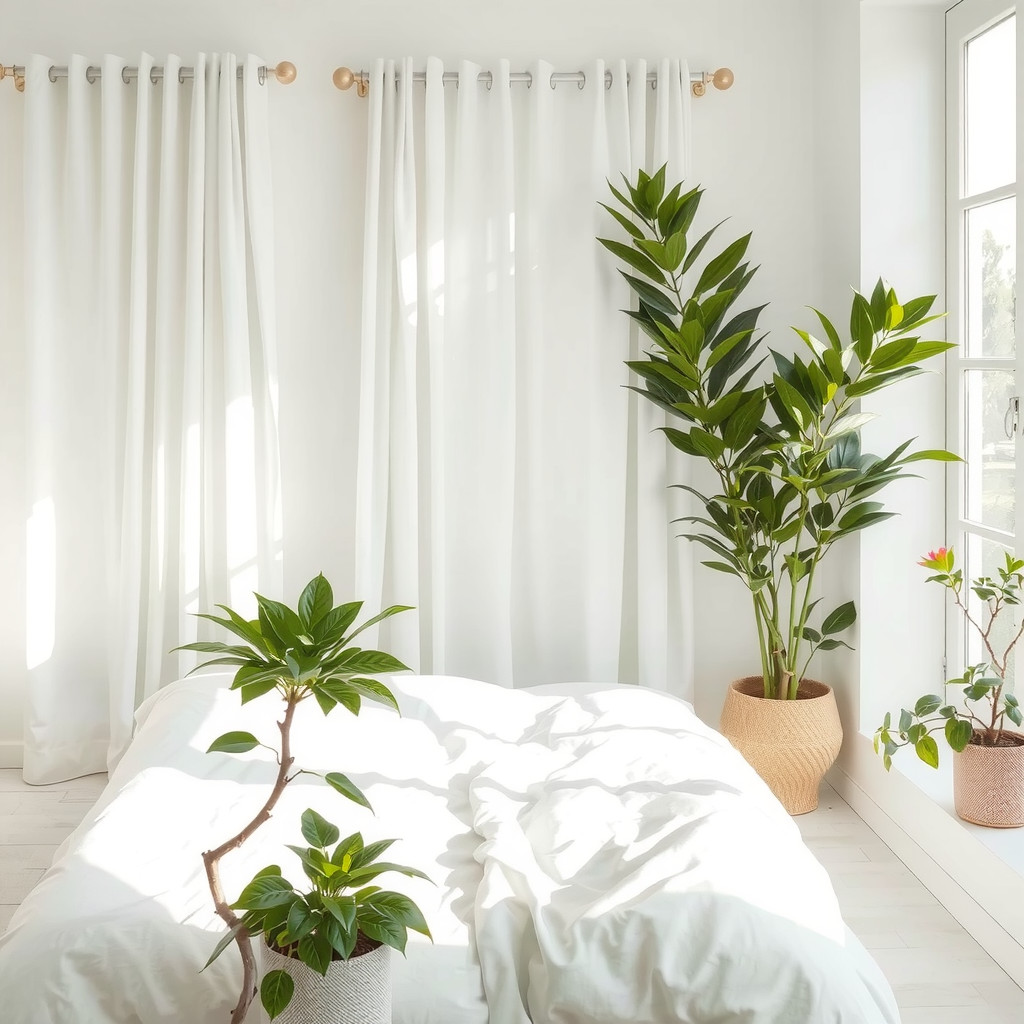
A tall olive tree or a sprawling fiddle leaf fig can act as living sculpture, softening corners and bridging the vertical gap between furniture and ceiling. Place greenery near windows to blur the boundary between indoors and outdoors. The vibrant green breathes energy into neutral palettes and improves air quality, ensuring your home feels as good as it looks.
Tips
- Embrace Imperfection: Choose handmade pottery or vintage items that show wear; wabi-sabi adds soul.
- Stick to Earth Tones: Use a palette of warm whites, taupes, browns, and muted greens to maintain visual continuity.
- Declutter Ruthlessly: Keep surfaces clear to allow the materials and textures to speak for themselves.
- Low Profiles: Select furniture with lower profiles to make ceilings feel higher and the room more grounded.
- Scent Scaping: Use diffusers with natural oils like sandalwood or cedar to engage the sense of smell.
ADVERTISEMENT