ADVERTISEMENT
Introduction
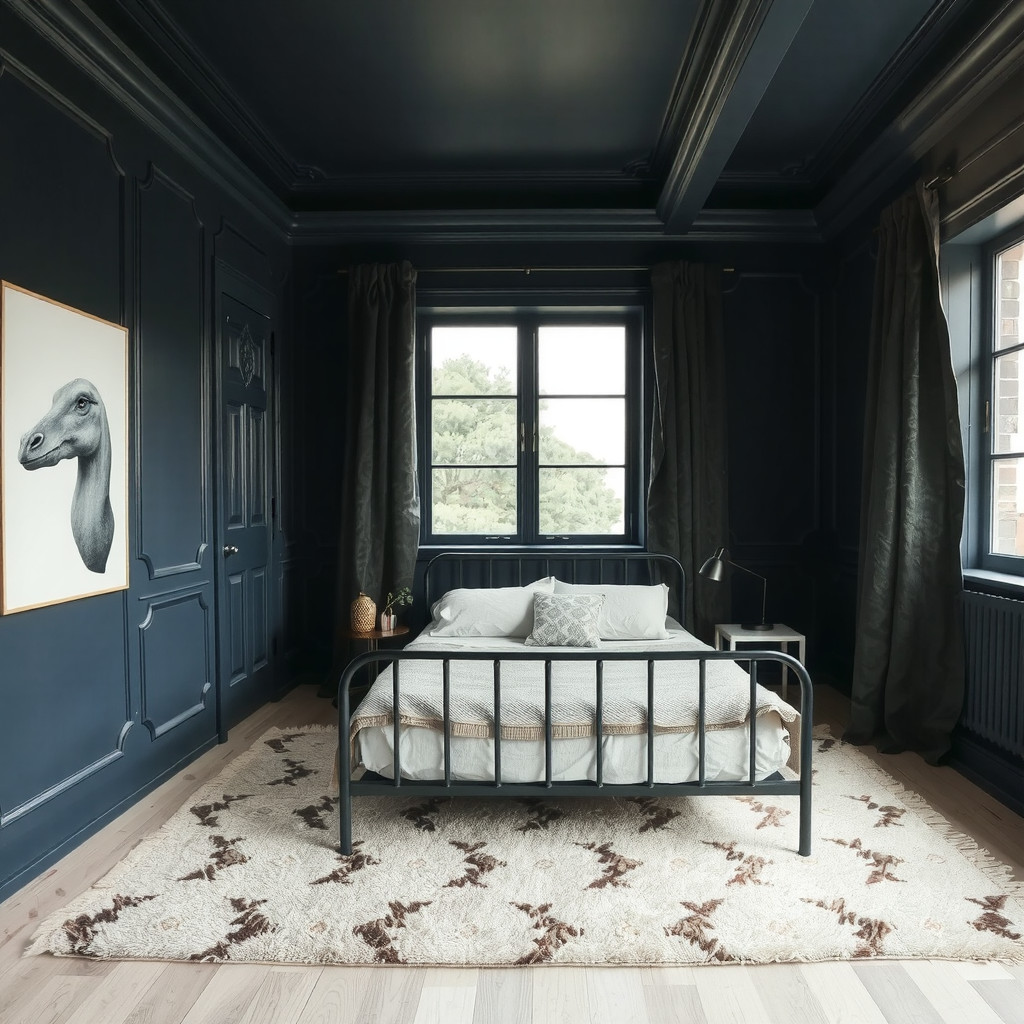
When you think of a sanctuary, do you imagine a bright, airy white box, or a warm, enveloping cocoon? While light colors have their place, there is a profound, primal comfort found in the shadows. Embracing moody colors in the bedroom isn’t about creating a gloomy atmosphere; it is about crafting a space that physically signals your body to rest. Deep hues like charcoal, navy, forest green, and plum absorb light rather than reflecting it, reducing visual noise and naturally encouraging the production of melatonin.
By stepping over to the dark side of the color wheel, you create a retreat that feels separate from the chaotic, bright world outside. It is a bold design choice that pays dividends in sleep quality and aesthetic depth.
Layout and Positioning
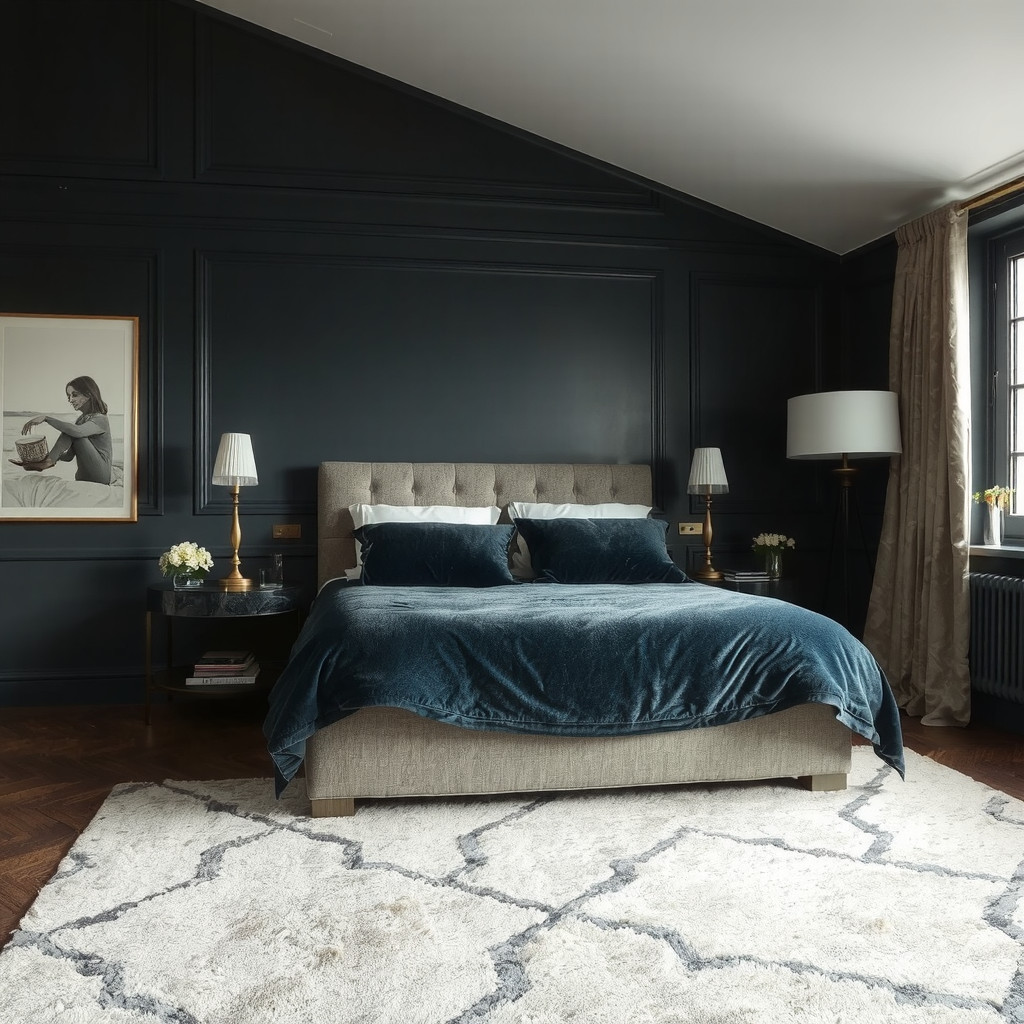
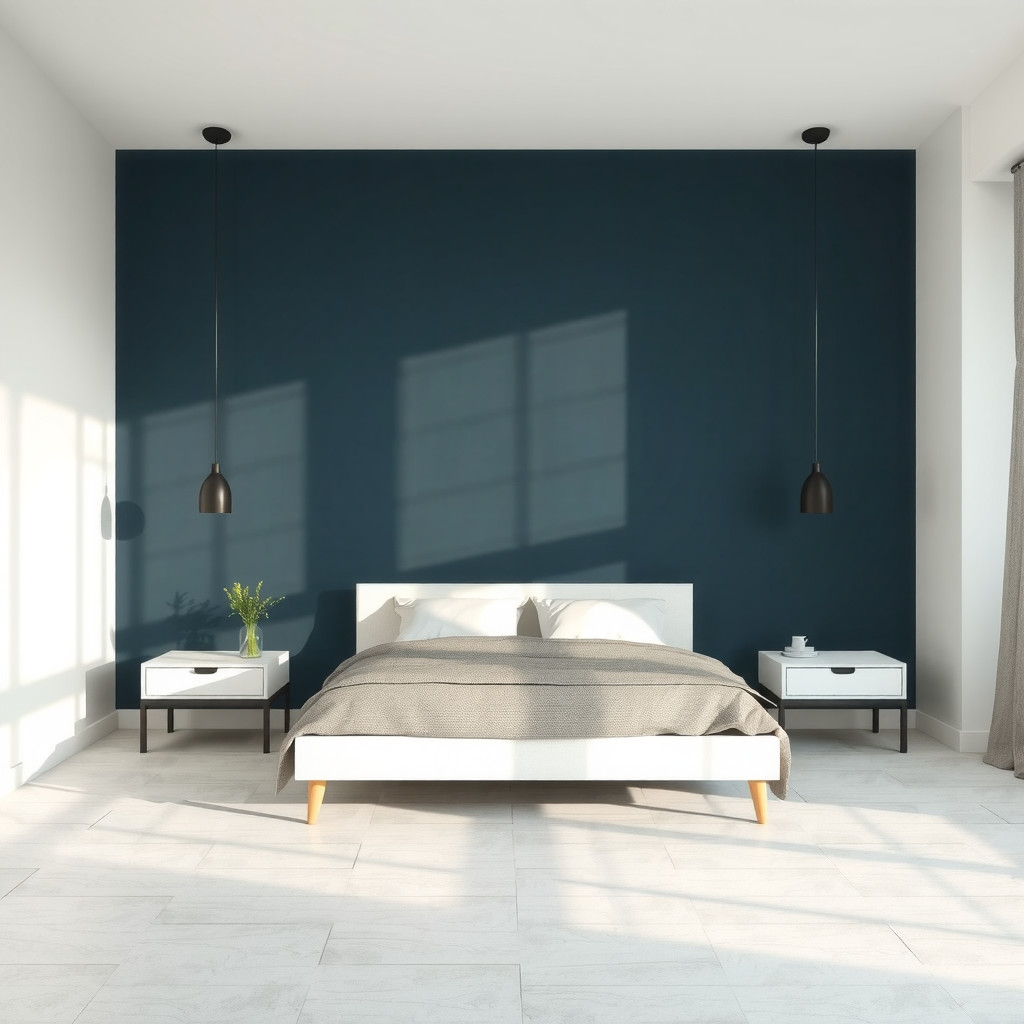
In a room dominated by dark walls, the layout must be intentional to prevent the space from feeling cave-like in the wrong way. Your bed acts as the anchor. Position it centrally against the main wall to establish a command position, grounding the room. Because dark colors recede visually, they can actually make a small room feel larger, blurring the boundaries of the corners.
Ensure you leave ample breathing room around furniture pieces. In a moody interior, clutter is the enemy. You want the shadows to feel velvety and empty, not crowded. Keep sightlines clear from the doorway to the window to maintain a sense of flow.
Materials and Textiles
When you strip away bright colors, texture becomes the most critical element of your design. A dark monochromatic palette requires tactile variety to avoid looking flat or one-dimensional. You want to invite touch. Think of materials that absorb sound and soften edges.
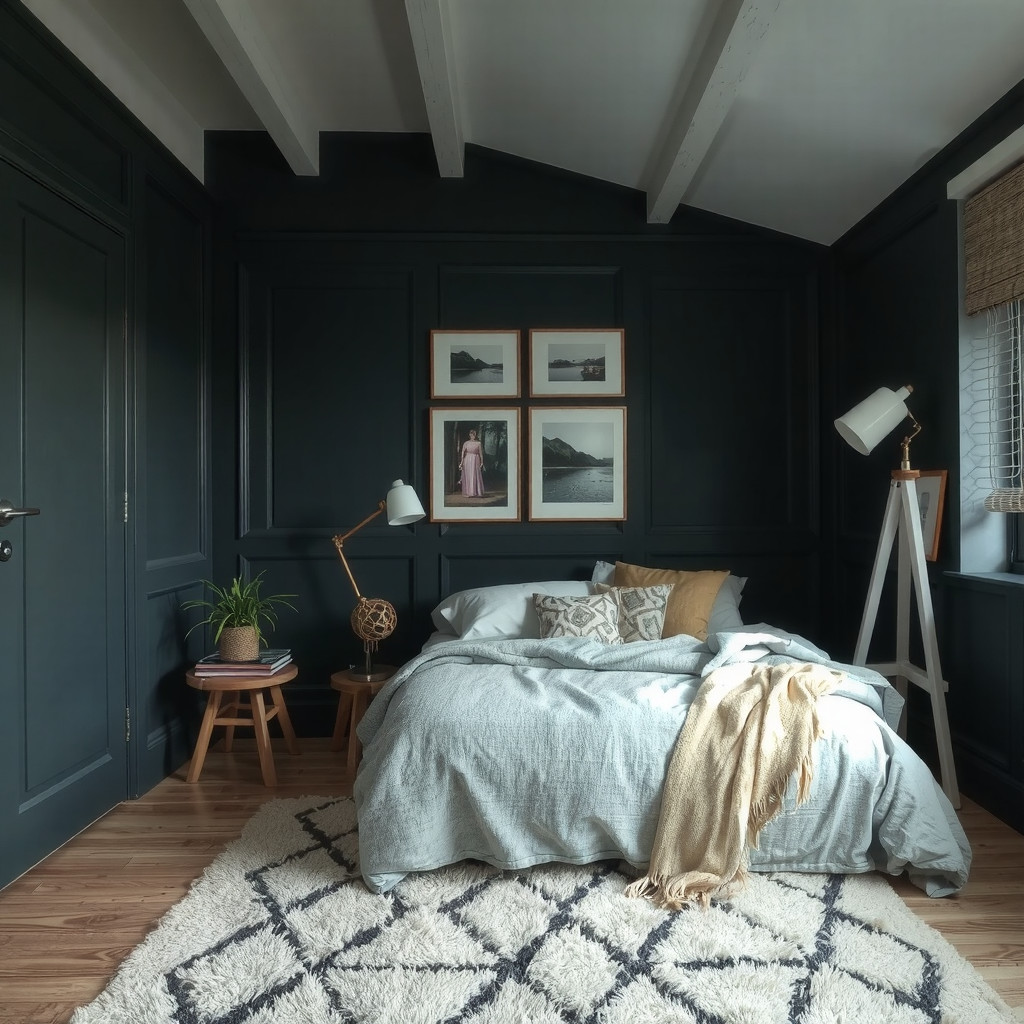
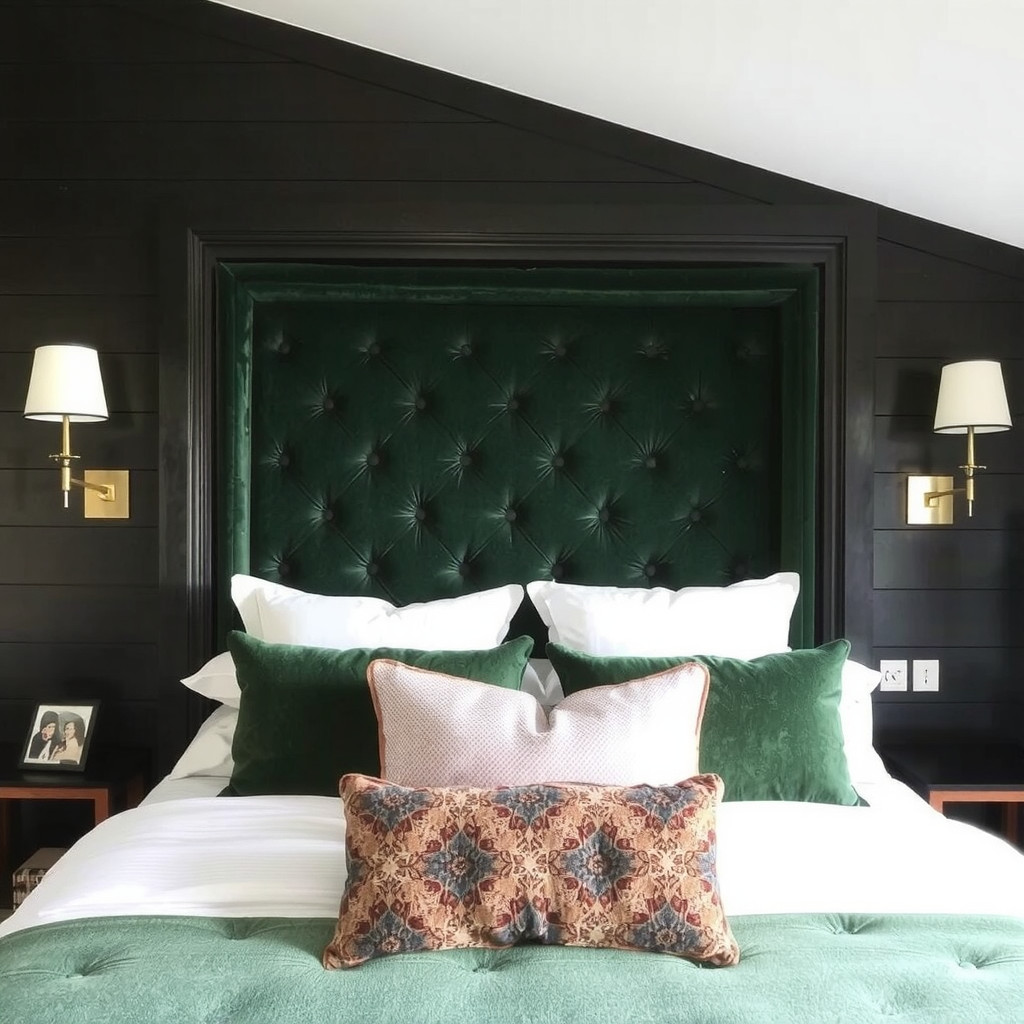
Layering is your best friend here. envision a matte black wall paired with a lustrous velvet headboard. Introduce washed linen bedding in slate or truffle shades, and throw a chunky wool blanket at the foot of the bed. The interplay between the smooth, the rough, and the soft adds visual interest without breaking the color narrative. Dark woods like walnut or mahogany add warmth, while leather accents can introduce a masculine, sophisticated edge.

Focal Points
In a moody bedroom, your focal point should shine like a jewel in a jewelry box. Since the background is understated, your statement pieces can afford to be dramatic. The headboard is often the natural choice. A tall, tufted design in a jewel tone—think emerald or sapphire—creates a stunning contrast against a dark gray or black background.
Alternatively, use art to break up the darkness. Large frames in gold, brass, or light oak act as windows, drawing the eye and reflecting small amounts of light. A gallery wall on a dark backdrop has a museum-quality drama that white walls simply cannot replicate.
Lighting
Lighting is the make-or-break factor in a dark bedroom. You must banish the “big light” overhead; it will flatten your carefully chosen colors and create harsh, unflattering shadows. Instead, rely on low, layered lighting to enhance the moody vibe.
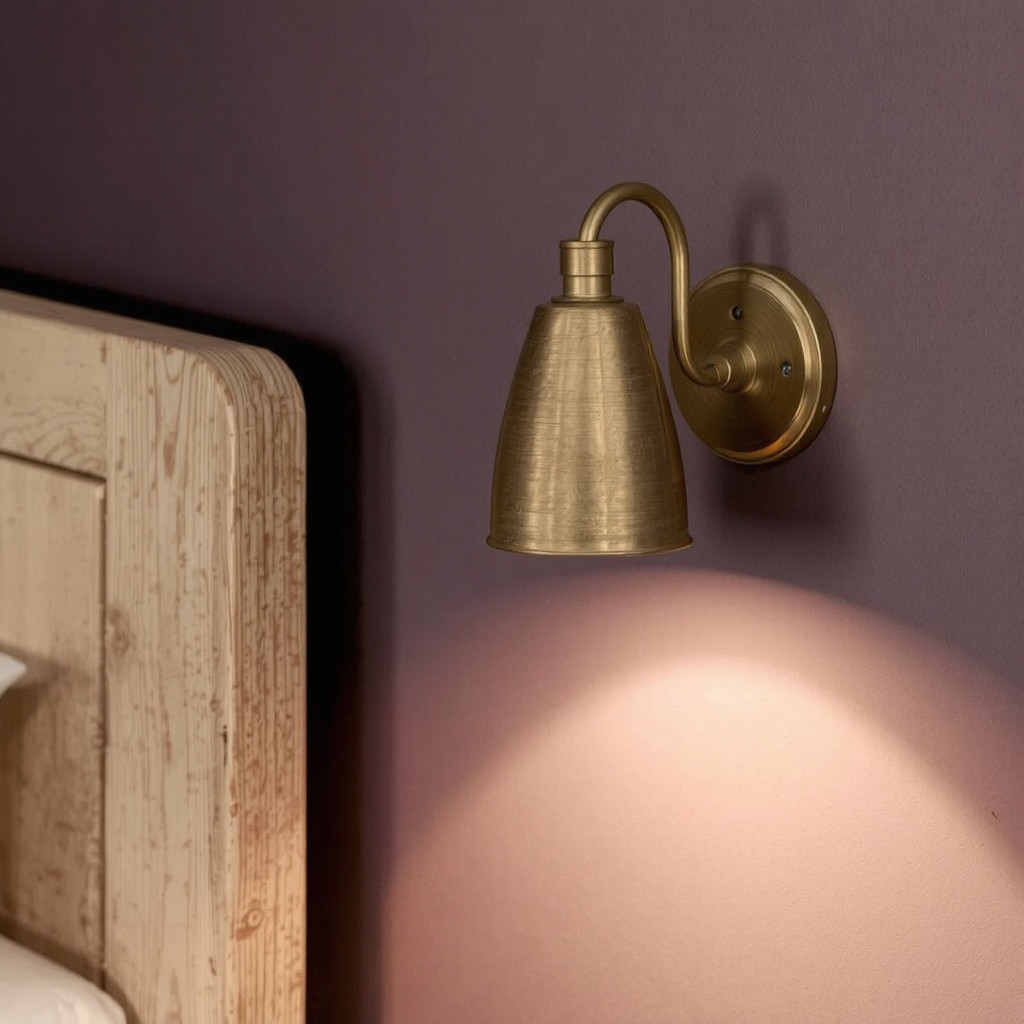
Warmth is non-negotiable. Bulb temperatures should be around 2700K to emit a golden glow that complements deep wall colors. Use sconces with brass interiors to cast a warm pool of light downwards, or table lamps with dark shades that direct light up and down rather than diffusing it outward. This creates pockets of intimacy and mystery, highlighting your textures while leaving the corners in soft shadow.
Greenery
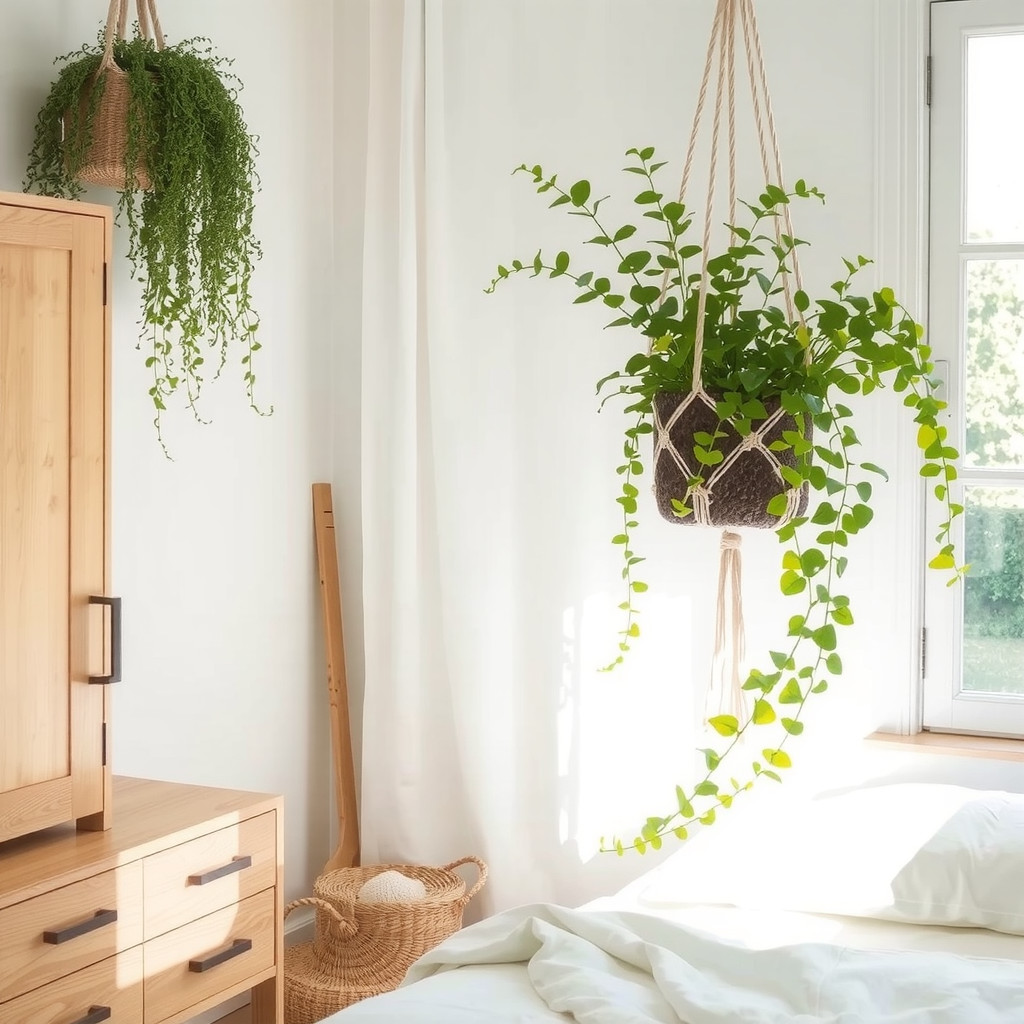
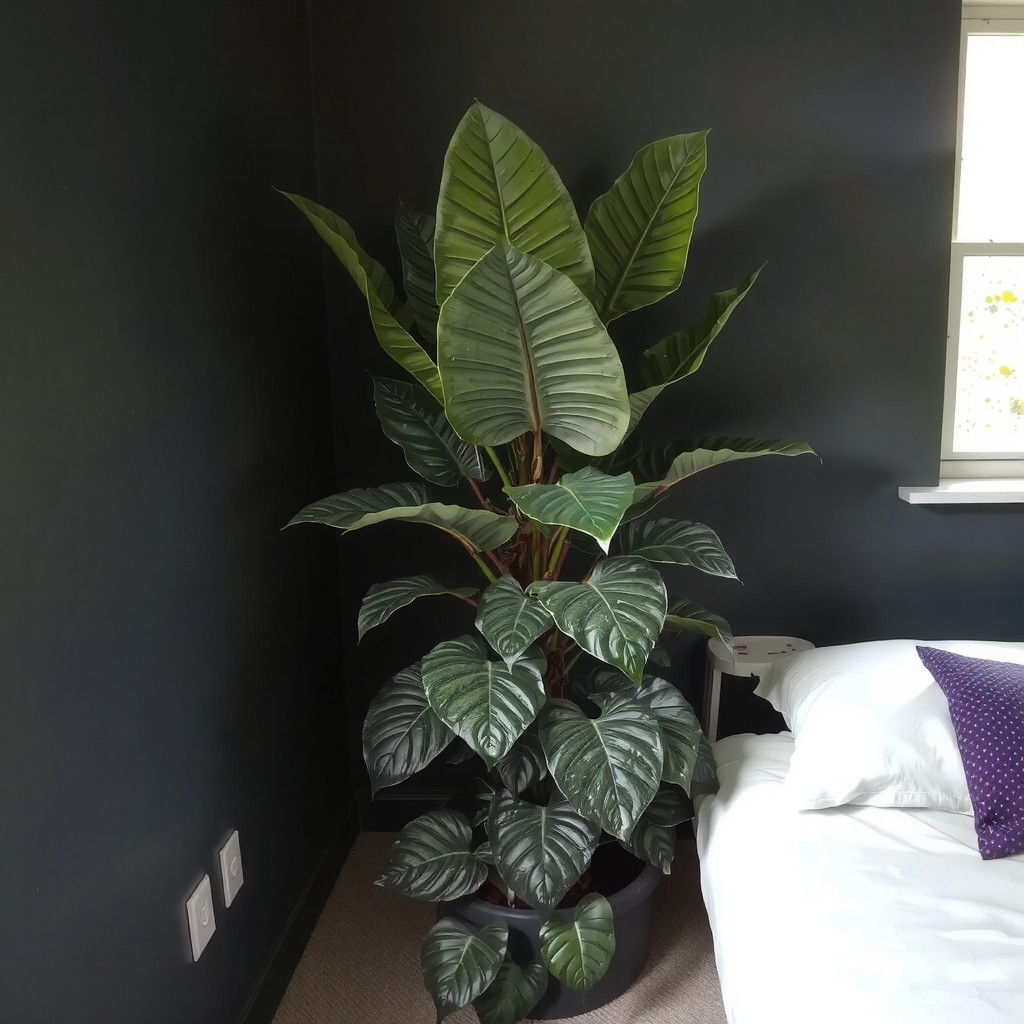
Nature pairs beautifully with darkness. Plants bring life and oxygen into the space, preventing the moody aesthetic from feeling sterile. The key is contrast. Deep, waxy greens of a Rubber Plant or a Fiddle Leaf Fig look incredible against charcoal or black walls, but lighter foliage like a Pothos or a Snake Plant with yellow variegation pops even more.
Place a large statement plant in a corner to soften the architectural lines, or use a trailing plant on a high shelf to draw the eye upward. The organic shapes of leaves break up the solidity of dark paint, adding movement and vitality to your sleep sanctuary.
Tips
- Sample First: Dark colors change drastically with light. Paint large swatches and observe them at night with your lamps on before committing.
- Matte Finish: Always choose a matte or flat finish for dark walls. Glossy sheens reflect too much light and highlight wall imperfections.
- Metallic Accents: Brass, copper, and gold hardware act as “jewelry” for the room, warming up cool dark tones.
- Ceiling Consideration: Don’t fear painting the ceiling the same color as the walls. It creates a seamless, infinite feeling that is perfect for sleep.
ADVERTISEMENT