ADVERTISEMENT
Introduction
Sleep is essential for our well-being, and our bedrooms should be sanctuaries that promote relaxation and rejuvenation. One often overlooked aspect of bedroom design is the incorporation of plants. Certain easy-to-grow plants can not only purify the air and improve the aesthetic of your bedroom but also help you sleep better. In this article, we will explore some of the best plants for bedrooms and provide tips on how to care for them.
Layout and Positioning
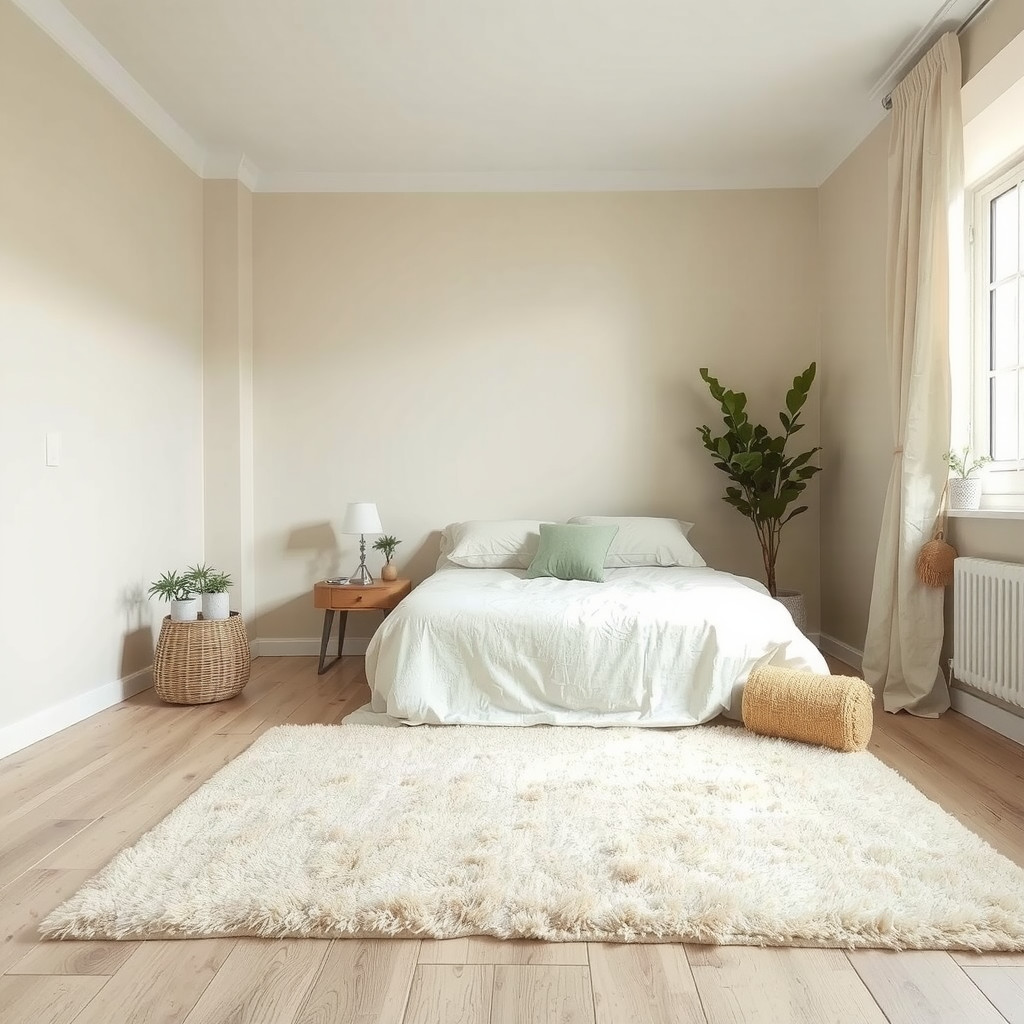
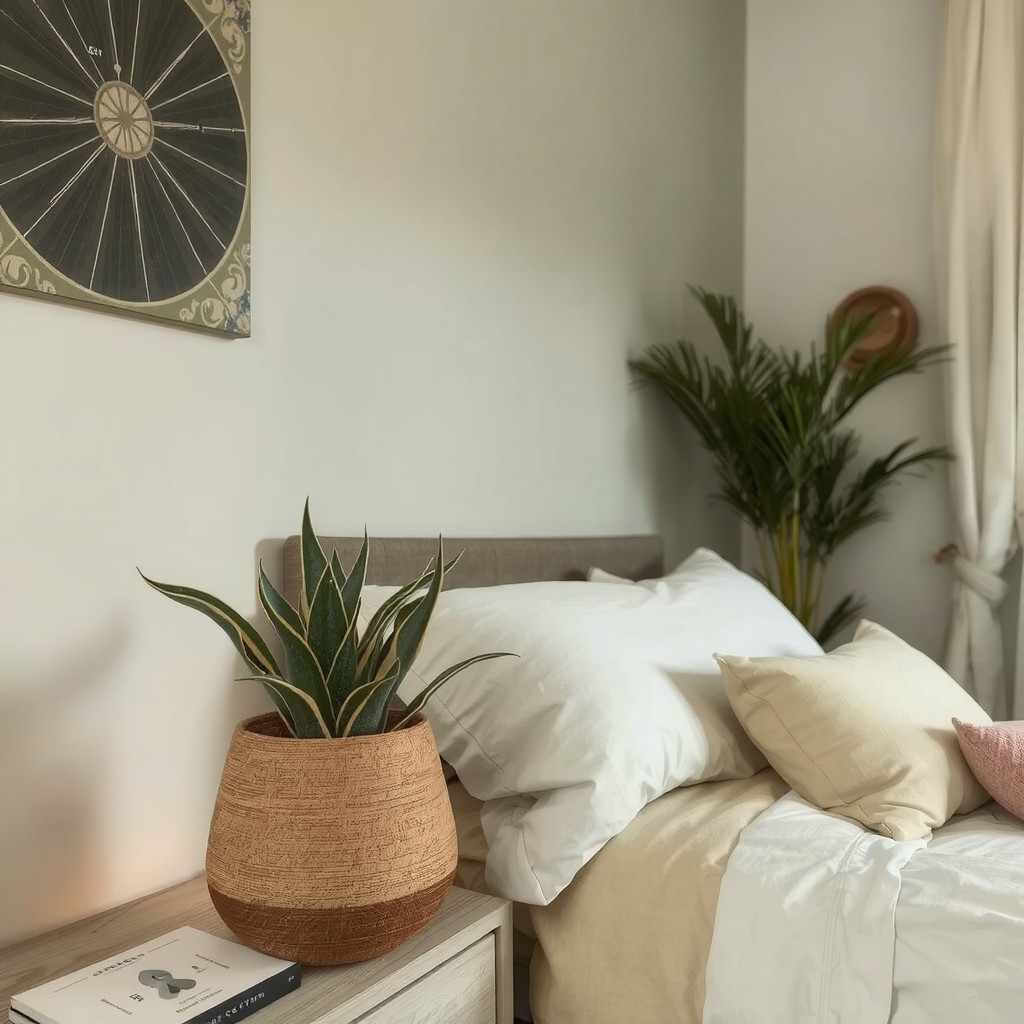
When it comes to placing plants in your bedroom, consider the layout and how it affects the overall ambiance. Placing a small potted plant on your bedside table or a larger one in a corner can create a sense of balance and harmony. Remember, the key is to not overdo it - too many plants can make the space feel cluttered.
Materials and Textiles
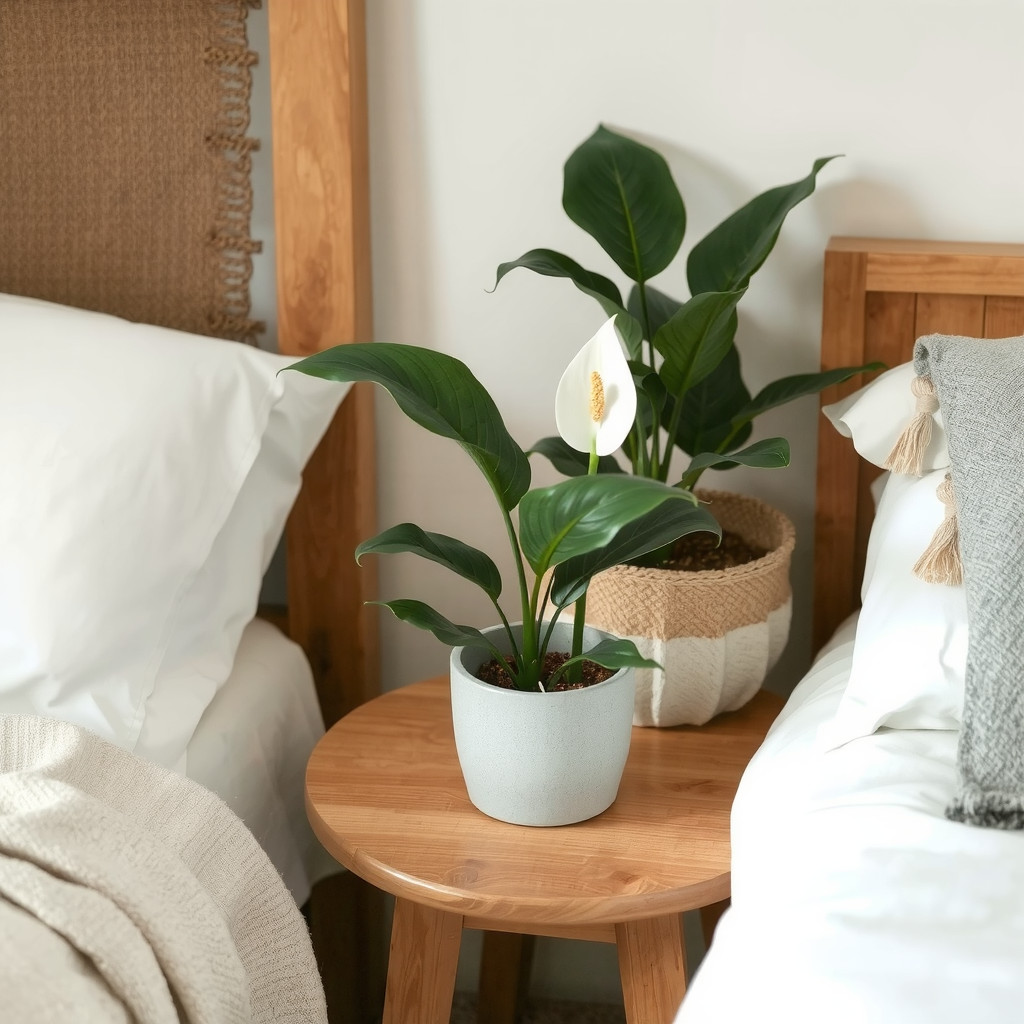
The materials and textiles you choose for your bedroom can greatly impact the sleep-conducive environment you’re trying to create. Natural materials like wood and cotton, paired with plants that have soft, leafy textures, can create a soothing atmosphere. Consider the color palette as well; muted tones can promote relaxation.
Focal Points
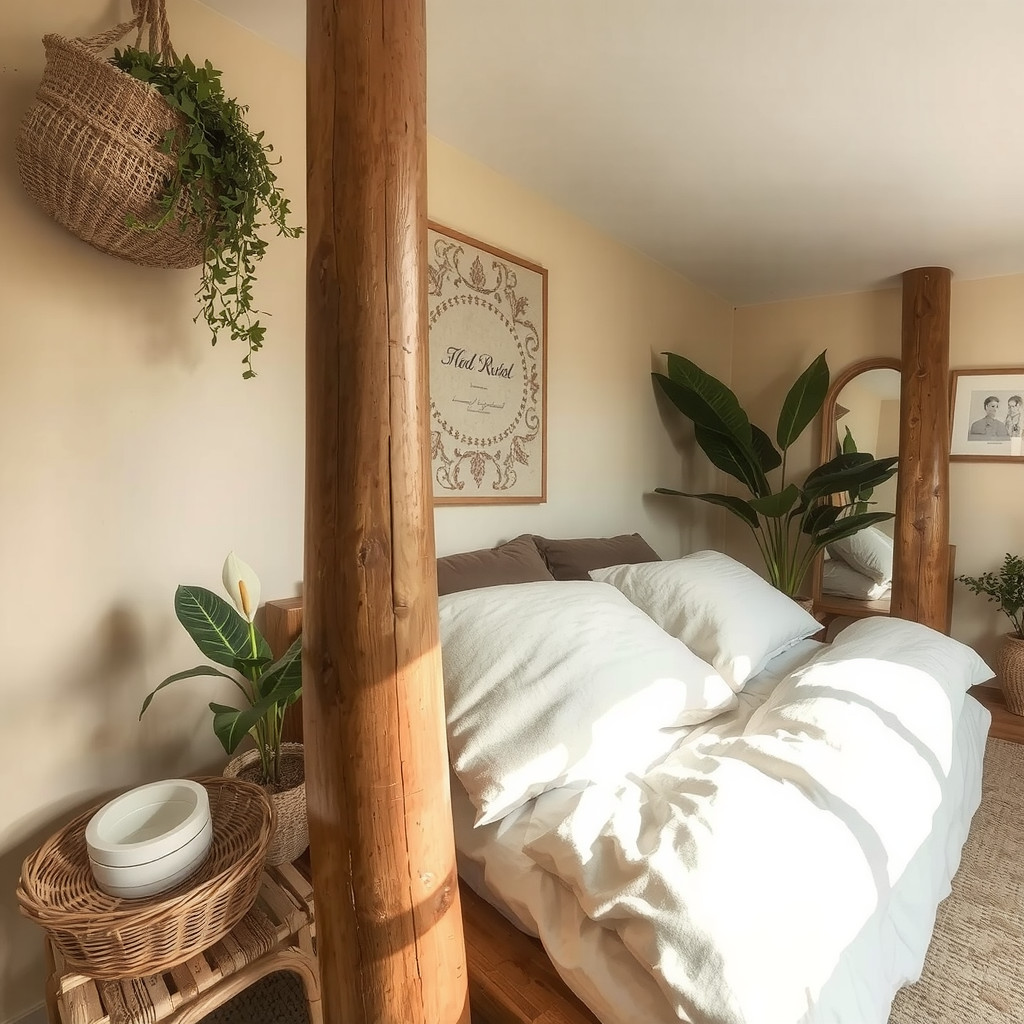
Creating a focal point in your bedroom can help draw your attention away from the stresses of the day and towards relaxation. A beautifully potted plant or a vase with fresh flowers can serve as a calming focal point. Choose plants with varying textures and colors to add depth and interest.
Lighting
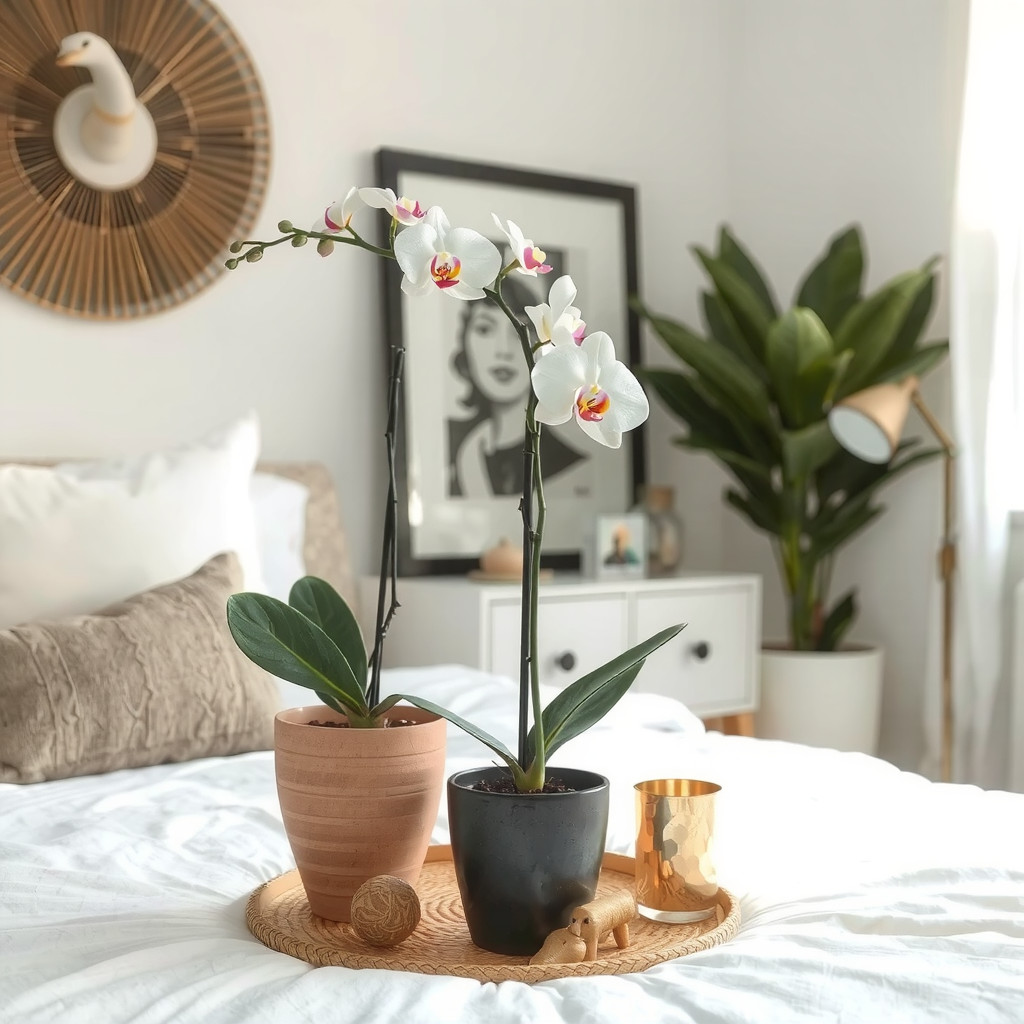
Lighting in the bedroom is crucial for setting the mood. Soft, warm lighting can make the space feel cozy and inviting, while harsh lights can interfere with sleep. Consider using table lamps or string lights, and pair them with plants that thrive in low-light conditions.
Greenery
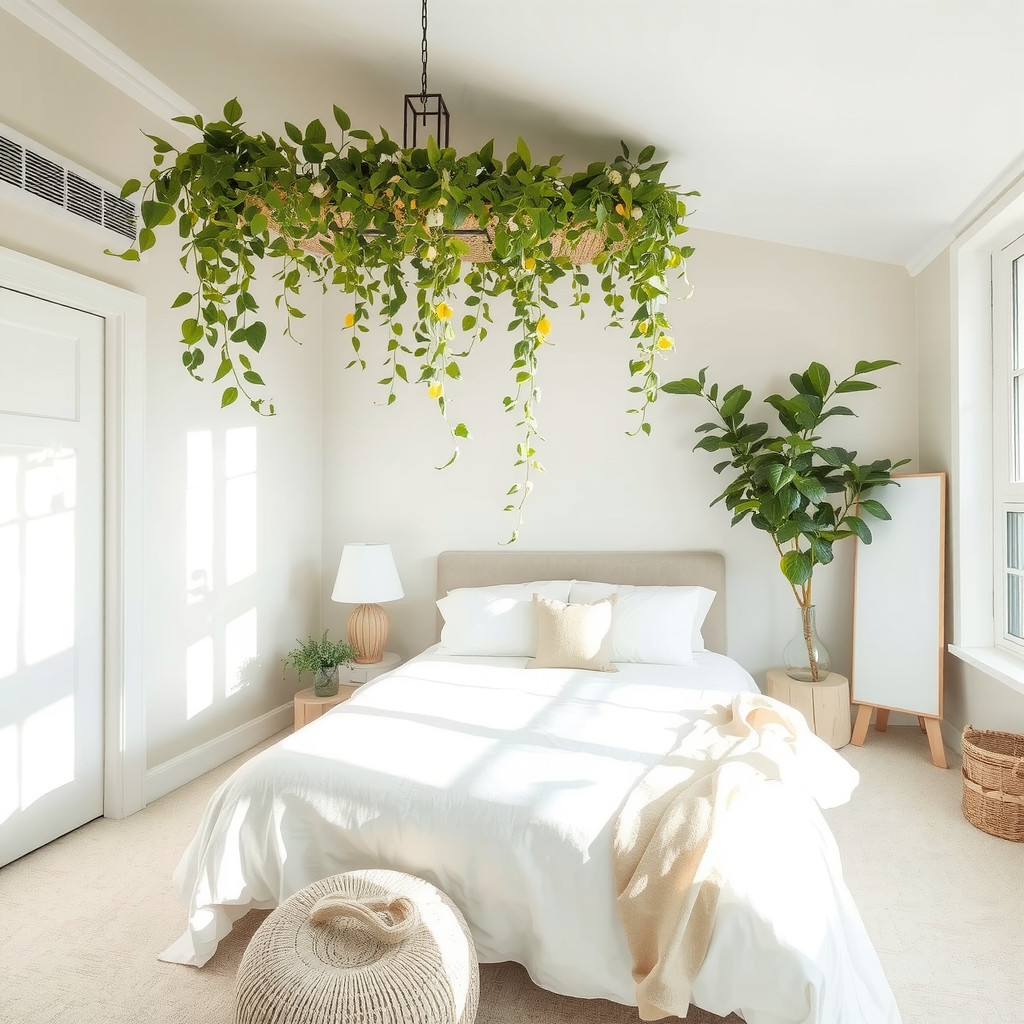
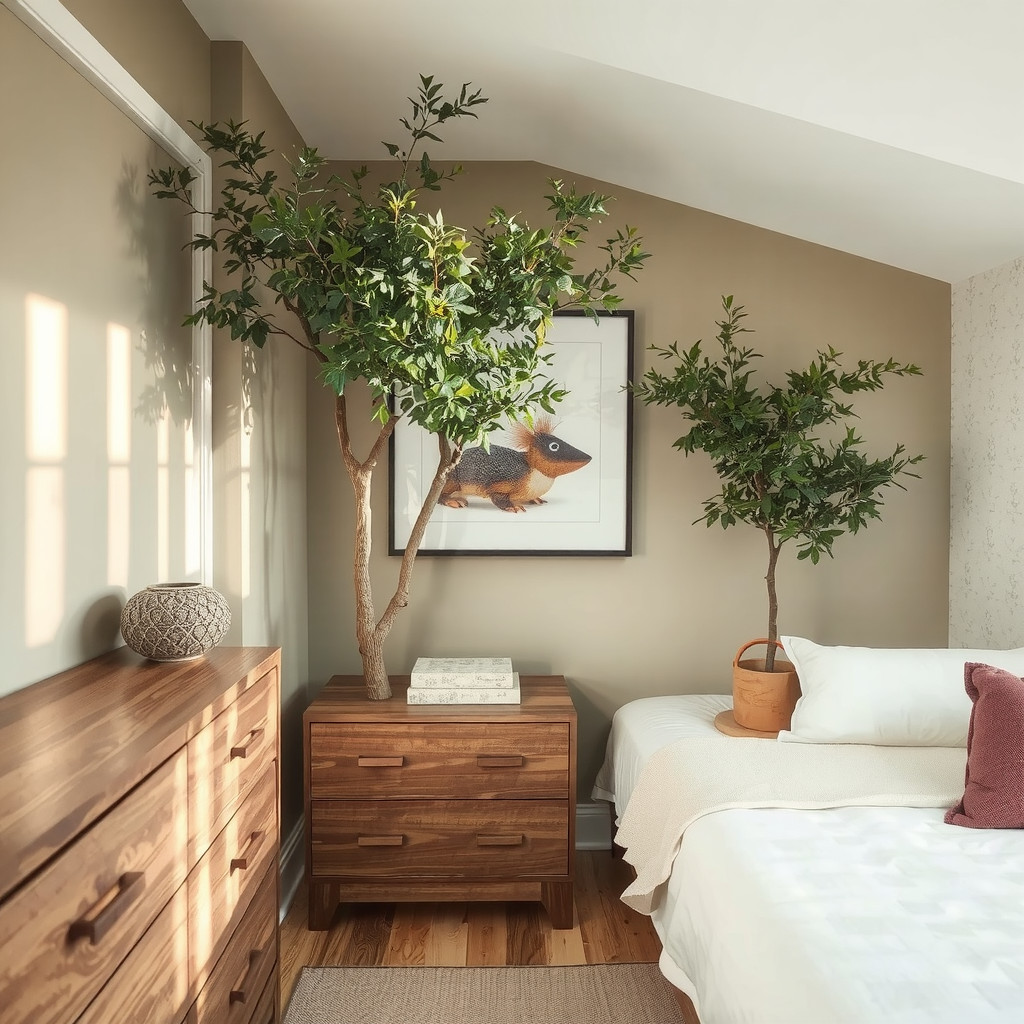
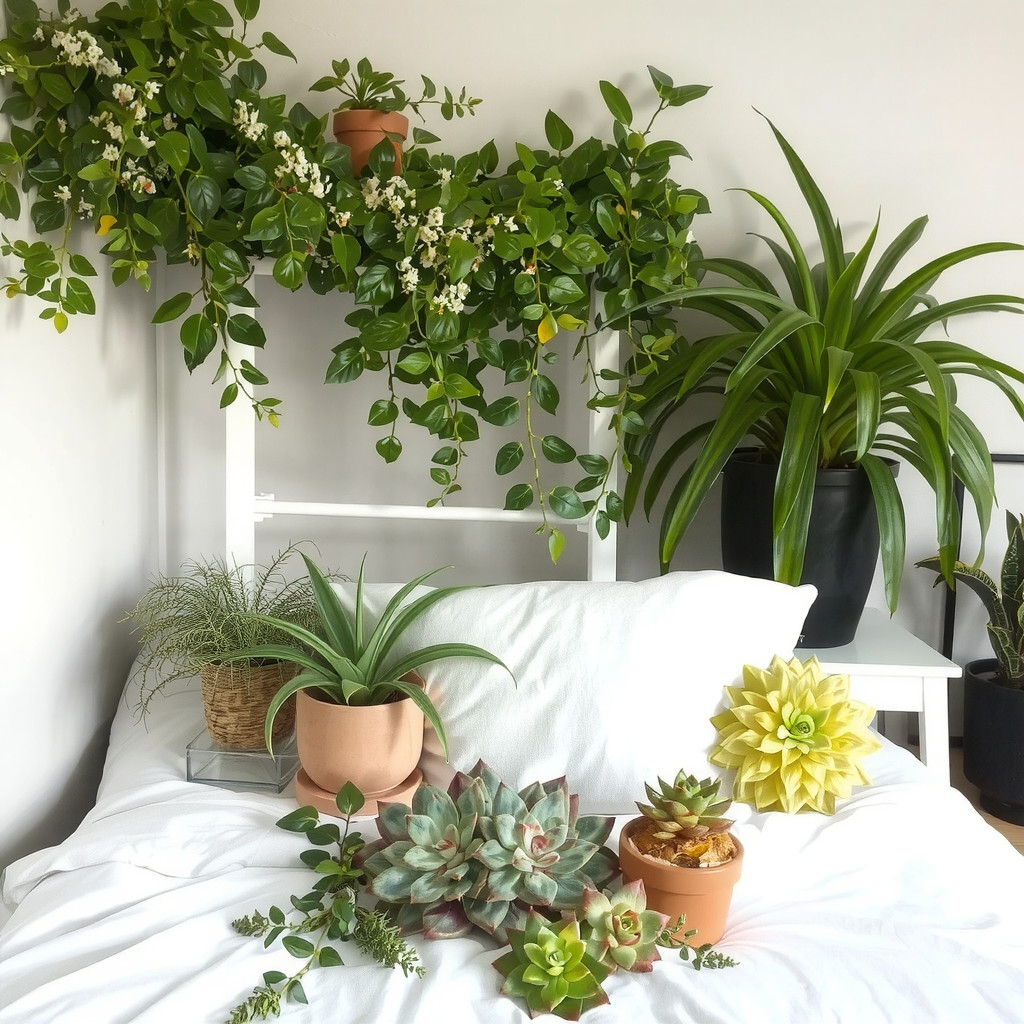
Incorporating a variety of greenery into your bedroom can have a profound impact on the ambiance. From trailing vines to compact succulents, there’s a plant to suit every style and space. Don’t forget to choose plants that are known to purify the air and promote better sleep.
Tips
- Choose low-maintenance plants that fit your lifestyle.
- Water plants sparingly to avoid mold and moisture buildup.
- Consider the air-purifying qualities of plants when selecting species.
- Keep plants away from direct heating vents to prevent dryness.
- Rotate plants regularly to ensure even growth and prevent leaning.
ADVERTISEMENT