ADVERTISEMENT
Introduction
There is a distinct magic in holding an object that has lived a life before it reached your hands. Styling your space with thrifted home decor is not merely about saving money; it is an act of curation, a rebellion against the flat, uniform look of fast furniture. When you walk into a room filled with vintage finds, you are stepping into a story where every scratch on a wooden table and every bubble in a glass vase holds a narrative. By blending eras and styles, you create a home that feels deeply personal and impossibly layered, reflecting a soul rather than a catalogue page.
Layout and Positioning
Integrating second-hand treasures requires a keen eye for balance to avoid the appearance of a cluttered antique shop. The secret lies in intentional grouping. Rather than scattering small trinkets across every surface, cluster them to create impactful vignettes. Use the “rule of three” to arrange items of varying heights and shapes, such as a tall vase, a medium-sized sculpture, and a low stack of books.
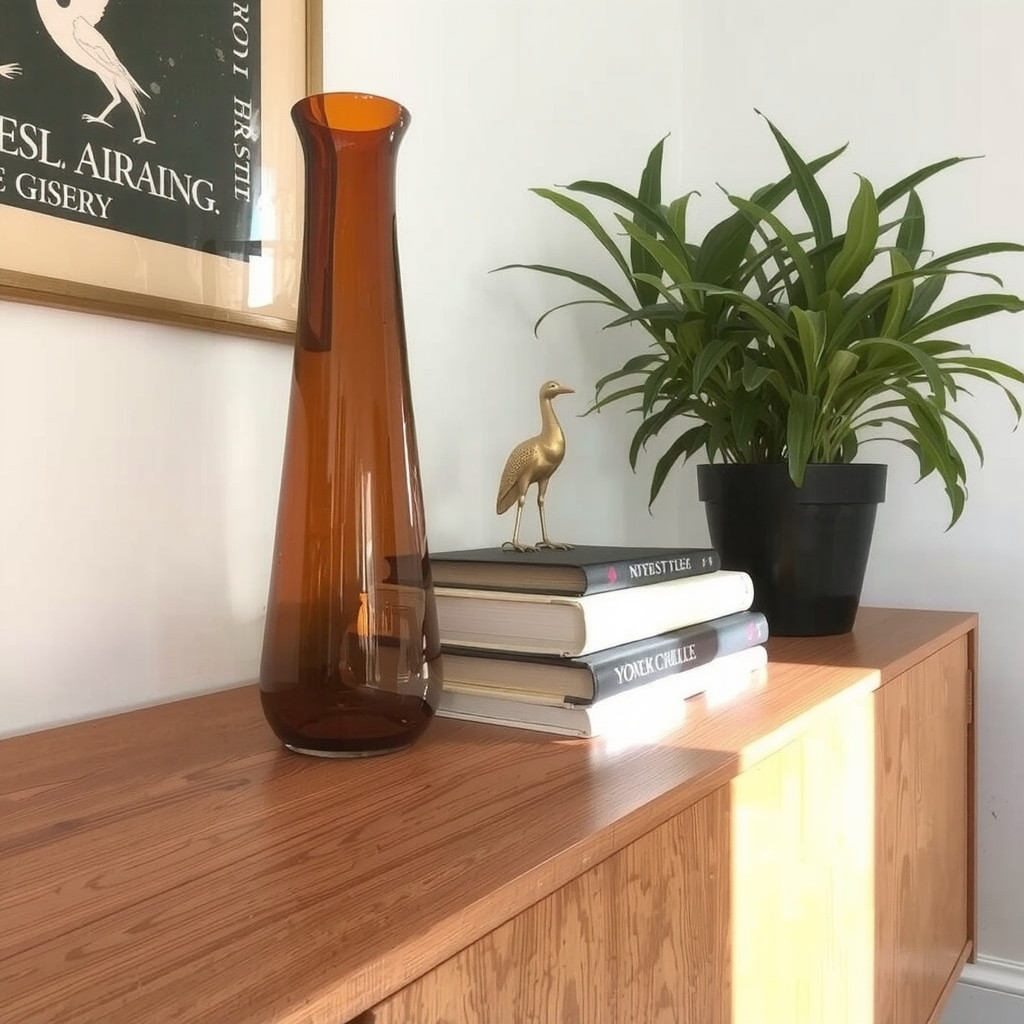
Allow for negative space. When you place a heavy, ornate vintage piece in a room, give it breathing room. If you have found a dense, dark wood sideboard, pair it with a modern, minimal lamp or a piece of abstract art to keep the energy light. Positioning is about dialogue; let your thrifted finds speak to your modern pieces without shouting over them.
Materials and Textiles
The true allure of thrifted decor lies in the quality of materials often found in older production. Look for solid woods, real brass, and natural fibers that have developed a patina over time—a warmth that new items simply cannot replicate. Mixing textures is essential for a cozy, lived-in aesthetic.
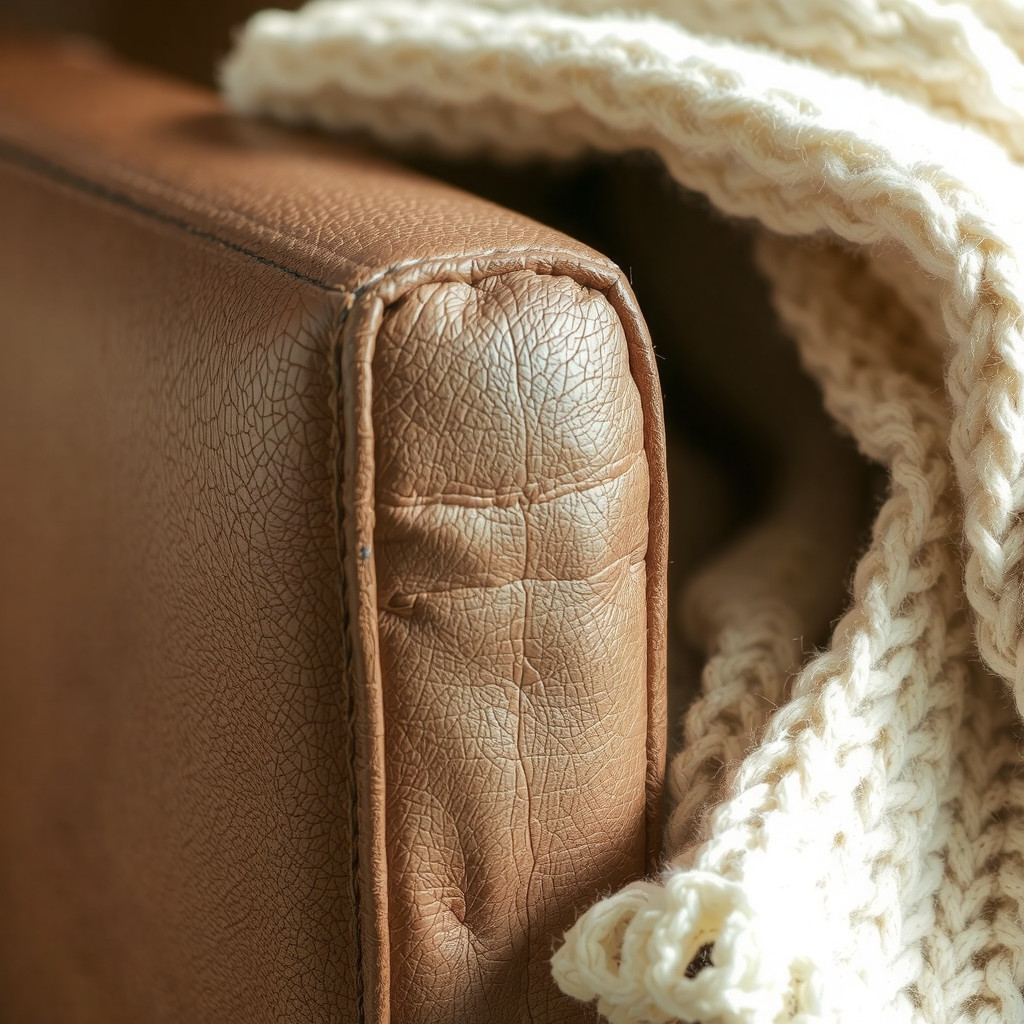
Contrast is your best friend here. Drape a chunky, hand-knit wool throw over the back of a worn leather armchair. Place a sleek, cool marble coaster on a rough-hewn rustic table. These tactile differences invite touch and add depth to your room, making the space feel grounded and established.
Focal Points
Every room needs an anchor, and a unique thrifted item serves this purpose beautifully. This could be an oversized gilded mirror leaning against a wall, a Persian rug with faded reds and blues, or an accent chair with a silhouette you just don’t see anymore.
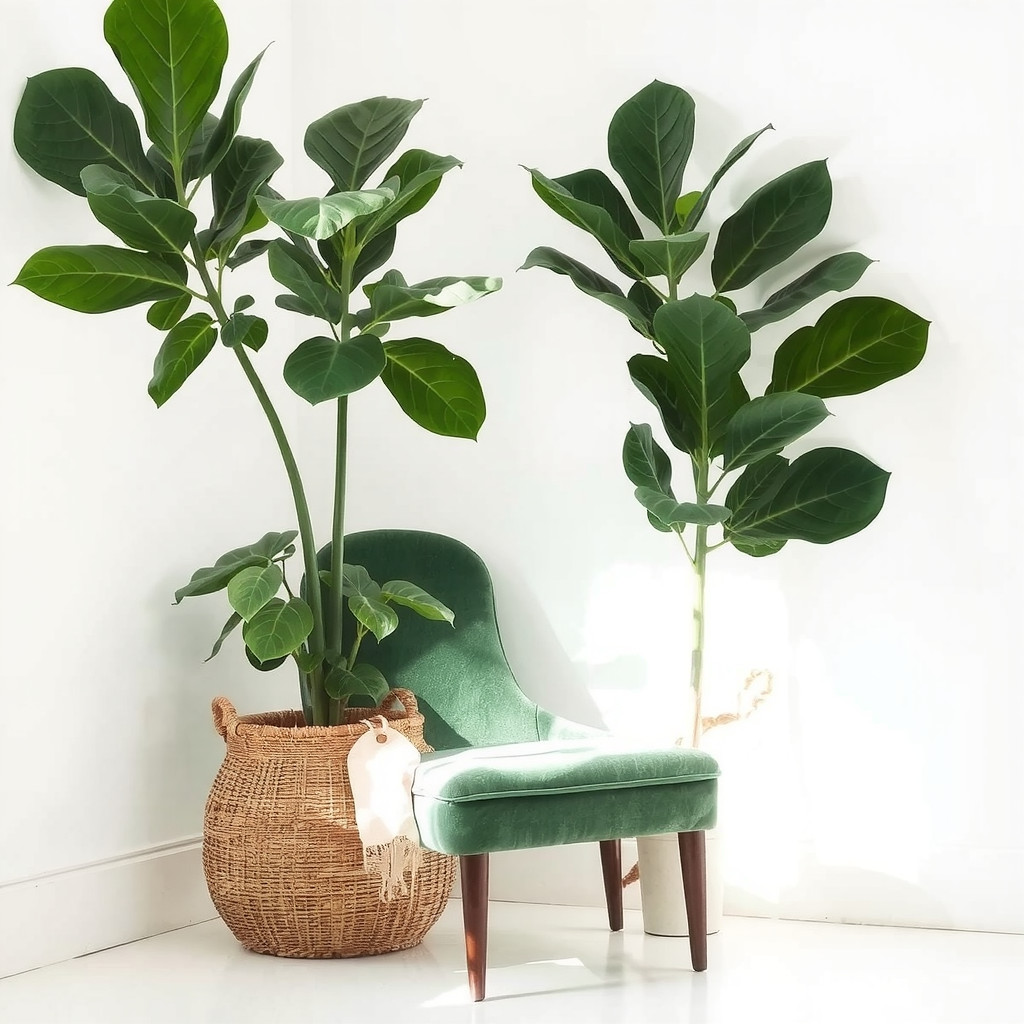
When you identify this focal point, build the room around it. If you have scored a stunning velvet sofa, keep the surrounding decor relatively neutral to let the piece shine. A single bold vintage element can elevate the entire room, acting as the conversation starter that draws the eye the moment you enter.
Lighting
Lighting is the jewelry of the home, and vintage lighting offers character that modern fixtures often lack. From mid-century ceramic bases to delicate crystal chandeliers, the options are endless. However, the glow is just as important as the fixture.
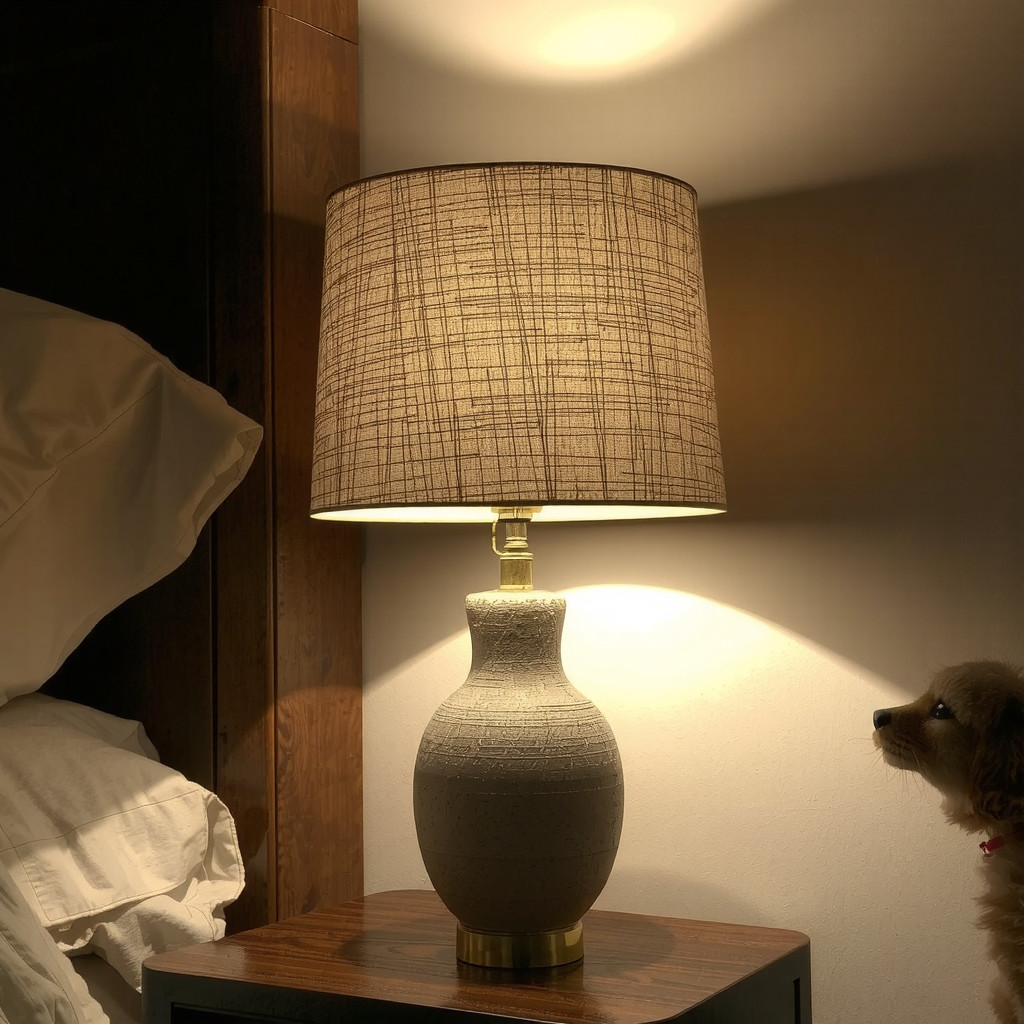
Ensure you swap out old, harsh bulbs for warm-toned LEDs to maintain a cozy atmosphere. Don’t be afraid to rewire a stunning base found at a flea market; a simple cord kit can breathe new life into a 1970s pottery lamp, casting a warm, inviting pool of light that softens the edges of your room.
Greenery
Plants breathe life into the history of vintage decor. The vessel you choose for your greenery is an opportunity to be creative. Bypass standard terracotta pots and look for unusual thrifted containers.
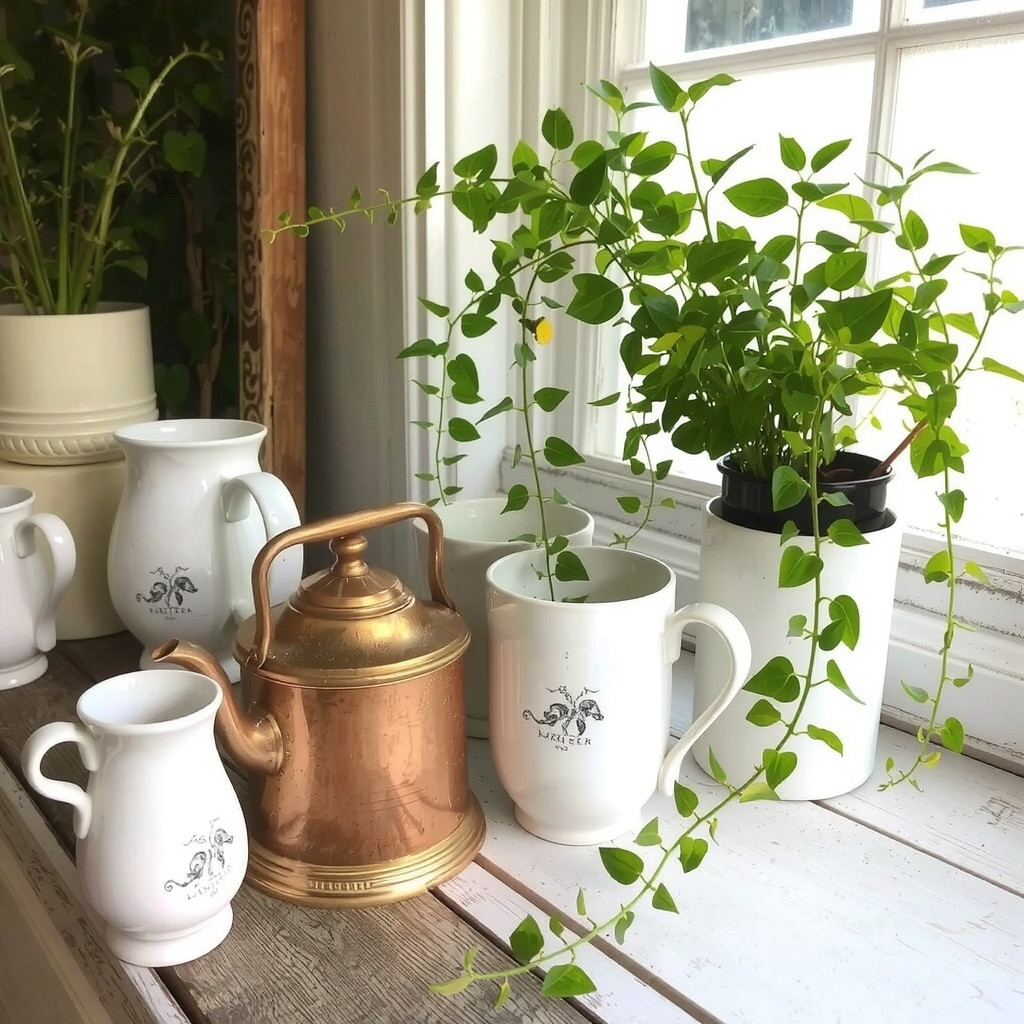
A silver teapot, a brass ice bucket, or a collection of mismatched ceramic mugs can all be repurposed as planters. This juxtaposition of fresh, vibrant green leaves against aged metal or ceramic adds an organic, dynamic layer to your shelves and windowsills, bridging the gap between the past and the present.
Tips
- Inspect Thoroughly: Always check for structural damage, woodworm, or deep cracks that cannot be easily fixed.
- Test Electronics: If buying lamps or clocks, ask to test them in-store or be prepared to do some rewiring.
- Clean Immediately: textiles should be washed or dry-cleaned, and hard surfaces wiped down with appropriate cleaners to remove dust and grime.
- Visualize Potential: Look past an ugly color; a coat of paint or a bit of wood polish can completely transform a piece.
- Visit Often: Inventory changes daily, so frequent short visits are more fruitful than occasional long ones.
ADVERTISEMENT