ADVERTISEMENT
The Art of Affordable Minimalism: Styling Your Sanctuary
Creating a home that feels curated and luxurious does not require a heavy wallet; it simply requires a shift in perspective. True style is often less about what you buy and more about how you arrange what you already own. By focusing on intentionality, flow, and texture, you can transform a chaotic or plain room into a serene retreat without spending a fortune.
Layout and Positioning
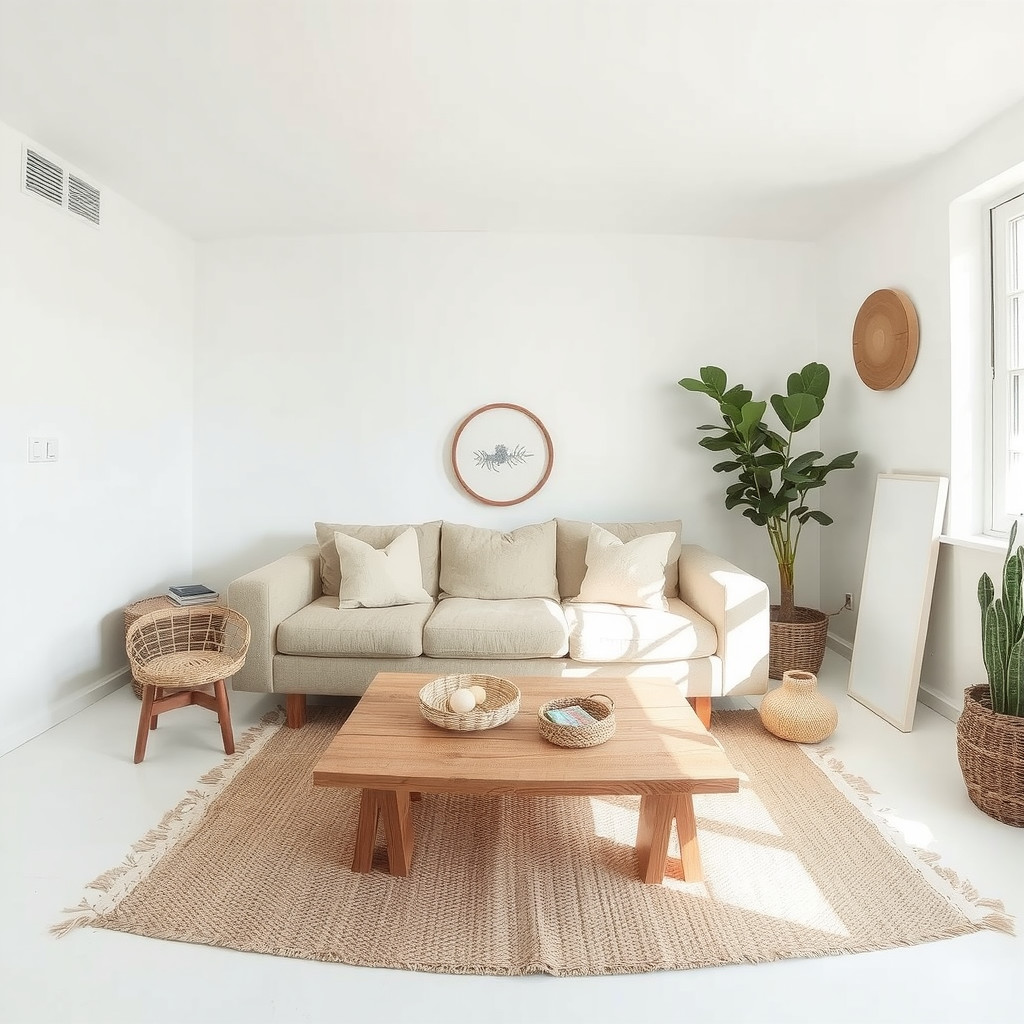
The most effective way to elevate a room costs absolutely nothing: changing the layout. You might feel the urge to push all your furniture against the walls to maximize floor space, but this often creates a “waiting room” effect that feels cold and disconnected. Instead, pull your sofa and armchairs toward the center of the room to create an intimate floating arrangement. This defines a cozy conversation zone and allows energy to flow around the seating area rather than getting stuck in the middle.
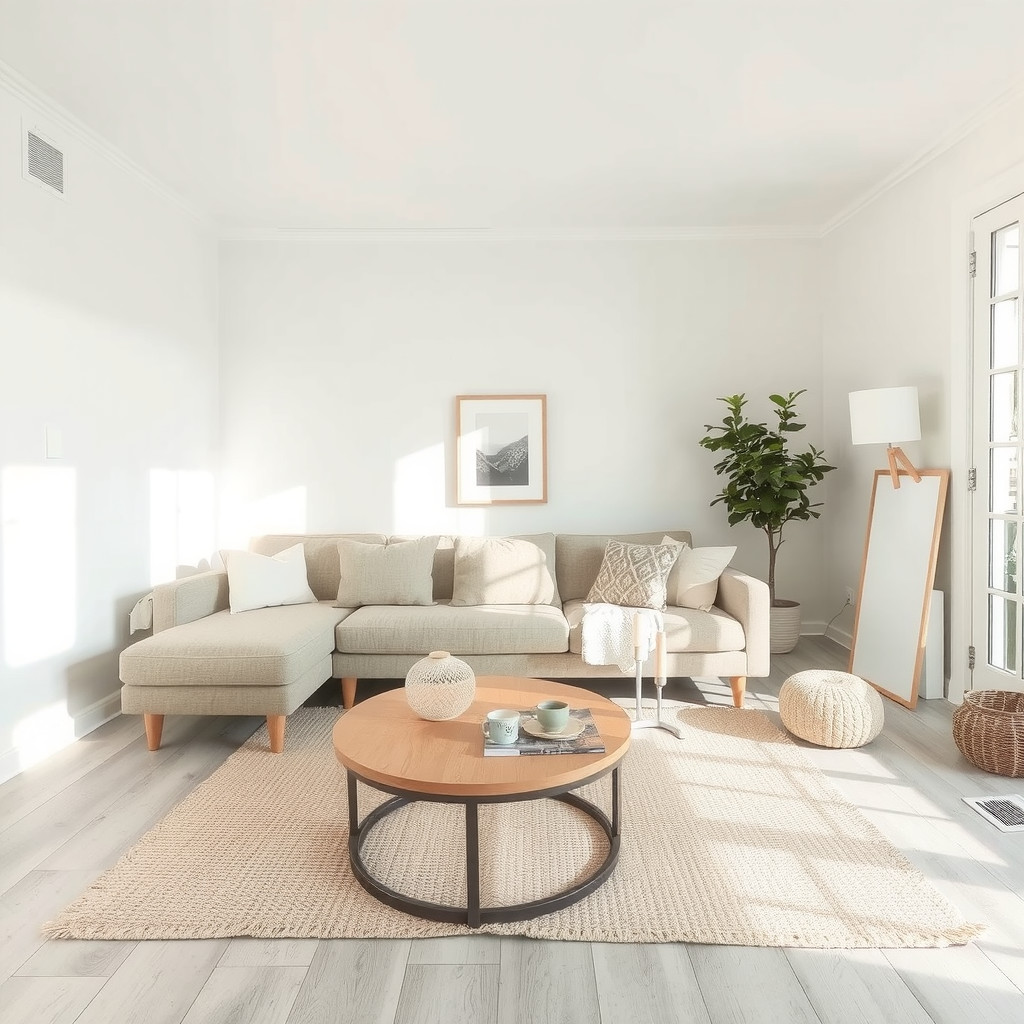
Consider the sightlines from the doorway. Ensure the first thing you see is something inviting, like a comfortable chair or a piece of art, rather than the back of a television or a cluttered shelf. Giving your furniture room to breathe makes the entire space feel larger and more purposeful.
Materials and Textiles
When working with a limited budget, texture is your secret weapon. In the absence of expensive architectural details, layers of natural materials add the depth and warmth essential for a high-end look. Swap out synthetic, shiny fabrics for organic fibers like cotton, linen, wool, or jute. A large jute rug is an incredibly affordable way to anchor a room, providing a neutral, earthy base that feels grounded and sophisticated.
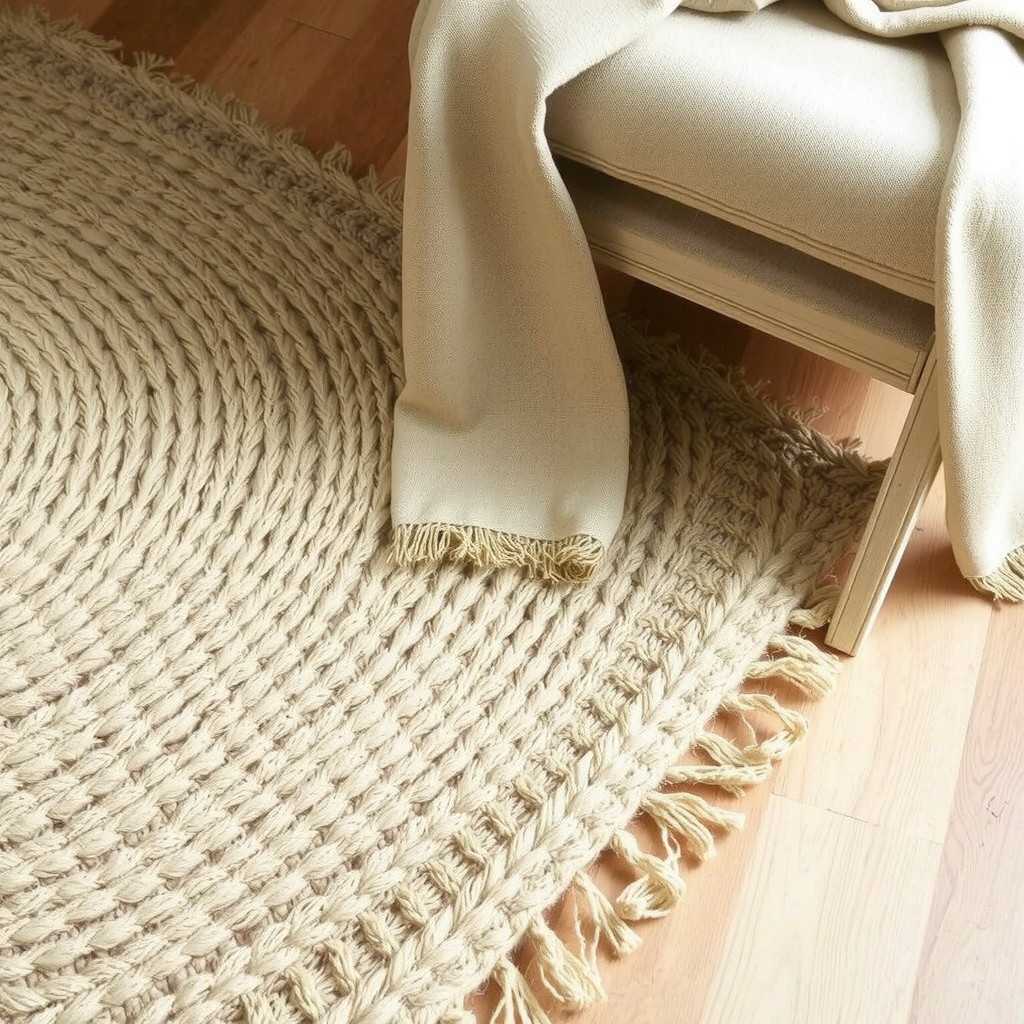
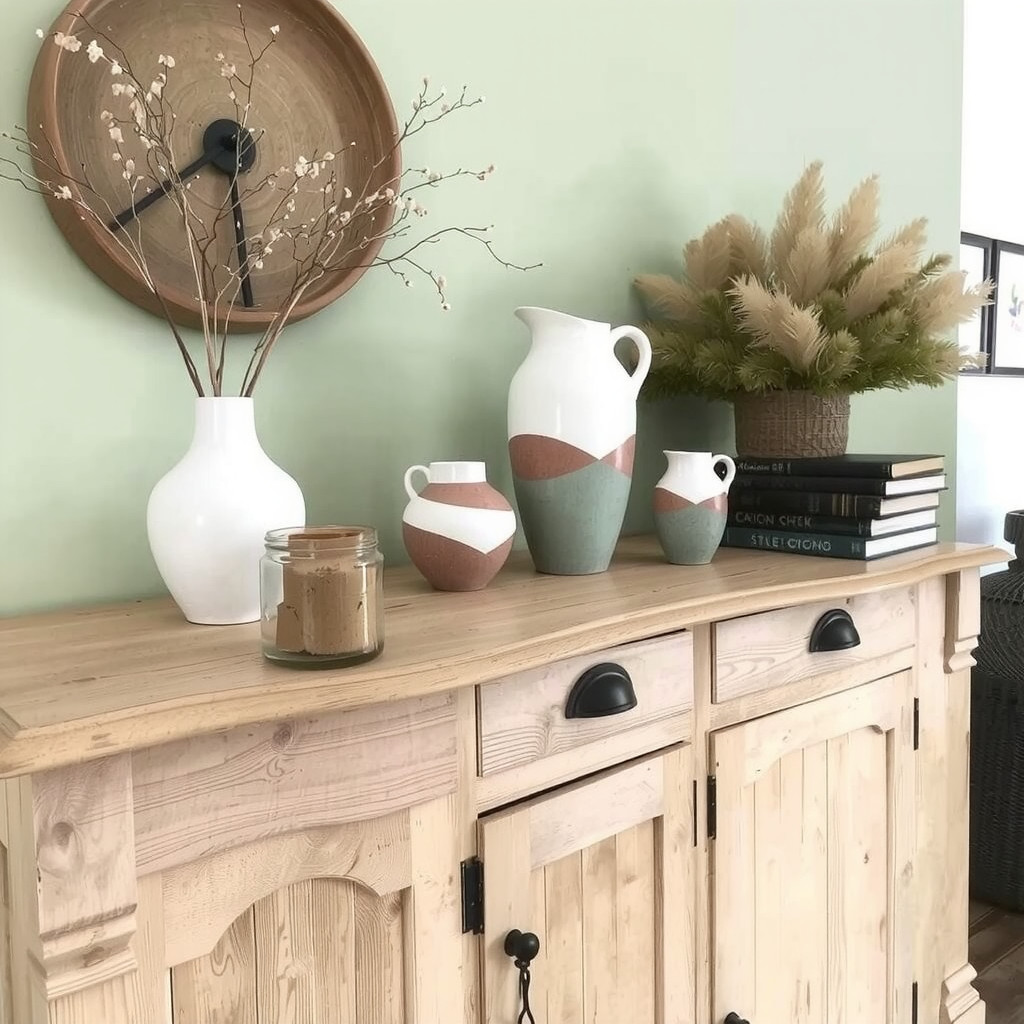
Don’t underestimate the power of “editing” your existing furniture. A tired laminate dresser or side table can be completely revitalized with a coat of matte chalk paint or by sanding it down to reveal a raw wood look. Mixing these restored pieces with softer textiles creates a dynamic interplay between hard and soft surfaces, making the room feel collected over time rather than bought in a single day.
Focal Points
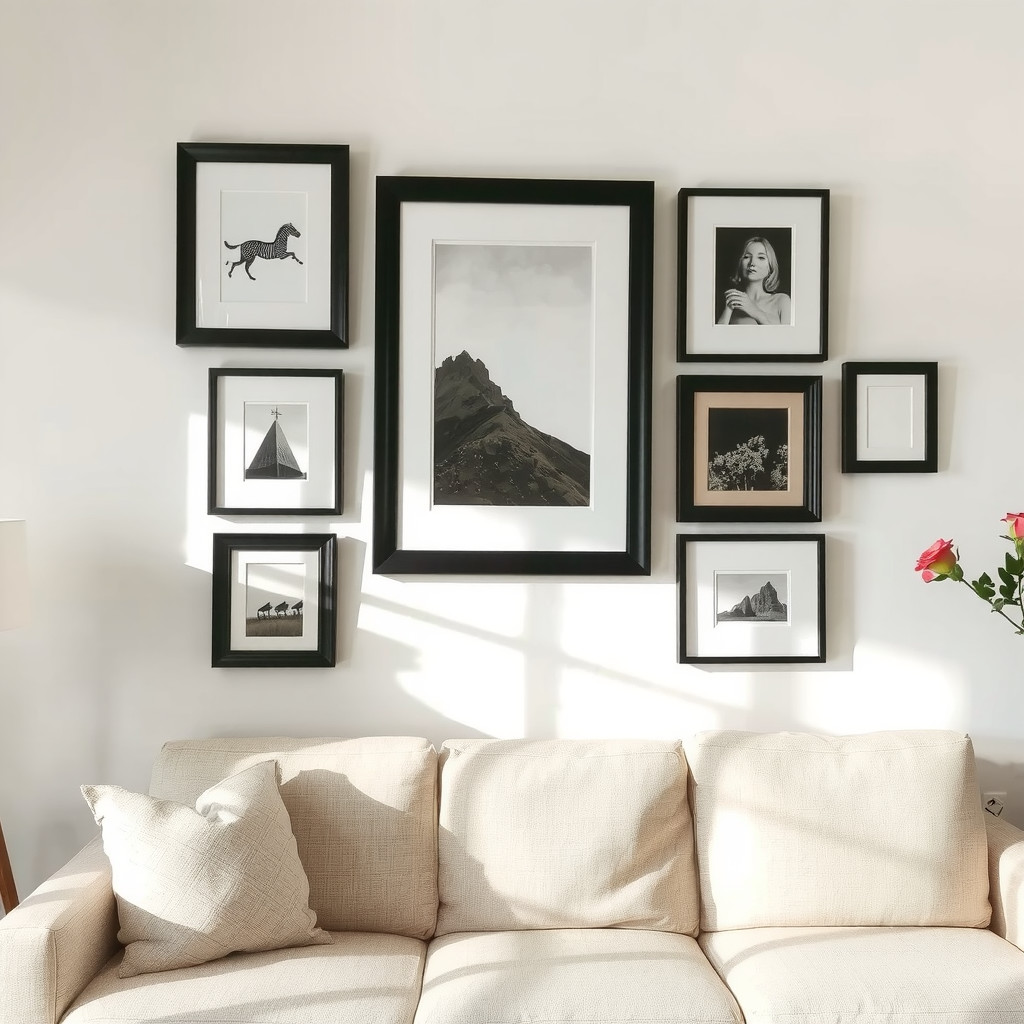
Every room needs a visual anchor to guide the eye. Without one, the space can feel cluttered and aimless. You do not need expensive gallery pieces to achieve this. A large, oversized canvas painted in a single soothing tone or a simple geometric shape can act as a powerful statement piece. Alternatively, a large round mirror can double the visual space and bounce light around the room, making a cramped area feel expansive.
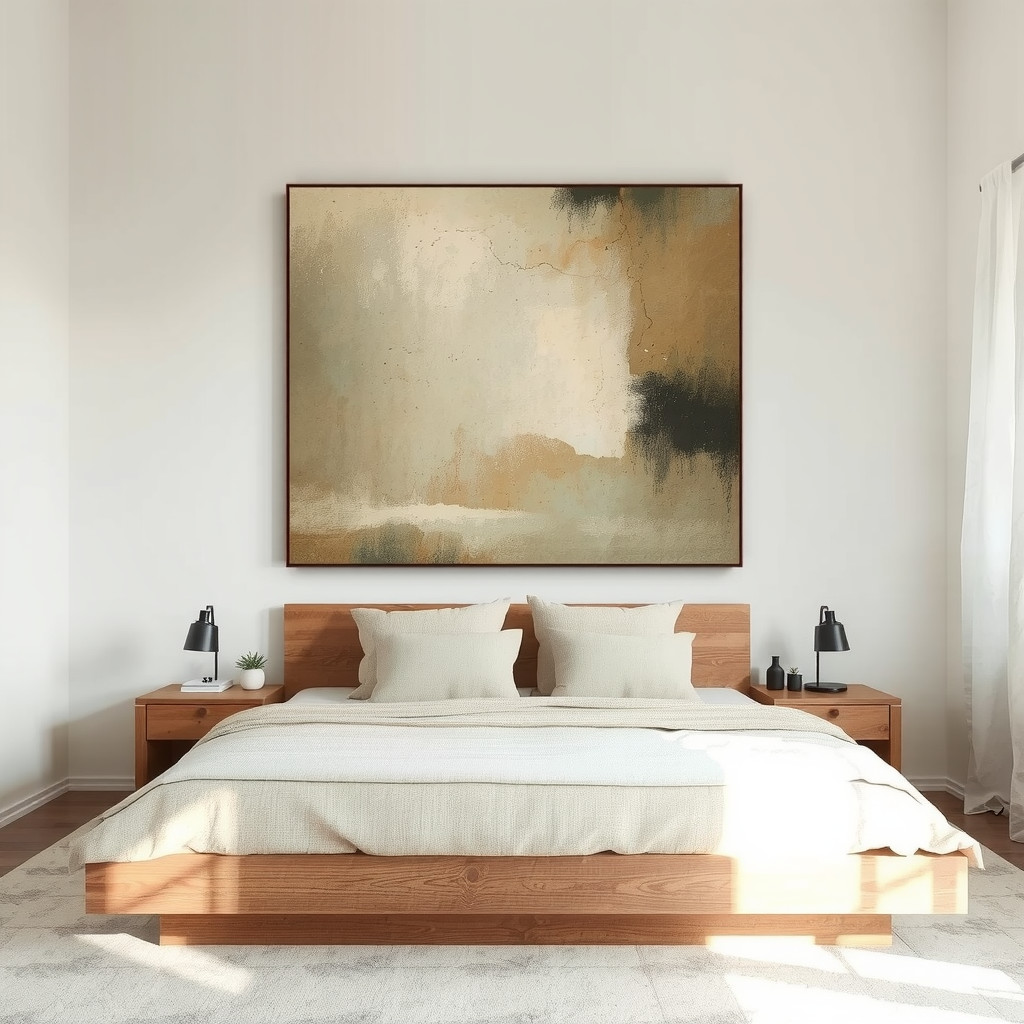
Position this focal point centrally—above the sofa, the bed, or a fireplace—to establish symmetry and order. This singular intentional element distracts from less desirable features and elevates the perceived value of the entire room.
Lighting
Lighting dictates the mood more than any piece of furniture. Relying solely on the overhead “big light” is a quick way to make a room feel sterile and cheap. To create a warm, expensive-feeling atmosphere, layer your lighting sources at different heights. Use floor lamps to illuminate dark corners and table lamps to create pools of task lighting.
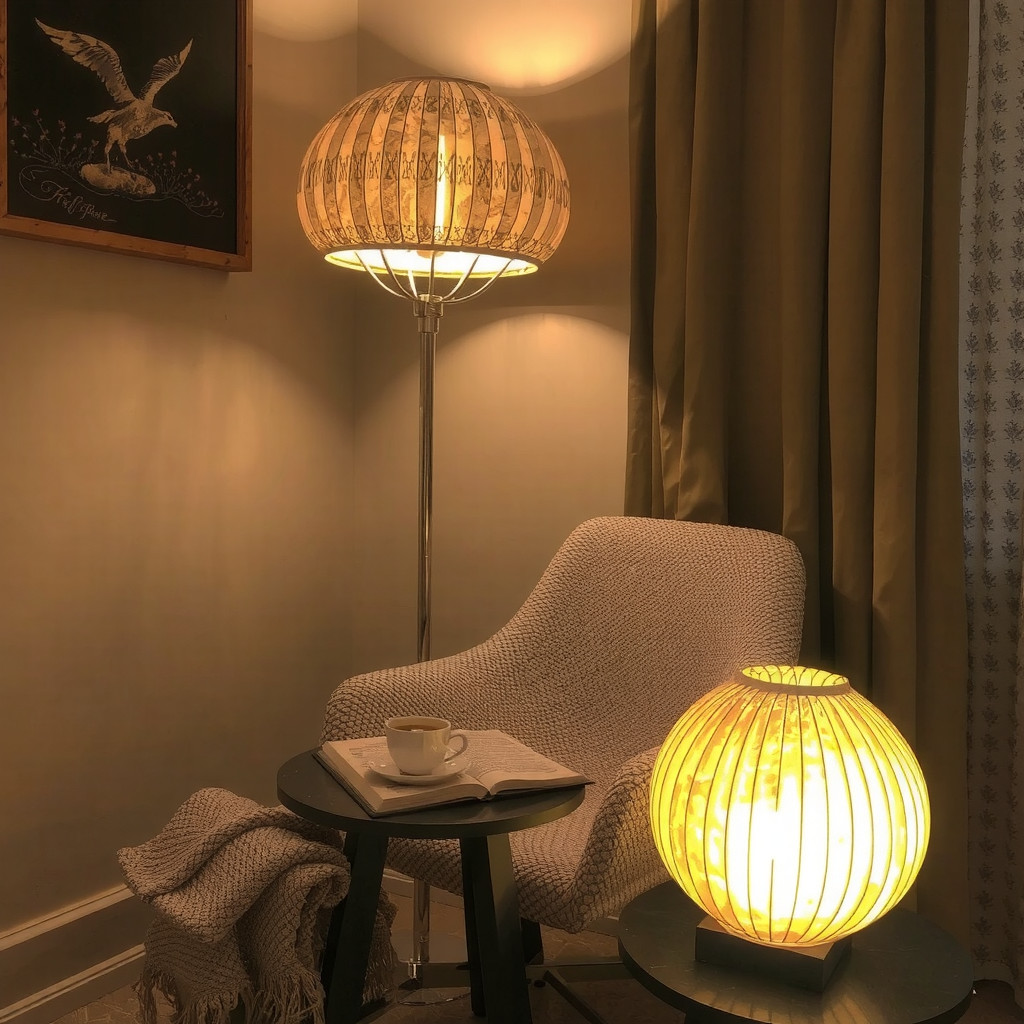
Paper lanterns or fabric shades are very affordable options that diffuse light beautifully, eliminating harsh shadows. Always opt for warm white bulbs (2700K-3000K) to bathe your space in a golden, inviting glow that smooths out imperfections and makes your decor look its best.
Greenery
The final layer of any stylish room is life. Plants are the most affordable sculptures you can buy. They introduce organic shapes and vibrant color that break up the rigid lines of furniture and architecture. You don’t need expensive exotic species; hardy plants like Pothos or Snake Plants are architectural, forgiving, and easy to propagate.
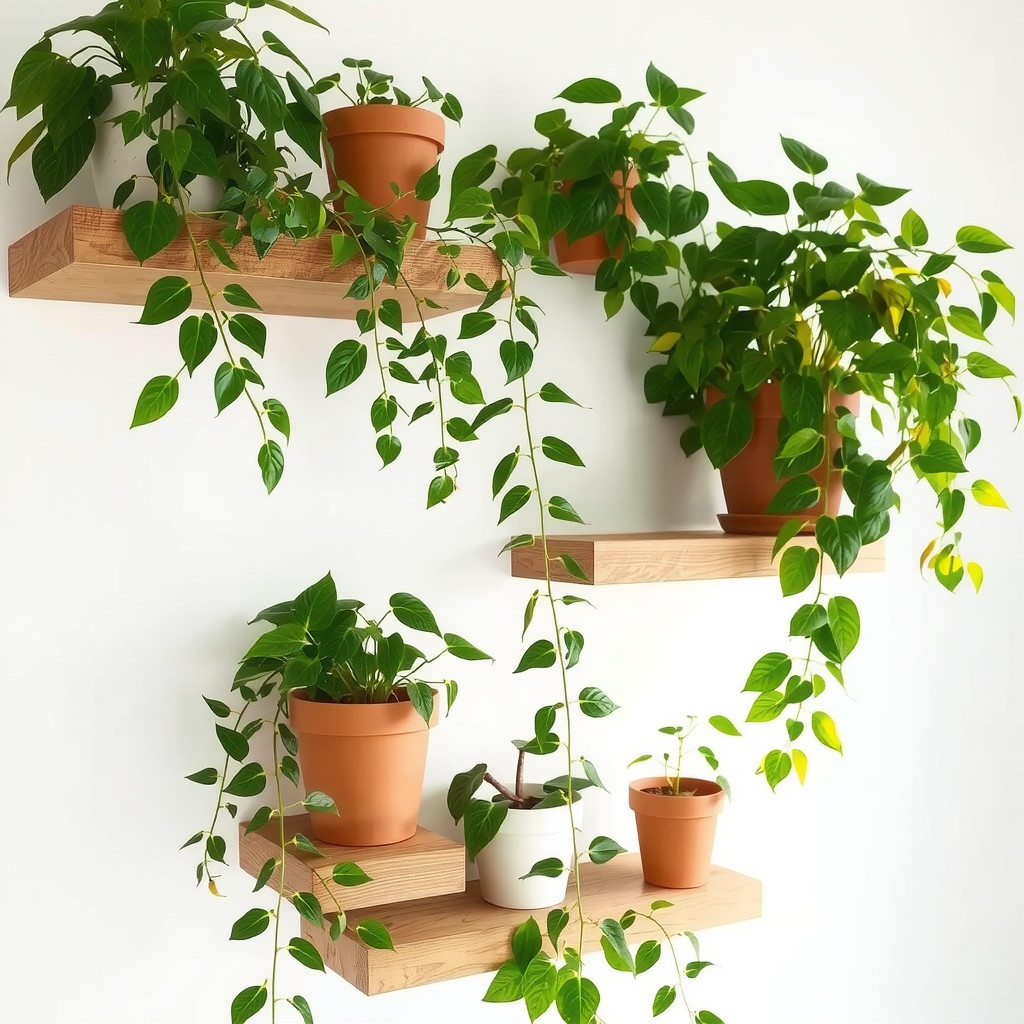
Grouping plants together in varying heights creates a lush, dedicated “green corner” that acts as a secondary focal point. Use simple terracotta pots for a uniform, earthy aesthetic that complements almost any design style.
Tips
- Paint is Power: A fresh coat of white or warm beige paint is the cheapest renovation tool available; it instantly cleans and modernizes a space.
- The Rule of Three: Group decor items (like vases or books) in odd numbers to create visual interest that feels natural rather than forced.
- Hardware Swap: changing the knobs and handles on cheap furniture to matte black or brushed brass instantly upgrades the piece.
- Declutter First: Before buying anything new, remove items that don’t serve a purpose or bring joy; negative space is free and luxurious.
ADVERTISEMENT