ADVERTISEMENT
The Art of Minimalist Living in Small Spaces
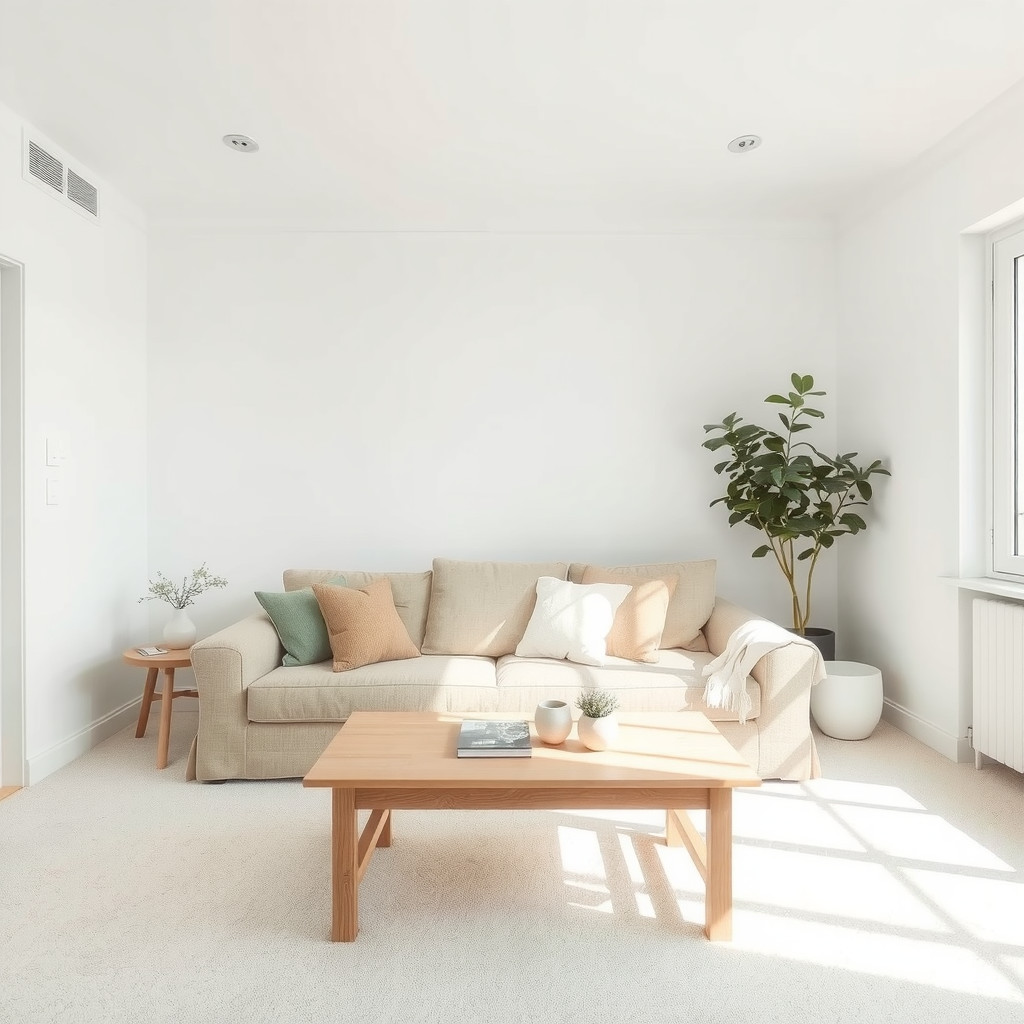
Embracing minimalism in a small house is not just about removing clutter; it is about curating a lifestyle that values space, light, and tranquility. When you strip away the non-essential, you allow the architecture of your home and the quality of your selected pieces to truly breathe. This design philosophy transforms compact living quarters into expansive sanctuaries, proving that square footage does not dictate luxury or comfort.
Layout and Positioning
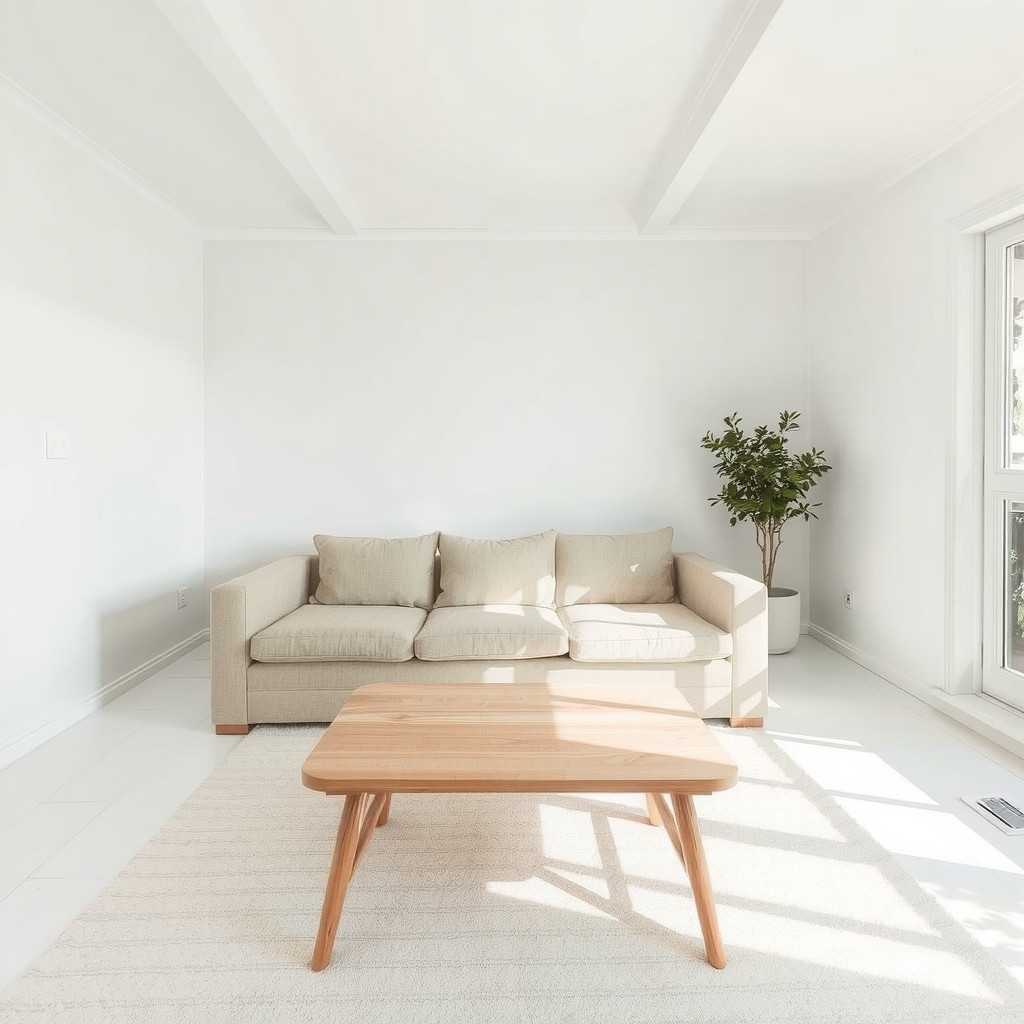
Your journey begins with the strategic arrangement of furniture to maximize flow and visual openness. In a limited footprint, every square inch counts, but that does not mean every inch must be filled. Aim for a layout that encourages unobstructed movement between zones. Floating your furniture away from the walls can paradoxically make a room feel larger by creating a sense of volume and airiness around the perimeter.
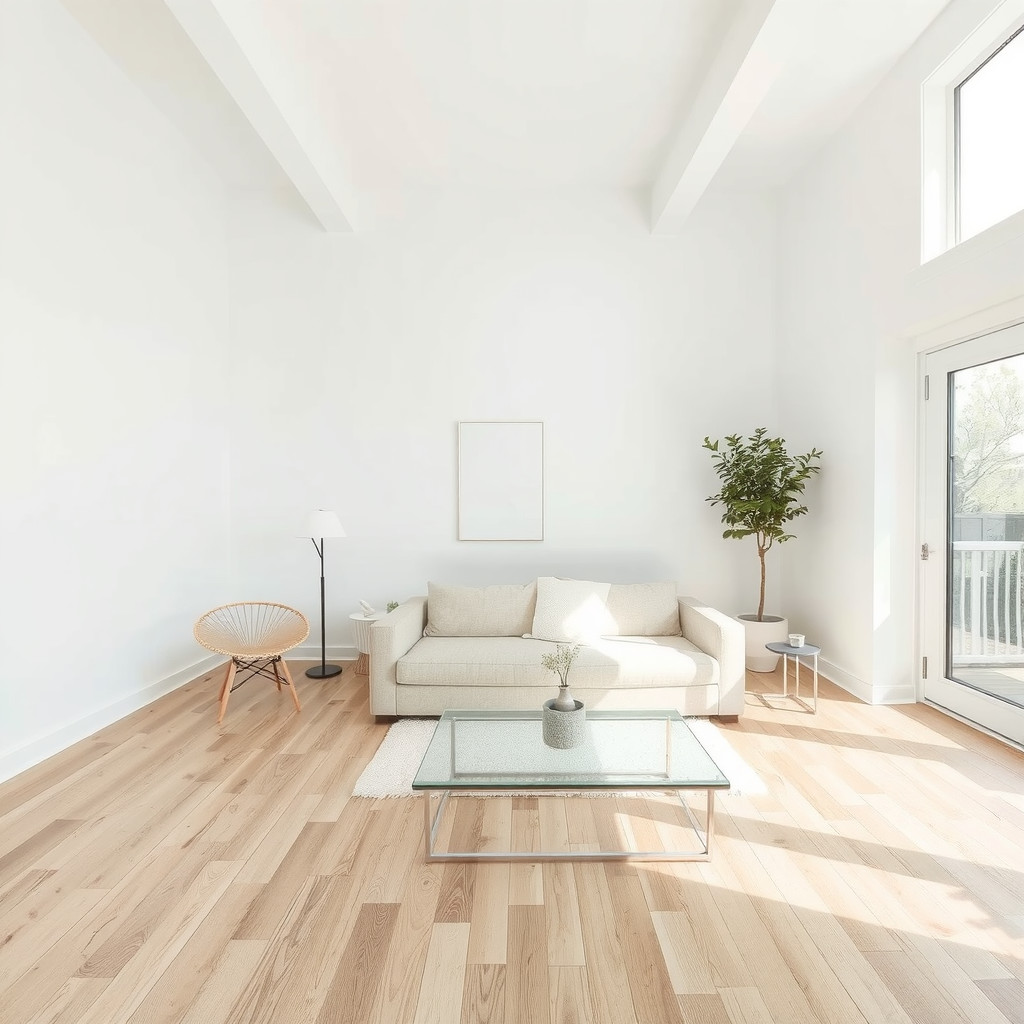
Consider multi-functional pieces that serve a purpose without dominating the room. A low-profile modular sofa or a sleek nesting coffee table keeps sightlines clear, allowing your eye to travel across the room uninterrupted. By defining zones through rug placement rather than physical barriers, you maintain a cohesive and expansive feel throughout your home.
Materials and Textiles
To prevent a minimalist space from feeling stark or clinical, you must introduce warmth through tactile materials. Since you are working with fewer items, the quality and texture of each surface become paramount. Focus on organic elements that invite touch and reflect light softly. Think of raw woods, honed stone, and matte finishes that absorb rather than reflect glare.
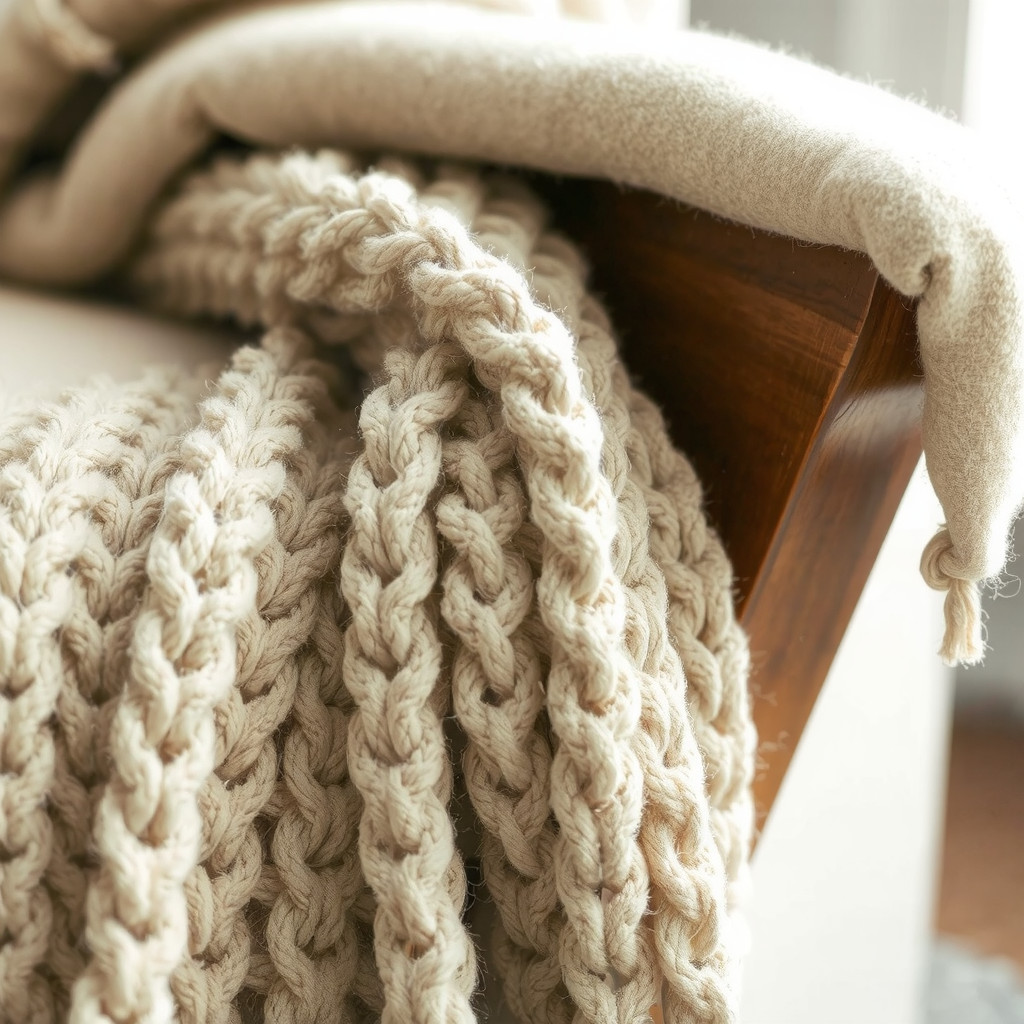
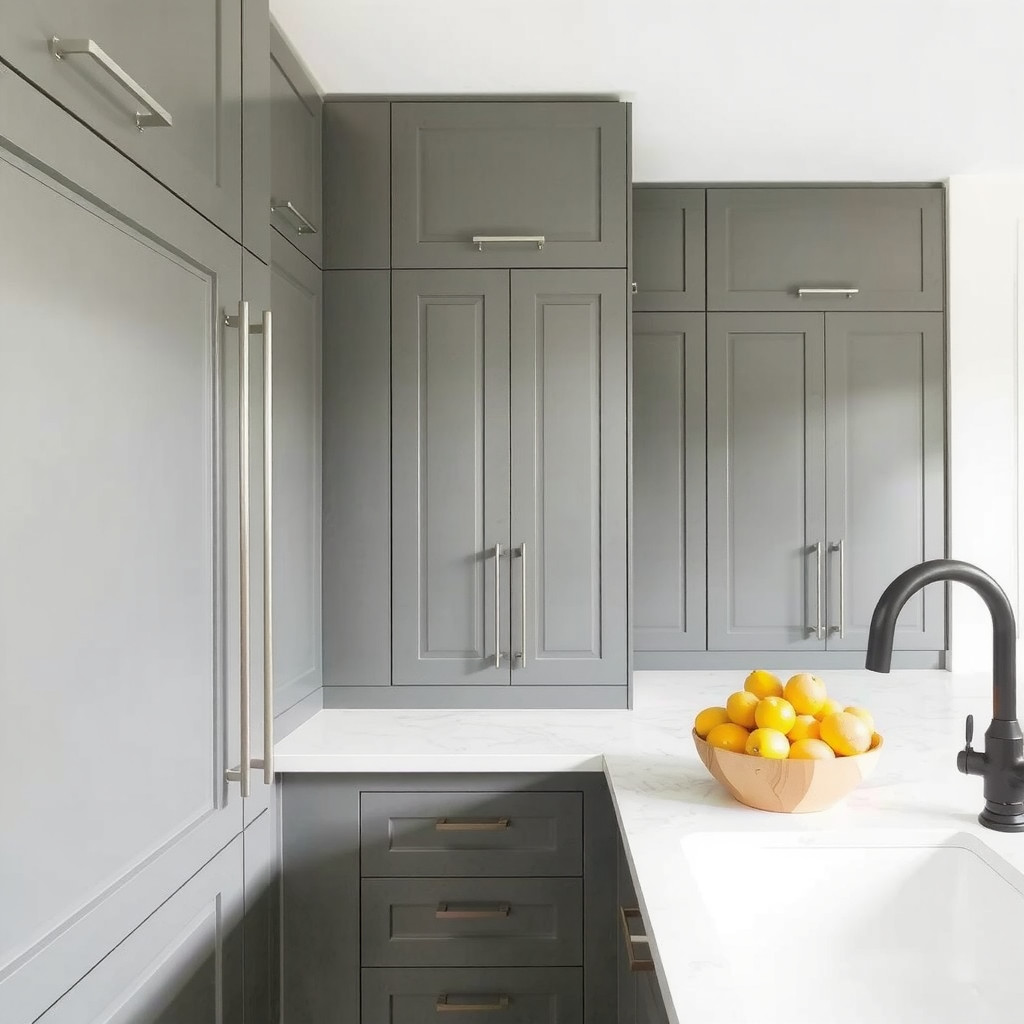
Layering textiles is the secret to adding depth without visual noise. A bouclé armchair paired with a sheer linen curtain creates a subtle interplay of woven structures. Even in a utilitarian space like the kitchen, choosing materials with inherent character—like a concrete countertop or ceramic tiles with slight variations—adds soul to the minimalism.
Focal Points
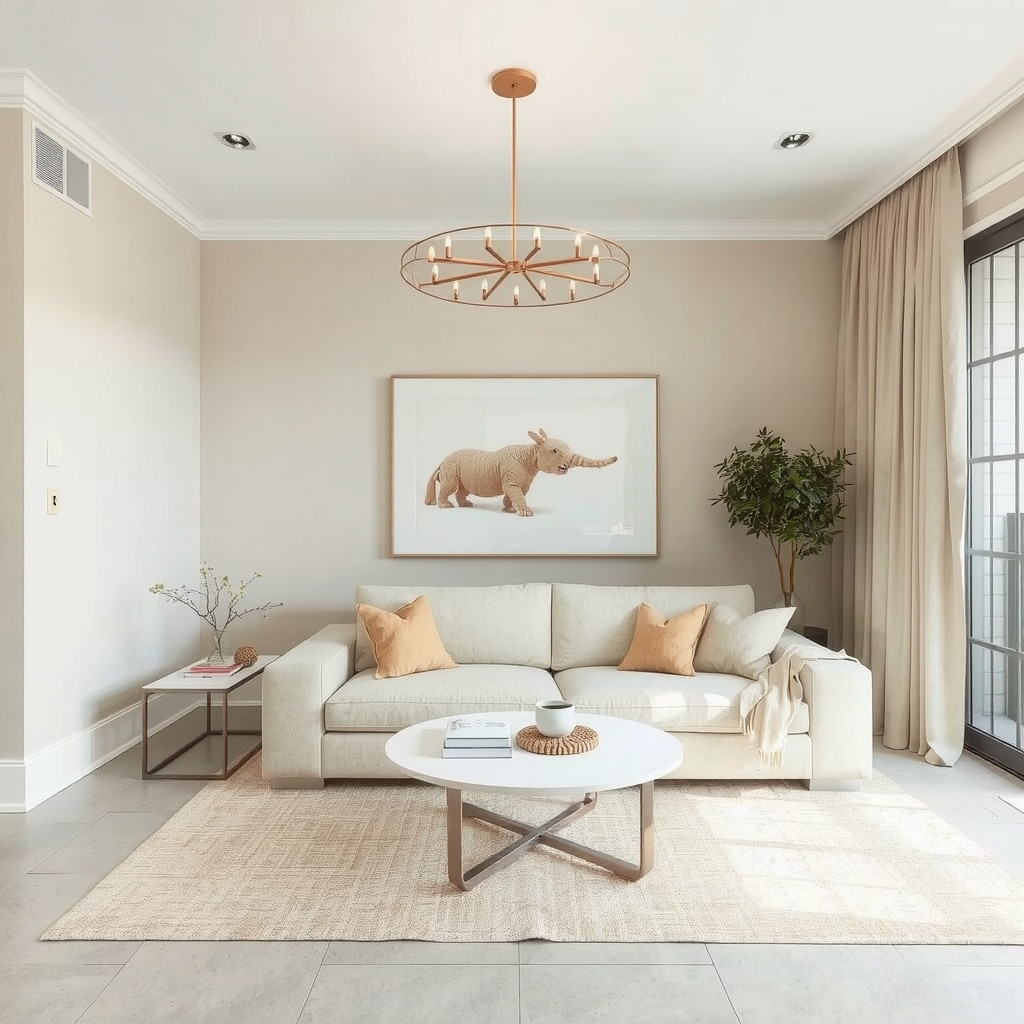
In a small, minimalist home, your eyes need a place to rest. Instead of scattering decor on every surface, choose one or two commanding focal points that anchor the room. This concept of “visual silence” allows the chosen statement piece to stand out with gallery-like importance. It could be an architectural feature you highlight or a deliberate addition.
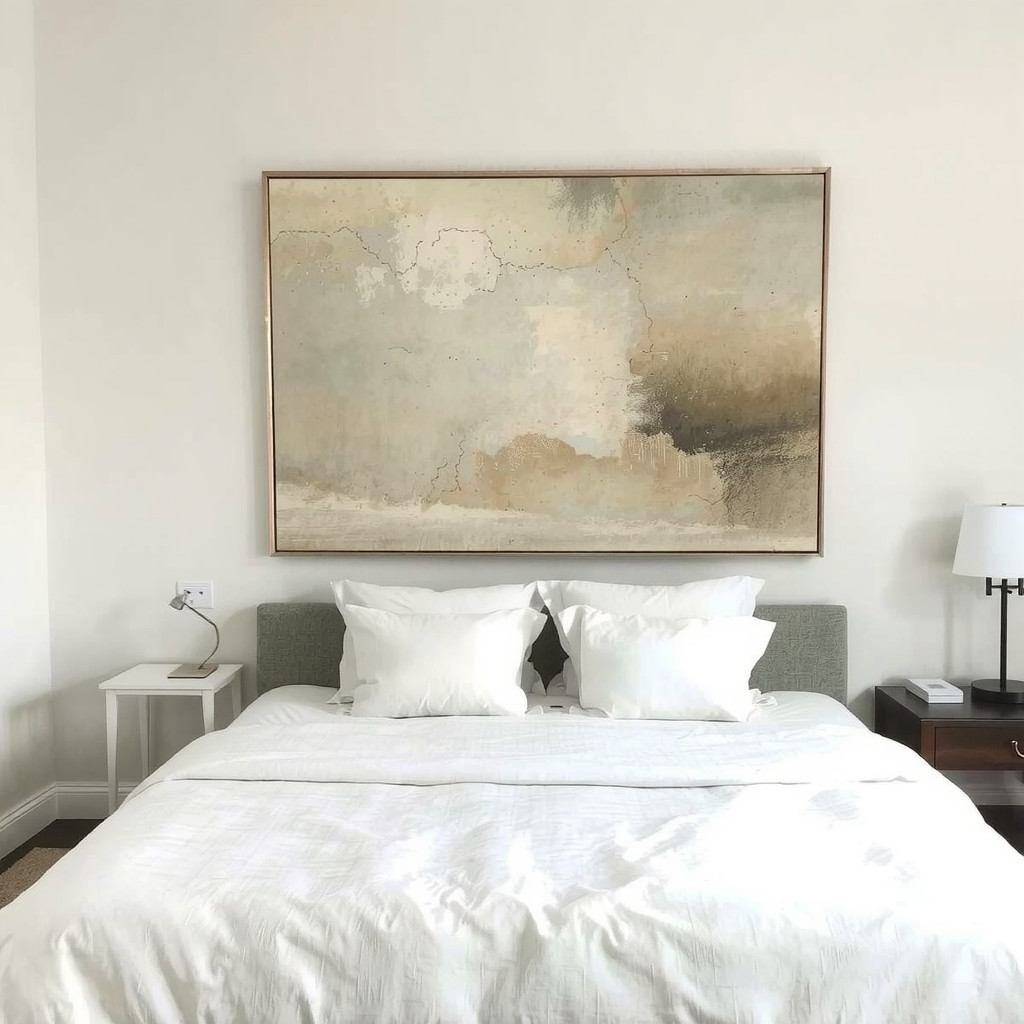
A single large-scale artwork or a sculptural chair can carry the weight of the design. By keeping the surrounding areas clear, you create a frame for these elements, ensuring they are appreciated rather than lost in a sea of belongings.
Lighting
Lighting acts as the invisible architect of your small home. Natural light is your best asset; maximize it by keeping window treatments minimal and translucent. When the sun sets, your artificial lighting scheme should be layered and adaptable. Avoid a single, harsh overhead source which can flatten the room and highlight small dimensions.
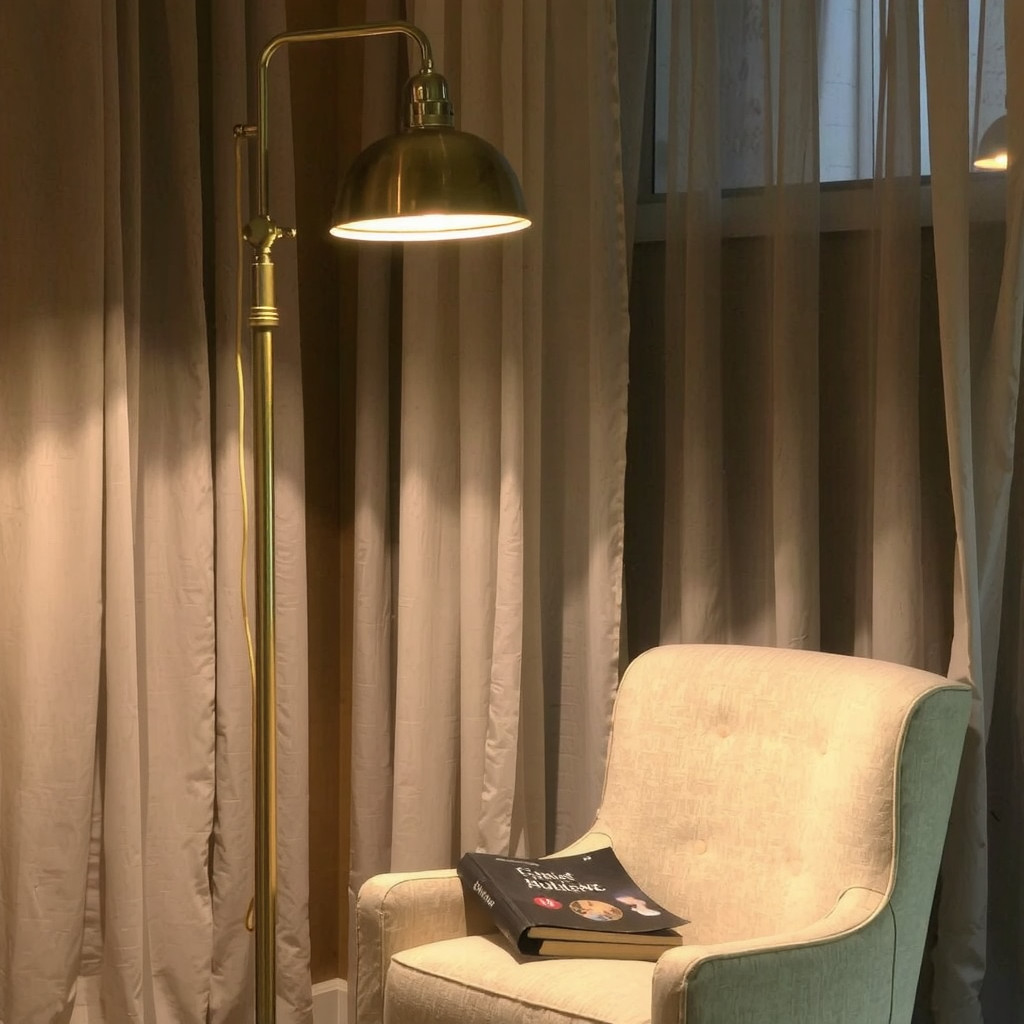
Instead, utilize floor lamps, wall sconces, and recessed LEDs to create pools of warm light that define different areas. Soft, diffused lighting blurs the sharp corners of a room, making the space feel endless and cozy rather than confined.
Greenery
Bringing the outdoors in is essential for adding life and color to a neutral minimalist palette. However, restraint is key. Rather than a jungle of small pots that can feel cluttered, opt for fewer, larger plants that act as living sculptures.
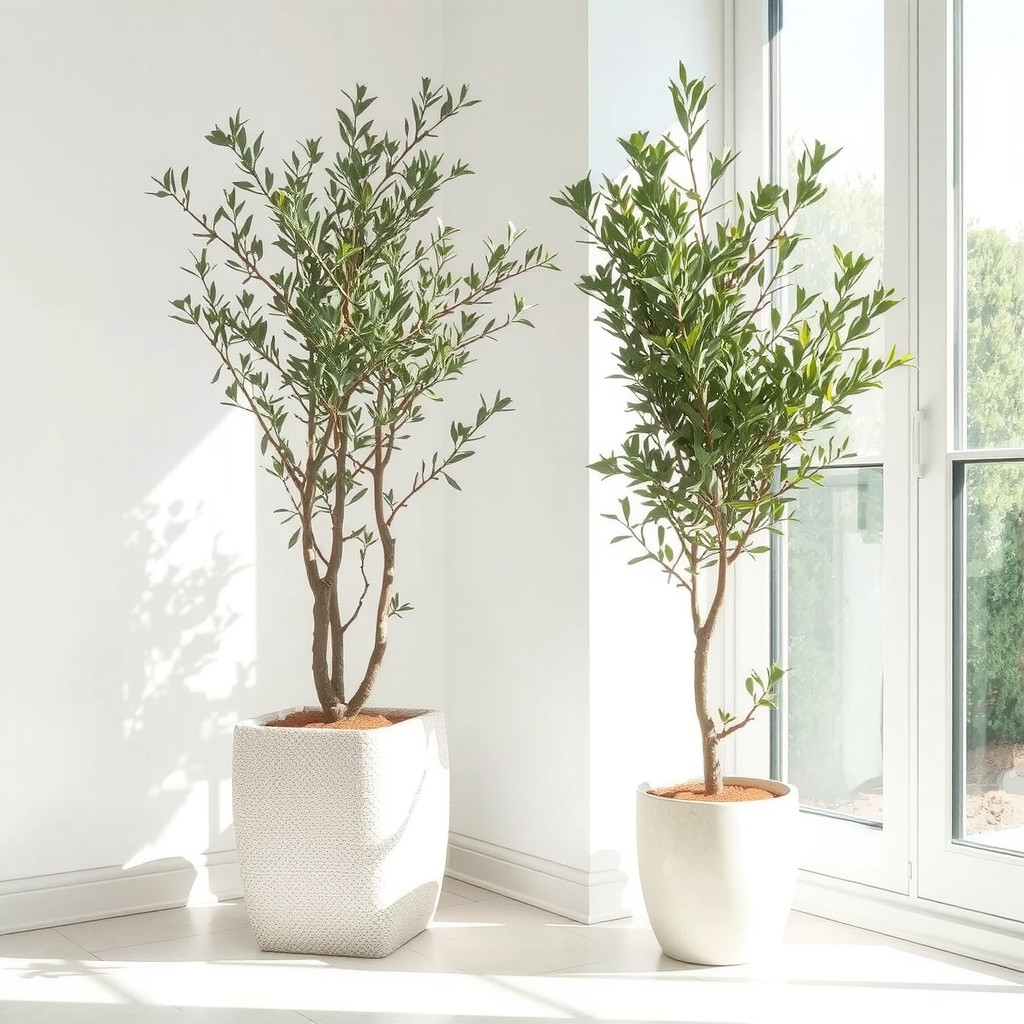
A tall fiddle leaf fig or a graceful olive tree in a simple ceramic planter adds vertical interest and draws the eye upward, emphasizing ceiling height. The organic shapes of leaves provide a perfect counterpoint to the clean lines and geometric forms typical of minimalist furniture.
Tips
- Stick to a Tonal Palette: Use varying shades of a single color, like warm whites, creams, and beiges, to blur boundaries and expand the sense of space.
- Vertical Storage: Utilize height for storage solutions to keep floor space clear and maintain that essential open flow.
- Edit Ruthlessly: Adopt a “one in, one out” policy to ensure your curated space remains free of creeping clutter over time.
- Hidden Tech: Conceal cords and electronics within cabinetry to maintain visual serenity and reduce mental noise.
ADVERTISEMENT