ADVERTISEMENT
Introduction
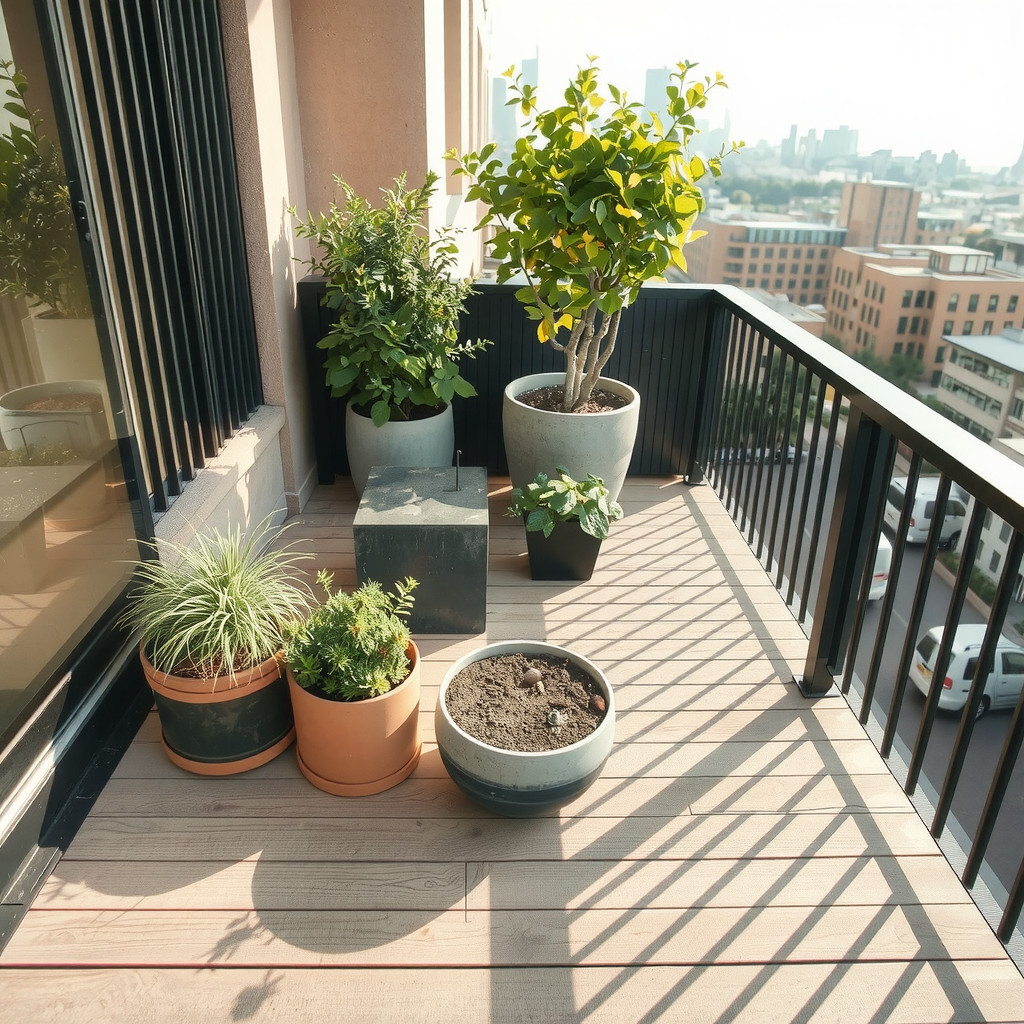
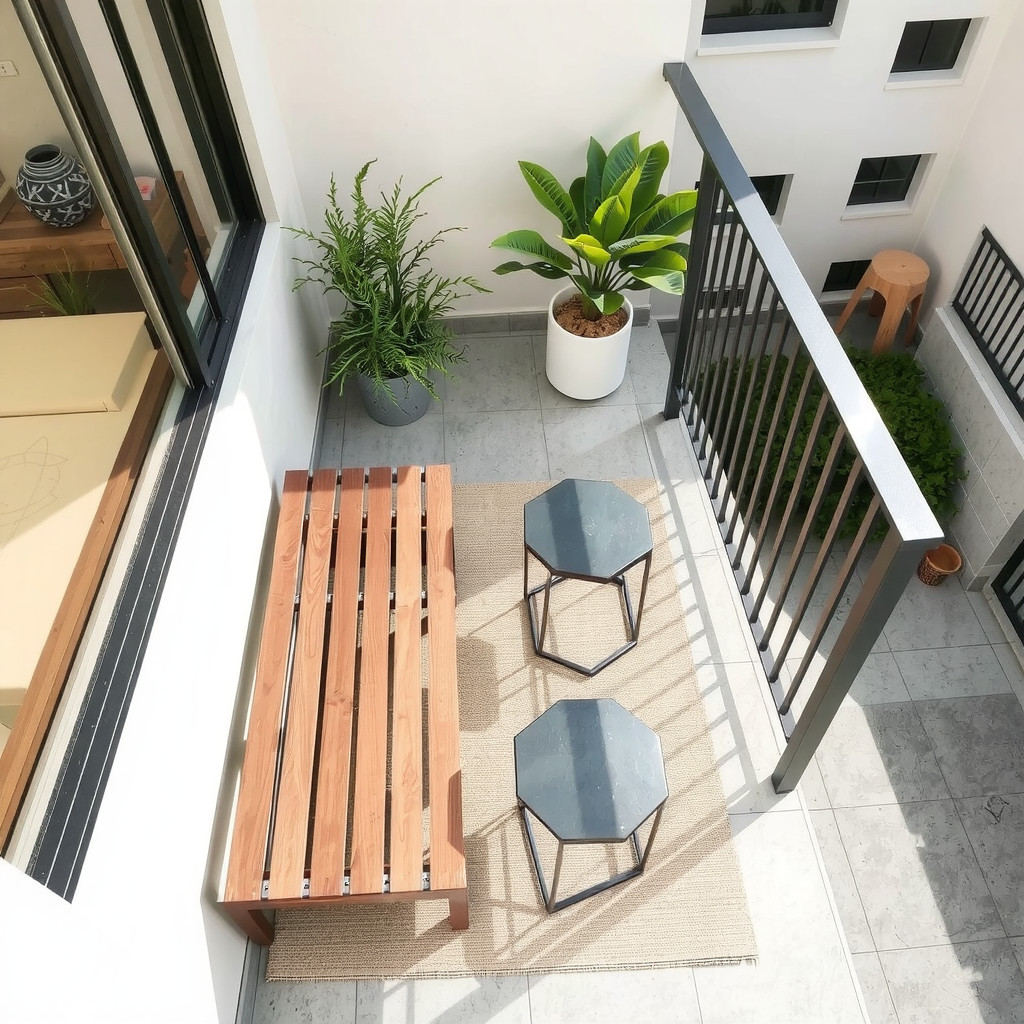
Your home garden, regardless of its size, should be a sanctuary—a place where the noise of the world fades away, replaced by the rustle of leaves and the grounding presence of nature. Creating a modern outdoor retreat does not require expansive acreage; it simply demands a thoughtful approach to space and style. By prioritizing clean lines and functional design, you can transform even the smallest patio or backyard into an extension of your living area.
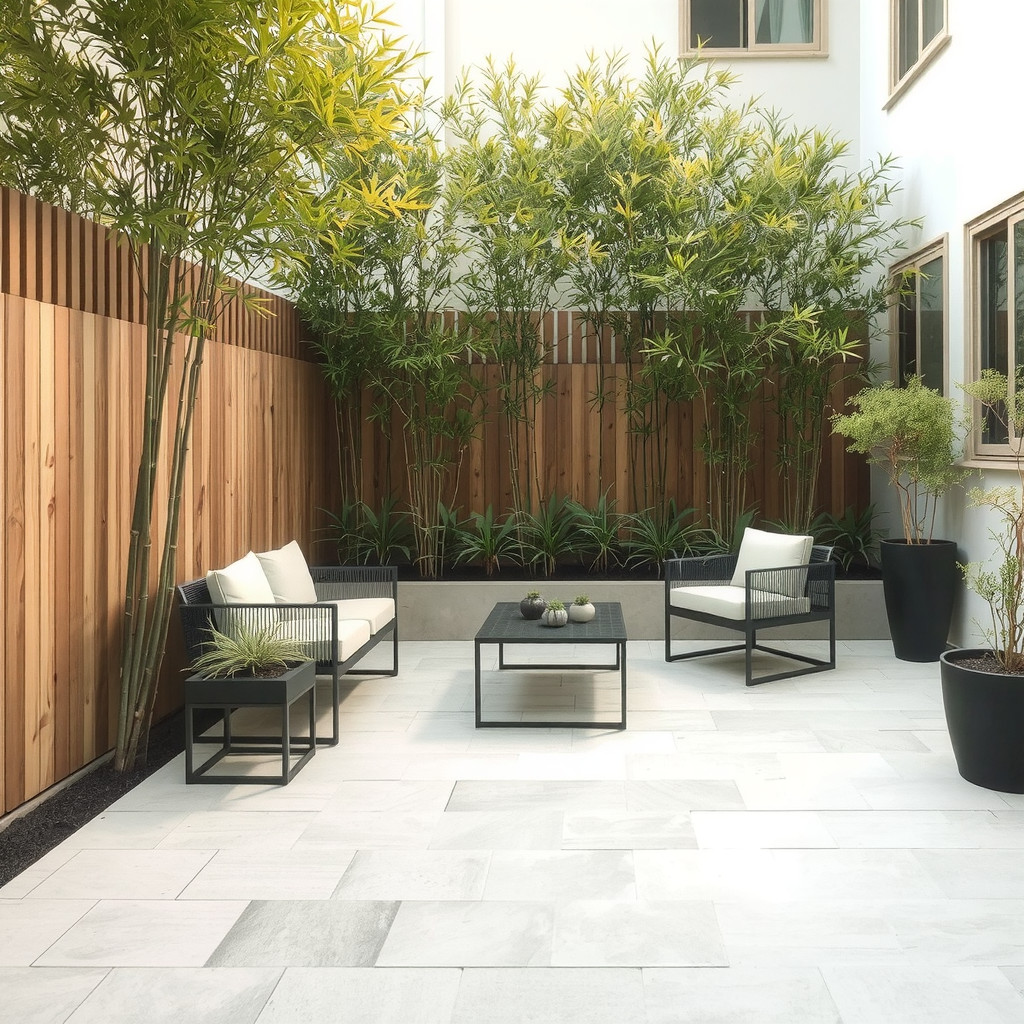
Whether you are working with a cozy balcony or a compact urban yard, the goal is to create a seamless flow between indoors and outdoors. The modern aesthetic favors simplicity and intention, ensuring that every element, from the decking to the planters, serves a purpose while contributing to an atmosphere of calm.
Layout and Positioning
The foundation of a successful small garden lies in how you utilize the available footprint. Instead of trying to cram too many features into a limited area, focus on zoning. Define specific areas for lounging or dining using visual boundaries like changes in flooring material or the strategic placement of furniture. In tighter spaces, pushing seating against the perimeter opens up the center, creating an illusion of spaciousness.
Do not underestimate the power of vertical space. When floor area is at a premium, look up. Utilizing walls and fences for greenery draws the eye upward and adds depth without encroaching on your living zone. This approach not only maximizes planting opportunities but also softens hard architectural edges, enveloping you in nature.
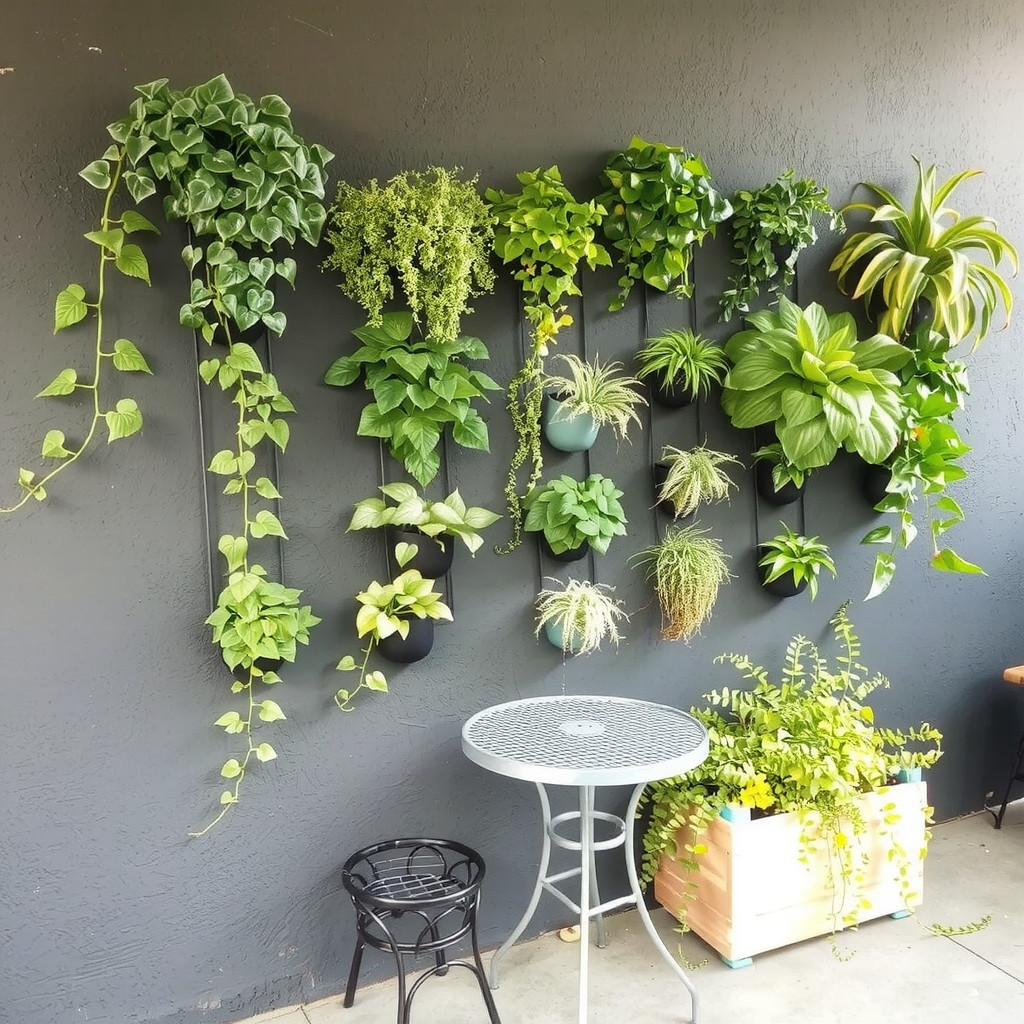
Materials and Textiles
To achieve a modern look, lean into a palette of raw, honest materials. Concrete, natural wood, and matte metals form a sophisticated backdrop that weathers beautifully over time. However, a space dominated by hard surfaces can feel cold. This is where textiles play a pivotal role in bridging the gap between comfort and durability.
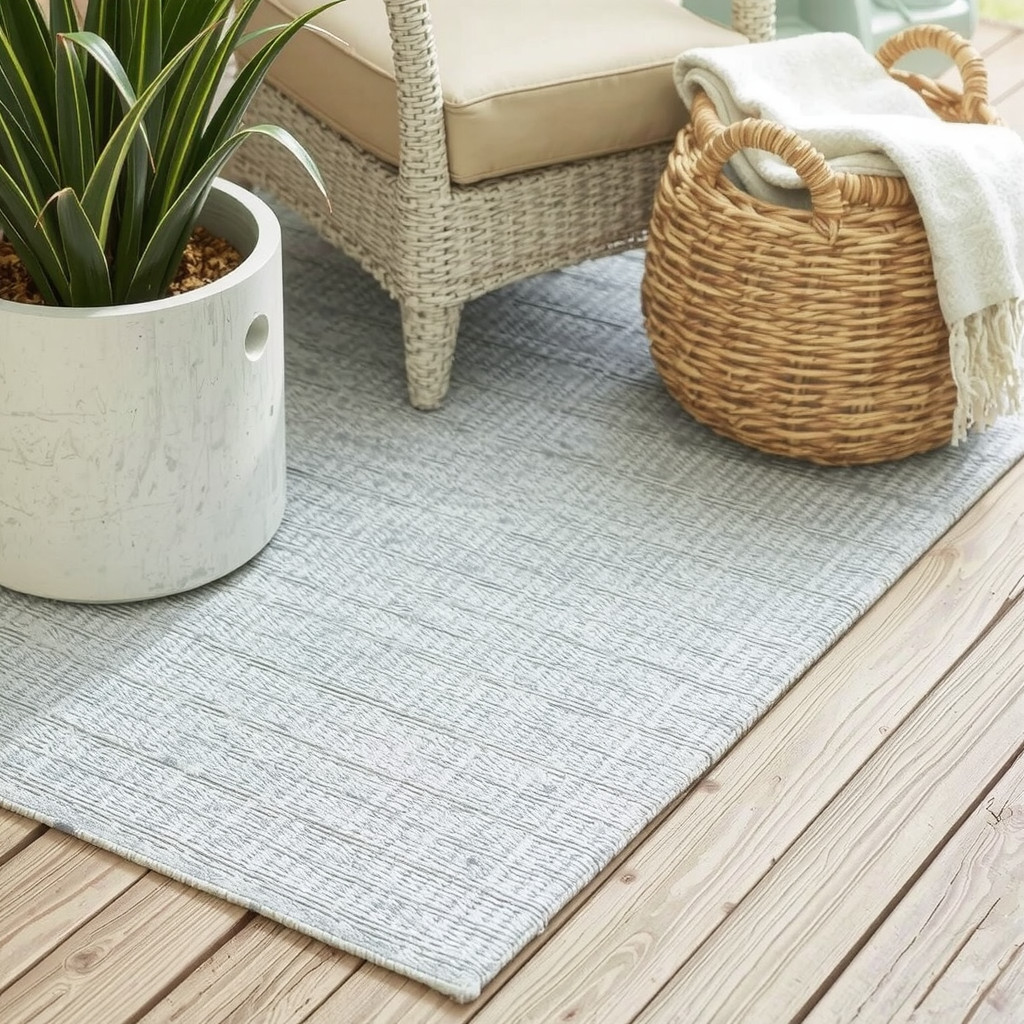
Layering is key. Introduce weather-resistant outdoor rugs to anchor your furniture arrangements and add warmth underfoot. Choose cushions and throws in high-performance fabrics like solution-dyed acrylics or linen blends. Opt for neutral tones—charcoal, taupe, or oatmeal—to maintain a serene vibe, allowing the greenery to act as the primary splash of color.
Focal Points
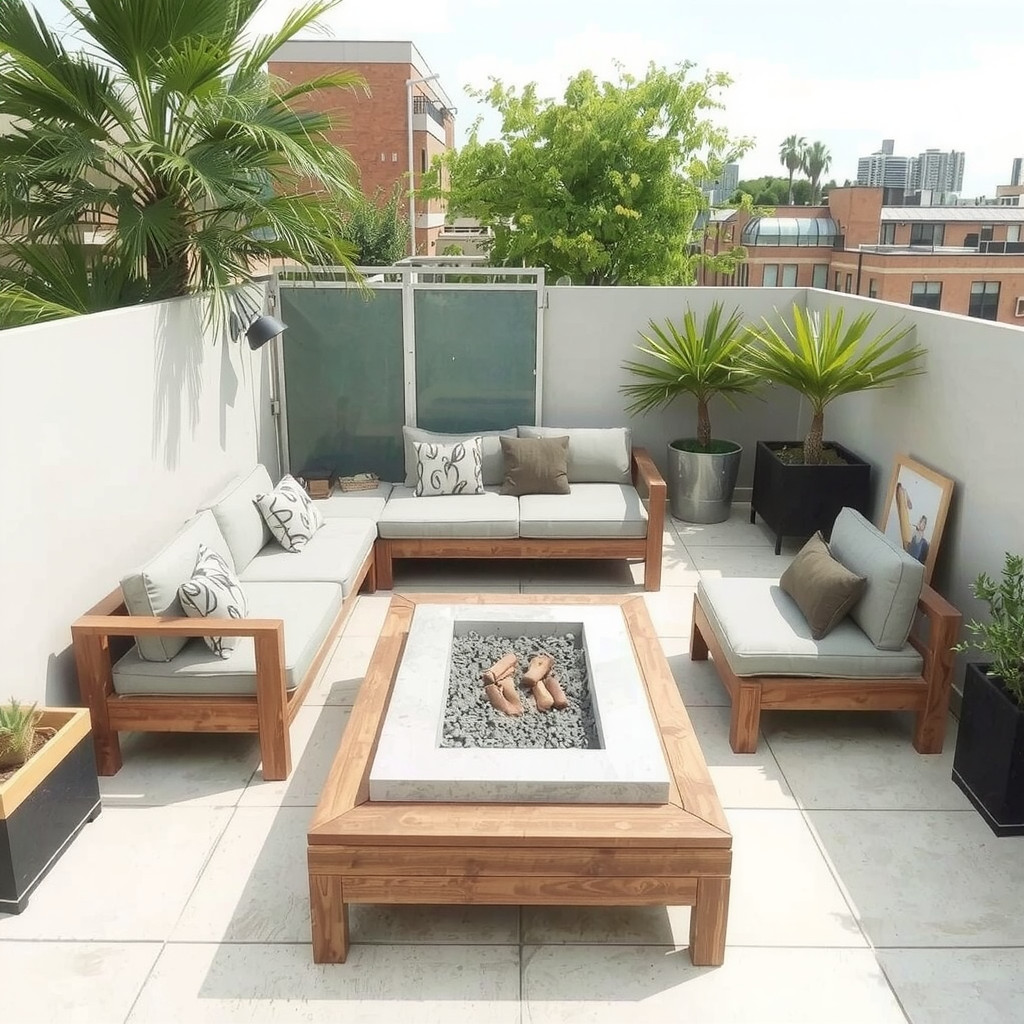
In a minimalist garden, a single striking focal point is often more effective than a collection of smaller decorations. This draws the eye and gives the space a clear center of gravity. A sculptural element or a water feature can serve as an anchor, creating a sense of permanence and tranquility.
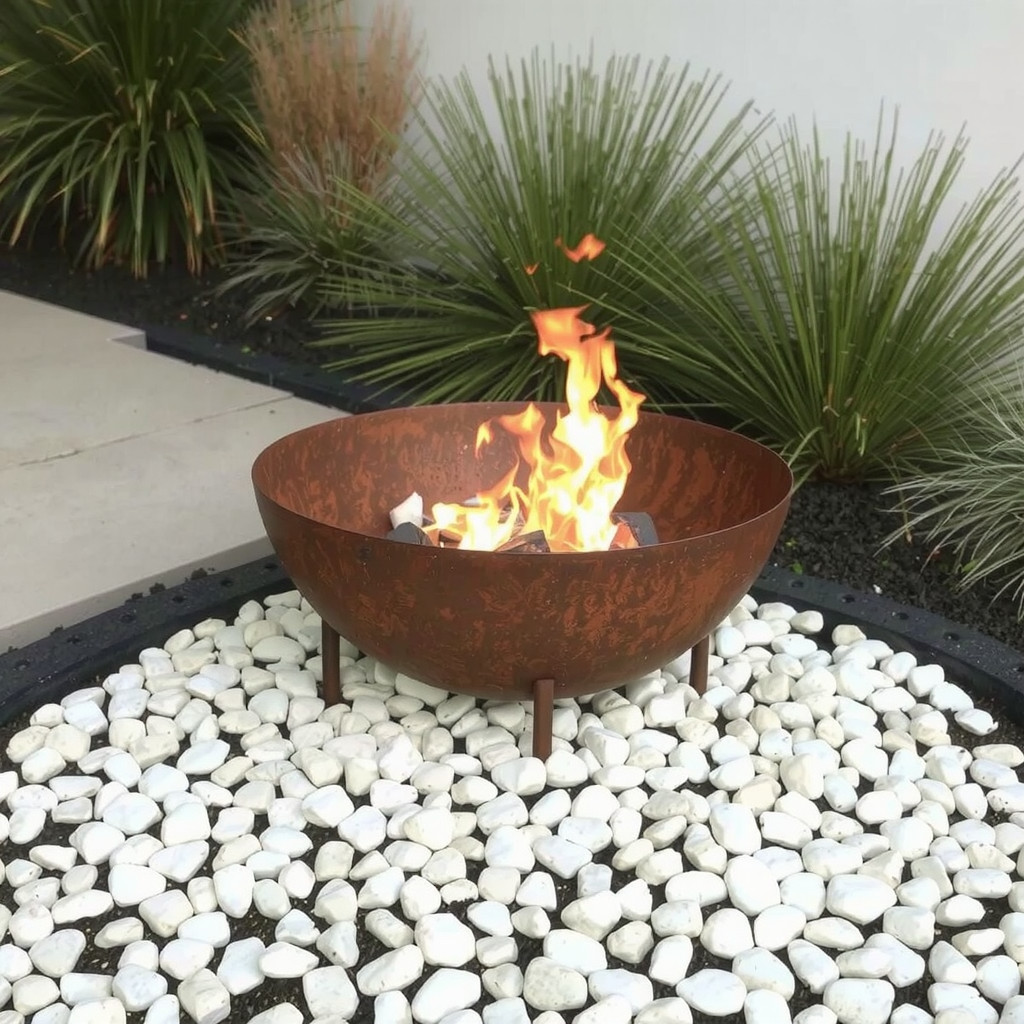
Consider the scale of your focal point carefully. It should command attention without overwhelming the space. A sleek fire bowl, for instance, provides both visual interest and a gathering spot for cool evenings, turning your garden into a year-round destination.
Lighting
The usability of your garden should not end when the sun goes down. Proper lighting extends the enjoyment of your outdoor space and alters its mood entirely. Avoid harsh floodlights; instead, aim for a layered scheme that mimics the softness of indoor lighting.
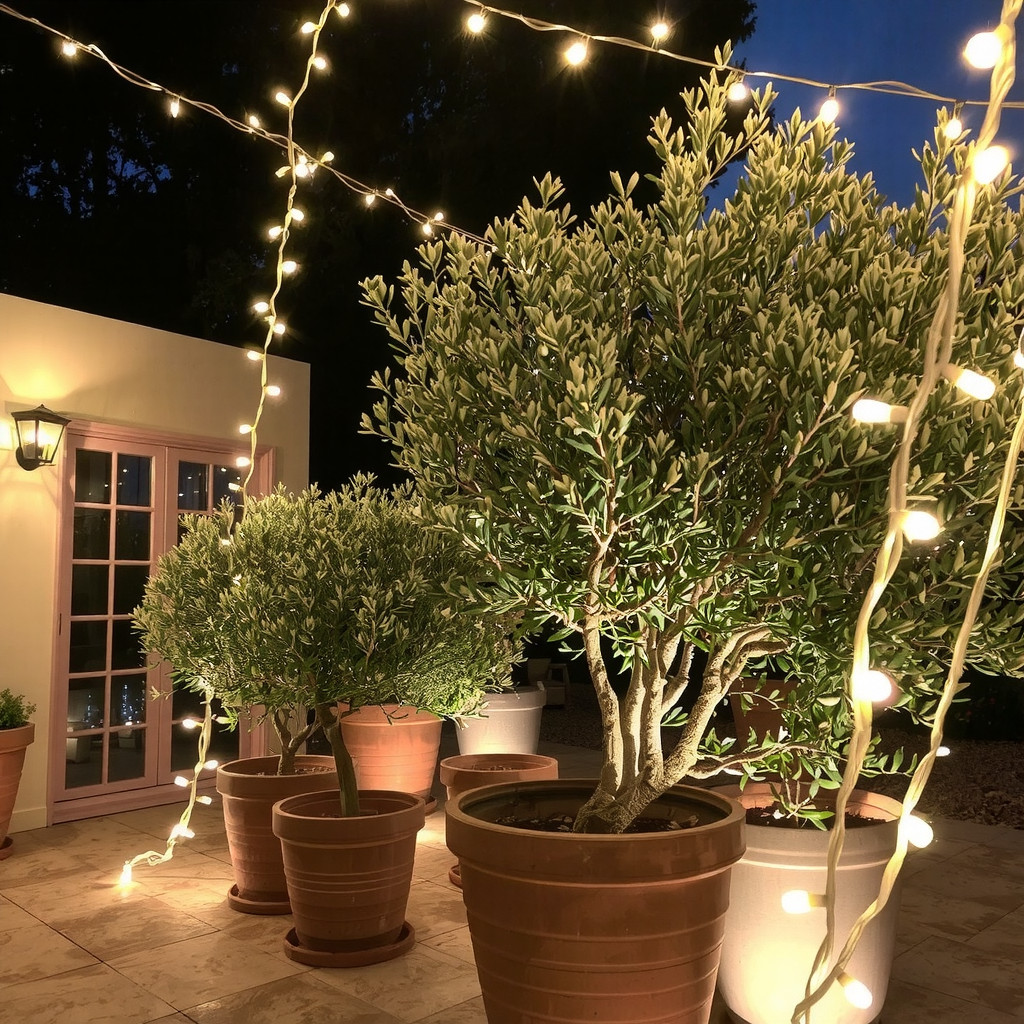
String lights draped overhead can create an intimate “ceiling,” while solar-powered path lights guide movement. Uplighting trees or architectural plants adds drama and highlights textures that might go unnoticed during the day, creating a magical ambiance perfect for evening relaxation.
Greenery
In a modern home garden, plants are treated as architectural elements. Rather than a chaotic mix of blooms, curate a selection of plants with interesting foliage, structure, and texture. Quality trumps quantity here. Large, statement leaves or ornamental grasses can provide privacy and movement.
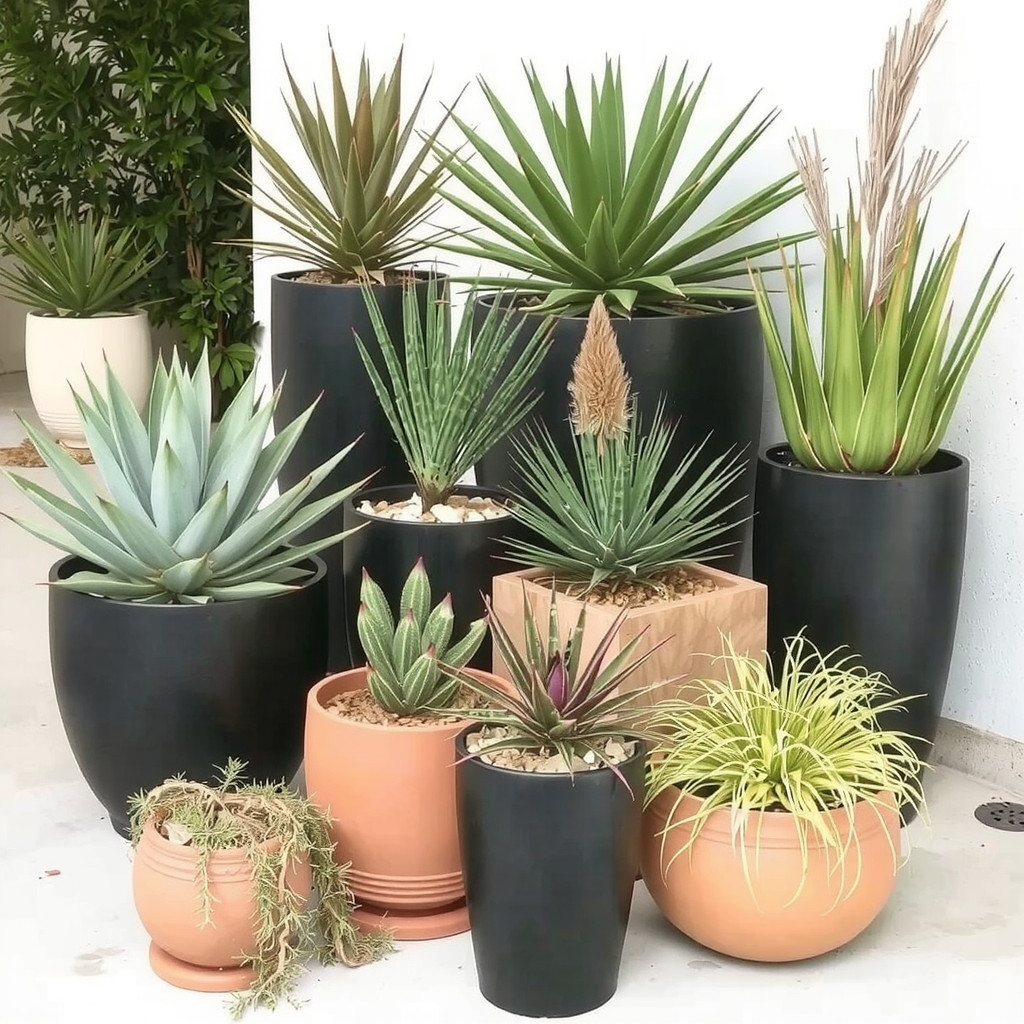
Container gardening is particularly effective in small modern layouts. Use uniform pots in varying sizes to create cohesive vignettes. This modular approach allows you to rearrange your “garden” as seasons change or as you refine your layout, keeping the space dynamic and fresh.
Tips
- Stick to a Palette: Limit your hardscaping materials to two or three complementary finishes to avoid visual clutter.
- Drainage is Key: Ensure all pots and planters have proper drainage holes to prevent root rot, especially on non-porous surfaces like balconies.
- Multi-functional Furniture: Look for benches with storage underneath or stools that can double as side tables.
- Mirror Trick: Placing a weather-resistant mirror on a garden wall can reflect light and visually double the size of the space.
- Seasonal Interest: Choose a mix of evergreens and seasonal plants so your garden looks lush even in winter.
ADVERTISEMENT