ADVERTISEMENT
Urban Sanctuary: Designing a Modern Balcony Garden
Creating a lush, serene escape doesn’t require acres of land or a sprawling lawn. In fact, some of the most intimate and impactful garden spaces are found suspended above the city streets. By treating your small balcony or patio as an extension of your indoor living area, you can curate a modern sanctuary that balances nature with sophisticated design. It starts with reimagining the potential of every square inch.
Layout and Positioning
The secret to a successful small garden lies in the floor plan. Instead of pushing everything against the walls, consider creating distinct zones that mimic the flow of an interior room. Start by defining the primary function of the space—is it for morning coffee, reading, or evening cocktails? Orient your furniture to maximize the view while maintaining privacy.
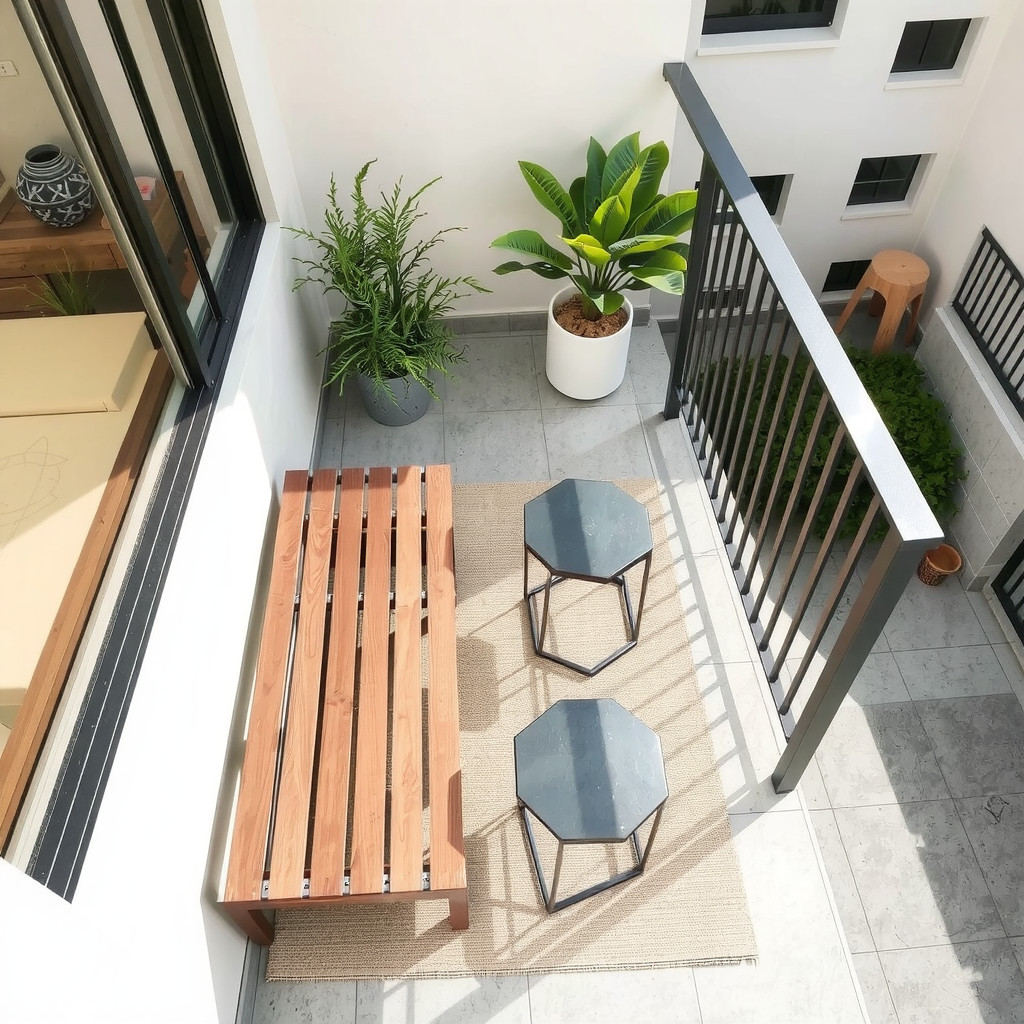
Utilize the perimeter for larger structural elements like long trough planters or bench seating, which keeps the central circulation path open. This approach prevents the space from feeling cramped. If your footprint is particularly tight, look for multi-functional furniture, such as storage benches or folding bistro sets, that allow you to adapt the layout based on the occasion.
Materials and Textiles
In a compact area, every texture is magnified. To achieve a modern aesthetic, stick to a restrained palette of materials that complement your interior decor. Think raw concrete, matte black metal, and warm timber like teak or acacia. These elements ground the space and provide a neutral canvas for your greenery.
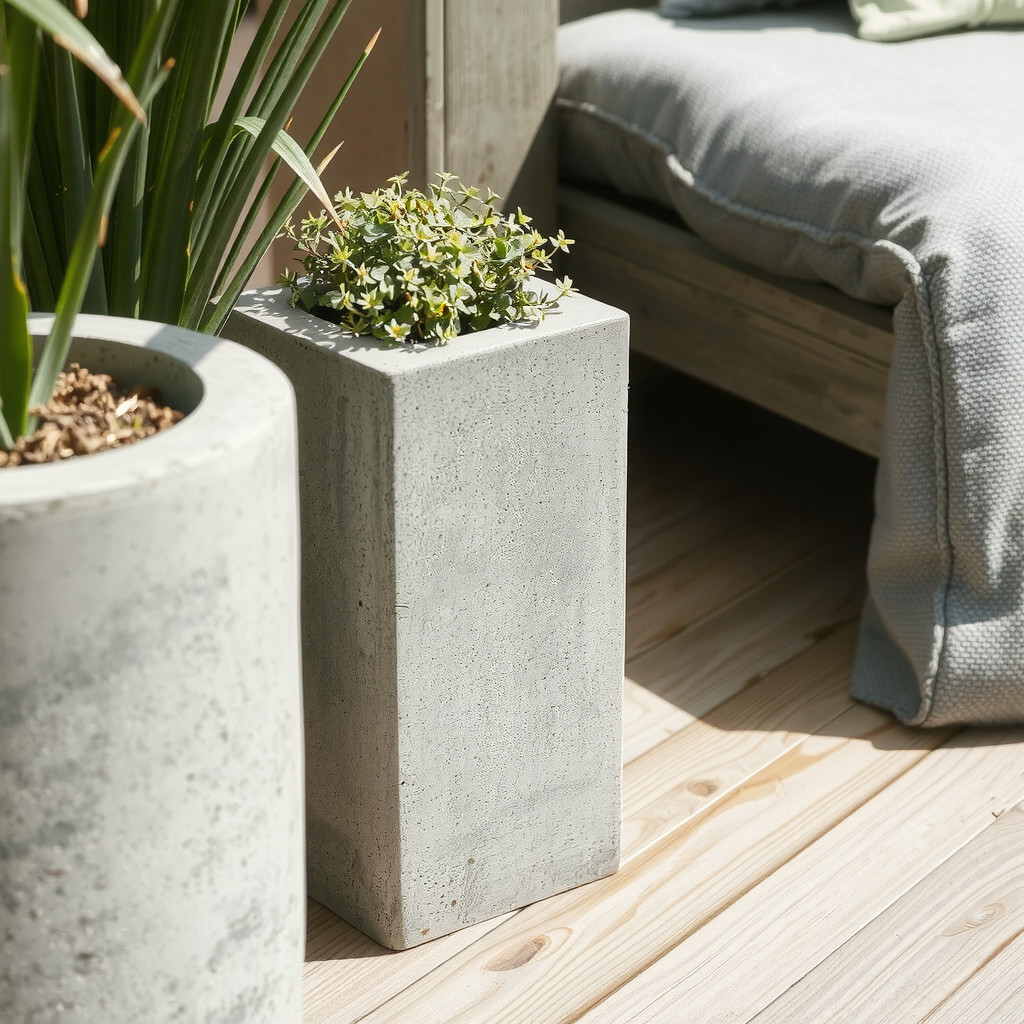
Soften these hard surfaces with weather-resistant textiles. A geometric outdoor rug can anchor your furniture arrangement, while throw pillows in linen-like performance fabrics add tactile comfort. Layering these textures creates depth and makes the outdoors feel just as cozy as your living room.
Focal Points
A common mistake in small garden design is cluttering the space with too many small items. Instead, be bold with a single focal point that draws the eye and anchors the design. This could be a sculptural lounge chair, a water feature, or a singular, magnificent plant.
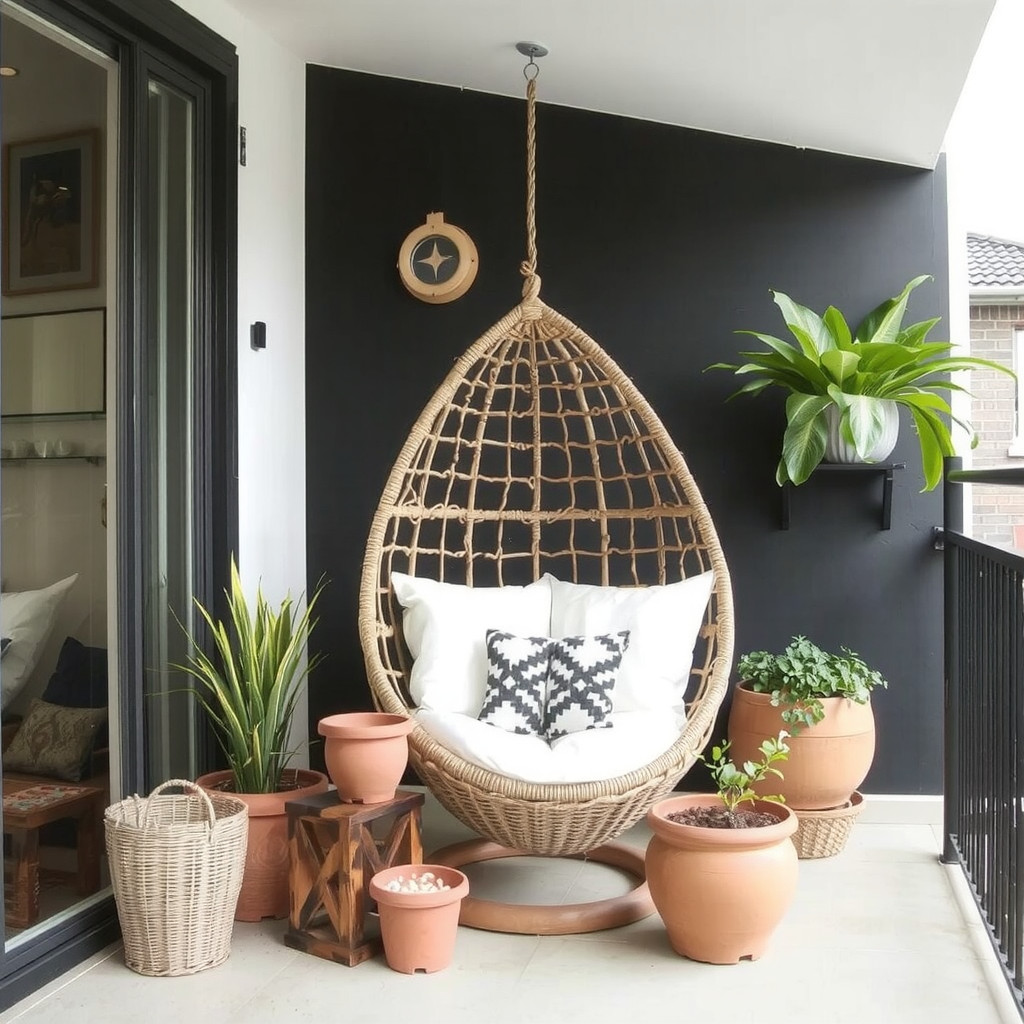
By committing to one “hero” piece, you establish a hierarchy in the visual landscape. Position this element where it can be seen from inside the house, blurring the lines between indoors and out. This technique not only makes the balcony feel larger but also ensures it looks curated rather than chaotic.
Lighting
As the sun sets, lighting becomes the most transformative element of your garden. Avoid harsh floodlights; instead, aim for a layered approach that mimics indoor lighting design. String lights draped overhead can create a “ceiling” that creates a sense of intimacy and enclosure.
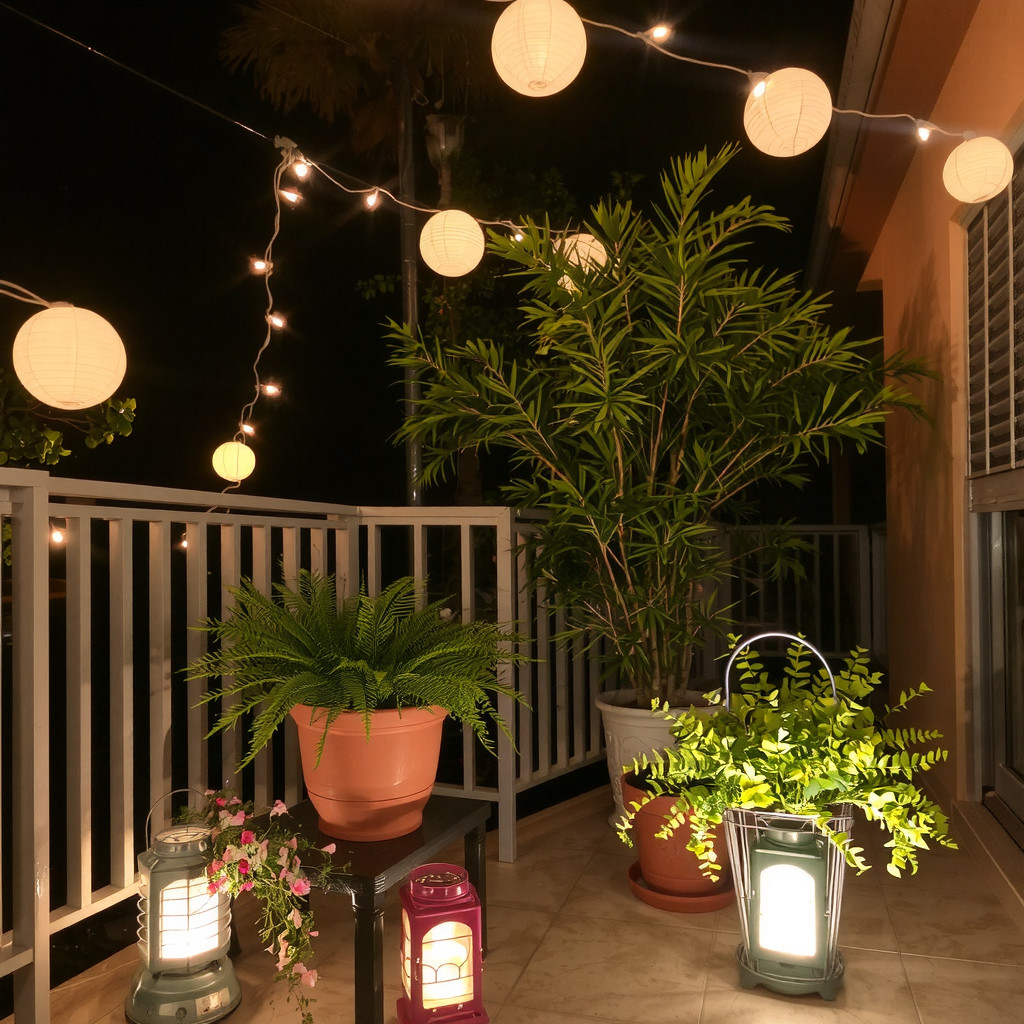
Supplement overhead glimmers with floor-level solar lanterns or battery-operated LED candles nestled among the plants. This low-level lighting highlights the textures of your pots and foliage, creating dramatic shadows and a warm, inviting ambiance perfect for evening relaxation.
Greenery
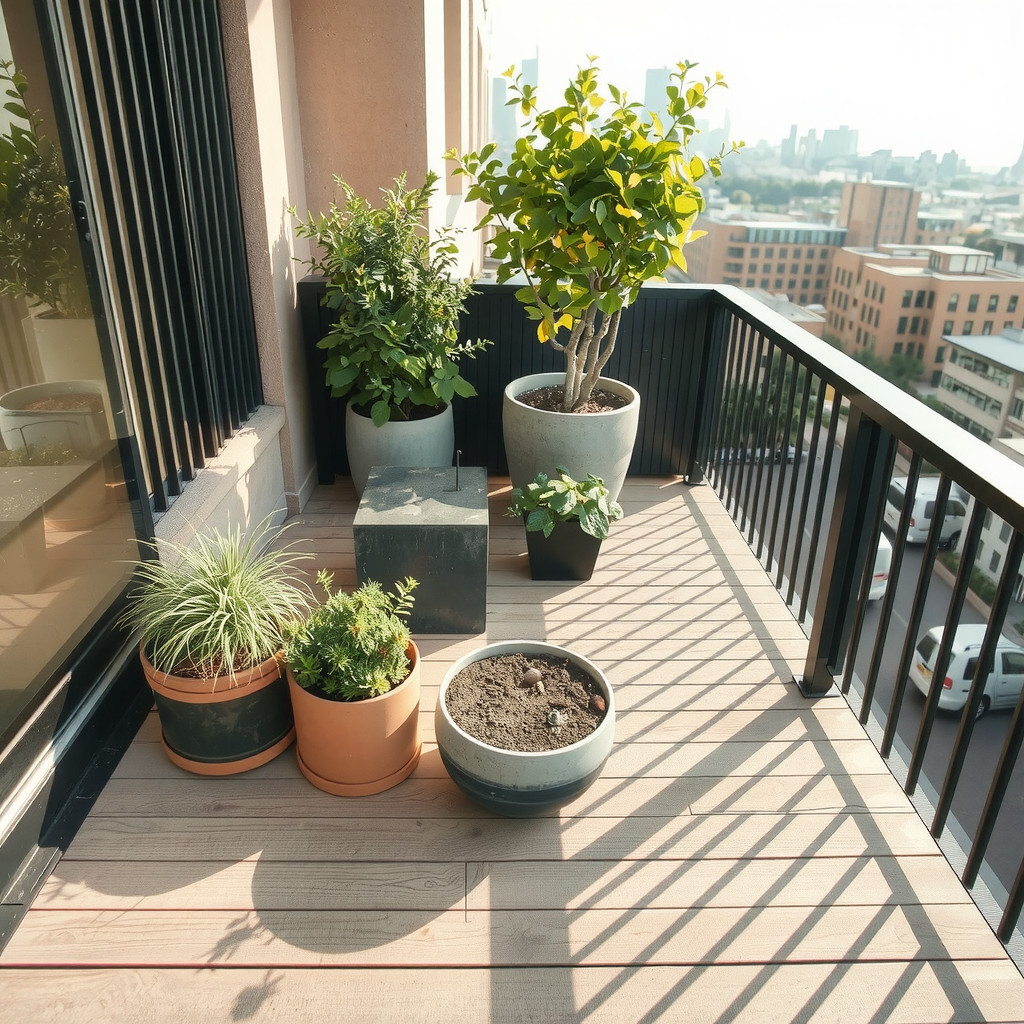
The plants you choose are the paint for your canvas. For a modern look, focus on architectural foliage rather than a riot of colorful blooms. Snake plants, ornamental grasses, and fatsia japonica offer striking shapes that look good year-round.
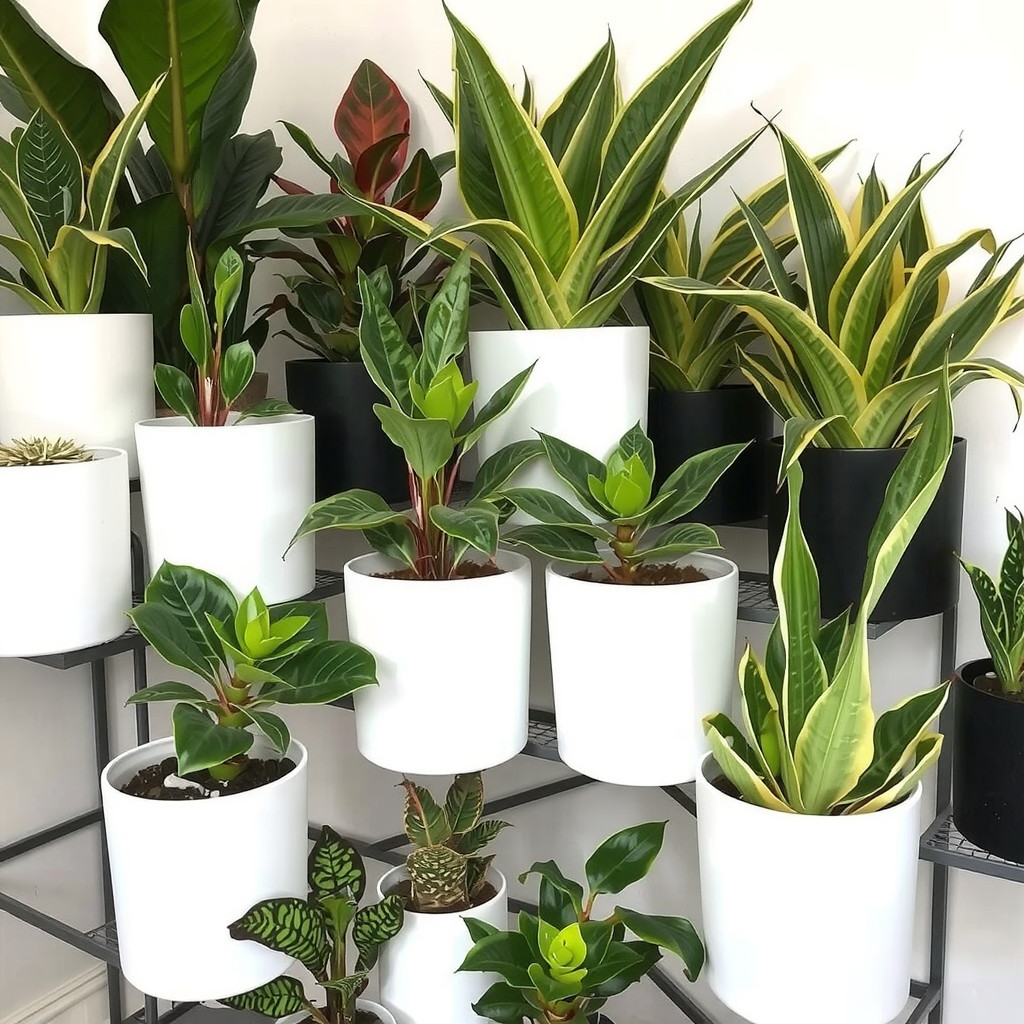
Container choice is just as critical as the plant itself. Uniformity in pot style—such as grouping cylinders of varying heights in a single color—creates a cohesive, designer look. Don’t forget the vertical plane; wall-mounted planters or a trellis can add lushness without sacrificing floor space.
Tips
- Check Weight Limits: Before loading up on heavy concrete pots, ensure your balcony structure can support the weight.
- Consider Wind: High-rise balconies can be windy; choose sturdy, heavy-bottomed pots or secure them to railings.
- Drainage is Key: Always ensure your pots have drainage holes and saucers to protect the flooring below from water stains.
- Vertical Advantage: Use hanging planters or shelving units to multiply your planting surface area without reducing foot traffic space.
- Reflect Light: A strategically placed outdoor mirror can double the visual depth of a small garden and reflect sunlight into shady corners.
ADVERTISEMENT