ADVERTISEMENT
Timeless Treasures: Styling Your Home with Thrifted Finds
Creating a home that feels authentically yours often involves looking beyond the showroom floor. There is a distinct magic in finding a piece with a past, a narrative that predates your ownership. Thrifting for home decor is not merely about saving money; it is an act of curation, a treasure hunt where patience is rewarded with unique character. When you introduce pre-loved items into your space, you layer history and texture in a way that mass-produced furniture simply cannot replicate.
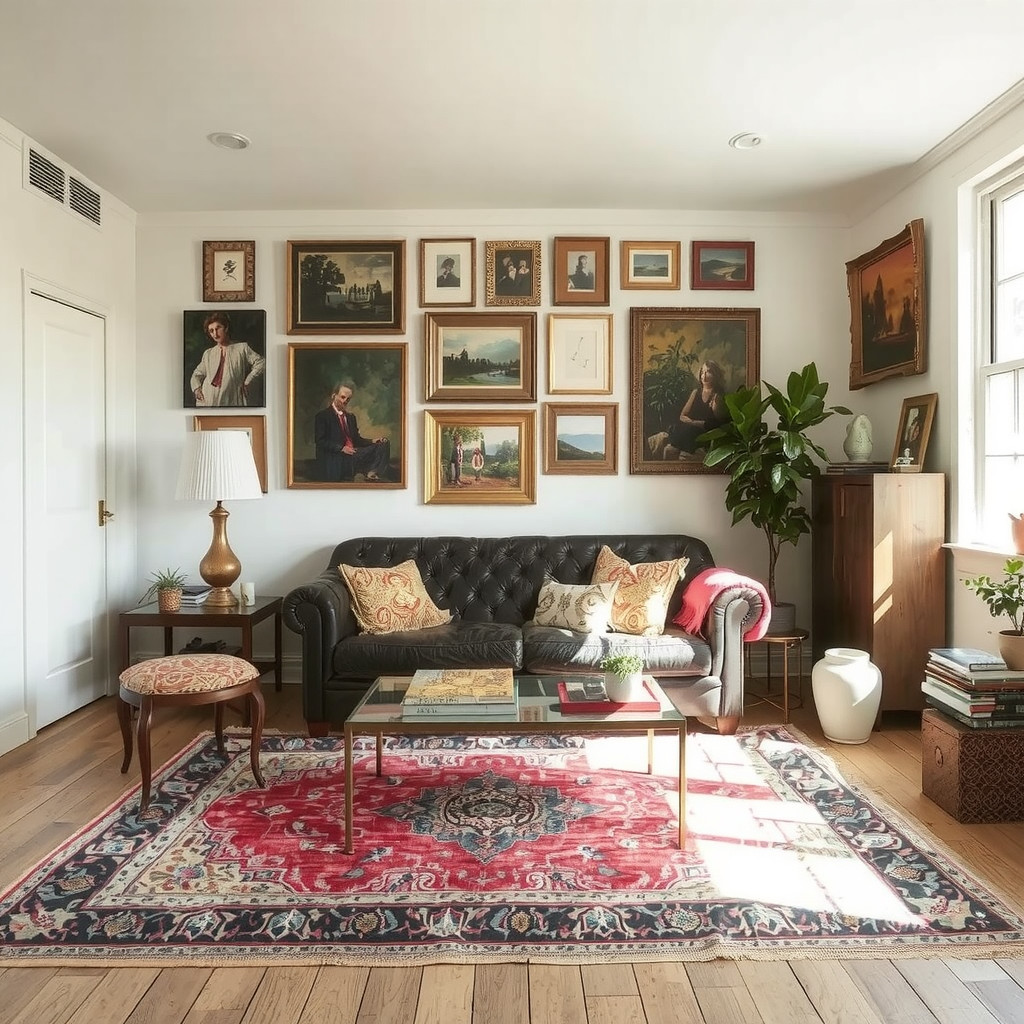
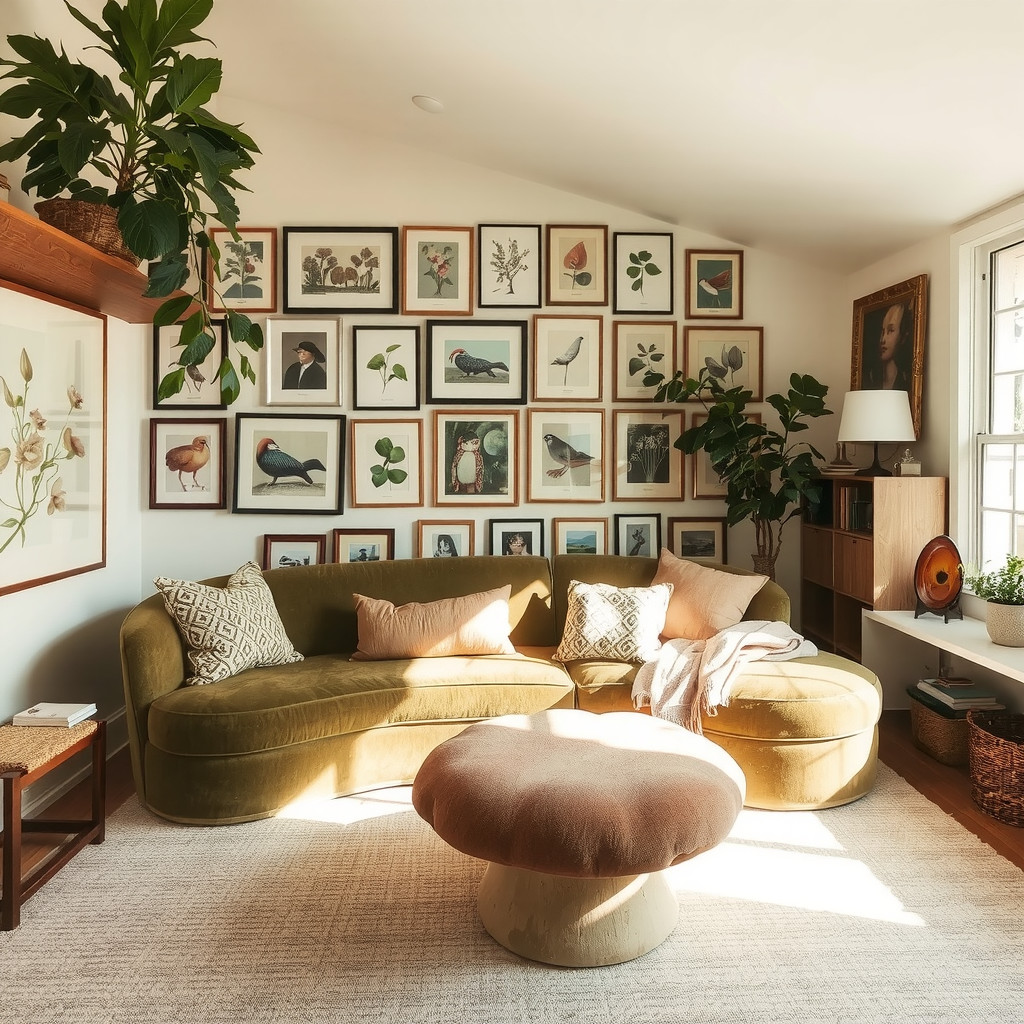
You are building a sanctuary that tells a story, blending eras and styles to reflect your personal taste rather than a momentary trend. Whether it is a weathered oak table or a quirky ceramic vase, these objects ground your home, offering a sense of permanence and soul.
Layout and Positioning
Integrating thrifted finds requires a keen eye for balance. You want your space to feel collected, not cluttered. Avoid clustering too many small vintage items together, which can quickly look like a disorganized antique shop. Instead, give your treasures room to breathe. Pair a heavy, ornate vintage sideboard with a sleek, modern mirror to create a dynamic contrast that highlights the best attributes of both pieces.
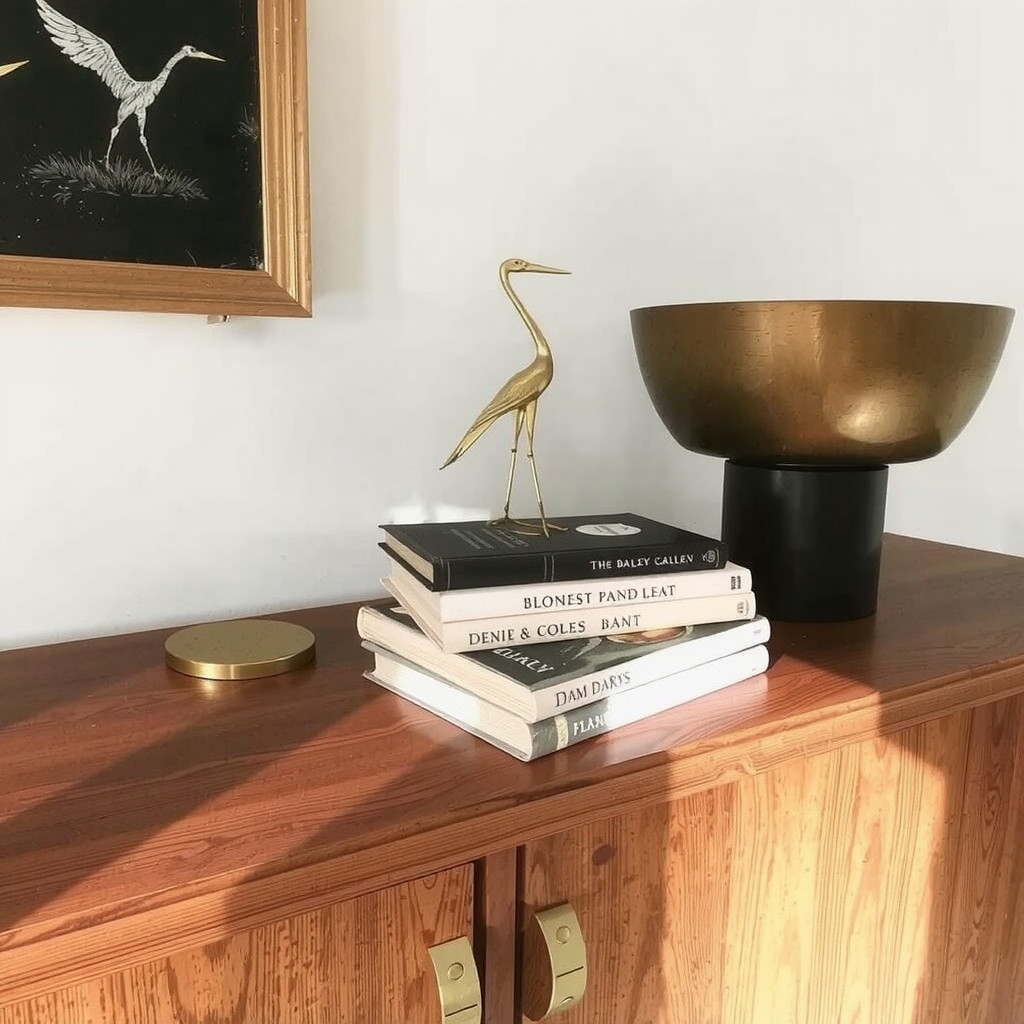
Consider the visual weight of your layout. If you have acquired a large, dark wood armoire, position it across from a window or a lighter-colored wall to prevent the room from feeling oppressive. Use rugs to zone these areas, anchoring your thrifted furniture so it feels intentional within the floor plan.
Materials and Textiles
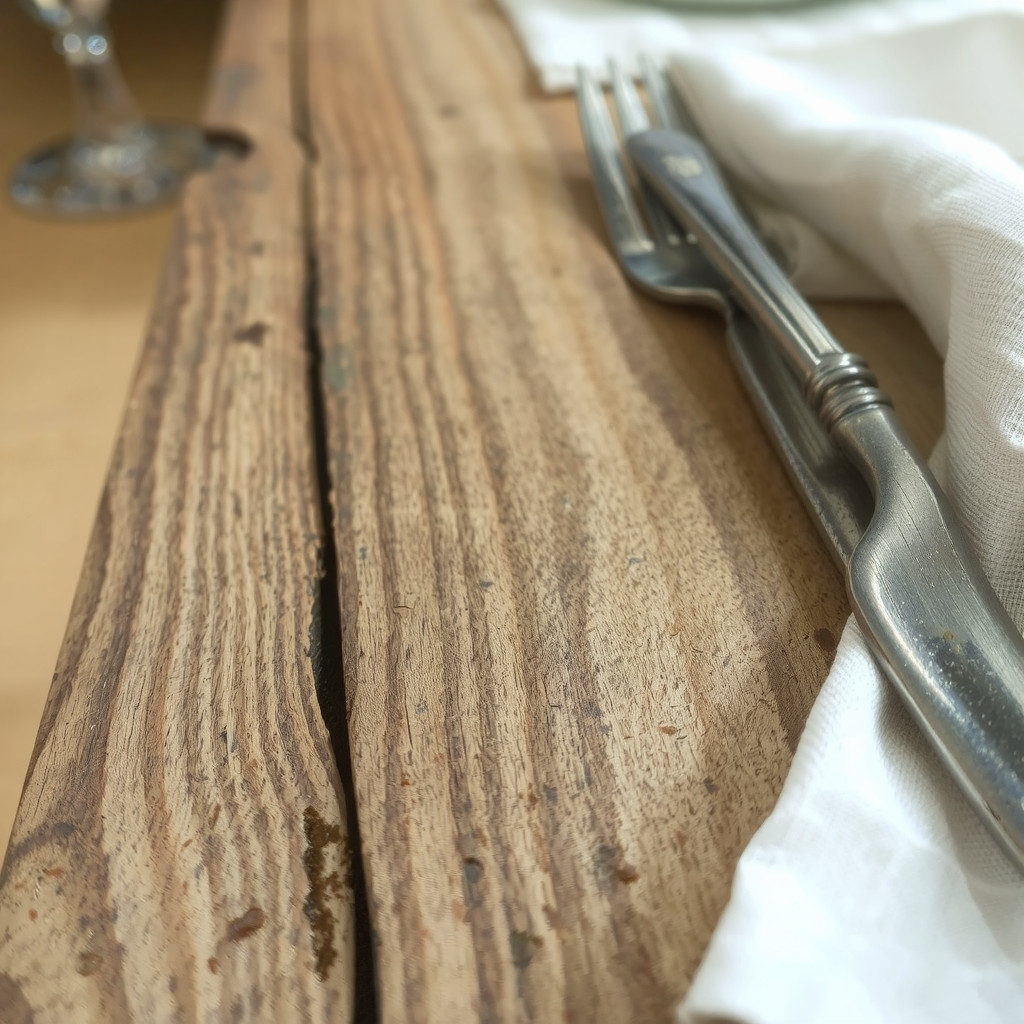
The true beauty of thrifted decor often lies in the quality of older materials. You will frequently encounter solid wood, heavy brass, and hand-woven textiles that have stood the test of time. Embrace the patina—the scratches on a leather chair or the tarnish on a silver tray are marks of life, not defects. These textures add warmth and depth to a room that brand-new items often lack.
Look for natural fabrics like wool, linen, and cotton when hunting for soft goods. A vintage kantha quilt or a hand-knotted Persian rug can transform a sterile room into a cozy haven. When mixing these textiles, stick to a cohesive color palette but vary the scale of the patterns to keep the eye interested without overwhelming the senses.
Focal Points
Every room needs a hero piece, and the thrift store is the perfect place to find one. A statement item does not necessarily have to be large; it just needs to command attention. This could be an oversized gilded mirror, an unusual mid-century chair, or a large-scale piece of original art. Let this piece dictate the mood of the room and arrange your secondary furniture around it.
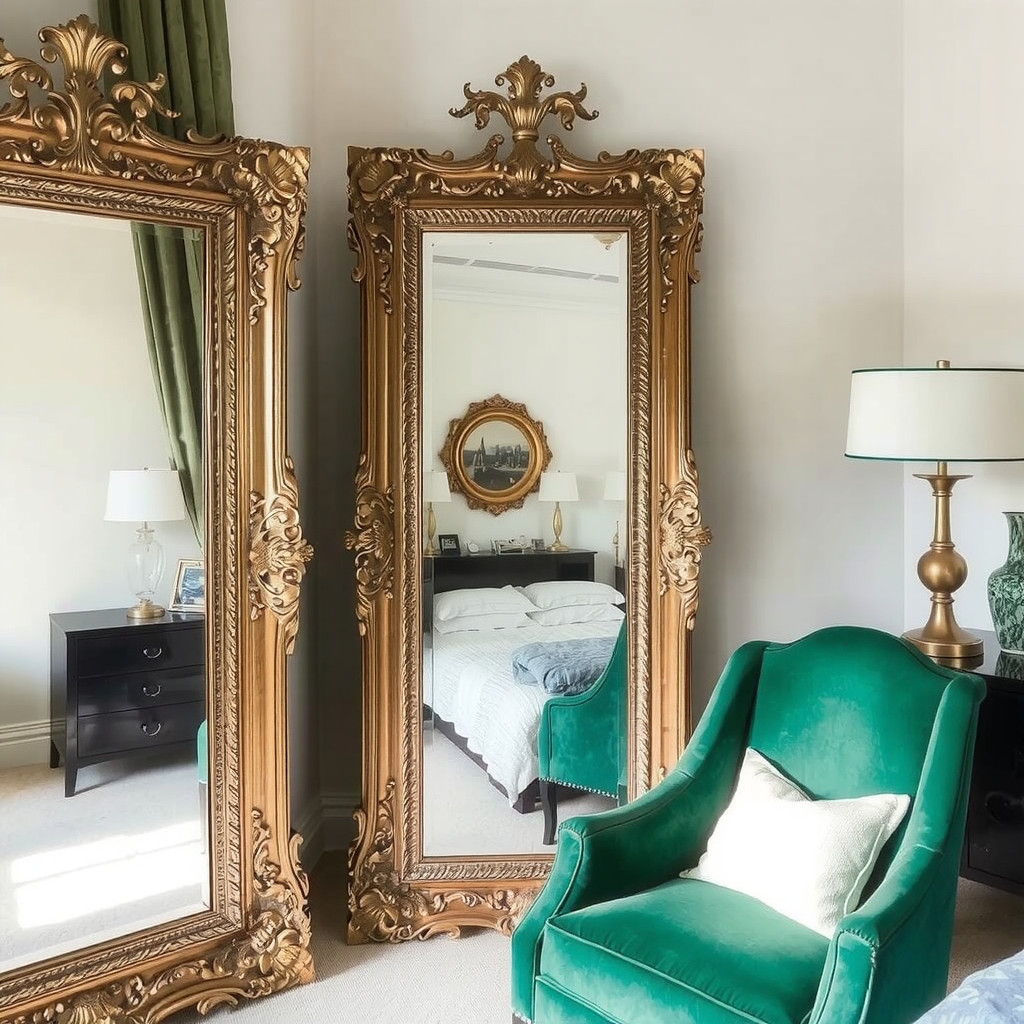
When you center your design around a unique vintage find, you ensure that your room has a distinct personality. It becomes a conversation starter, a physical manifestation of your unique aesthetic journey.
Lighting
Lighting is often the unsung hero of vintage decor. Older lamps often feature interesting shapes, materials, and glazes that are hard to find in modern equivalents. Swapping out a generic fixture for a vintage pendant or a retro ceramic table lamp can instantly change the ambiance of a space.
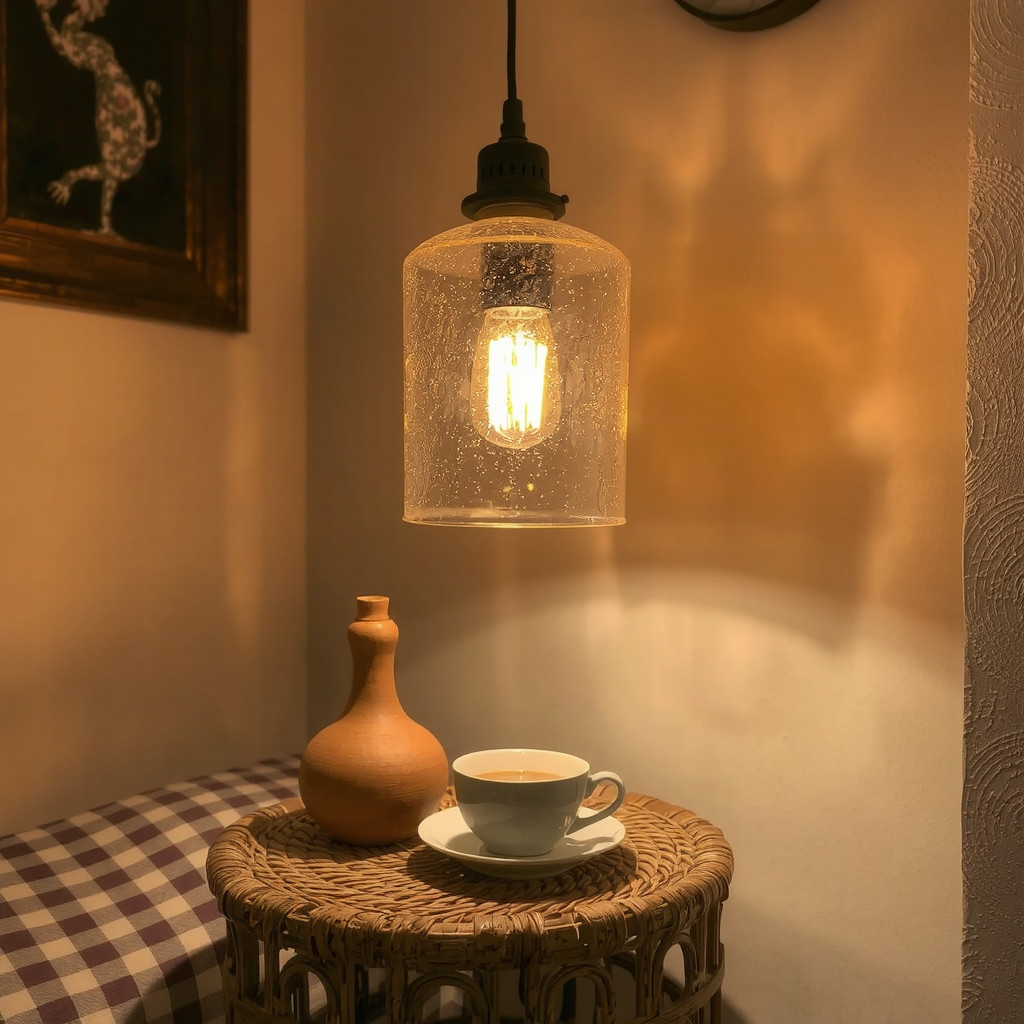
Focus on the quality of light as well as the fixture itself. Vintage shades often diffuse light differently, creating a warm, moody glow that softens the edges of your room. If the wiring looks questionable, having it rewired is a simple fix that allows you to enjoy the aesthetic of the past with the safety of the present.
Greenery
Plants are the ultimate bridge between the old and the new. They breathe life into static objects and soften the heaviness of wood and metal. Get creative with your vessels; you do not need to stick to standard terracotta pots. An old soup tureen, a copper kettle, or a collection of brass mugs can make for stunning, eclectic planters.
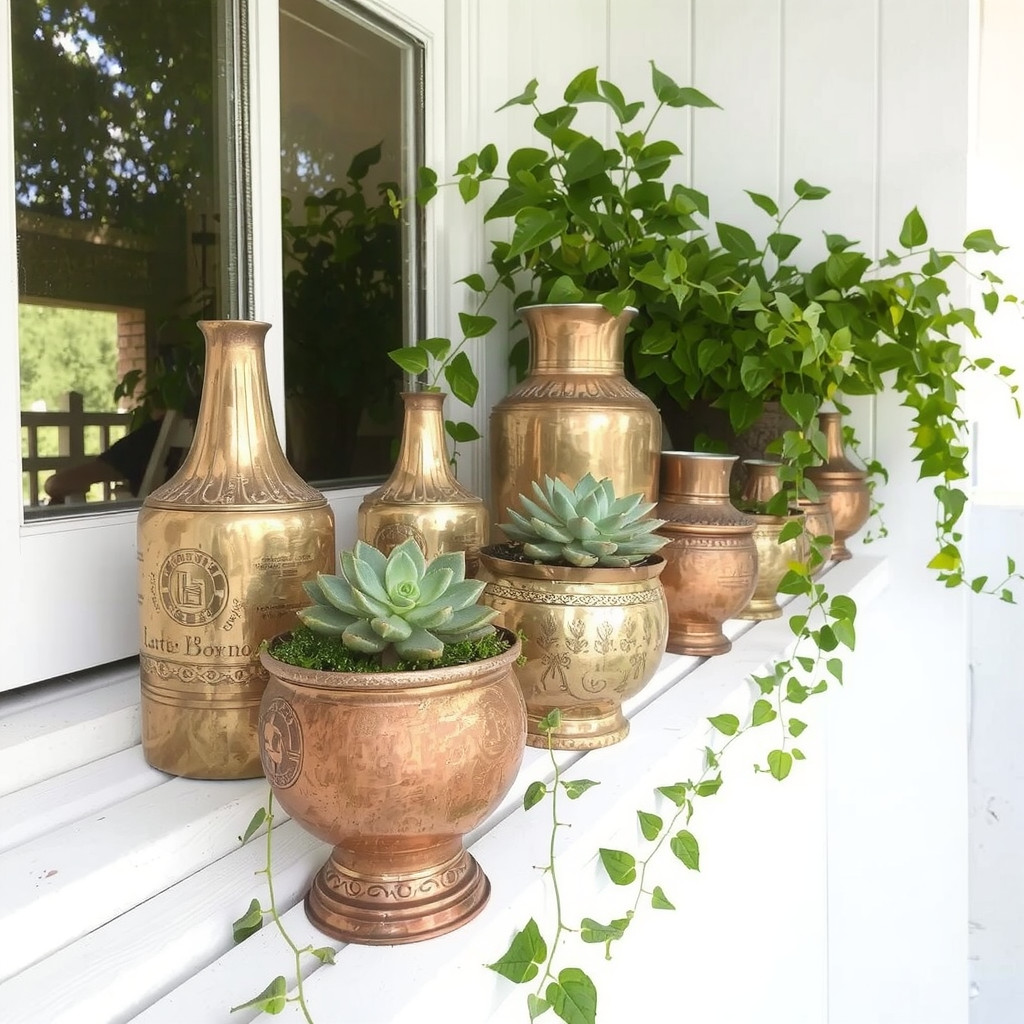
The organic shapes of leaves and vines contrast beautifully with the structured forms of furniture. Placing a trailing pothos atop a tall bookshelf or a fern in a vintage stand adds movement and vibrancy, ensuring your curated space feels fresh and alive.
Tips
- Inspect Thoroughly: Always check upholstered items for signs of pests and wood furniture for structural stability before purchasing.
- Ignore the Finish: Don’t let a bad varnish or ugly paint color deter you; stripping and refinishing wood is a manageable weekend project.
- Check the Brand: Look for stamps or tags inside drawers or on the bottom of pieces to identify high-quality manufacturers.
- Visualize Potential: Try to imagine an item out of the cluttered store context; a good cleaning and new hardware can work wonders.
- Bring Measurements: Keep a note of your room dimensions and door frame widths on your phone so you don’t buy something that won’t fit.
ADVERTISEMENT