ADVERTISEMENT
Tiny Sanctuary: Big Ideas for Styling Small Bedrooms
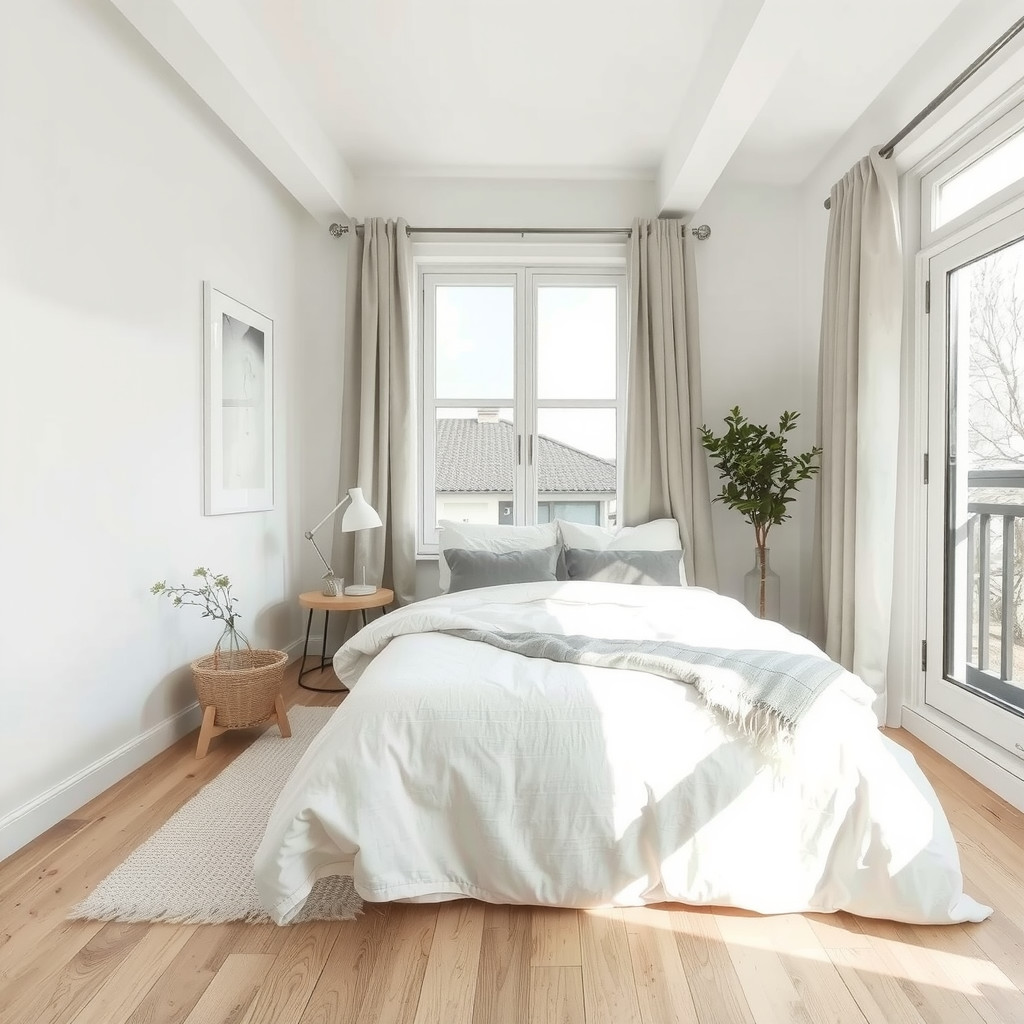
You might feel limited by square footage, but a compact bedroom offers a unique opportunity to create a jewel-box sanctuary. Small spaces naturally lend themselves to coziness and intimacy, qualities that are often lost in cavernous master suites. By shifting your perspective from “cramped” to “curated,” you can design a room that feels both restful and surprisingly spacious. The secret lies not in shrinking your style, but in making deliberate choices that maximize flow and visual lightness.
Layout and Positioning
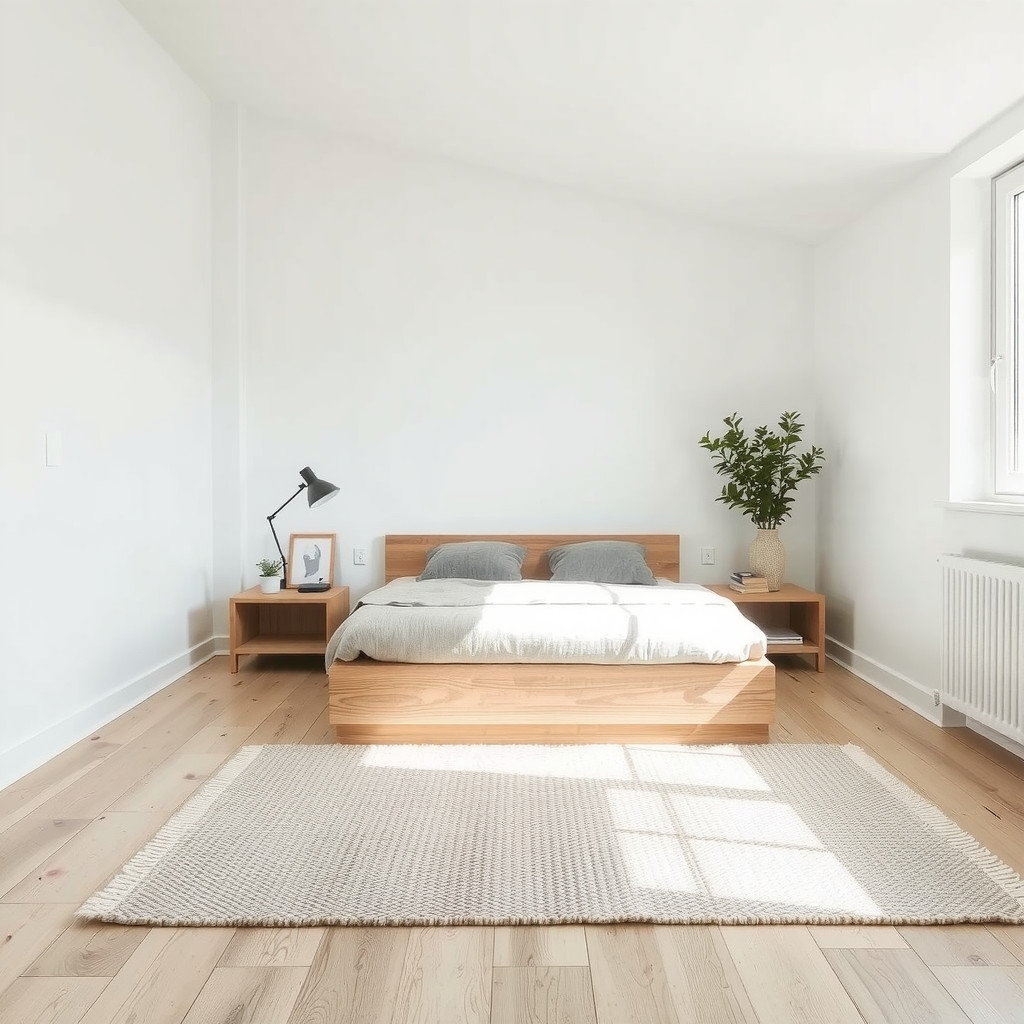
The bed is inevitably the elephant in the room, so its placement dictates everything else. In a tight space, do not be afraid to break the rules of symmetry. While centering the bed is traditional, pushing it against a wall can open up valuable floor area for a rug or a pathway. If you choose to center it, ensure you have just enough clearance on either side for movement. Consider the vertical volume of the room as well; a low-profile platform bed can make ceilings feel higher, increasing the sense of airiness.
Materials and Textiles
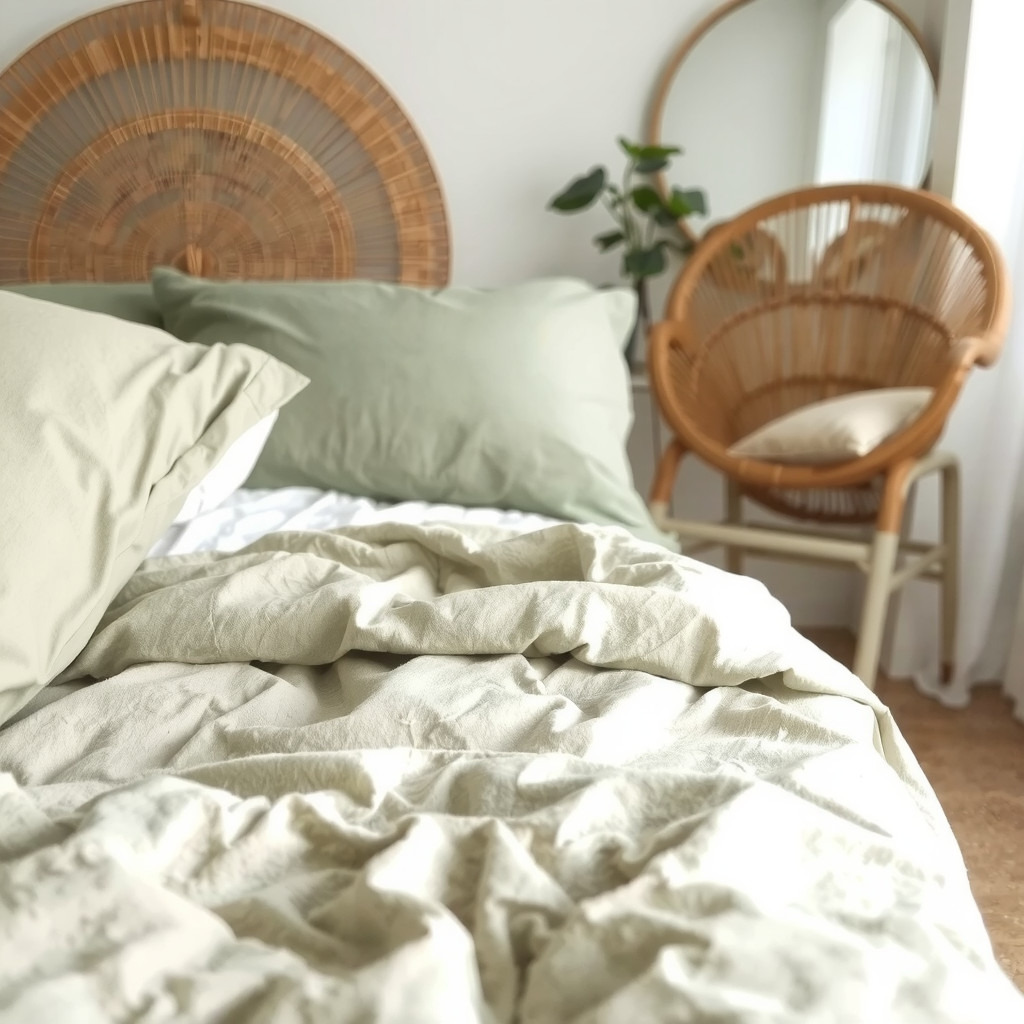
When physical space is limited, visual texture becomes your primary tool for adding depth. Avoid heavy, dark velvets or chunky furniture that swallows light. Instead, opt for breathable, natural materials like linen, cotton, and light-stained woods such as oak or ash. Mirrors are a non-negotiable asset in small bedroom design; placing a large mirror opposite a window bounces natural light around the room, effectively doubling the perceived space. Keep your bedding relaxed and layered to invite comfort without rigid formality.
Focal Points
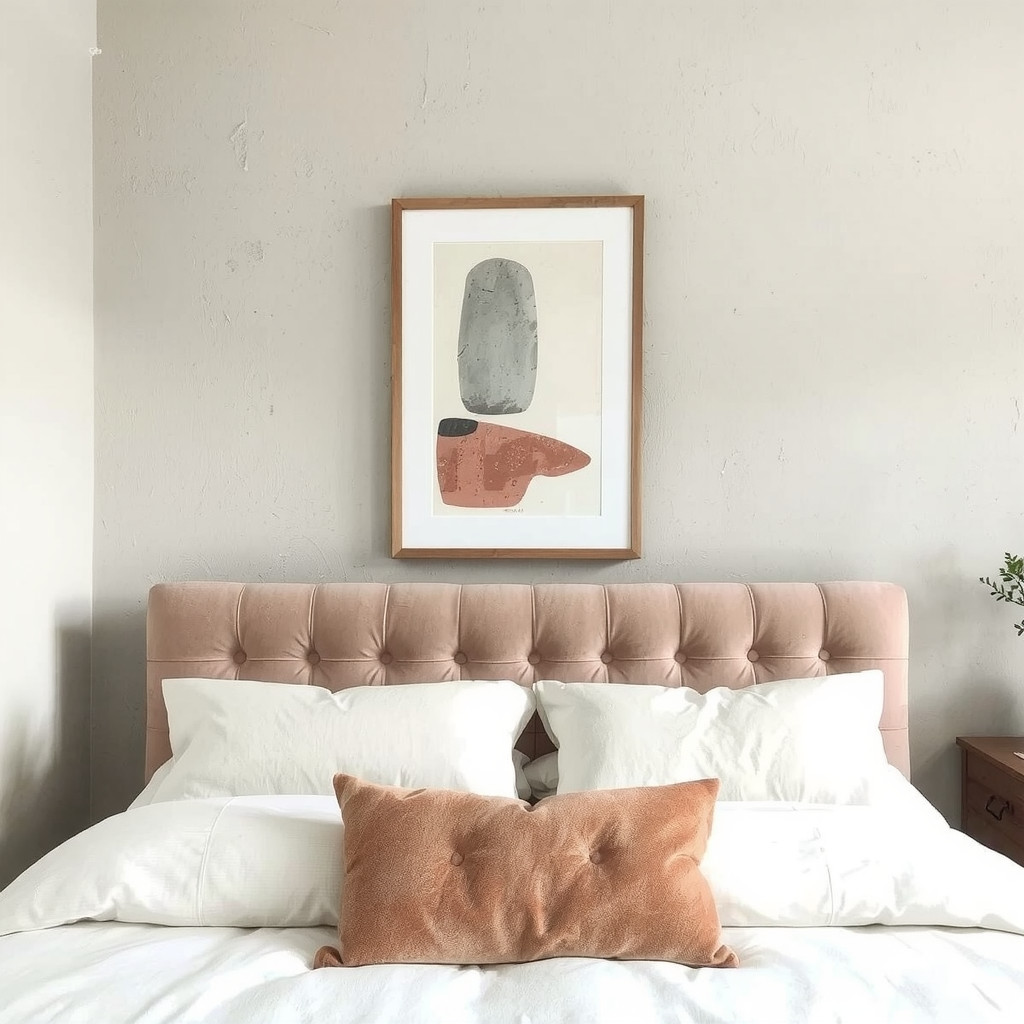
Clutter is the enemy of small spaces, but sterility is just as bad. To strike a balance, establish one clear focal point that anchors the eye immediately upon entering. This could be a statement headboard with an interesting shape, or a single large-scale piece of art above the bed. By concentrating visual interest in one zone, you allow the rest of the room to “breathe,” preventing that overwhelmed feeling that comes from too many small decor items competing for attention.
Lighting
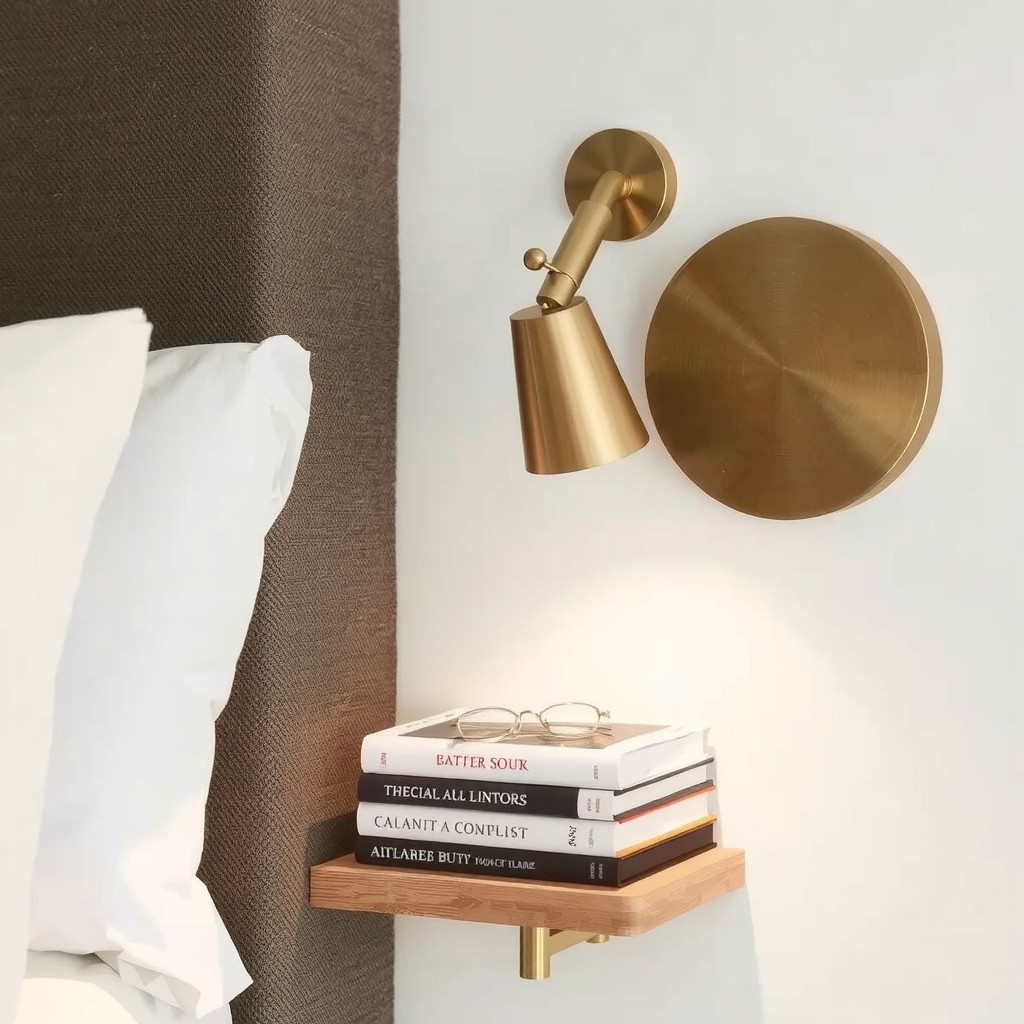
Standard table lamps can take up precious real estate on nightstands—if you even have room for nightstands at all. The smartest upgrade you can make is installing wall-mounted sconces. This frees up surface area for your phone, a book, or a glass of water. Look for adjustable fixtures that can direct light where you need it for reading, while also casting a warm, ambient glow against the walls to soften the room’s edges.
Greenery
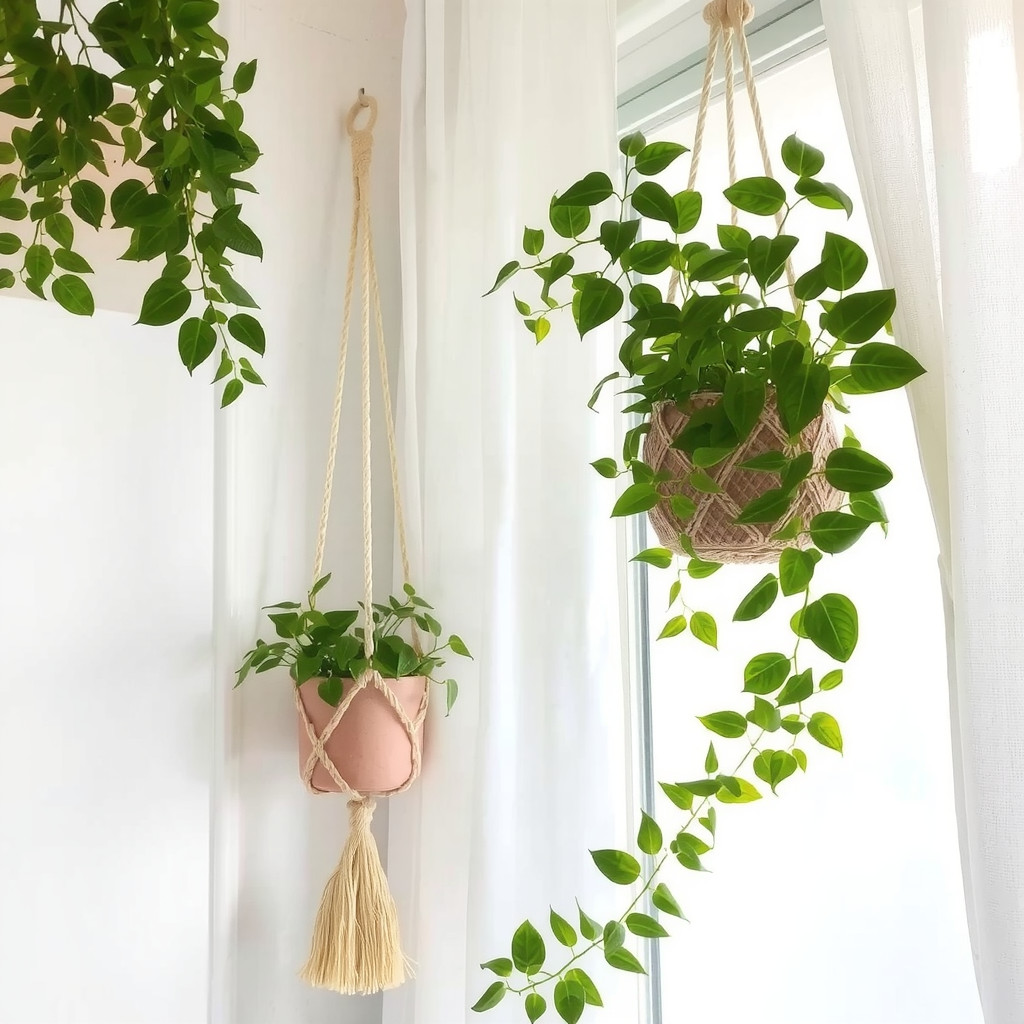
Bringing nature inside connects your room to the outdoors, expanding its psychological boundaries. However, you likely lack the floor space for a large fiddle leaf fig. Utilize the “dead space” near ceilings or windows by hanging planters. A trailing plant adds vertical interest and organic lines that break up the boxy geometry of a small room. Alternatively, a small succulent on a window sill adds life without clutter.
Tips
- Go Vertical: Install floating shelves high up on the walls for books or decorative items to draw the eye upward.
- Hidden Storage: Utilize the space under your bed with rolling bins or choose a bed frame with built-in drawers.
- Monochromatic Palette: Sticking to a single color family (like varying shades of cream or grey) reduces visual noise.
- Ghost Furniture: Consider acrylic chairs or tables; their transparency prevents them from visually blocking the space.
- Door usage: Use over-the-door hooks or organizers to keep floors clear of laundry or bags.
ADVERTISEMENT