ADVERTISEMENT
Curating Calm: Essential Design Ideas for Small Bedrooms
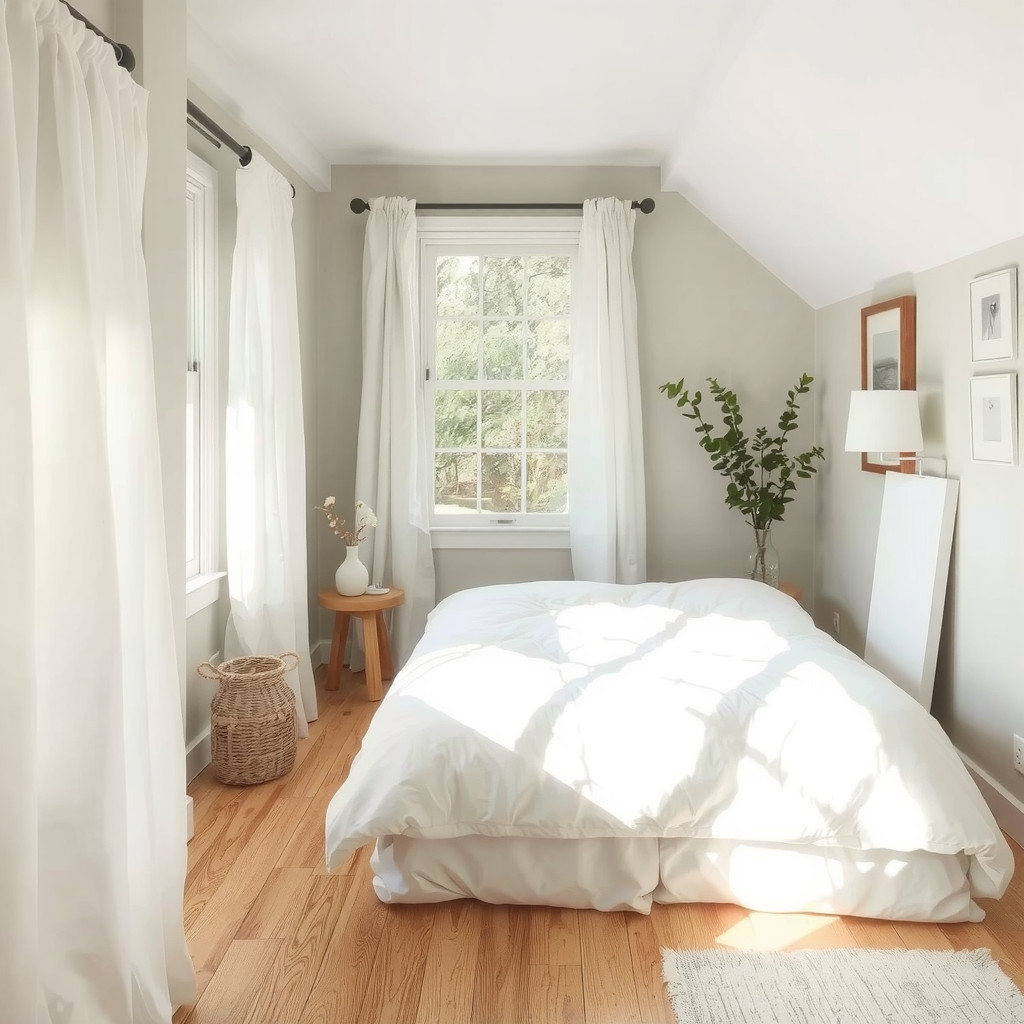
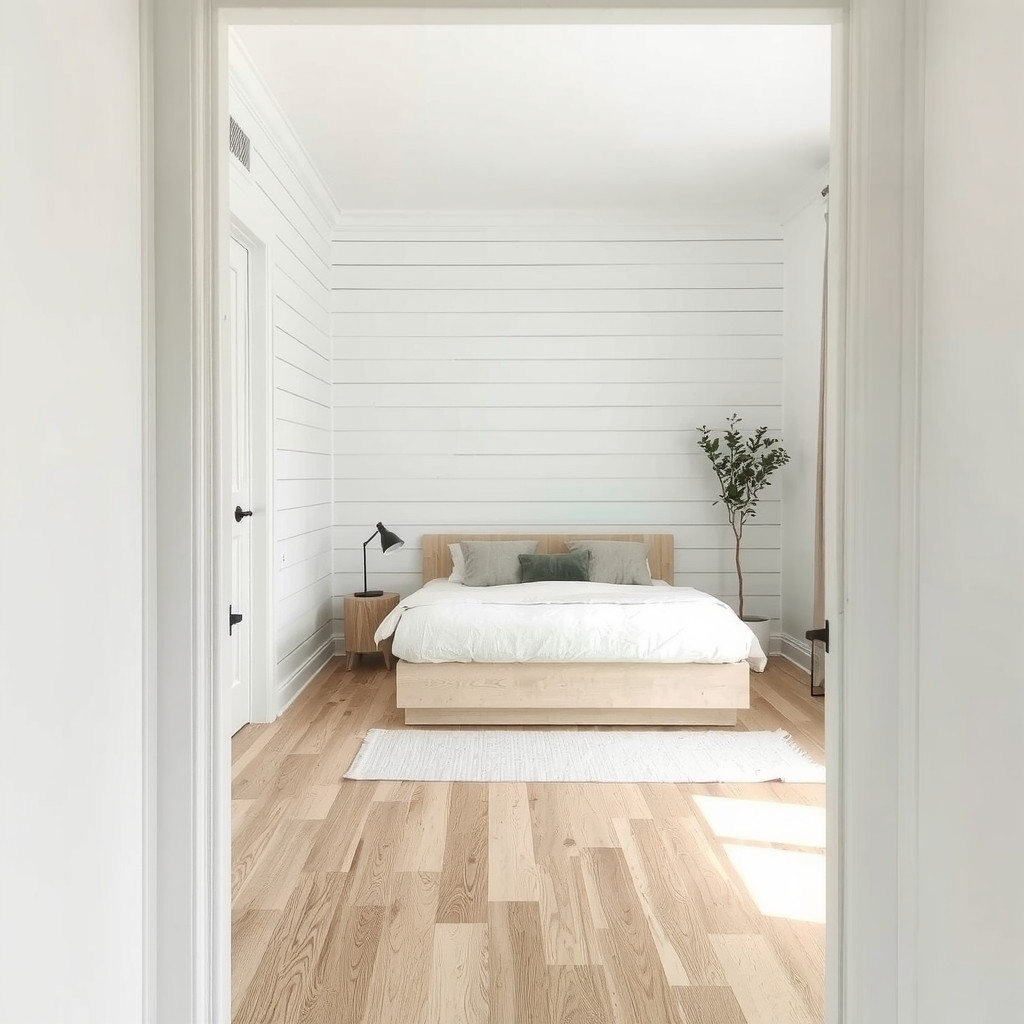
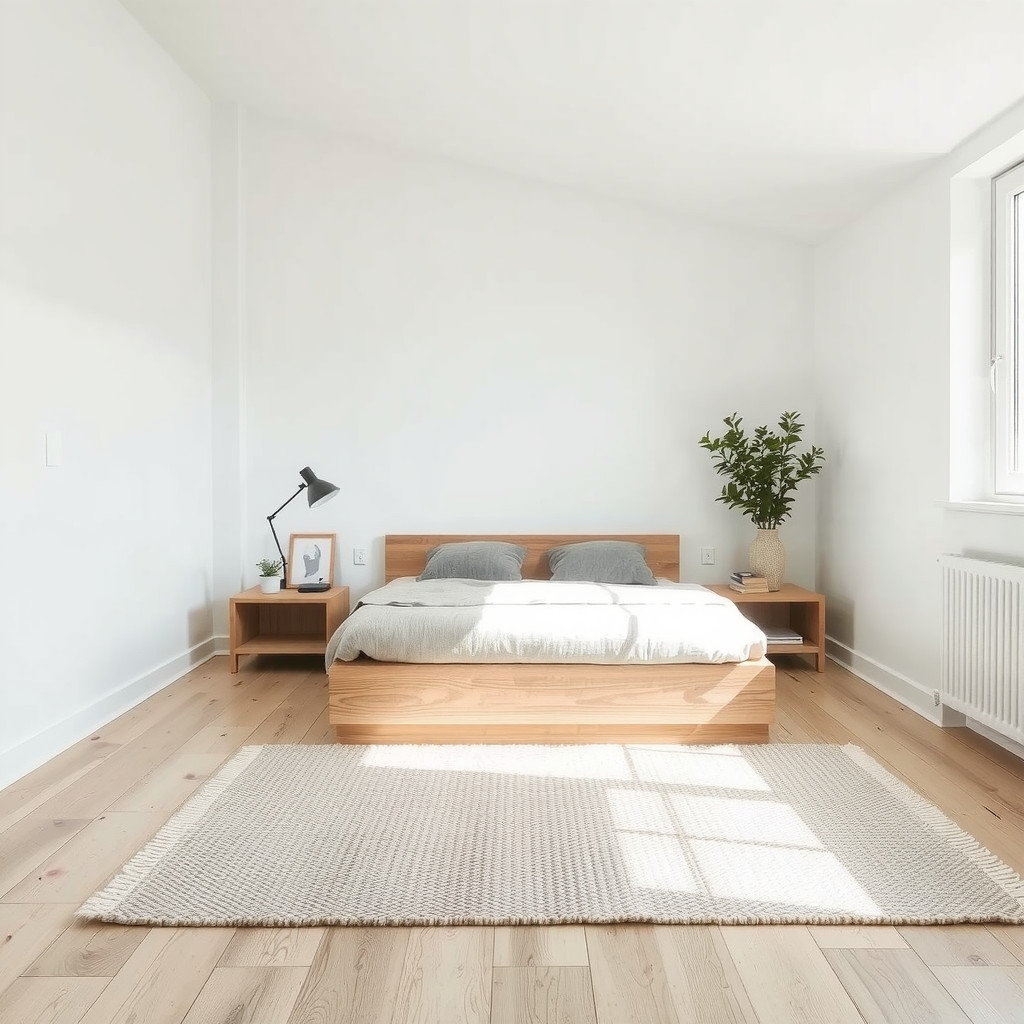
Designing a small bedroom requires a shift in perspective. Instead of viewing the limited square footage as a constraint, consider it an invitation to create a cozy, curated “jewel box” retreat. By prioritizing functionality and embracing verticality, you can transform a cramped quarter into a serene sanctuary that feels expansive and luxurious.
Layout and Positioning
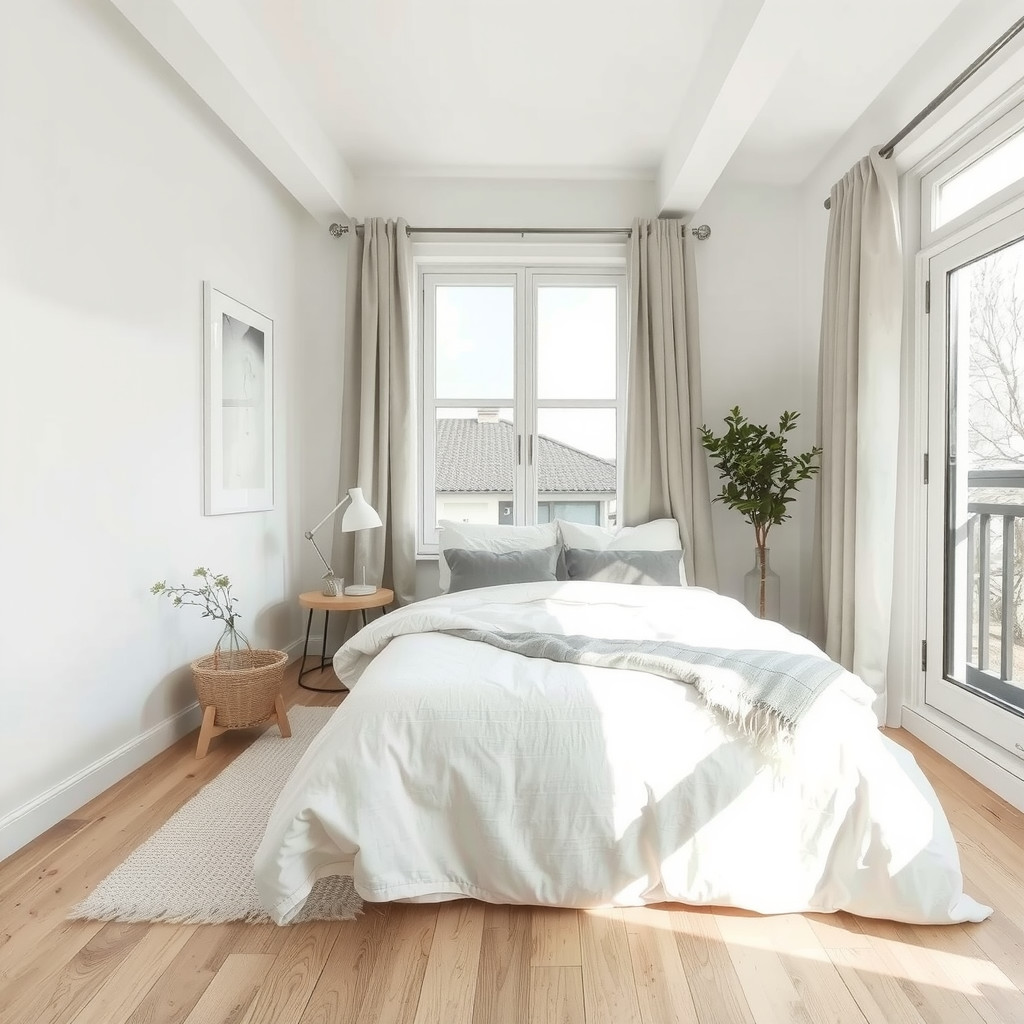
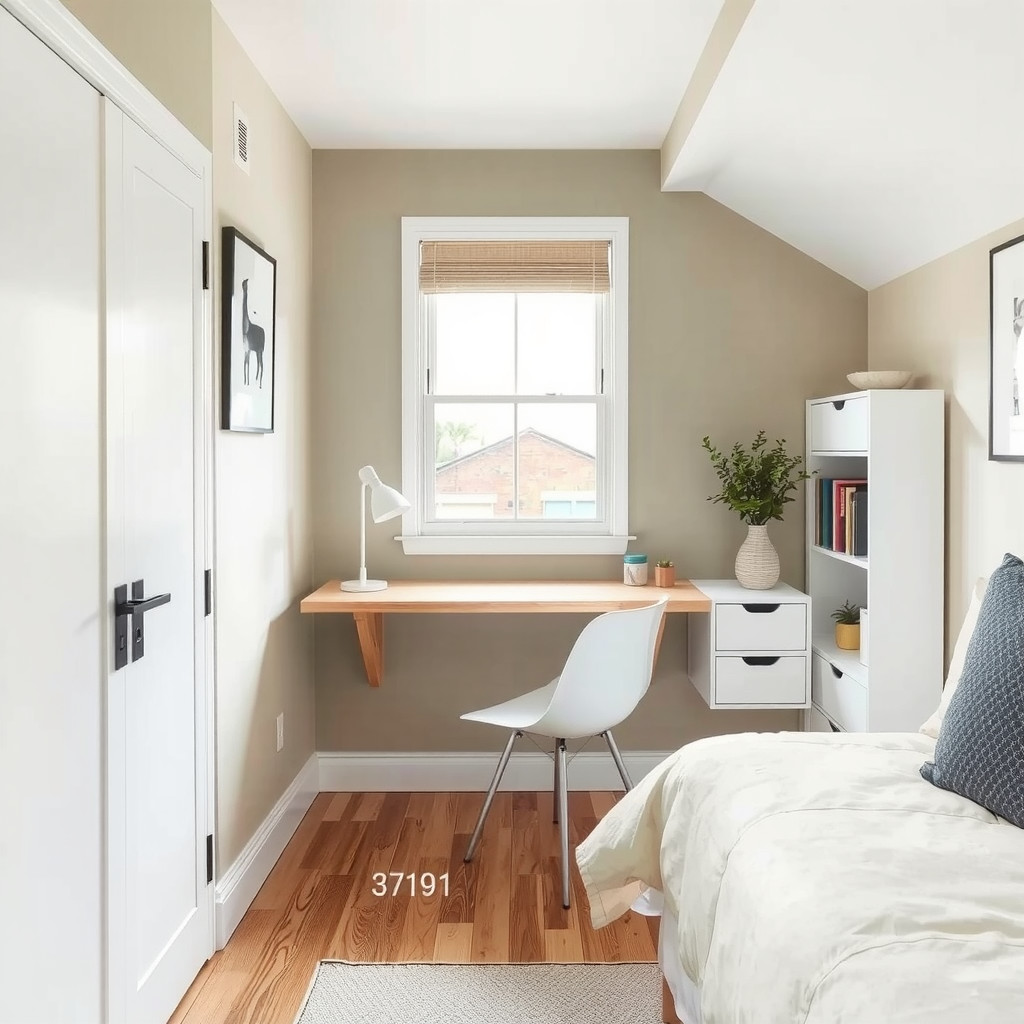
The foundation of a successful small bedroom lies in the layout. Your goal is to maximize flow without sacrificing essential furniture. In a narrow room, placing the bed against the longest wall—or even tucking it into a corner—can open up valuable floor space for movement. If you require a workspace, avoid bulky furniture that dominates the room.
Instead, look for multifunctional opportunities. A slim console table can serve as both a vanity and a desk, or a floating shelf can provide a surface for your laptop without taking up a single inch of floor area. When selecting a dresser or wardrobe, prioritize height over width to draw the eye upward and keep the footprint minimal.
Materials and Textiles
Texture plays a pivotal role in how a small space feels. Because you cannot rely on architectural grandeur, the tactile quality of your surfaces becomes the star. Layering materials adds depth and richness, preventing the room from feeling flat or boxy.
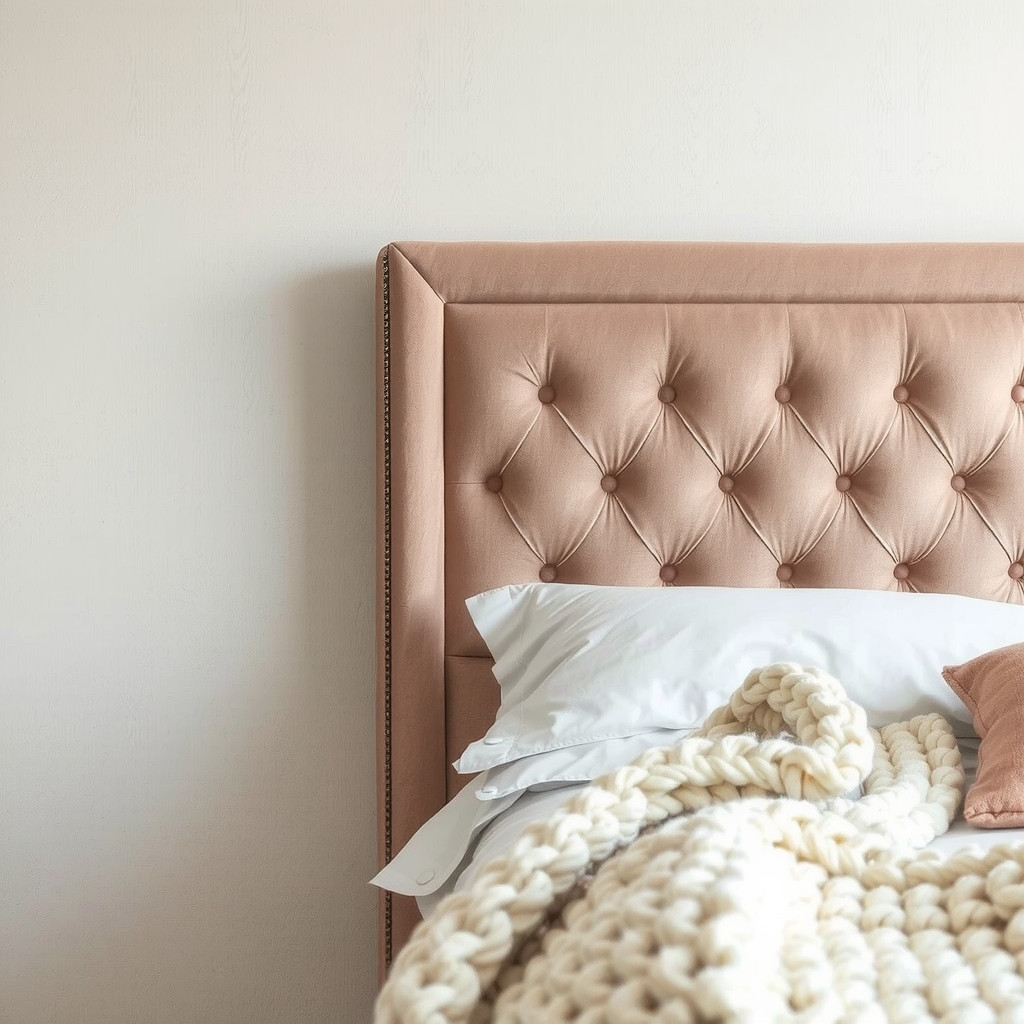
Consider introducing a subtle wallpaper behind the bed to create a feature wall that recedes visually, adding implied depth. Soft, matte finishes on walls absorb light gently, while textiles like velvet, linen, and chunky knits invite touch. A monochromatic palette—think varying shades of soft white, warm gray, or muted blush—keeps the visual noise low, making the room feel larger and more cohesive.
Focal Points
In a compact room, your eye needs a place to rest. Without a focal point, the space can feel cluttered; with too many, it feels chaotic. Choose one dramatic element to anchor the design. This is often the bed itself, specifically the headboard, but it can also be a piece of statement art or a large mirror.
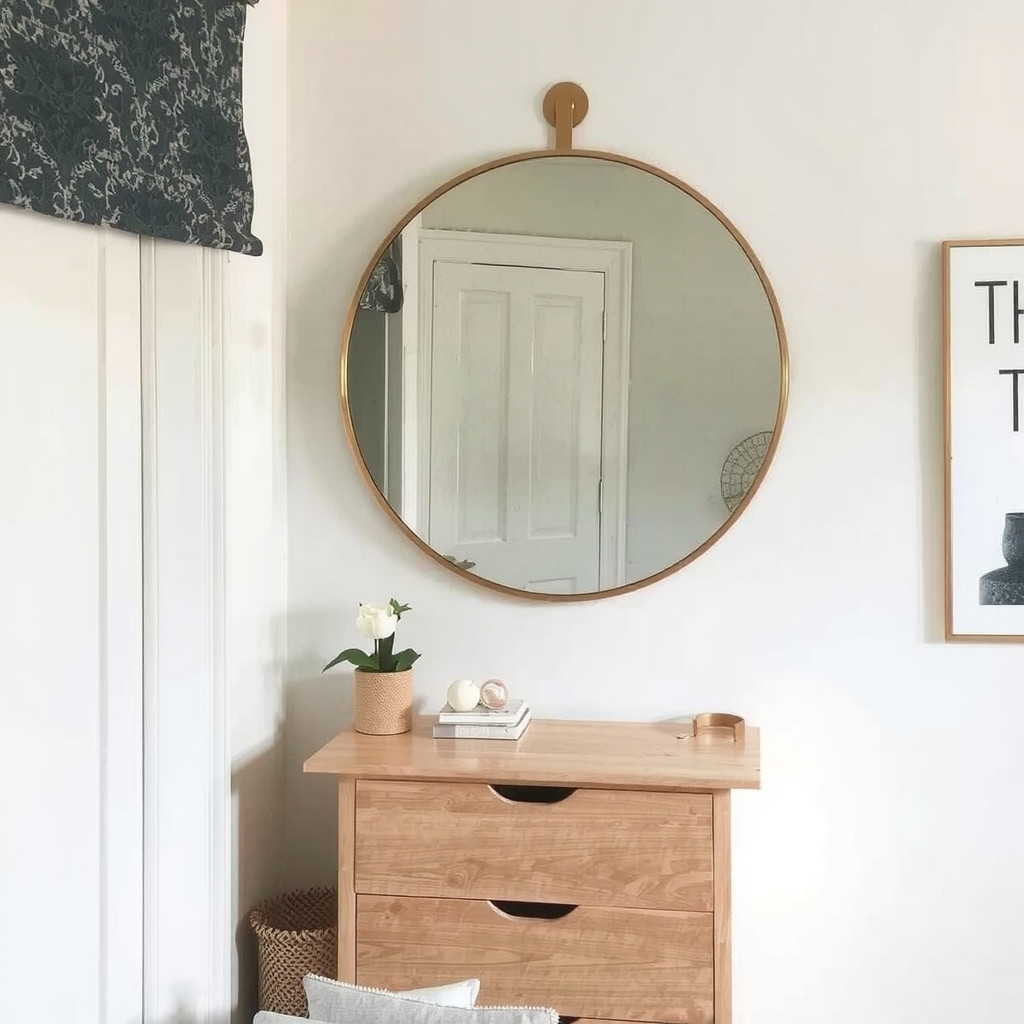
Mirrors are a small bedroom’s best friend. A large, strategically placed mirror reflects natural light and duplicates views, effectively tricking the brain into perceiving double the space. Position a round mirror above a dresser or a tall floor mirror opposite a window to maximize this expansive effect.
Lighting
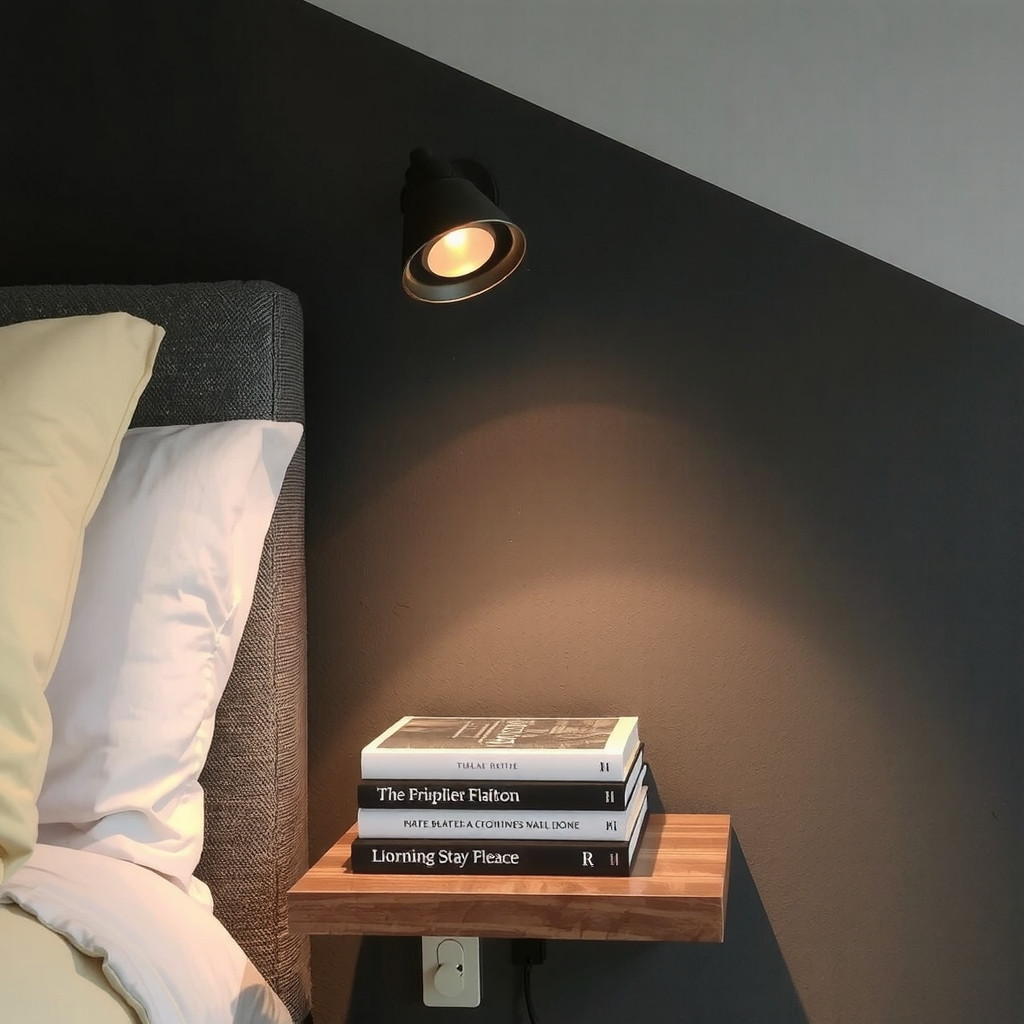
Lighting in a small bedroom should be layered and unobtrusive. Floor lamps take up precious real estate, and table lamps can clutter nightstands. The solution is to go vertical and wall-mounted.
Install sconces on either side of the bed. This frees up your bedside tables for books and water while providing directed, warm light for reading. Dimmable options allow you to shift the atmosphere from bright and functional during the day to moody and intimate at night, enhancing the “sanctuary” vibe of your retreat.
Greenery
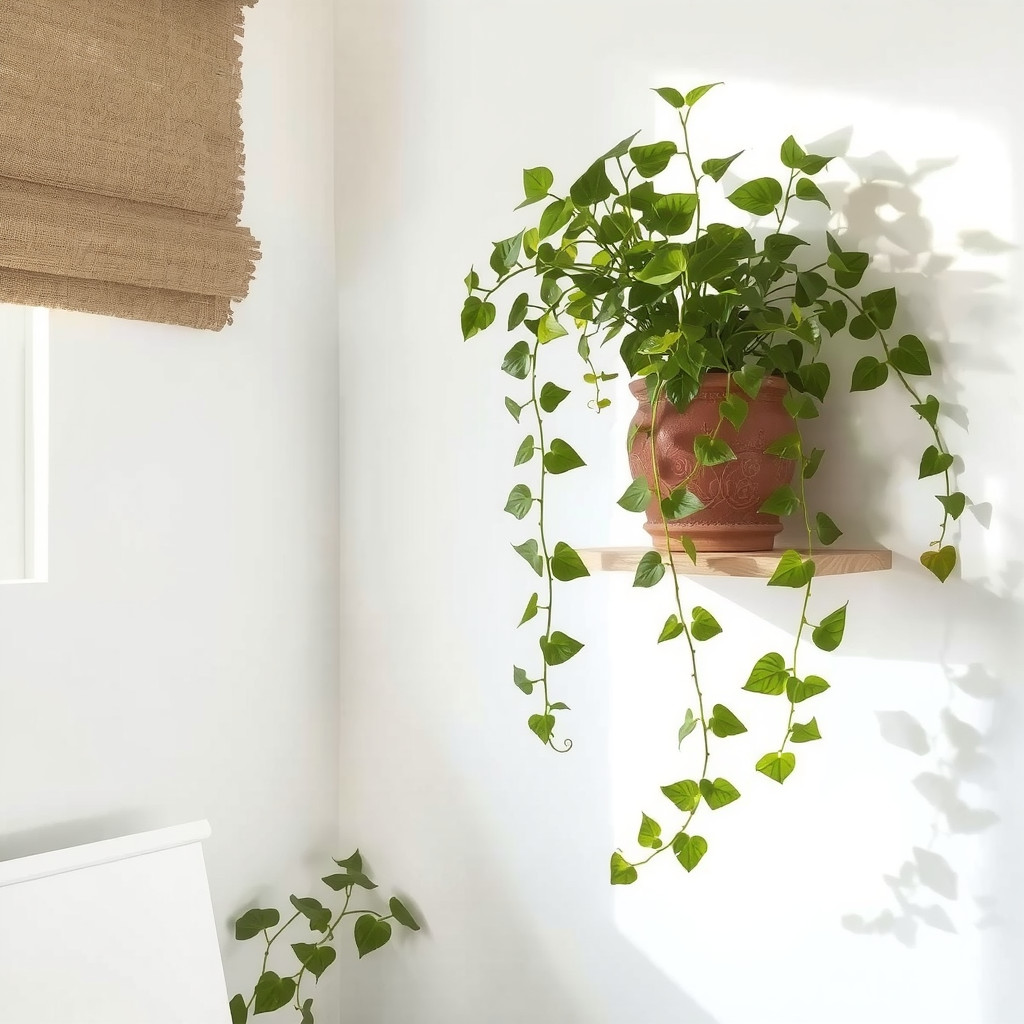
Never underestimate the power of nature to breathe life into a confined space. Plants add organic shapes that break up the rigid lines of furniture and walls. In a small room, floor space is premium, so look to the ceiling and walls again.
A trailing pothos on a high shelf or a hanging planter in a corner draws the eye up, emphasizing ceiling height. The vibrant green creates a fresh contrast against neutral walls, making the room feel airy and connected to the outdoors.
Tips
- Elevate Your Bed: Use a bed frame with built-in drawers or enough clearance for bins to utilize the prime storage real estate underneath.
- Declutter Ruthlessly: Keep surfaces clear. In small spaces, even a handful of misplaced items can make the room feel messy.
- Uniform Hangers: If you have an open wardrobe or clothing rack, use matching hangers to reduce visual clutter.
- Ghost Furniture: Consider acrylic chairs or tables; their transparency allows light to pass through, reducing visual weight.
- Door Storage: Utilize the back of your bedroom door for hooks to hang robes, bags, or shoe organizers.
ADVERTISEMENT