ADVERTISEMENT
Introduction
When you step into a compact bedroom, you shouldn’t feel confined; you should feel embraced. Small spaces possess an inherent ability to feel cozy, intimate, and secure—qualities often lost in cavernous master suites. Instead of viewing your limited square footage as a hindrance, treat it as an opportunity to create a “jewel box” effect, where every square inch is curated and intentional. By shifting your perspective, you transform a tiny room into a luxurious sanctuary that prioritizes rest and sensory delight. The key lies not just in saving space, but in celebrating the closeness of your surroundings.
Layout and Positioning
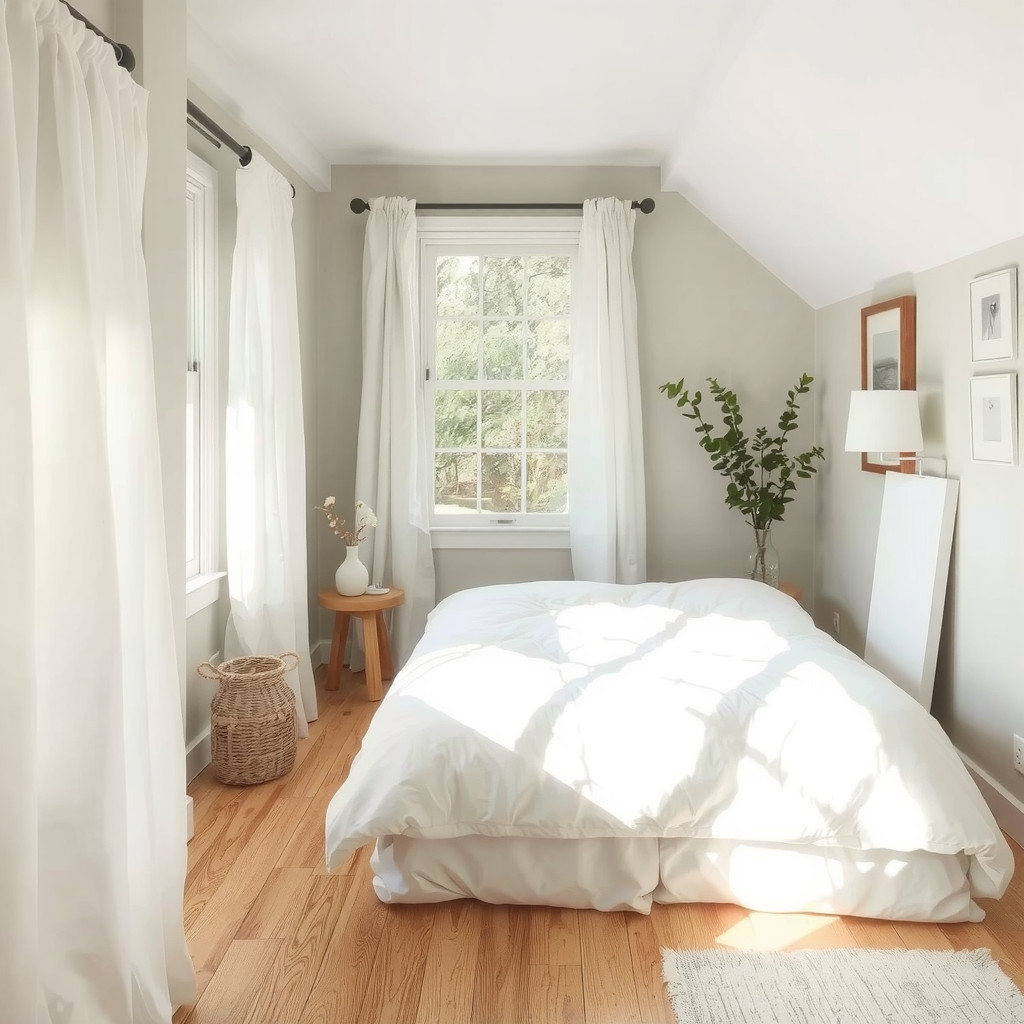
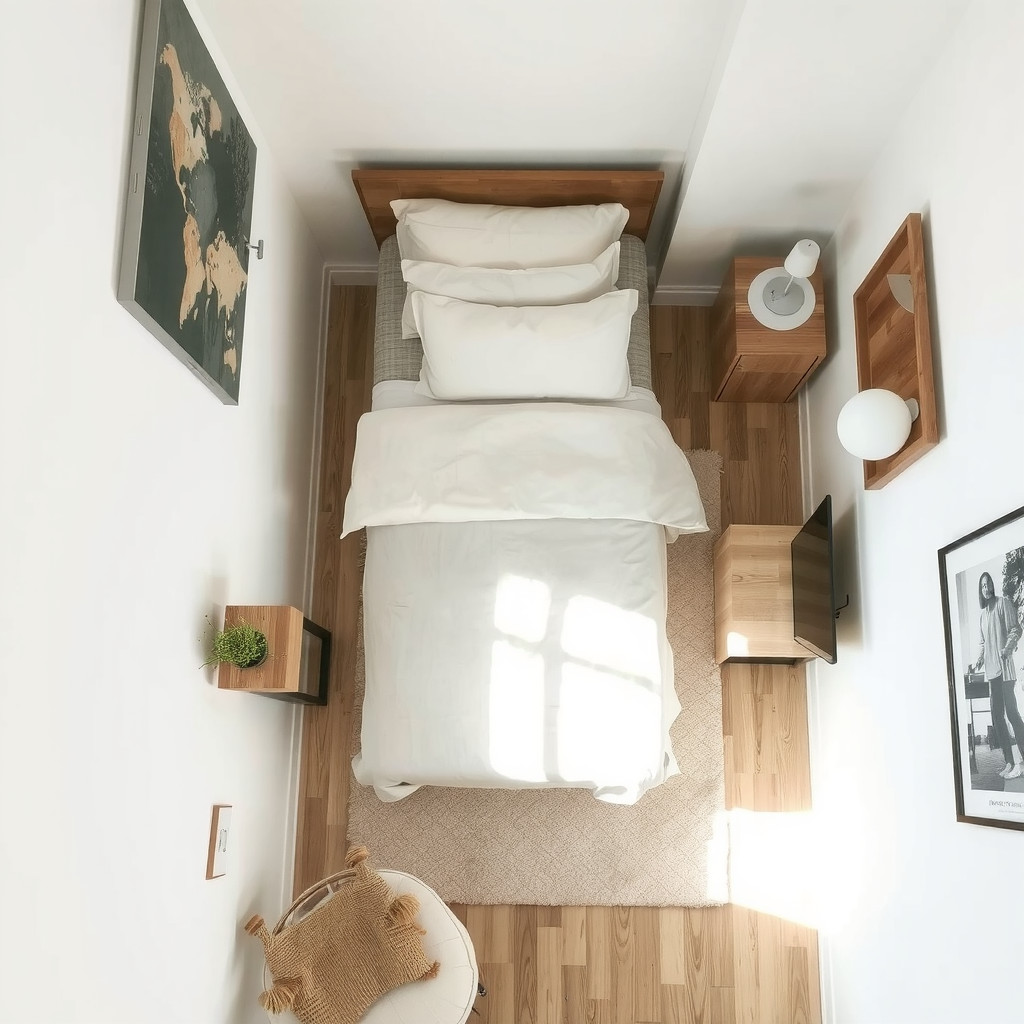
Your first instinct might be to center the bed, but in a small room, this often slices the available floor space into unusable strips. Consider tucking your bed against a wall or into a corner to maximize the open floor area. This arrangement creates a cozy sleeping nook and opens up a larger continuous space for movement or additional furniture. If you must center the bed, ensure you have just enough room to walk on either side, prioritizing the visual weight of the bed frame itself. Low-profile platform beds can make ceilings appear higher, while lofted beds can reclaim valuable real estate underneath for a desk or reading chair.
Materials and Textiles
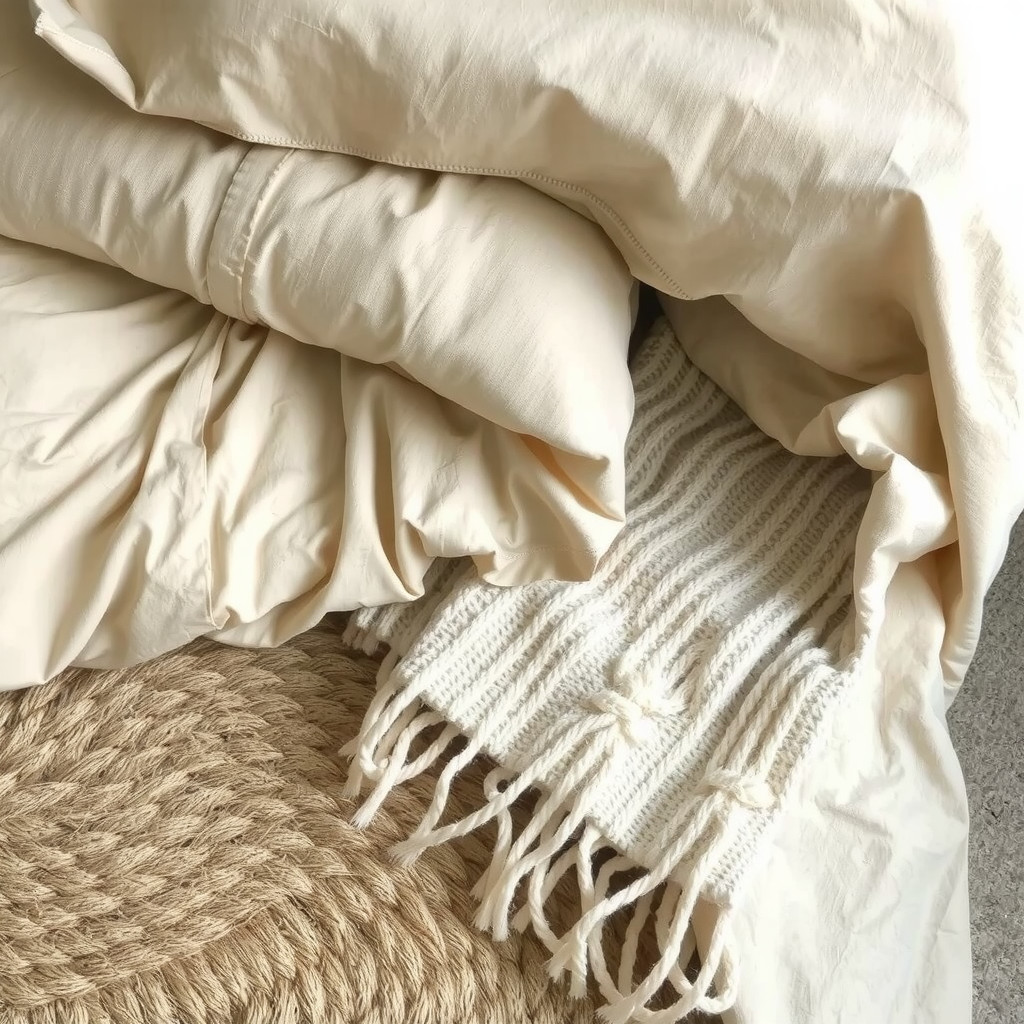
In a constrained environment, texture becomes your most powerful tool for adding depth without visual clutter. Lean into breathable, natural fabrics like washed linen, cotton percale, and wool. A monochromatic or analogous color scheme—shades of cream, oatmeal, and soft taupe—can blur the boundaries of the room, making it feel expansive. Layering different textures prevents a neutral palette from feeling flat. Think of a chunky knit throw at the foot of a smooth linen duvet, or a nubby wool rug underfoot. These tactile elements invite touch and create a sense of richness that distracts from the room’s dimensions.
Focal Points
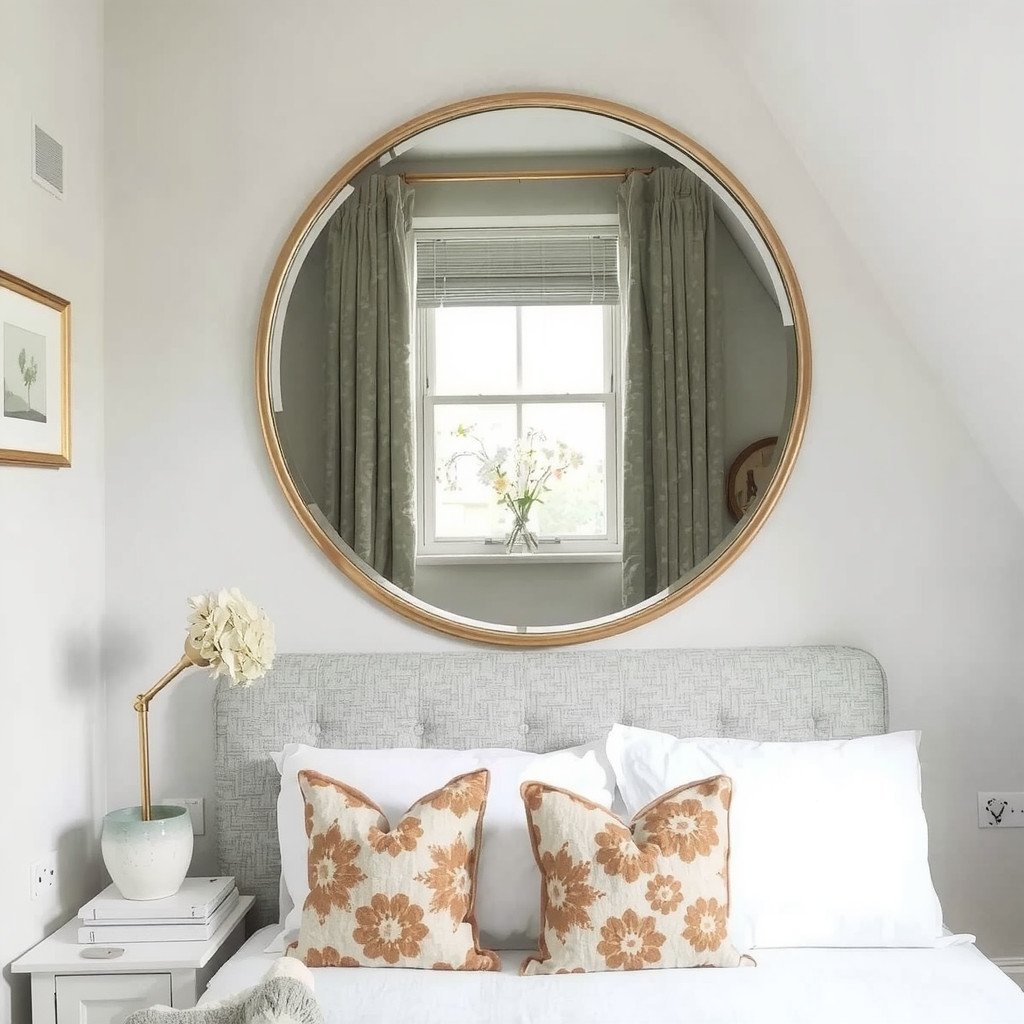
A common misconception is that small rooms require small furniture. In reality, too many petite pieces can make a space feel cluttered and busy. Instead, choose one grand gesture to serve as a focal point. An oversized headboard, a large piece of abstract art, or a bold wallpaper on the feature wall behind the bed can anchor the room. Mirrors are also indispensable here; a large floor mirror or a strategically placed wall mirror reflects light and visually doubles the space, tricking the eye into perceiving more depth than actually exists.
Lighting
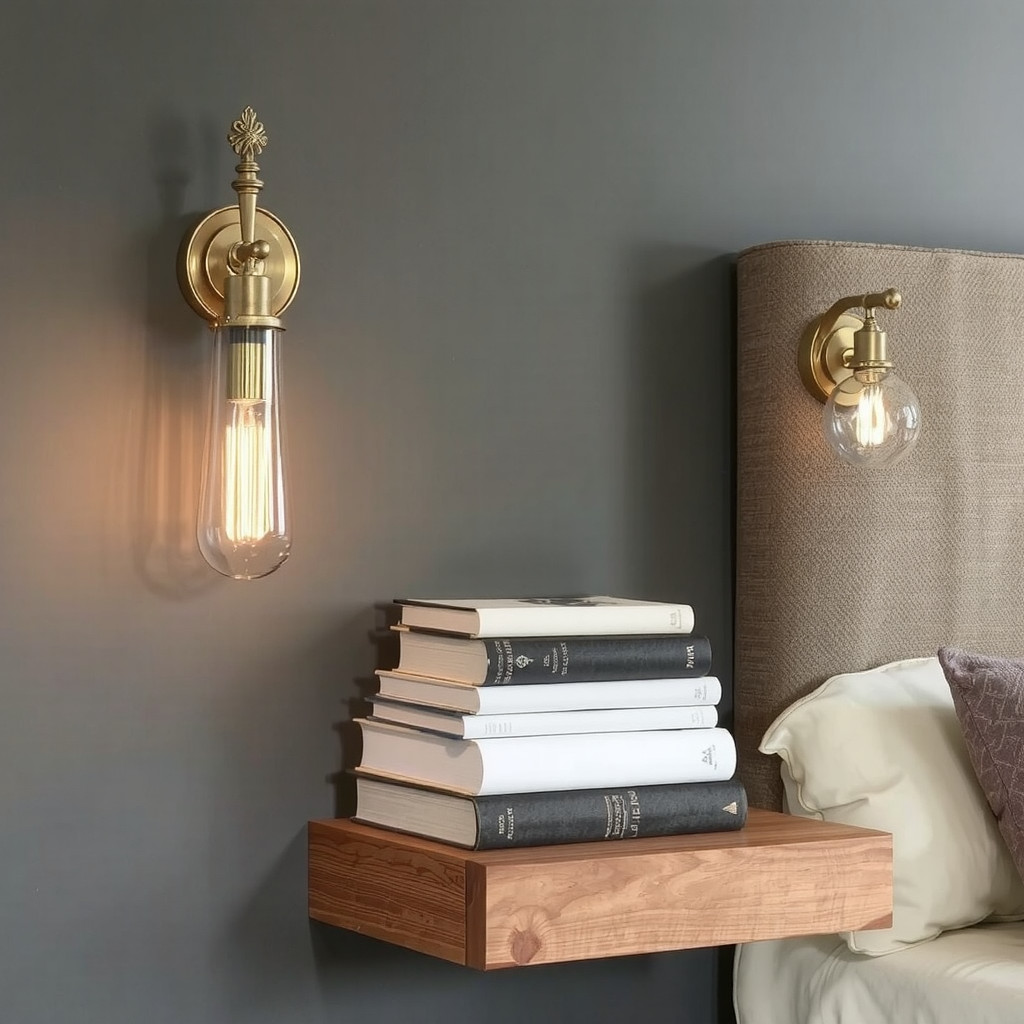
Floor space is a premium commodity, so your lighting strategy must be vertical. abandon the traditional floor lamps or bulky table lamps that crowd your nightstands. Wall-mounted sconces are the ultimate space-savers for small bedrooms. They free up surface area for your books and water carafe while providing targeted task lighting for reading. Install them with dimmer switches to control the ambiance, allowing you to shift from bright, functional light to a soft, warm glow that enhances the room’s intimacy in the evening.
Greenery
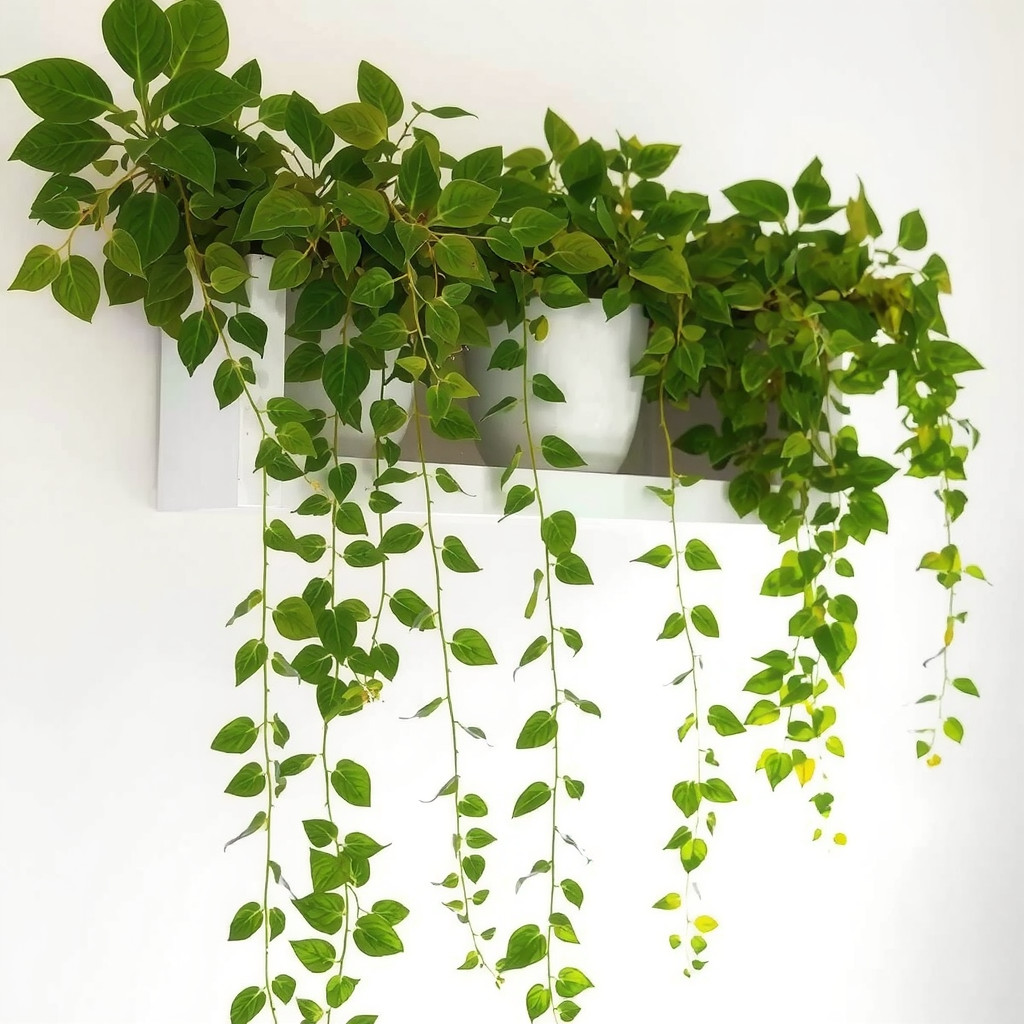
Bringing nature indoors breathes life into a compact room, but you don’t want to sacrifice floor space for a large potted tree. Look upward. Hanging planters suspended from the ceiling or trailing vines like pothos placed on a high floating shelf draw the eye up, emphasizing the room’s height rather than its width. A slender snake plant in a corner or a small succulent on a windowsill adds a vibrant pop of organic color and purifies the air without encroaching on your walking path.
Tips
- Utilize Vertical Storage: Install floor-to-ceiling shelving to draw the eye up and maximize storage volume for books and decor.
- Choose Multi-Functional Furniture: Opt for a bed with built-in drawers or an ottoman that opens up to store extra linens.
- Keep the Floor Visible: Furniture with exposed legs allows light to flow underneath, increasing the sense of openness.
- Edit Ruthlessly: In a small space, clutter is magnified; keep surfaces clear and only display items you truly love.
- Unified Color Palette: Paint walls and trim the same color to hide architectural breaks and make the room feel larger.
ADVERTISEMENT