ADVERTISEMENT
Introduction
Creating a serene sanctuary amidst the hustle of city life begins with bringing the outdoors in. You do not need a sprawling garden or a green thumb to cultivate a lush, breathing environment within your apartment. The secret lies in selecting resilient botanicals that thrive on neglect and styling them with intention. By integrating low-maintenance greenery, you transform your living space into a restorative retreat that cleans the air and calms the mind without adding to your daily chore list.
Layout and Positioning
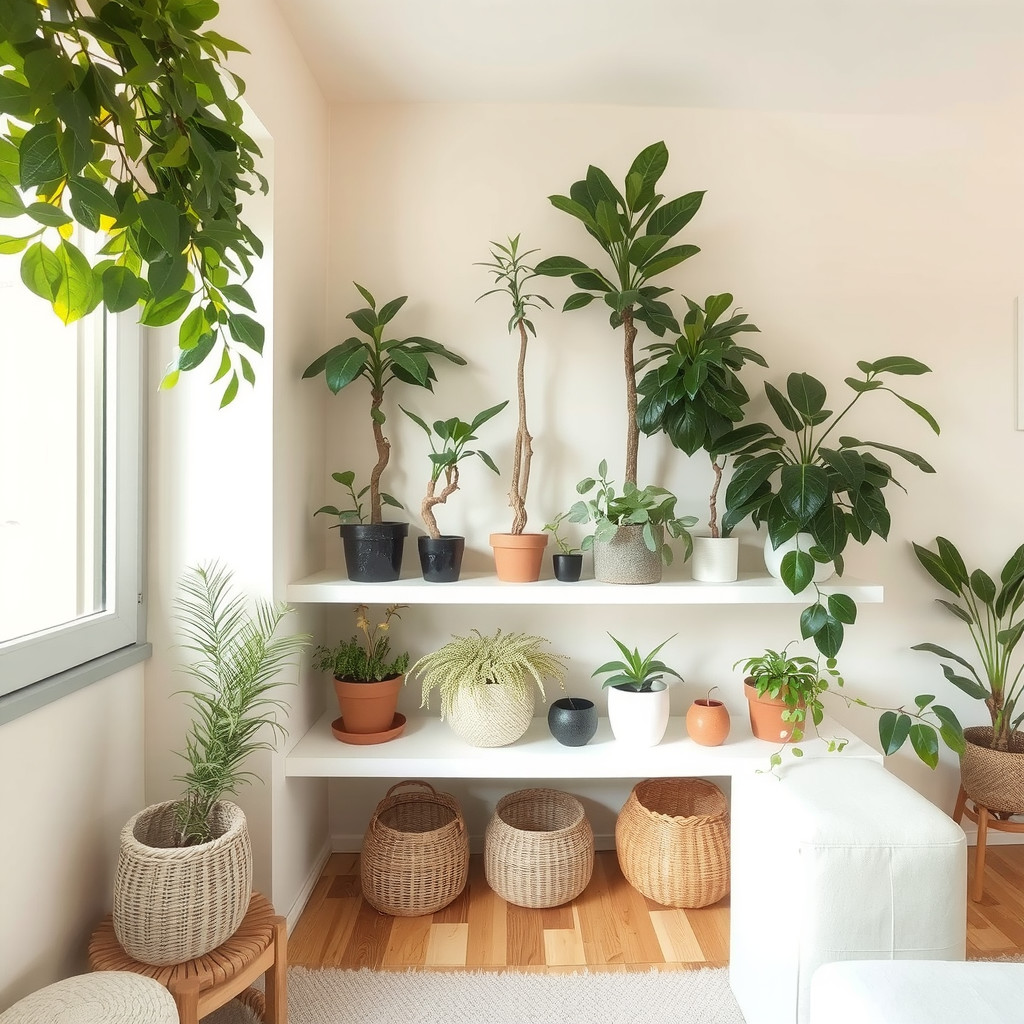
In an apartment where square footage is premium, how you arrange your plants is just as important as the plants themselves. Avoid cluttering your floor space with too many small pots that can become tripping hazards. Instead, draw the eye upward to create an illusion of height and airiness. Utilize floating shelves or tall bookcases to host trailing varieties that cascade down, adding dynamic movement to static walls.
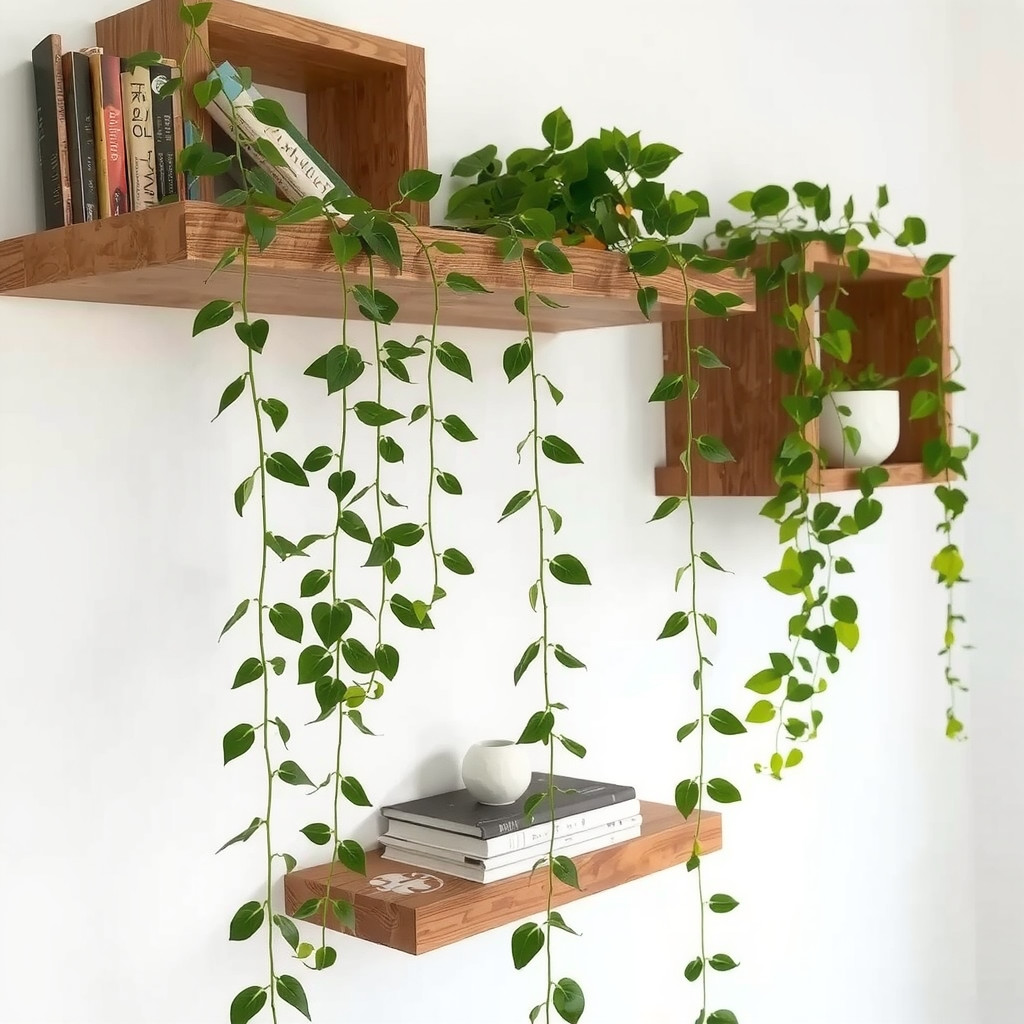
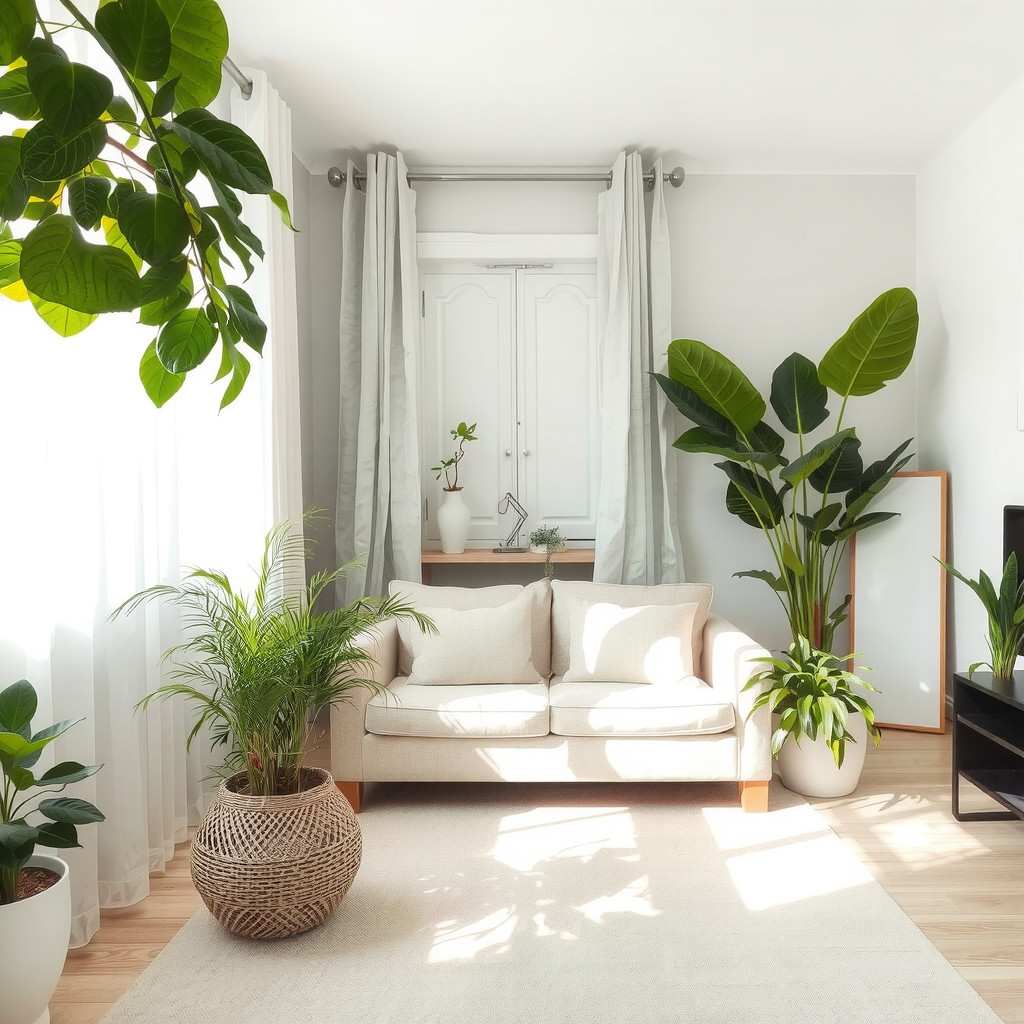
Corners are often dead space in a room, but they are perfect stages for vertical growth. Placing a tall, slender plant stand or a floor-dwelling specimen in an empty corner adds depth and softens the sharp architectural angles of a room. This placement anchors the space, making it feel grounded and complete without encroaching on your walking paths.
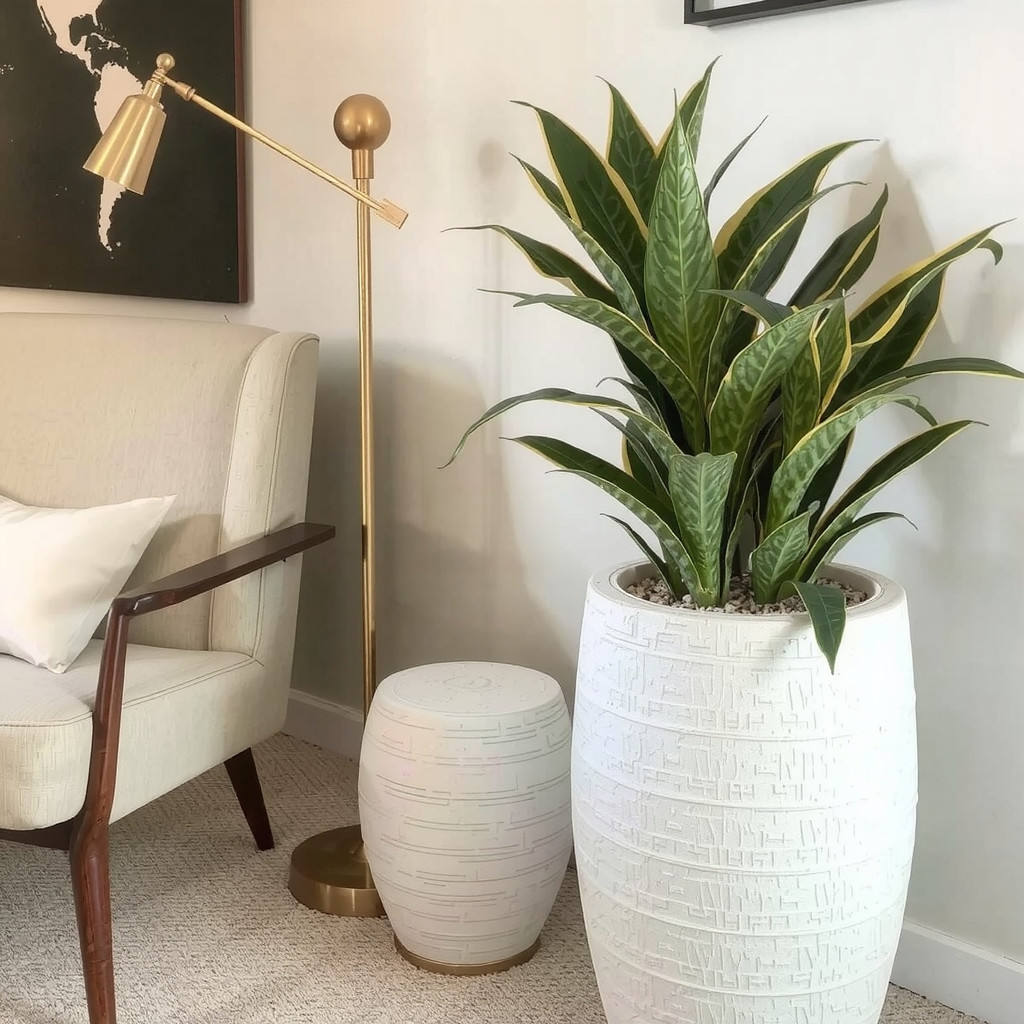
Materials and Textiles
The vessel holding your plant is a critical design element that bridges the gap between raw nature and your interior decor. Move away from generic plastic nursery pots and embrace natural materials that add warmth and tactile interest. Terracotta, unglazed ceramic, and concrete planters provide an earthy foundation that contrasts beautifully with vibrant green leaves. These breathable materials also help regulate soil moisture, offering a practical benefit for low-maintenance care.
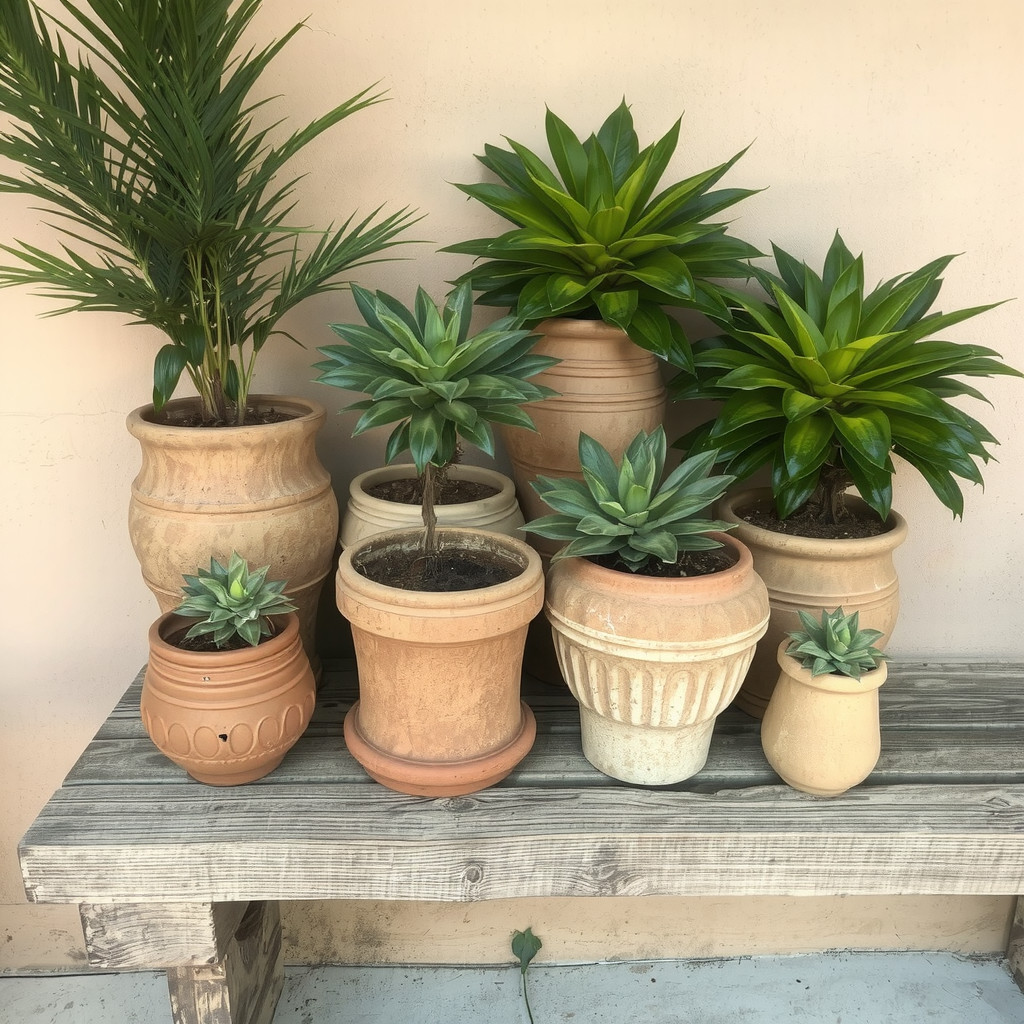
To soften the look further, consider placing your grow pots inside woven baskets. Materials like seagrass, jute, or rattan introduce a layer of organic texture that pairs effortlessly with linen sofas and wool rugs. This juxtaposition of the rough, woven fiber against the smooth, glossy surface of the leaves creates a sophisticated, layered aesthetic that feels curated yet relaxed.
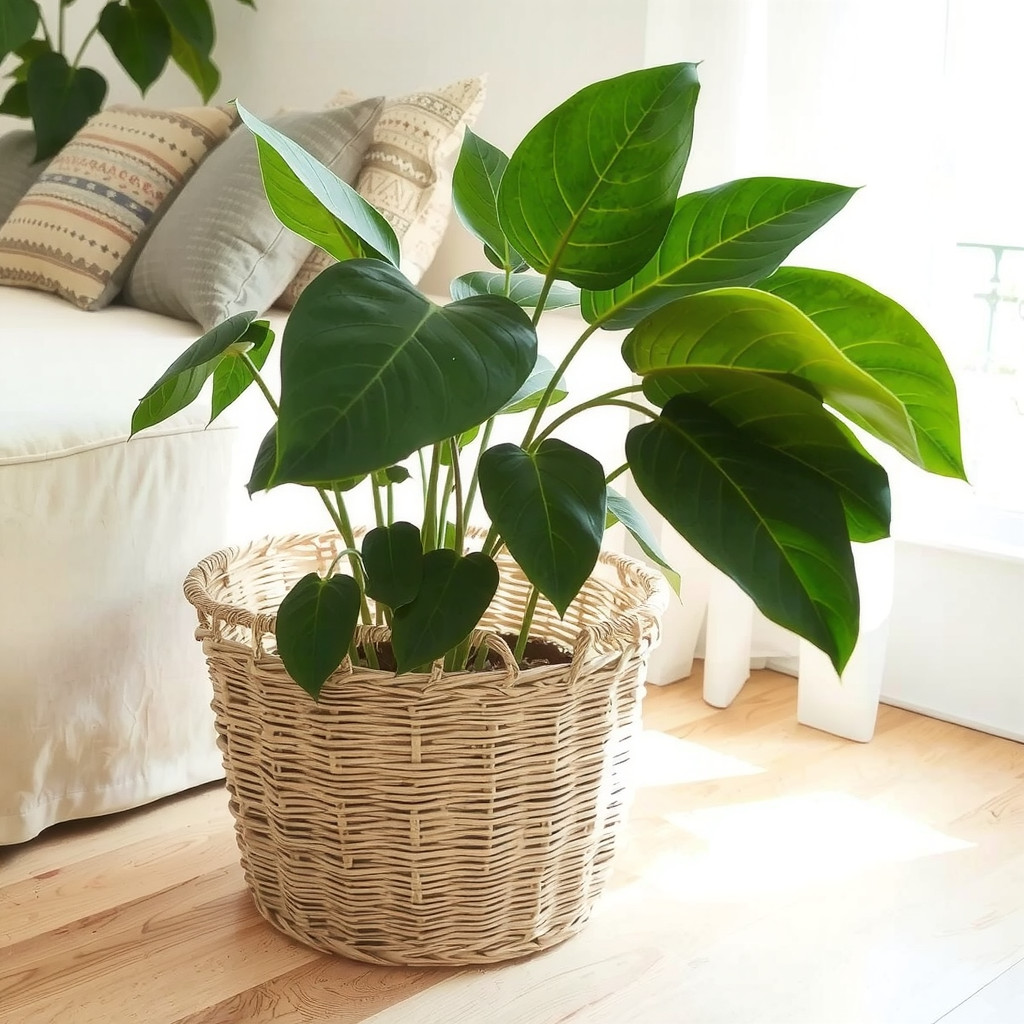
Focal Points
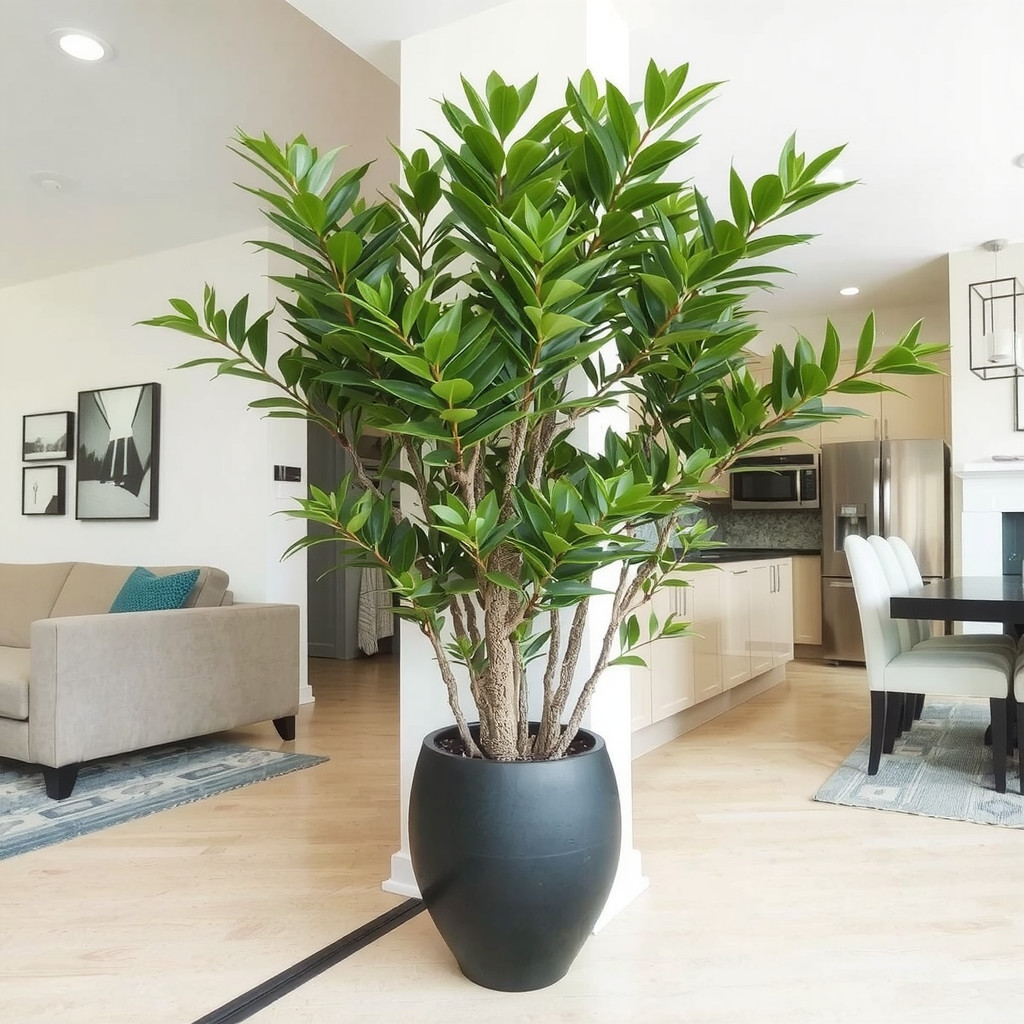
Rather than scattering tiny succulents on every available surface, establish a visual hierarchy by choosing one or two statement plants. A single, substantial botanical can act as a living sculpture, commanding attention and defining the mood of the room. This approach is particularly effective in open-plan apartments where you might want to subtly separate the living area from the dining space or workspace. A robust, architectural plant draws the eye and anchors the room’s energy.
Lighting
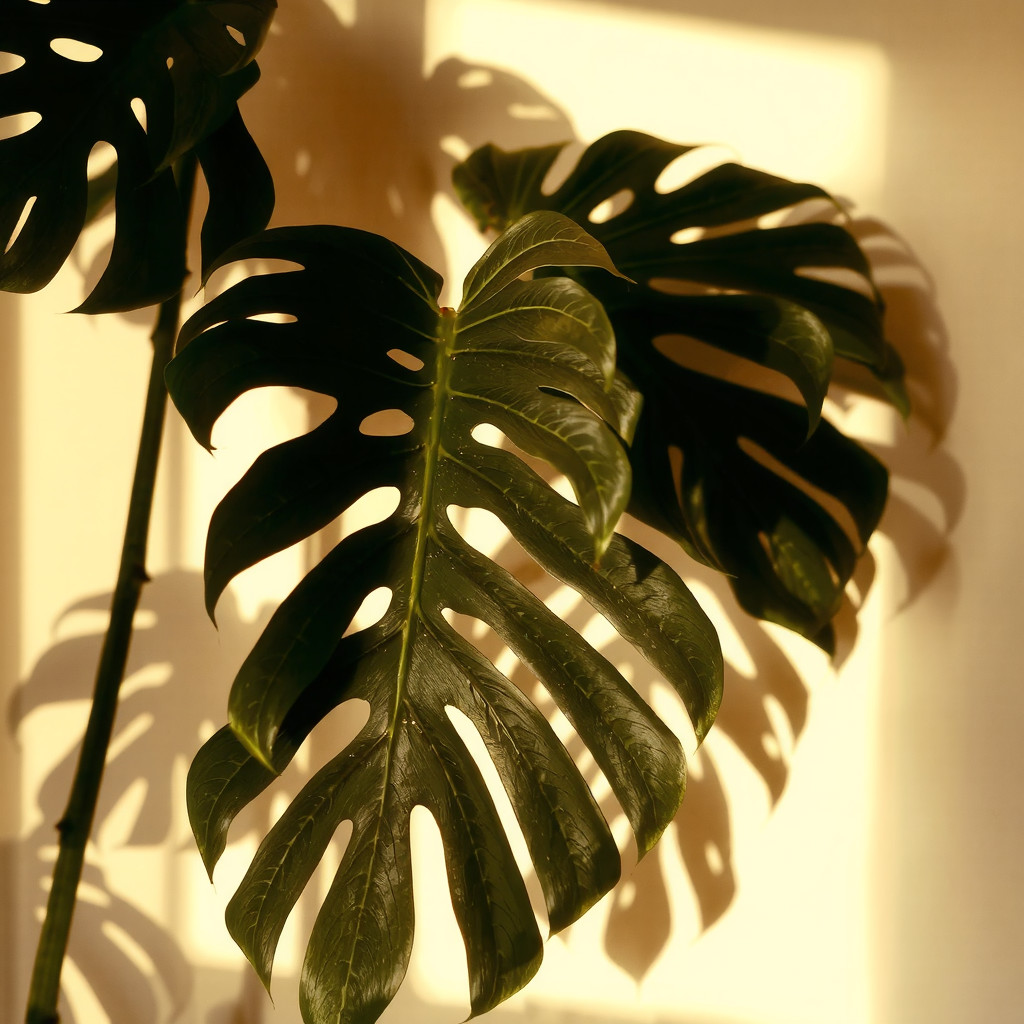
Light is the lifeblood of your indoor garden, but it also serves as a dramatic design tool. Observe how natural light travels through your apartment during the day and position your plants to capture that glow. The interplay of light and shadow through foliage can turn a blank wall into a moving art piece. Even in lower-light apartments, placing a plant near a lamp or sconce can highlight its silhouette in the evening, creating a cozy and intimate ambiance.
Greenery
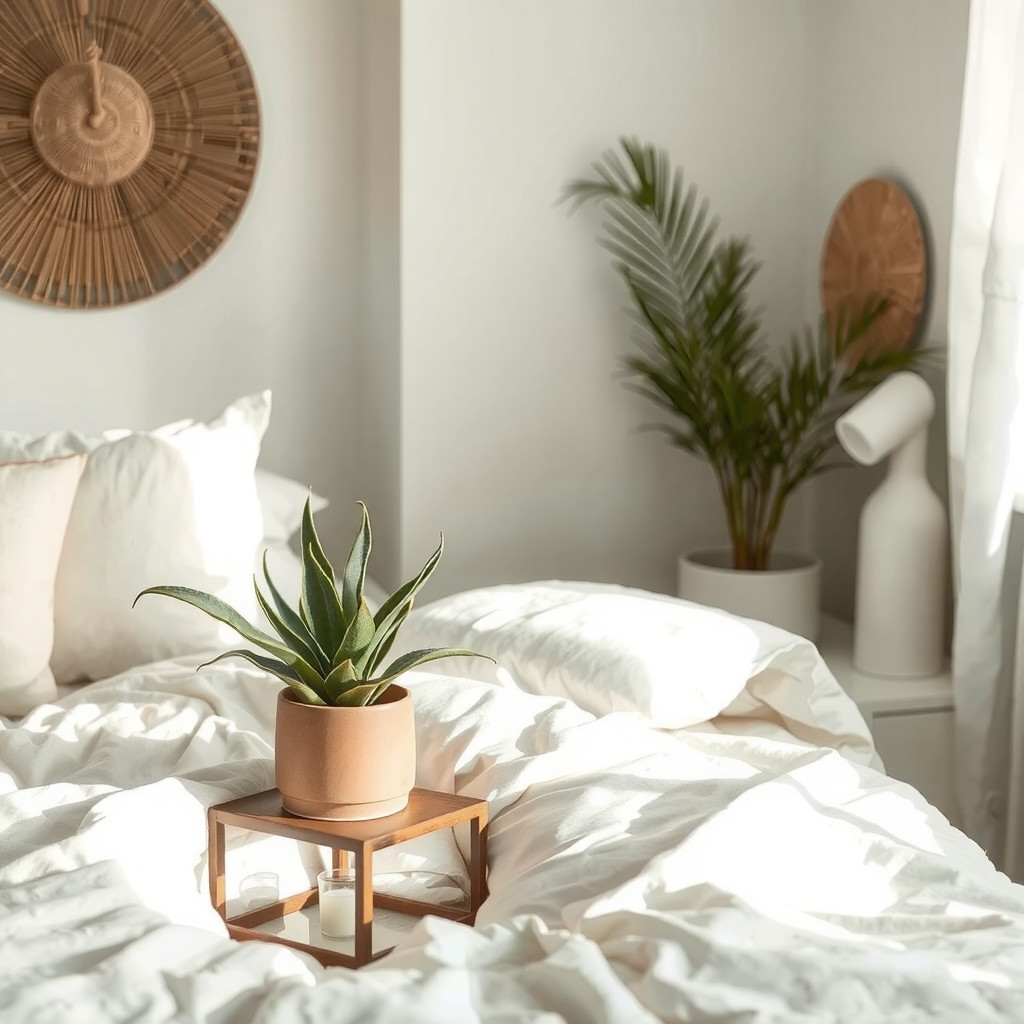
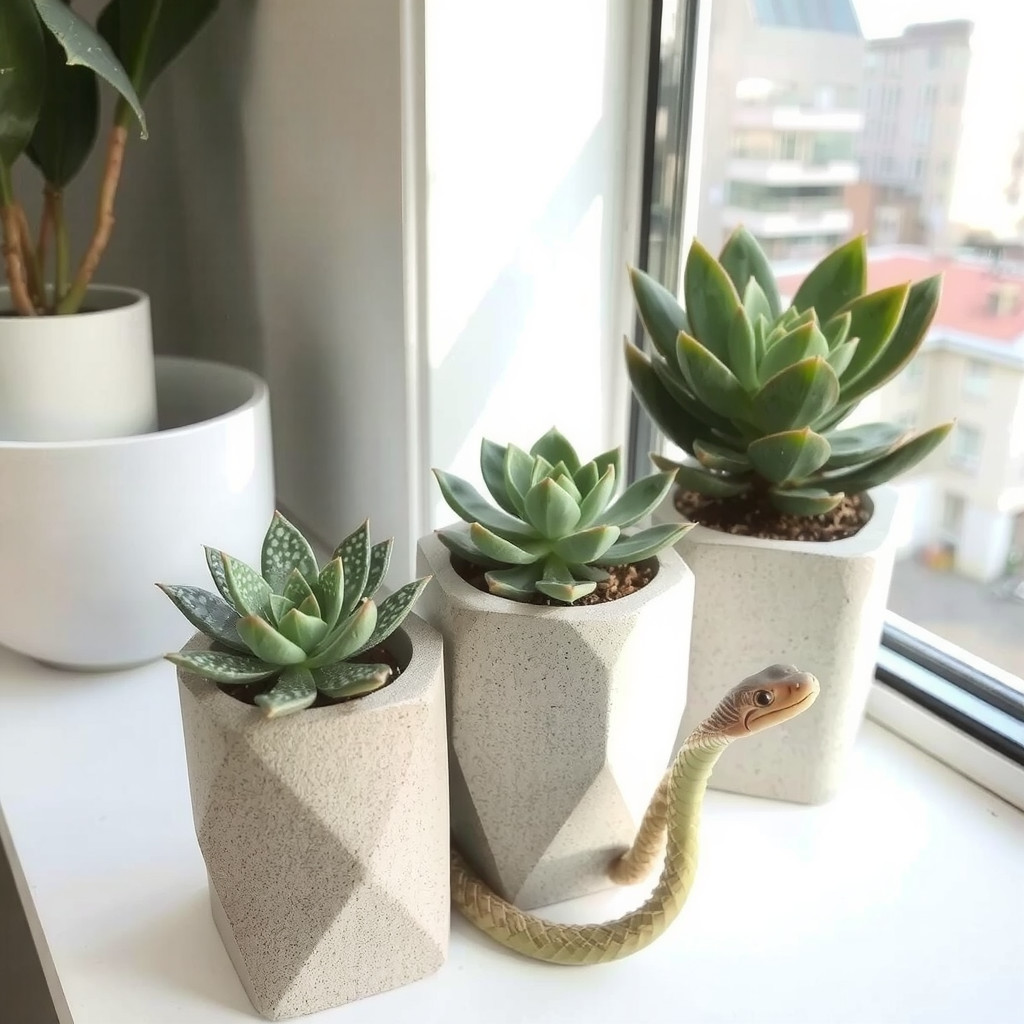
Selecting the right plant varieties is the cornerstone of a low-maintenance indoor garden. You want species that forgive forgotten waterings and tolerate lower light conditions. The Snake Plant (Sansevieria) is nearly indestructible, offering striking vertical lines. The ZZ Plant is equally hardy, with glossy, waxy leaves that reflect light. For trailing options, the Pothos is unmatched in its ability to grow rapidly with minimal intervention. These plants do not just survive; they thrive in the consistent, climate-controlled environment of an apartment.
Tips
- Watering Rhythm: Check soil moisture by inserting your finger an inch deep; if it is dry, water thoroughly.
- Leaf Care: Wipe leaves gently with a damp cloth once a month to remove dust and maximize photosynthesis.
- Rotation: Rotate your pots a quarter turn every few weeks to ensure even growth on all sides.
- Drainage: Always ensure your decorative pots have drainage holes or keep plants in nursery pots inside the decorative vessel to prevent root rot.
ADVERTISEMENT