ADVERTISEMENT
Introduction
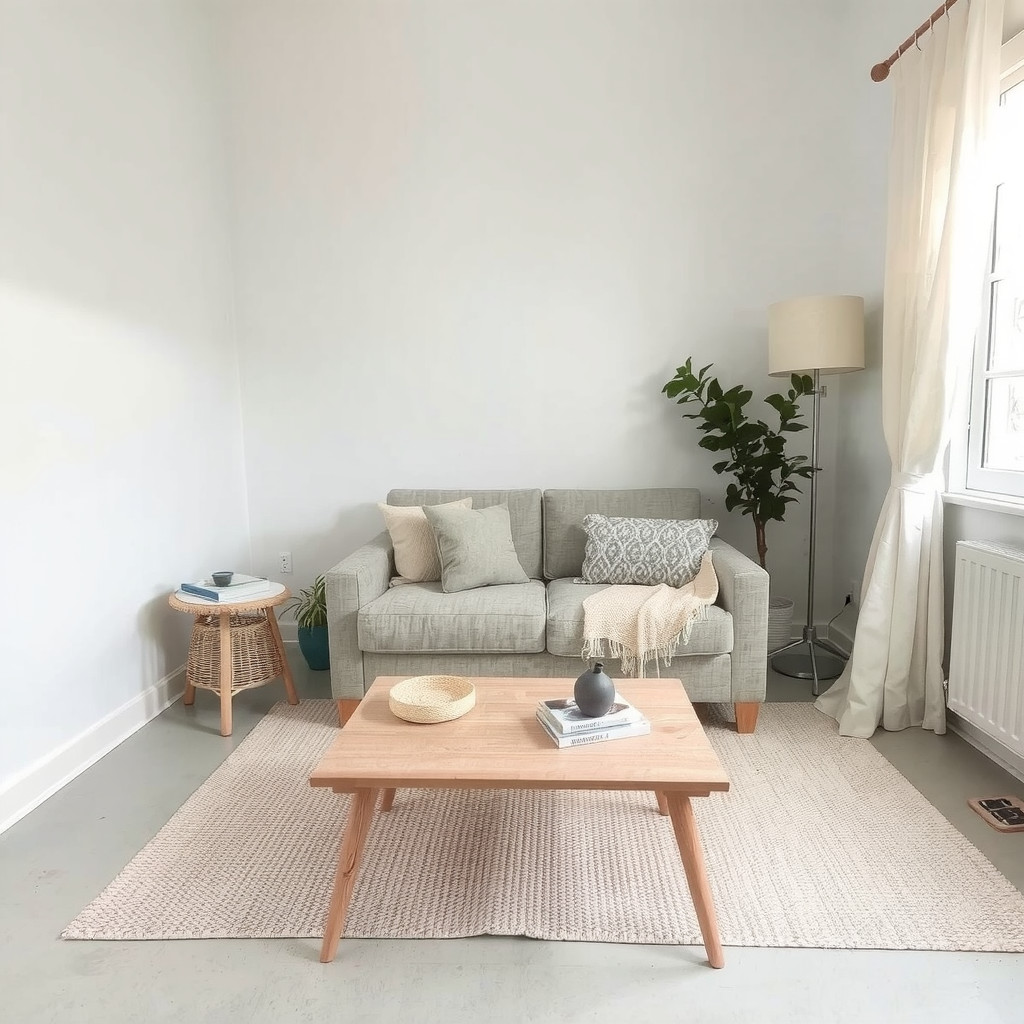
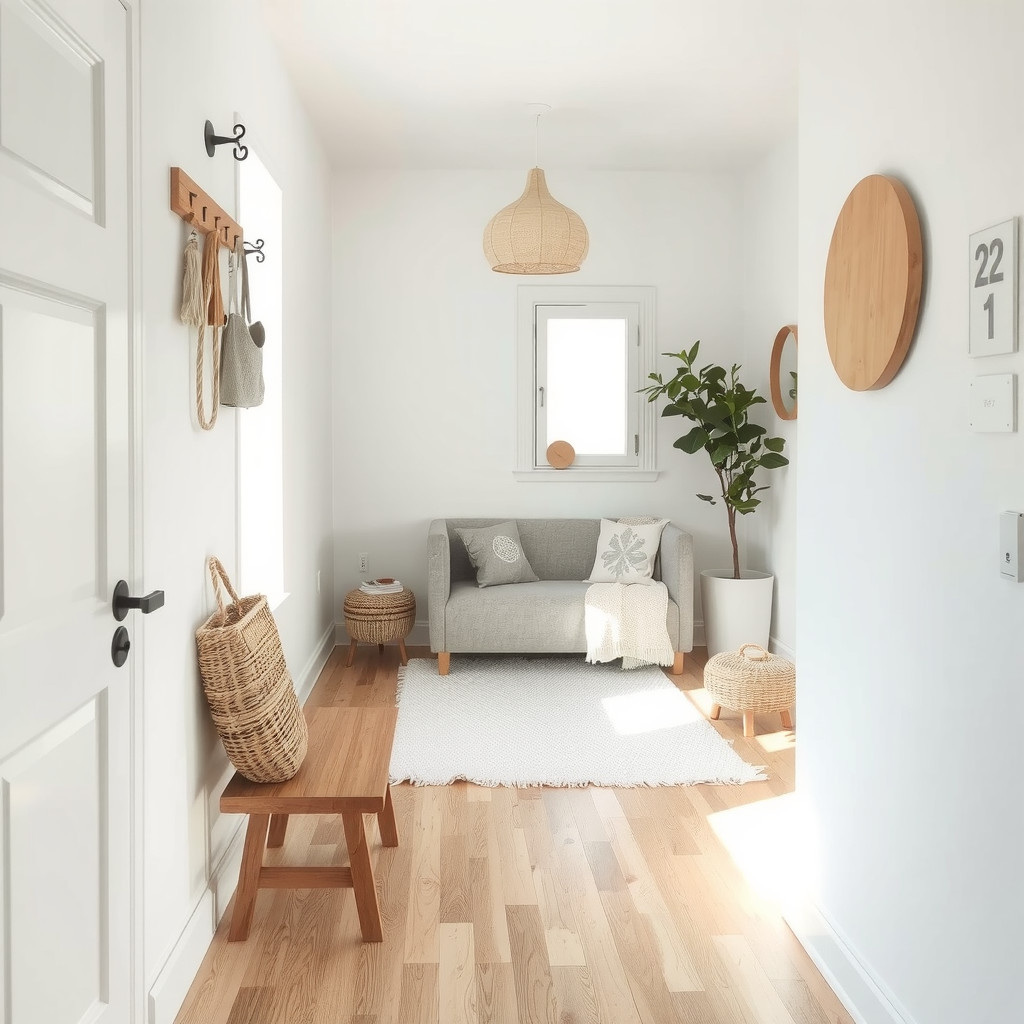
Transforming a compact living area into a sanctuary of style requires a shift in perspective. You are not defined by the square footage of your home, but rather by the intentionality of your design choices. A small living room offers an intimate canvas where every detail counts, allowing you to create a space that feels curated rather than cluttered. By prioritizing essentialism and flow, you can craft an environment that breathes, inviting relaxation and conversation without the weight of excess.
Layout and Positioning
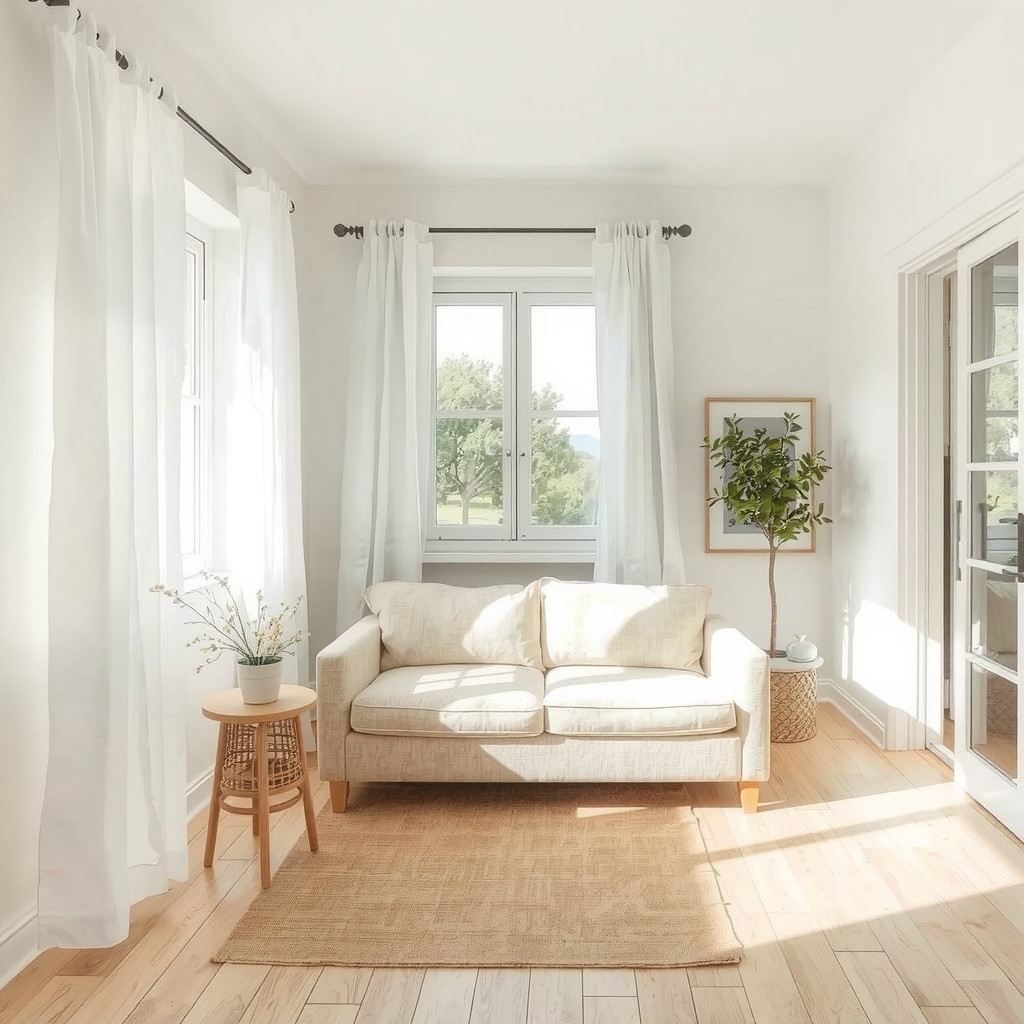
The instinct in a smaller room is often to push every piece of furniture flush against the walls to maximize the central floor area. However, this often results in a disconnected “waiting room” effect that highlights the room’s limits. Instead, try floating your main seating pieces slightly away from the walls. Even a few inches of separation can create shadows that imply depth. Prioritize flow paths; ensure there is a clear, unobstructed walkway through the room. This might mean choosing a loveseat over a full sofa or opting for a round coffee table that is easier to navigate around.
Materials and Textiles
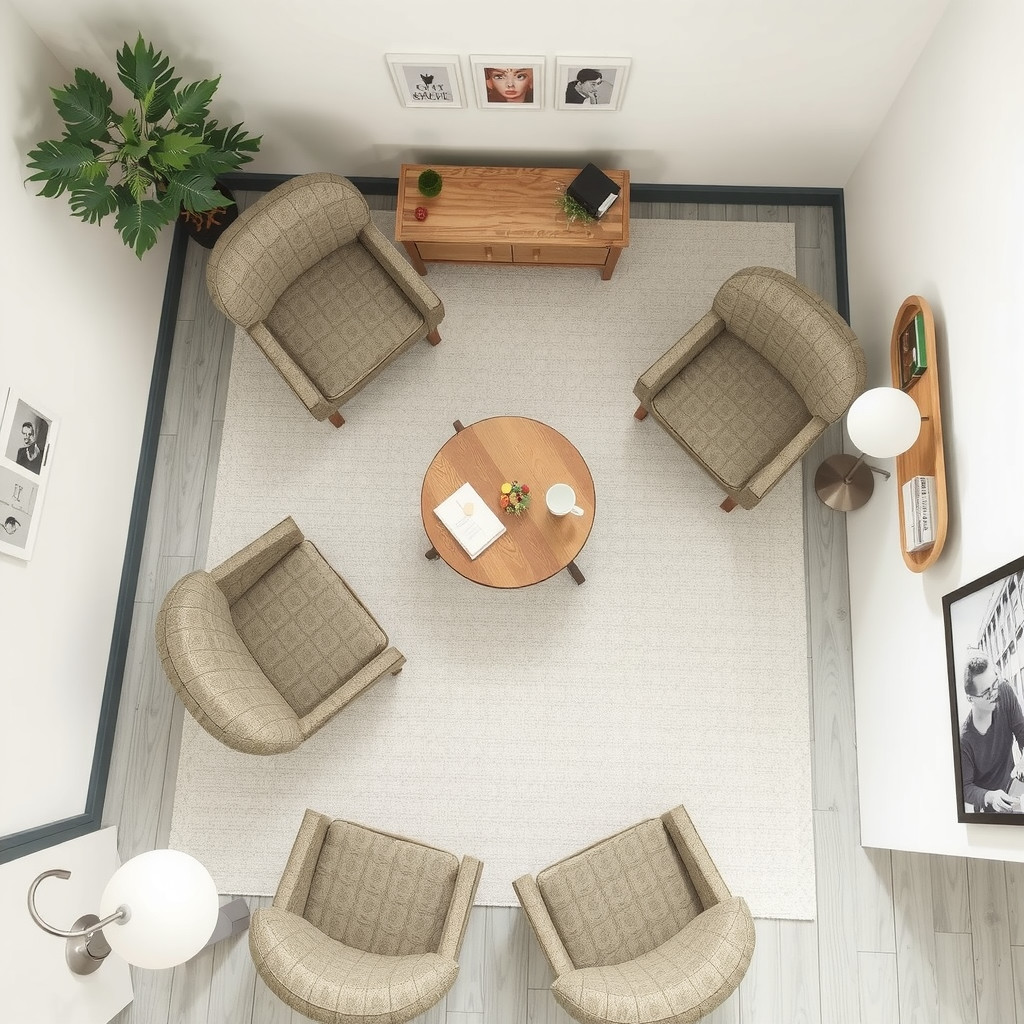
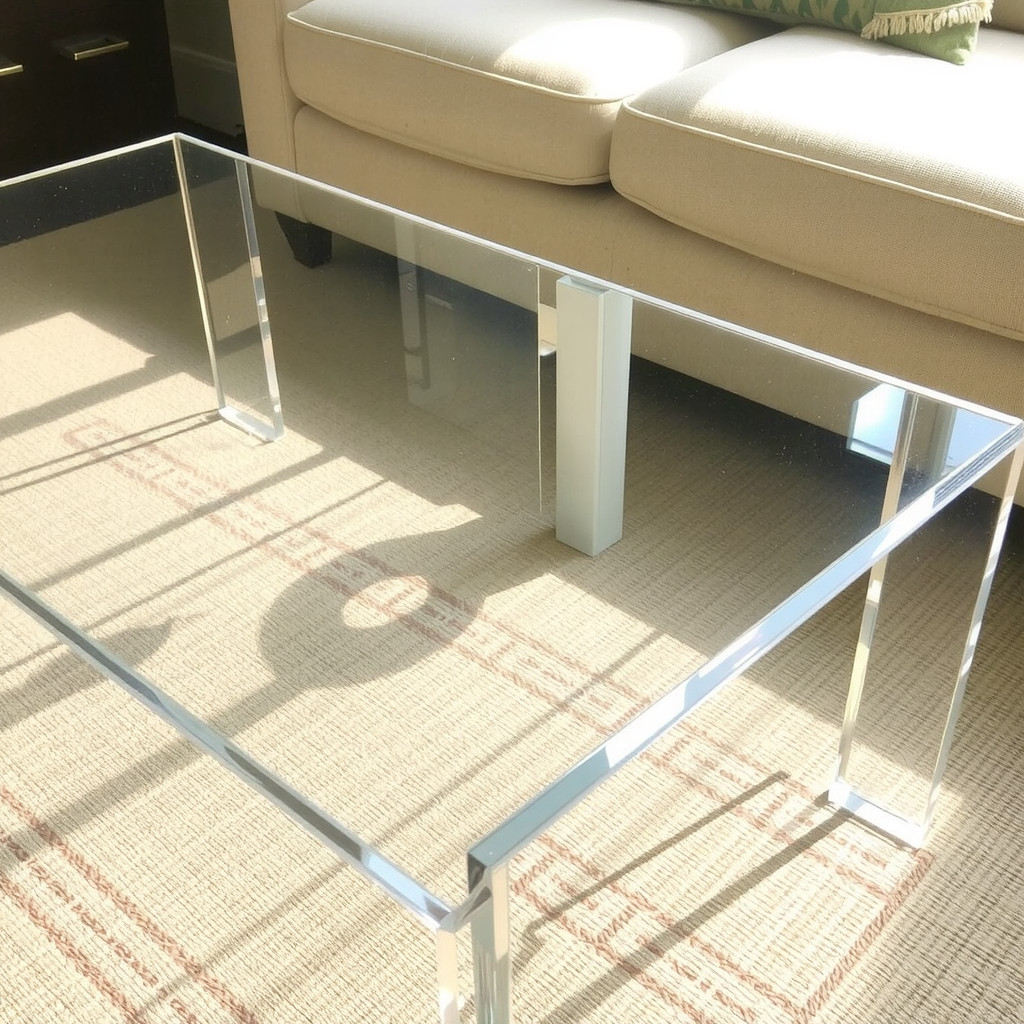
Visual weight is just as important as physical dimensions in a petite space. Heavy, opaque furniture blocks sightlines and absorbs light, making the room feel smaller. Incorporate materials like acrylic, glass, or lucite for tables and accents; these “invisible” pieces serve their function while allowing the eye to travel through them unhindered. Balance these sleek surfaces with natural, breathable textiles. Light linens, woven cottons, and pale wools reflect light and add tactile softness without the visual heaviness of dark velvets or brocades.
Focal Points
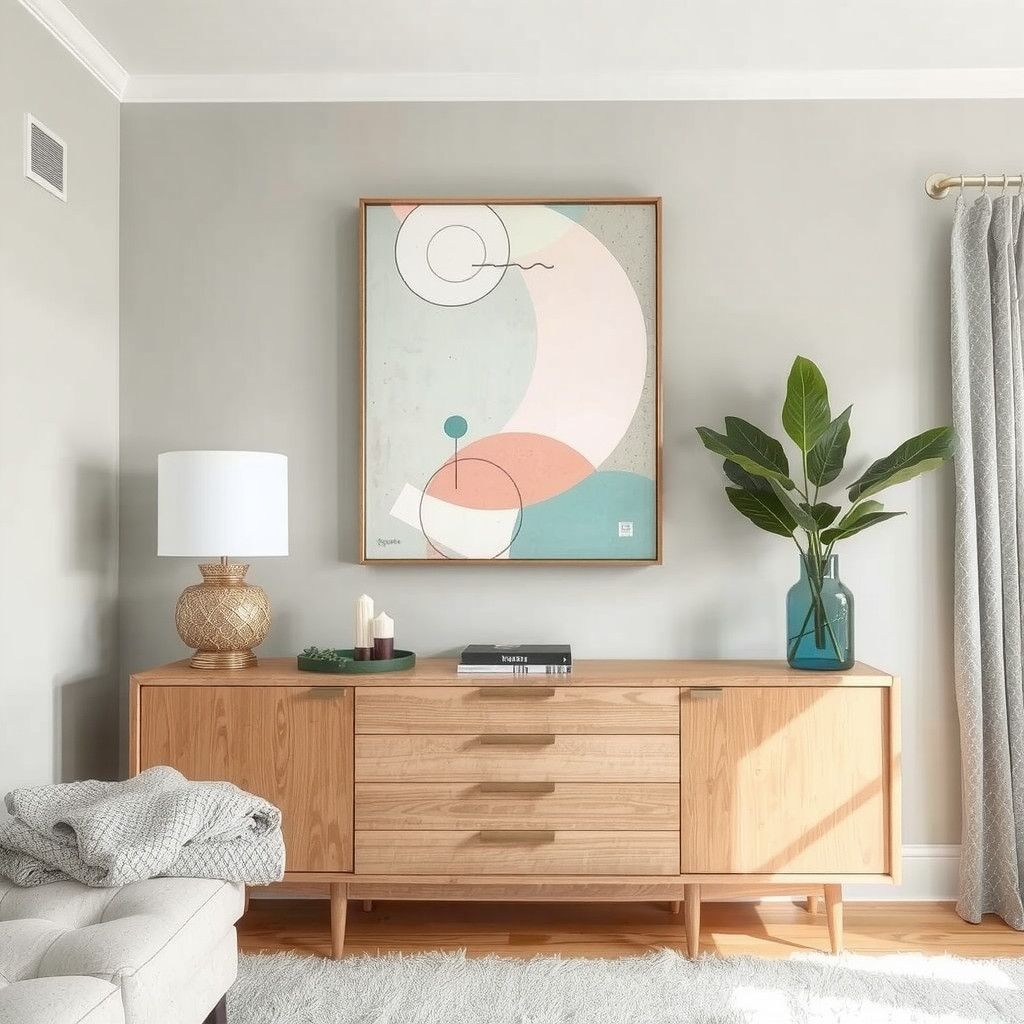
Clutter is the primary adversary of the small living room. While it is tempting to display many small cherished items, a multitude of tiny objects can create visual chaos that shrinks the space. Instead, commit to a single, strong focal point. A large-scale piece of abstract art or an oversized mirror leaning against a wall creates a sense of grandeur and intention. This singular anchor grounds the room, giving the eye a place to rest and distracting from the room’s boundaries.
Lighting
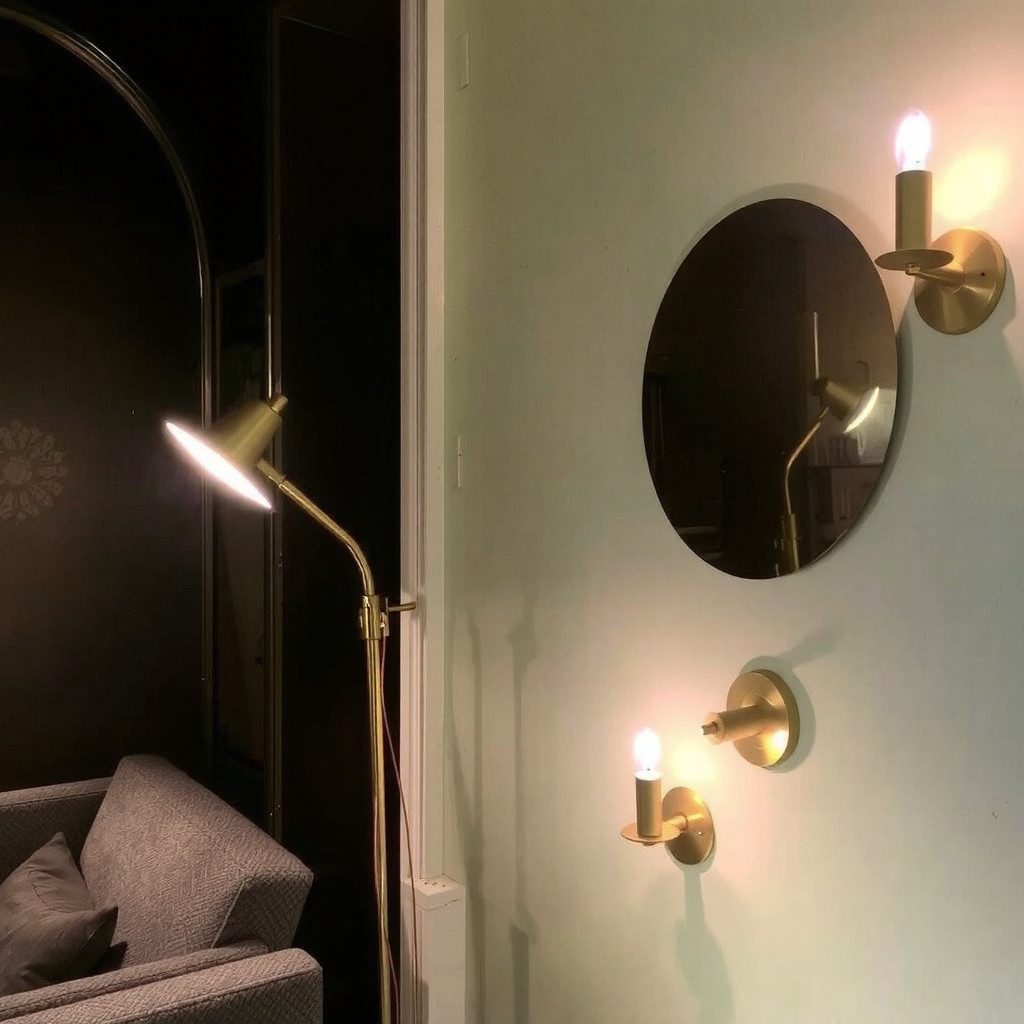
Lighting acts as the architect of atmosphere, capable of expanding or contracting a room’s perceived size. Reliance on a single overhead fixture often casts harsh shadows in corners, defining the room’s box-like shape. Layer your lighting to wash away these shadows. Use floor lamps that direct light upward to visually lift the ceiling, and employ warm table lamps or sconces to illuminate dark alcoves. Soft, diffused light blurs the edges of the room, making the space feel boundless and inviting.
Greenery
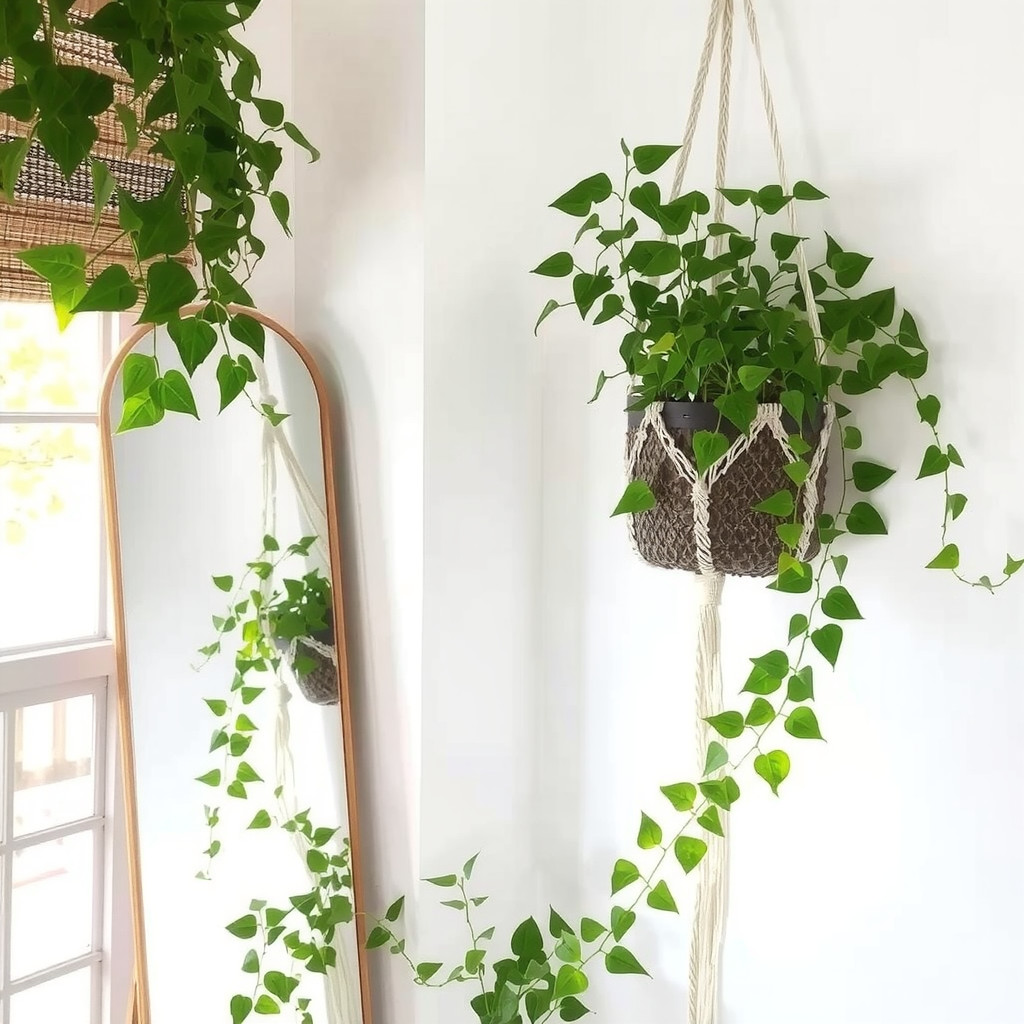
Plants breathe life into a home, but large floor pots can consume valuable square footage. To introduce organic elements without sacrificing space, look to the vertical plane. Hanging planters suspended from the ceiling or wall-mounted vessels draw the eye upward, emphasizing the height of the room rather than its width. A cascading vine from a high shelf or a tall, slender tree in a narrow basket can add vibrant energy and depth, connecting your interior to the natural world outside.
Tips
- Reflect and Expand: Position a large mirror opposite a window to bounce natural light deep into the room and double the visual depth.
- Leggy Furniture: Choose sofas and armchairs raised on slender legs; seeing the floor continue underneath furniture tricks the brain into perceiving more floor space.
- Vertical Storage: Utilize floor-to-ceiling shelving units to draw the eye up and maximize storage without expanding the furniture’s footprint.
- Cohesive Palette: Stick to a monochromatic or analogous color scheme (variations of one color) to reduce visual noise and create a seamless, expansive look.
ADVERTISEMENT