ADVERTISEMENT
Introduction
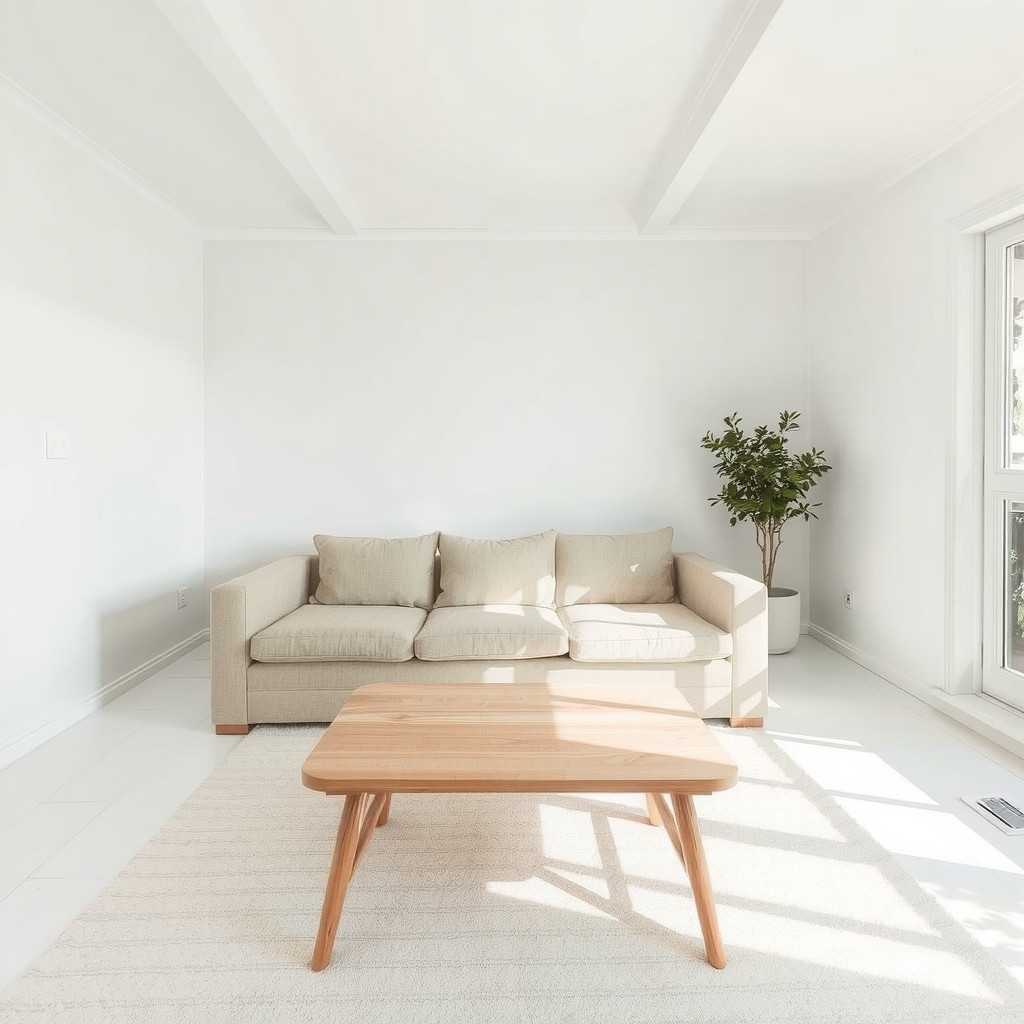
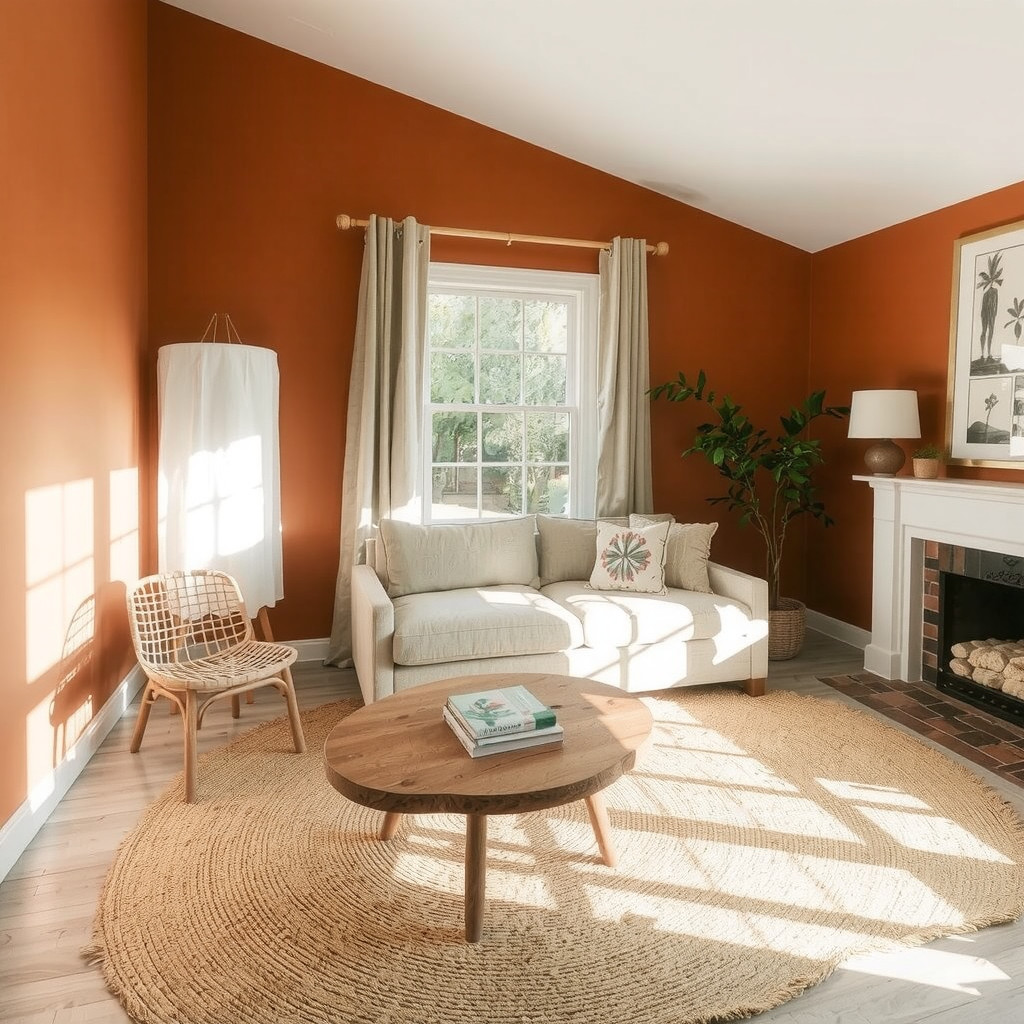
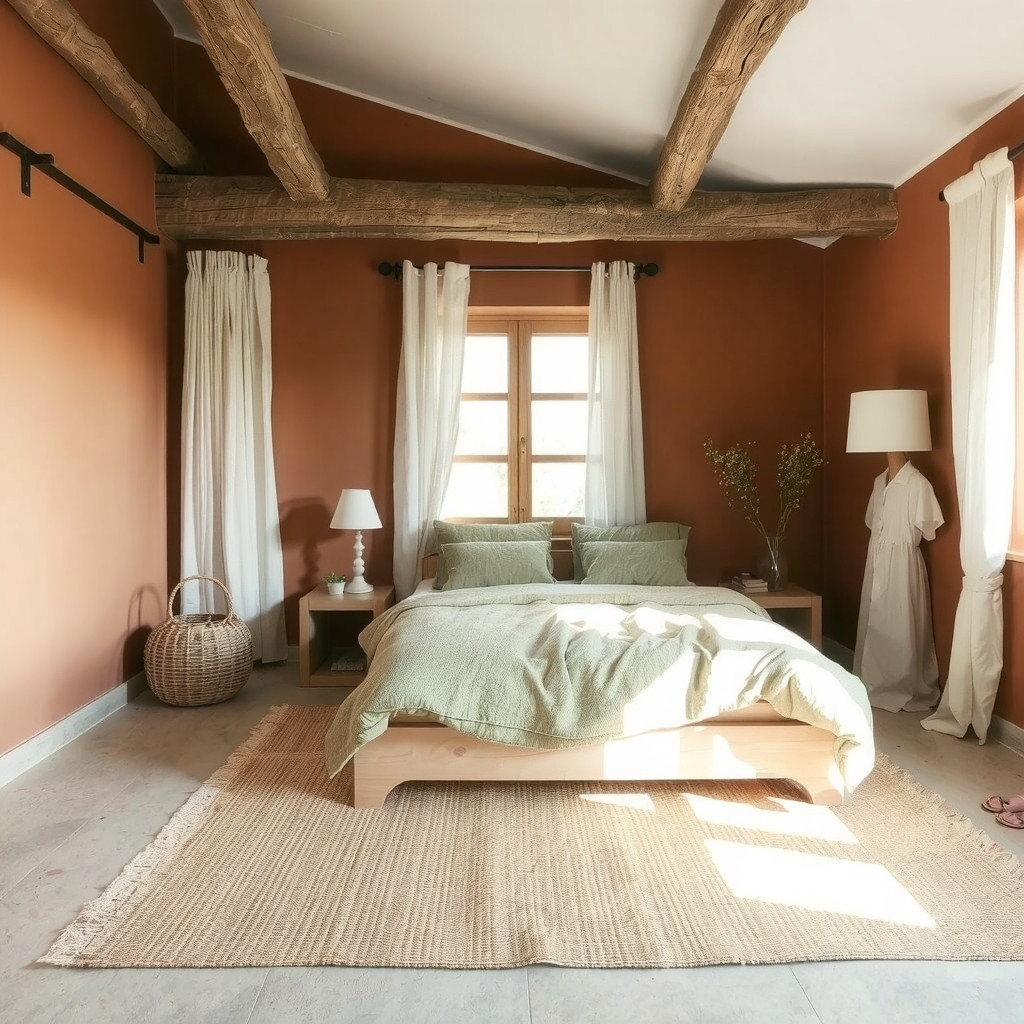
Your home should be a retreat, a place where the frenetic pace of the outside world melts away into the grounding embrace of nature. Earthy home decor is not just a trend; it is a philosophy of living that prioritizes comfort, organic beauty, and a connection to the raw elements of the earth. By weaving together tones of soil, sand, and stone, you create a sanctuary that feels both ancient and refreshingly modern.
Layout and Positioning
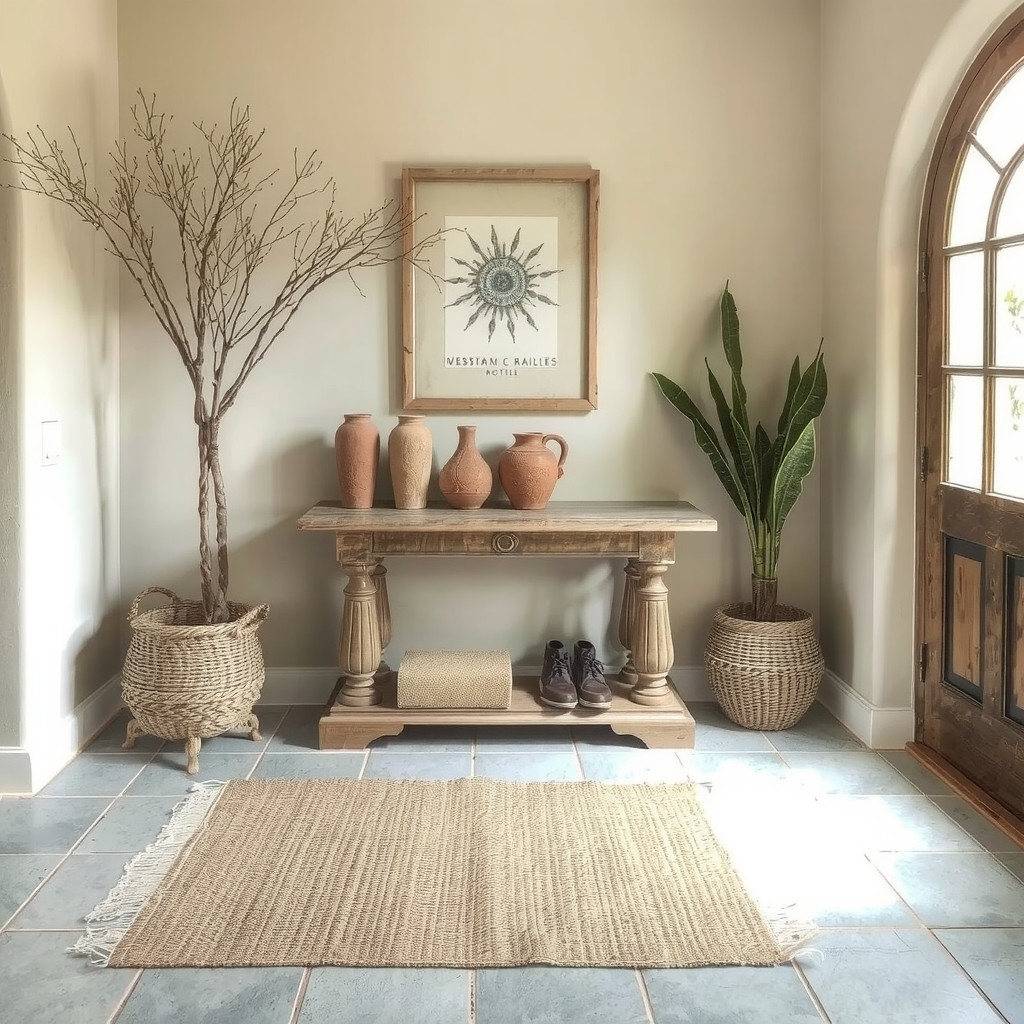
The foundation of an earthy home lies in how you arrange your space to mimic the effortless flow of the natural world. Avoid rigid, grid-like structures in favor of organic groupings that encourage intimacy and relaxation. Position your primary seating area to face a source of natural light or a significant architectural feature, grounding the room in a sense of purpose.
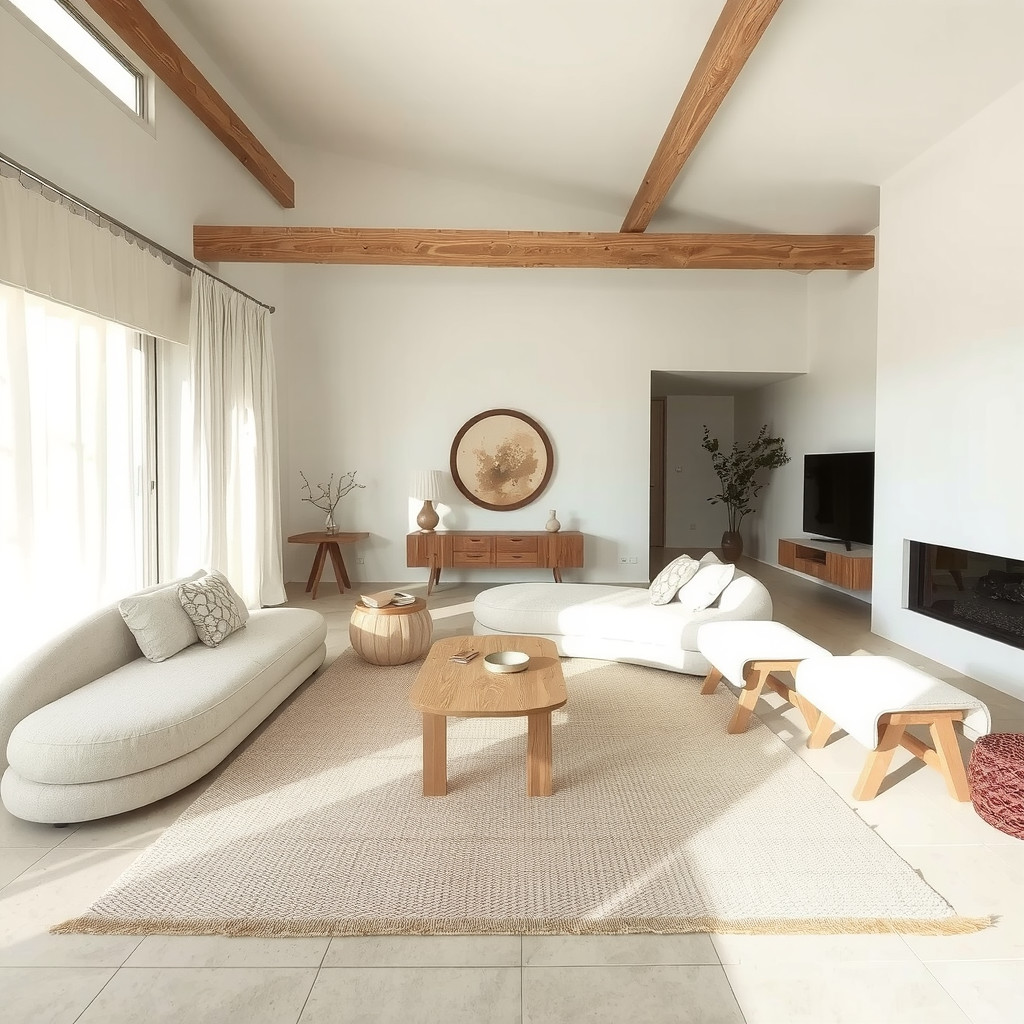
Allow for negative space around your furniture pieces; this “breathing room” is essential for creating a calm atmosphere. Think of your floor plan as a landscape—create pathways that meander gently rather than forcing straight lines. Placing heavy, grounding items like a solid wood sideboard or a stone plinth low to the ground helps stabilize the visual weight of the room.
Materials and Textiles
To truly capture the essence of the earth, you must engage the sense of touch through authentic materials. Move away from synthetics and glossy finishes, embracing instead the imperfections of raw nature. Deeply textured woods, unpolished stone, and hand-thrown ceramics should form the backbone of your decor.
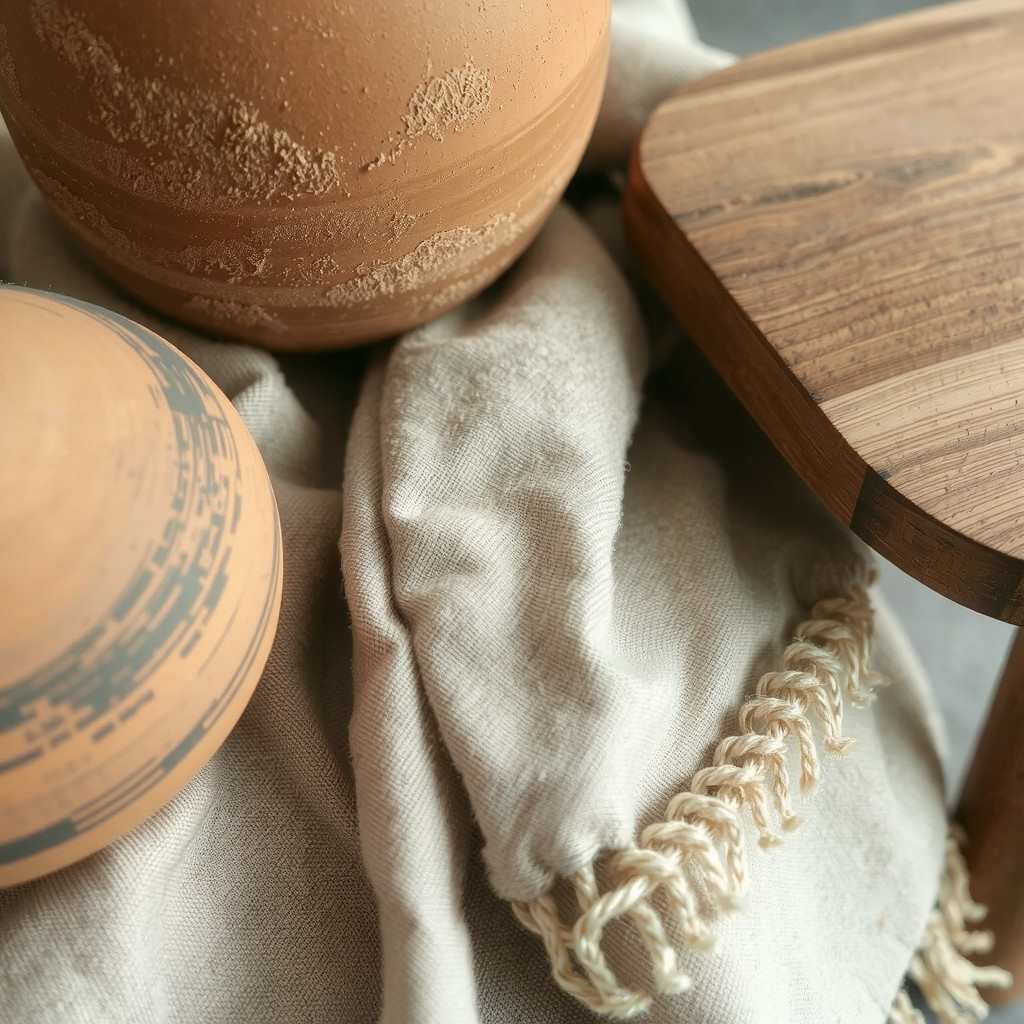
Layering is key here. Imagine a rough jute rug underfoot, topped with a soft, bouclé wool armchair. Drape a heavy linen throw over a leather sofa that shows the patina of age. These contrasts—rough against soft, cool stone against warm wool—create a tactile landscape that invites you to curl up and stay awhile.
Focal Points
Every room needs a center of gravity, a feature that draws the eye and anchors the design. In an earthy interior, this shouldn’t be a piece of technology, but rather something that celebrates craftsmanship or natural form. A large, reclaimed wood dining table with live edges can serve as a stunning centerpiece that tells a story of the tree it once was.
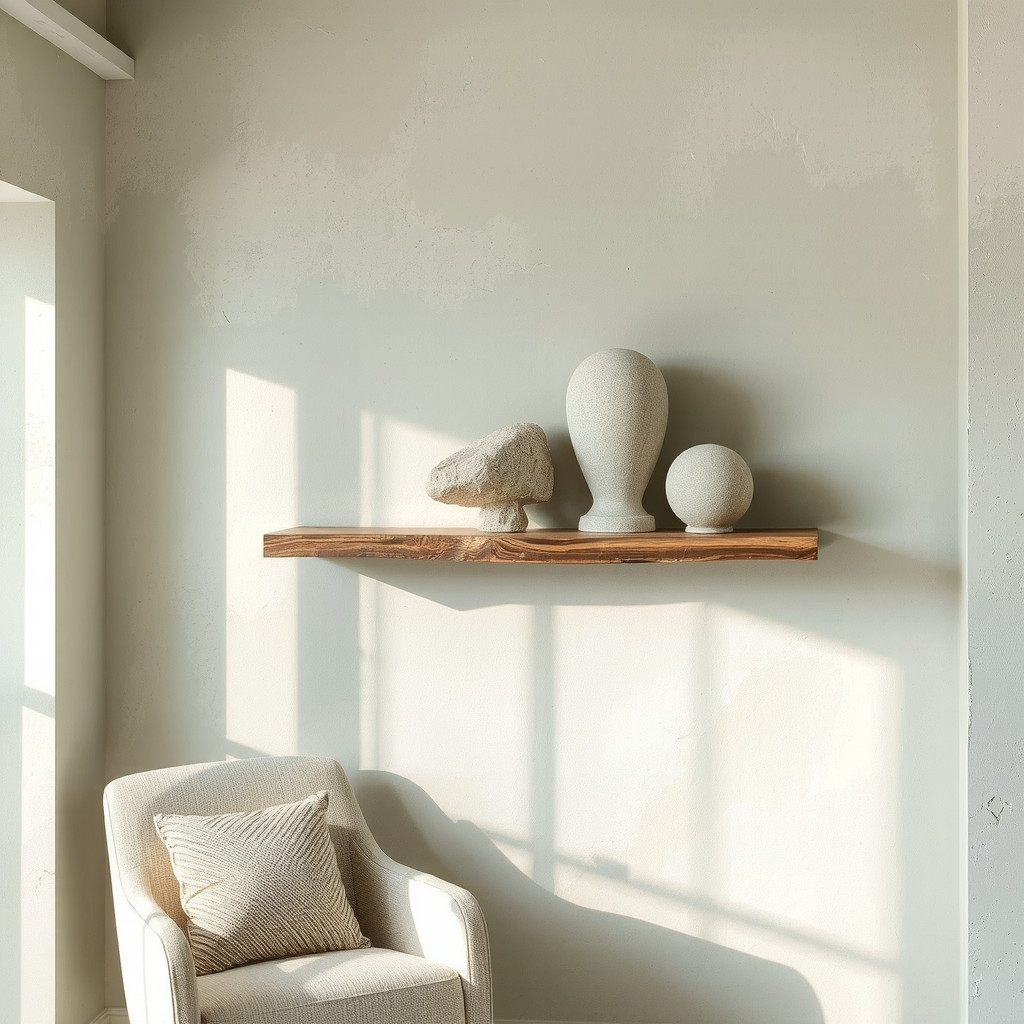
Alternatively, consider a wall treated with lime wash or clay plaster. The subtle variations in texture and color provide a rich, moving backdrop that changes with the shifting light of the day, turning a simple wall into a work of art.
Lighting
Lighting in an earthy home should feel like the sun filtering through a canopy of leaves—soft, diffused, and warm. Harsh overhead lighting breaks the spell of serenity. Instead, rely on multiple sources of low-level light to create pools of warmth.
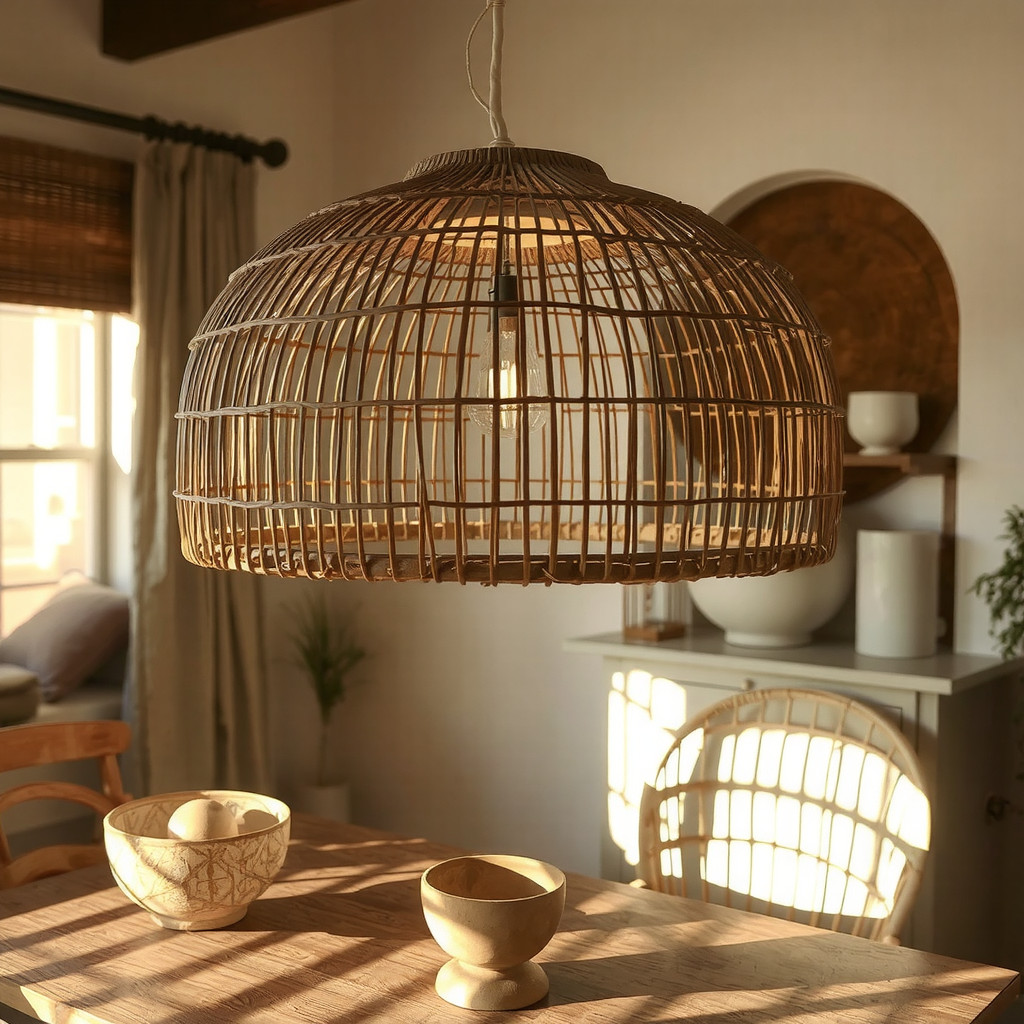
Choose fixtures made from organic materials like rattan, bamboo, or paper. A woven pendant light not only adds texture during the day but casts intricate, lace-like shadows on your walls at night, adding a layer of visual interest that wallpaper simply cannot match.
Greenery
No earthy space is complete without the literal presence of nature. Plants are the lifeblood of this aesthetic, bridging the gap between indoors and out. However, avoid the clutter of too many small pots.
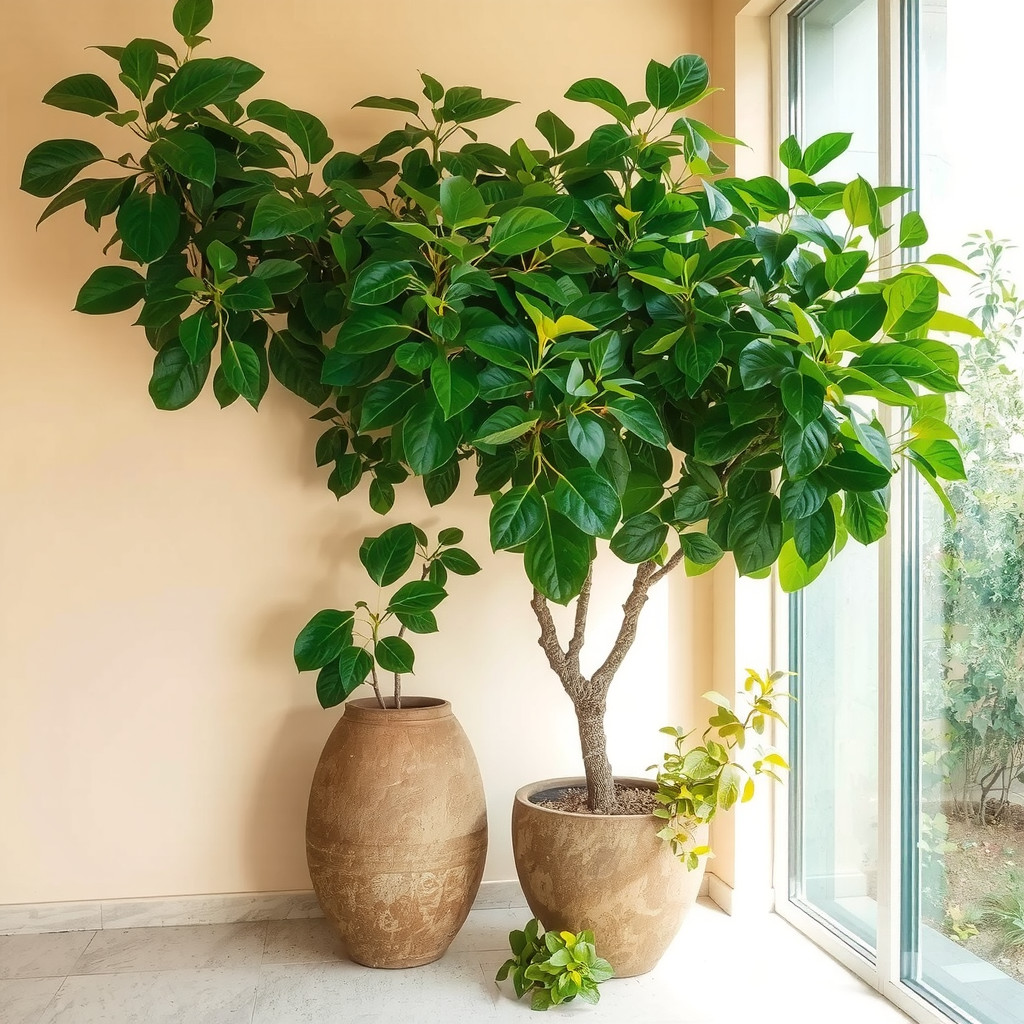
Opt for oversized statement plants like a Ficus Audrey or a Bird of Paradise in substantial terracotta or stone planters. Place them in corners to soften architectural angles or use them to divide open-plan spaces naturally. The vibrant green breathes life into the neutral palette and purifies the air you breathe.
Tips
- Stick to a palette derived from nature: ochre, terracotta, sage, and warm beige.
- Incorporate vintage or handmade items to add soul and history to the space.
- Use scent to enhance the mood; cedarwood, sandalwood, or patchouli diffusers work wonders.
- Swap sleek metal hardware for brushed brass or matte black iron for a warmer touch.
- Keep technology hidden or disguised to maintain the organic atmosphere.
ADVERTISEMENT