ADVERTISEMENT
Grounded Serenity: Mastering the Art of Earthy Home Decor
Creating a home that feels grounded and connected to nature is more than just a trend; it is a lifestyle choice that promotes tranquility and well-being. Earthy decor invites the outdoors in, using a palette drawn from landscapes, forests, and deserts to cultivate a space that feels authentic and restful. By focusing on organic textures and natural hues, you can transform your living environment into a soothing sanctuary that stands the test of time.
Layout and Positioning
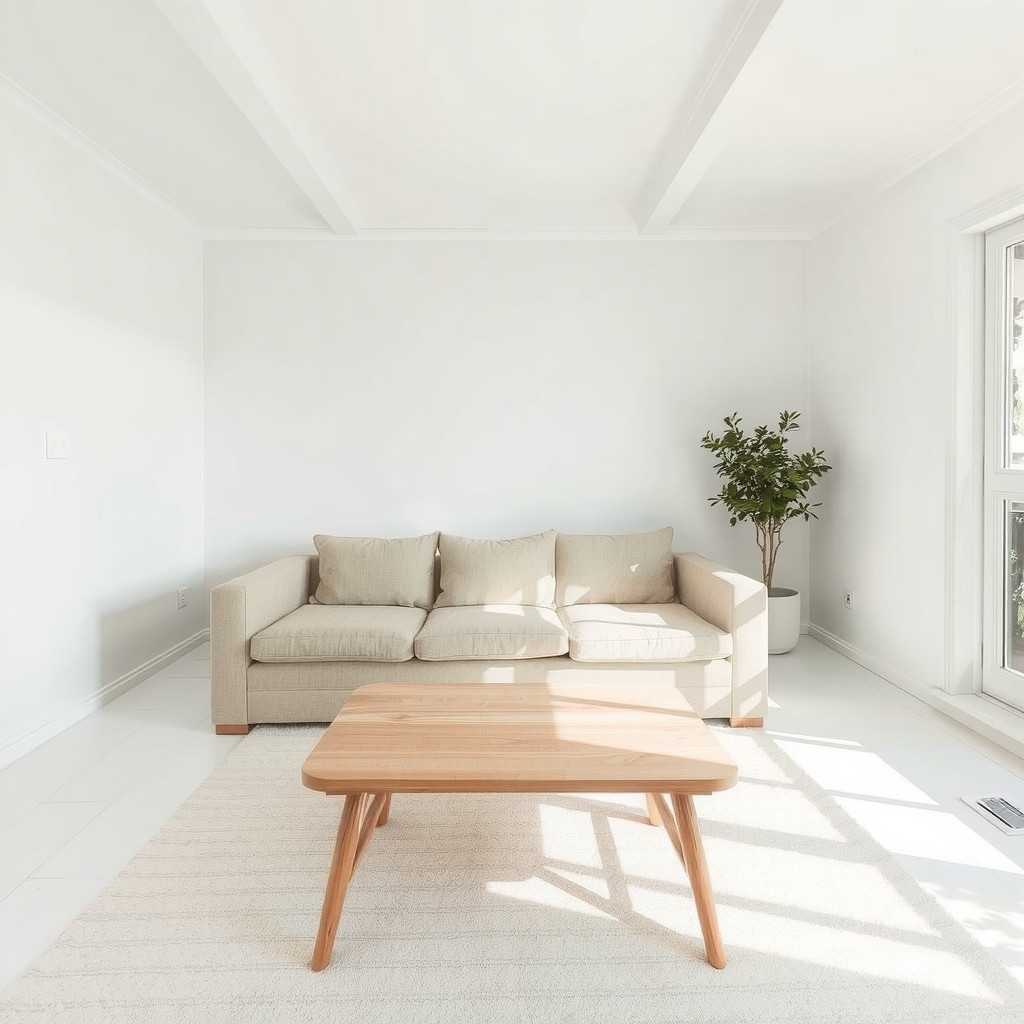
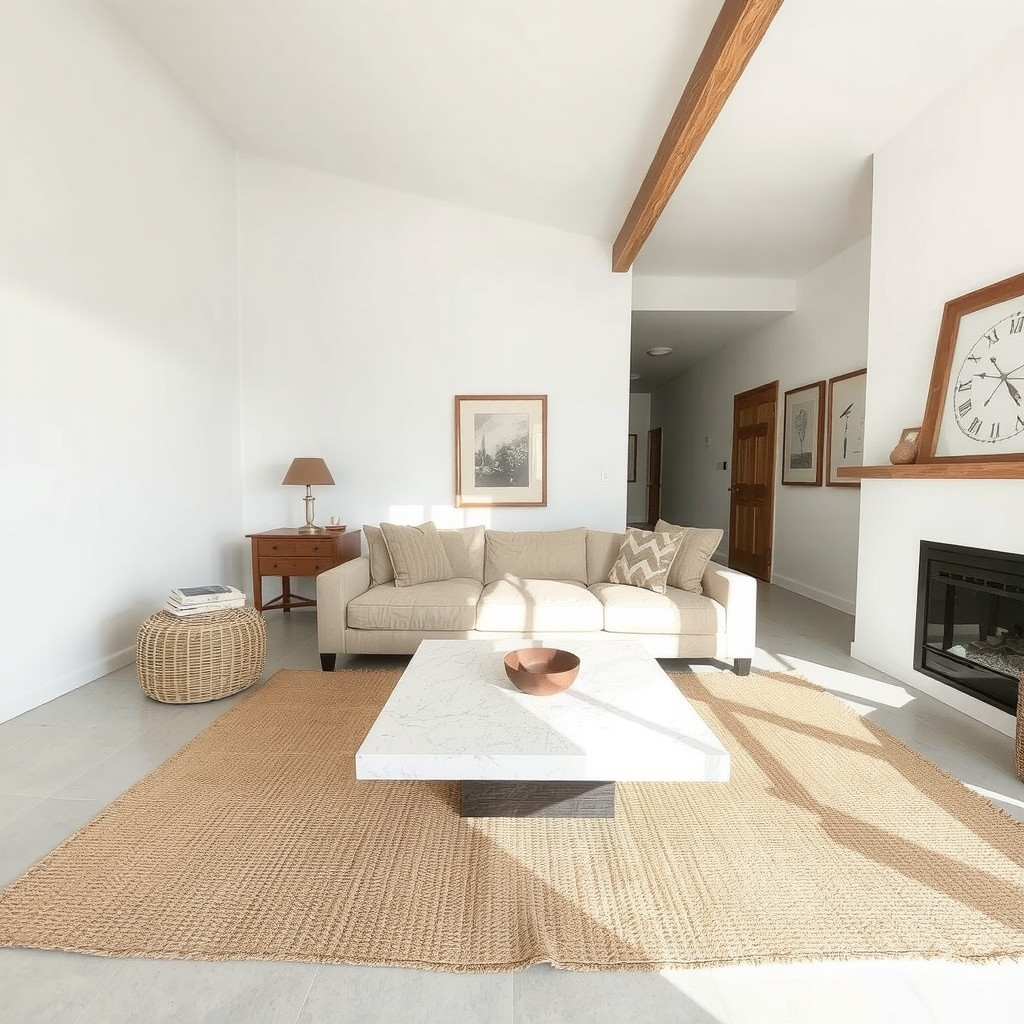
The foundation of an earthy home lies in how you arrange your space to facilitate organic movement and connection. You should aim for a layout that feels unforced and fluid, allowing energy to circulate freely around your furniture pieces without clutter or obstruction. Position your primary seating arrangements to face windows or architectural features rather than just a television screen, encouraging a visual link with the outside world.
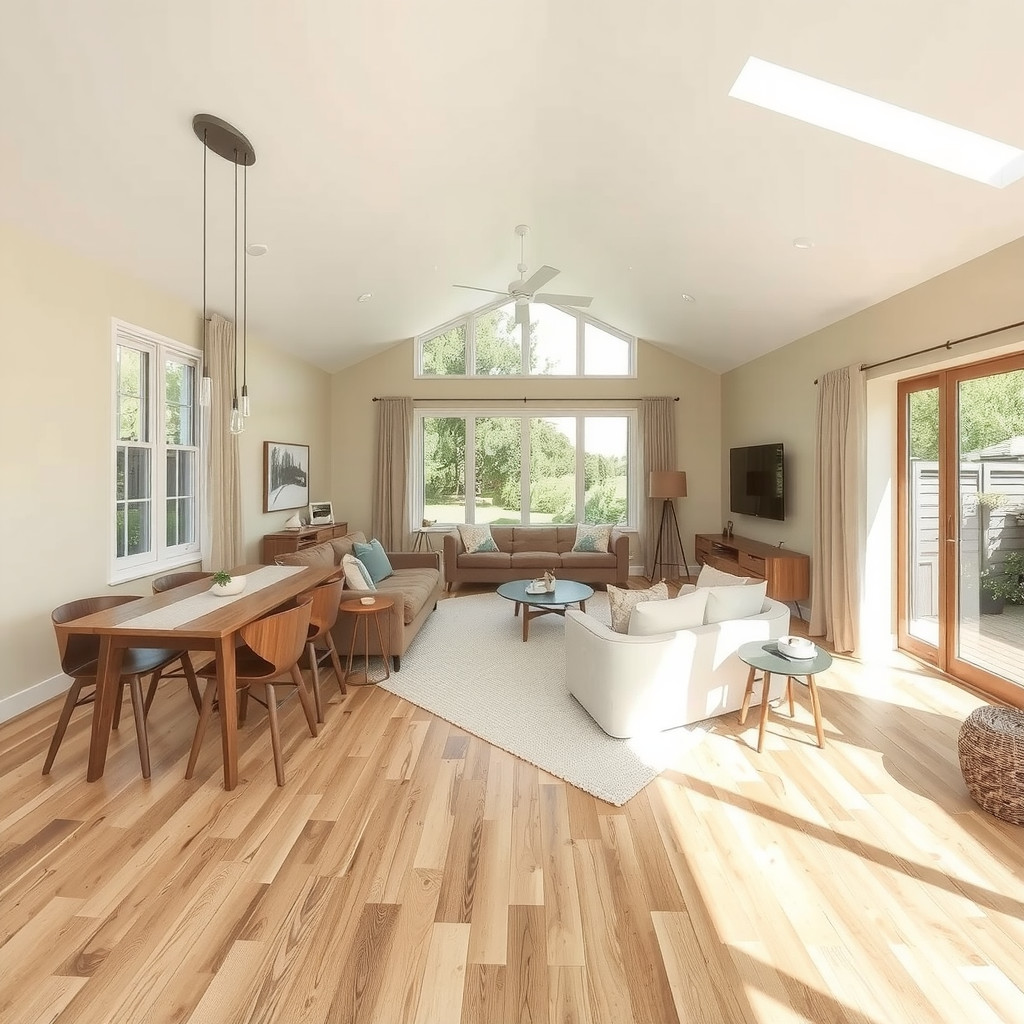
Consider the “negative space” in your room as a breathing room for your design. Avoid pushing all furniture against the walls; instead, float your sofa or armchairs to create intimate islands of conversation. This approach mimics the irregularity of nature, where nothing is perfectly rigid or linear.
Materials and Textiles
Authenticity is the hallmark of this style, so you must prioritize materials that have a history and a tactile quality. Steer clear of glossy plastics and synthetics in favor of raw, unrefined elements like solid wood, bamboo, rattan, and stone. The goal is to engage the sense of touch, making every surface feel interesting and warm.
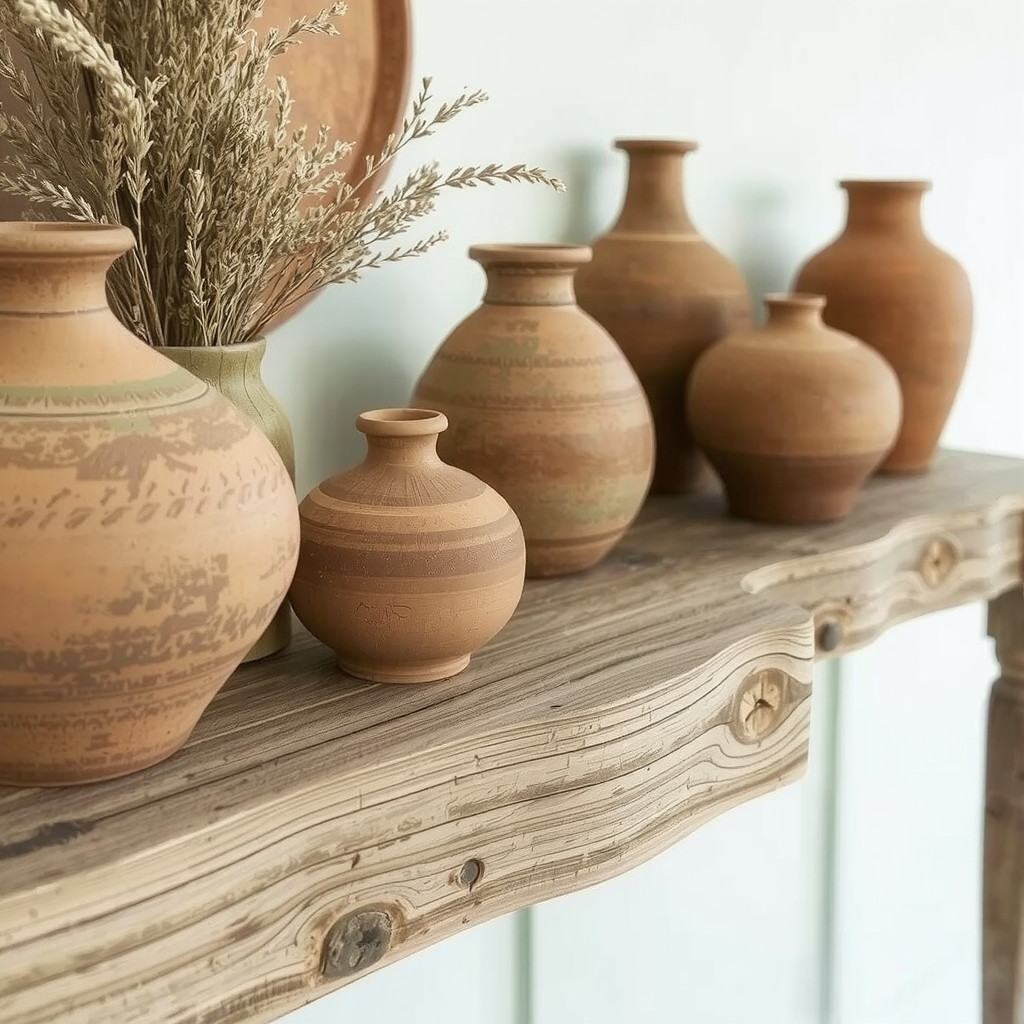
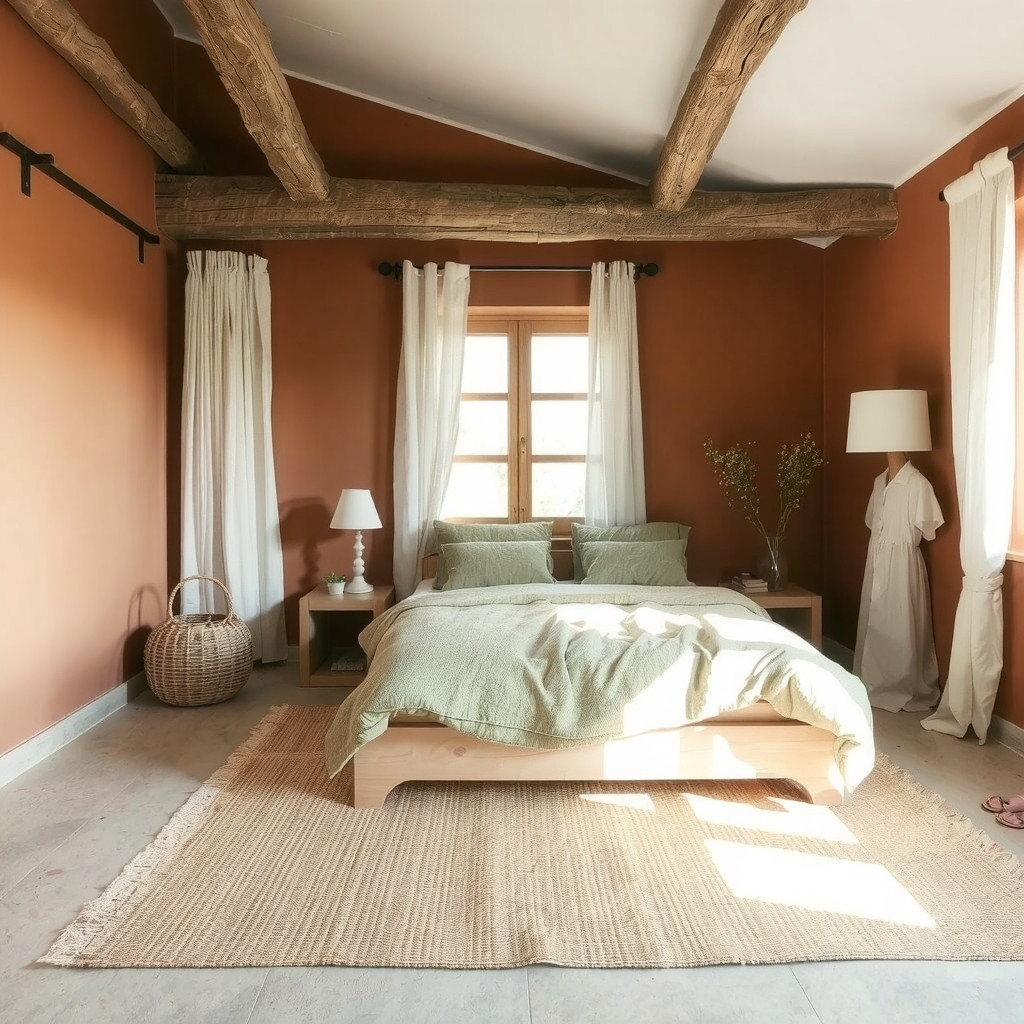
Layering textiles is crucial for softening the harder edges of wood and stone. drape a chunky wool throw over a leather chair, or place a high-pile Moroccan rug under a smooth glass coffee table. Linen curtains that pool slightly on the floor add a sense of relaxed elegance, filtering light in a way that feels ethereal and soft.
Focal Points
Every room needs an anchor, a visual resting place that draws the eye and sets the tone for the rest of the space. In an earthy interior, your focal point should celebrate imperfection and raw beauty, such as a large piece of driftwood art, a stone fireplace, or a statement furniture piece made from reclaimed timber.
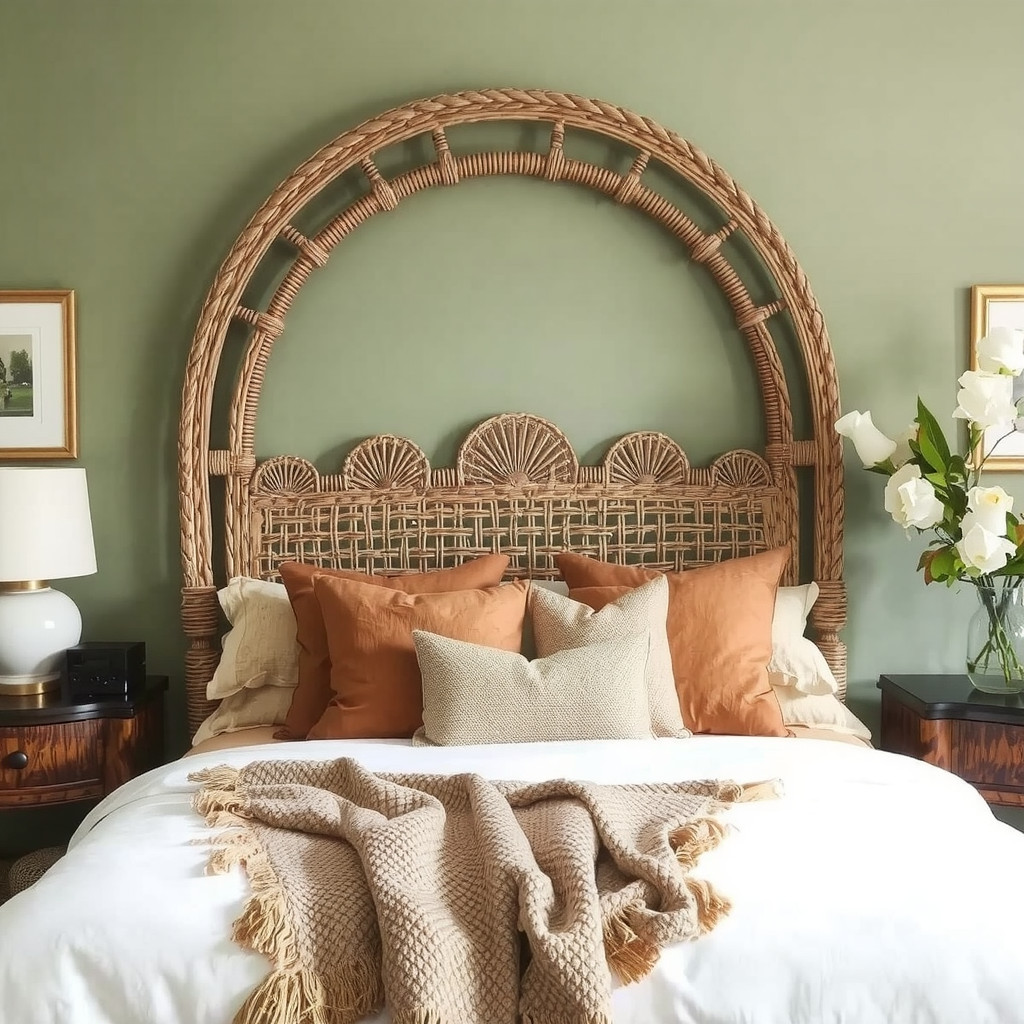
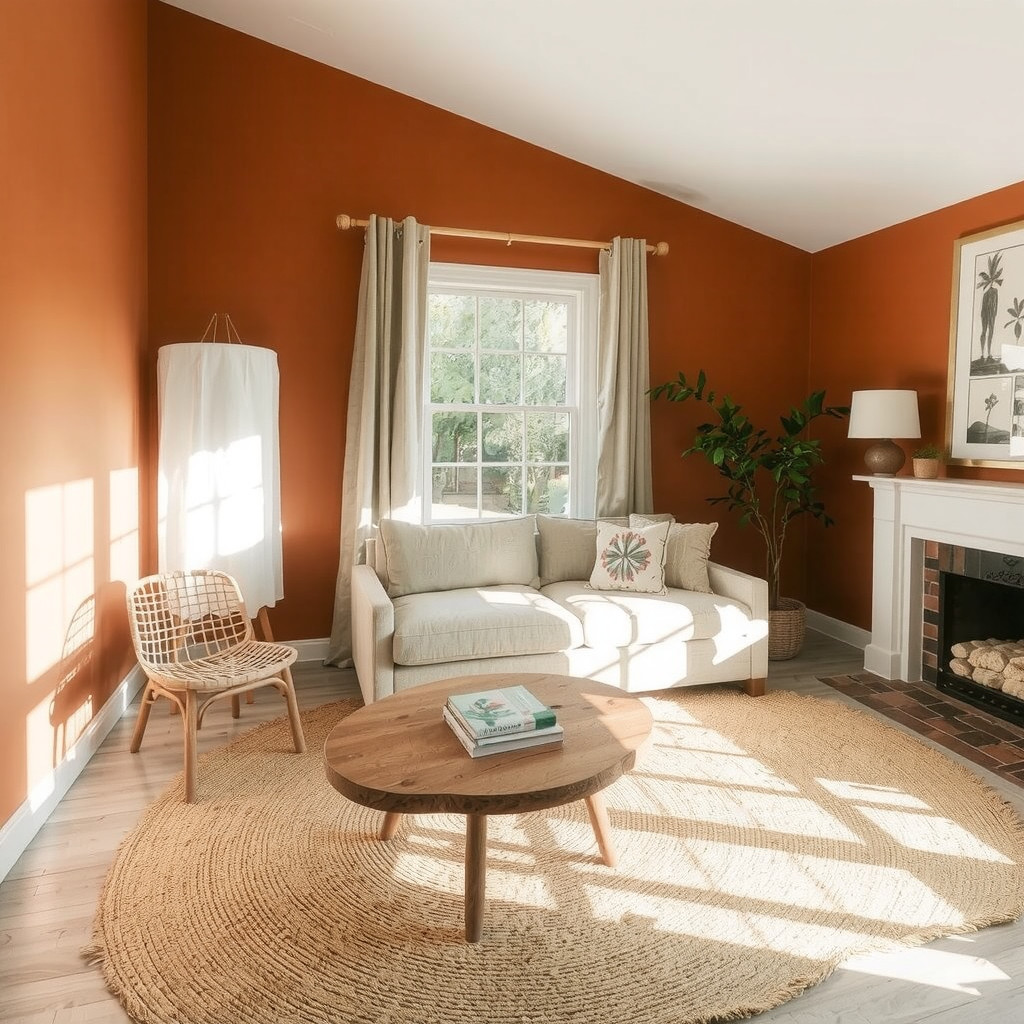
If you lack architectural features, create your own by painting a feature wall in a deep, clay-like hue or installing a textured wall hanging. The idea is to create a center of gravity that feels heavy and permanent, grounding the lighter elements of your decor.
Lighting
Lighting in an earthy home should mimic the warmth of the sun or the glow of a fire rather than the harshness of fluorescent bulbs. You want to create pools of light that highlight textures and create cozy shadows, adding depth and drama to your rooms.
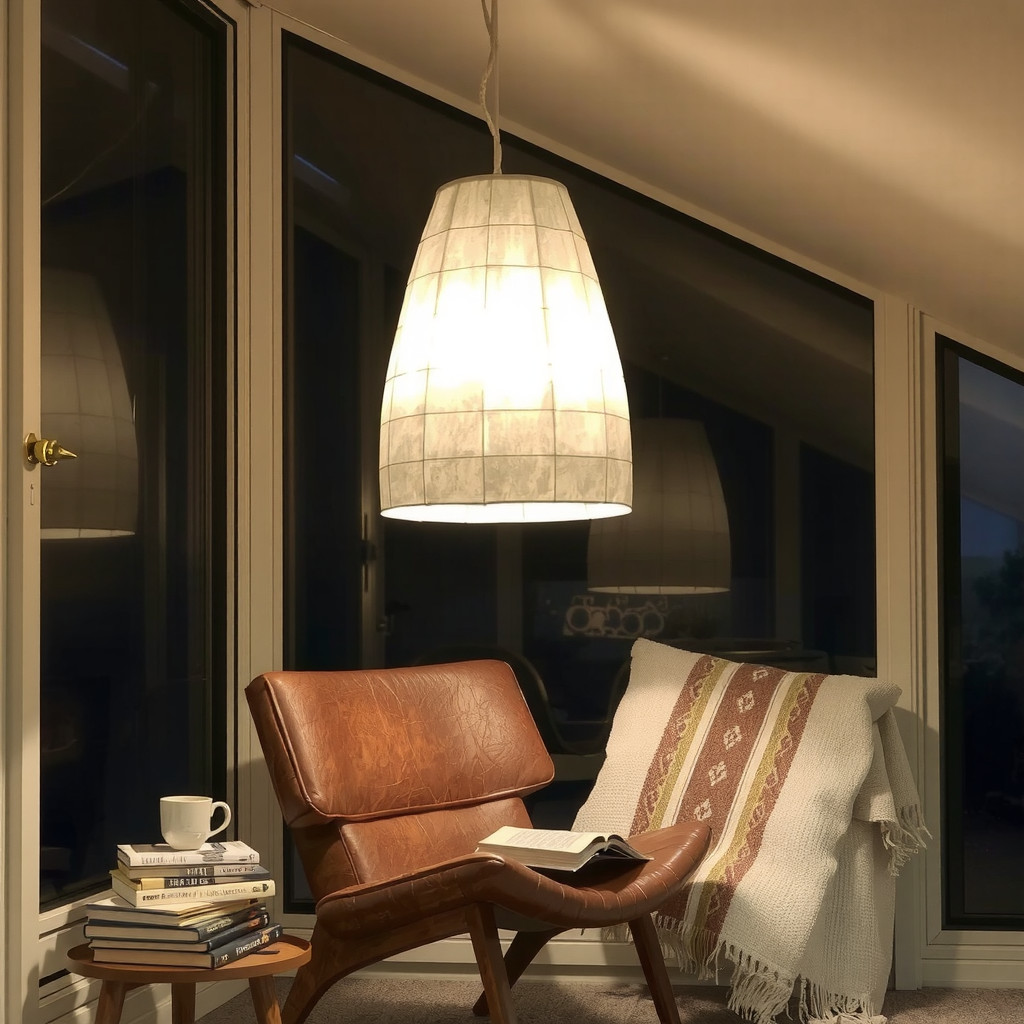
Choose fixtures made from natural materials like woven seagrass, paper, or ceramic to continue the organic theme even when the lights are off. Floor lamps with amber-tinted bulbs can simulate the golden hour, making your space feel perpetually bathed in late-afternoon sunlight.
Greenery
No earthy home is complete without the vibrancy of living plants, which serve as the ultimate bridge between your interior and the natural world. Plants add necessary color, improve air quality, and bring a dynamic, ever-changing element to your static decor.
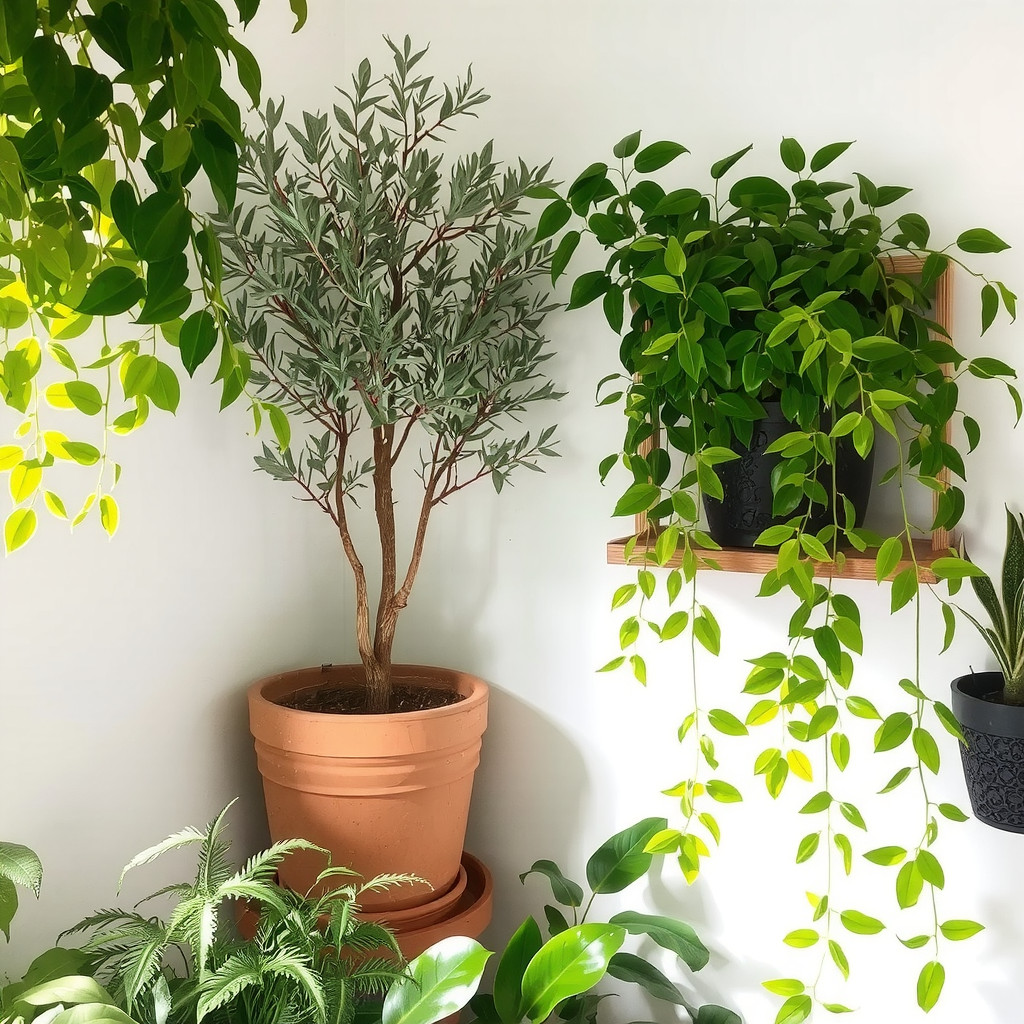
Don’t just place a small pot on a shelf; think big with floor-standing trees like olive or ficus to add vertical interest. Mix leaf shapes and shades of green to create a lush, layered look that feels like a curated indoor garden.
Tips
- Embrace Imperfection: Adopt the wabi-sabi philosophy by cherishing items with cracks, patina, or signs of wear.
- Warm Palette: Stick to colors found in nature, such as terracotta, ochre, olive green, and sandy beige.
- Scent Matters: Use essential oils like cedarwood, sandalwood, or eucalyptus to ensure your home smells as earthy as it looks.
- Limit Technology: Hide cords and screens where possible to maintain the primitive, serene atmosphere.
- Handmade Decor: Incorporate pottery or hand-woven baskets to add a human touch and soul to your shelves.
ADVERTISEMENT