ADVERTISEMENT
Layered Lighting for a Living Room Without Overhead Fixtures
Introduction
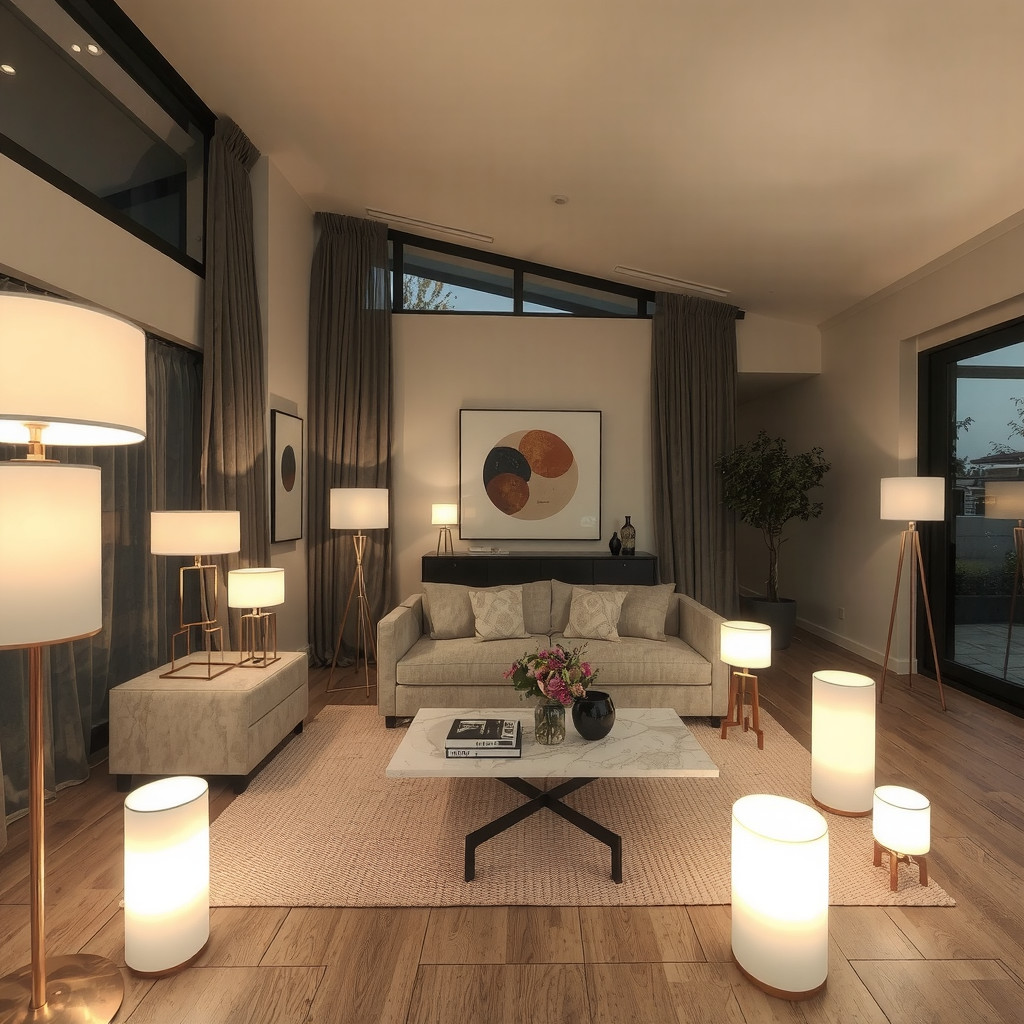
You step into a living room with no overhead lighting and want it to feel intentional, not improvised. Thoughtful layering transforms the space into something glowing, atmospheric, and flexible. With a few strategic lighting tips for home decor, you create mood, focus, and comfort without ever flipping a ceiling switch.
You start by imagining how you actually live in the room—reading, hosting, watching movies, or working. Each activity needs its own layer of light. When you approach home light design for living room spaces this way, every lamp earns its place.
Layout and Positioning
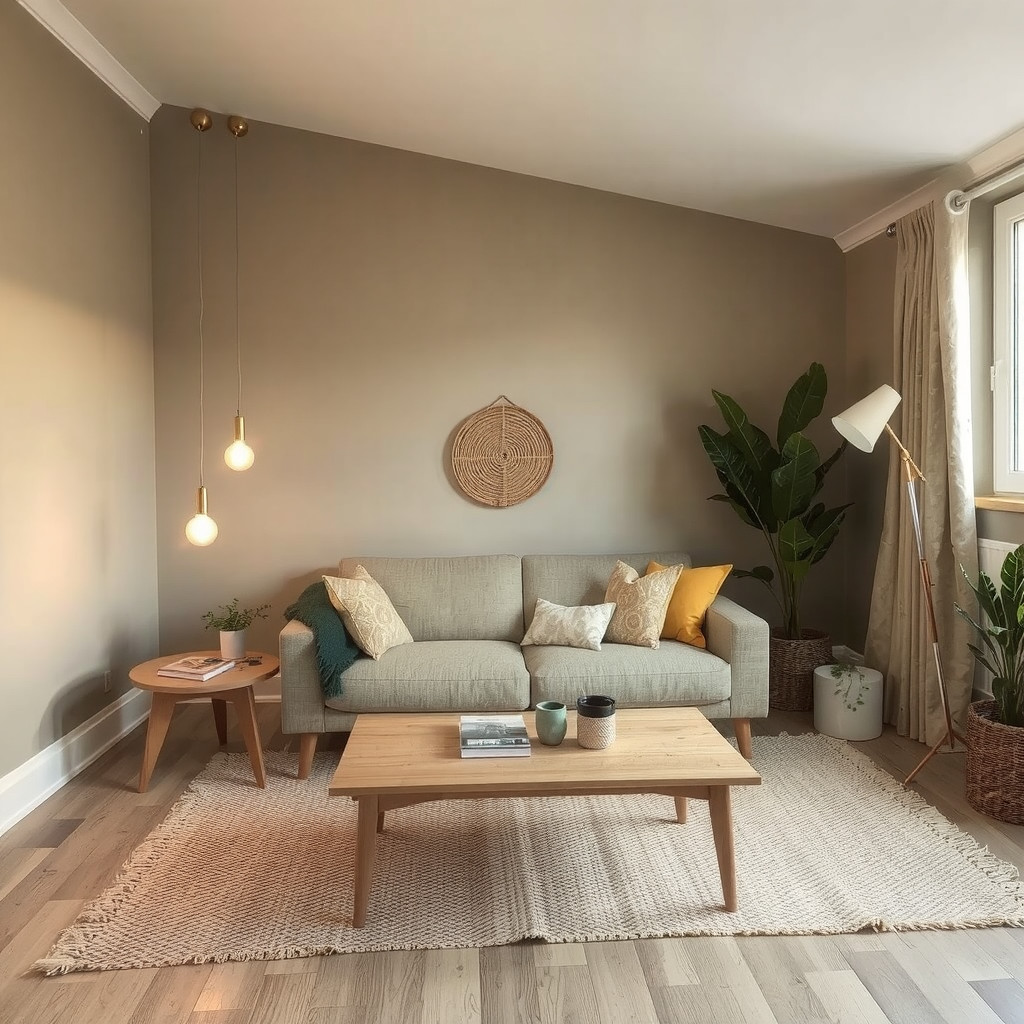
Begin with how you move through the room. You want light to guide you naturally from the entry to the seating area. Place a slim floor lamp near the doorway so you never step into darkness. Then anchor each seating zone with its own pair of lamps, one at either end, to form balanced pools of light.
In a long living room, stagger floor lamps along the perimeter instead of lining them up like soldiers. This creates rhythm and depth. When you plan home lighting design ideas for each room, think in clusters instead of single points. A table lamp beside the sofa, another near a reading chair, and a subtle glow on a console together feel enveloping.
Materials and Textiles
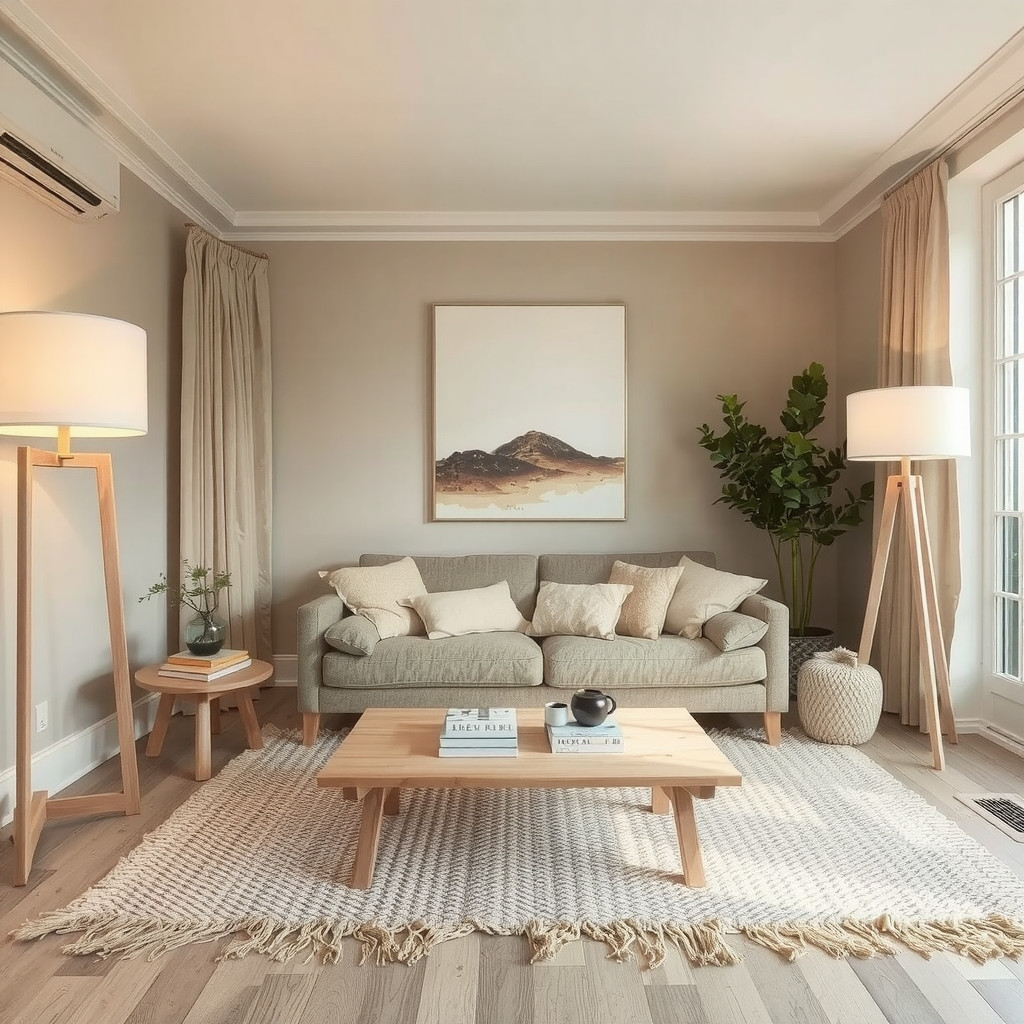
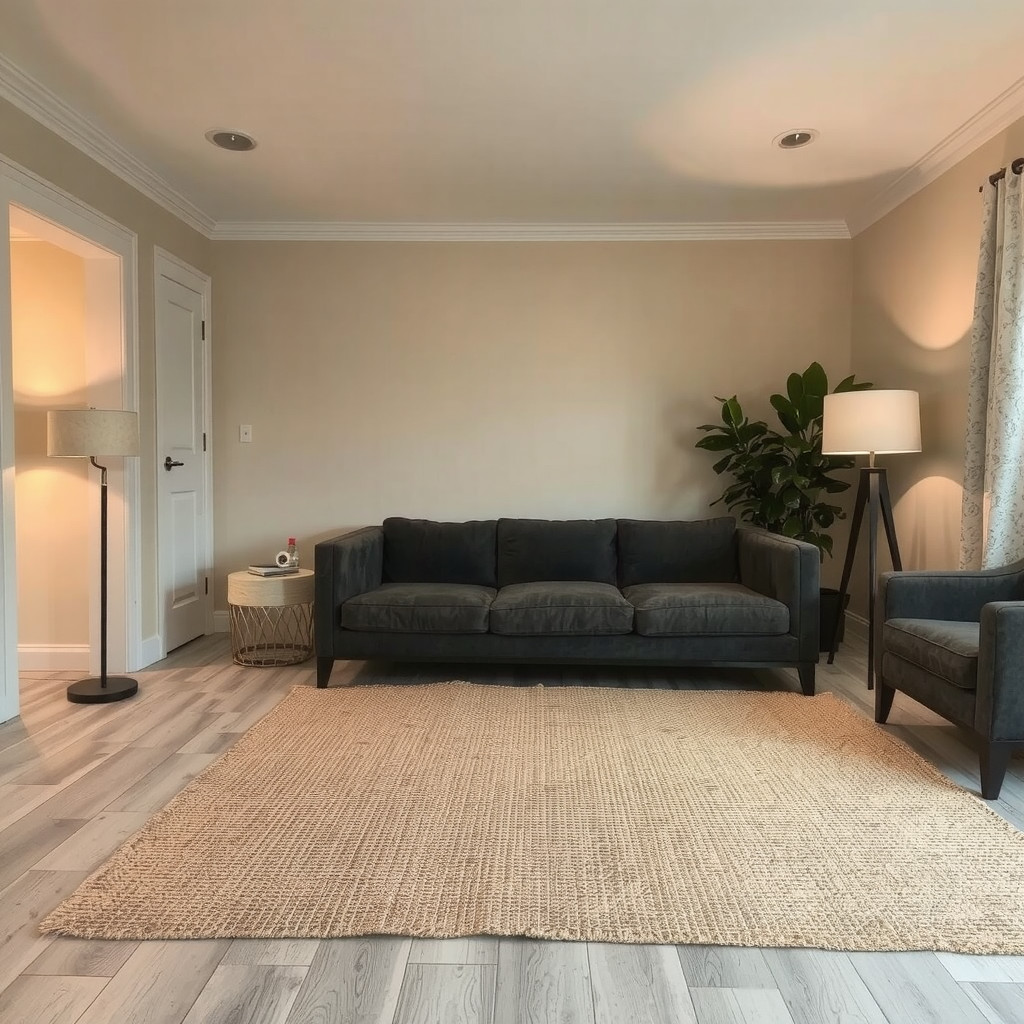
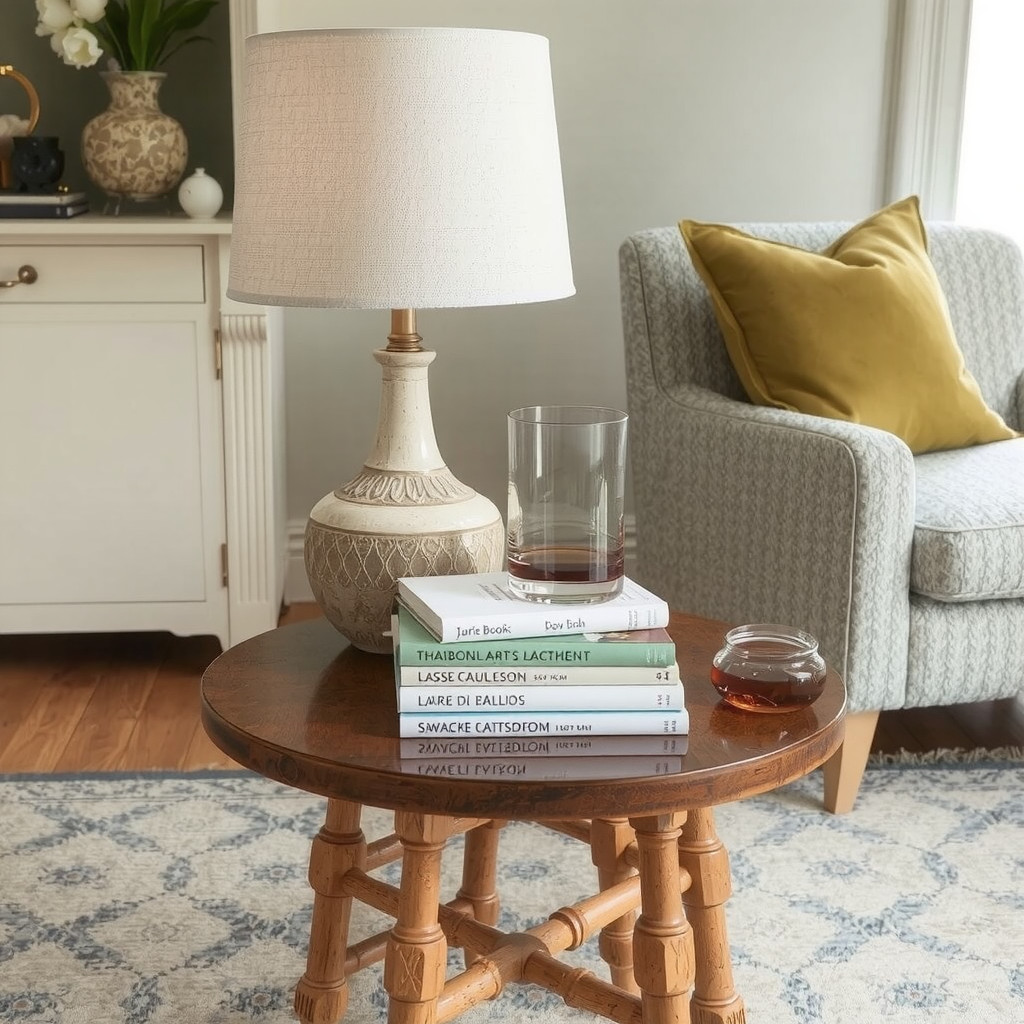
The materials you choose decide how soft or sharp the light feels. Linen and cotton shades diffuse glow into a gentle halo, perfect for cozy evenings. Glass and polished metal bounce light further, brightening corners and highlighting architectural details.
Layer in tactile textiles that drink in and soften brightness. A wool rug, nubby throw, and boucle armchair keep the room from feeling stark. Choose warm woods, aged brass, and matte ceramics to avoid glare. For a cohesive home light design for living room areas, echo the same finishes on lamp bases, side tables, and picture frames.
Focal Points
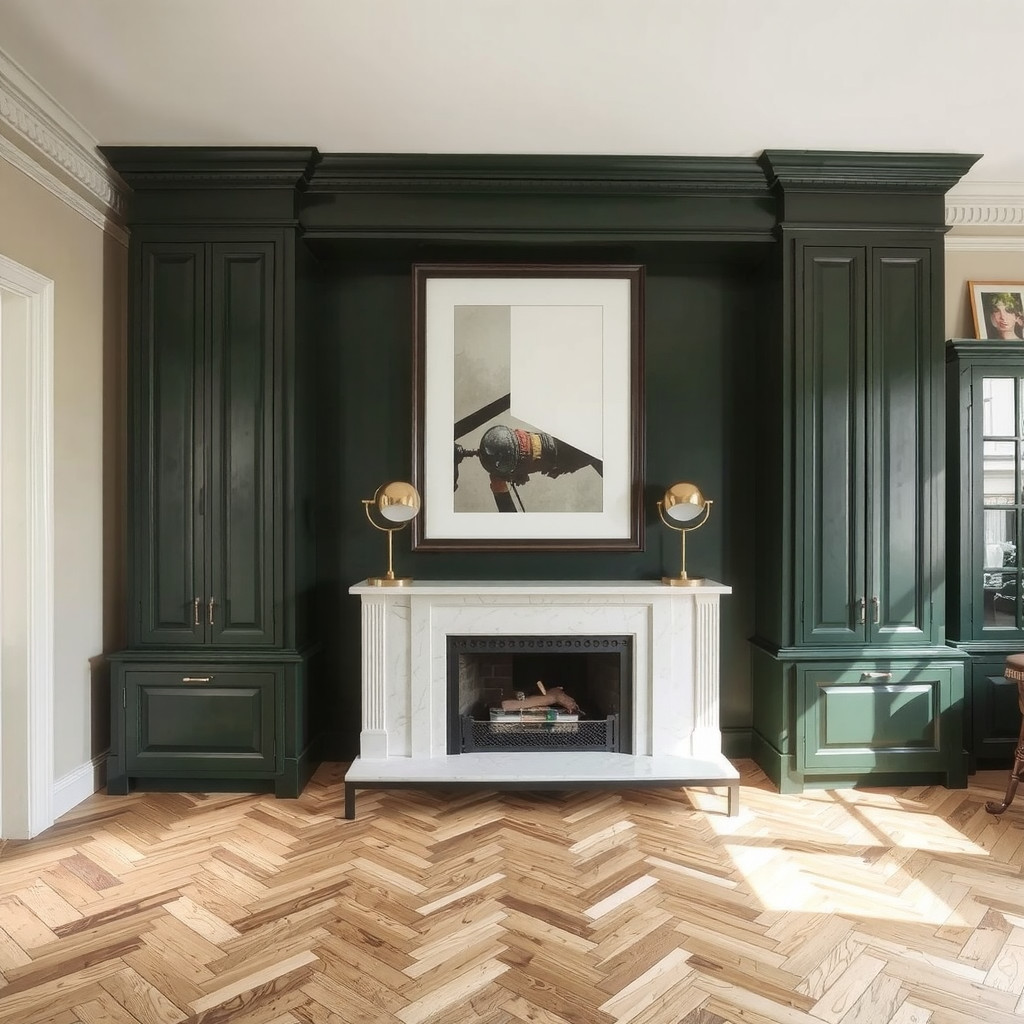
Without overhead fixtures, you create drama by lighting what matters most. Start with one primary focal point: maybe a fireplace, media console, or large artwork. Flank it with matching sconces or place a pair of tall lamps on a low cabinet. The glow draws the eye, even when everything else is dimmed.
Secondary focal points keep the room visually interesting. Highlight a styled bookshelf with a petite accent lamp or a picture light. Accent lighting along a console behind the sofa can frame the entire seating area. When you think of home lighting design ideas for each room, imagine where you want eyes to rest first.
Lighting
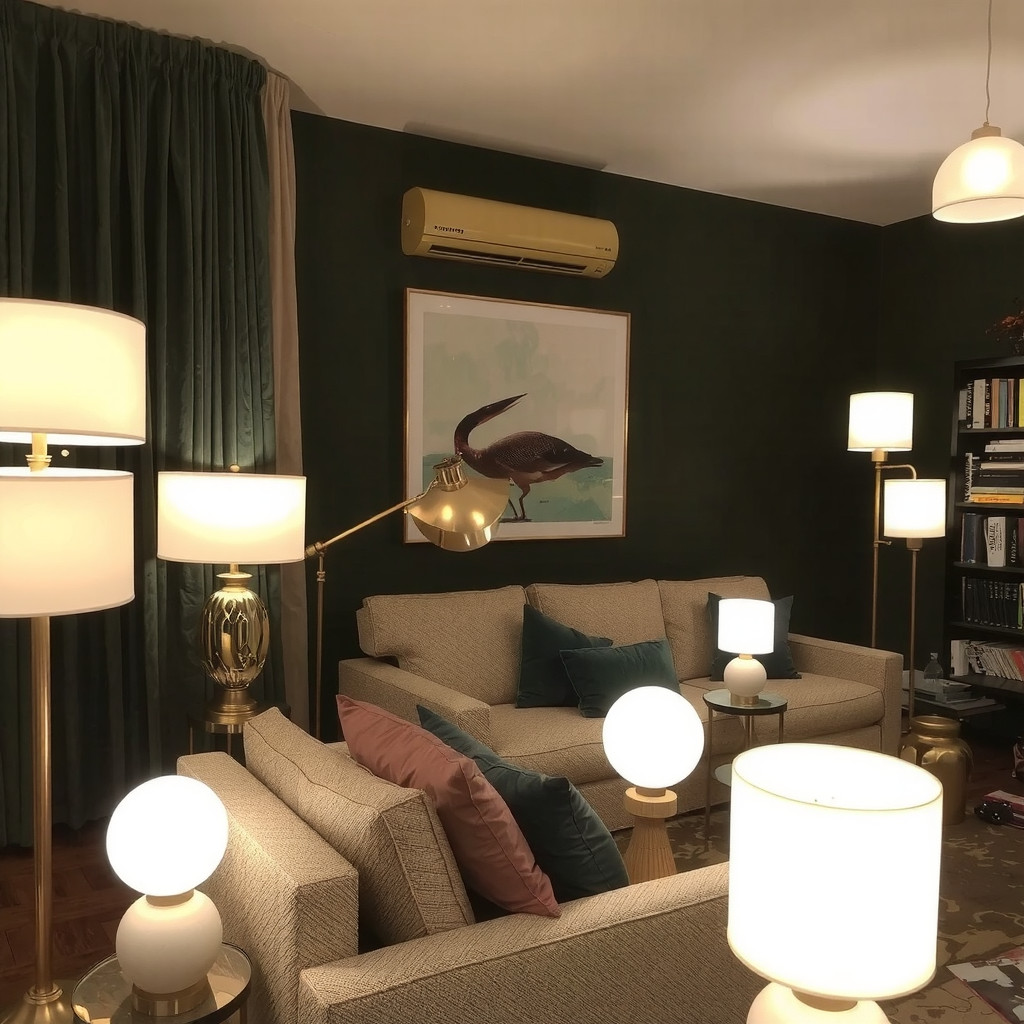
Now you layer. Ambient light comes from generous floor lamps with wide shades, mimicking the soft wash of an overhead fixture. Task light appears beside reading chairs and on side tables, focused where you need clarity. Accent light glows from bookcases, consoles, and window sills, adding sparkle.
Choose warm white bulbs between 2700K and 3000K for living rooms to keep everything flattering and inviting. Put as many fixtures as possible on dimmers, whether through smart bulbs or plug-in dimmers, so you shift easily from bright cleaning light to cinematic evening glow. This flexible approach works beautifully beyond the living room, becoming a template for home lighting design ideas for each room.
Greenery
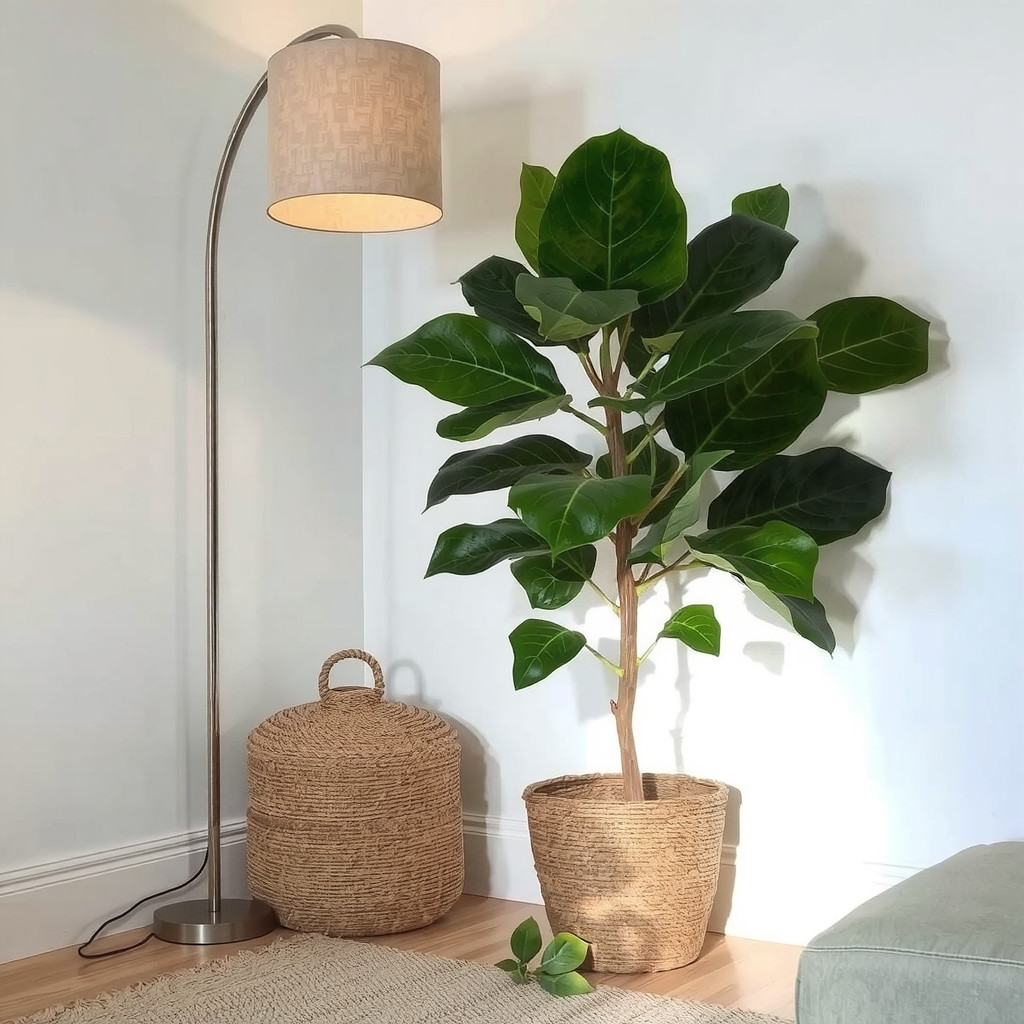
Plants become sculptural when lit well. Place a tall floor lamp so its shade brushes leaves with a soft edge of brightness. A small table lamp near a cluster of low plants turns them into a living still life after dark.
Use greenery to soften hard lamp lines and hide cords. A cascading plant on a console can obscure outlets, while a large fiddle-leaf fig fills an empty, shadowy corner. As your lighting tips for home decor come together, greenery keeps the glow feeling organic, not staged.
Tips
- Start with three layers: ambient, task, and accent, then adjust quantities, not categories.
- Aim for at least five light sources in a medium living room without overhead fixtures.
- Mix lamp heights so light falls from above shoulder level, eye level, and table height.
- Keep bulbs consistently warm white throughout the room for a unified, calm atmosphere.
- Use reflective accents—mirrors, brass trays, glass vases—to bounce light into darker corners.
- Plan outlet access before buying lamps so cords run cleanly along walls and under furniture.
- Apply this layered strategy to bedrooms, entries, and home offices for cohesive home lighting design ideas for each room.
ADVERTISEMENT