ADVERTISEMENT
Layered Lighting Secrets For a Living Room Without Overhead Fixtures
Introduction
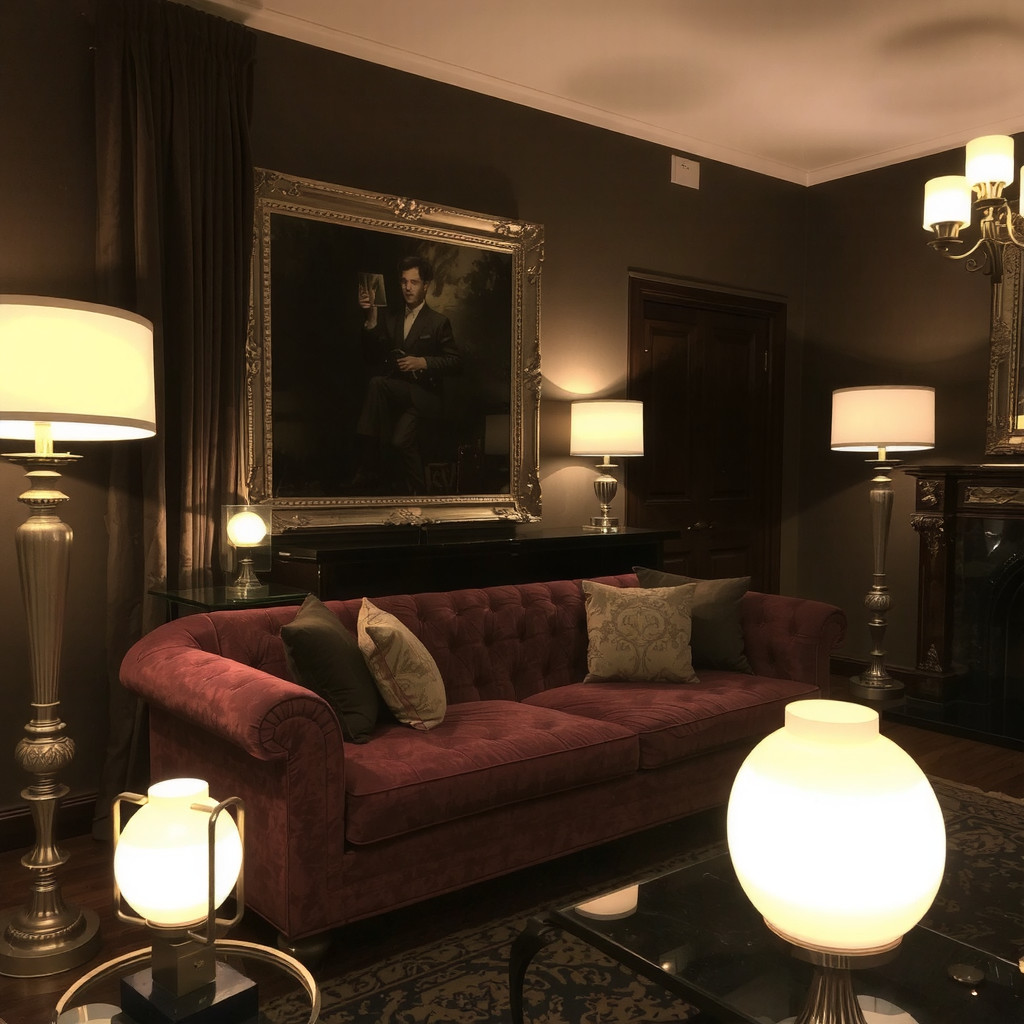
Stepping into a living room without an overhead fixture can feel strangely flat at first. Yet this blank ceiling gives you freedom to build a richer, layered glow from the ground up. Picture a twilight lounge, where pools of warm light skim across textiles and artwork, guiding the eye around the room. 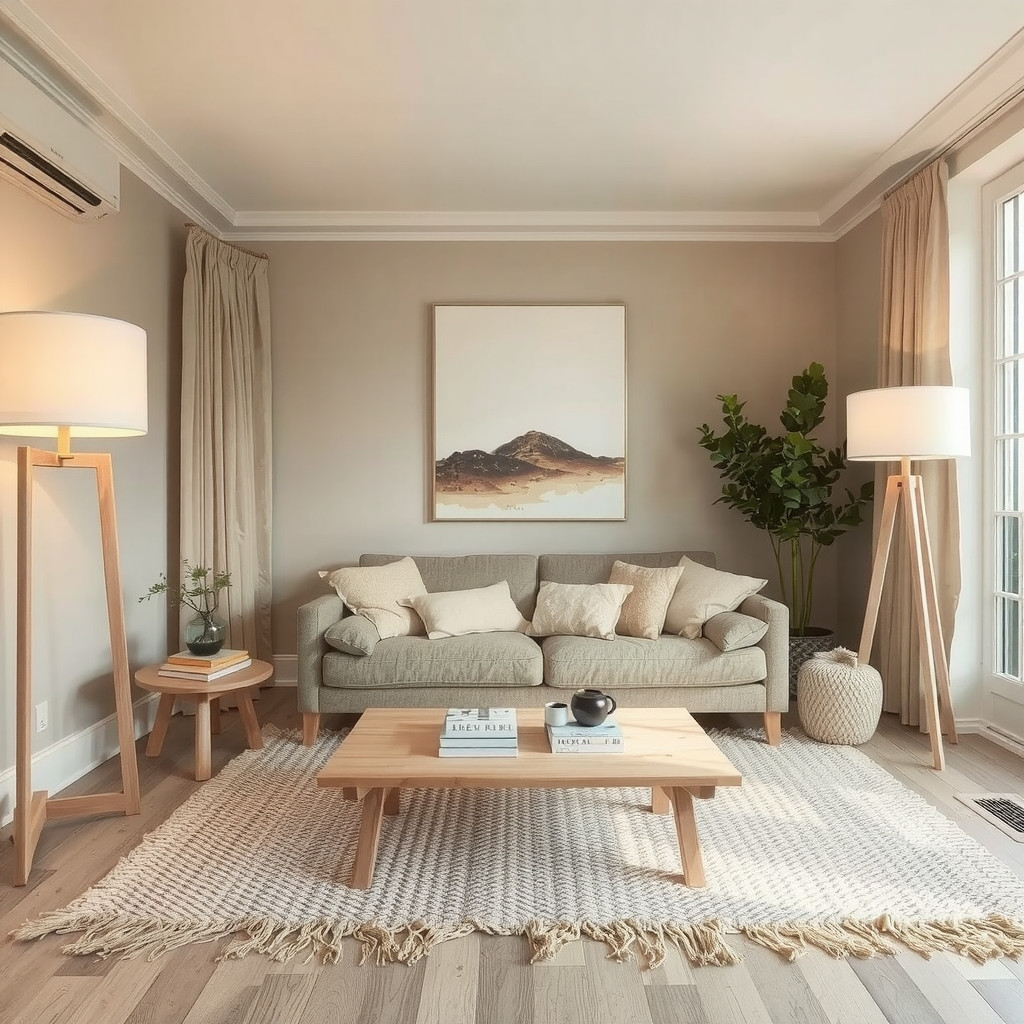
By combining floor lamps, wall sconces, and table lamps, you control brightness, mood, and function in every corner. Instead of one harsh source, you shape soft gradients of light that flatter both your decor and your face.
Layout and Positioning
Begin by mapping how you actually use the room: reading, watching movies, working on a laptop, or chatting with guests. Then place light where those activities happen, not just where outlets are convenient. A tall arc or tripod floor lamp beside the sofa can wash light over your seating, mimicking the effect of overhead lighting without glare. 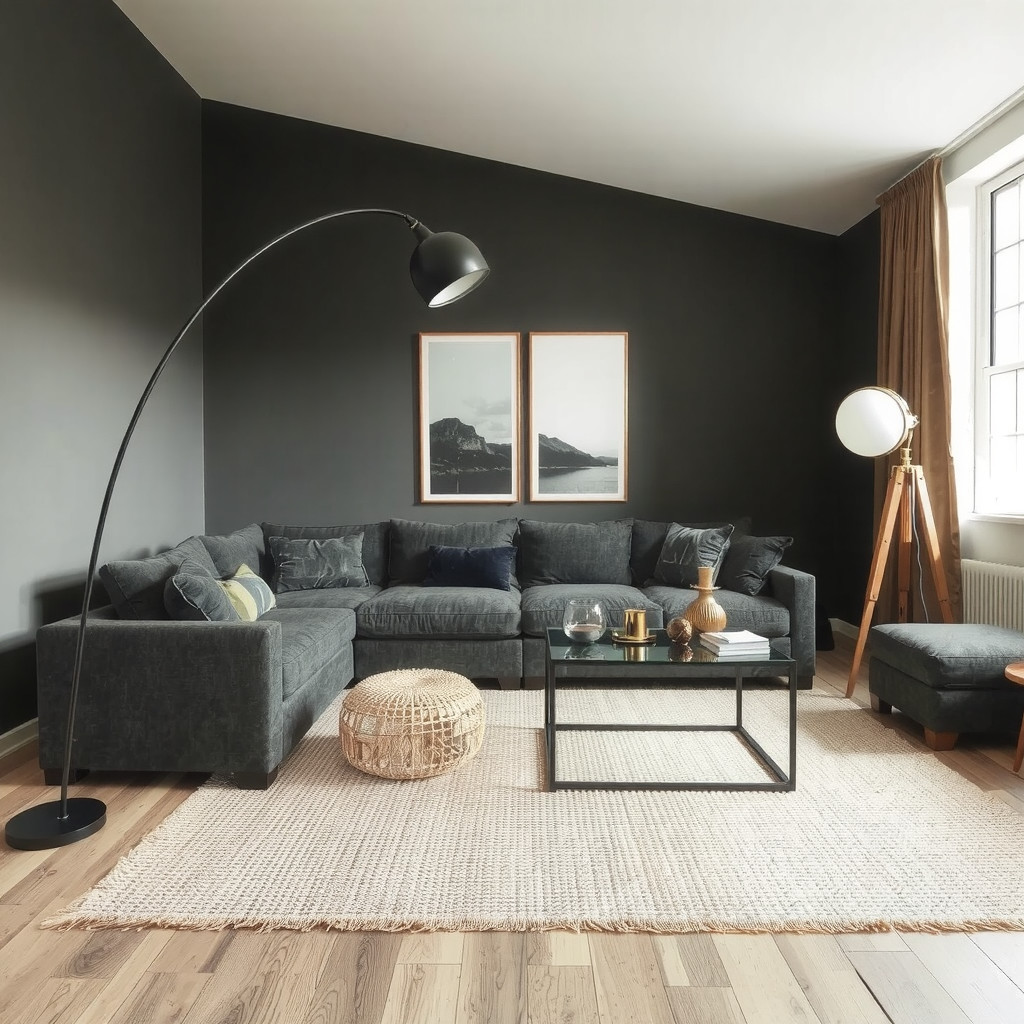
Balance the room by placing a second substantial light source diagonally opposite, such as a floor lamp near an accent chair or console. Add a pair of table lamps on side tables or a credenza to build a gentle ring of light around the room’s perimeter. 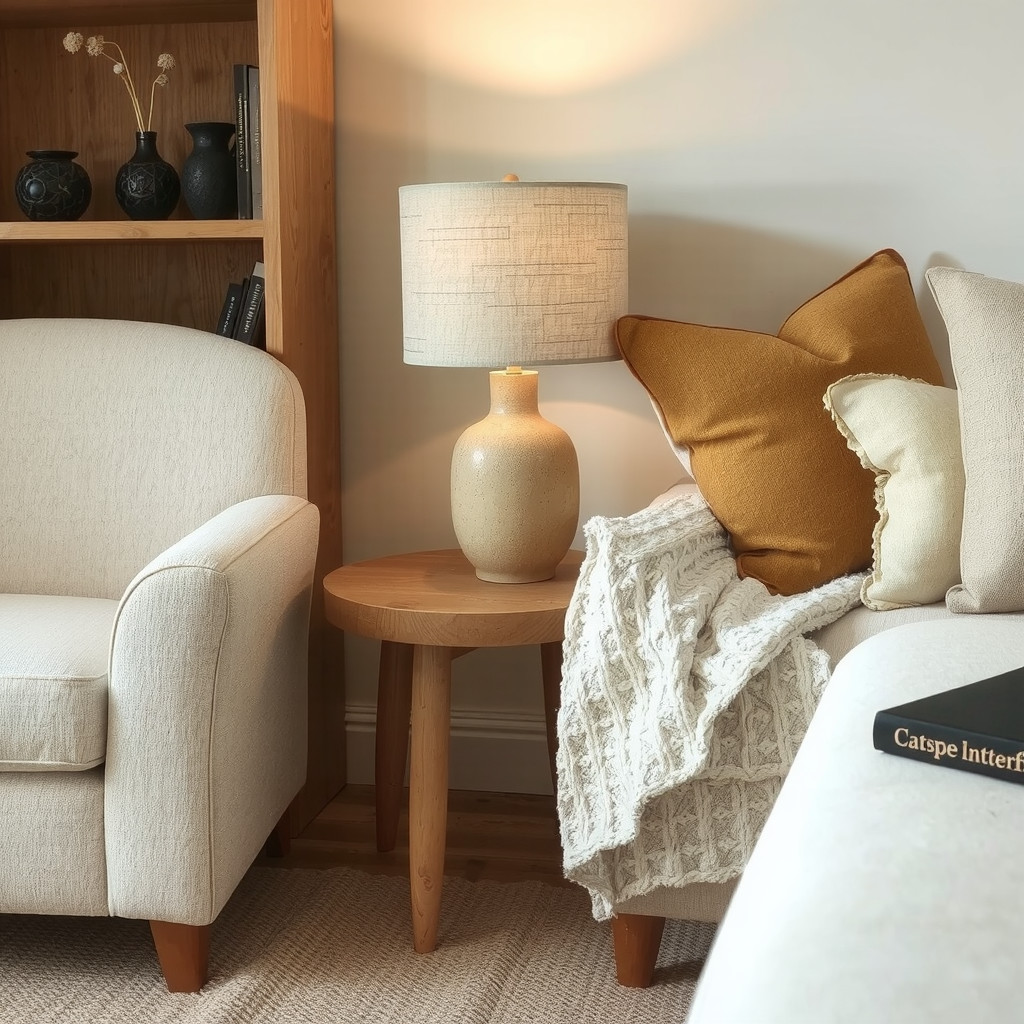
Finally, consider wall space. Slim plug-in sconces flanking a sofa or media unit add height and prevent all illumination from hovering at eye level.
Materials and Textiles
Without overhead lighting, surfaces and fabrics become crucial partners in bouncing and softening light. Choose lamp bases in warm metals, glazed ceramic, or pale woods that catch and reflect glimmers of brightness. Linen or cotton drum shades diffuse bulbs into a mellow halo, while pleated or woven shades cast delicate patterns on nearby walls. 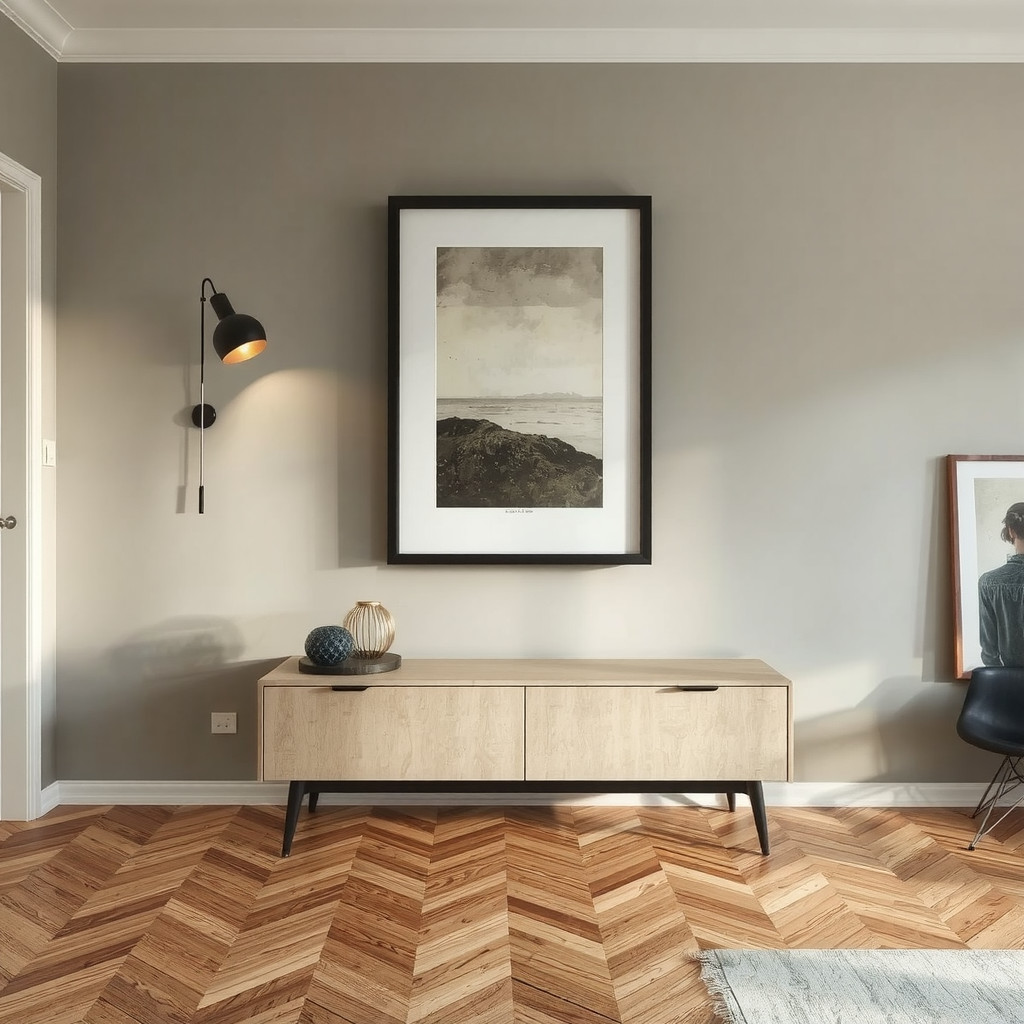
Layer textiles to absorb harsh contrasts: a wool rug, boucle or chenille sofa, and thick curtains tame any hotspots. Lighter upholstery and rugs help amplify light, while deep velvets and saturated tones create a moodier, cocooning effect. Mix matte finishes with just a few subtle shines, like a brass tray or lacquered side table, to bounce light without looking glossy.
Focal Points
In a room without ceiling fixtures, you craft your own focal points with light. Start by deciding what deserves attention: artwork, a fireplace, a sculptural chair, or a bookshelf. Then use directed light to highlight it. A swing-arm wall lamp above a framed piece turns it into a nighttime anchor. 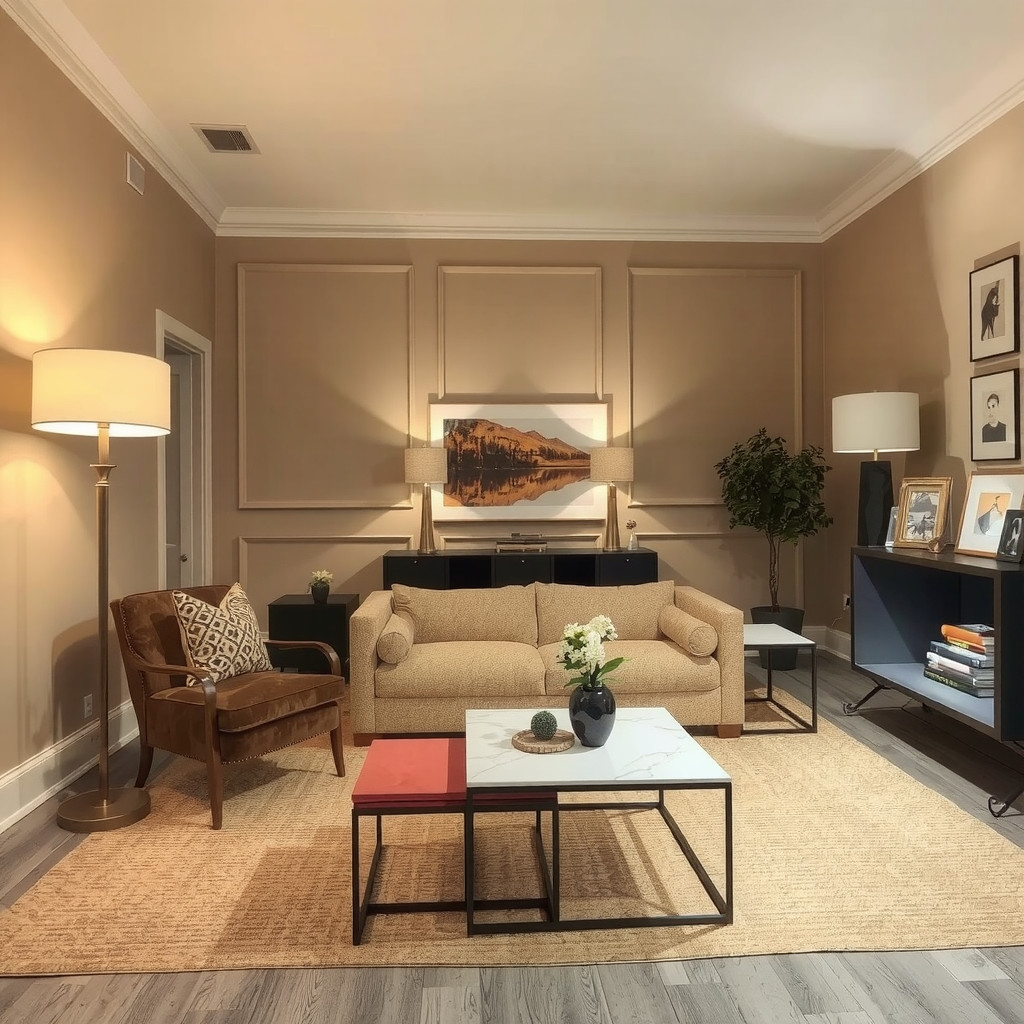
Place a slender floor lamp beside an accent chair to form a cozy reading nook that visually pulls you across the room. On a media console, use matching table lamps at each end to frame your television or favorite objects, keeping bulbs dim enough to avoid screen glare.
Lighting
Think in three layers: ambient, task, and accent. Ambient light is your overall glow, created with multiple lamps using warm, diffused shades. Task lighting is direct and brighter, like an adjustable reading lamp at the sofa or desk. Accent lighting adds drama through picture lights, LED strips on shelves, or a glowing lantern on the floor. 
Use warm white bulbs for living spaces, ideally between 2700K and 3000K, to avoid a clinical feel. Dimmer plugs are invaluable when overhead circuits are missing, letting you shift from lively brightness to soft evening hush with a twist.
Greenery
Plants deepen the sense of atmosphere when paired with considered lighting. Tuck a floor plant near a lamp so leaves catch the glow, casting gentle shadows on the wall. A trailing vine on a bookshelf looks magical when a small accent light grazes its foliage. 
Choose pots in stone, clay, or woven textures that respond beautifully to warm illumination. Even a single tall tree in a corner, uplit softly from below, becomes sculptural at night and subtly replaces the drama of a ceiling fixture.
Tips
- Place at least three light sources at different heights for every average-sized living room.
- Use matching color temperature bulbs throughout the space for a cohesive, flattering glow.
- Position floor lamps behind or beside seating to mimic overhead light without glare.
- Choose fabric shades and warm metals to soften brightness and reflect gentle highlights.
- Add dimmer plugs to key lamps so you can fine-tune mood from day to night.
- Highlight one or two focal areas, like art or shelving, to pull attention away from the bare ceiling.
- Mix greenery near light sources to create shifting, organic shadows that add depth and calm.
ADVERTISEMENT