ADVERTISEMENT
Mastering the Micro-Loft: Chic Solutions for Compact Living
Introduction Living in a smaller footprint does not mean sacrificing style or comfort; it simply requires a shift in perspective. Instead of viewing your limited square footage as a hindrance, treat it as an opportunity to curate a space that is intentionally designed and deeply personal. A compact home encourages you to keep only what you love, resulting in an environment that feels both efficient and luxurious. By focusing on smart layout choices and visual tricks, you can transform a tight squeeze into a grand sanctuary.
Layout and Positioning The most common mistake in small spaces is pushing all furniture against the walls to “create space” in the center. This often results in a room that feels disconnected and cavernous rather than cozy. Instead, pull your furniture inward to create intimate conversation zones.
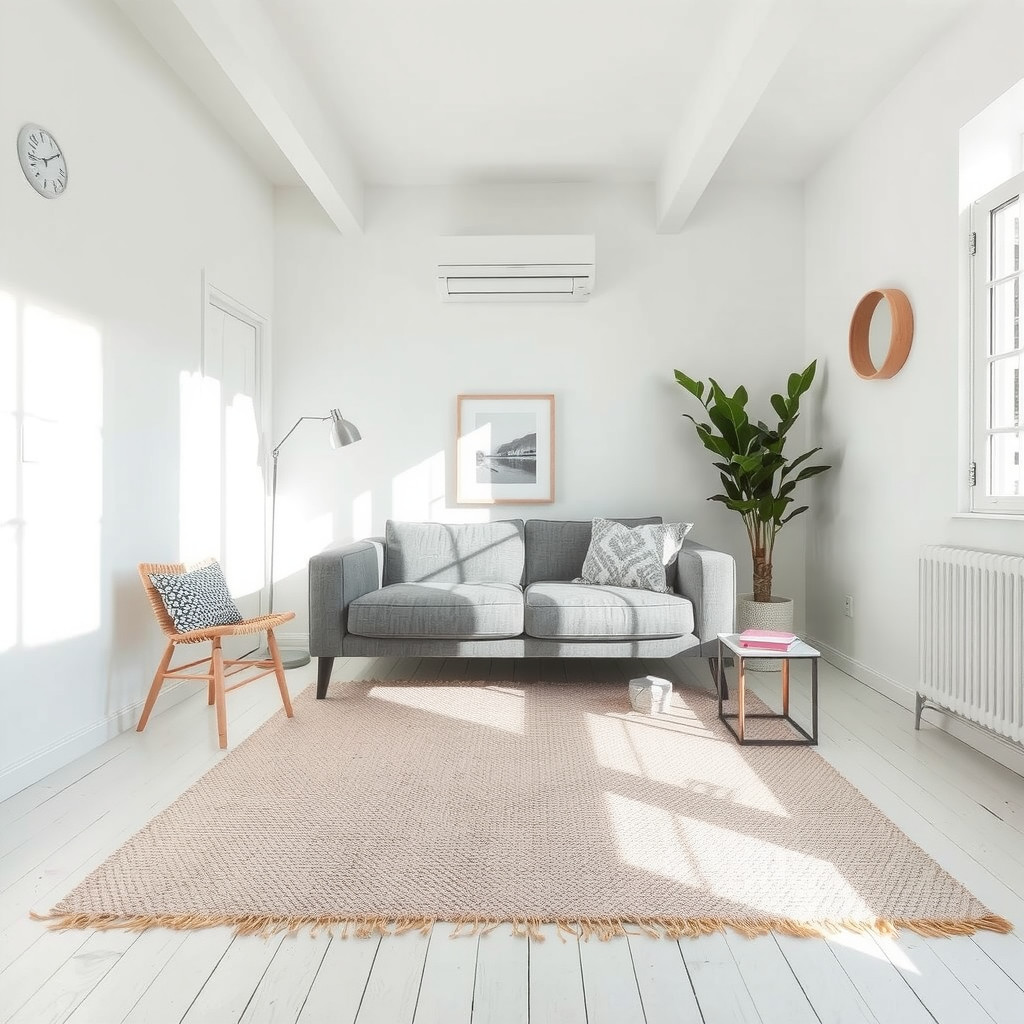
Define these zones using area rugs that anchor your seating arrangements. By allowing traffic to flow around the furniture rather than through it, you create an illusion of spaciousness and deliberate design. In a studio apartment, consider using open shelving units as subtle room dividers that separate sleeping areas from living spaces without blocking the flow of natural light.
Materials and Textiles In limited spaces, visual weight is just as important as physical dimensions. Heavy, opaque furniture can make a room feel boxy and claustrophobic. Opt for materials that allow the eye to travel through them, such as acrylic, glass, or slender metal frames.
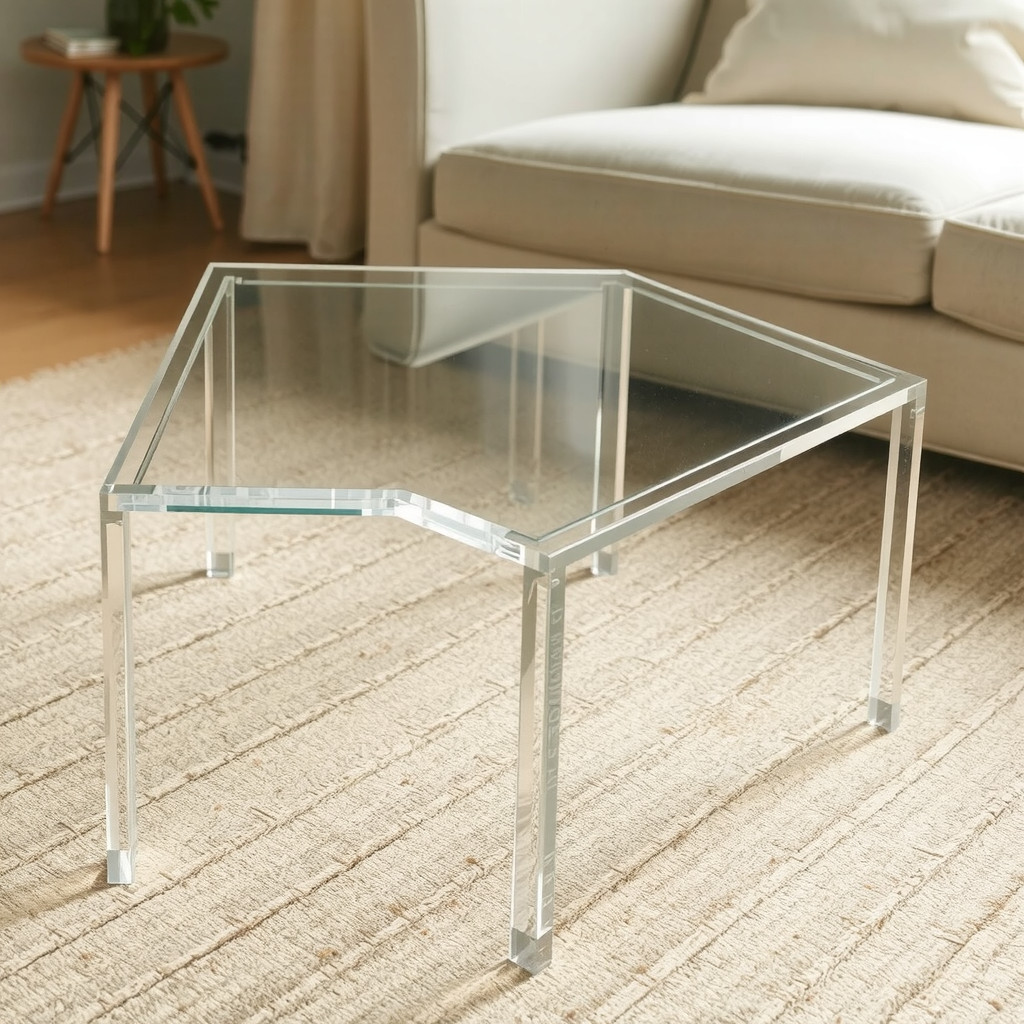
Pair these transparent elements with natural textures to prevent the space from feeling sterile. Layer varied textiles like chunky knit throws, linen curtains, and woven baskets. These soft touches add depth and warmth without occupying valuable floor space. Mirrors are also indispensable tools; position a large floor mirror opposite a window to bounce natural light and visually double the room’s depth.
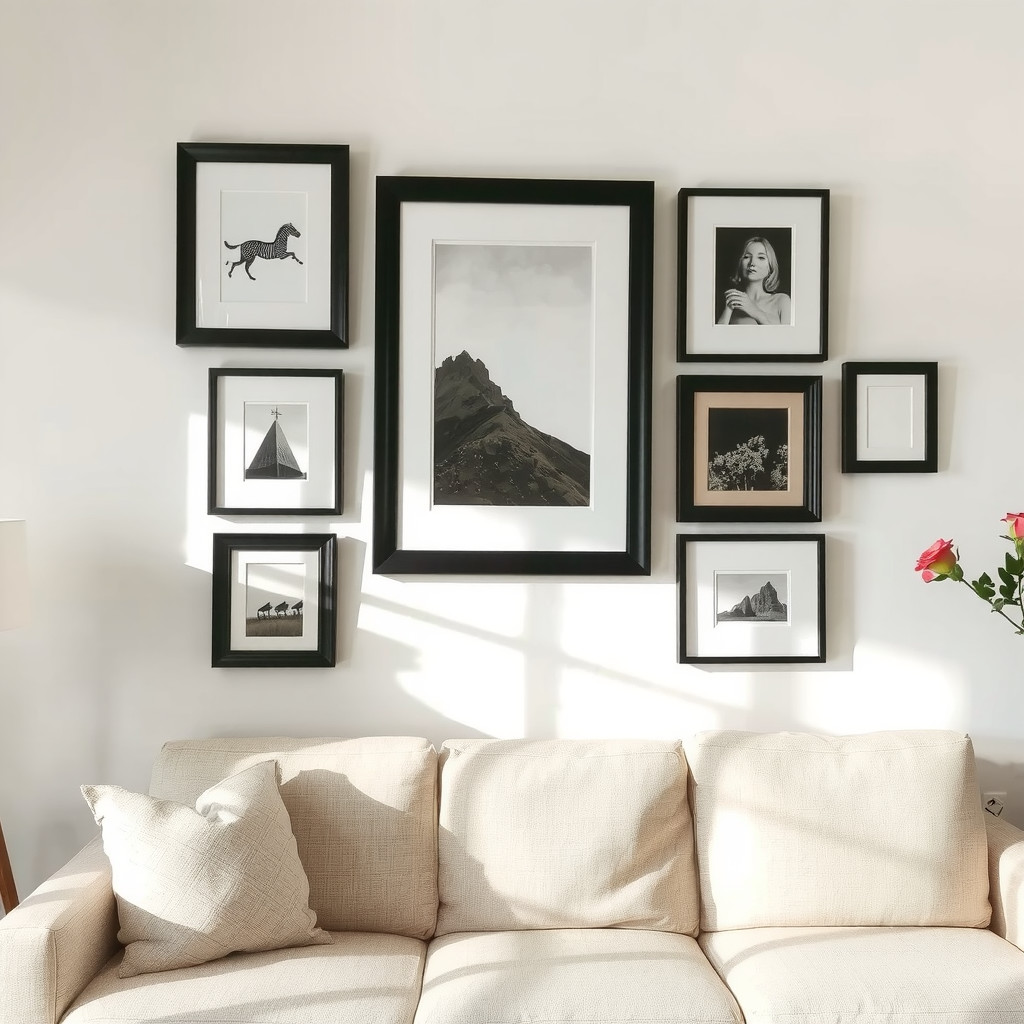
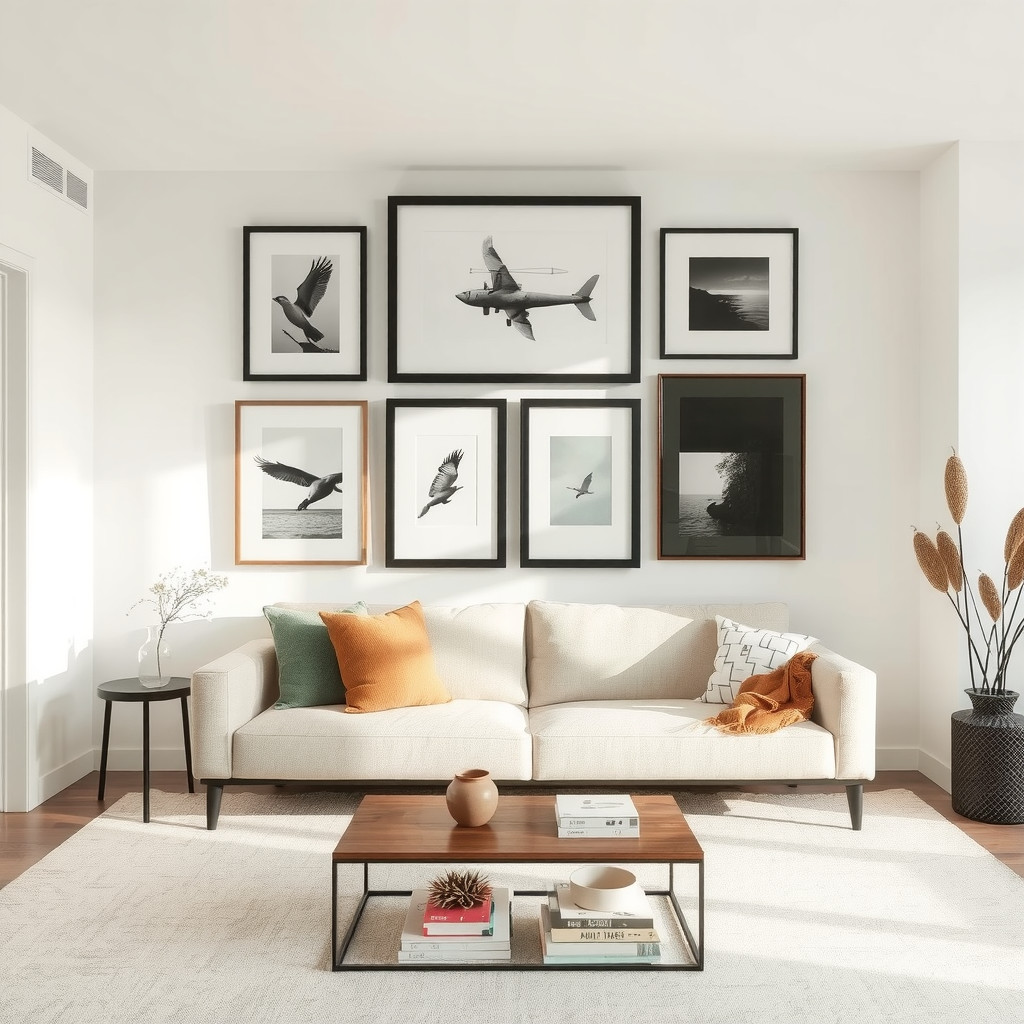
Focal Points A small room cluttered with tiny decor items can feel chaotic and smaller than it actually is. The secret is to establish a singular, commanding focal point that draws the eye and anchors the design. This could be a bold accent wall, a statement armchair, or a large piece of artwork.
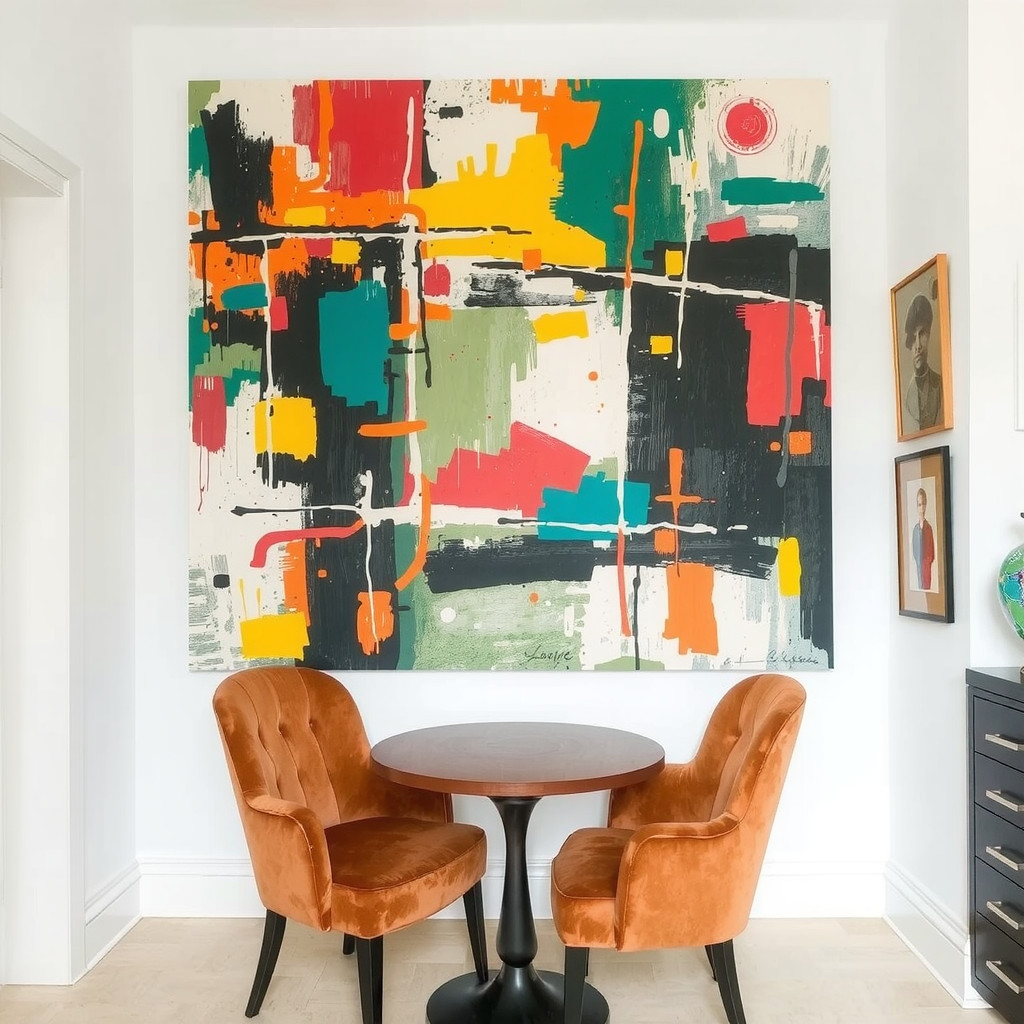
Commit to one large-scale item rather than a gallery of small frames. A significant piece of art or a dramatic headboard creates a sense of grandeur and confidence. Once your focal point is established, keep the surrounding decor minimal and supportive to maintain a serene and uncluttered atmosphere.
Lighting Lighting in a small home must be hardworking and multi-functional. Relying on a single overhead fixture often creates harsh shadows that shrink the room’s perceived boundaries. Instead, layer your lighting at different heights to illuminate corners and expand the space visually.
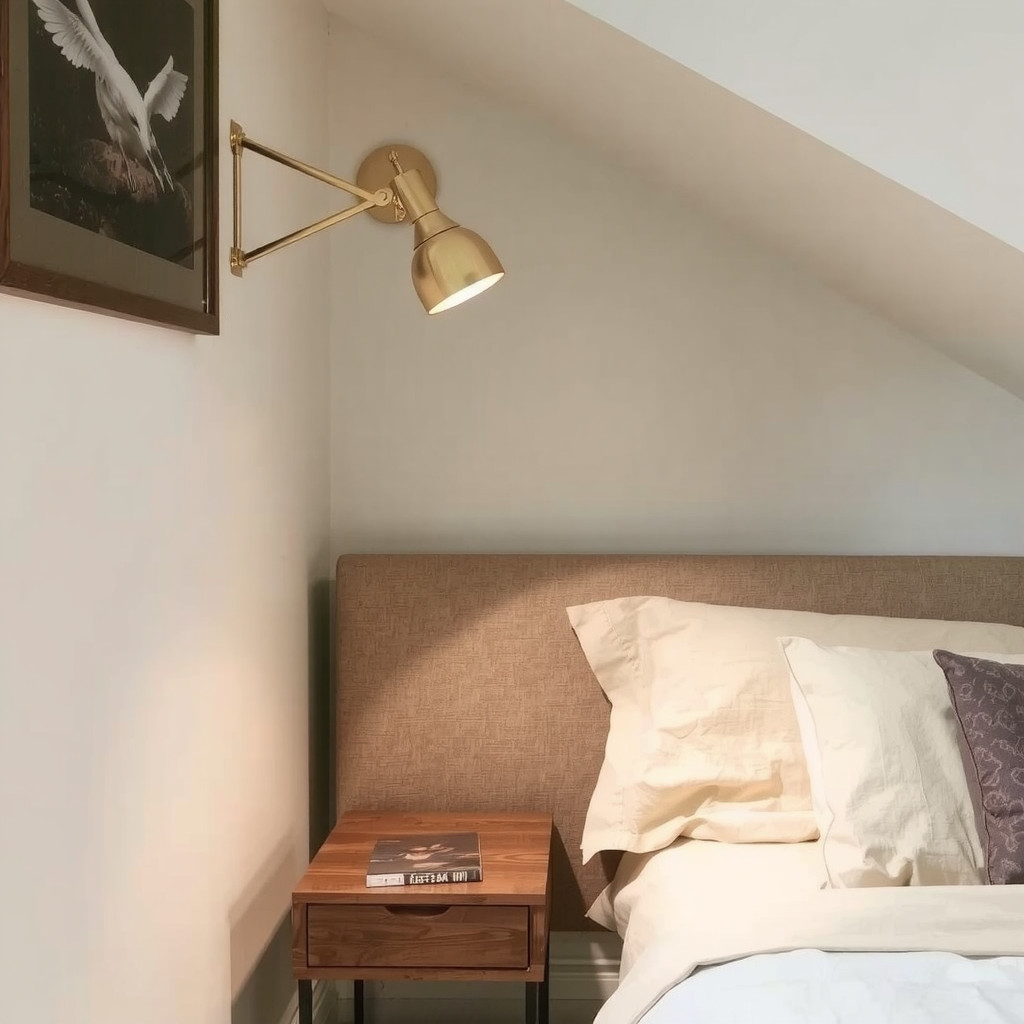
Utilize wall-mounted sconces and swing-arm lamps to free up precious surface area on nightstands and side tables. Warm, dimmable bulbs allow you to shift the mood from bright and energetic during the day to soft and intimate in the evening. This flexibility is crucial in multi-use spaces where the living room might double as a home office or dining area.
Greenery Bringing nature indoors adds vitality and freshness, but bulky pots can consume floor space you cannot afford to lose. Look upward and utilize vertical space for your botanical elements to keep your walkways clear.
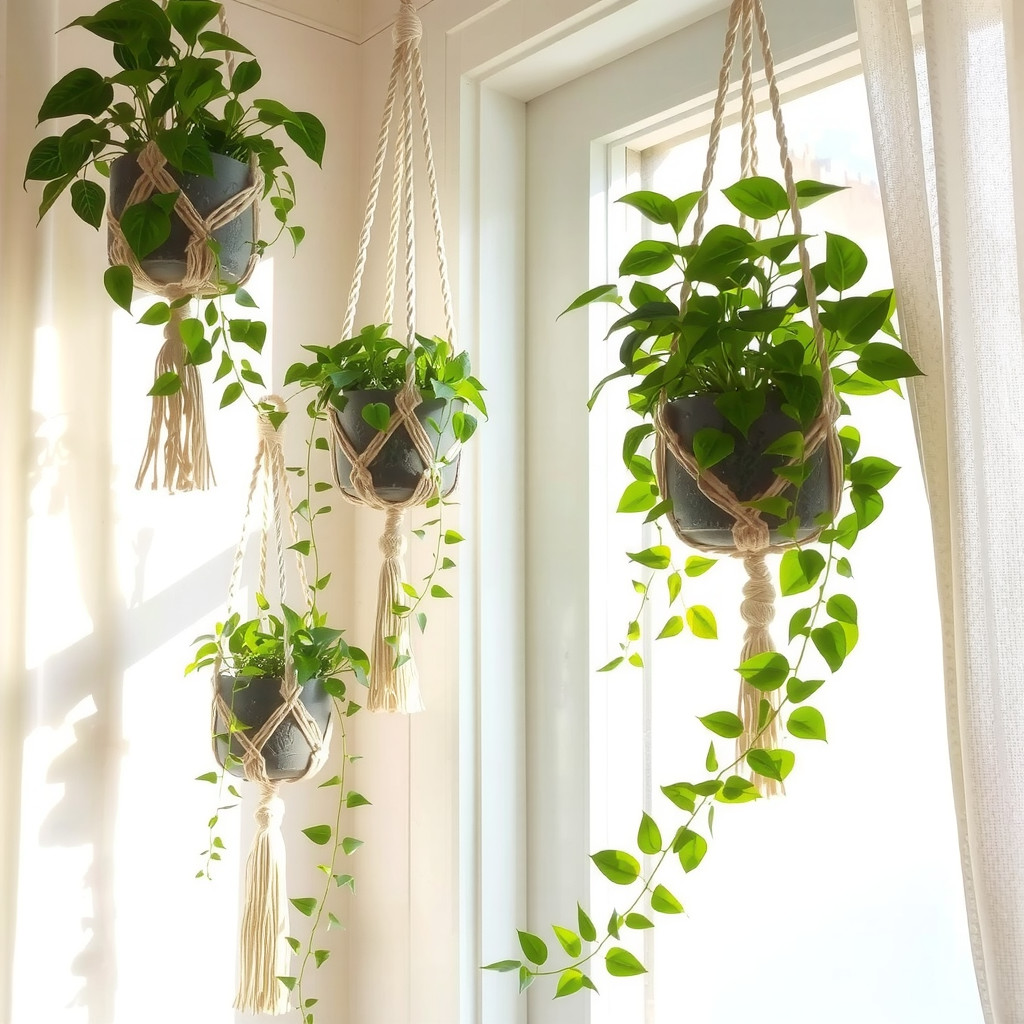
Hanging planters, wall-mounted vessels, or high shelves are perfect for trailing vines like pothos or philodendrons. These plants draw the eye upward, emphasizing the height of the room rather than its footprint. A touch of green breathes life into the decor, softening architectural lines and purifying the air without cluttering your precious floor area.
Tips
- Utilize Vertical Storage: Install floor-to-ceiling shelving to maximize capacity and draw the eye up.
- Choose a Light Palette: Soft whites, creams, and pastels reflect light, making walls recede.
- Multi-functional Furniture: Invest in ottomans with hidden storage or dining tables that fold down.
- Keep Floors Visible: Furniture with exposed legs creates a sense of openness compared to skirted pieces.
- Edit Ruthlessly: Regularly declutter to ensure every object in your home earns its place.
ADVERTISEMENT