ADVERTISEMENT
Midnight Velvet: Designing a Sophisticated Dark Bedroom
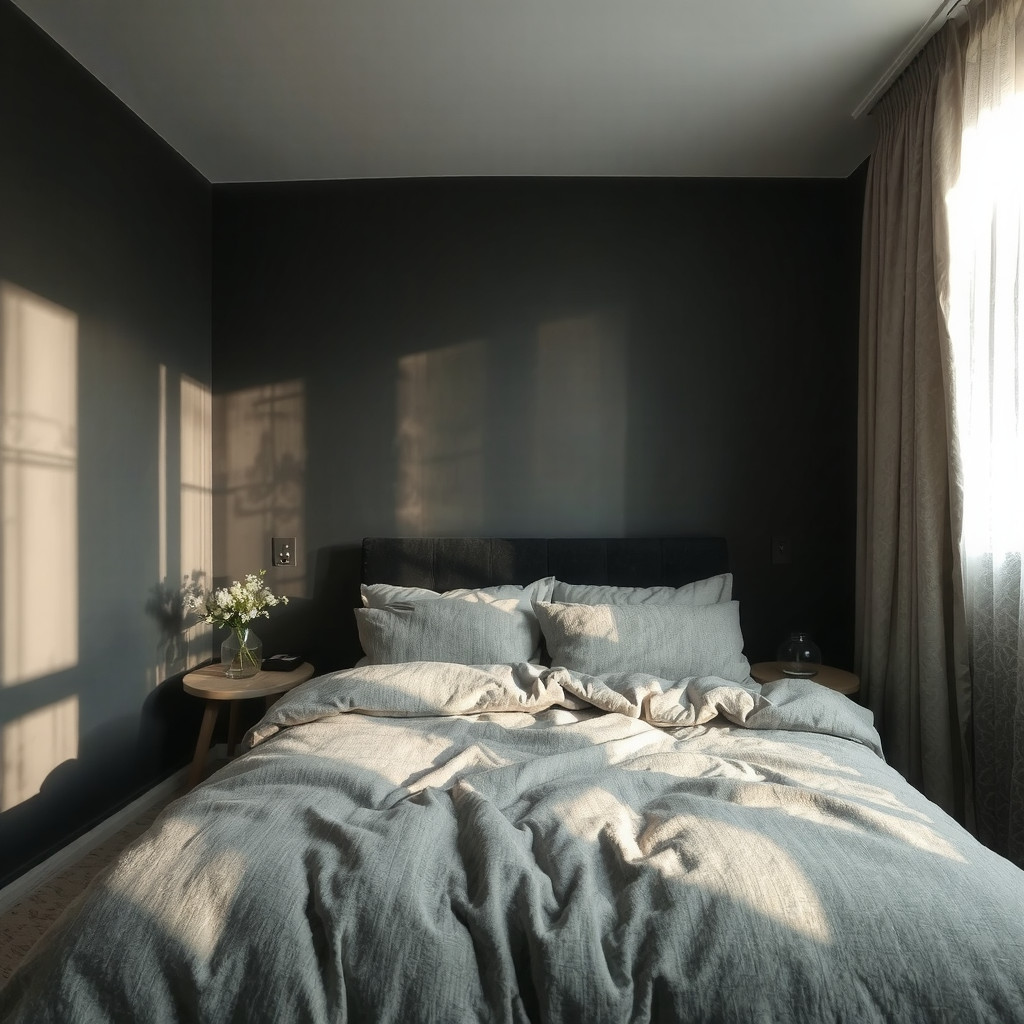
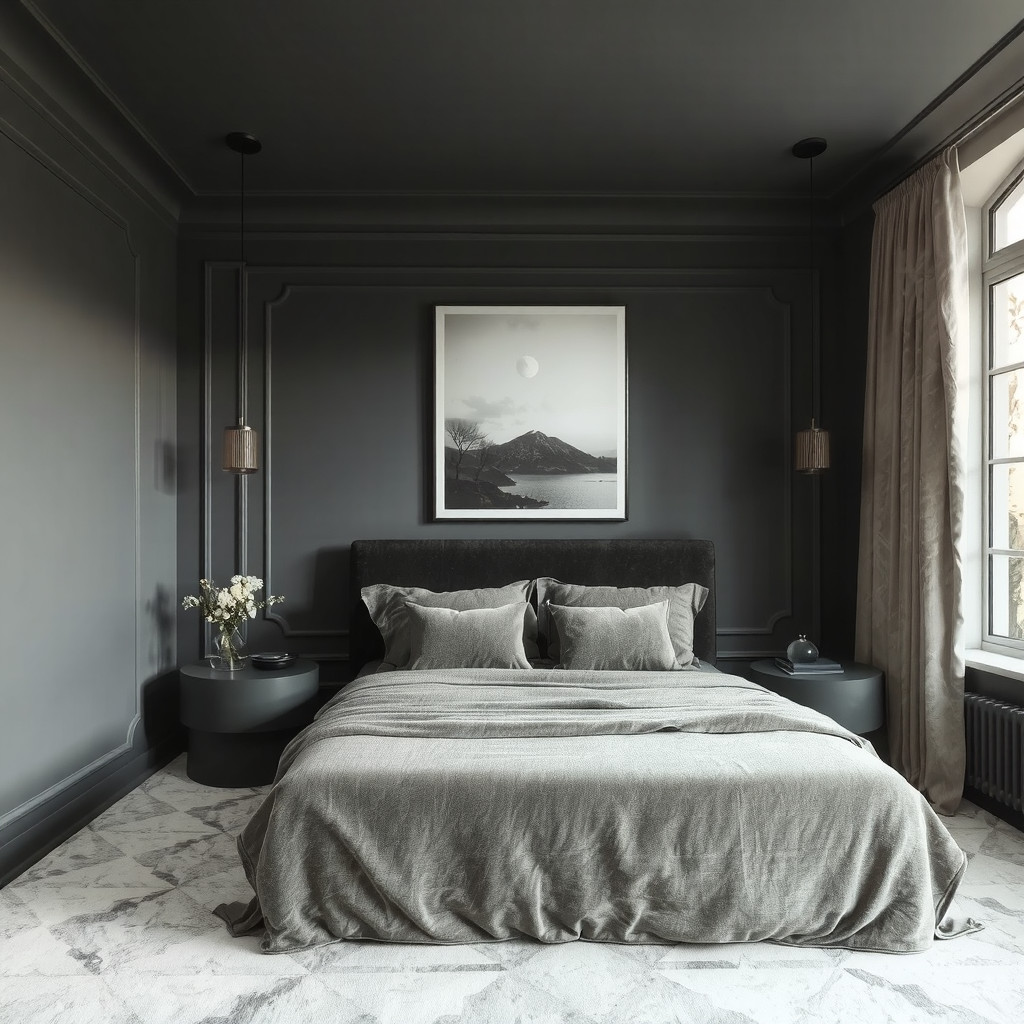
There is a pervasive myth that dark colors make a room feel small, claustrophobic, or gloomy. In reality, when executed with intention, a dark aesthetic creates a profound sense of depth, intimacy, and sophisticated wrap-around comfort. Stepping into a room bathed in deep hues signals your brain that it is time to unwind, disconnect, and rest.
Embracing the shadows is not about painting everything black; it is about curating a moody sanctuary where light and texture play off one another. By balancing deep tones with the right design elements, you transform your bedroom into an elegant retreat that feels like a boutique hotel suite.
Layout and Positioning
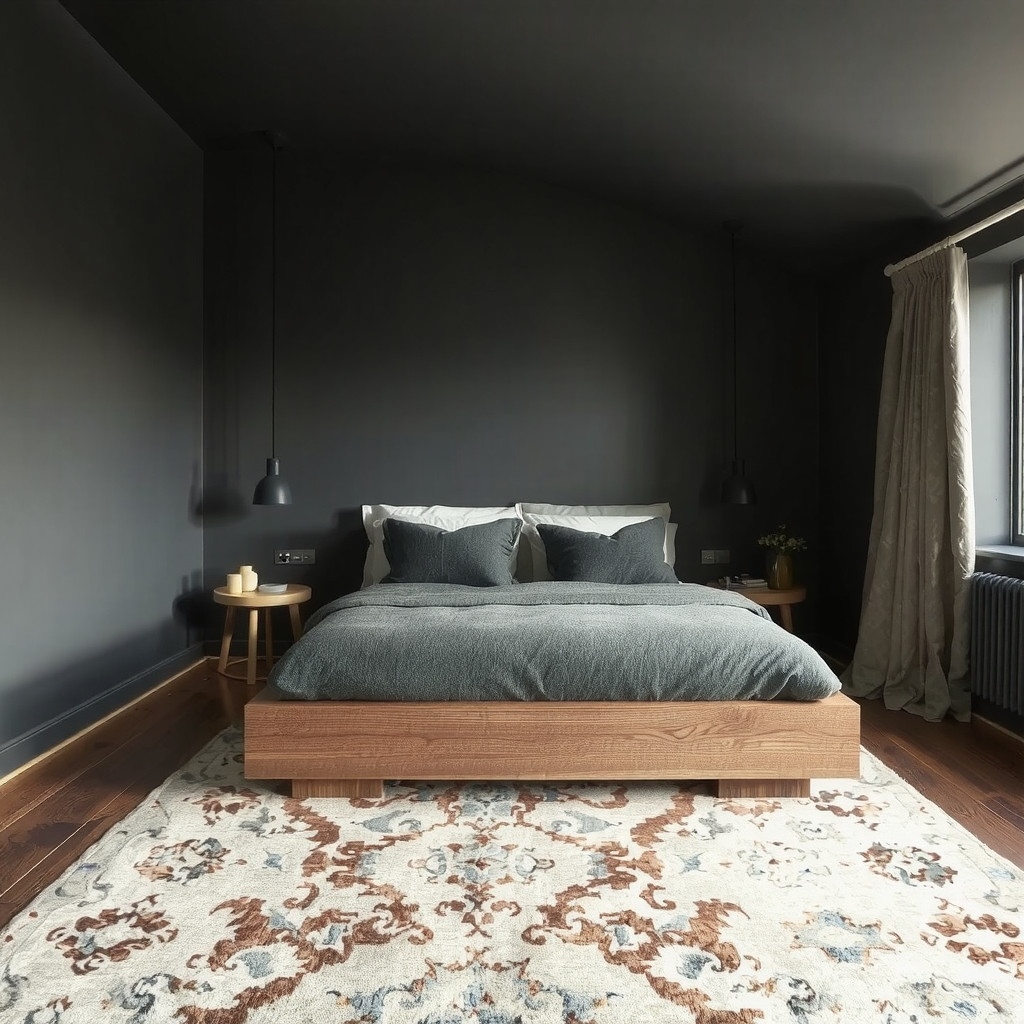
In a room dominated by dark walls or flooring, the positioning of your furniture becomes the primary anchor. You want to establish a sense of grandeur and stability. Center your bed on the main wall to create a strong focal axis. In a dark room, symmetry helps the eye navigate the space without feeling overwhelmed by the visual weight of the colors.
Ensure there is ample breathing room around your larger furniture pieces. Shadows tend to blur edges, so keeping pathways clear prevents the space from feeling cluttered. Use a light-colored or textured area rug under the bed to visually separate the sleeping zone from the dark flooring, effectively “floating” the furniture.
Materials and Textiles
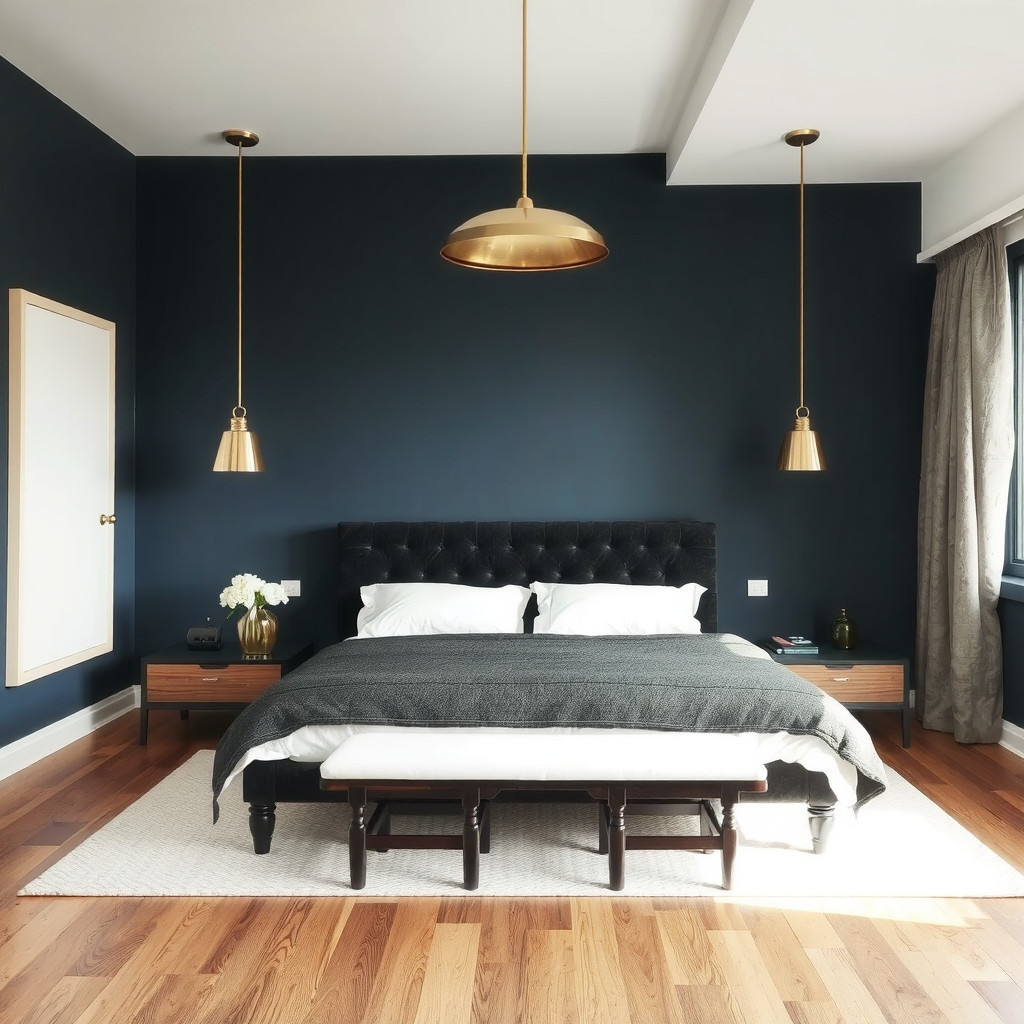
Texture is the secret ingredient that prevents a dark room from feeling flat or two-dimensional. Without light reflecting off different surfaces, a monochrome dark palette can look muddy. You need to introduce materials that catch the light and invite touch. Think of the interplay between matte and sheen.
Layering is essential here. Combine the softness of crushed velvet curtains with the roughness of a jute rug or a boucle armchair. Incorporate natural elements like dark stained walnut or burnt oak to add organic warmth. Metallic accents—such as brushed brass or polished copper—act as jewelry for the room, gleaming against the dusky backdrop and adding a layer of luxury.

Focal Points
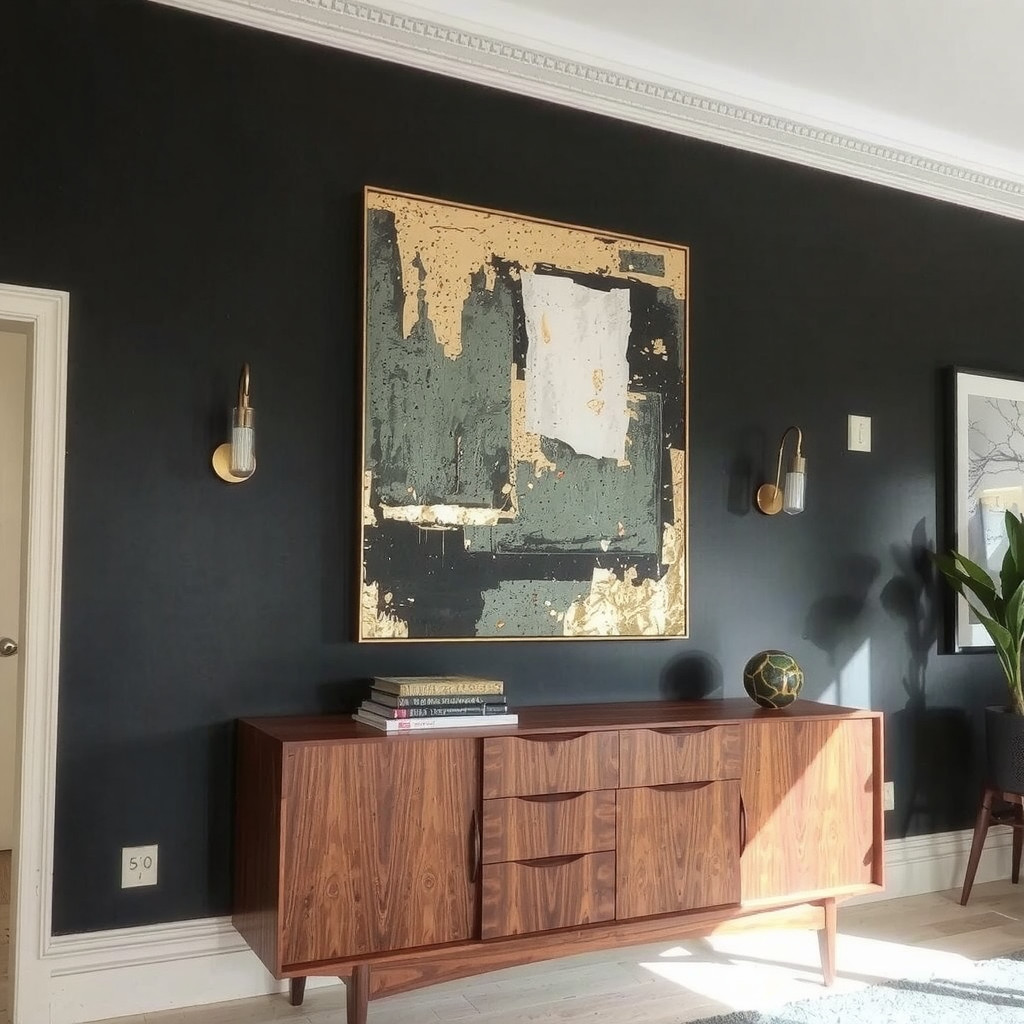
Every room needs a moment of drama, and a dark bedroom provides the perfect canvas for it. Because the walls recede, any object you highlight will pop with gallery-like intensity. Your headboard is an obvious choice; opt for a tall, upholstered design in a contrasting jewel tone like sapphire blue or amethyst, or stick to a shade slightly lighter than your walls for a subtle, monochromatic look.
Alternatively, art becomes incredibly powerful in this setting. A large-scale piece with white matting or bright colors will arrest the eye immediately. Mirrors are also functional focal points; an oversized floor mirror not only reflects light but also breaks up the solid expanse of wall color, adding depth and dimension.
Lighting
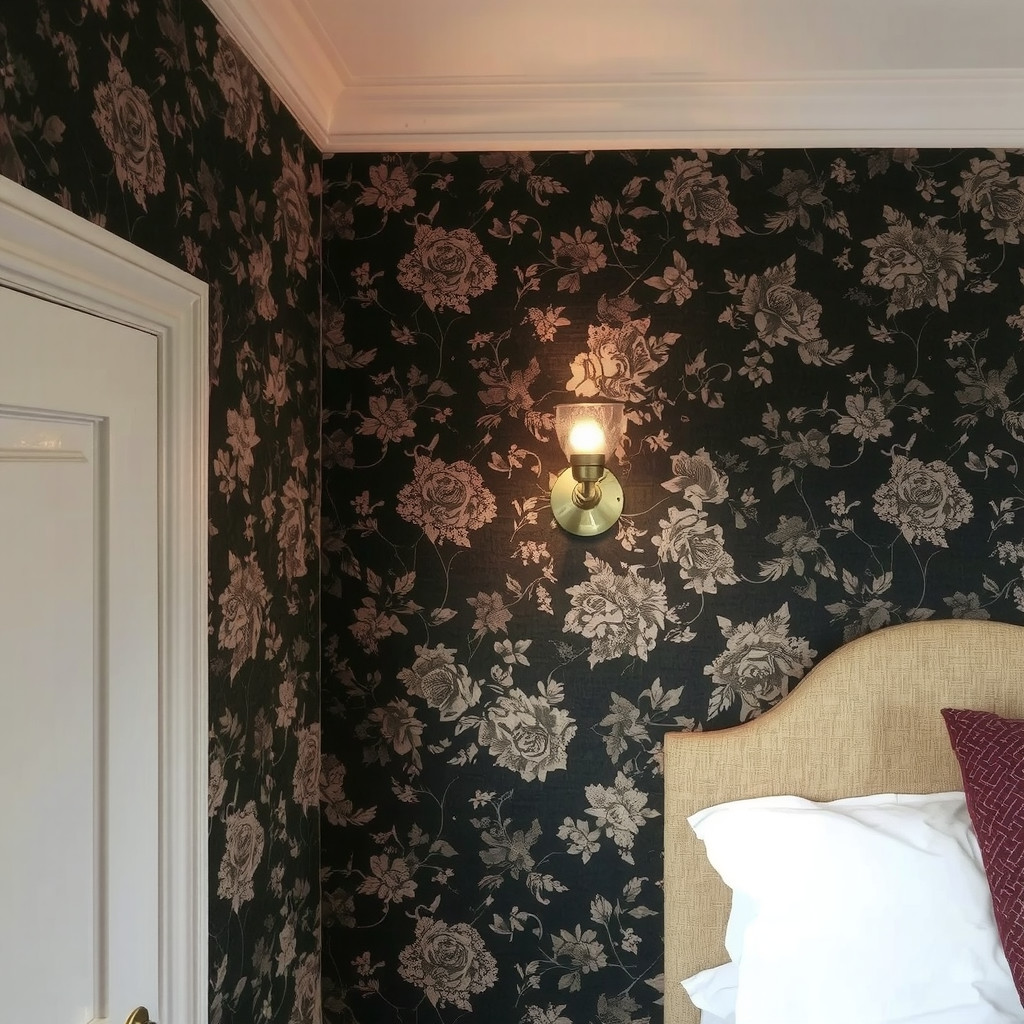
Lighting is the make-or-break element in dark interior design. You cannot rely on a single overhead fixture, which will leave corners in shadow and make the room feel cave-like. Instead, you must layer your lighting to create pools of warmth.
Use warm-toned bulbs (2700K to 3000K) to maintain the cozy atmosphere; cool white light can make dark walls look clinical and harsh. Install sconces with brass interiors to reflect a golden glow, or use table lamps with fabric shades that diffuse light softly downwards. Accent lighting, such as LED strips behind a headboard or under furniture, adds a modern, ethereal touch that emphasizes the architecture of the space.
Greenery
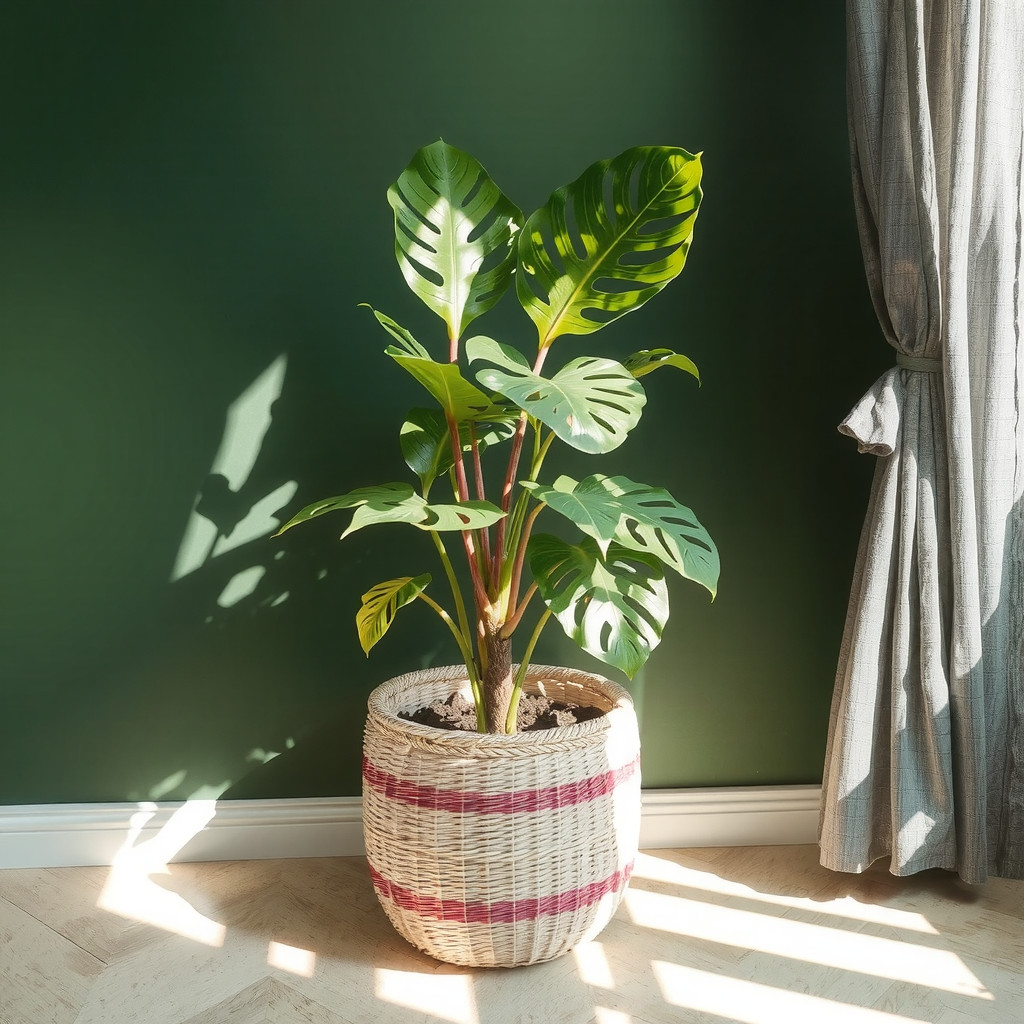
Nature provides the ultimate contrast to a moody palette. The vibrant, living green of plants breathes life into the stillness of a dark room. The juxtaposition of organic leaves against a charcoal, navy, or forest green wall is striking and fresh.
Choose plants with structural leaves, such as a Snake Plant, Rubber Tree, or Monstera. The glossiness of the leaves will reflect light, adding another layer of texture. Place them in planters made of terracotta, concrete, or basket weave to introduce lighter earth tones that break up the darkness.
Tips
- Test Paint Samples: Dark colors shift dramatically with lighting. Test large swatches on different walls and observe them at night.
- Reflective Surfaces: Incorporate glass, mirrors, or lacquered furniture to bounce light around the room.
- Ceiling Consideration: Don’t ignore the “fifth wall.” Painting the ceiling the same dark color as the walls wraps the room in coziness, while white keeps it airy.
- Bedding Balance: If your walls are very dark, consider lighter bedding in gray, cream, or oatmeal to create a visual break.
- Keep it Clean: Dust shows up easily on dark surfaces, so choose materials that are easy to wipe down.
ADVERTISEMENT