ADVERTISEMENT
Restorative Earth Tones: Creating a Grounded Bedroom Sanctuary
In a world that often feels hyper-connected and overwhelmingly fast, your bedroom should stand as a fortress of calm. It is more than just a place to sleep; it is a retreat where you can disconnect from the digital noise and reconnect with your senses. By embracing an earthy design philosophy, you invite the grounding energy of nature right into your home. This approach isn’t just about the color brown—it is about curating a palette of clay, moss, stone, and sand to build a space that feels timeless and deeply restorative.
Layout and Positioning
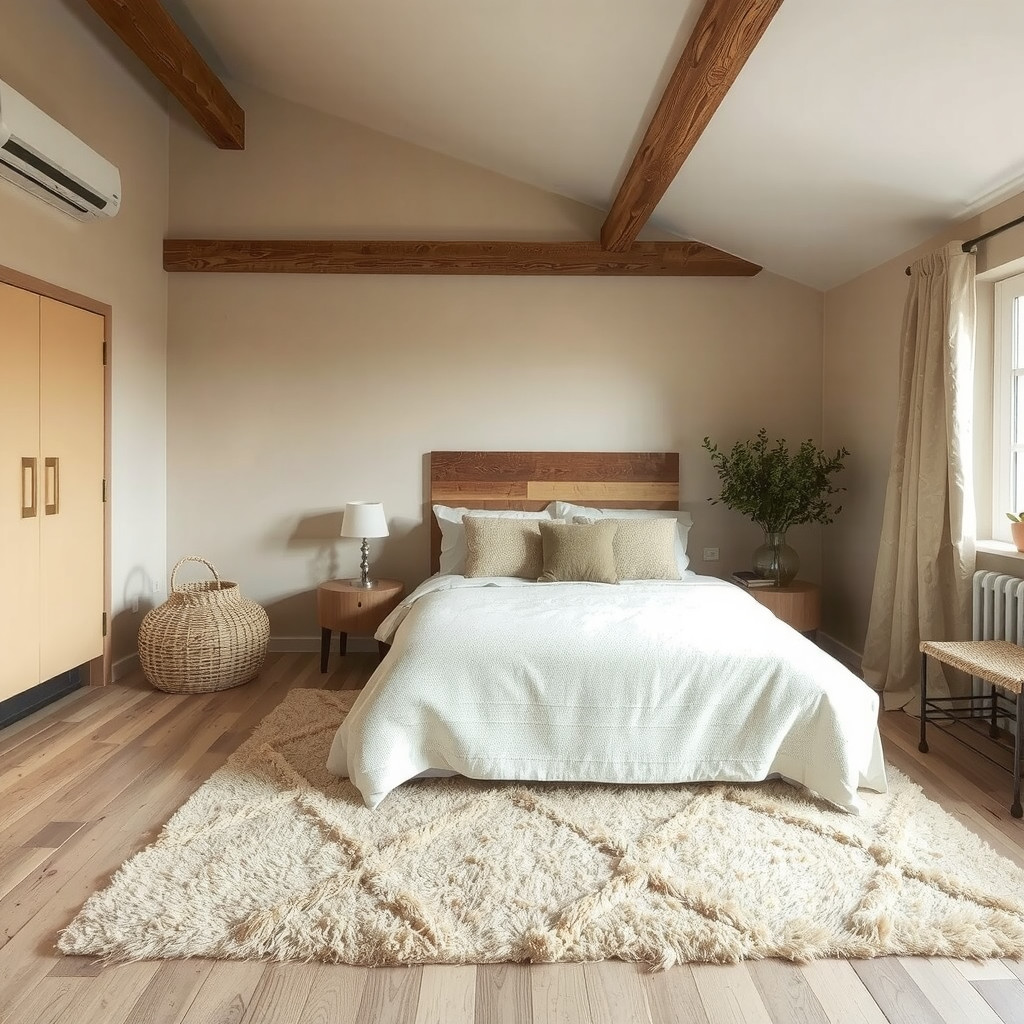
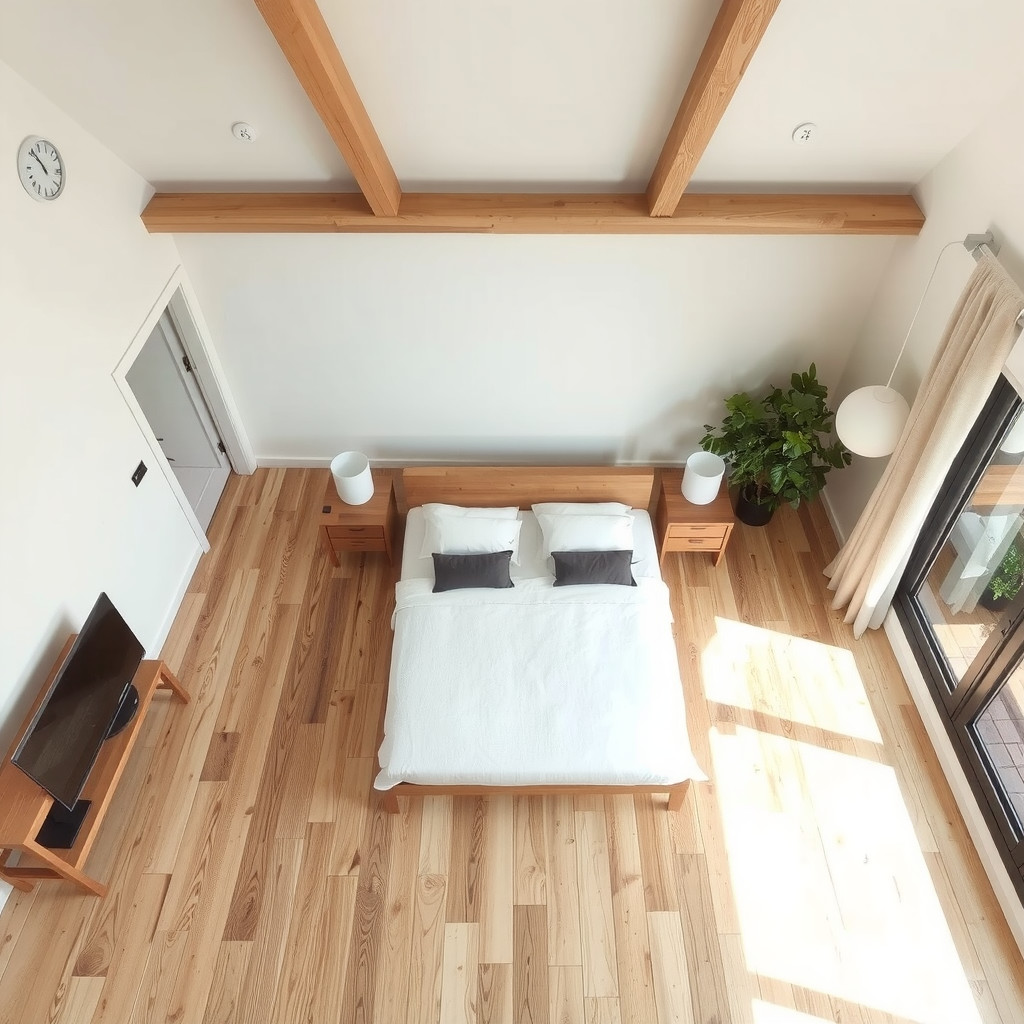
The foundation of a restful sanctuary lies in how you arrange the space. Your goal is to promote a seamless flow that allows energy to circulate freely. Avoid pushing all your furniture against the walls; instead, allow your bed to breathe by giving it ample space on either side. If your room architecture permits, position your bed to face a window, allowing the first light of day to serve as your natural alarm clock.
Prioritize “negative space”—the empty areas that give your eyes a place to rest. A cluttered floor leads to a cluttered mind, so ensure your walkways are clear. This open layout mimics the vastness of a landscape, helping you feel unconfined and relaxed the moment you enter the room.
Materials and Textiles
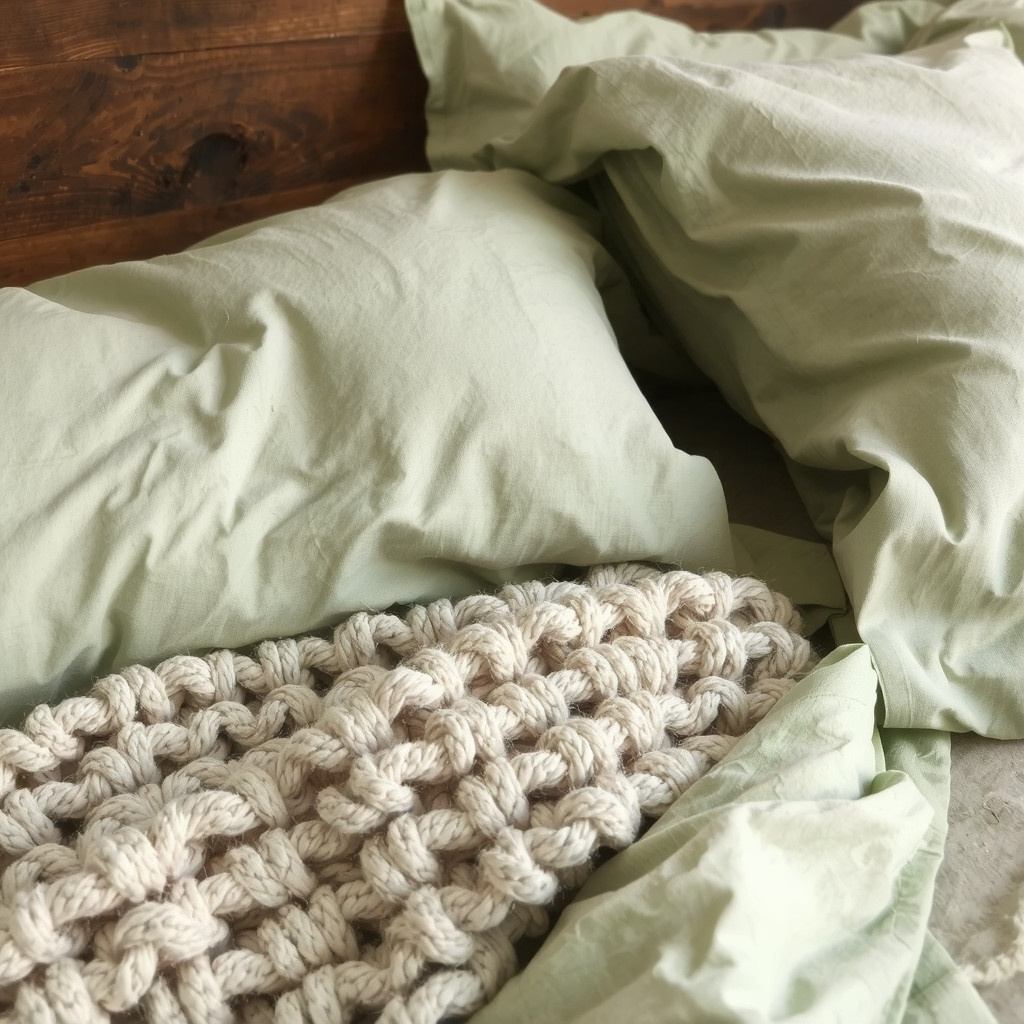
To truly capture an earthy aesthetic, you must look beyond color and focus on tactile experiences. Your skin should encounter only natural, breathable materials. Swap out synthetic blends for washed linens, organic cottons, and raw silks. These fabrics have a natural crinkle and imperfection that adds depth and character to your bedding.
Start with a base of neutral sheets—think oatmeal or unbleached cotton—and layer with heavier textures. A chunky wool throw or a waffle-knit blanket in deep rust or sage green adds visual weight and warmth.
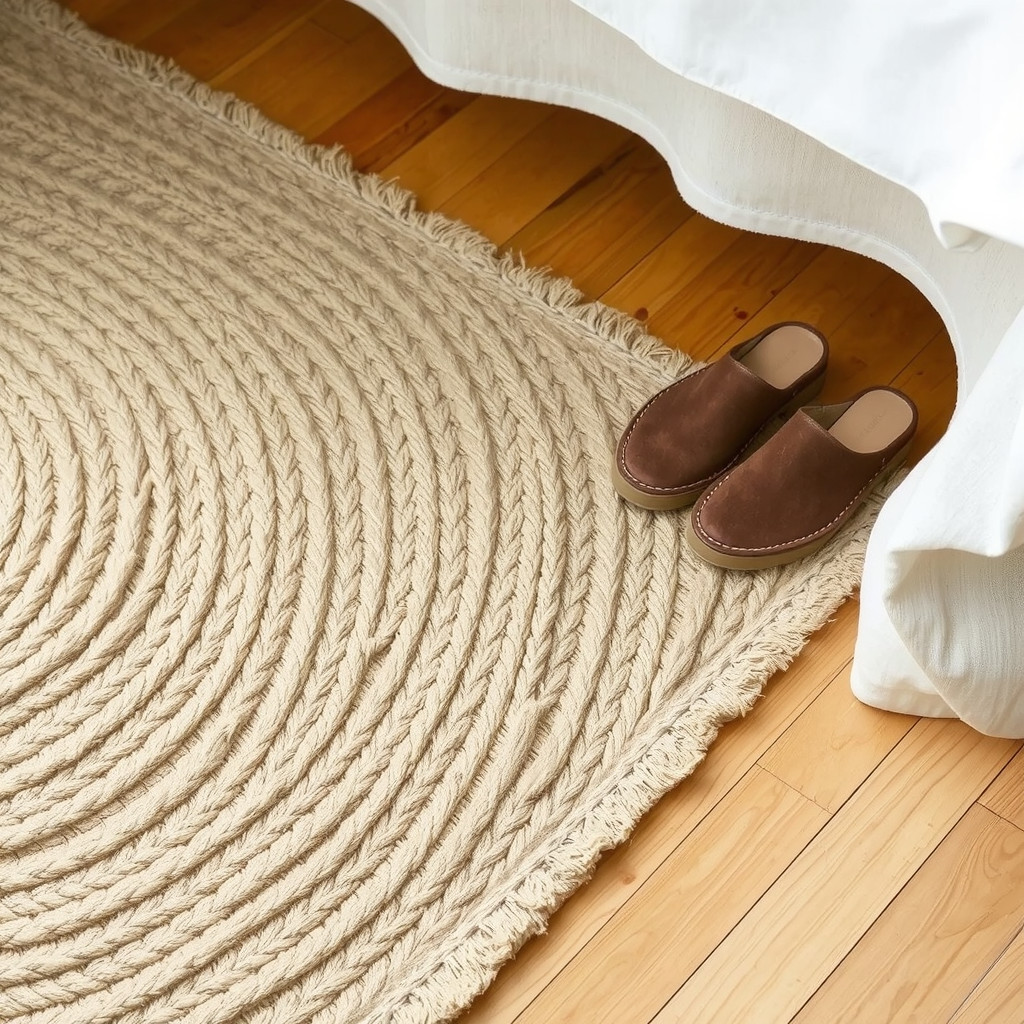
Don’t forget the floor. Walking barefoot in your sanctuary should be a sensory delight. Layer a large jute or sisal rug under the bed to introduce a rough, organic texture that contrasts beautifully with smooth wooden floorboards. This juxtaposition of soft and rough elements mimics the diversity found in nature.
Focal Points
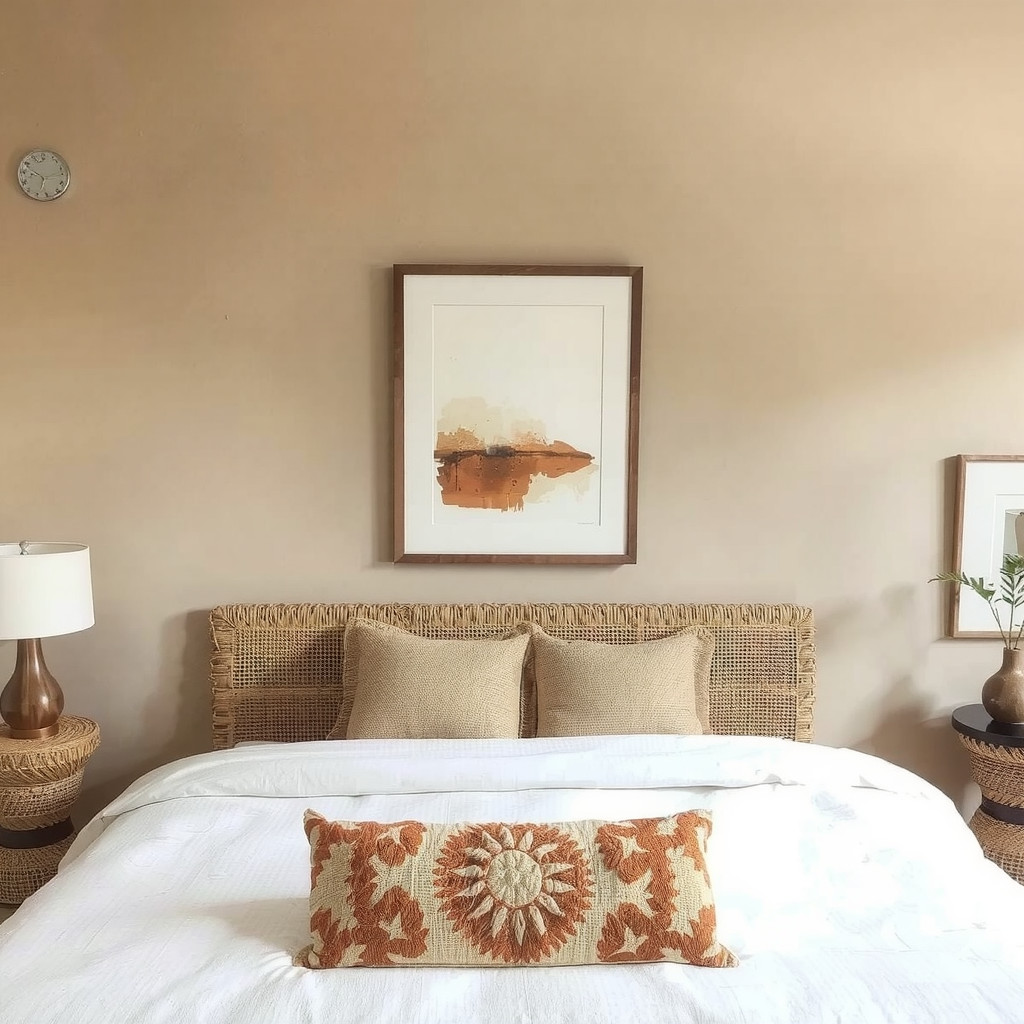
Every room needs an anchor, a visual resting point that draws you in. in an earthy bedroom, this shouldn’t be a television or a piece of loud technology. Instead, create a focal point that celebrates craftsmanship or natural beauty. A large, oversized headboard made of rattan, cane, or raw timber makes a powerful statement without overwhelming the senses.
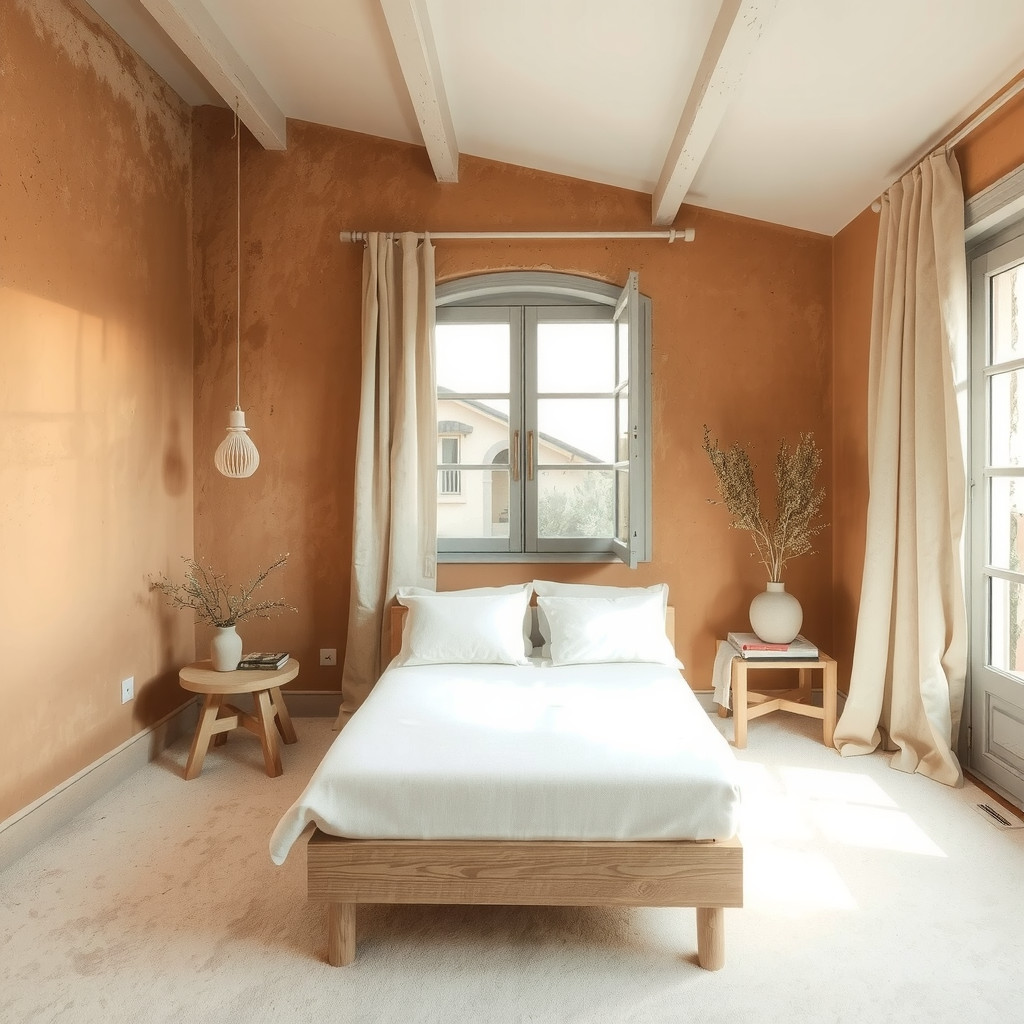
Alternatively, consider a textural wall treatment. Limewash paint is perfect for this style, creating a cloudy, suede-like finish that changes subtly with the light throughout the day. It adds a historic, cave-like coziness that flat paint simply cannot achieve.
Lighting
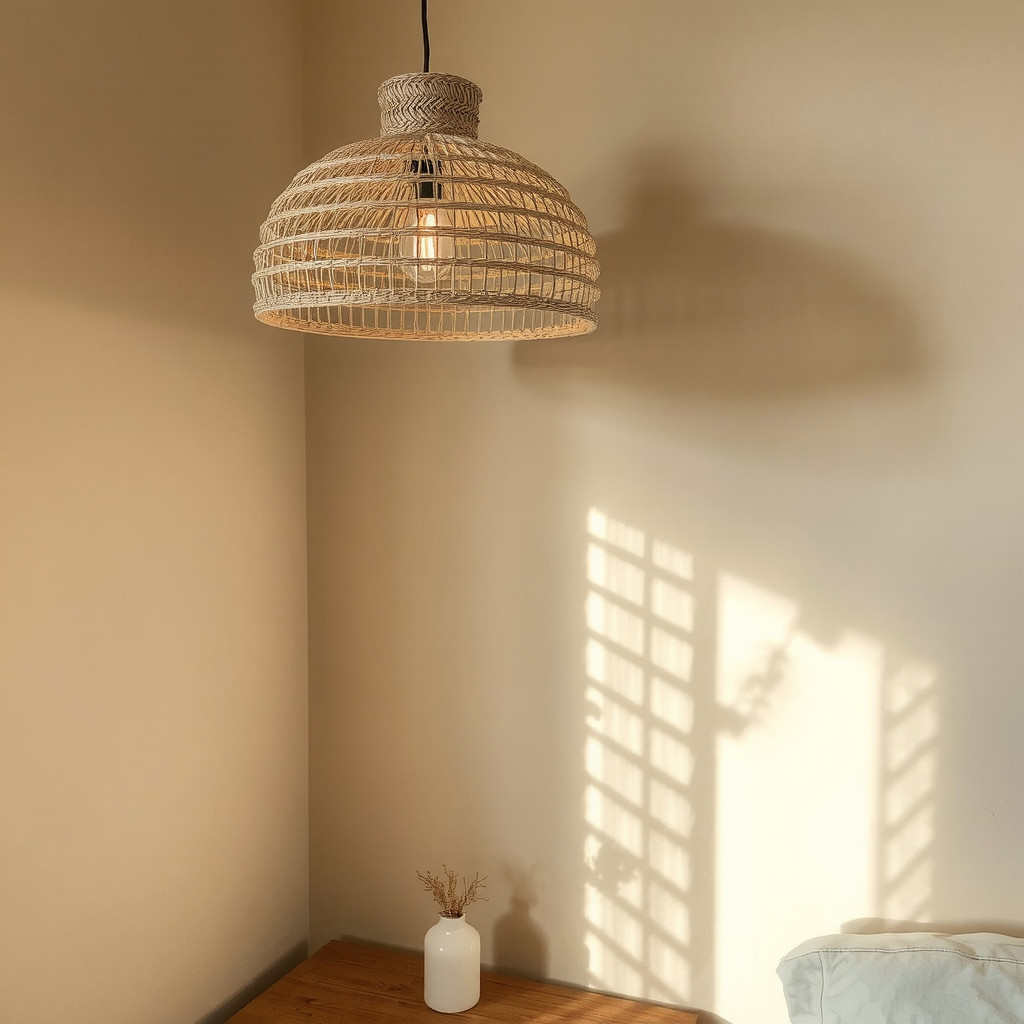
Lighting in an earthy bedroom should mimic the soft glow of a setting sun or the dappled light of a forest. Harsh, cool white LEDs are the enemy here. Opt for warm bulbs (2700K-3000K) that cast a golden hue.
Materiality plays a huge role in your lighting fixtures as well. Replace standard glass shades with materials that diffuse light softly, such as paper, fabric, or woven seagrass. Sconces made of alabaster or unglazed ceramic can add an artisanal touch while providing functional reading light.
Greenery
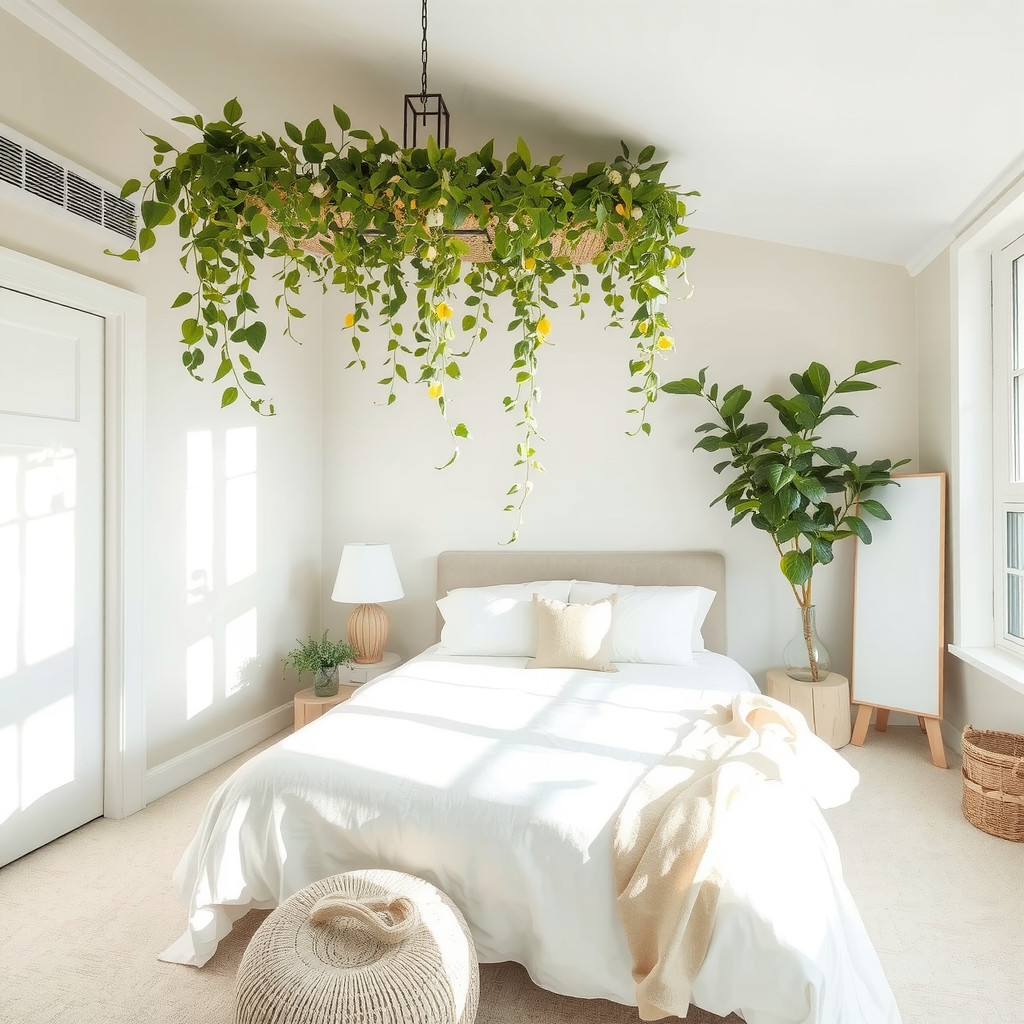
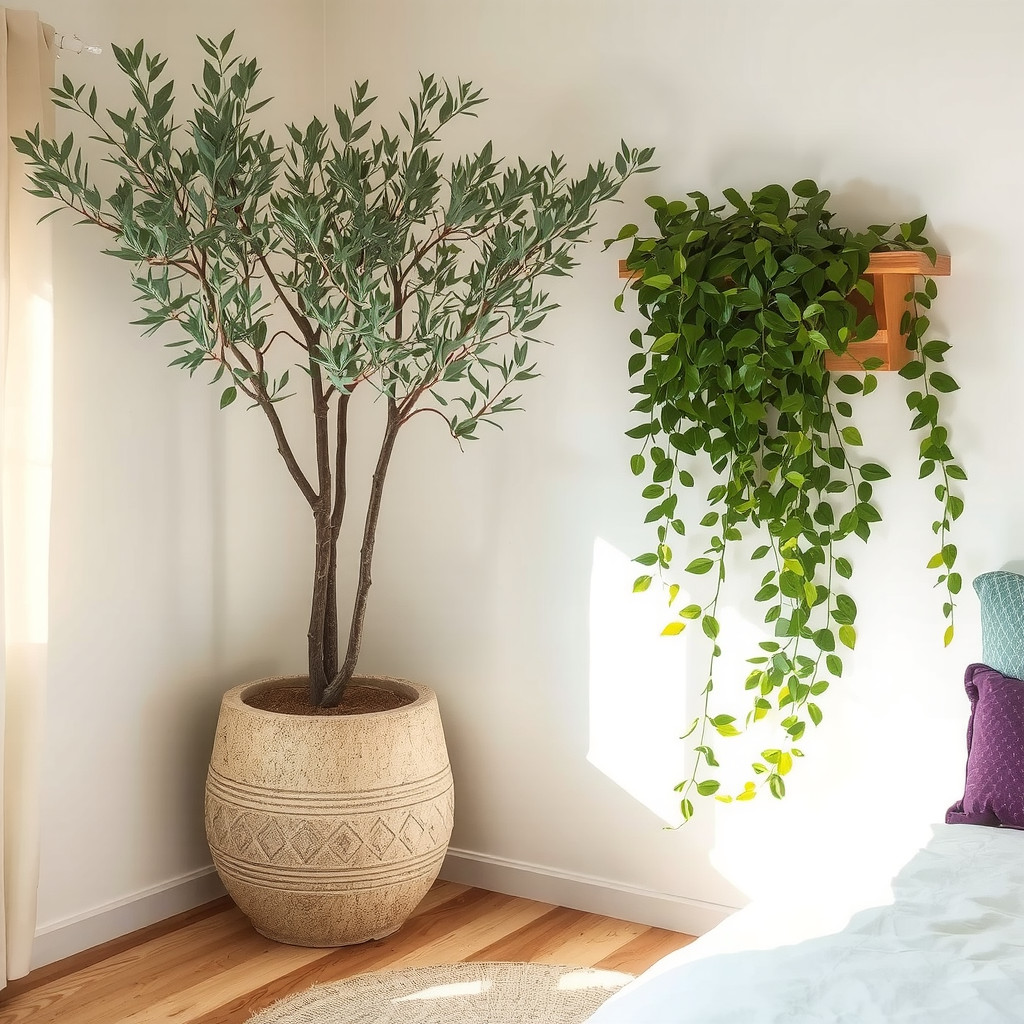
No earthy space is complete without living elements. Plants are the literal connection to the outdoors, purifying your air and adding a vibrancy that static decor cannot match. They introduce organic shapes that break up the straight lines of architecture and furniture.
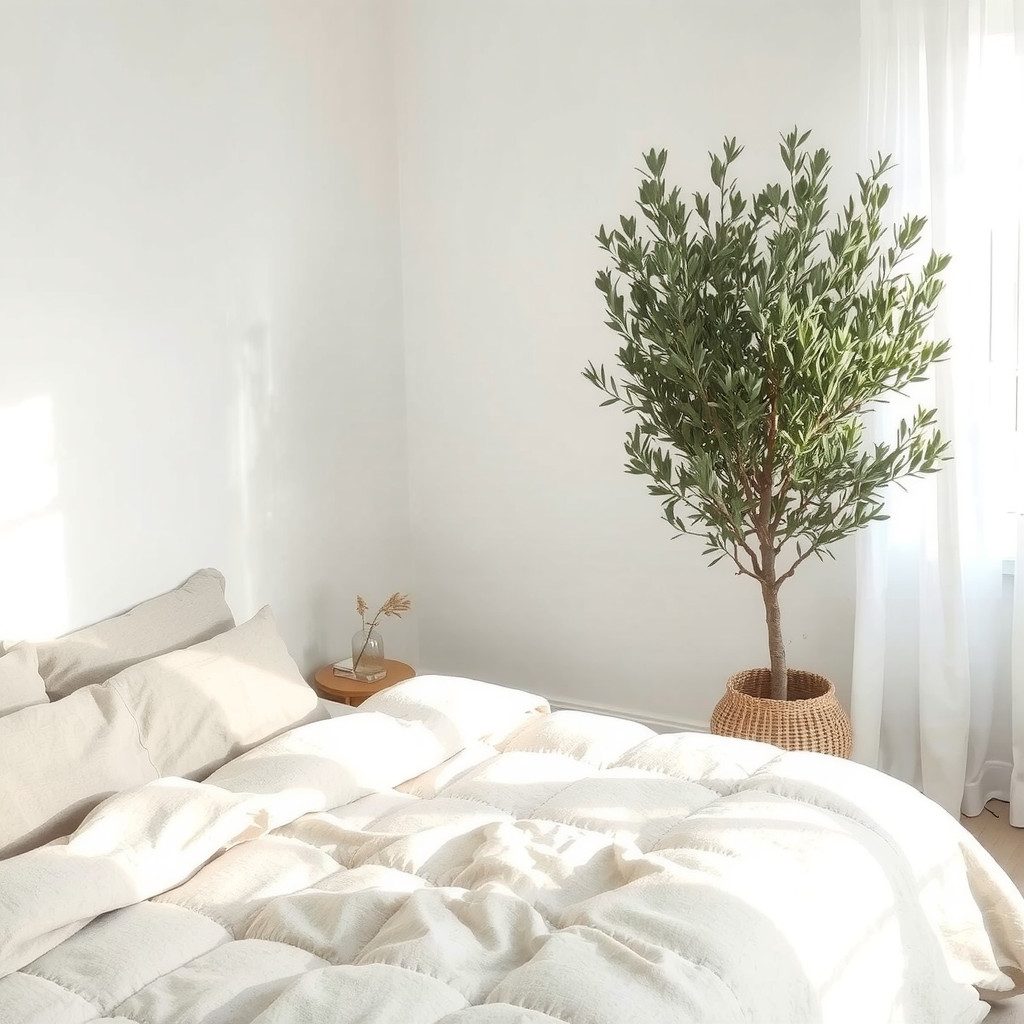
Choose plants that thrive in your room’s specific light conditions. A towering Fiddle Leaf Fig or a Rubber Tree adds vertical drama, while trailing plants like Pothos or String of Hearts soften the edges of high shelves or dressers. The planters themselves are an opportunity for decor—stick to terracotta, concrete, or woven baskets to maintain the theme.
Tips for a Grounded Palette
- Stick to the 60-30-10 Rule: Use a dominant neutral (60%), a secondary earth tone like terracotta or olive (30%), and a metallic accent like antique brass (10%).
- Matte over Gloss: Choose matte finishes for furniture and paint to absorb light rather than reflect it, creating a softer atmosphere.
- Scent Scaping: Enhance the vibe with an oil diffuser using cedarwood, sandalwood, or patchouli scents.
- Hide the Tech: If you must have devices, conceal them in cabinets or behind art to maintain the primitive, disconnected feel.
- Thrift for Wood: Vintage wooden furniture often has a patina and warmth that new, mass-produced pieces lack.
ADVERTISEMENT