ADVERTISEMENT
Rooted in Nature: Designing an Earthy Bedroom Sanctuary
Introduction
Your bedroom should be more than just a place to sleep; it needs to be a retreat where the noise of the outside world fades away, replaced by the grounding rhythm of nature. Creating an earthy bedroom is about embracing organic imperfections, warm palettes, and raw textures that invite you to slow down. Imagine stepping into a space that feels like a deep exhale, where every element serves to soothe your senses and reconnect you with the earth.
Layout and Positioning
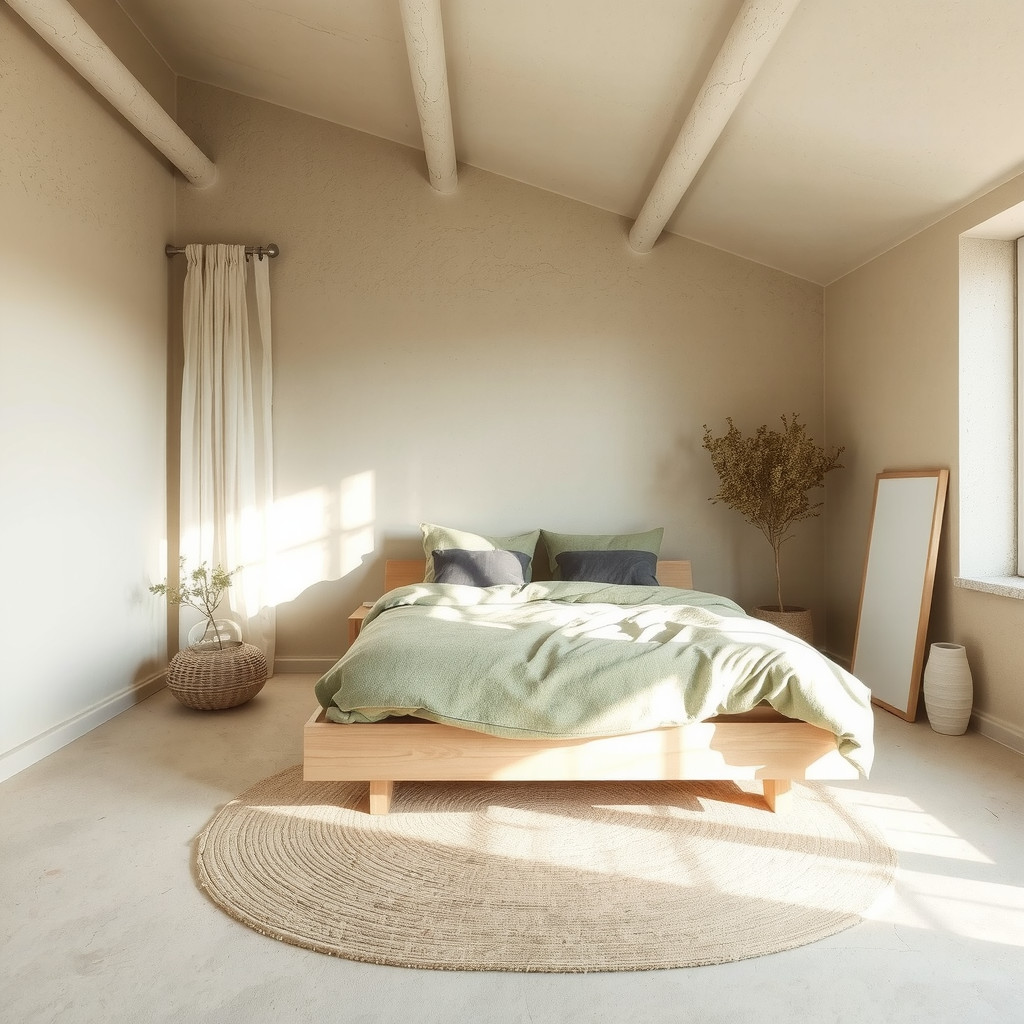
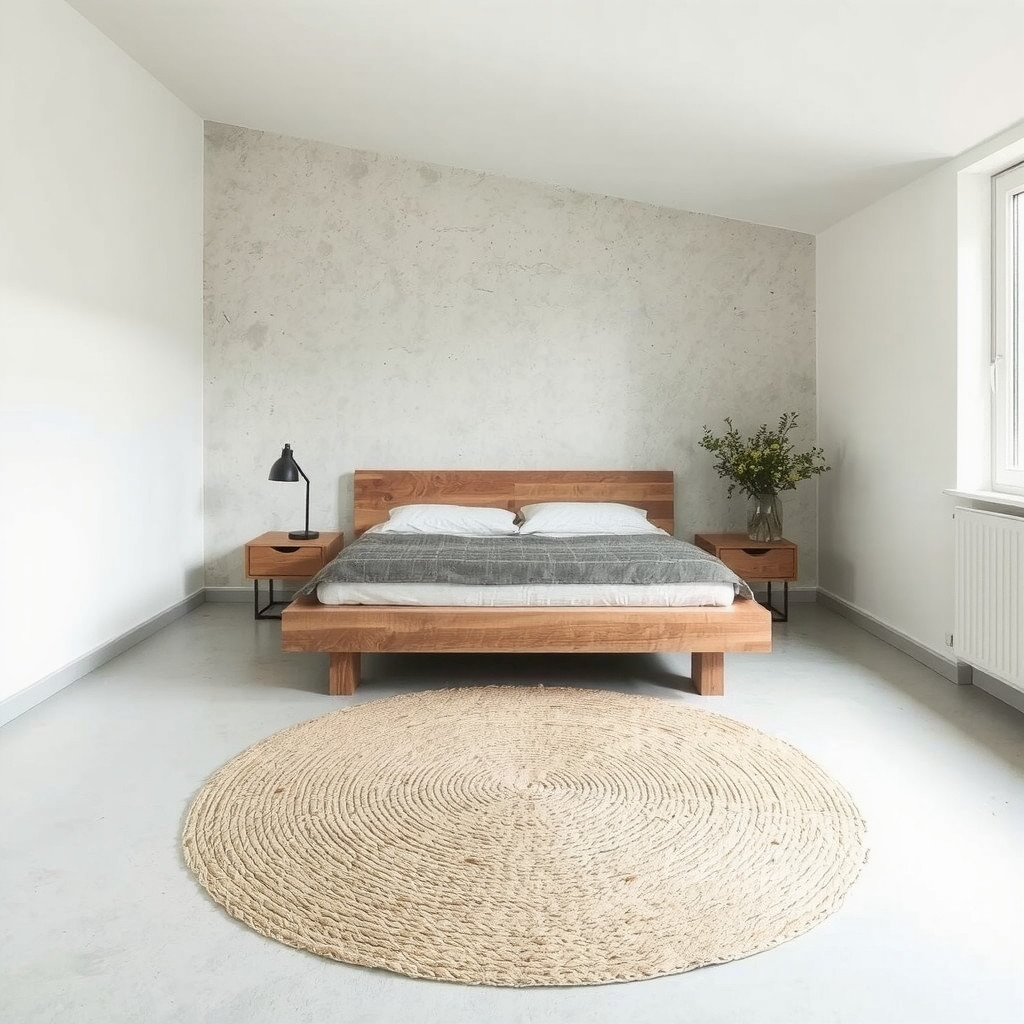
The foundation of a restful sanctuary lies in how you arrange your space to promote energy flow and tranquility. You want to prioritize openness, ensuring there is ample room to move freely around the bed without obstruction. Consider positioning your bed so it commands the room—ideally facing the entrance but not directly in line with it—to establish a sense of security and command. Low-profile furniture works exceptionally well here, keeping your sightlines clear and grounding the room visually. By minimizing clutter and respecting the negative space, you allow the organic elements to breathe and shine.
Materials and Textiles
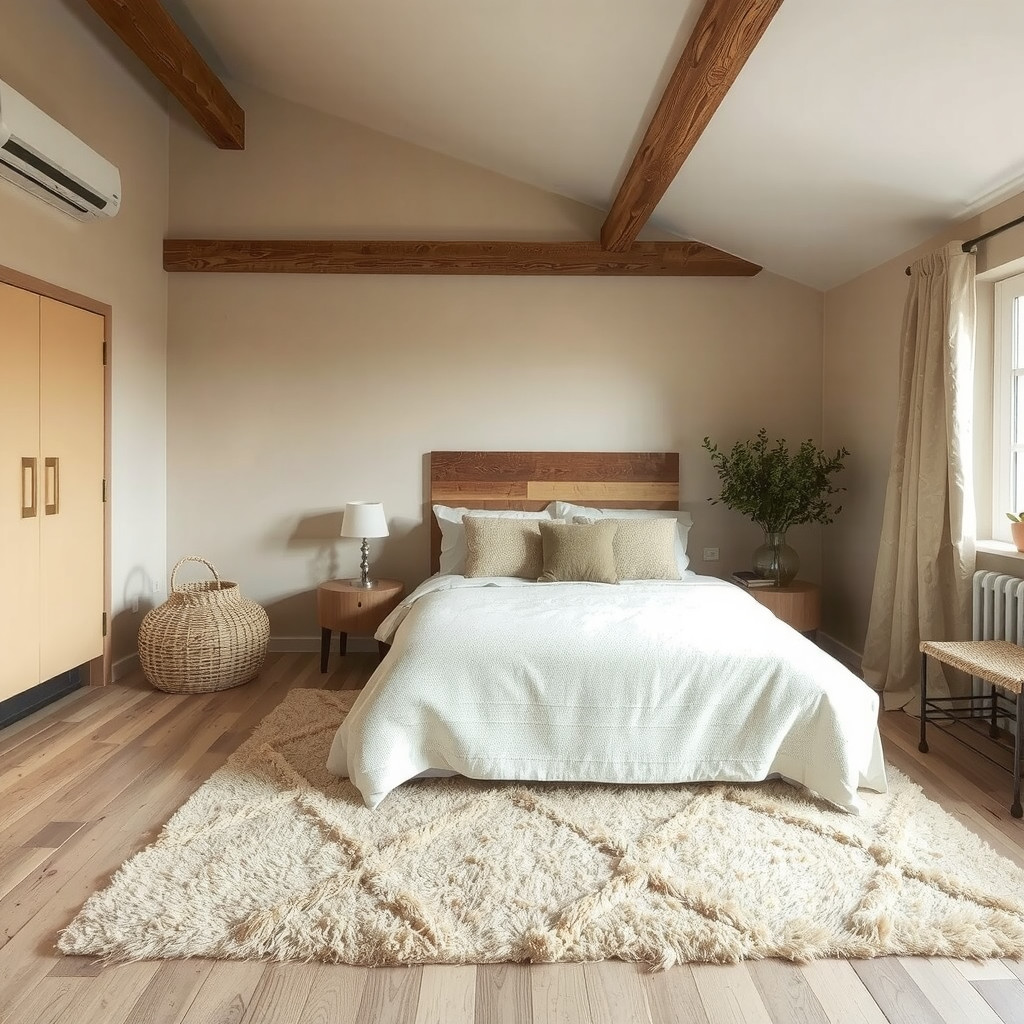
The true soul of an earthy aesthetic is found in the tactile quality of the materials you choose. Move away from synthetic finishes and embrace the raw beauty of nature. Think unvarnished wood with visible grain, cool stone, and tumbled clay. Your bedding plays a crucial role; swap crisp cottons for washed linen in shades of terracotta, moss, or oatmeal, which softens with every wash. Layering is key—drape a chunky wool throw over the foot of the bed or place a rough-hewn jute rug underfoot to add depth and warmth that invites touch.

Focal Points
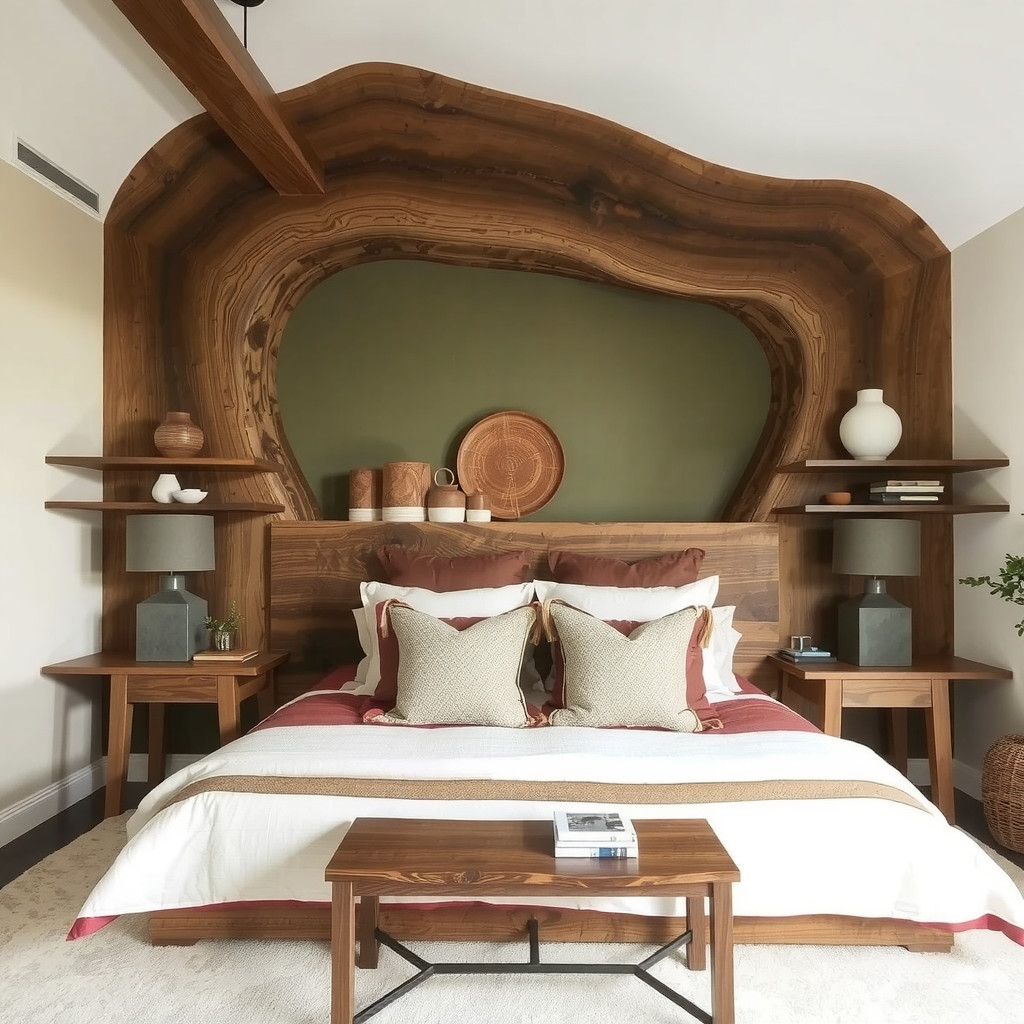
Every room needs an anchor, and in an earthy bedroom, this should be a celebration of craftsmanship or natural form. Your headboard is the perfect candidate for this statement piece. A live-edge timber slab, a large-scale woven rattan screen, or even a wall treated with lime wash can serve as a stunning backdrop that draws the eye. If you prefer a simpler bed frame, consider hanging a heavy tapestry or a piece of fiber art above the bed. The goal is to create a center of gravity that feels substantial and rooted, rather than flashy or ornate.
Lighting
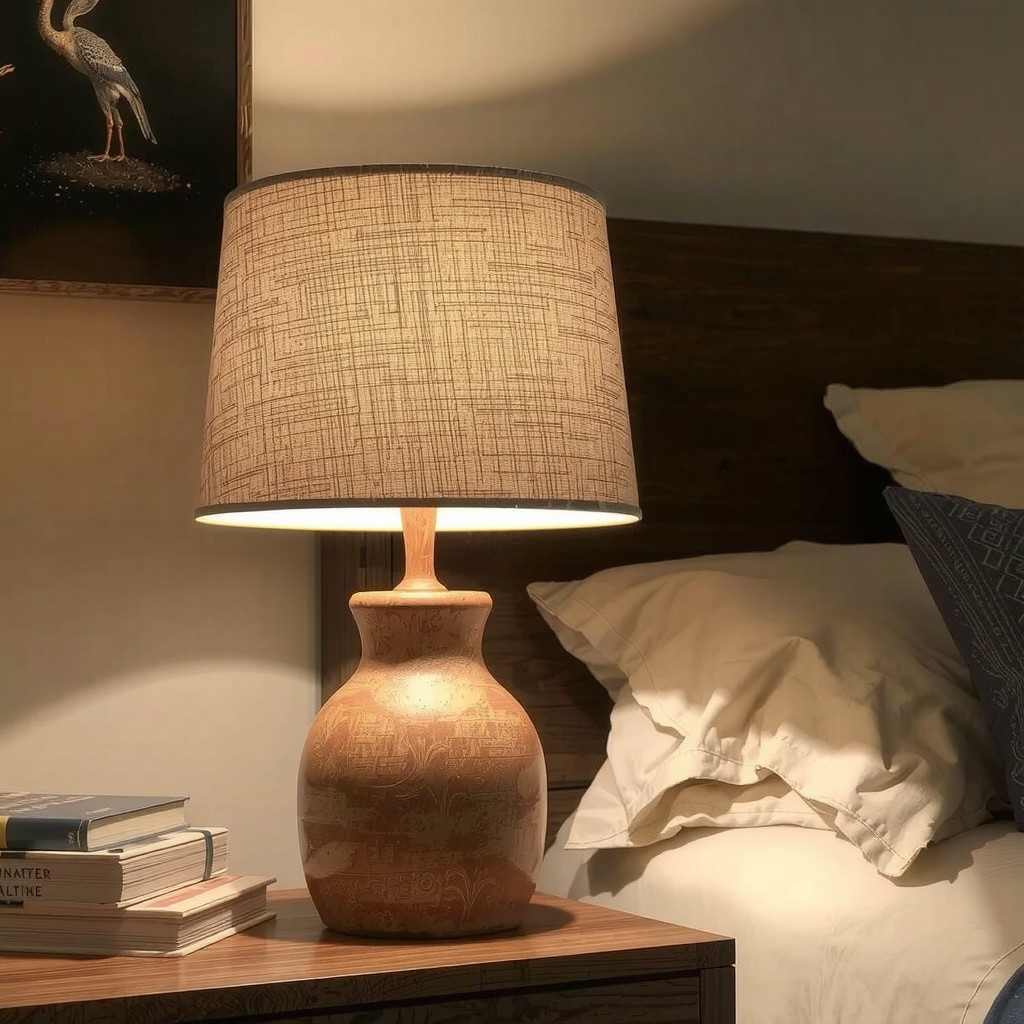
Lighting transforms the mood from functional to magical. Harsh overhead lights have no place in your sanctuary; instead, rely on layered, warm illumination that mimics the soft glow of sunset. Choose fixtures made from natural materials—a pendant light woven from seagrass or bedside lamps with ceramic bases and linen shades diffuse light beautifully. Aim for bulbs with a warm color temperature (around 2700K) to create an amber ambiance that signals to your body that it is time to rest.
Greenery
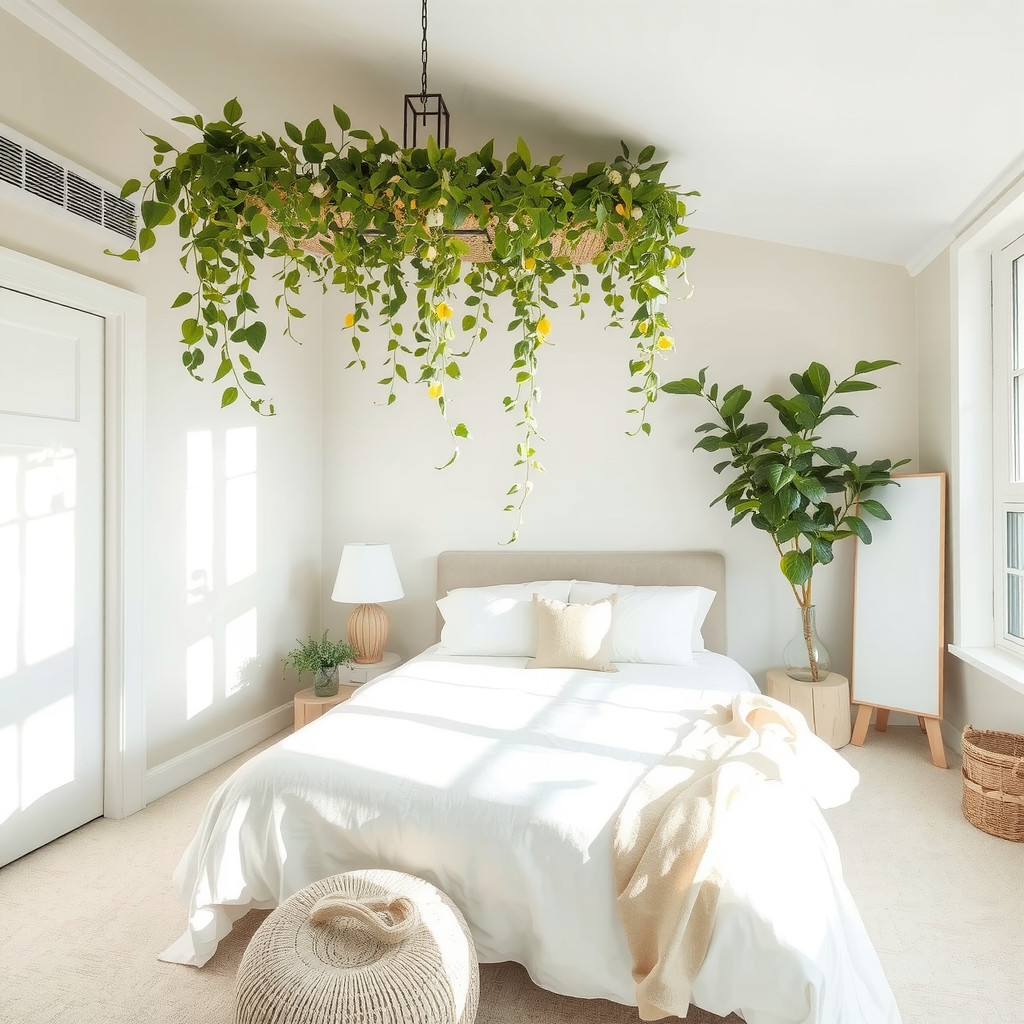
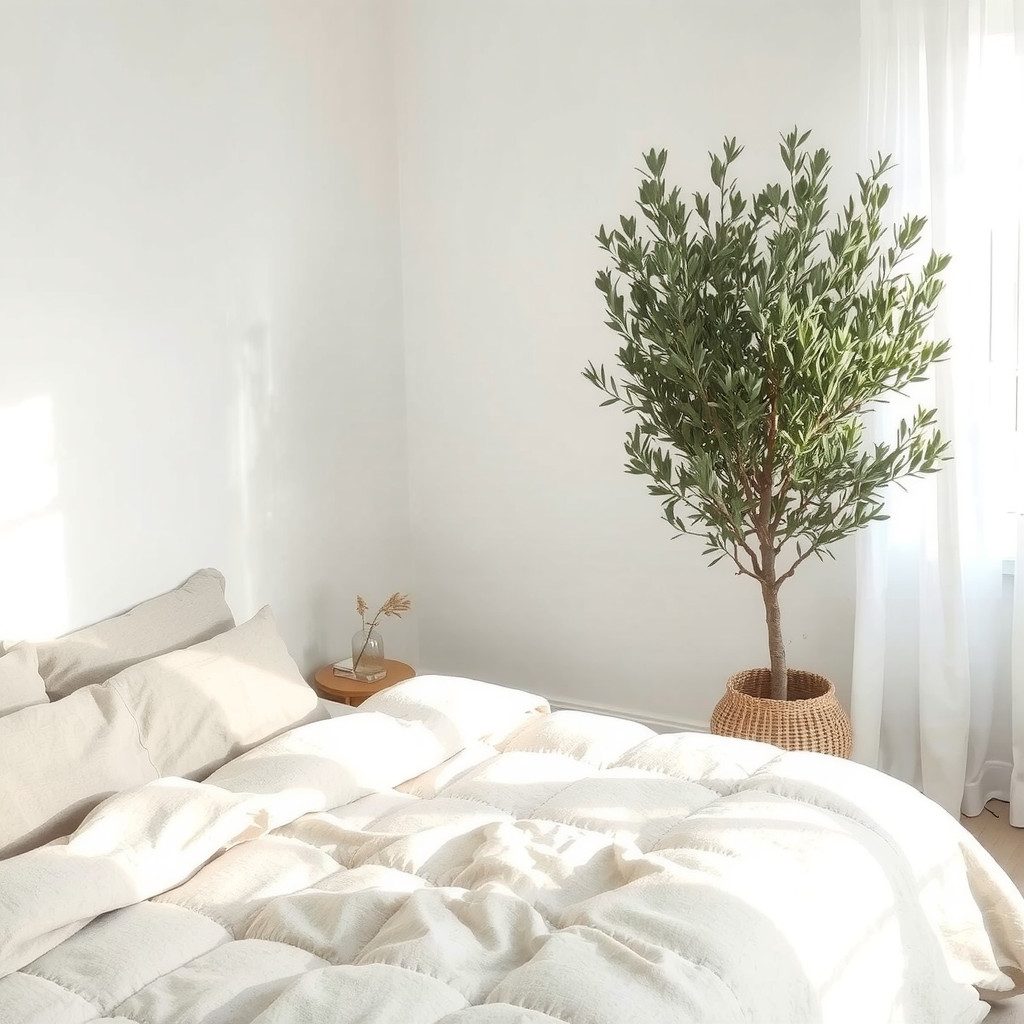
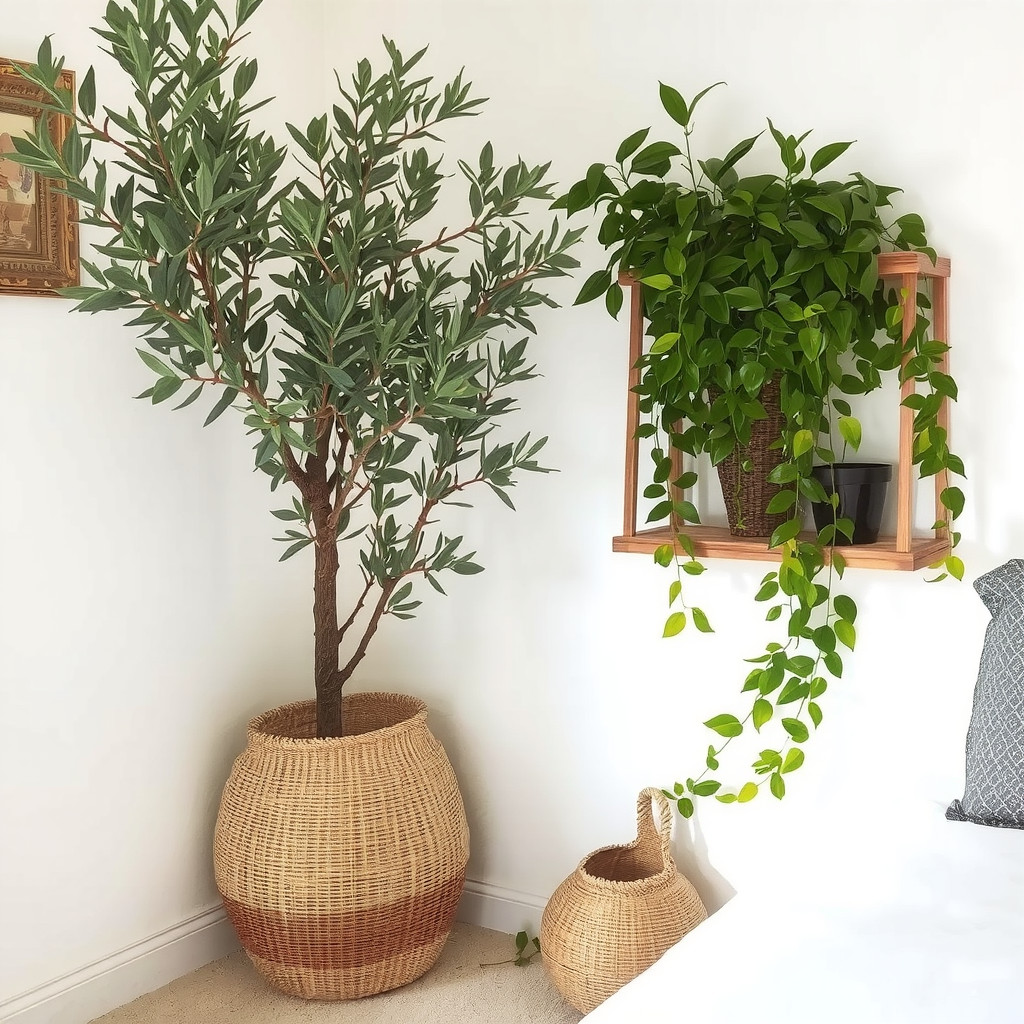
No earthy space is complete without the vibrancy of living plants. They bridge the gap between indoors and outdoors, purifying the air and adding a dynamic, sculptural element to your decor. You don’t need a jungle to make an impact; a single large potted tree, like an olive or fiddle leaf fig, can fill an empty corner with life. Alternatively, trailing plants like pothos placed on a high shelf can soften hard edges and draw the eye upward, adding a layer of lushness to your neutral palette.
Tips
- Stick to a Warm Palette: Focus on hues found in nature—sandy beiges, warm greys, muted greens, and rusty browns.
- Engage the Senses: Incorporate scents like cedarwood, sandalwood, or eucalyptus through a diffuser to enhance the earthy vibe.
- Limit Technology: Keep screens out of the bedroom to maintain the organic, disconnected atmosphere.
- Mix Vintage and New: Incorporate a weathered vintage stool or bench to add a sense of history and “wabi-sabi” imperfection.
- Maximize Natural Light: Use sheer linen curtains that allow sunlight to filter in while maintaining privacy.
ADVERTISEMENT