ADVERTISEMENT
Introduction
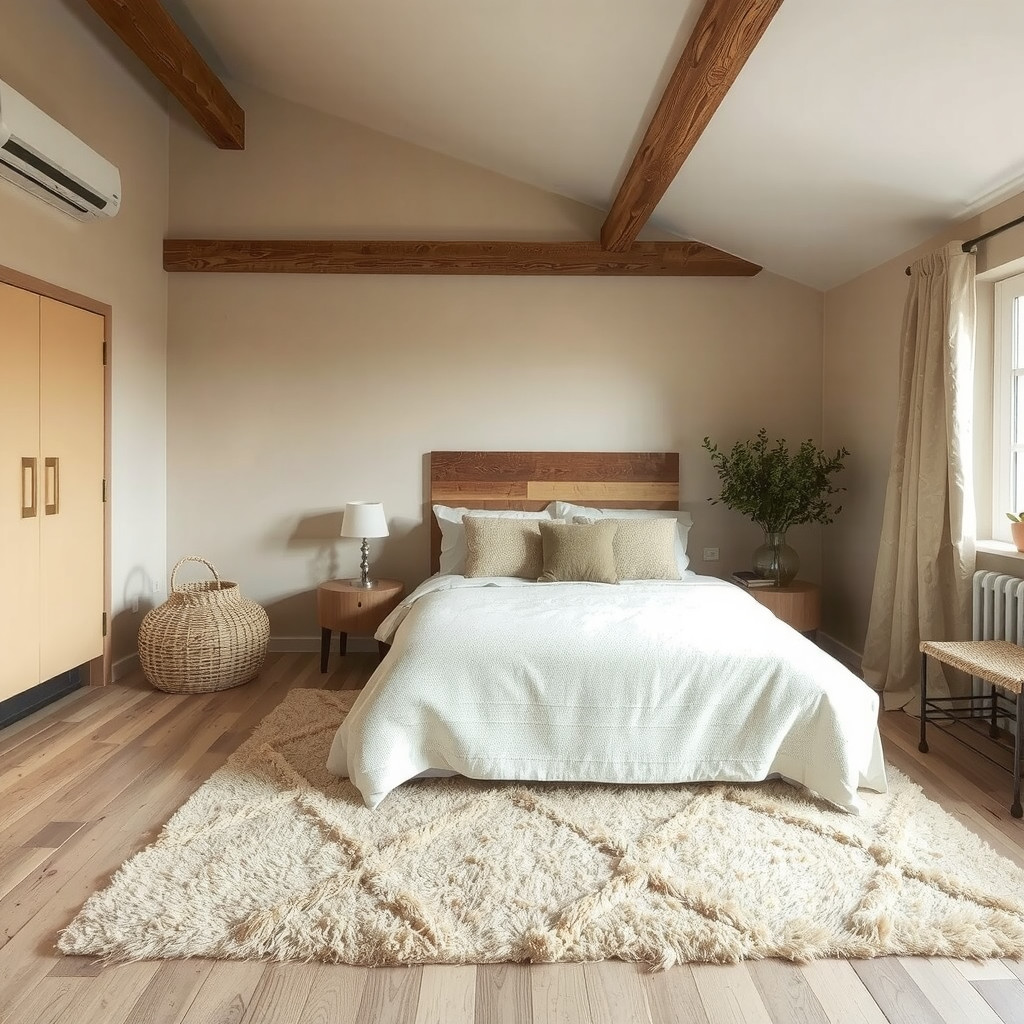
Your bedroom should be more than just a place to sleep; it needs to be a sanctuary where the chaos of the outside world melts away. By embracing an earthy aesthetic, you invite the grounding energy of nature into your private retreat. Think of warm tones, organic textures, and materials that age beautifully over time. This design philosophy is not merely about visual appeal but about creating a tactile environment that soothes the senses.
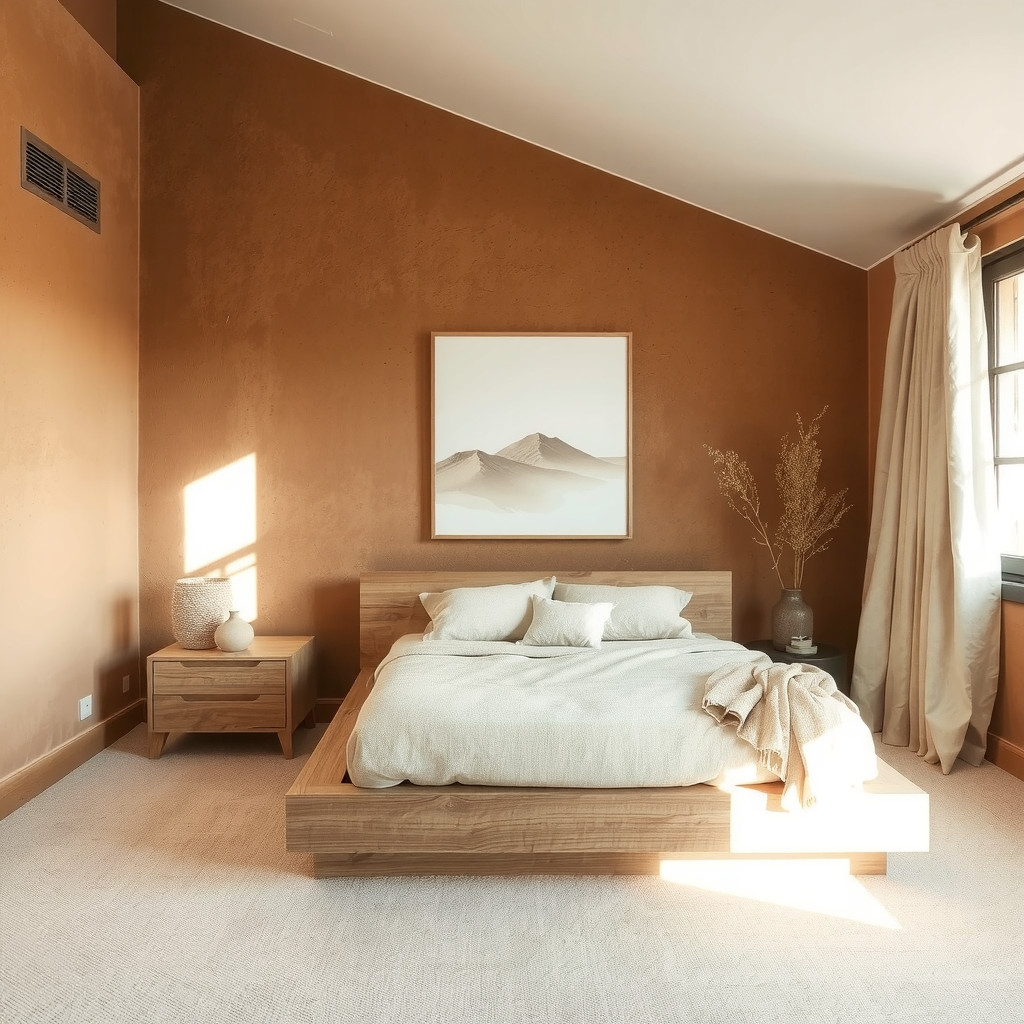
When you choose an earthy theme, you are prioritizing comfort and connection. It allows you to slow down and appreciate the imperfections of raw materials. Whether you live in a city apartment or a country cottage, transforming your space into a haven of stone, soil, and wood helps reset your internal rhythm every night.
Layout and Positioning
The foundation of an earthy bedroom lies in a layout that promotes flow and openness. You want to avoid cluttering the floor plan, allowing energy—and yourself—to move freely. Position your bed as the undisputed anchor of the room, ideally facing a window or a calming view if possible. A low-profile platform bed often works best here, keeping you closer to the ground and enhancing that feeling of stability.
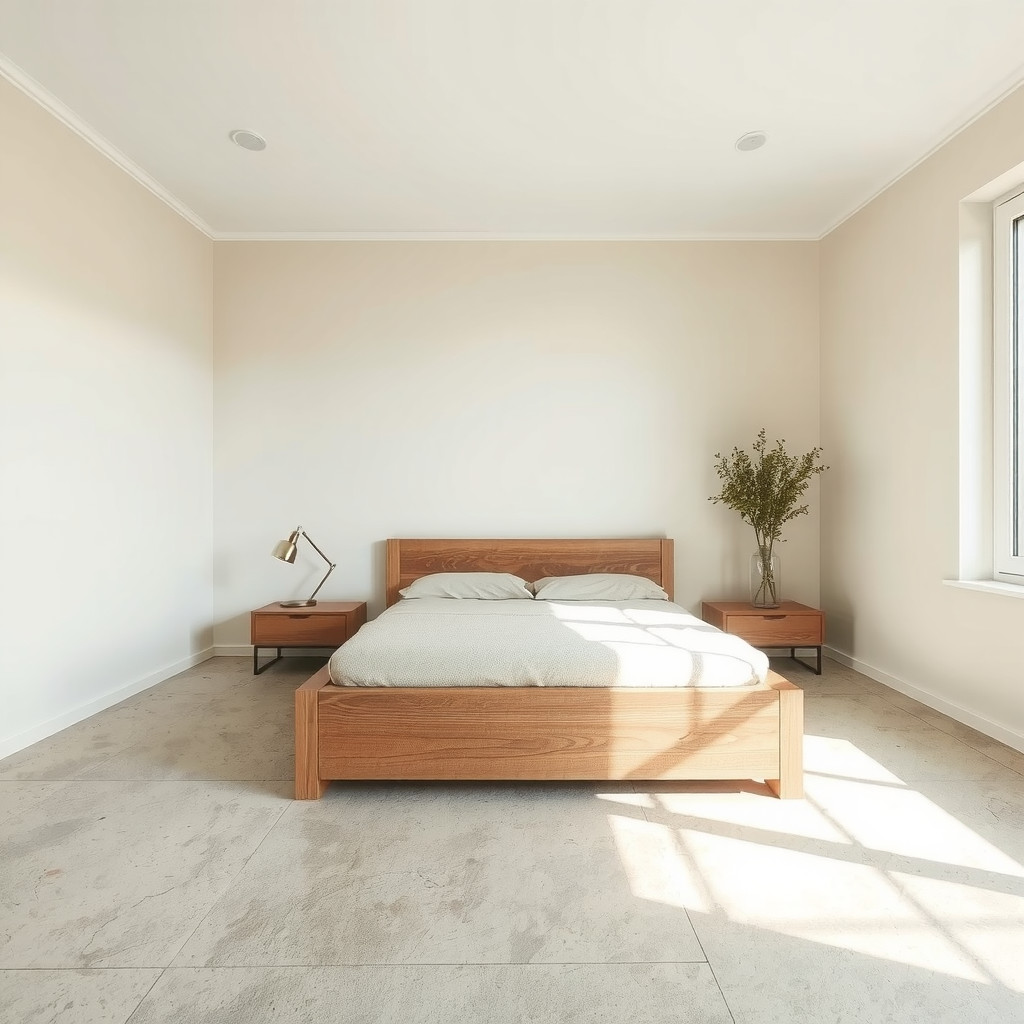
Ensure there is breathing room around your furniture. Avoid pushing everything against the walls; instead, try pulling the bed slightly into the center or angling a reading chair to create a cozy nook. This arrangement emphasizes negative space, which is crucial for maintaining a tranquil, airy atmosphere that mimics the expansiveness of the outdoors.
Materials and Textiles
Texture is the heartbeat of an earthy bedroom. You should aim to layer different organic materials to create depth and warmth without relying on loud colors. Start with your bedding; pure washed linen in shades of oatmeal, sage, or terracotta feels incredible against the skin and adds a relaxed, lived-in look.

Complement these soft fabrics with harder, raw elements. Introduce a jute or sisal rug to bring a rougher, natural grit underfoot. Consider furniture made from unfinished or reclaimed wood, where the grain and knots are visible. Accents of leather, stone, or unglazed ceramic can add weight and substance, ensuring the room feels curated yet effortlessly natural.
Focal Points
Every room needs an anchor, and in an earthy bedroom, your focal point should celebrate craftsmanship or natural beauty. A statement headboard is often the easiest way to achieve this. Look for designs featuring woven cane, rattan, or solid timber slabs with live edges. These pieces act as a visual centerpiece that instantly communicates the room’s organic intent.
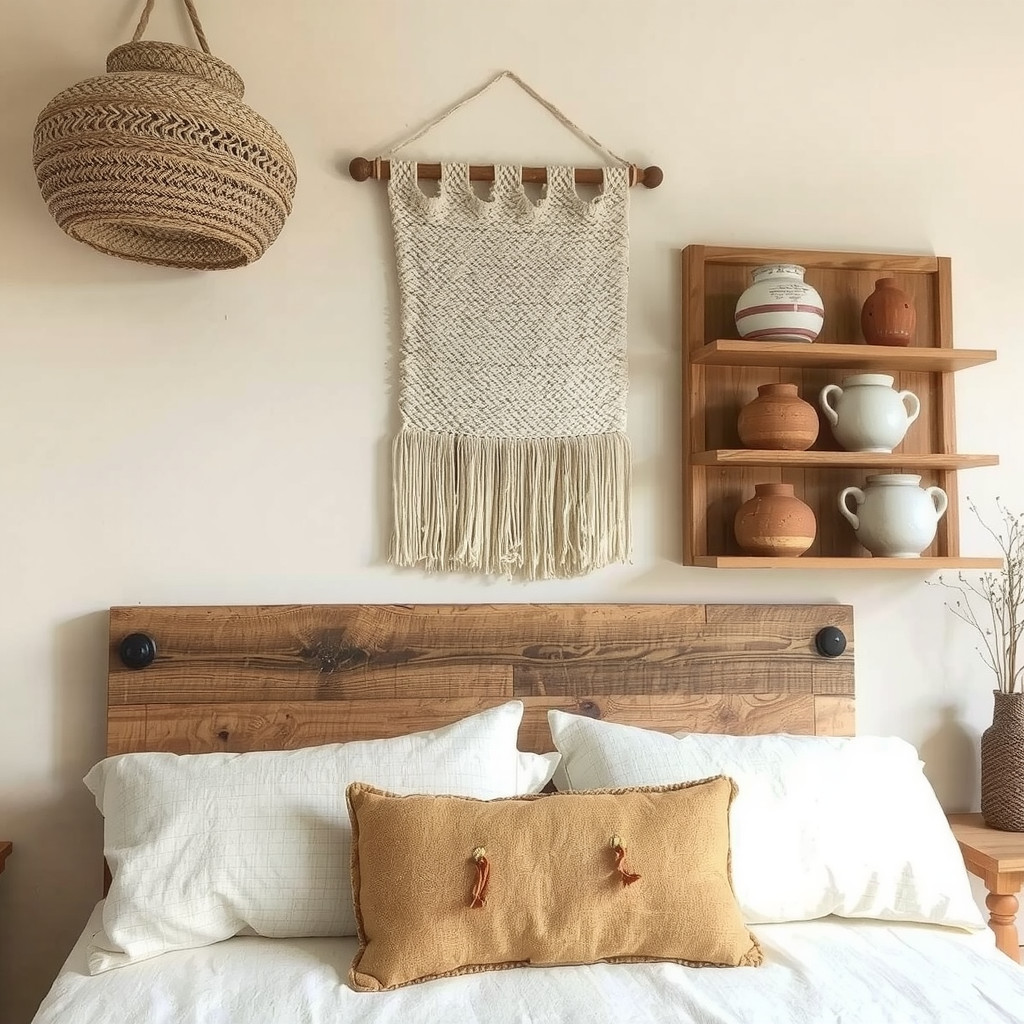
Alternatively, treat your walls as the canvas. A lime-wash paint finish adds a chalky, velour-like texture that feels ancient and cozy. You might also hang a large-scale textile piece, like a macramé tapestry or a vintage kilim rug, above the bed. These elements draw the eye and reinforce the theme without overwhelming the senses.
Lighting
Lighting in your sanctuary should be soft, diffused, and warm, mimicking the golden hour sun or the gentle glow of a fire. Harsh overhead lights are the enemy here. Instead, layer your illumination with table lamps, floor lamps, and sconces.
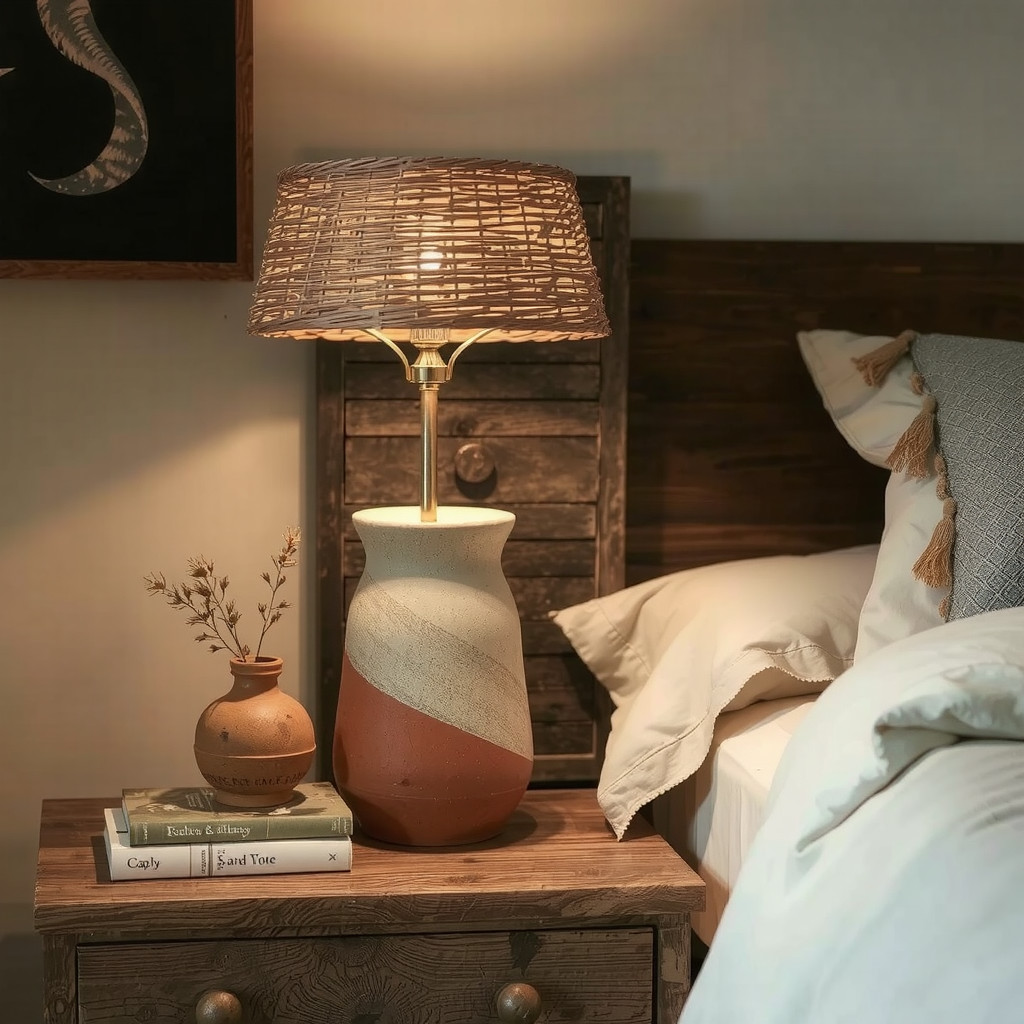
Choose fixtures made from natural materials. A pendant light woven from seagrass or a bedside lamp with a ceramic base and linen shade can transform the mood of the room. Using dimmer switches allows you to adjust the intensity, helping you transition from the activity of the day to the stillness of sleep.
Greenery
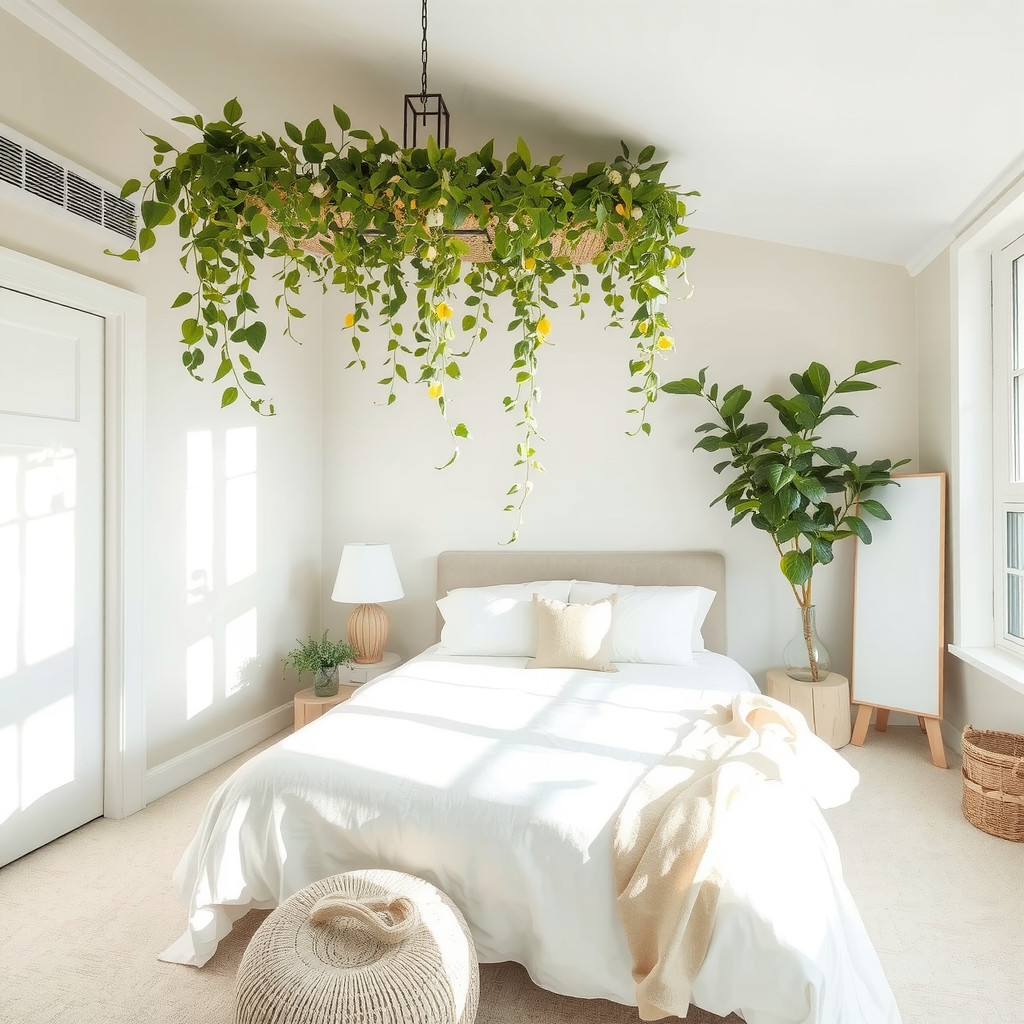
No earthy bedroom is complete without living elements. Plants are the literal connection to nature that breathes life into your decor. They purify the air and add vibrant splashes of green that contrast beautifully with a neutral palette.
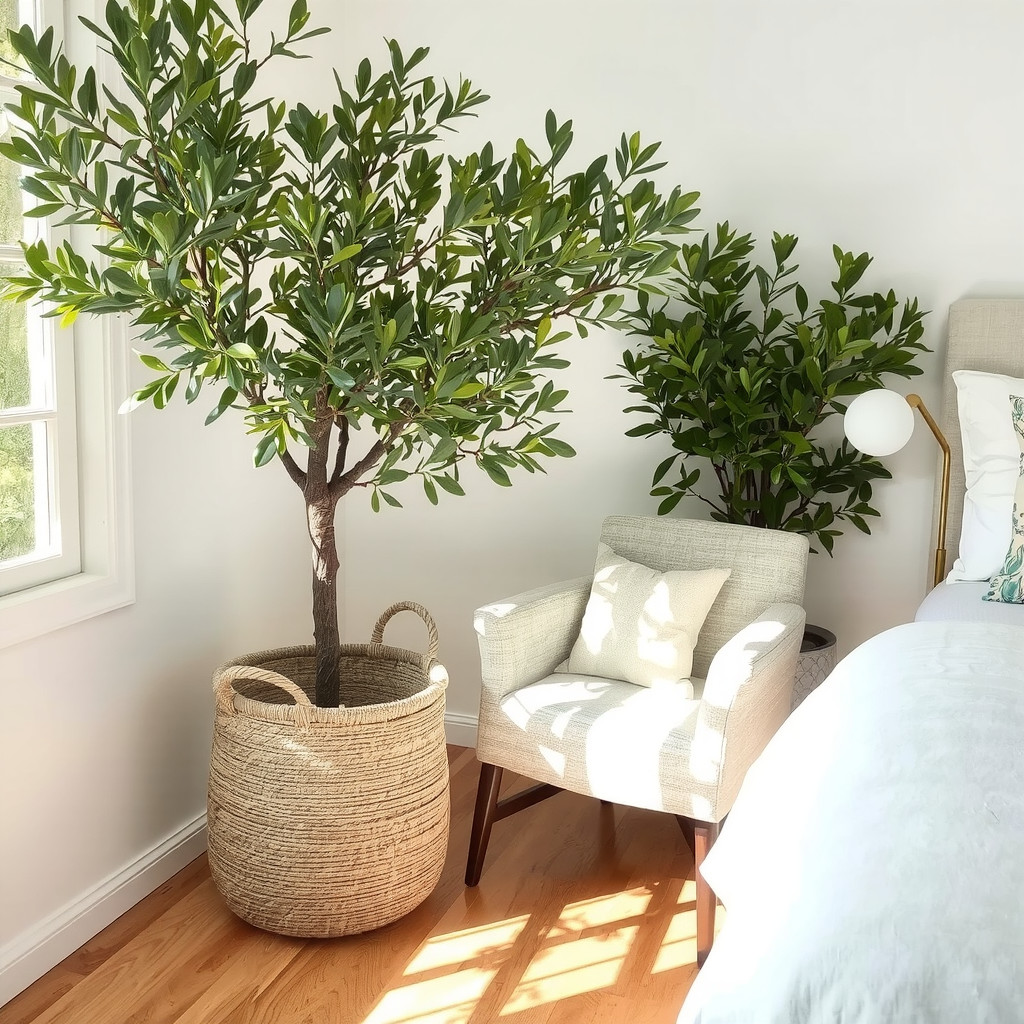
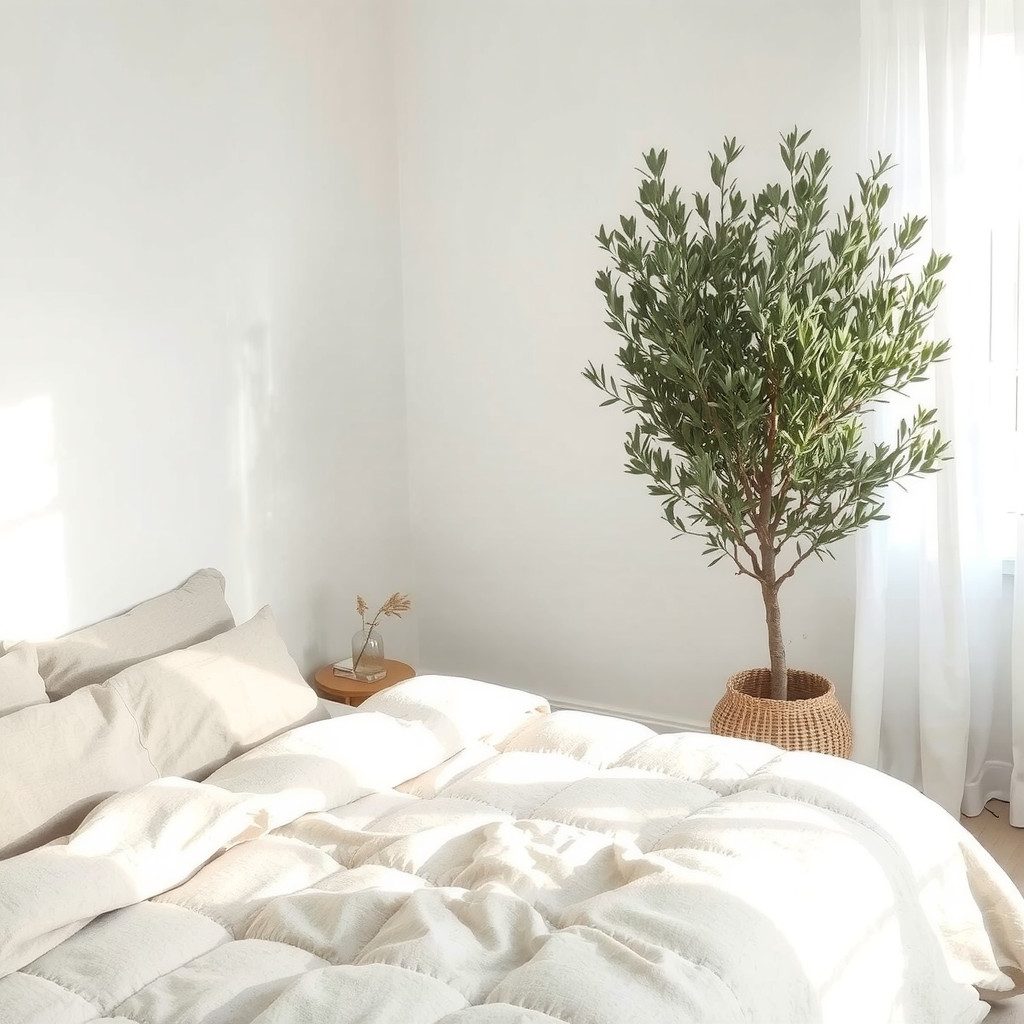
Select plants that thrive in your room’s specific light conditions. A tall fiddle leaf fig or an olive tree can fill an empty corner with sculptural elegance. For shelves or bedside tables, trailing plants like pothos or string of hearts add a softening effect. The goal is to create a lush, indoor garden vibe that feels fresh and restorative.
Tips
- Stick to a Palette: Focus on colors found in nature—terracotta, forest green, sandy beige, and warm browns.
- Engage the Senses: Use an essential oil diffuser with scents like cedarwood, sandalwood, or lavender to enhance the atmosphere.
- Declutter Ruthlessly: Keep surfaces clear to maintain a sense of calm; store items in woven baskets or wooden chests.
- Mix Wood Tones: Don’t be afraid to mix oak, walnut, and pine; nature rarely matches perfectly, and neither should your furniture.
- Add Vintage Touches: A weathered wooden stool or an antique clay pot adds soul and history to the space.
ADVERTISEMENT