ADVERTISEMENT
Introduction
Your living room should be more than just a place to sit; it should be a sanctuary that exhales the stress of the day the moment you step inside. The organic modern aesthetic strikes this perfect balance, merging the clean, architectural lines of modernism with the raw, imperfect beauty of nature. Imagine a space that feels curated yet lived-in, where every object tells a story of craftsmanship and calm. By stripping away clutter and embracing warmth, you create an environment that invites deep relaxation and effortless connection.
Layout and Positioning
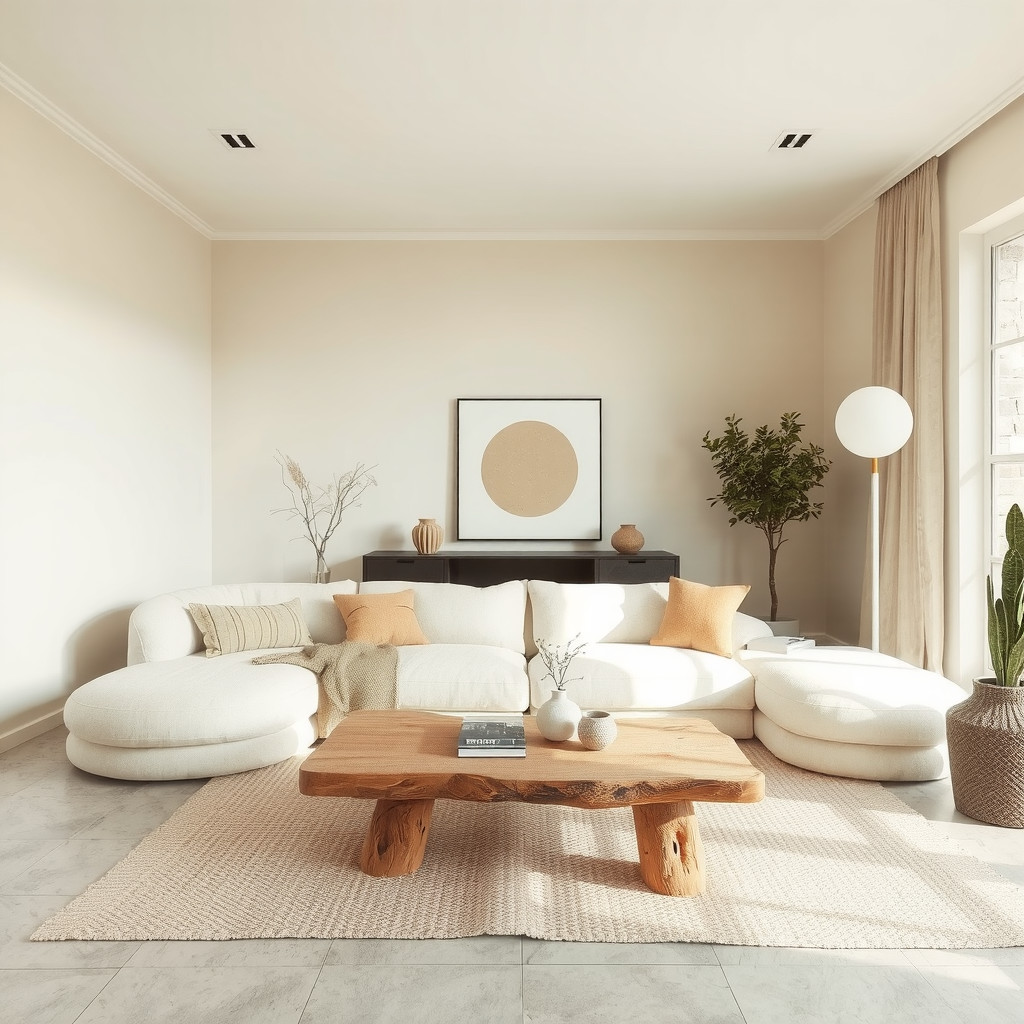
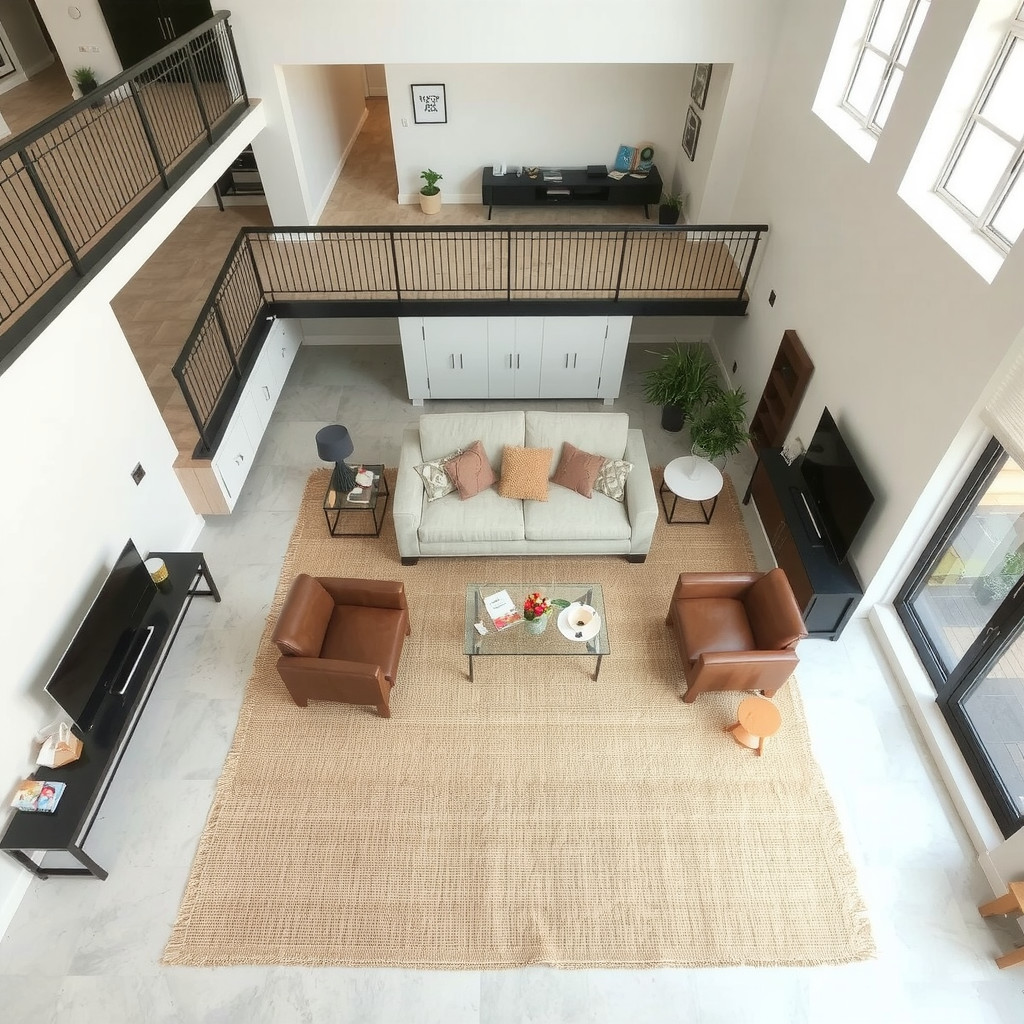
The foundation of a tranquil living area lies in how you navigate the space. Instead of pushing furniture against the walls, pull your pieces inward to create intimate conversation islands. This “floating” arrangement encourages social interaction and allows energy to flow freely around the perimeter of the room. Prioritize low-profile furniture that keeps sightlines unobstructed, making the ceiling feel higher and the room more expansive. Allow for generous negative space; the areas where you place nothing are just as important as where you place your sofa.
Materials and Textiles
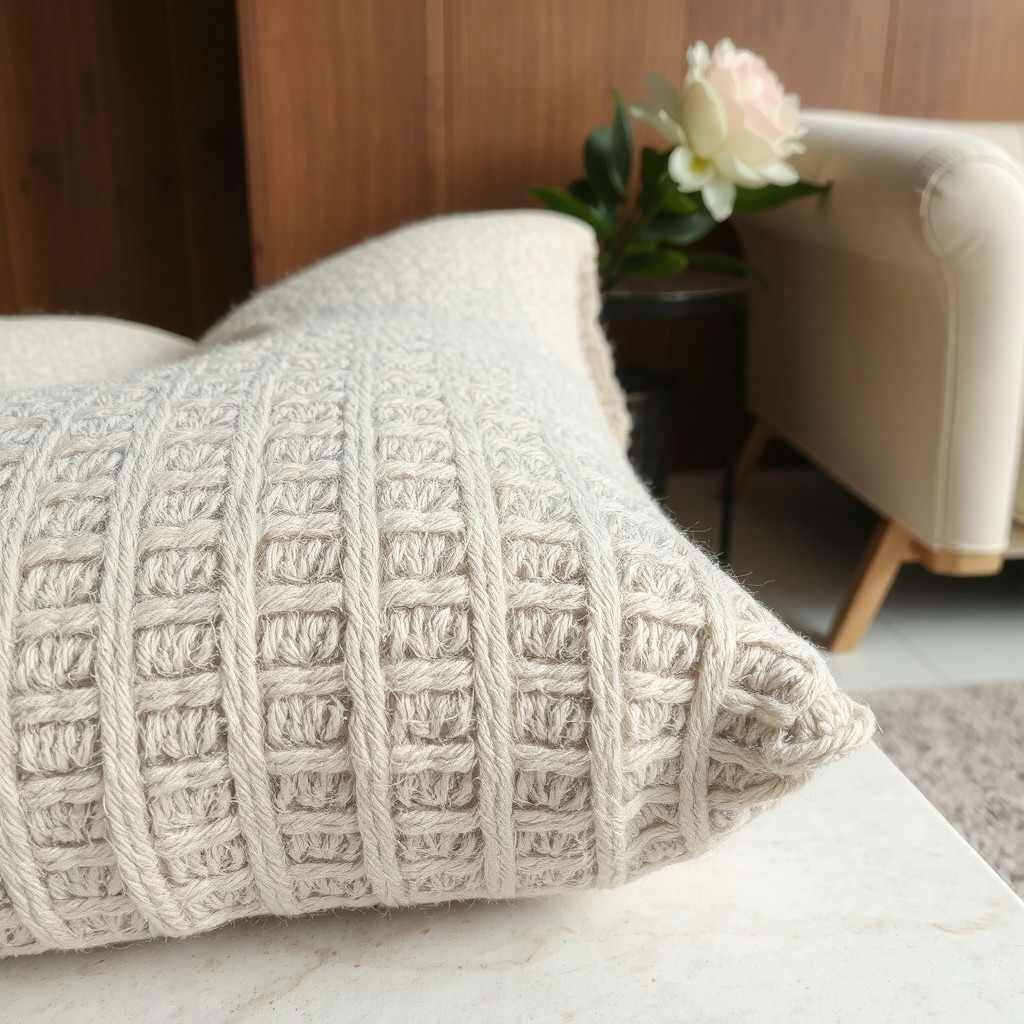
To prevent a minimalist room from feeling sterile, you must introduce a rich tapestry of textures. Your goal is to engage the sense of touch. Pair a nubby boucle sofa with a sleek, cold travertine coffee table to create a dynamic tactile contrast. Layering is key here; consider a large jute rug to ground the space, topped with a softer wool rug for comfort underfoot. Incorporate raw woods with visible grain, unlacquered brass that patinas over time, and breathable linens that soften the hard edges of your architecture.
Focal Points
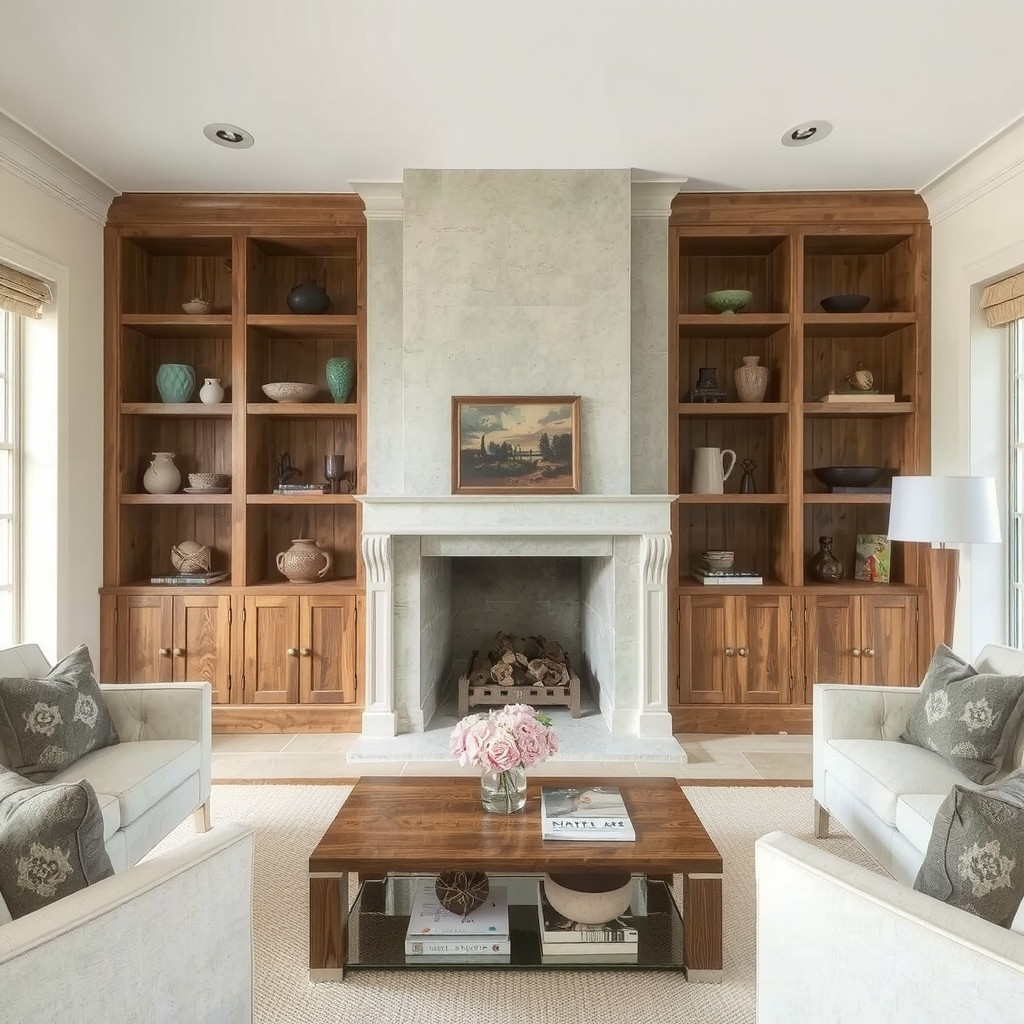
Every room needs an anchor to draw the eye and ground the design. In an organic modern living room, avoid making a black television screen the center of attention. Instead, orient your seating towards a fireplace clad in lime wash plaster or a large-scale piece of abstract art in earthy tones. If you have a large window with a view of nature, let that be your primary focal point. This connection to the architectural or natural elements of the home reinforces the grounded, serene atmosphere you are building.
Lighting
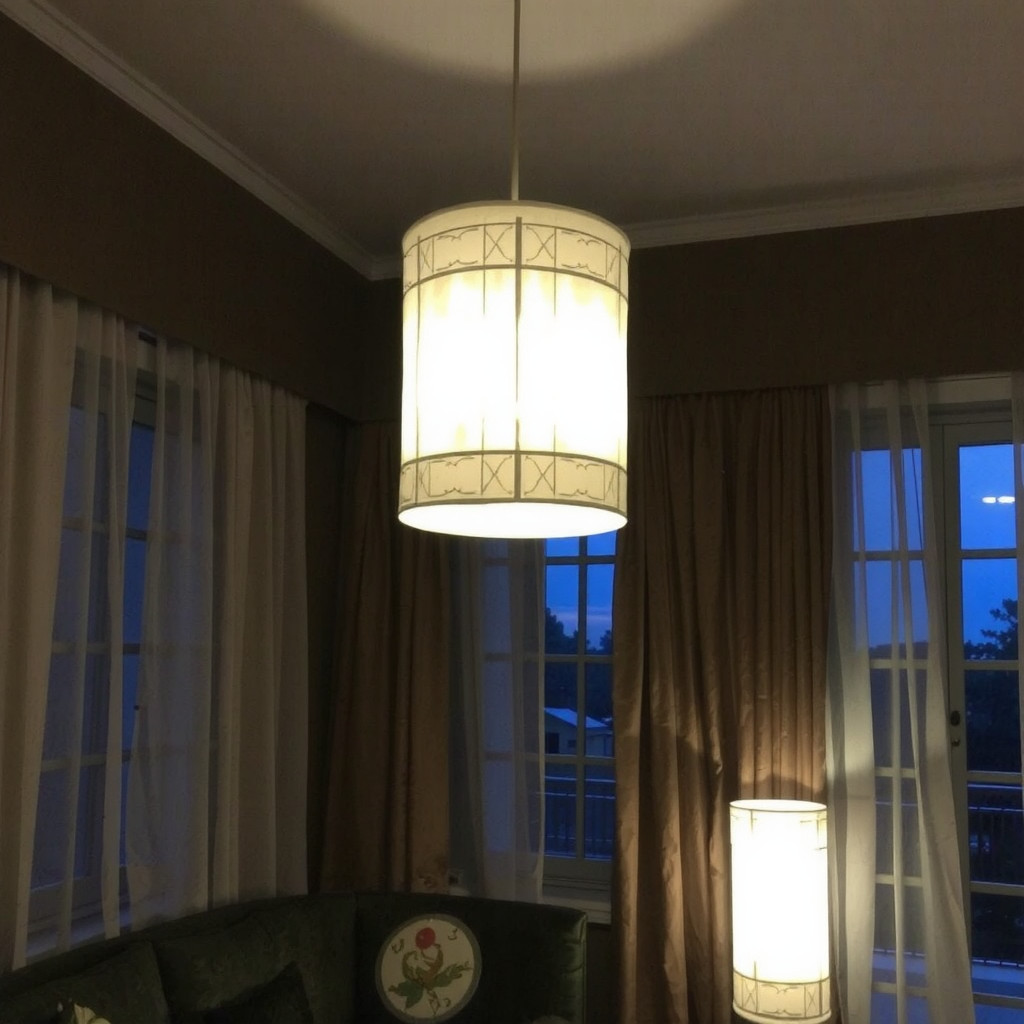
Lighting transforms the mood of your space from a showroom to a home. Avoid relying solely on harsh overhead recessed lighting. Instead, layer your illumination at different heights. Use floor lamps with paper or fabric shades to diffuse light into a soft, warm glow that mimics the golden hour. Sconces with organic shapes can wash the walls with light, highlighting the texture of your paint or plaster. The aim is to create pockets of warmth that invite you to curl up with a book or enjoy a quiet conversation.
Greenery
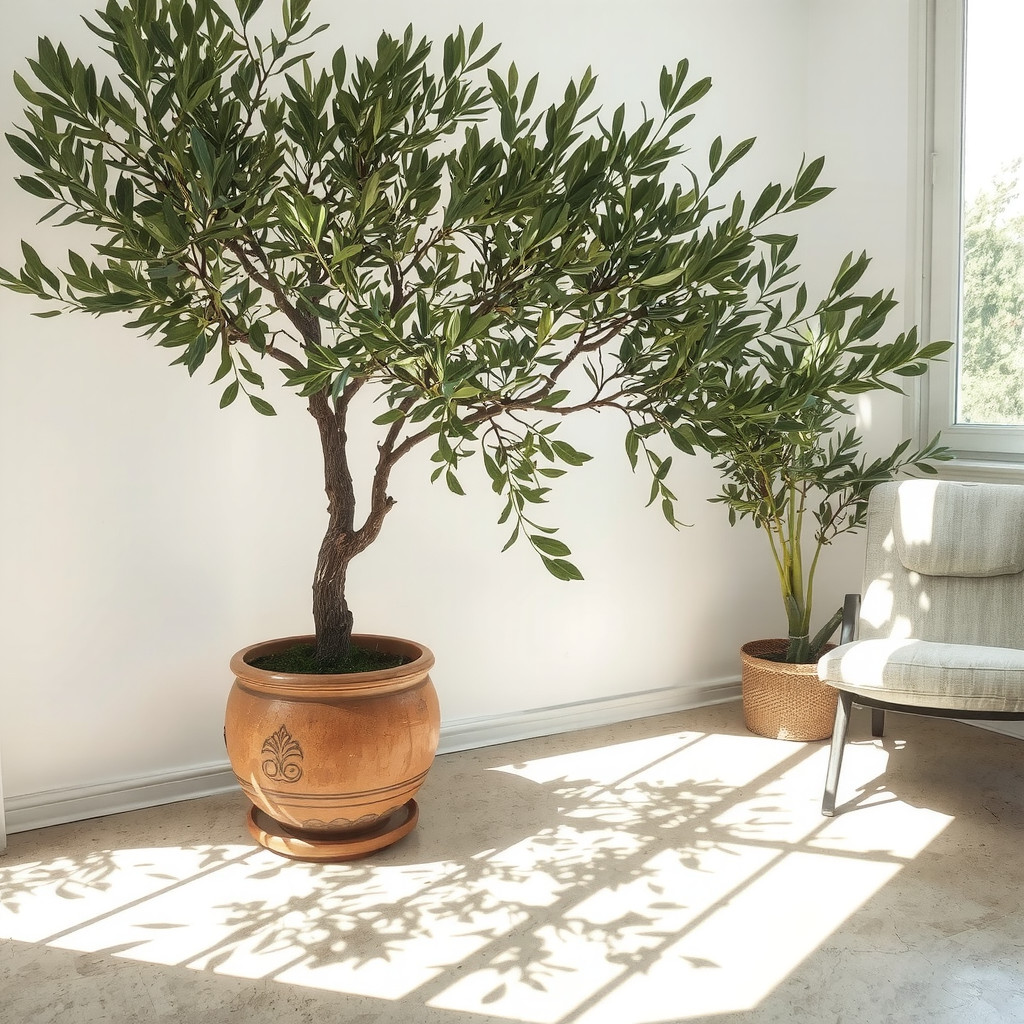
No organic interior is complete without the literal inclusion of nature. Plants breathe life into neutral palettes and soften architectural corners. Move beyond small succulents and opt for a statement tree, such as a Black Olive or Ficus, placed in a substantial ceramic or terracotta pot. The organic, irregular shapes of branches and leaves provide a necessary counterpoint to the straight lines of modern furniture. Even a simple vase of tall, dried branches can add height and sculptural interest without the maintenance of a live plant.
Tips
- Stick to an Earthy Palette: Focus on warm whites, taupes, soft browns, and muted greens to maintain visual continuity.
- Mix Vintage and New: Incorporate one or two vintage pieces, like a weathered stool or an antique bowl, to add soul and history.
- Hide the Tech: Use media consoles with slat wood doors or frame TVs to blend them into the decor, keeping the focus on conversation and relaxation.
- Curate Accessories: distinctiveness over abundance; choose a few large, handmade ceramic vases rather than many small knick-knacks.
ADVERTISEMENT