ADVERTISEMENT
The Art of Minimalist Living in Compact Homes
Embracing minimalism in a small house transforms limited square footage into a sanctuary of calm and clarity. Rather than stripping a home bare, this design philosophy encourages you to curate your environment with intention, ensuring every object serves a purpose or sparks joy. When you remove visual noise, you allow architecture and light to take center stage, making even the tiniest rooms feel expansive and breathable.
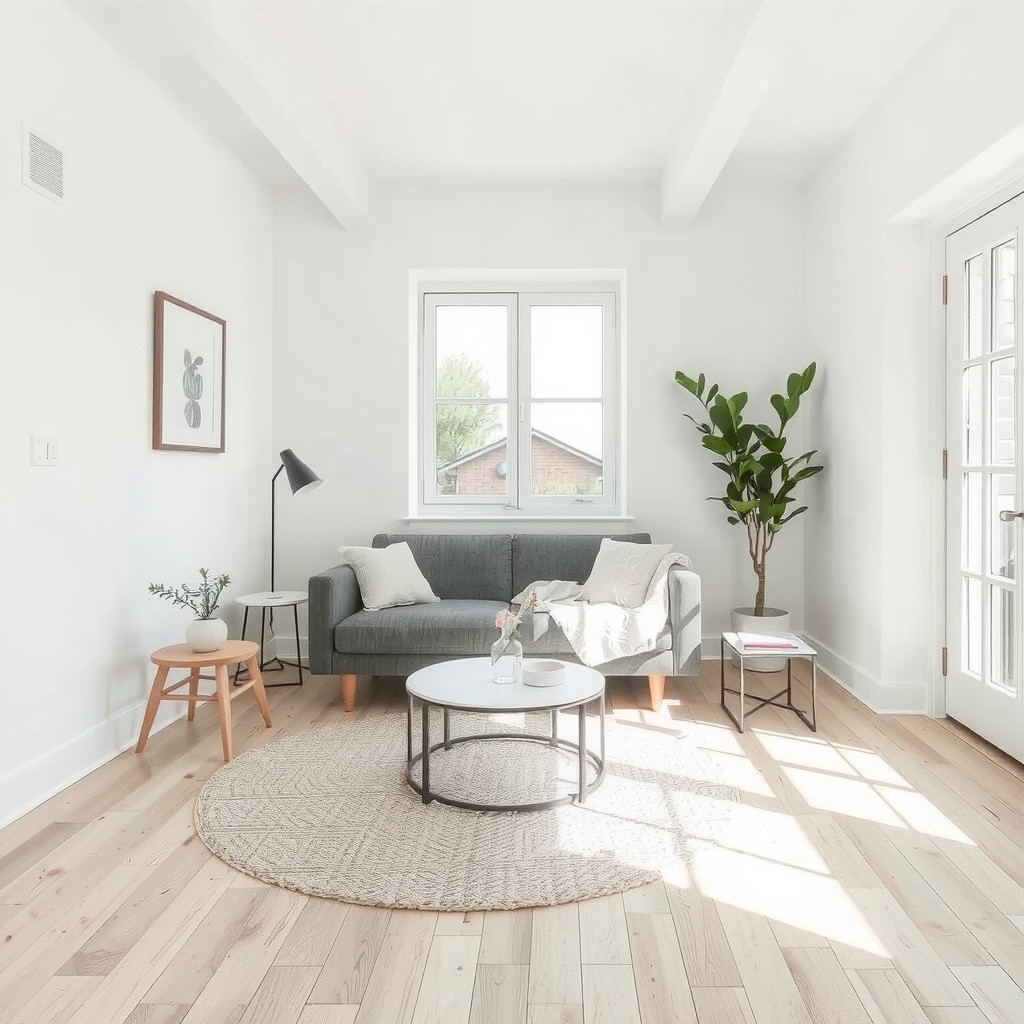
By focusing on quality over quantity, you create a home that feels sophisticated and deliberate. The goal is not just to save space, but to elevate your daily living experience through thoughtful reduction and organized beauty.
Layout and Positioning
In a compact home, the layout must champion flow and functionality. You should avoid pushing all furniture against the walls, as this creates a “waiting room” effect that emphasizes the lack of width. Instead, try “floating” key pieces like your sofa or armchair slightly inward to create breathing room and intimate conversation zones.
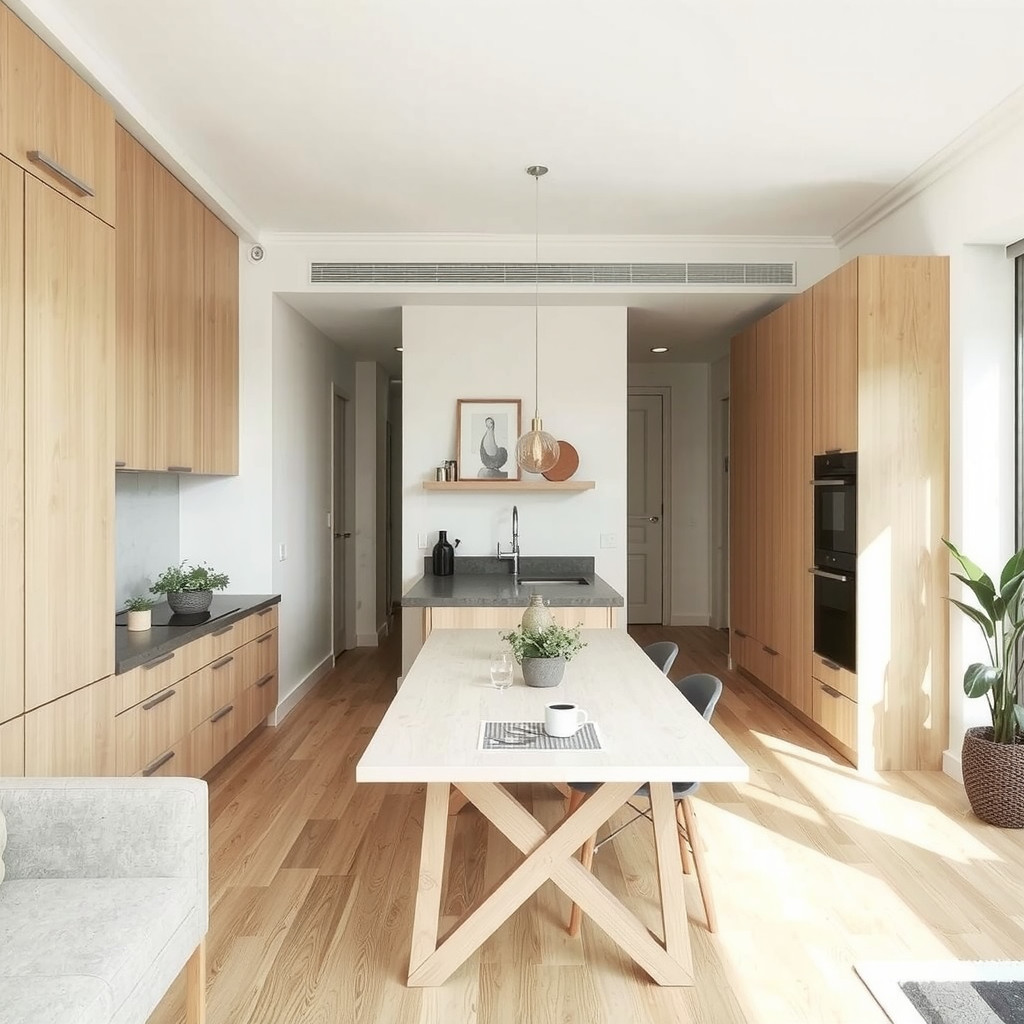
Define different areas within an open floor plan using area rugs rather than physical dividers. This maintains sightlines while subtly distinguishing your living space from your dining area. Ensure pathways remain clear and unobstructed, allowing you to move freely without maneuvering around obstacles, which is essential for maintaining a sense of openness.
Materials and Textiles
When visual clutter is low, tactile experience becomes paramount. You want to introduce warmth and depth through a rich variety of textures rather than an abundance of decor items. Layering materials prevents a minimalist space from feeling clinical or cold. Think of natural elements like unfinished wood, honed stone, or matte ceramics.
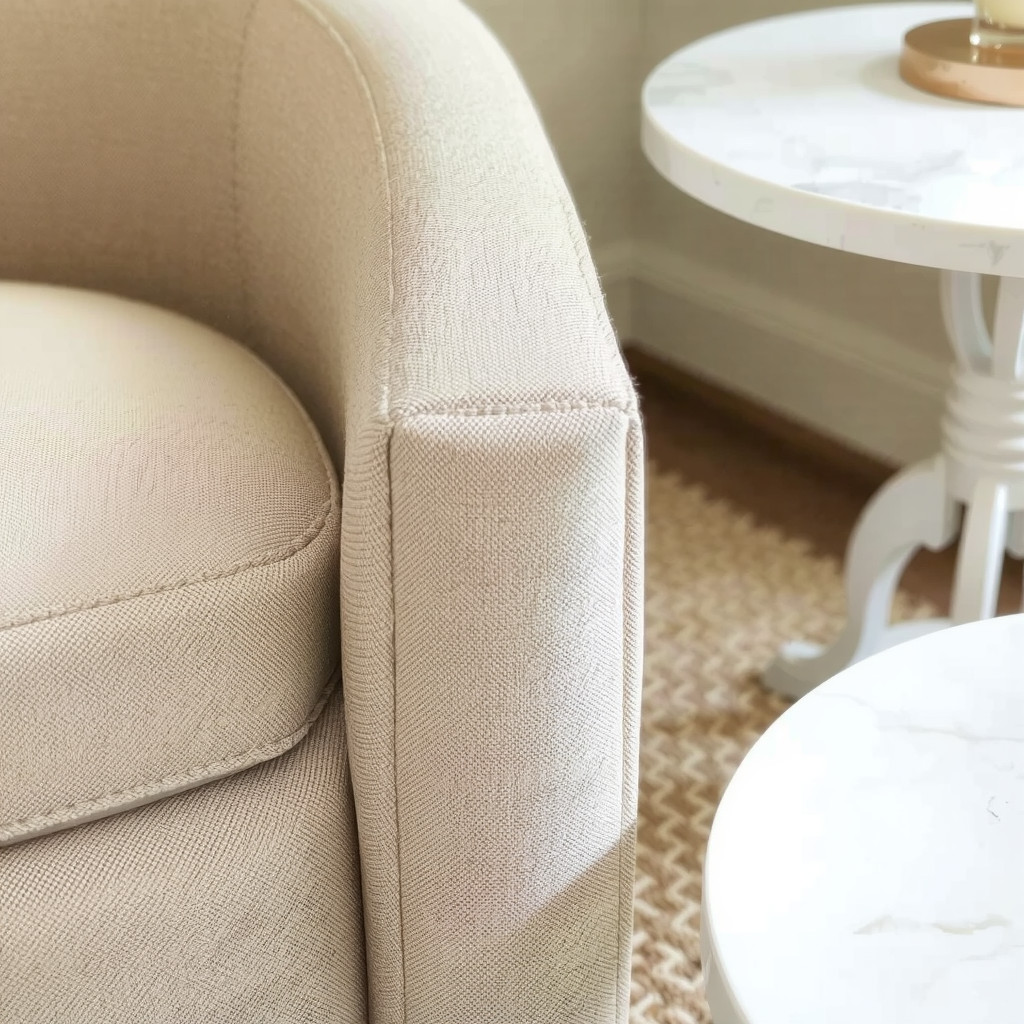
Textiles play a crucial role in softening the hard edges of modern minimalist furniture. Opt for linen curtains that filter light softly, chunky wool throws, or a high-pile rug. These elements add cozy complexity to your neutral palette without overwhelming the eye, inviting you to touch and relax.
Focal Points
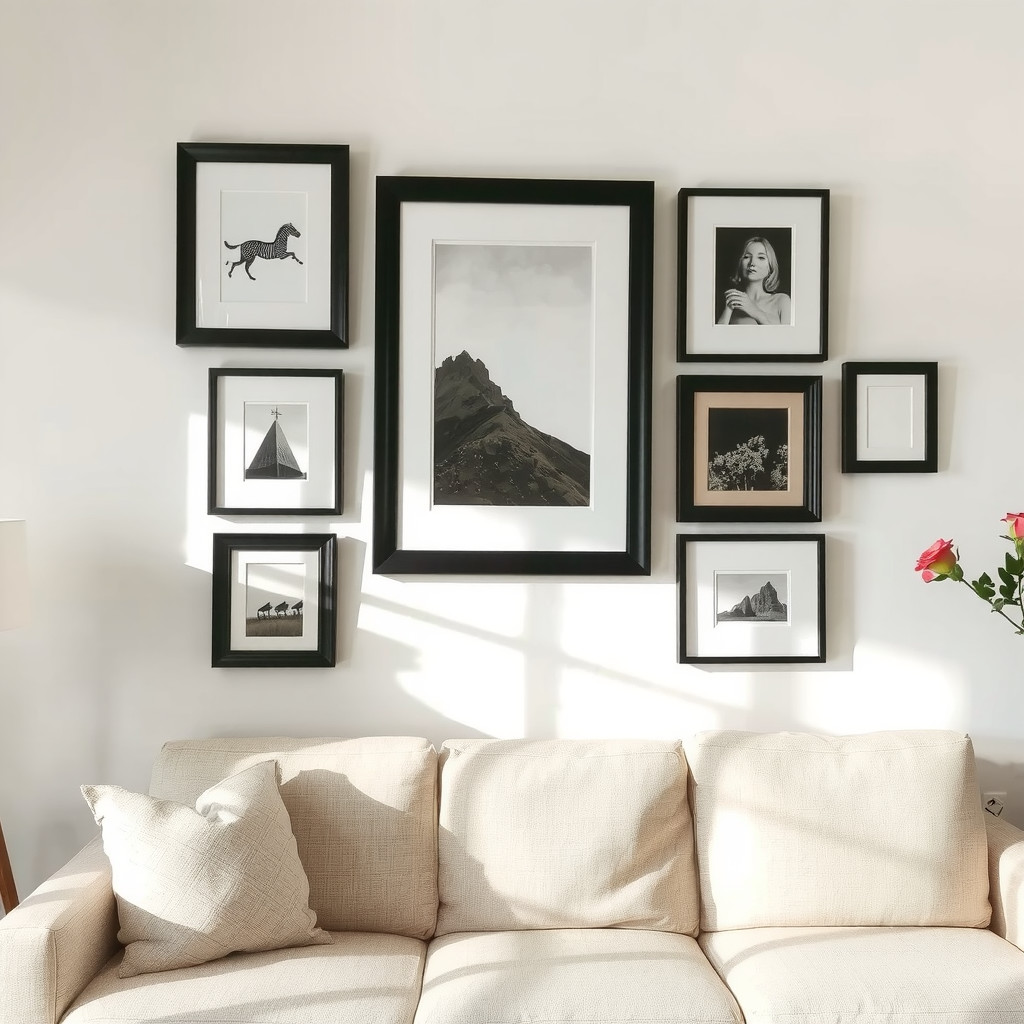
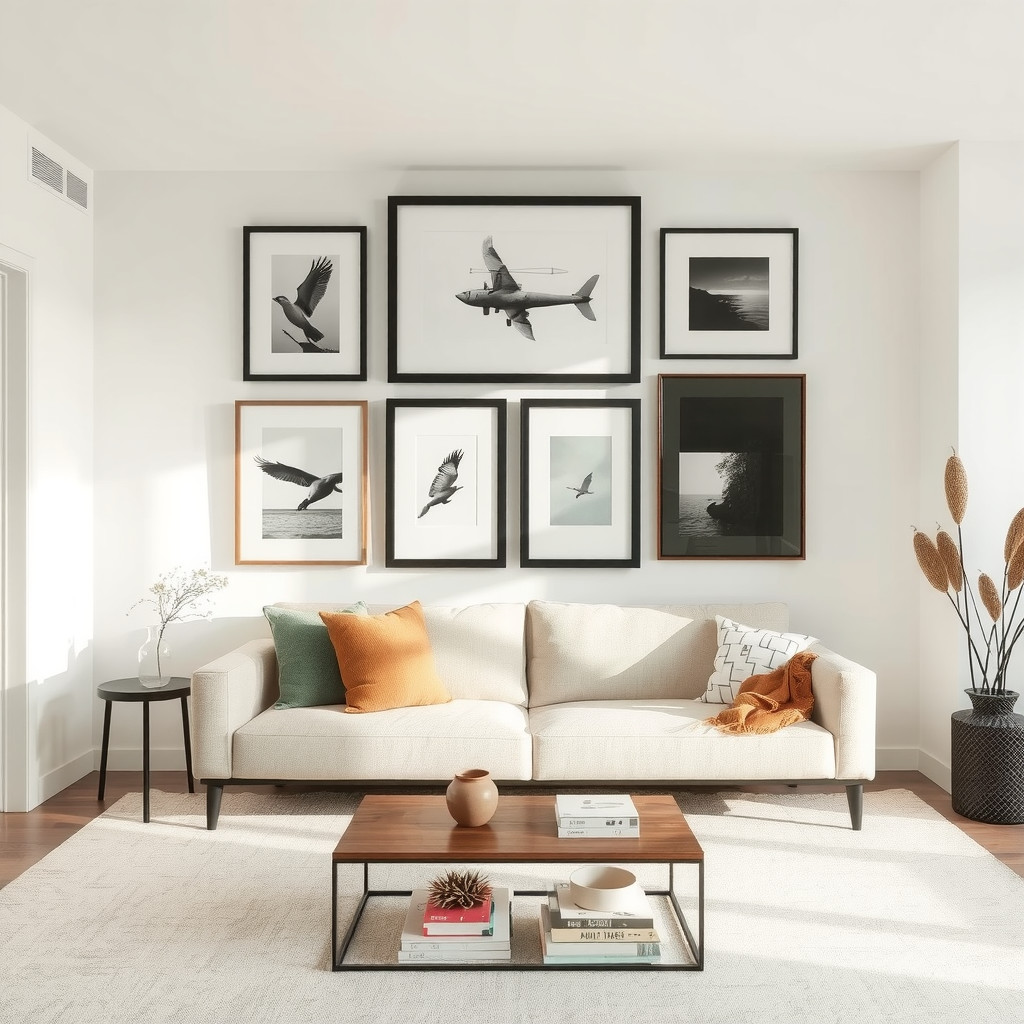
A common mistake in small spaces is using many small decorations, which creates a cluttered look. Instead, you should embrace the power of a single, strong focal point. Select one large piece of art, a sculptural chair, or a statement light fixture to anchor the room.
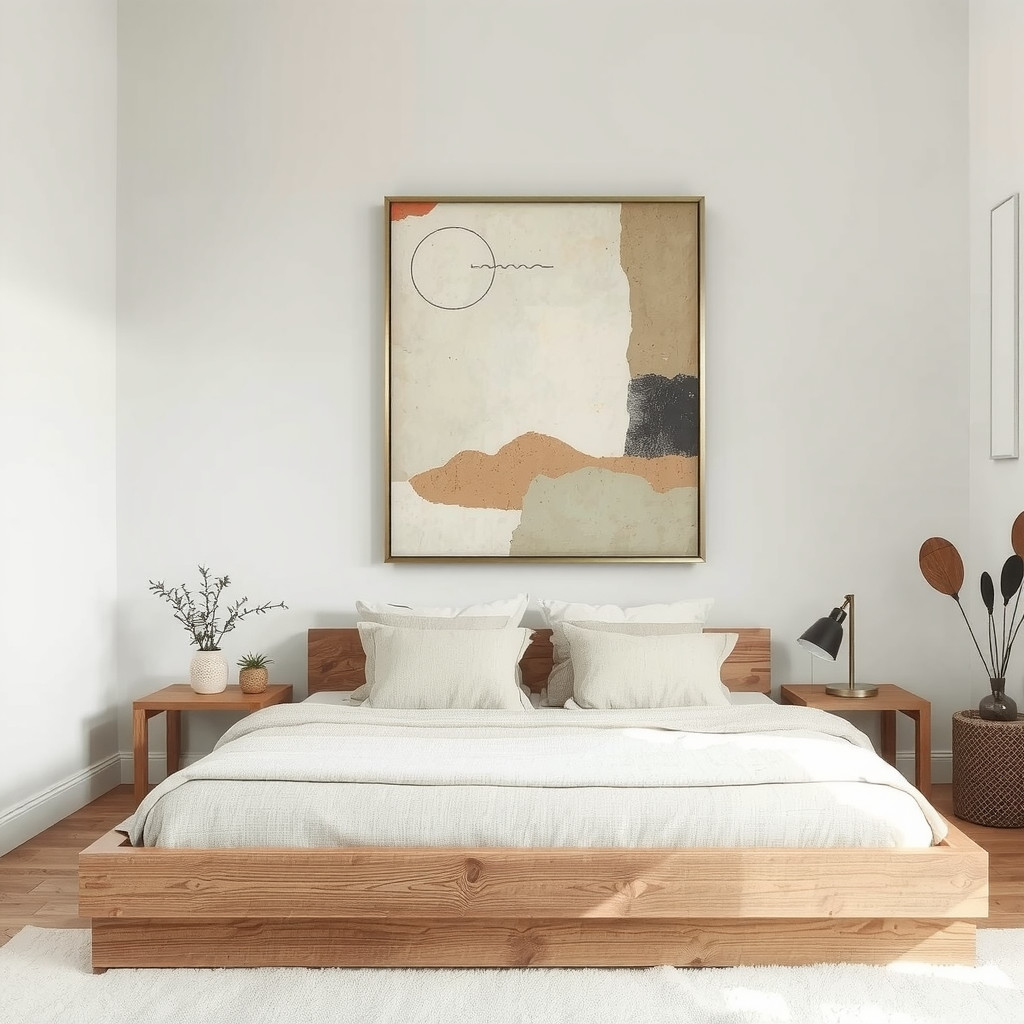
This approach draws the eye to a specific destination, diverting attention from the room’s size. When you give the eye a place to rest, the surrounding negative space feels intentional rather than empty. Allow your walls to breathe; negative space is an active design element that amplifies the beauty of your chosen focal point.
Lighting
Lighting in a small minimalist home serves a dual purpose: illumination and spatial expansion. Relying solely on a single overhead fixture can shrink a room, creating harsh shadows in corners. You need to layer your lighting to create depth and dimension.
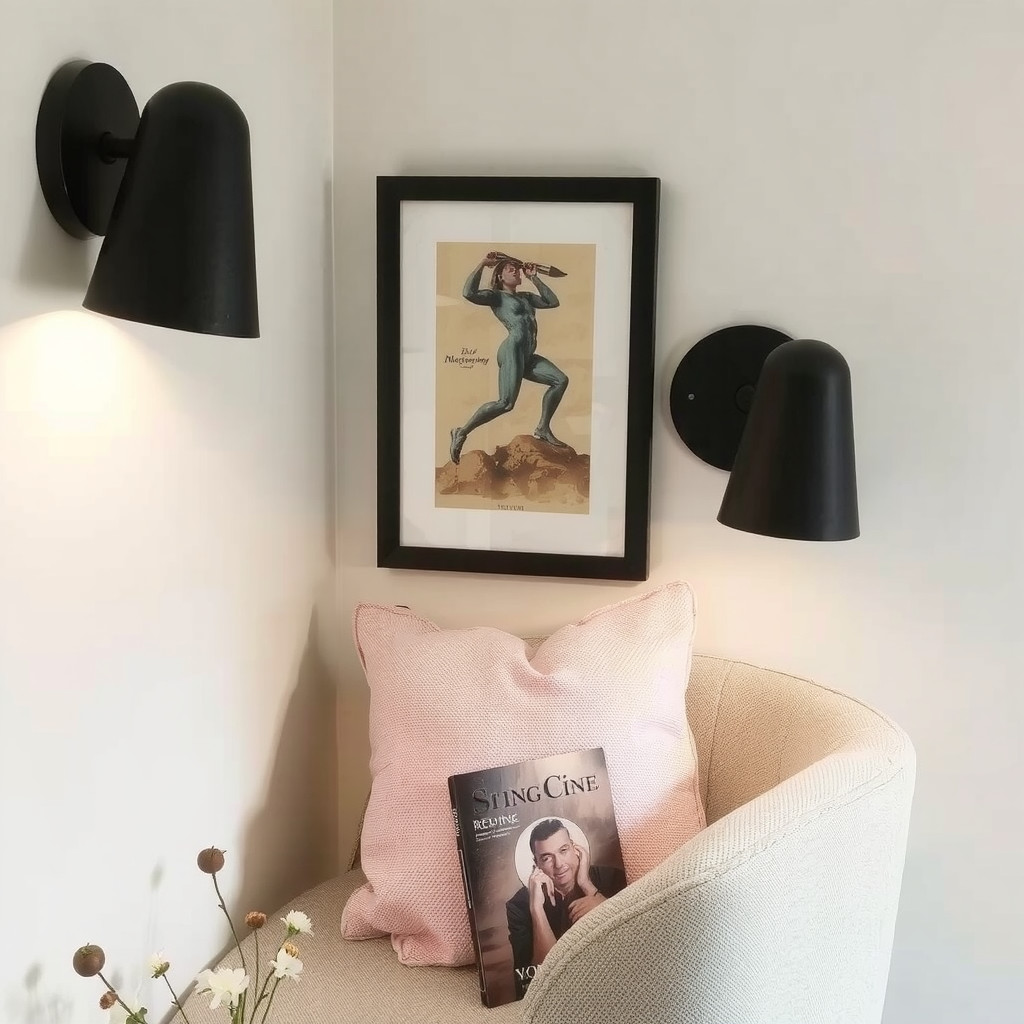
Prioritize wall-mounted sconces or pendant lights to free up valuable floor and table surface area. Soft, warm light bouncing off walls can make the perimeter of the room feel further away. Consider installing dimmers to alter the mood effortlessly, transitioning from a bright workspace to a cozy retreat without extra equipment.
Greenery
Plants are the perfect antidote to the potential sterility of minimalism, breathing life into your compact home. However, large pots can consume precious floor space. Look upward and utilize vertical space for your botanical elements.
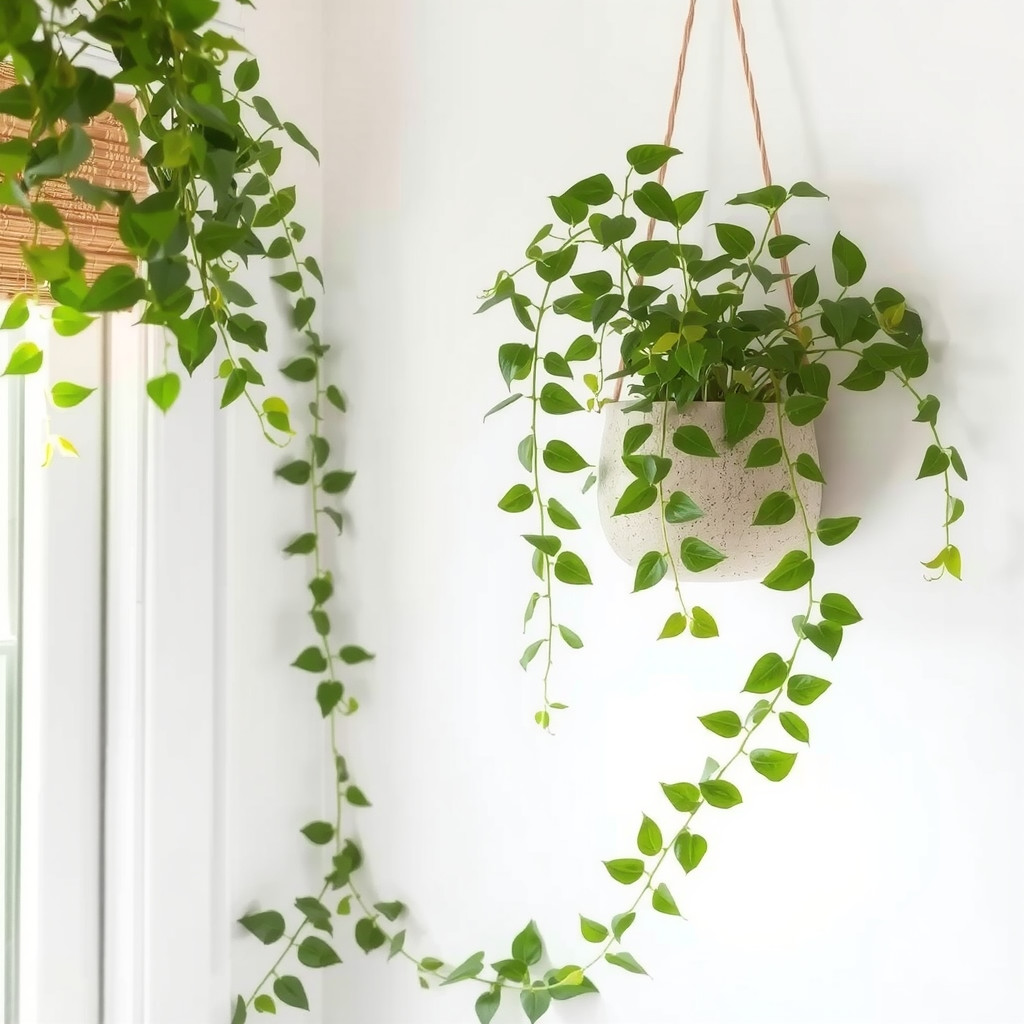
Hanging planters, wall-mounted vases, or a high shelf dedicated to trailing vines add vibrant energy without obstructing traffic flow. The organic shapes of leaves provide a beautiful contrast to the clean lines of minimalist architecture, connecting your interior world with nature.
Tips
- Edit Ruthlessly: Regularly assess your belongings and remove items that no longer serve a function or aesthetic purpose.
- Utilize Mirrors: Position large mirrors opposite windows to reflect natural light and visually double the space.
- Hidden Storage: Invest in furniture with built-in storage to keep daily clutter completely out of sight.
- Monochromatic Palette: Stick to a cohesive color scheme with slight tonal variations to create a seamless visual continuity.
- Multi-functional Pieces: Choose furniture that works double duty, such as a dining table that serves as a desk or an ottoman with storage.
ADVERTISEMENT