ADVERTISEMENT
The Art of Minimalist Living in Compact Spaces
Creating a minimalist home in a small footprint is not about deprivation; it is an exercise in intentionality and refinement. You are curating a space that prioritizes function, tranquility, and breathing room over accumulation. By stripping away the non-essential, you allow the architecture and the few chosen pieces within it to truly sing. This approach transforms a cramped house into an airy sanctuary where every object has a purpose and a place.
Layout and Positioning
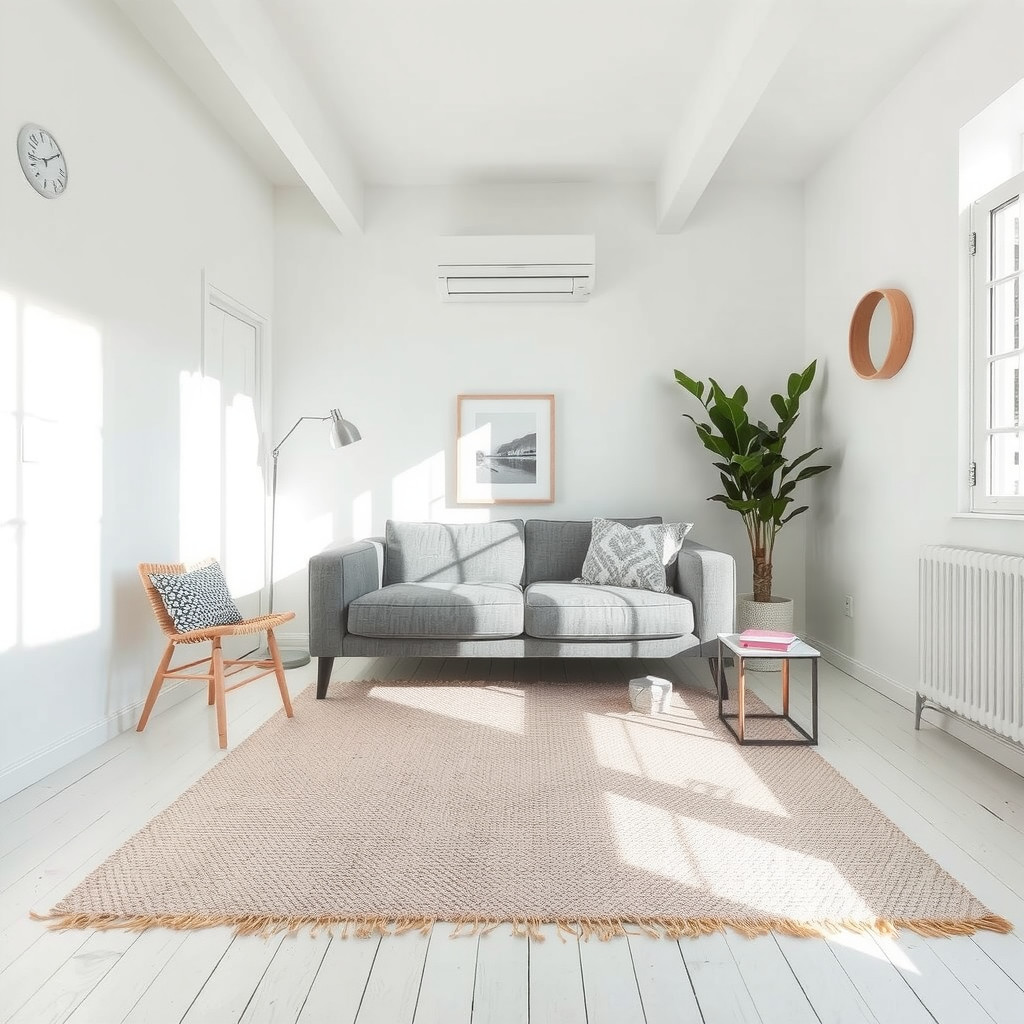
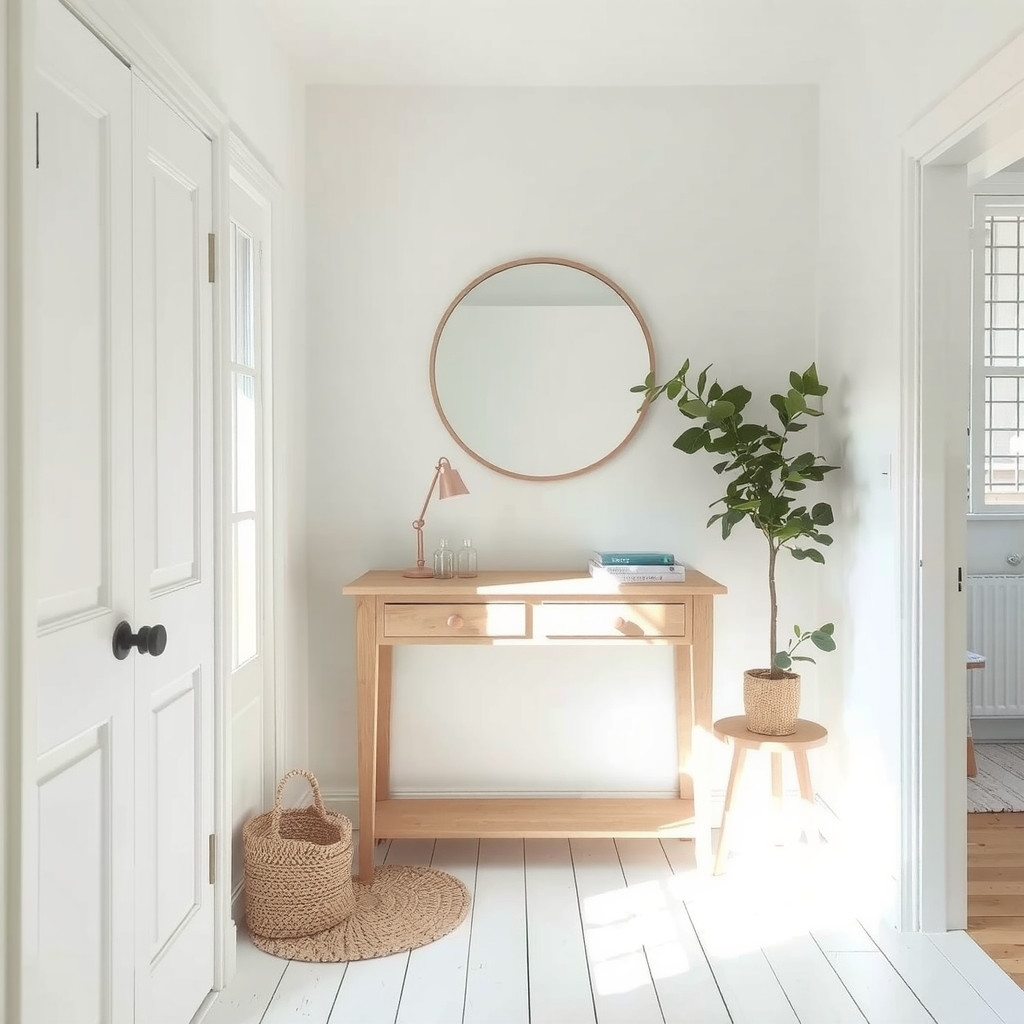
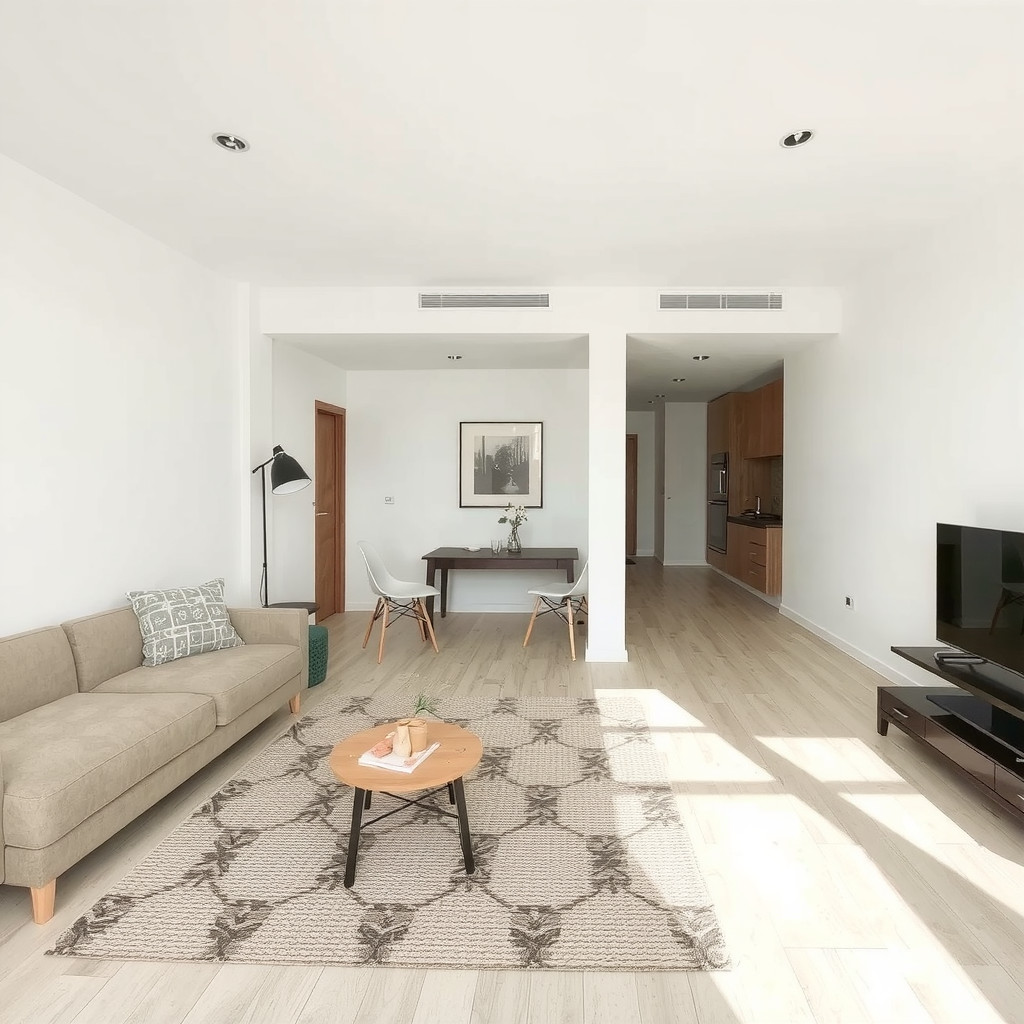
In a compact minimalist home, your floor plan is your most valuable asset. You must resist the urge to push all furniture against the walls, which often creates a “dead zone” in the center of the room. Instead, float your main seating arrangements to create intimate zones and defined pathways. This promotes a sense of flow and makes the room feel wider than it actually is.
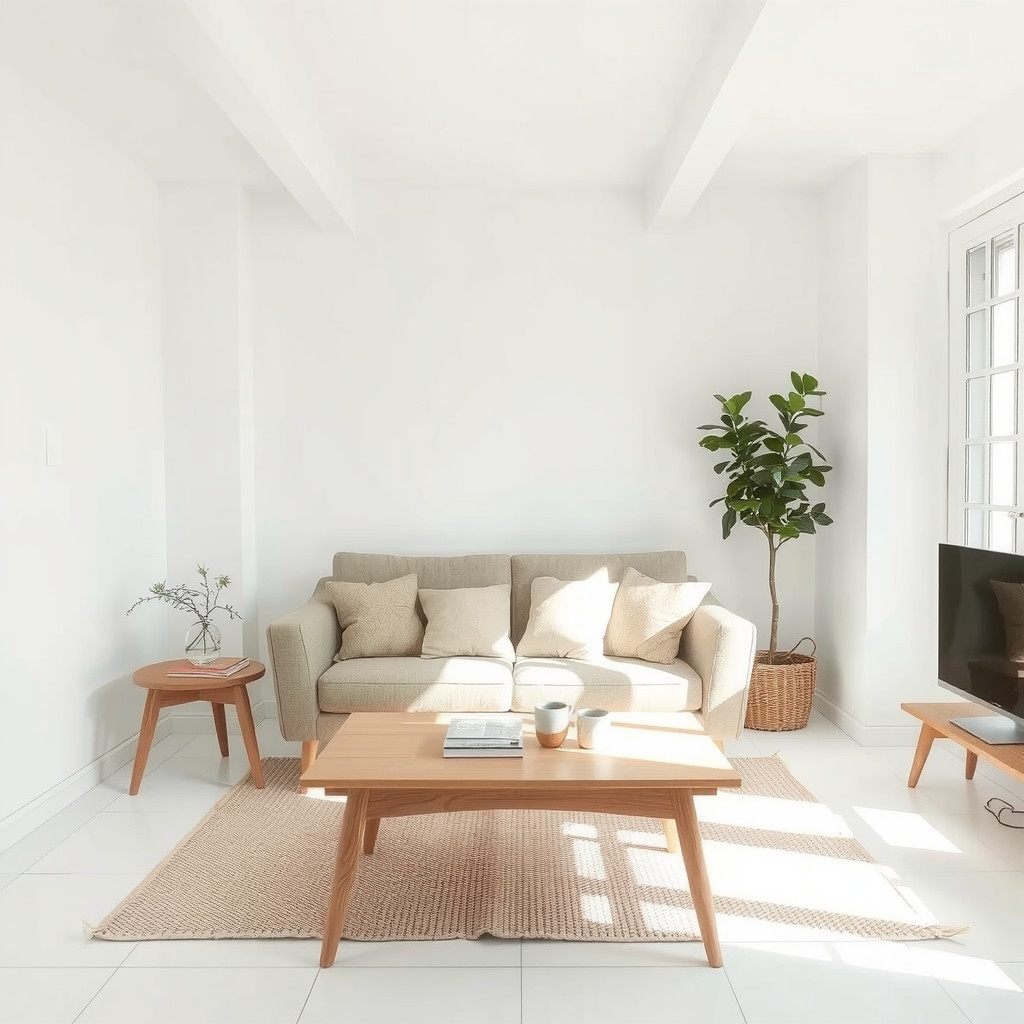
Prioritize low-profile furniture that allows light to travel uninterrupted across the room. A sofa with exposed legs, for instance, reveals more floor area, tricking the eye into perceiving more space. Negative space—the empty areas between objects—is as important as the furniture itself. It gives your eyes a place to rest and reduces visual fatigue.
Materials and Textiles
When you reduce the quantity of items in a room, the quality of materials becomes paramount. Without the distraction of clutter, your tactile experience of the home is heightened. You should focus on a palette of honest, natural materials that age gracefully and add warmth to a neutral scheme. Think pale woods like oak or ash, cool marbles, and matte metals.
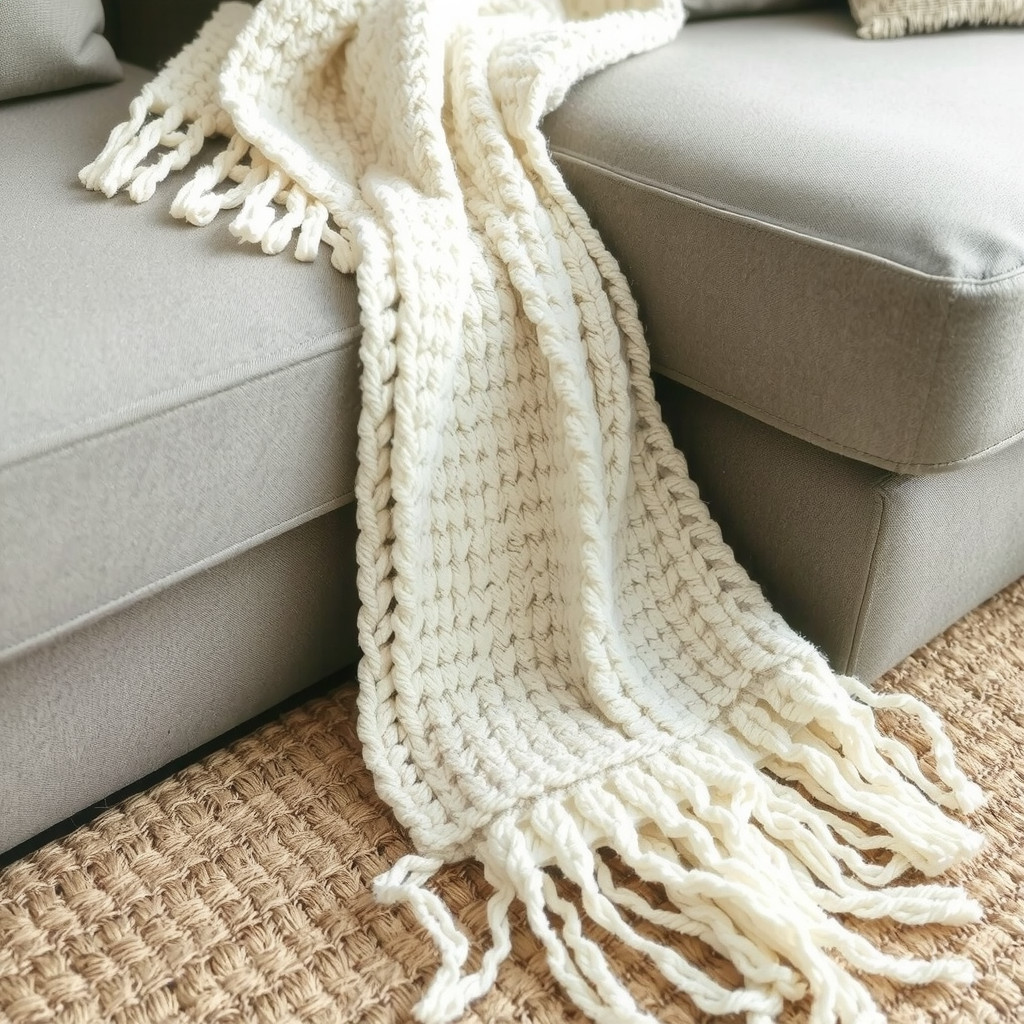
Texture is the secret weapon of minimalism; it prevents a monochromatic space from feeling clinical. Layer different weights of linen, chunky wool knits, and smooth leather to create depth without adding visual noise. A bouclé armchair or a jute rug can add significant interest to a white room simply through the play of light and shadow on their surfaces.
Focal Points
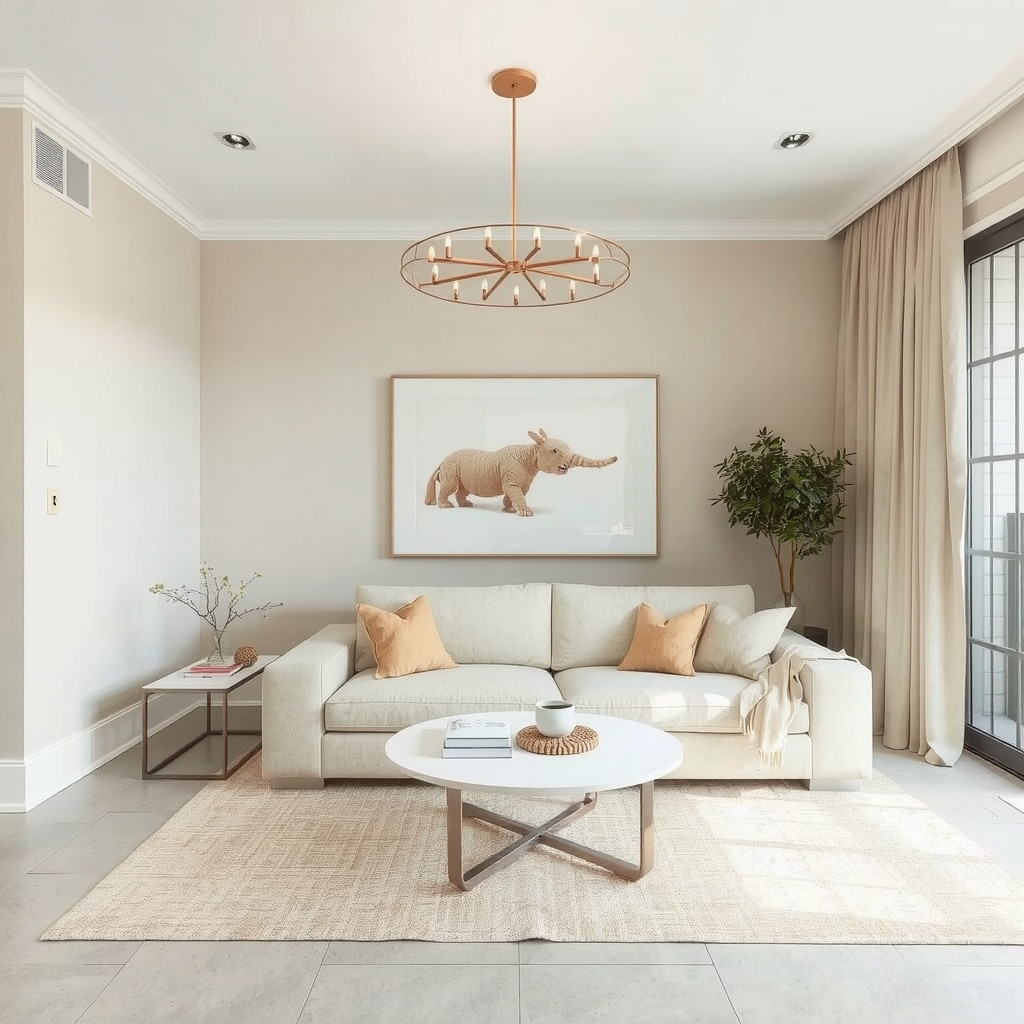
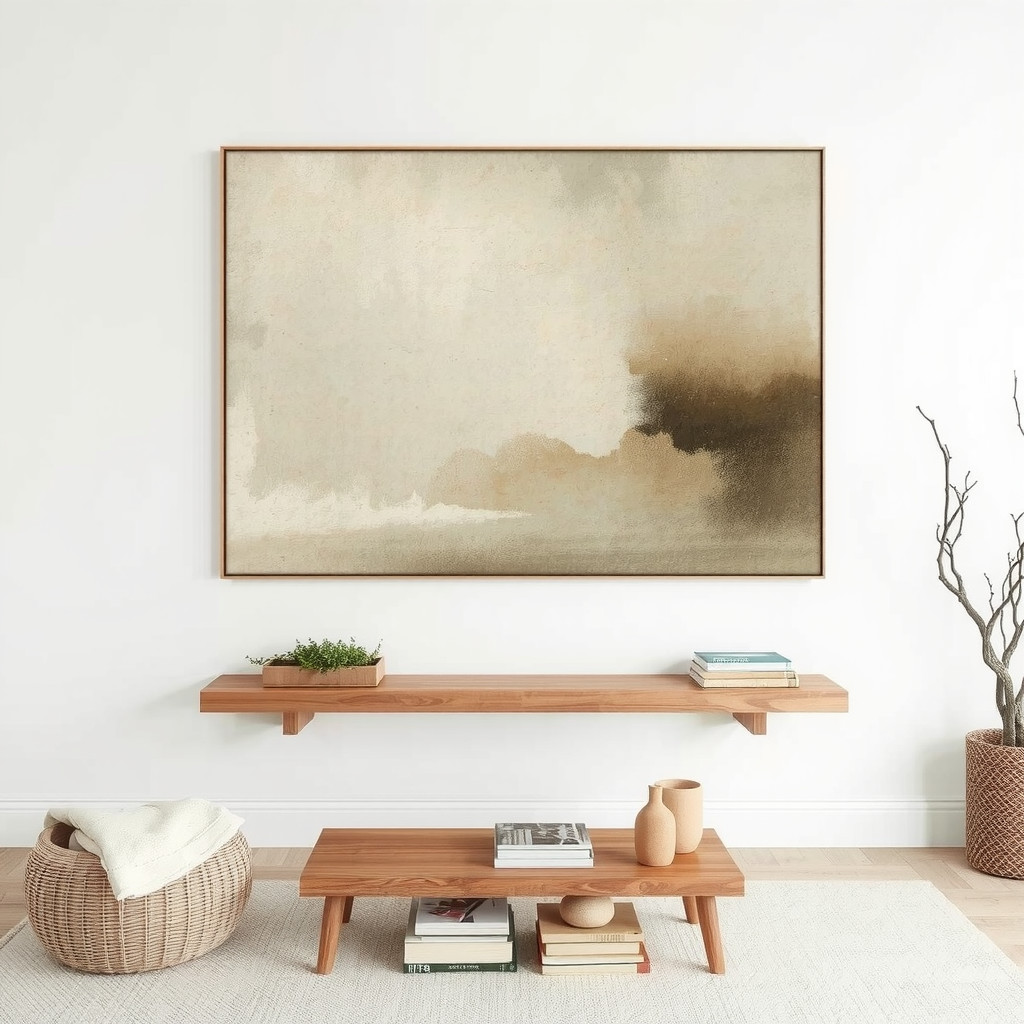
A common misconception is that minimalist walls must be bare. However, a single, strong focal point often grounds a small room better than a scattering of smaller decor items. You should choose one hero piece for each primary zone—perhaps a large-scale abstract painting, a sculptural coffee table, or a statement pendant light.
By anchoring the room with one significant element, you establish a visual hierarchy. This prevents the “cluttered” look that comes from having too many small knick-knacks fighting for attention. Let this focal point dictate the mood of the room, allowing the surrounding elements to play a supportive, quieter role.
Lighting
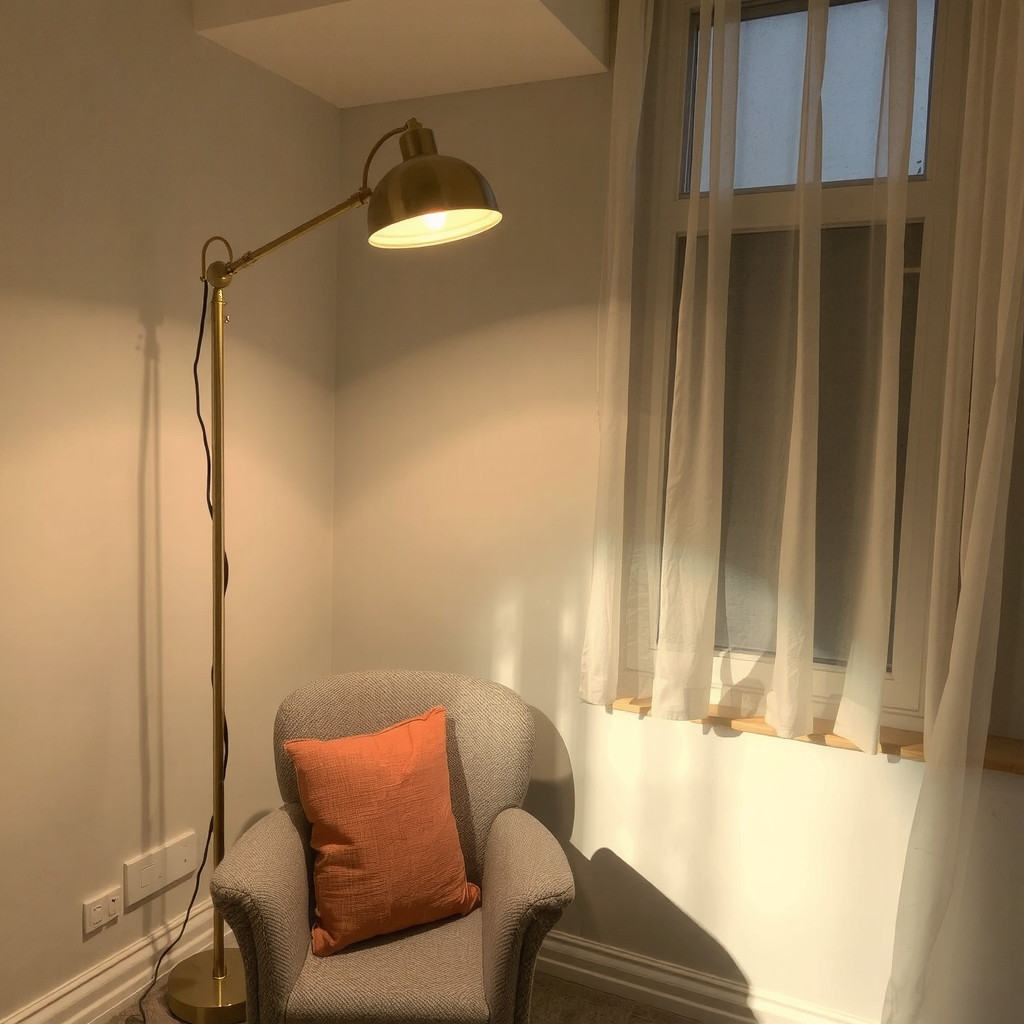
Lighting is the unseen architect of your small minimalist house. Reliance on a single overhead fixture can make a small room feel flat and shrinking. Instead, you need to layer your lighting to create dimension and warmth. Utilize floor lamps and sconces to illuminate corners and wash walls with light, expanding the perceived boundaries of the space.
Maximize natural light wherever possible. Swap heavy drapes for sheer linen curtains or install blinds that can disappear completely when raised. During the day, sunlight bouncing off white or light grey walls will make your compact home feel expansive and airy.
Greenery
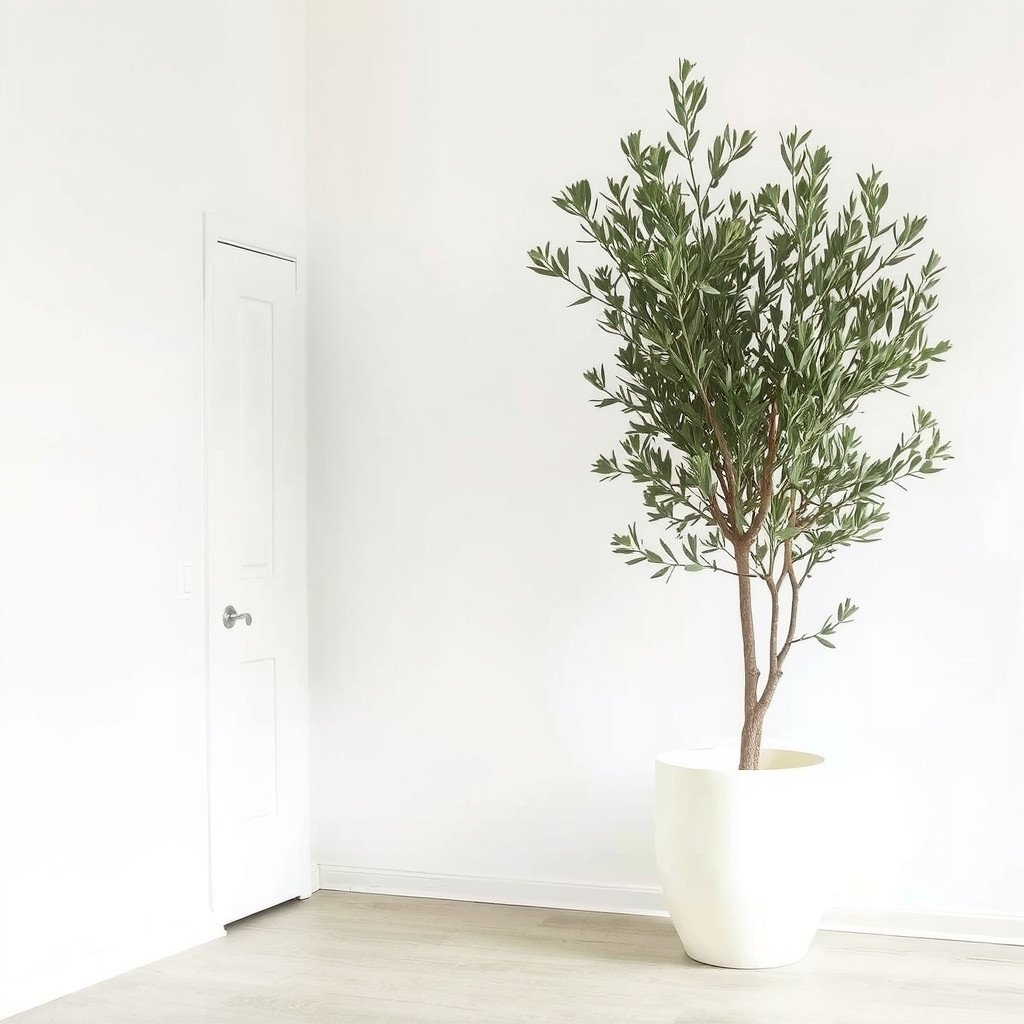
Plants are the perfect accessory for a minimalist home because they add vibrancy and organic shape without counting as “clutter.” However, in a small space, the placement is critical. Avoid a collection of tiny succulents that can look messy. Instead, opt for one or two substantial, structural plants that make a statement.
A tall Fiddle Leaf Fig or a snake plant in a simple ceramic pot can draw the eye upward, emphasizing ceiling height. Vertical gardens or hanging planters are also excellent strategies for adding life to your home without sacrificing valuable floor space.
Tips
- Edit ruthlessly: If an item is not beautiful or useful, it does not belong in your home.
- Utilize hidden storage: Keep daily clutter out of sight with closed cabinetry or ottomans with internal storage.
- Embrace mirrors: distinct placement of a large mirror can double the visual depth of a room.
- Stick to a neutral base: Soft whites, creams, and greys create a cohesive backdrop that blurs the lines between walls and ceiling.
- Invest in multi-functional furniture: Choose pieces like a dining table that doubles as a workspace or a sofa bed for guests.
ADVERTISEMENT