ADVERTISEMENT
The Art of Subtraction: Minimalist Interiors for Compact Homes
When you step into a small home, the immediate sensation should not be one of confinement, but rather of intimate calm. Minimalism in a compact footprint is not merely about removing objects; it is about curating a lifestyle that values space and light over accumulation. By stripping away the non-essential, you create a sanctuary that feels expansive regardless of square footage. This approach invites you to breathe easier, turning limitations into deliberate design choices that celebrate simplicity and function.
Layout and Positioning
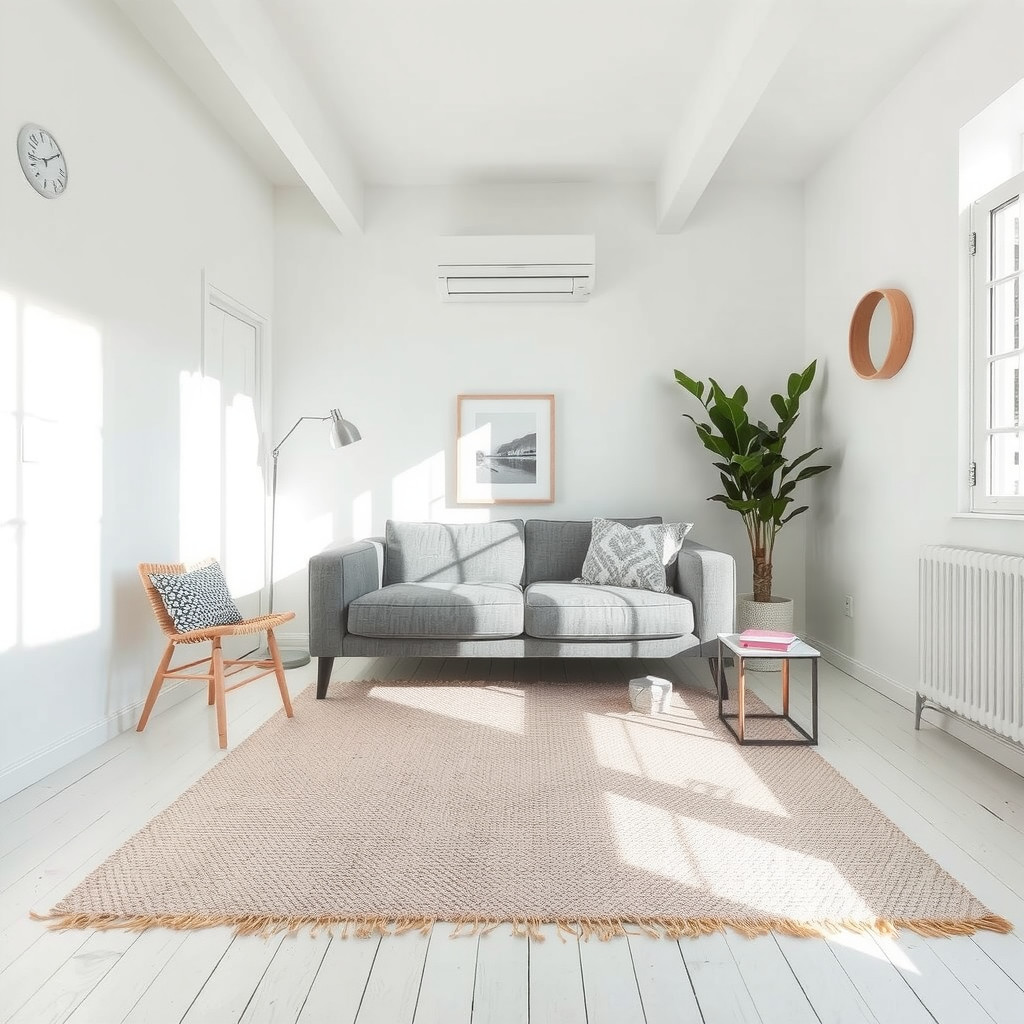
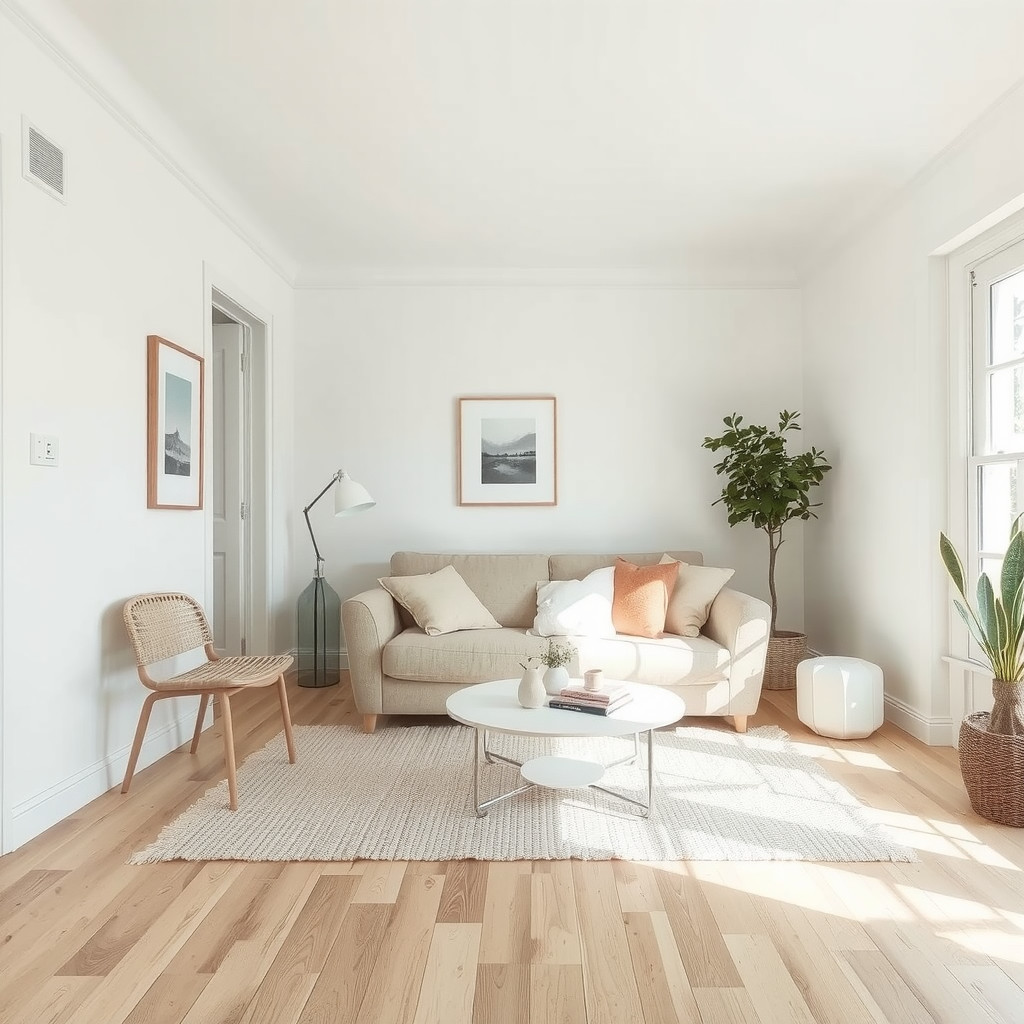
Your journey to a refined small space begins with the floor plan. In a minimalist setting, the negative space—the empty area around furniture—is just as important as the furniture itself. You must resist the urge to push every piece against the wall, which often creates a “dead” center and highlights the room’s small dimensions. Instead, float your sofa or armchairs to create intimate conversation zones that allow traffic to flow naturally around the periphery.
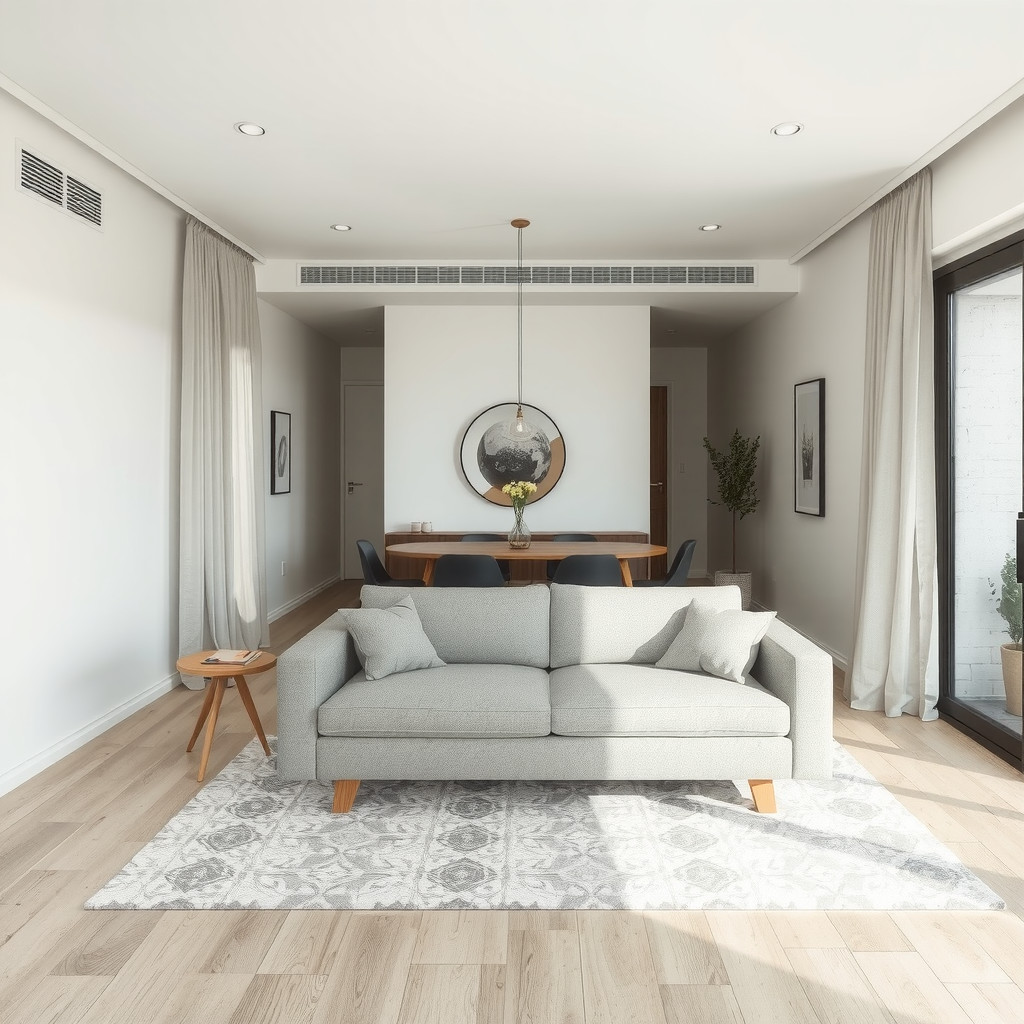
Consider the sightlines from your entryway. You want the eye to travel uninterrupted across the room, perhaps landing on a window or a beautiful architectural detail. Use low-profile furniture to maintain these visual pathways. A sleek, low-back sofa or a transparent acrylic coffee table can make the volume of the room feel significantly larger, ensuring that the space feels airy and unencumbered.
Materials and Textiles
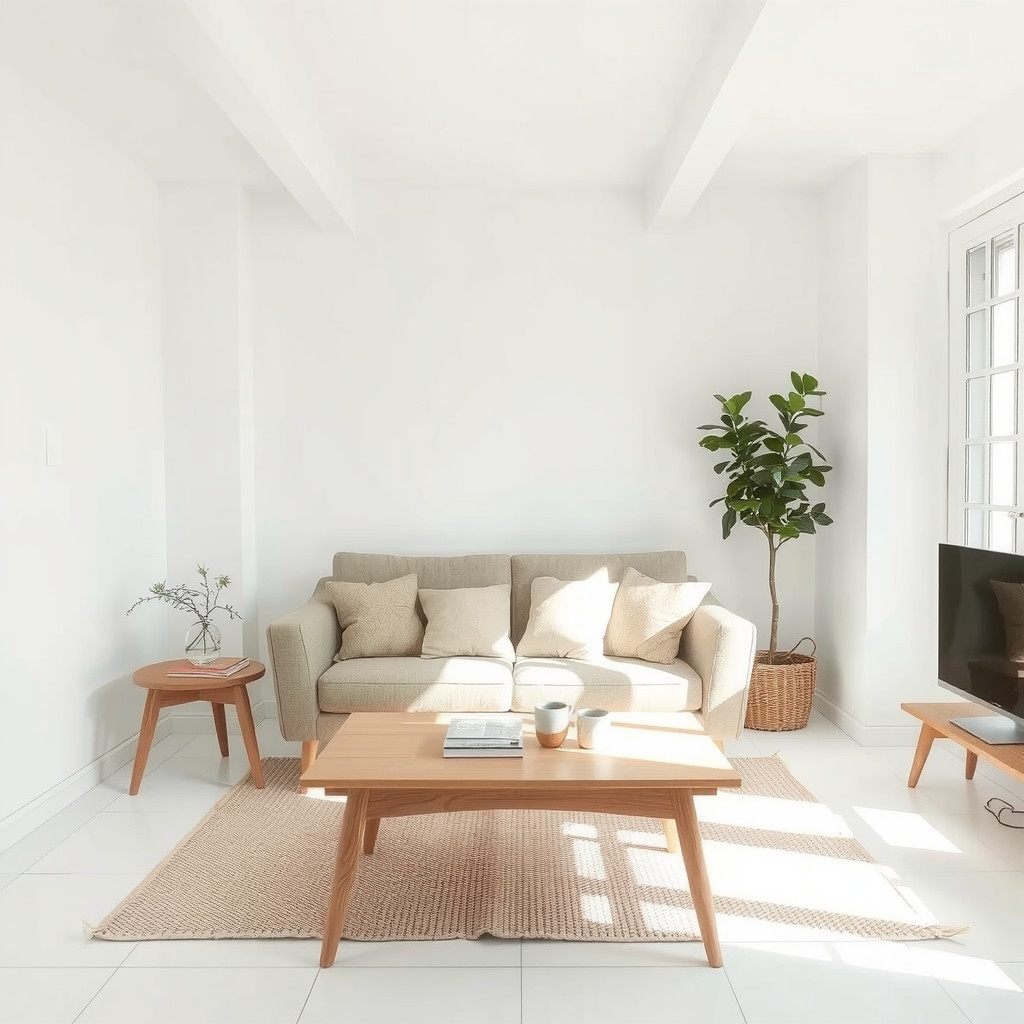
Because you have fewer items in a minimalist home, the quality and texture of each piece become paramount. To prevent your space from feeling sterile or hospital-like, you need to introduce warmth through tactile materials. Imagine walking across smooth, light oak floorboards or running your hand over a nubby wool throw. These sensory experiences replace the visual stimulation of clutter.
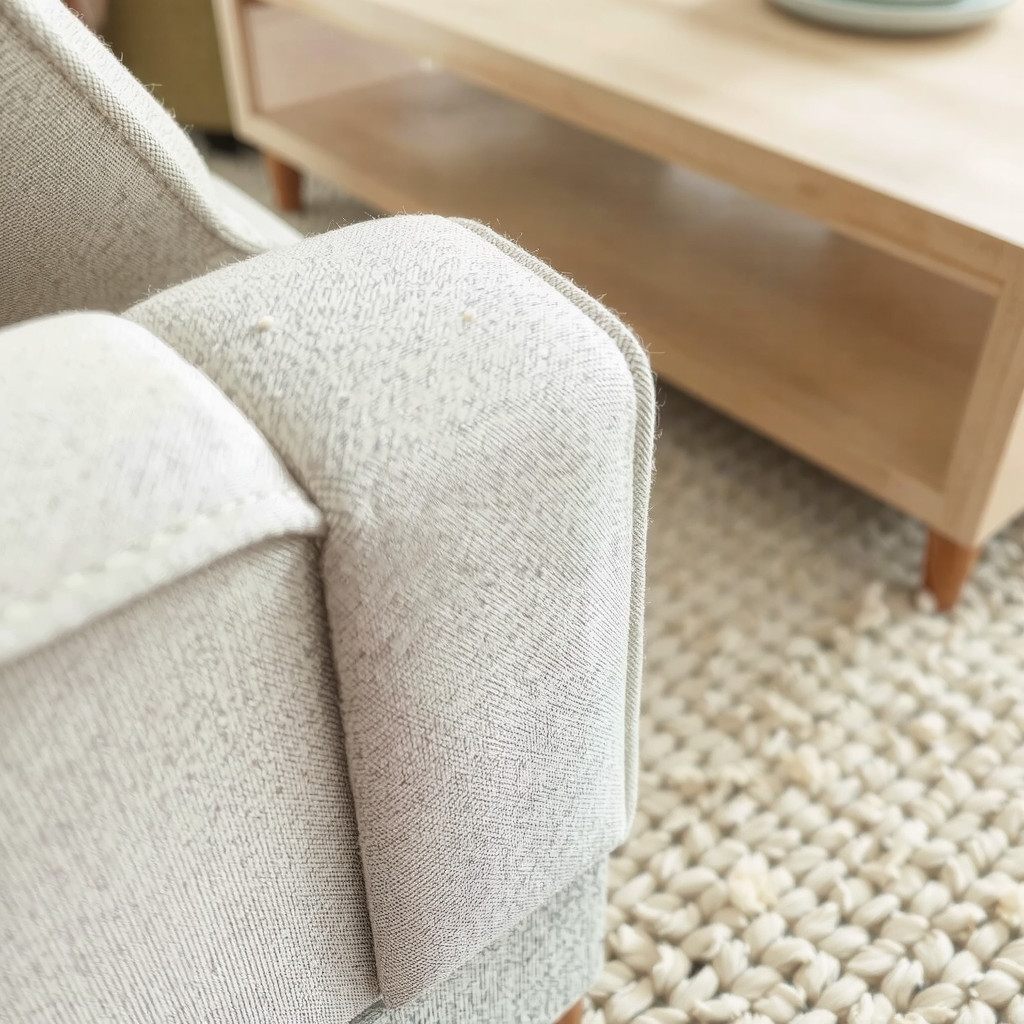
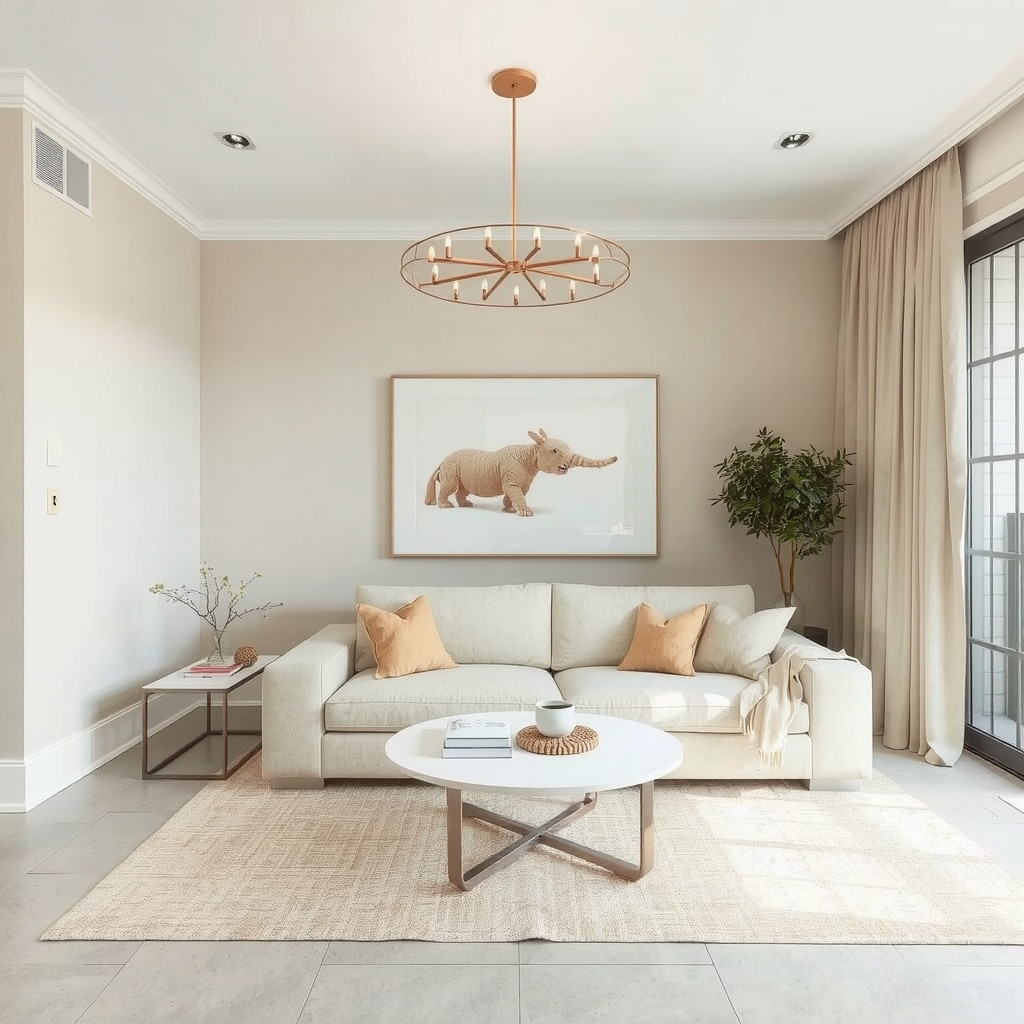
Focus on a tone-on-tone palette using natural materials. Layer shades of cream, stone, oatmeal, and warm gray. Use linen curtains that pool slightly on the floor to add softness, and choose matte finishes over glossy ones to absorb light rather than reflect it harshly. The interplay of rough ceramic, soft cotton, and smooth wood creates a rich, sophisticated environment that feels complete without being crowded.
Focal Points
In a small, minimalist room, your eyes need a singular place to rest. Without a focal point, the gaze wanders aimlessly, creating a subtle sense of unease. Choose one hero piece that anchors the room. This could be a large-scale abstract painting, a sculptural chair with a unique silhouette, or a beautifully framed view of the outdoors.
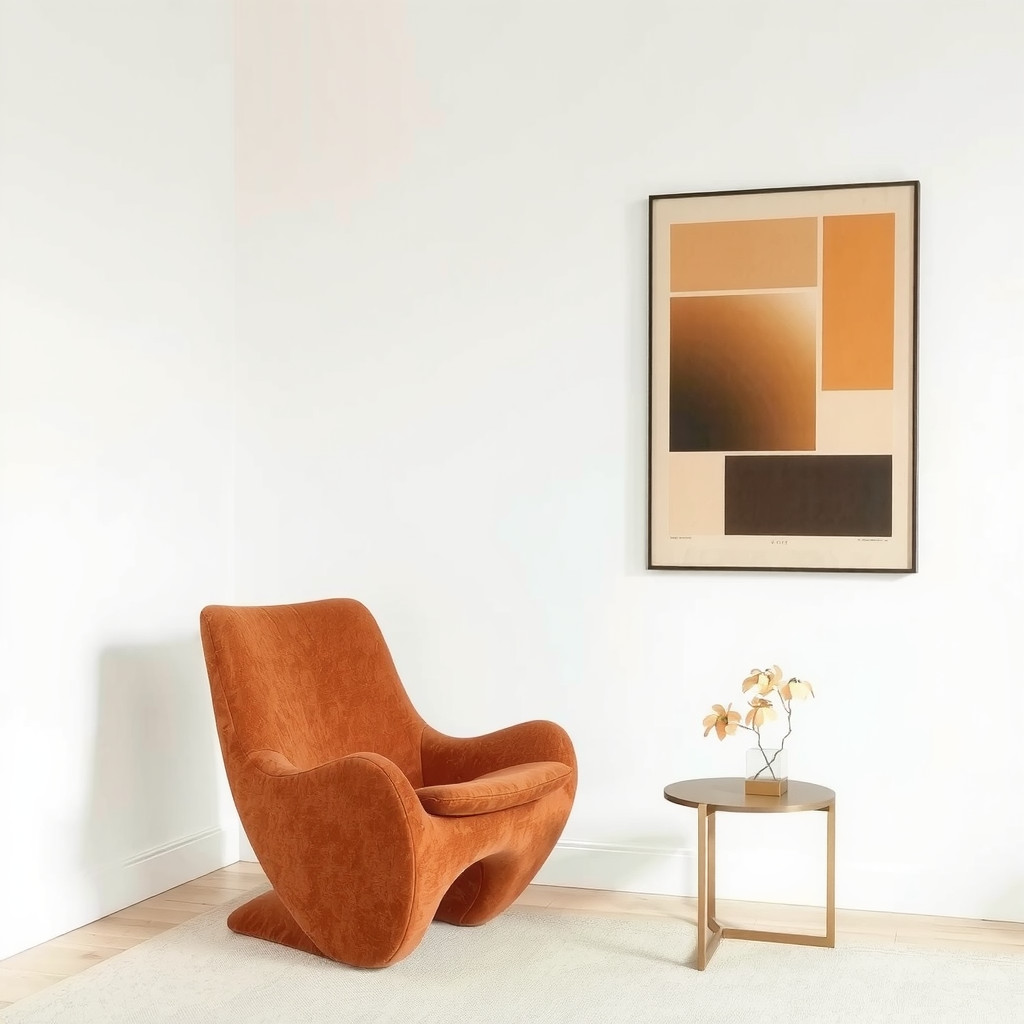
Once you have established this focal point, give it breathing room. Do not surround it with smaller competing items. If you choose a piece of art, let it stand alone on the wall. If it is a statement fireplace, keep the mantel clear of knick-knacks. This discipline commands attention and lends the room a gallery-like elegance that feels intentional and grand.
Lighting
Lighting is the silent architect of your interior. In a small house, relying on a single overhead fixture can shrink the space, casting shadows in corners that make the walls feel closer. You need to layer your lighting to create depth and dimension. Start by maximizing natural light; keep window treatments sheer or retractable to let the sun wash over your white or neutral walls.
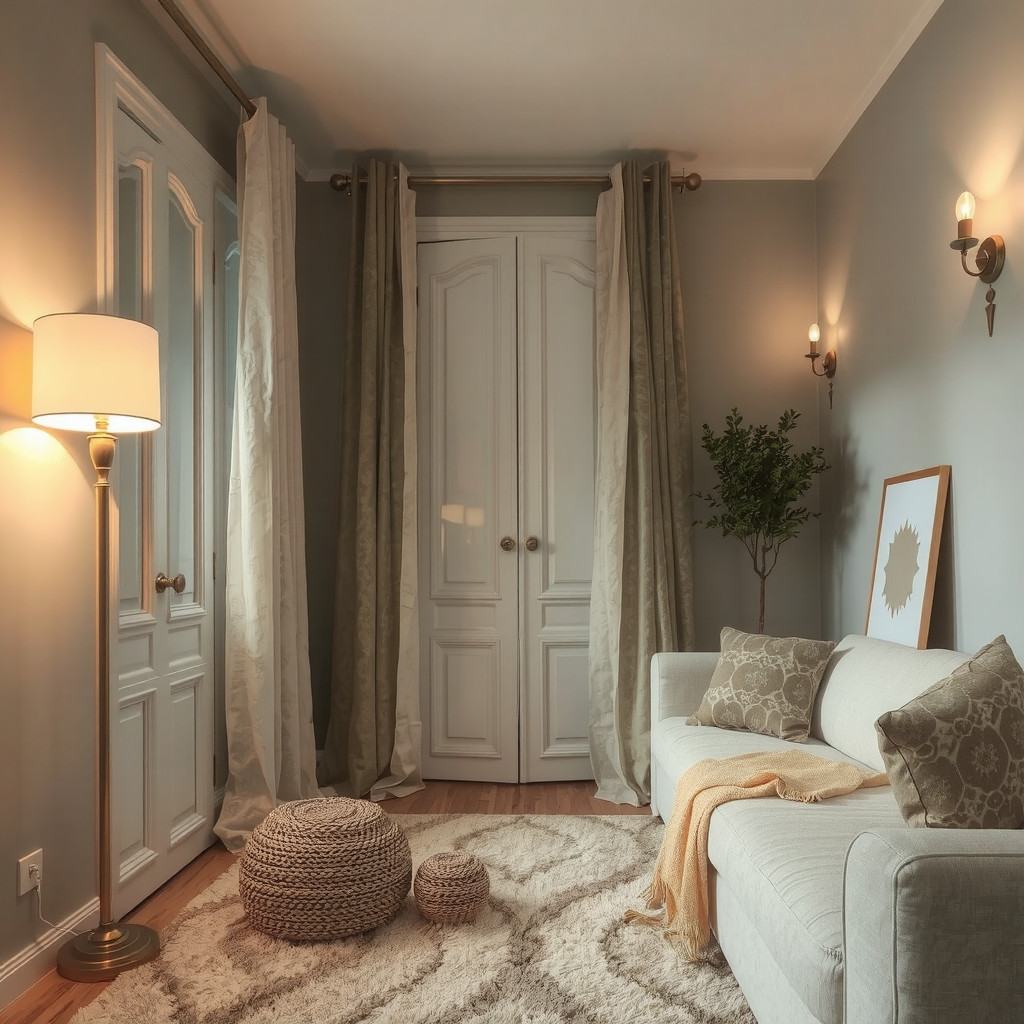
For artificial lighting, focus on warm temperatures (2700K-3000K) to create a cozy, inviting glow. Use floor lamps to illuminate dark corners and sconces to wash walls with light, which visually pushes them outward. A well-placed pendant light over a dining nook can define the zone without the need for walls or rugs, using illumination to carve out distinct areas within an open plan.
Greenery
Plants are the perfect antidote to the rigid lines of modern architecture. They add organic chaos and vibrancy that breathes life into a minimalist scheme. However, in a small house, you must be selective. A jungle of small pots can quickly look cluttered. Instead, opt for one or two substantial plants that make a statement.
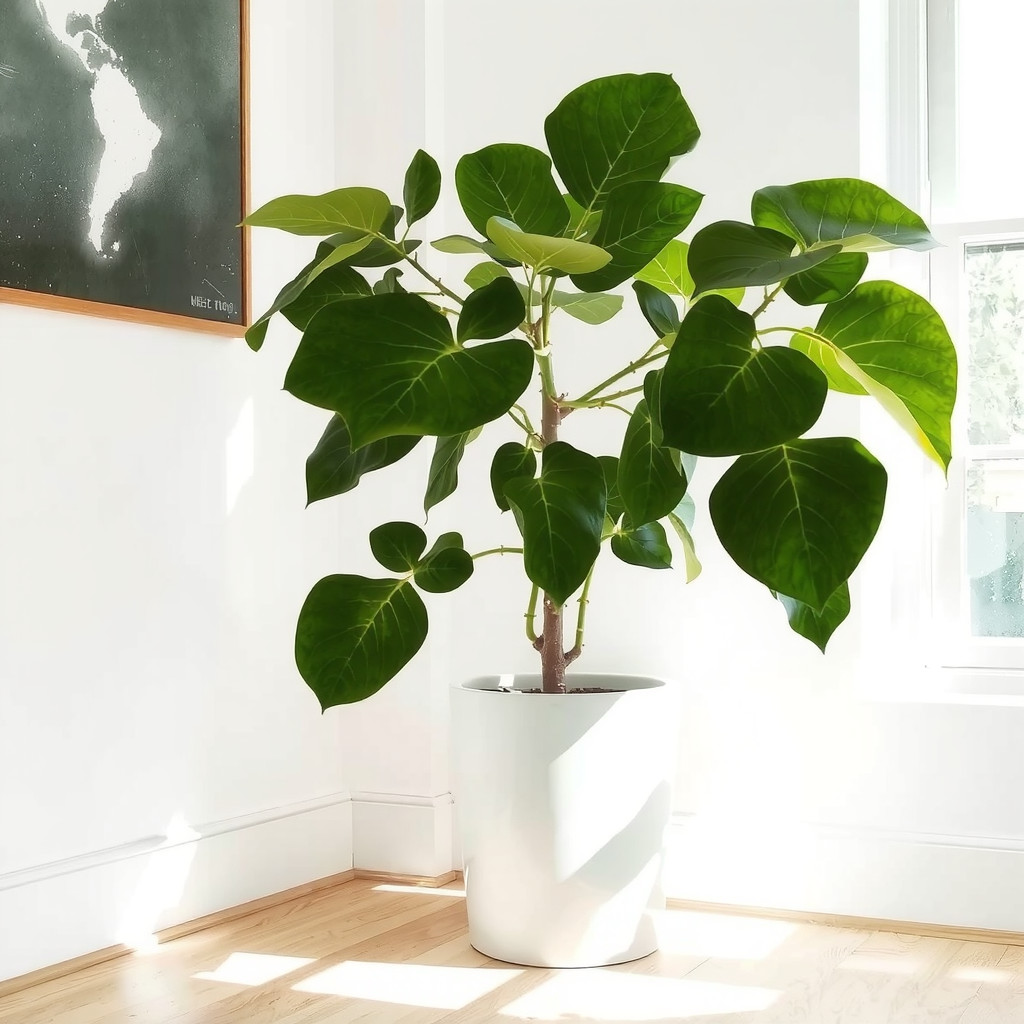
Position a tall Fiddle Leaf Fig or a sweeping Monstera in a corner to soften the angles of the room. The green foliage pops beautifully against a neutral backdrop, acting as a living sculpture. Ensure the planters are simple—concrete, terracotta, or matte white—so they integrate seamlessly with your overall design aesthetic rather than distracting from it.
Tips
- Edit ruthlessly: If an item does not serve a function or bring you joy, remove it to maintain clear surfaces.
- Multi-functional furniture: Choose ottomans with storage or dining tables that double as desks to maximize utility.
- Mirrors: Place a large mirror opposite a window to bounce light and visually double the space.
- Vertical storage: Utilize height with tall, closed cabinetry to hide clutter and draw the eye upward.
- Consistent flooring: Use the same flooring material throughout the house to eliminate visual breaks and enhance flow.
ADVERTISEMENT