ADVERTISEMENT
The Art of the Shadow: Curating a Moody Bedroom for Restful Sleep
There is a profound tranquility found in the depths of color. While bright, airy spaces have their place, a bedroom bathed in deep, moody hues offers a unique kind of sanctuary—one that wraps around you like a warm embrace. Shifting your palette to charcoal, navy, forest green, or even matte black transforms the atmosphere from energetic to restful.
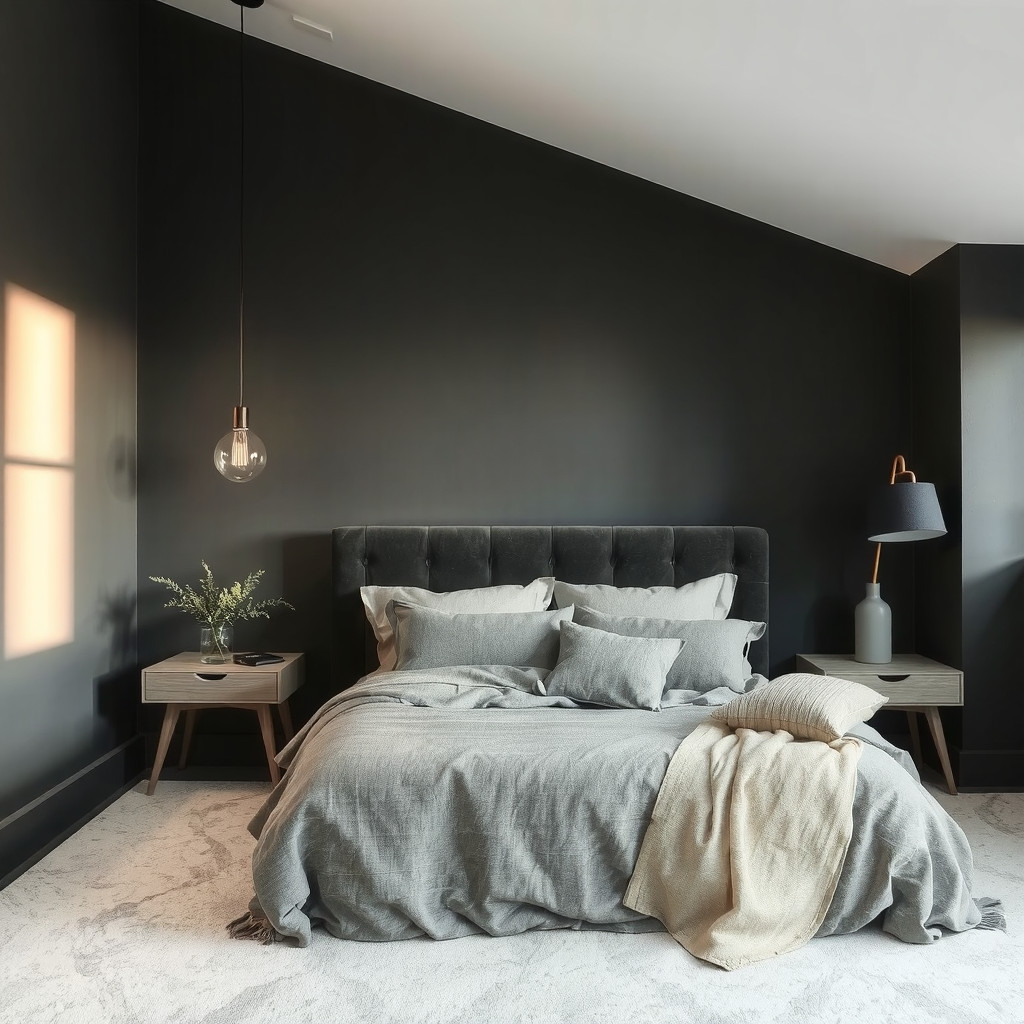
This aesthetic isn’t about gloom; it is about grounding. By reducing visual noise and dimming the environment, you signal to your body that it is time to unwind, promoting deeper, more restorative sleep. The darkness acts as a visual quietness, allowing your mind to detach from the chaos of the day.
Layout and Positioning
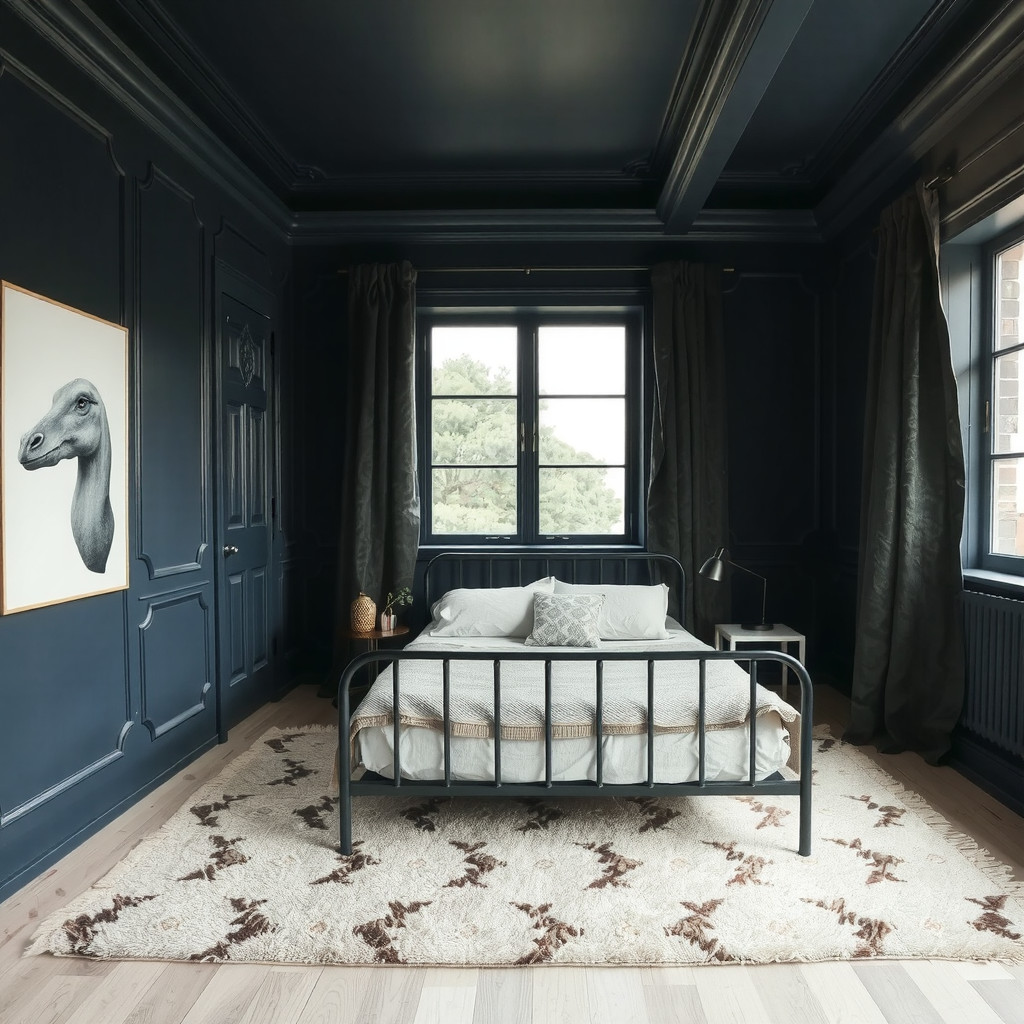
In a dark-themed room, spatial arrangement becomes essential to prevent the space from feeling claustrophobic or cave-like. Your bed should act as the undeniable anchor, positioned centrally to command the room while allowing breathing space on either side. Symmetry here provides a sense of order that calms the mind.
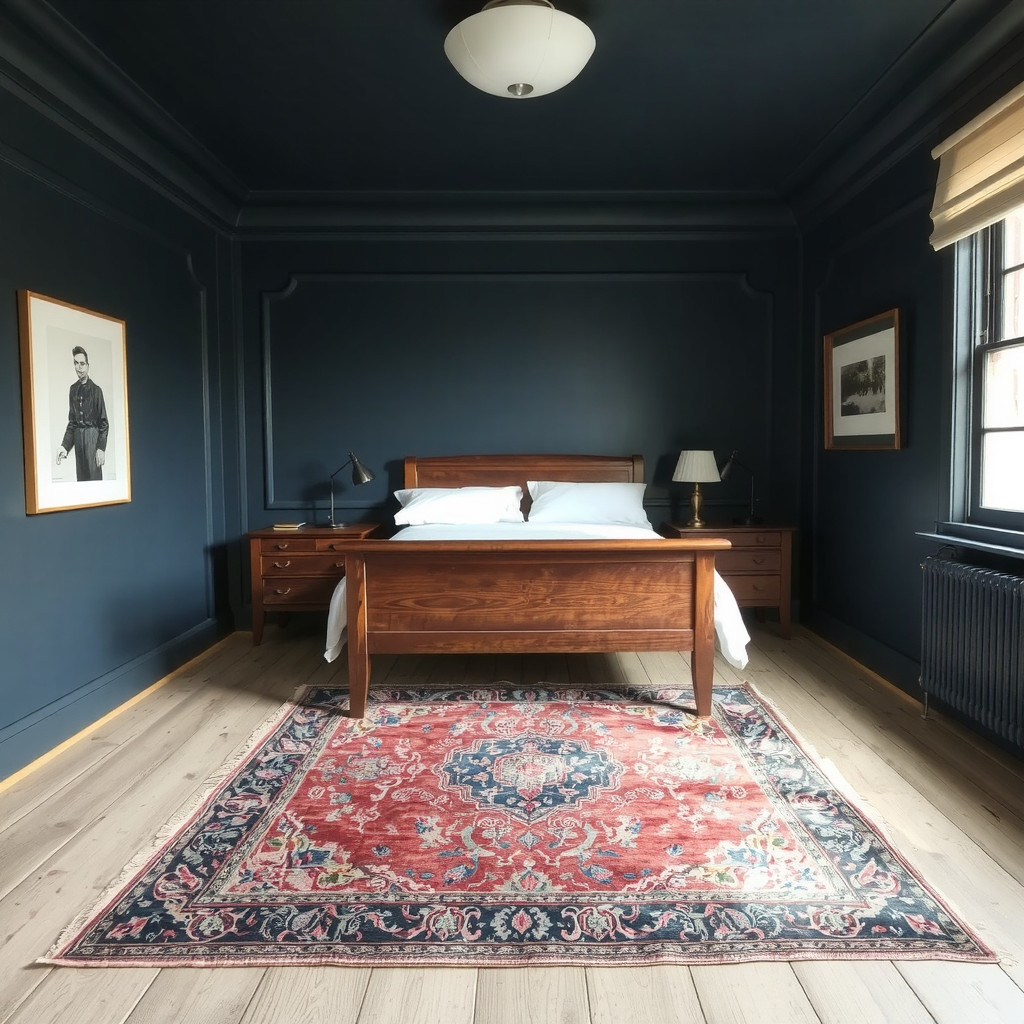
Consider floating furniture slightly off the walls if space permits, creating shadows that add depth rather than clutter. Use a large area rug in a complementary deep tone to define the sleeping zone, ensuring the darkness feels intentional and structured rather than accidental. The floor plan should encourage flow, ensuring that the heavy colors don’t feel oppressive.
Materials and Textiles
When walls absorb light, textures must step in to provide visual interest. A monochromatic dark room falls flat without a rich variety of tactile surfaces. Layering is your best friend here. Think of sumptuous velvets, chunky knit wools, and smooth silks that catch the limited light in different ways.

Contrast is key to keeping the space dynamic. If your walls are matte black, opt for a satin finish on your duvet or a leather armchair in a rich cognac tone. These material differences prevent the room from merging into a single dark mass and instead elevate it to a sophisticated, boutique-hotel style lounge.
Focal Points
Every moody bedroom needs a dramatic focal point to break up the expanse of deep color. This is often the headboard, which can serve as a statement piece—perhaps in a tufted emerald velvet or a raw, dark wood. Alternatively, use art to create a window into another world.
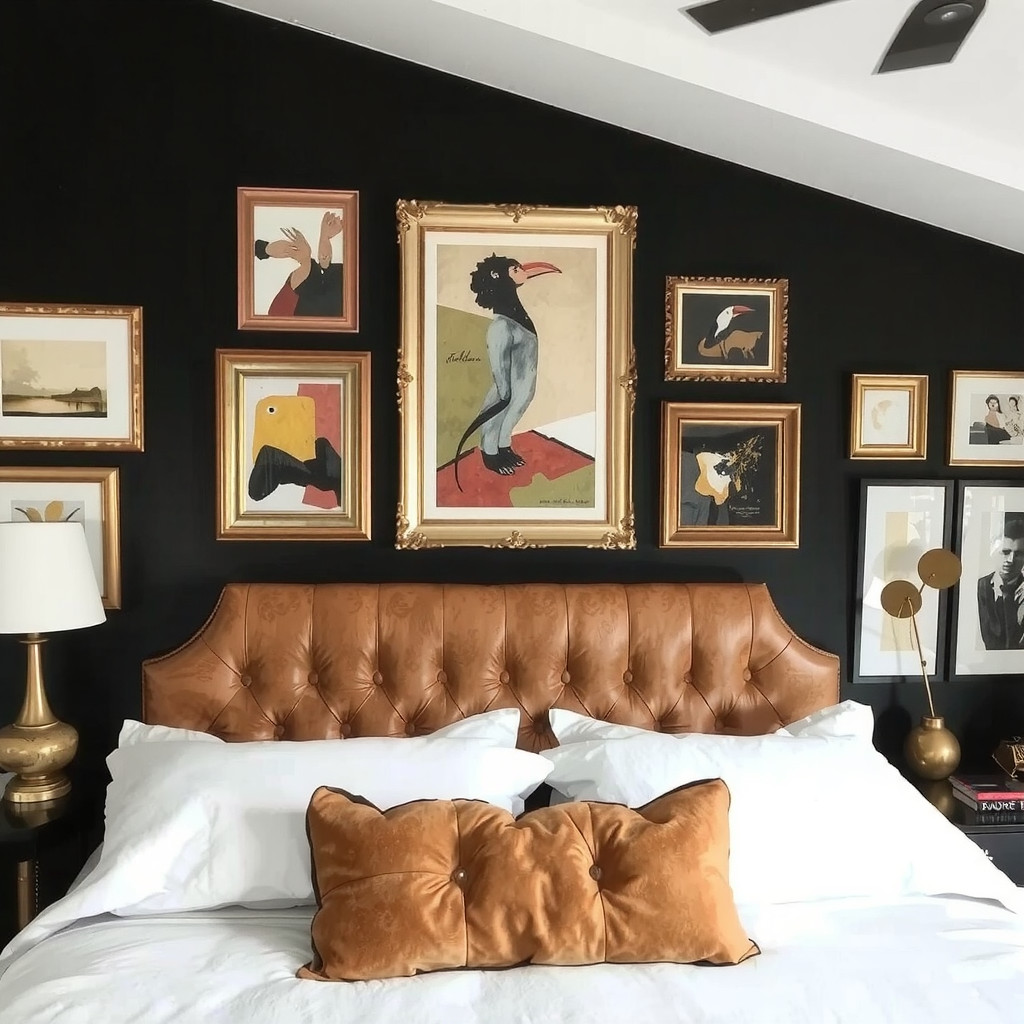
Metallic accents work exceptionally well as focal points in dark interiors. A large brass mirror, gold picture frames, or a piece of abstract sculpture reflects light and adds a touch of glamour that contrasts beautifully with the somber background, adding a spark of life to the shadows.
Lighting
Lighting is the make-or-break element in a dark bedroom. You want to avoid a single, harsh overhead light that flattens the space and makes the dark walls look muddy. Instead, focus on creating pools of warm, directed illumination. Layer your lighting sources using table lamps, floor lamps, and wall sconces.
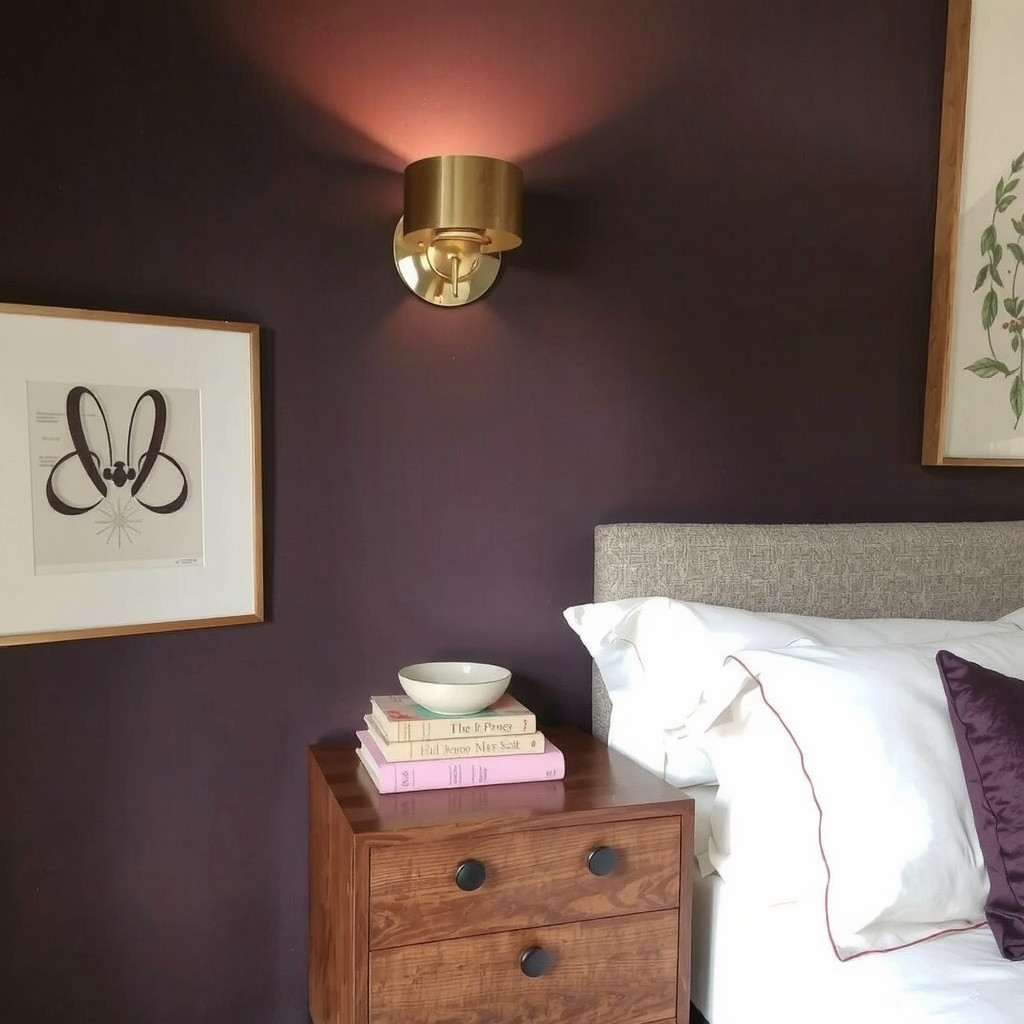
Use warm-toned bulbs (2700K or lower) to enhance the cozy vibe. Dimmers are essential; they allow you to transition from a reading nook brightness to a soft, candle-like glow that prepares your mind for sleep. The goal is to illuminate specific textures and corners, leaving others in mystery.
Greenery
Bringing nature indoors breathes life into moody spaces. The vibrancy of chlorophyll-rich leaves creates a stunning contrast against dark walls. Plants act as living sculptures that soften the architectural edges and purify the air, making the room feel fresh despite the heavy colors.
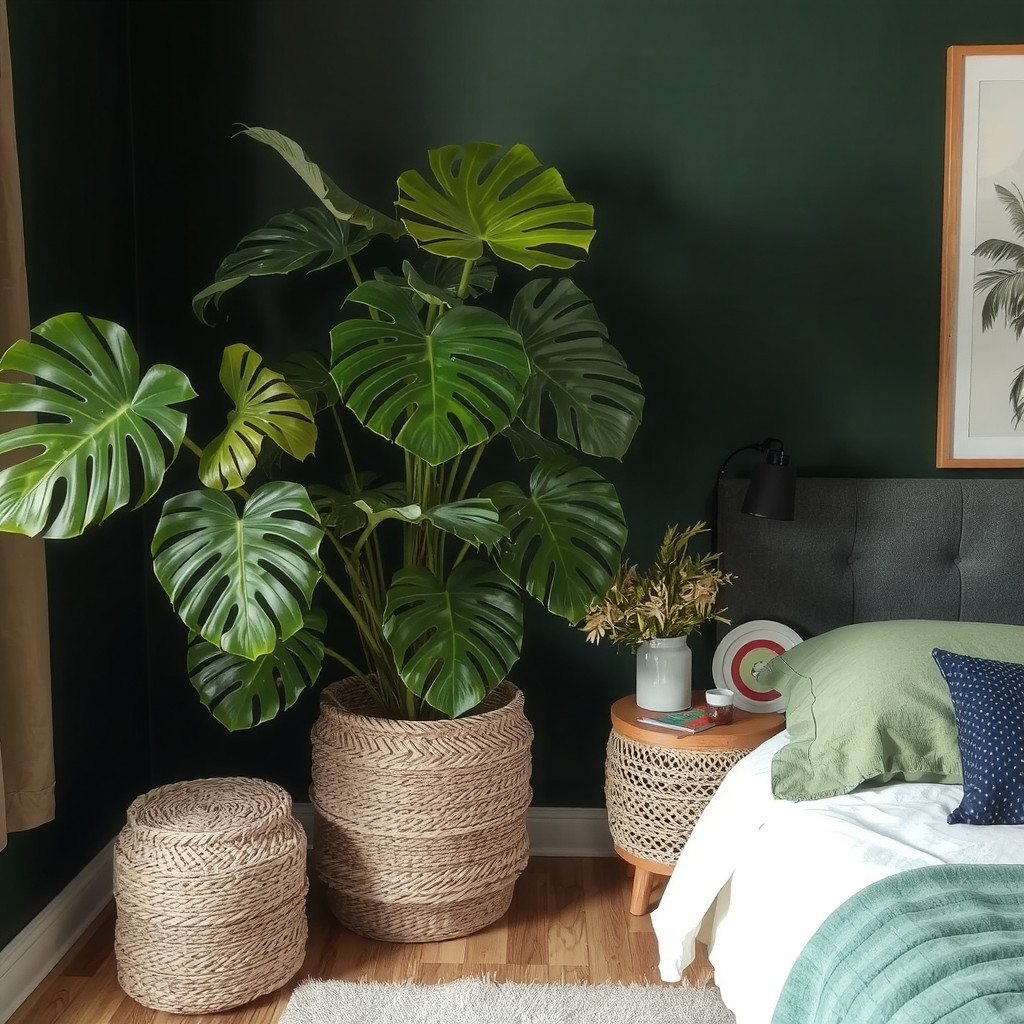
Choose plants with structural interest, like a tall Ficus, a snake plant, or a trailing Pothos. The deep greens naturally complement navy, black, and plum tones, bridging the gap between the indoors and the natural world outside.
Tips
- Paint the Ceiling: Don’t leave the ceiling white; painting it the same color as the walls (or a shade lighter) creates a seamless, cocoon-like effect that heightens the sense of enclosure.
- Matte Finishes: Opt for matte or eggshell paint finishes to absorb light and enhance the velvety feel of the walls, hiding imperfections better than gloss.
- Reflective Accents: Incorporate mirrors, glass, or metallic hardware to bounce light around and prevent the room from feeling too heavy or dead.
- Warm Woods: Walnut or mahogany furniture tones warm up cool dark blues and grays better than light oak or whitewashed woods.
- Edit Clutter: Dark rooms hide dust but highlight clutter; keep surfaces clean to maintain the serene, sanctuary-like atmosphere.
ADVERTISEMENT