ADVERTISEMENT
The Art of Transitional Calm: Designing a Timeless Sanctuary
Creating a home that feels both effortlessly current and deeply inviting is a delicate balancing act. You want a space that breathes, a personal retreat that washes away the noise of the outside world the moment you step through the door. The transitional design style—blending the clean lines of modernism with the warmth of traditional aesthetics—offers exactly this kind of serenity. It is not about chasing fleeting trends, but about curating an environment that feels established yet fresh.
Layout and Positioning
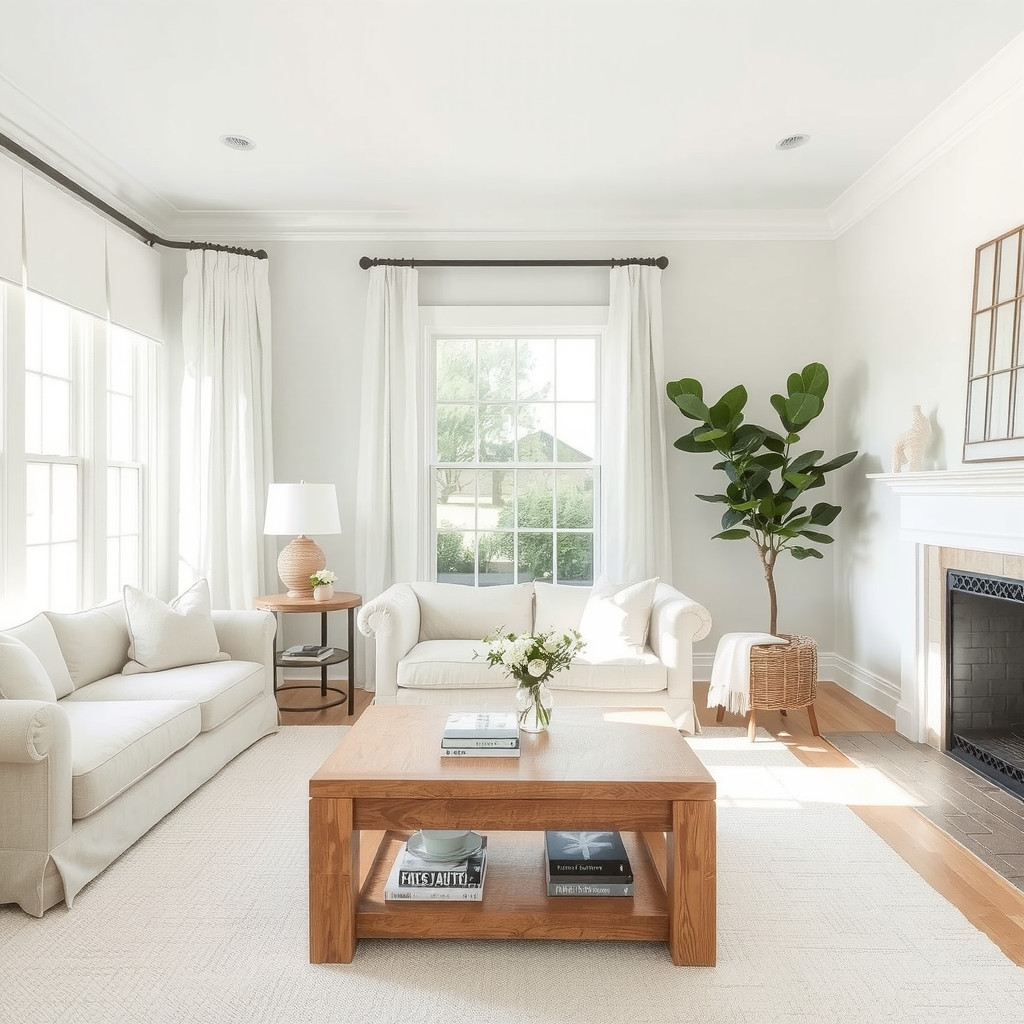
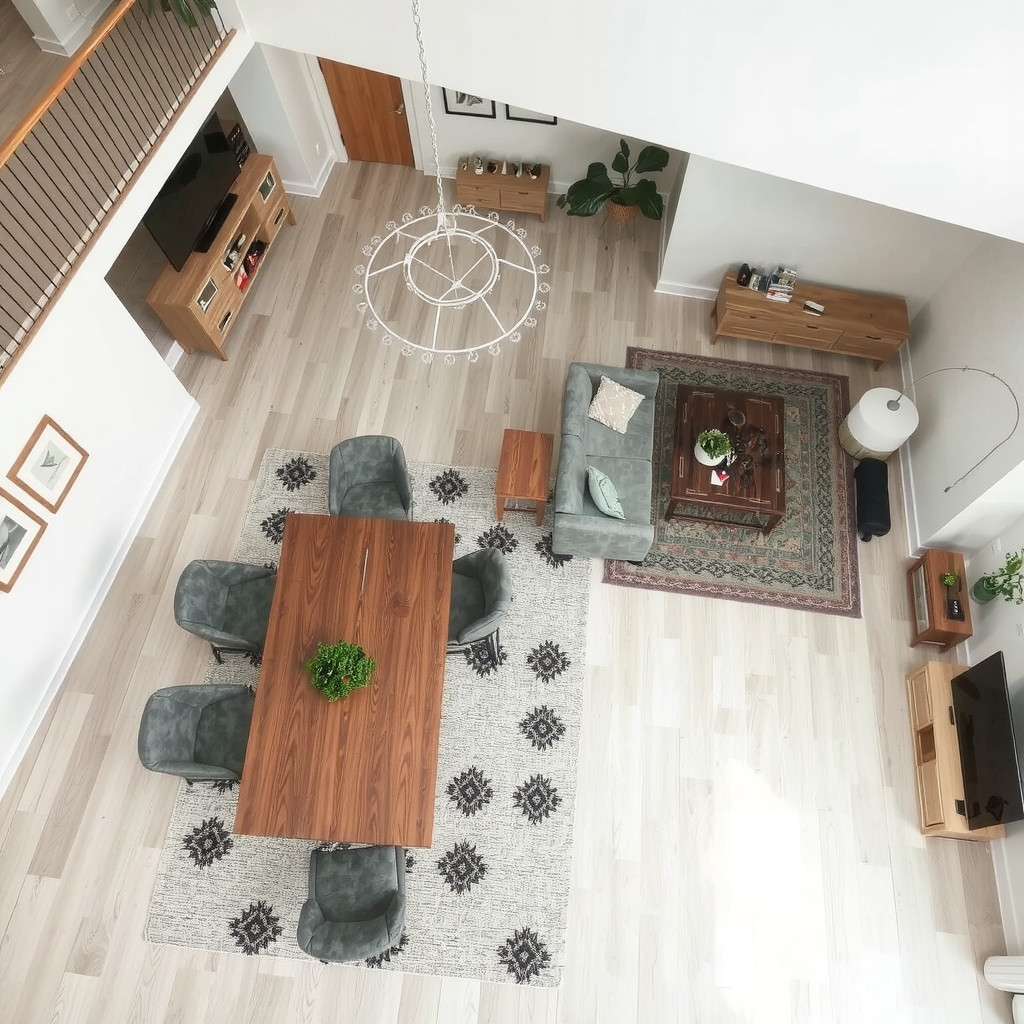
The secret to a calm home often lies in what isn’t there. Negative space is not empty; it is active. When you arrange your furniture, you must resist the urge to push everything against the walls. instead, float your sofa and armchairs to create intimate conversation circles that anchor the center of the room. This floating technique allows energy to flow around the seating area, making the room feel larger and more cohesive.
Consider the pathways you walk every day. You need clear, unobstructed routes that guide you logically from the entryway to the living area, and from the kitchen to the dining space. A well-thought-out layout prioritizes ease of movement, ensuring you never have to dodge a corner or squeeze past a table.
Materials and Textiles
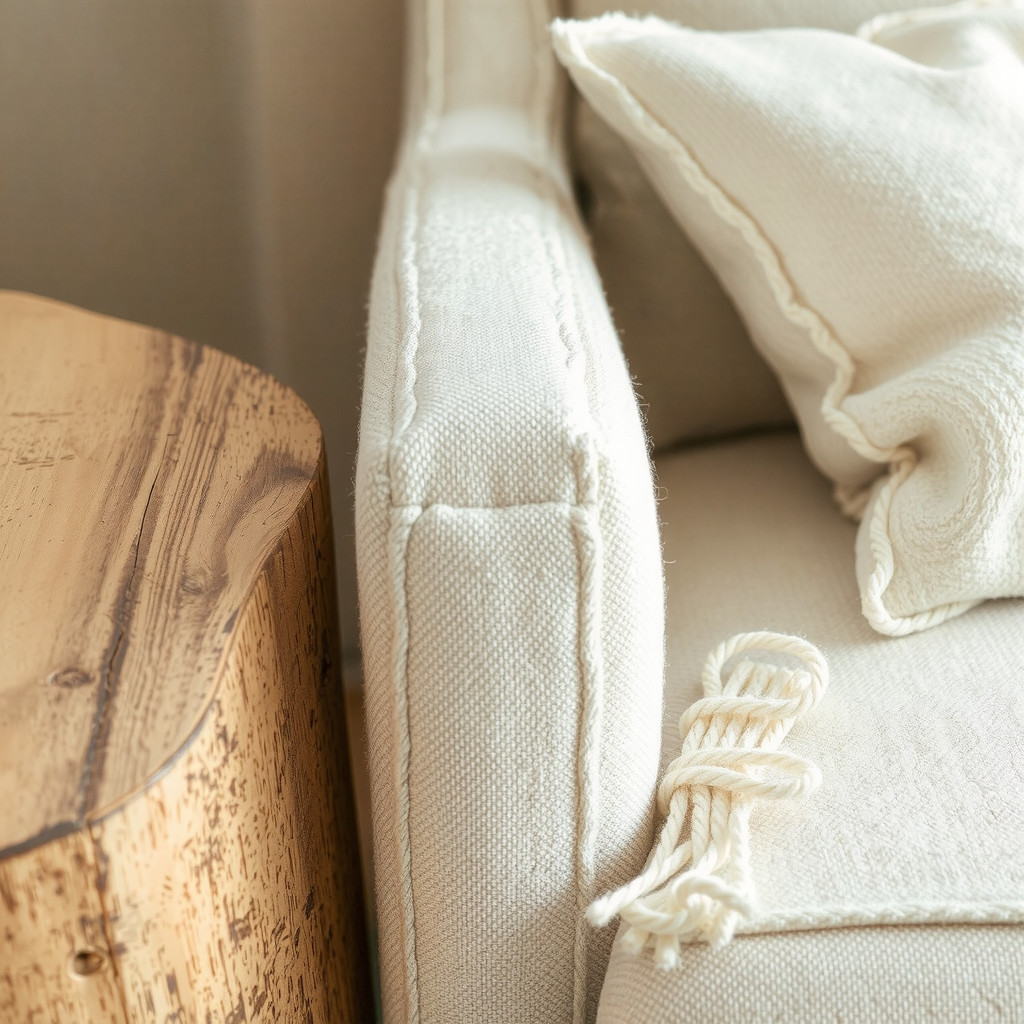
Texture is the silent language of design. It communicates comfort before you even sit down. In a transitional sanctuary, you should aim for high contrast in tactile experiences while keeping the color palette relatively low contrast. Imagine the roughness of a jute rug layered beneath the smoothness of a velvet ottoman, or the cool touch of a marble side table next to a warm, grain-heavy oak console.
Focus on natural materials that age gracefully. Linen, wool, leather, and wood bring an inherent sense of history and grounding to a space. When you mix these organic elements, you create a rich, sensory tapestry that feels luxurious without being ostentatious.
Focal Points
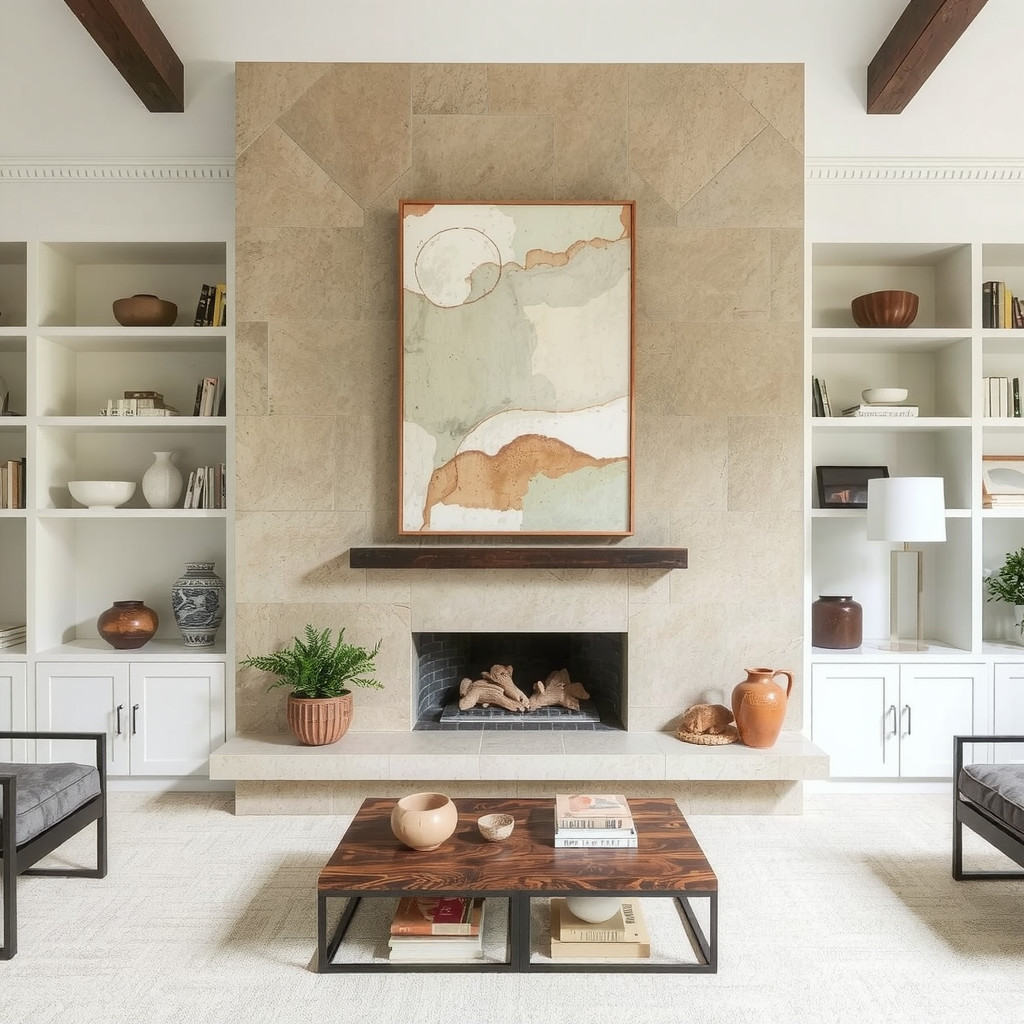
Every room needs a hero—a single element that draws your eye immediately and grounds the visual experience. Without a focal point, your eye wanders aimlessly, creating a subtle sense of unease. In a living room, this might be a architectural feature like a fireplace clad in limestone or plaster. If your architecture is more modest, you can create this effect with a large-scale piece of abstract art or a statement cabinet.
Once you have identified this anchor, ensure that other elements in the room pay homage to it without competing. Your furniture arrangement should orient toward it, acknowledging its importance in the hierarchy of the room.
Lighting
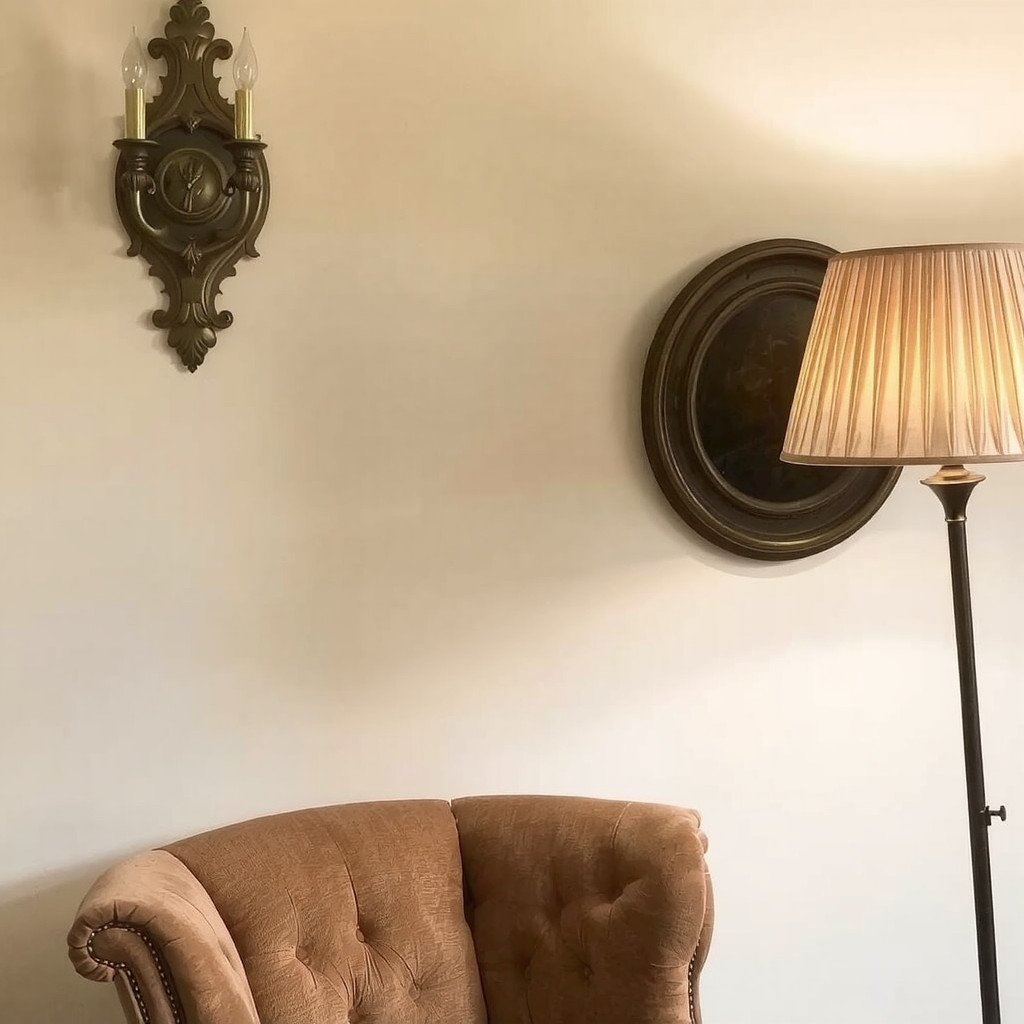
Lighting transforms architecture into atmosphere. Relying on a single overhead source flattens your space and creates harsh shadows that are the enemy of relaxation. Instead, you should adopt a layered approach. Think of lighting in three tiers: ambient (overall glow), task (reading or cooking), and accent (highlighting art or corners).
Use floor lamps and sconces to bring the light down to human level. Warm-toned bulbs (2700K-3000K) are essential for that golden hour feel, mimicking the soothing quality of sunset. Dimmers are non-negotiable; they give you the control to shift the mood from bright functionality to soft intimacy in seconds.
Greenery
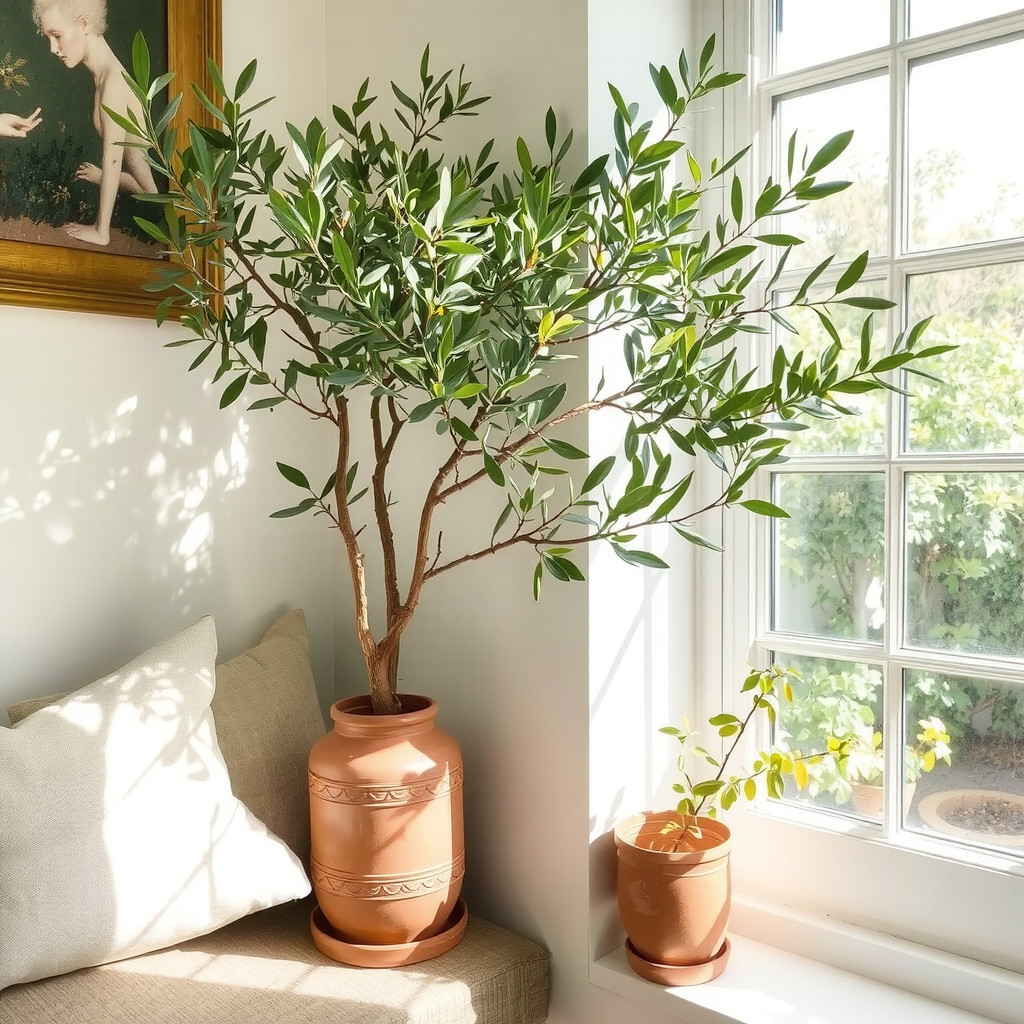
No sanctuary is complete without a touch of the organic world. Plants do more than purify the air; they introduce sculpture and life into your static decor. A large indoor tree, like a Ficus Audrey or an Olive tree, can soften the hard edges of a room and bridge the gap between indoors and outdoors.
Position your greenery near natural light sources where they can thrive, and choose planters that complement your aesthetic—perhaps a textured ceramic or a woven basket. The irregular shapes of leaves break up the straight lines of furniture and architecture, adding a necessary dose of “perfect imperfection.”
Tips
- Rule of Three: Arrange accessories in odd numbers to create visual interest that feels natural rather than staged.
- Mix Your Metals: Don’t be afraid to combine unlacquered brass with matte black; it adds depth and prevents a “showroom” look.
- Layer Your Rugs: Place a smaller, patterned vintage rug over a large, neutral sisal rug for added warmth and definition.
- Edit Ruthlessly: Regularly remove items that no longer serve a purpose or bring joy; clutter is the enemy of calm.
- Scent Scaping: Use diffusers or soy candles with notes of sandalwood or eucalyptus to engage the sense of smell.
ADVERTISEMENT