ADVERTISEMENT
The Art of Compact Living: Big Style for Small Spaces
Introduction Living in a smaller footprint doesn’t mean you have to sacrifice style or comfort. In fact, a compact home offers a unique opportunity to curate a space that feels intimately yours, where every object has a purpose and a place. The key lies not in removing everything you love, but in selecting pieces that work harder for the square footage they occupy. By embracing clever design strategies and editing your choices with intention, you can transform a cramped apartment into an airy sanctuary that feels much larger than it is.
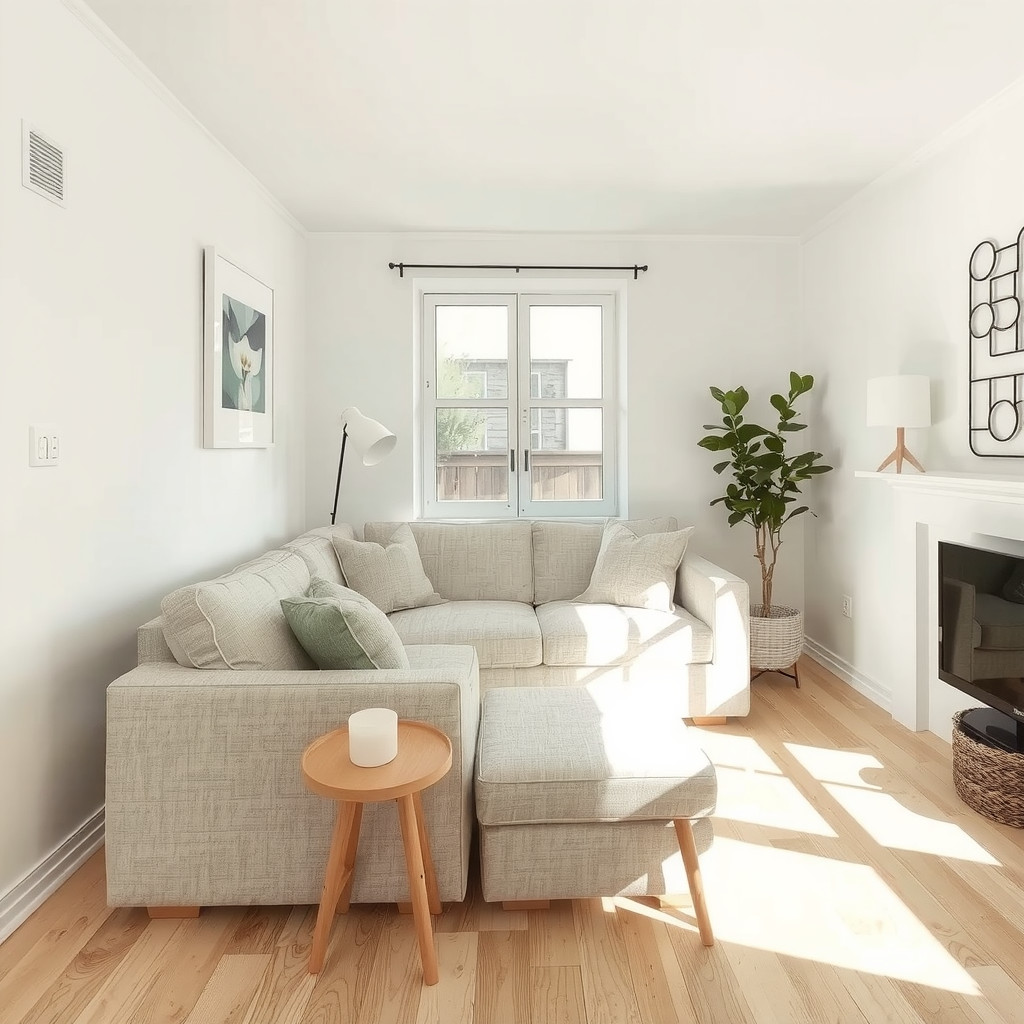
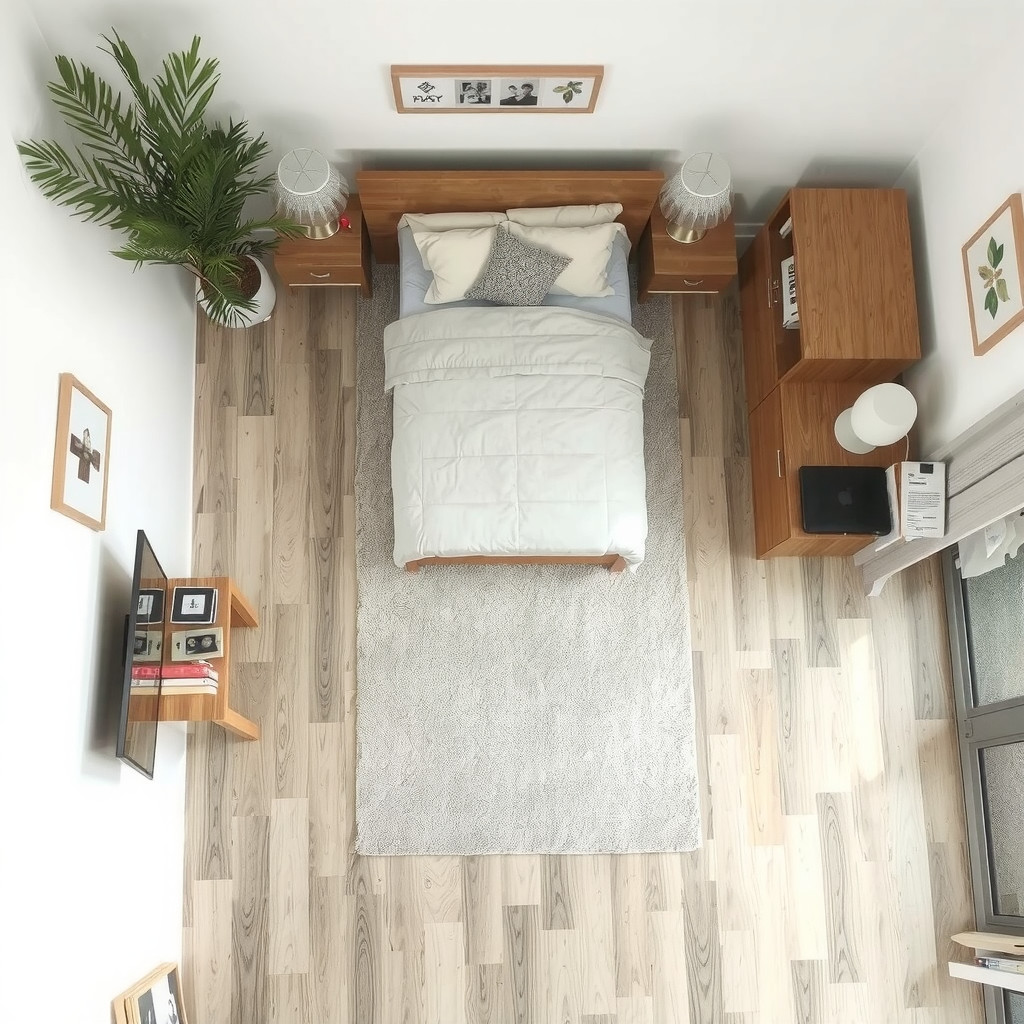
Layout and Positioning When square footage is at a premium, the way you arrange your furniture defines the functionality of the room. You should prioritize flow, ensuring there are clear pathways that prevent the space from feeling claustrophobic. Instead of pushing all furniture against the walls—which can actually make a room feel smaller and disconnected—try floating your sofa to create distinct zones. Use area rugs to visually separate a dining nook from a lounging area without the need for physical barriers. This zoning technique helps your brain register multiple “rooms” within a single open space, instantly adding depth.
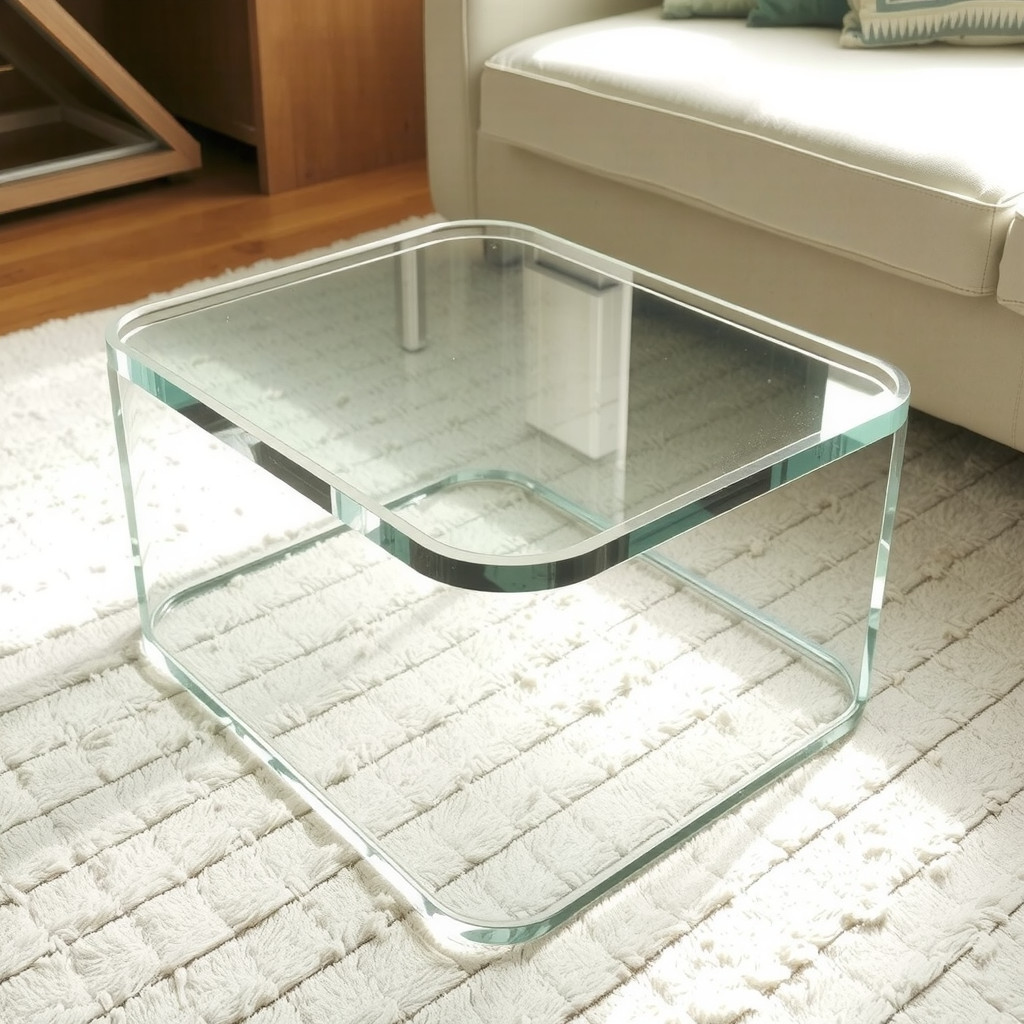
Materials and Textiles The visual weight of your furniture plays a massive role in how spacious a room feels. You want to lean towards materials that allow light to pass through or reflect it, creating a sense of invisibility. Glass, acrylic, and Lucite are excellent choices for coffee tables or dining chairs because they disappear into the room, reducing visual clutter. Pair these with light-colored textiles like organic linen or cotton in neutral tones to keep the atmosphere breezy. A strategically placed mirror opposite a window can also double the visual depth of your space instantly by bouncing natural light into darker corners.
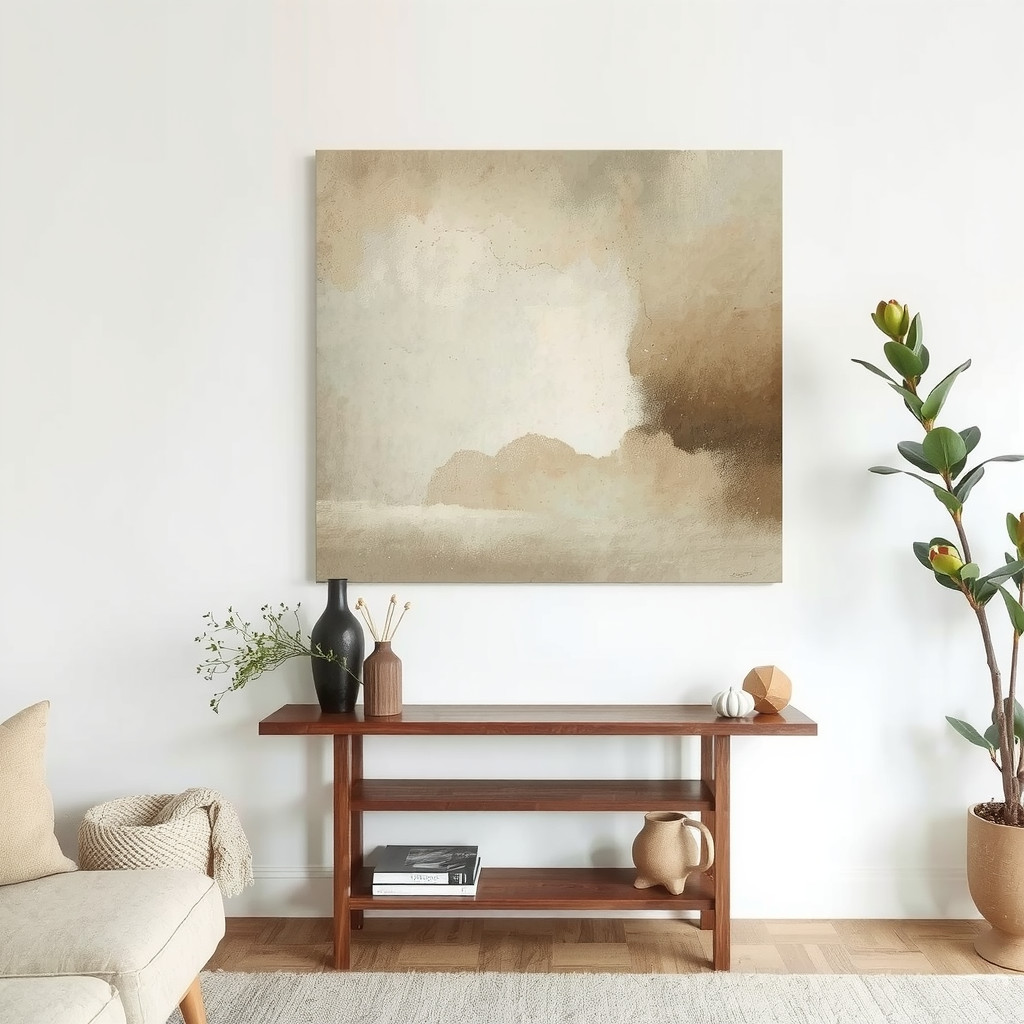
Focal Points In a small room, the eye needs a place to rest. If you fill every corner with small decor items, the result is often chaotic and shrinking. Instead, you should establish a single, strong focal point to anchor the space. This could be a statement piece of art, a beautifully upholstered armchair in a bold velvet, or a feature wall with subtle texture. By drawing attention to one intentional area, you distract from the room’s limited size and create a sense of grandeur and confidence in your design.
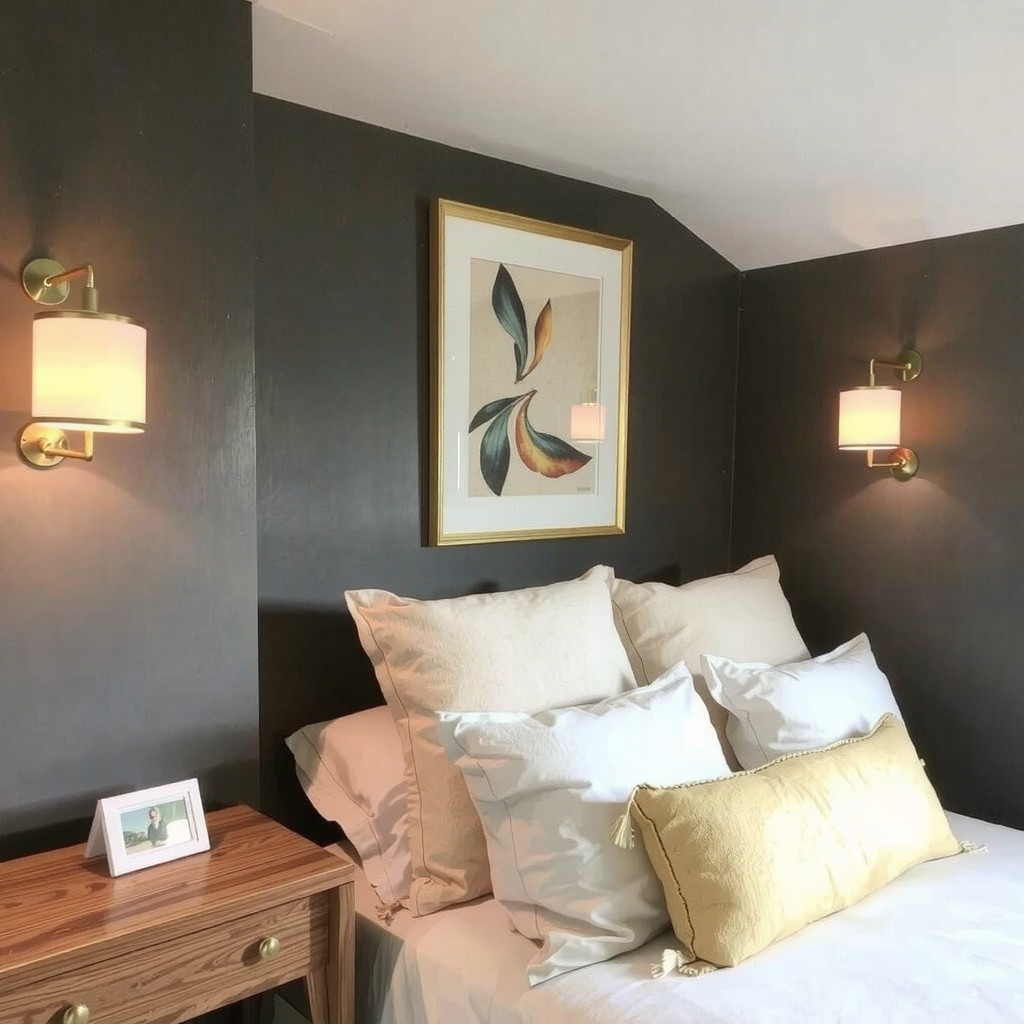
Lighting Lighting is the unsung hero of spatial perception. Relying solely on a single overhead fixture can leave corners in shadow, making the room feel box-like and confining. You need to layer your lighting at different heights to create dimension. However, floor lamps take up precious floor space. Opt for wall-mounted sconces or pendant lights that hang from the ceiling. These fixtures draw the eye upward, emphasizing vertical space and making your ceilings appear higher than they are, while keeping your floor clear for movement.
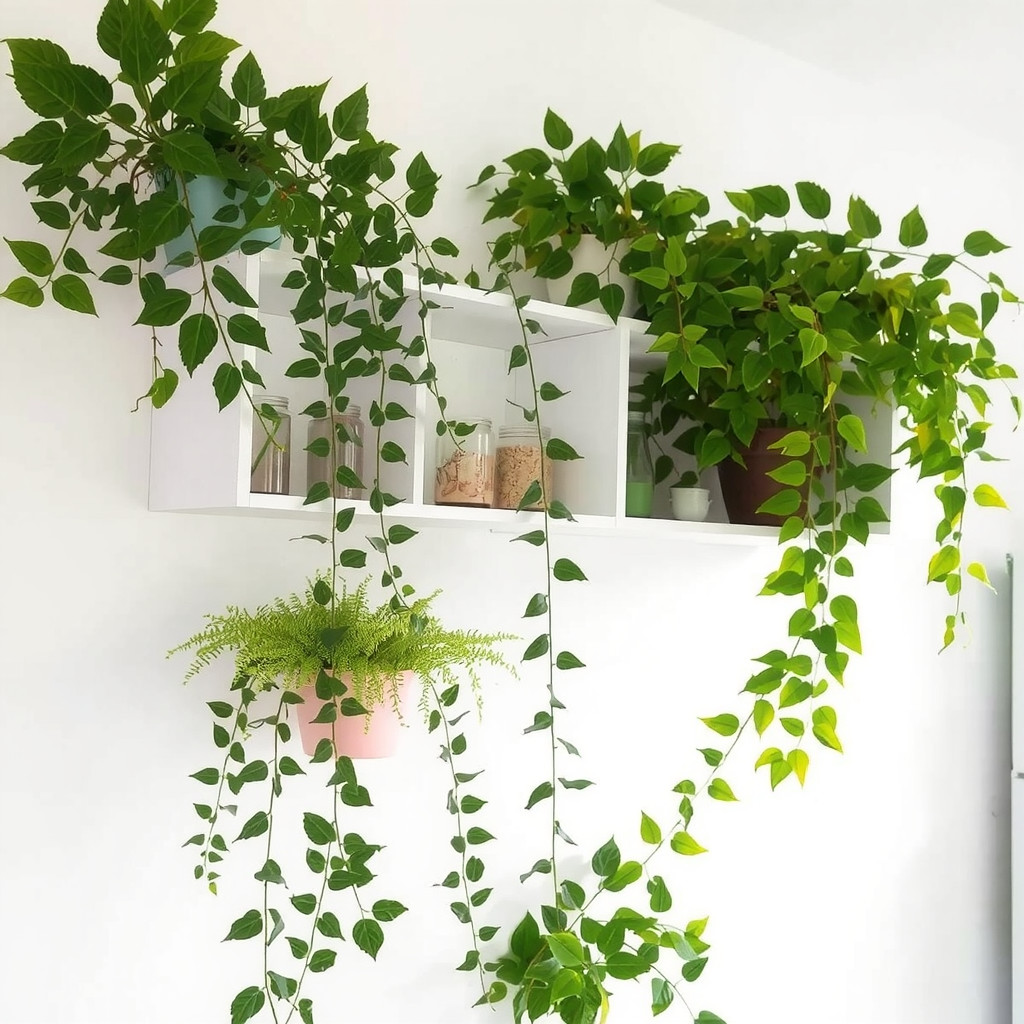
Greenery Bringing nature indoors adds vitality, but large potted plants can dominate a small room. The solution is to think vertically. Utilize the tops of bookshelves, hang planters from the ceiling, or install wall-mounted vessels. Trailing plants like pothos or ivy guide the eye upward and add texture without encroaching on your living area. This connection to nature makes the home feel fresher and more expansive, providing a “living” element that static furniture cannot offer.
Tips
- Embrace Multi-functionality: Choose ottomans with hidden storage or sofa beds that don’t compromise on aesthetics to maximize utility.
- Go Vertical: Install shelving high up on walls to store books and decor, drawing the eye up towards the ceiling.
- Keep it Continuous: Use the same flooring material throughout the home to create a seamless flow between rooms.
- Edit Ruthlessly: Regularly clear out items you don’t use; negative space is essential for a calm small home.
ADVERTISEMENT