ADVERTISEMENT
The Sleep Sanctuary: Curating Bedroom Botanicals for Better Rest
Transforming your sleeping quarters into a restorative haven often requires more than just high thread-count sheets and blackout curtains. Incorporating living elements into your bedroom design bridges the gap between the outdoors and your inner sanctuary, fostering a sense of calm essential for deep sleep. By selecting specific, low-maintenance flora, you not only enhance the aesthetic appeal of your room but also improve air quality, creating an environment primed for relaxation.
Layout and Positioning
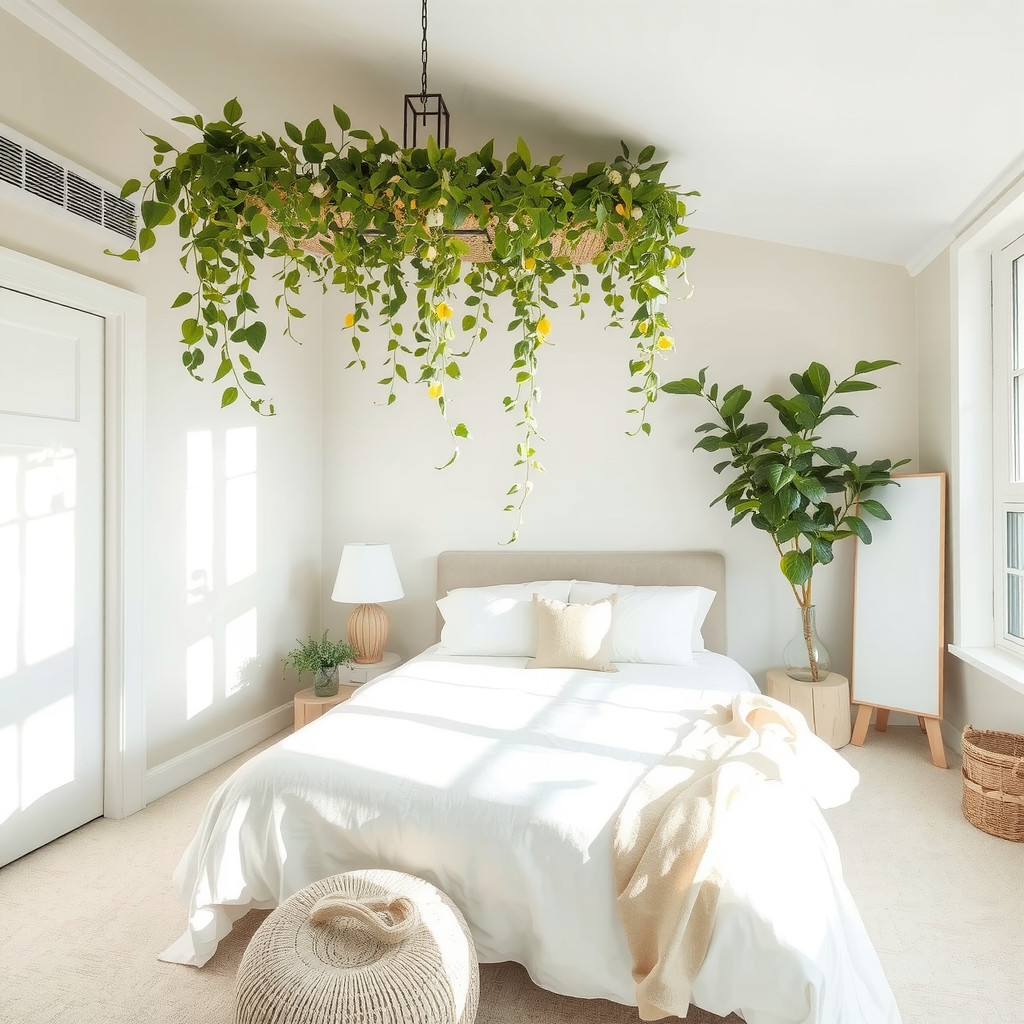
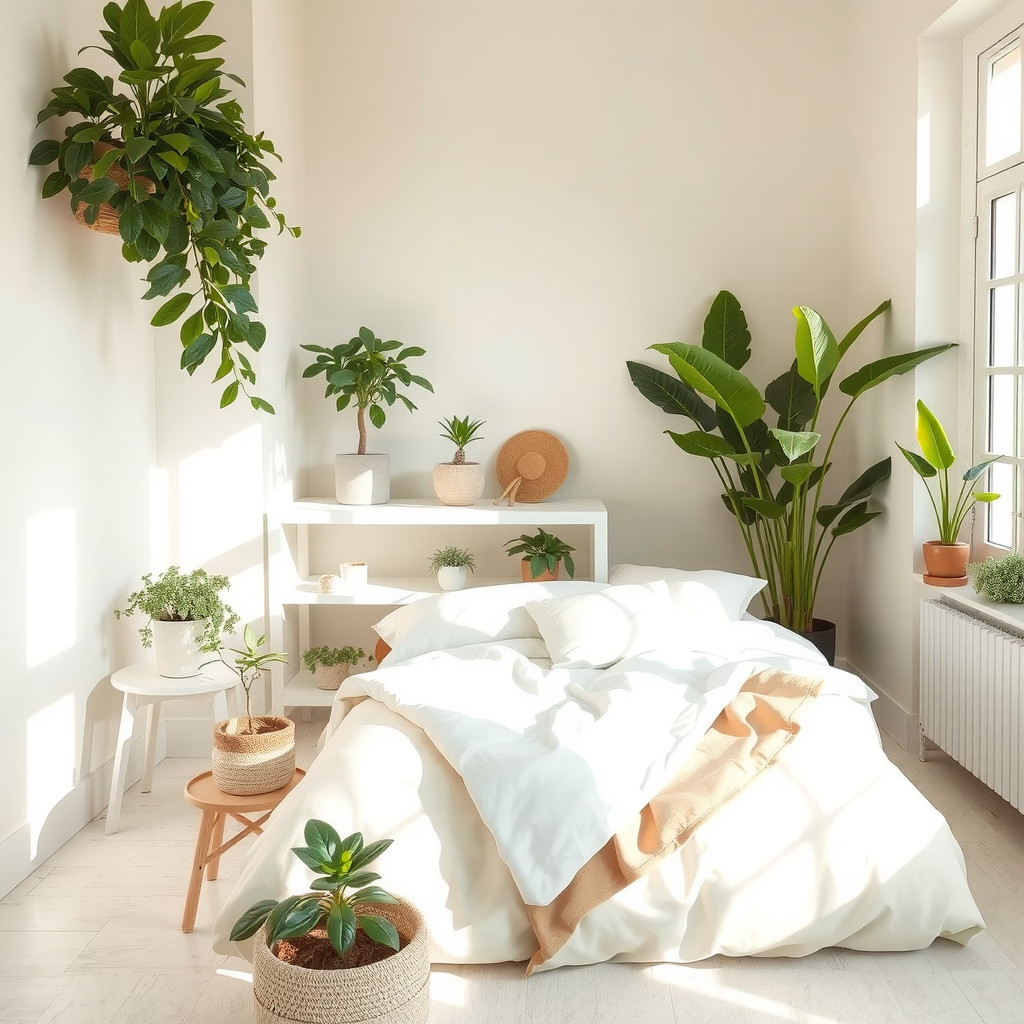
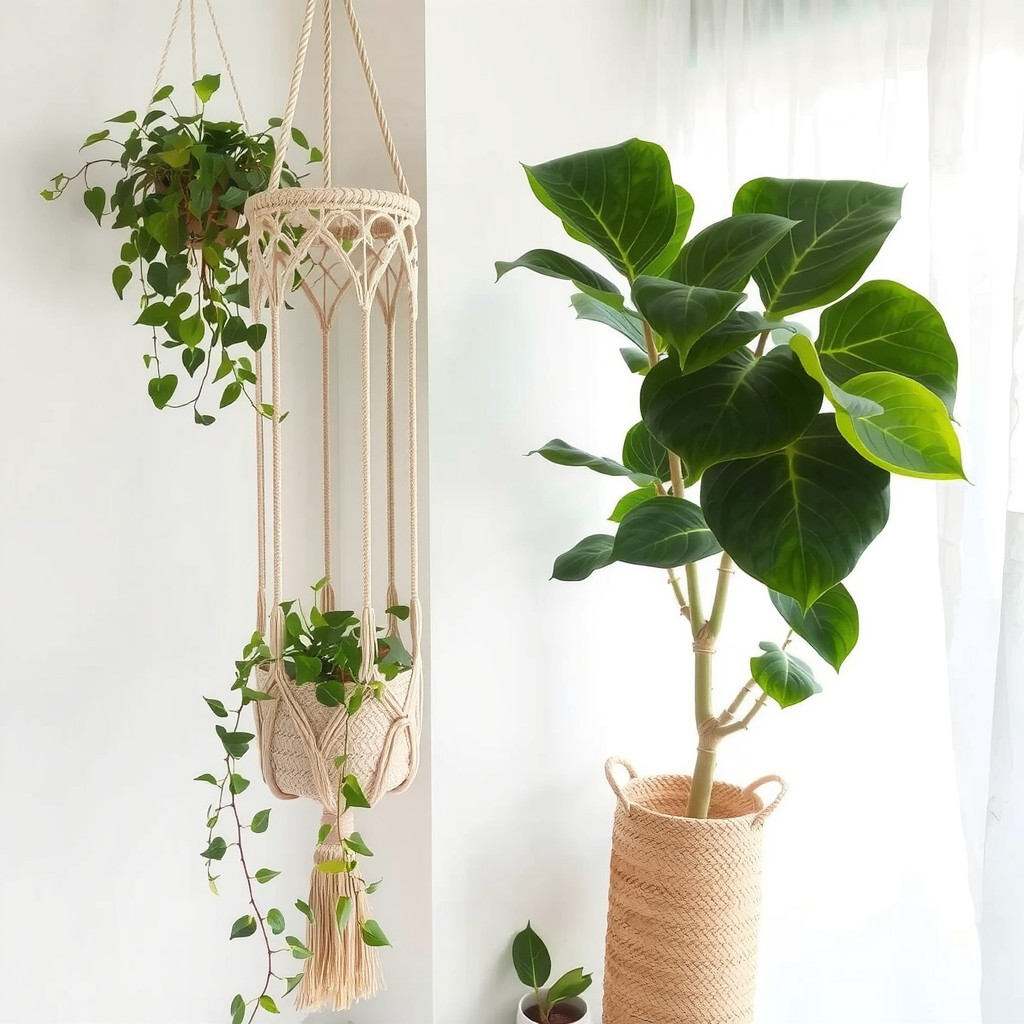
The placement of your botanical companions dictates the flow and feel of the room. Avoid cluttering your bedside table, which should remain a stress-free zone for your essentials. Instead, utilize vertical space by placing trailing varieties like Golden Pothos on high shelves or hanging planters in corners. This draws the eye upward, making the room feel more spacious and airy.
For larger floor plants, position them near a window but away from direct drafts or AC vents that might stress the foliage. A well-placed plant stand can elevate a medium-sized specimen, filling awkward empty corners without blocking pathways. The goal is to create a peripheral embrace of greenery that feels immersive yet organized.
Materials and Textiles
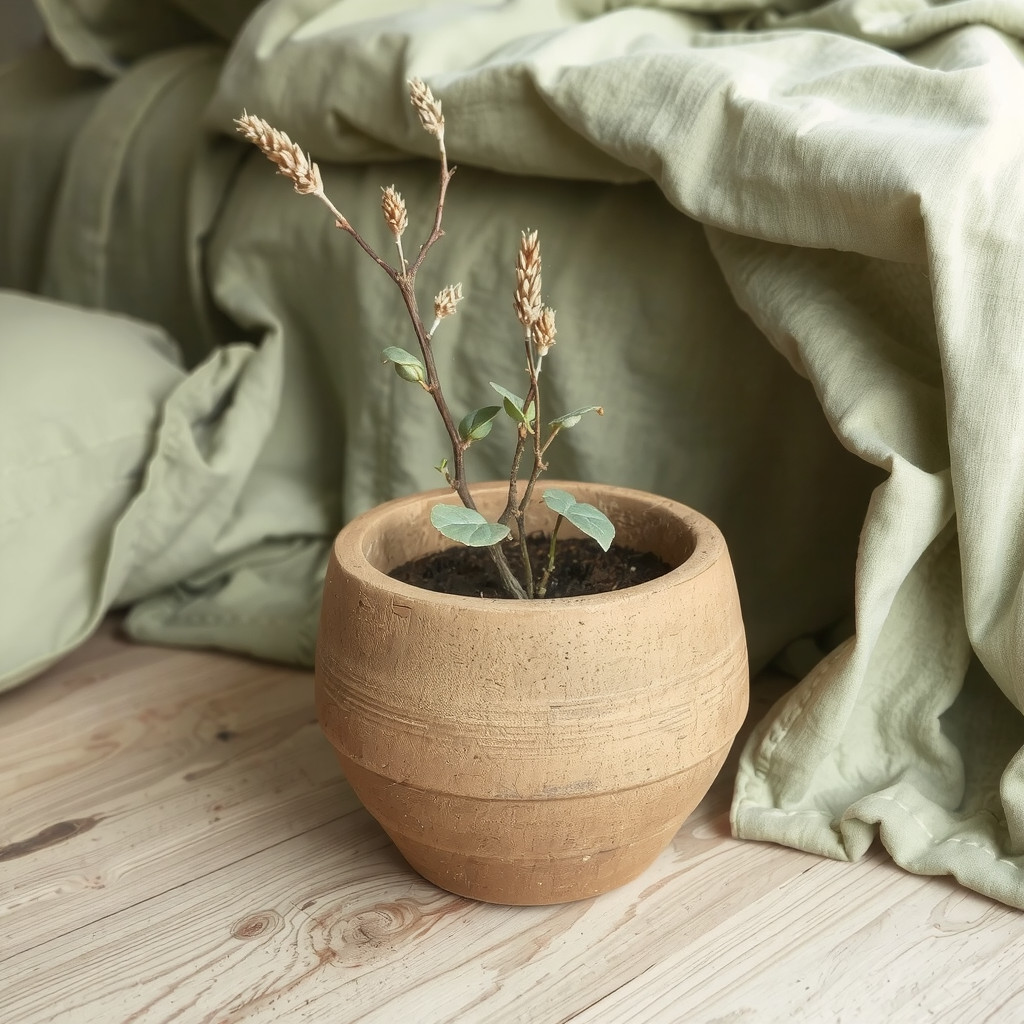
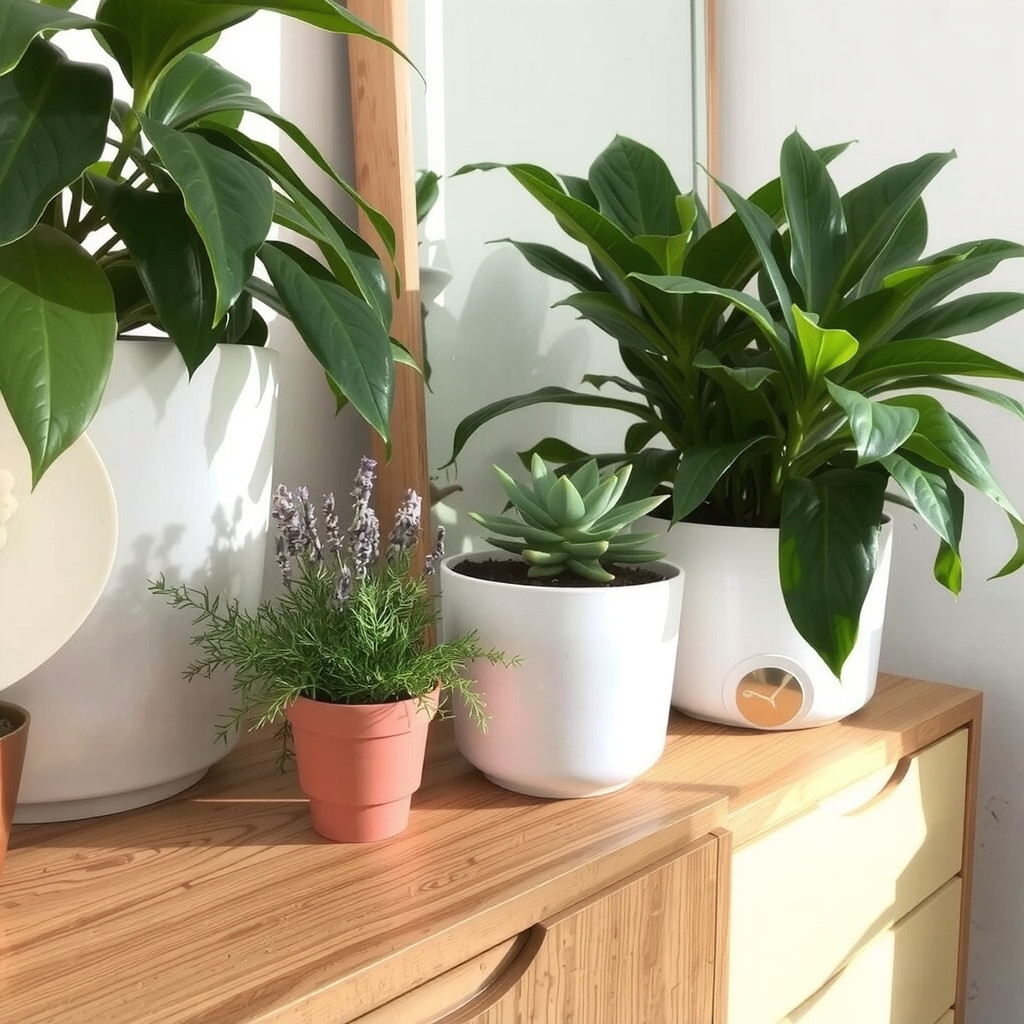
The vessels housing your plants are just as important as the greenery itself when establishing a cohesive decor style. Move away from standard plastic nursery pots and embrace natural materials that ground the space. Terracotta, unglazed ceramic, and stone planters introduce an earthy, organic texture that complements the softness of bedroom textiles.
Pair these rigid textures with soft, breathable fabrics like washed linen or organic cotton bedding in muted earth tones—oatmeal, sage, or soft terracotta. A woven seagrass or jute basket used as a cachepot adds a layer of warmth and rustic charm, softening the visual transition between the floor and the plant.
Focal Points
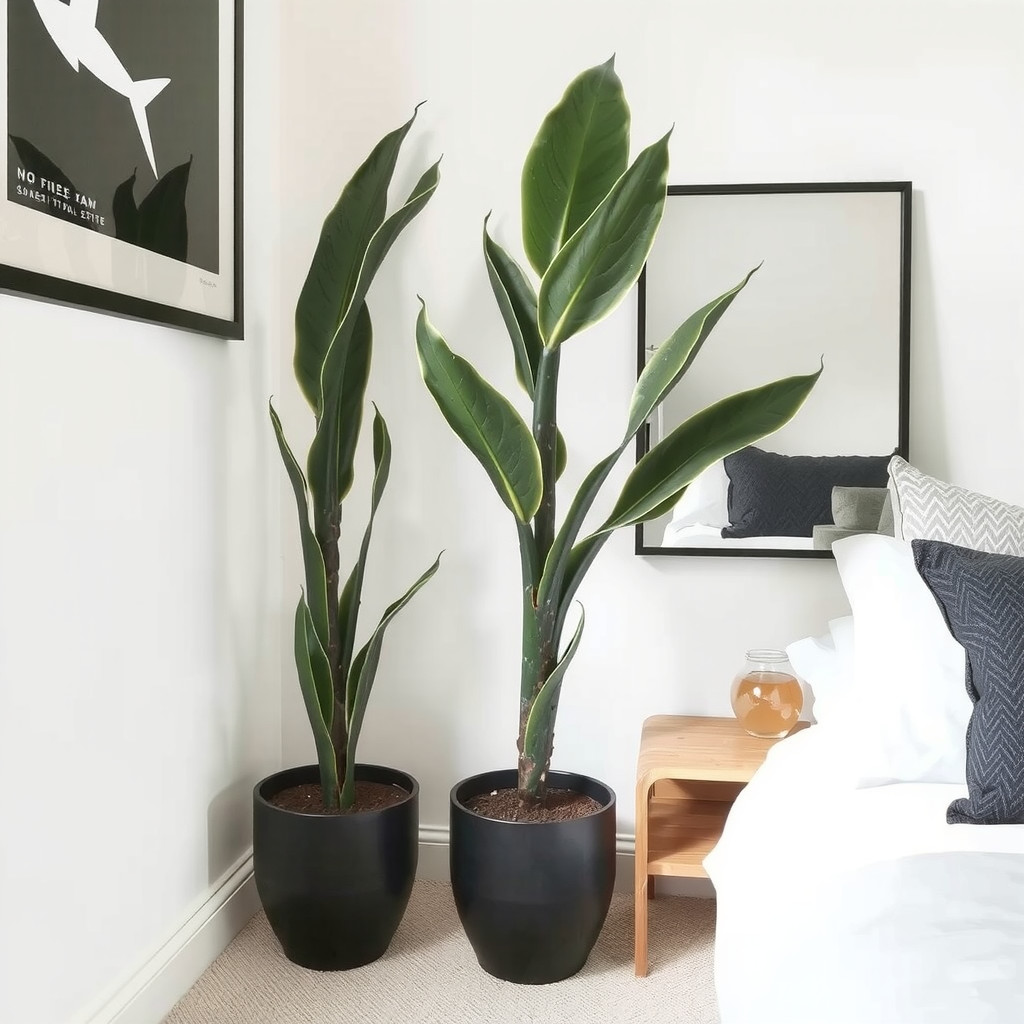
While a jungle vibe can be appealing, a bedroom benefits from a sense of order and calm. Establish a visual anchor by choosing one statement plant to serve as a primary focal point. A tall Snake Plant (Sansevieria) with its architectural, upright leaves adds structure and height, acting as a living sculpture.
Place this statement piece across from the bed or in a corner where it is the first thing you see upon entering. This singular, bold element grounds the room’s design, preventing the space from feeling chaotic. You can flank this main piece with smaller, subtle accents, but let the hero plant command the attention.
Lighting
Bedrooms are often lower-light environments, especially if you prefer keeping curtains drawn for privacy or sleep. Fortunately, many air-purifying plants thrive in indirect or low-light conditions. Assess the natural light available during the day; east-facing windows provide gentle morning sun, ideal for most foliage.
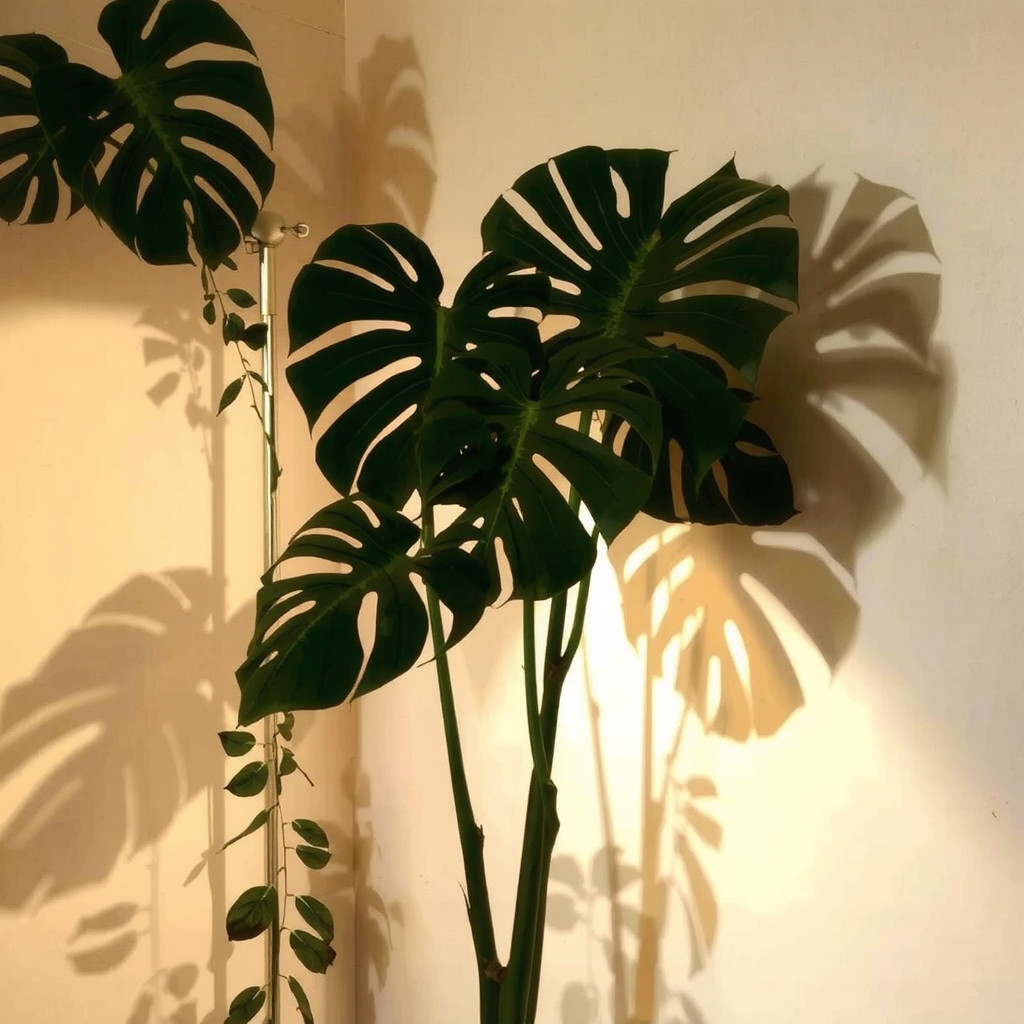
In the evening, consider how artificial lighting interacts with your plants. A warm, dimmable floor lamp placed behind a large leafy plant can cast intricate, soothing shadows on the wall, adding a layer of visual interest without overstimulating the senses. Ensure your grow lights, if used, are on a timer to respect your circadian rhythm.
Greenery
Selecting the right species is crucial for a low-maintenance, sleep-enhancing experience. The Snake Plant is a top contender, renowned for releasing oxygen at night rather than during the day, actively purifying the air while you sleep.
Another excellent choice is the Peace Lily, which thrives in shade and helps increase humidity levels—beneficial for dry, air-conditioned rooms. For a touch of aromatherapy, try growing Lavender in a sunny windowsill; its scent is scientifically proven to lower heart rate and blood pressure. Finally, the resilient ZZ Plant tolerates neglect and low light, making it perfect for those without a green thumb.
Tips
- Water Wisely: Overwatering is the most common killer of indoor plants. Always check the top inch of soil for dryness before adding water.
- Dust Regularly: Dust accumulation on leaves blocks photosynthesis and looks messy. Wipe leaves gently with a damp microfiber cloth every two weeks.
- Pest Patrol: Inspect the undersides of leaves occasionally to catch any pests early before they spread to other plants.
- Rotate Pots: Rotate your plants a quarter turn every time you water them to ensure even growth and prevent them from leaning toward the light source.
ADVERTISEMENT